Ever wondered how fast holly grows when you’re planning your landscape? Holly plants are total game-changers in the garden, perfect for privacy screens, seasonal decor, and attracting wildlife.
The growth rate is key because it affects when you’ll see those beautiful results and how much patience you’ll need.
If you want quick privacy or prefer a slower, more controlled growth, I’ll break down how fast holly grows in different varieties.
Plus, I’ll share tricks to boost their growth and tips on caring for your plants. Get ready to become a holly expert and pick the perfect variety for your space!
Holly Growth Rates: What You Need to Know
Holly bushes tend to grow slowly, typically at a rate of 6 to 24 inches per year. While this might feel like a slow pace compared to other shrubs, it’s beneficial for the plant.
This slower growth allows holly to develop strong, well-structured branches. In contrast, fast-growing plants may become weak or leggy, while holly maintains solid strength as it matures.
Growth speed varies depending on the holly variety. For example, American Holly can grow two feet annually, while dwarf varieties may only grow eight inches per year.
Factors like local climate, soil quality, and care will influence how quickly your holly grows.
Types of Holly with Their Growth Rate
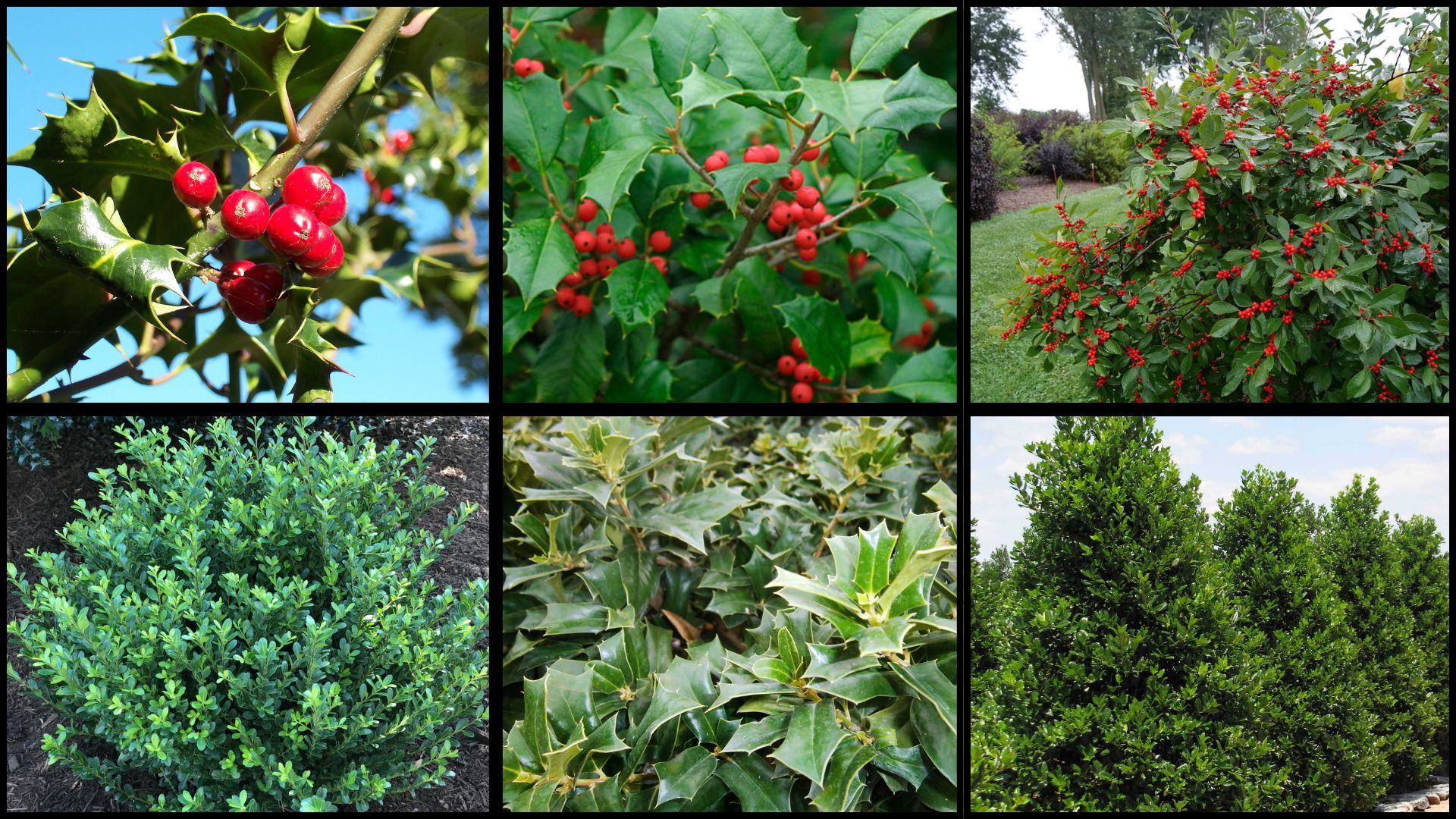
The table below offers a quick comparison of different holly types to help guide your decision for privacy screens, ornamental landscaping, or other uses.
| Type of Holly | Growth Rate | Typical Height | Best For Landscape Type |
|---|---|---|---|
| English Holly | Moderate: 1–2ft/year | 15–30ft | Privacy Screens, Ornamental |
| American Holly | Moderate: up to 1–2ft/year | 40–50ft | Privacy Screens, Wildlife Gardens |
| Winterberry | Slow: 6–12in/year | 6–10ft (shrub) | Ornamental, Wet Areas |
| Japanese Holly | Slow-Medium: 6in–1ft/year | 6–10ft (shrub) | Ornamental, Formal Borders |
| Chinese Holly | Moderate: 1–2ft/year | 10–15ft | Ornamental, Drought-Tolerant Areas |
| Nellie Stevens Holly | Fast: up to 3ft/year | 15–25ft | Privacy Screens, Fast Growing |
Each holly type has its unique features and can serve specific needs in your garden. By considering growth speed and height, you can choose the variety that best suits your space and design goals.
Factors Affecting Holly Growth
Several key factors determine how fast your holly will grow and how healthy it stays. I’ll help you understand these basics so you can create the best conditions for steady, strong growth.
1. Age of Plant
Young holly plants focus on establishing their root systems during the first few years, with slow above-ground growth. While roots expand, visible growth above ground is minimal.
After three years, once the roots are well-established, holly plants typically show faster growth and better resilience, producing more noticeable growth each year.
2. Sunlight and Temperature
Holly grows in partial shade to full sun, needing at least four hours of direct sunlight daily. More sunlight generally promotes faster growth, though intense afternoon sun can stress some holly varieties.
Consistent temperatures are essential for steady growth, with mild climates producing the best results for most holly types.
3. Soil Conditions
Holly needs well-draining soil to prevent root rot and allow roots to grow freely. Heavy clay soil can hinder root development and slow growth.
Adding organic matter or compost improves soil structure, while slightly acidic soil (with a pH between 6 and 7) supports optimal growth and health for holly plants.
4. Watering
Deep, infrequent watering encourages holly to develop strong, deep roots. Shallow daily watering leads to weak surface roots.
Water holly thoroughly once or twice a week, allowing the soil to dry slightly between sessions. Avoid overwatering, as it can lead to root rot and yellowing leaves, indicating plant stress.
5. Pruning
Pruning holly lightly in late winter or early spring helps remove dead or damaged branches, promoting healthier new growth. Heavy pruning can shock the plant, causing it to slow its growth.
Focus on removing only diseased or crossing branches, as this improves airflow and enables the holly to direct its energy into strong, healthy growth.
Best Practices to Maximize Holly Growth
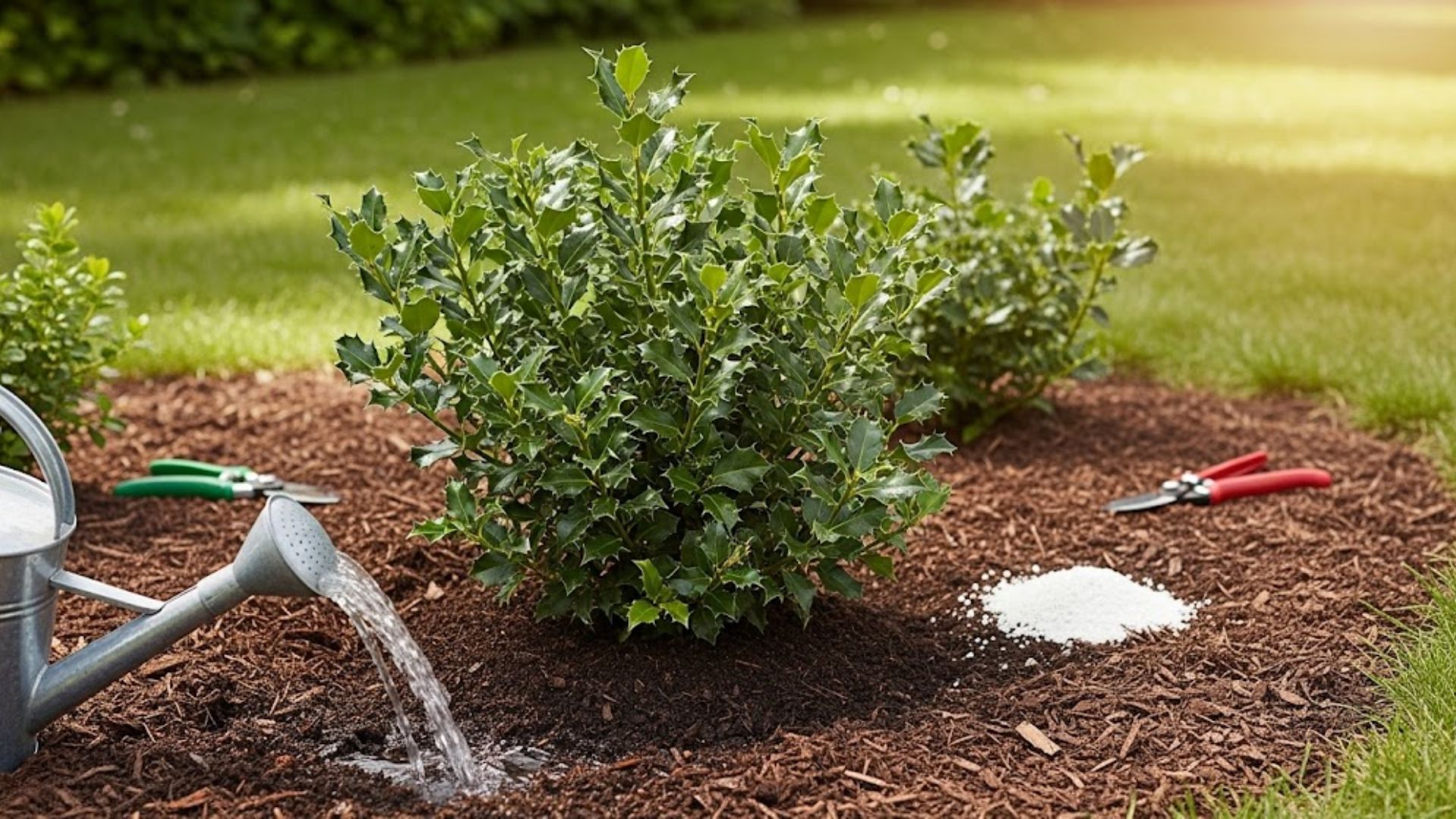
To get your holly flourishing, start with the right planting spot. Ensure the area has good drainage and receives full sun to partial shade. Use well-draining, slightly acidic soil and incorporate some organic matter for optimal results.
Water regularly, but avoid overwatering; deep watering once a week, especially during the first growing season, is most effective. Add 2-3 inches of mulch around the base, keeping it away from the stems.
Feed your holly with slow-release fertilizer in both spring and fall to support healthy growth. Lightly prune in late winter to remove dead wood and maintain its shape.
Keep an eye out for pests like aphids and scale insects, and treat them early with insecticidal soap. Please keep it simple, and your holly will flourish!
Long-Term Care and Maintenance for Holly
Caring for your holly tree in the long term ensures it remains vibrant and healthy throughout the years. By following these simple maintenance practices, you’ll promote its growth and prevent problems down the line.
- Regularly check for pests like scale insects and spider mites, which can slowly damage your holly.
- Fertilize with a balanced formula every spring as new growth begins to support healthy development.
- Trim off suckers and water sprouts from the base to help focus energy on the main branches.
- Look out for canker disease, which shows as sunken areas with discolored bark.
- Add mulch around the base in the fall to protect roots from temperature fluctuations and conserve moisture.
Proper care will ensure your holly thrives year after year, avoiding costly issues and keeping it looking its best.
Wrapping It Up
Now you know exactly how fast holly grows and what factors influence those growth rates in your garden. Different holly varieties exhibit varying growth rates, with age, sunlight, soil, water, and pruning all playing significant roles.
You’ve also learned care techniques that help maximize growth potential and long-term maintenance strategies to keep your holly prospering.
If you’re looking for fast privacy screens or compact ornamental features, each variety brings unique benefits. I encourage you to choose the right holly variety based on your timeline and landscape goals.
Ready to convert your yard with holly? Start researching the perfect varieties for your space today and share your success stories in the comments below!