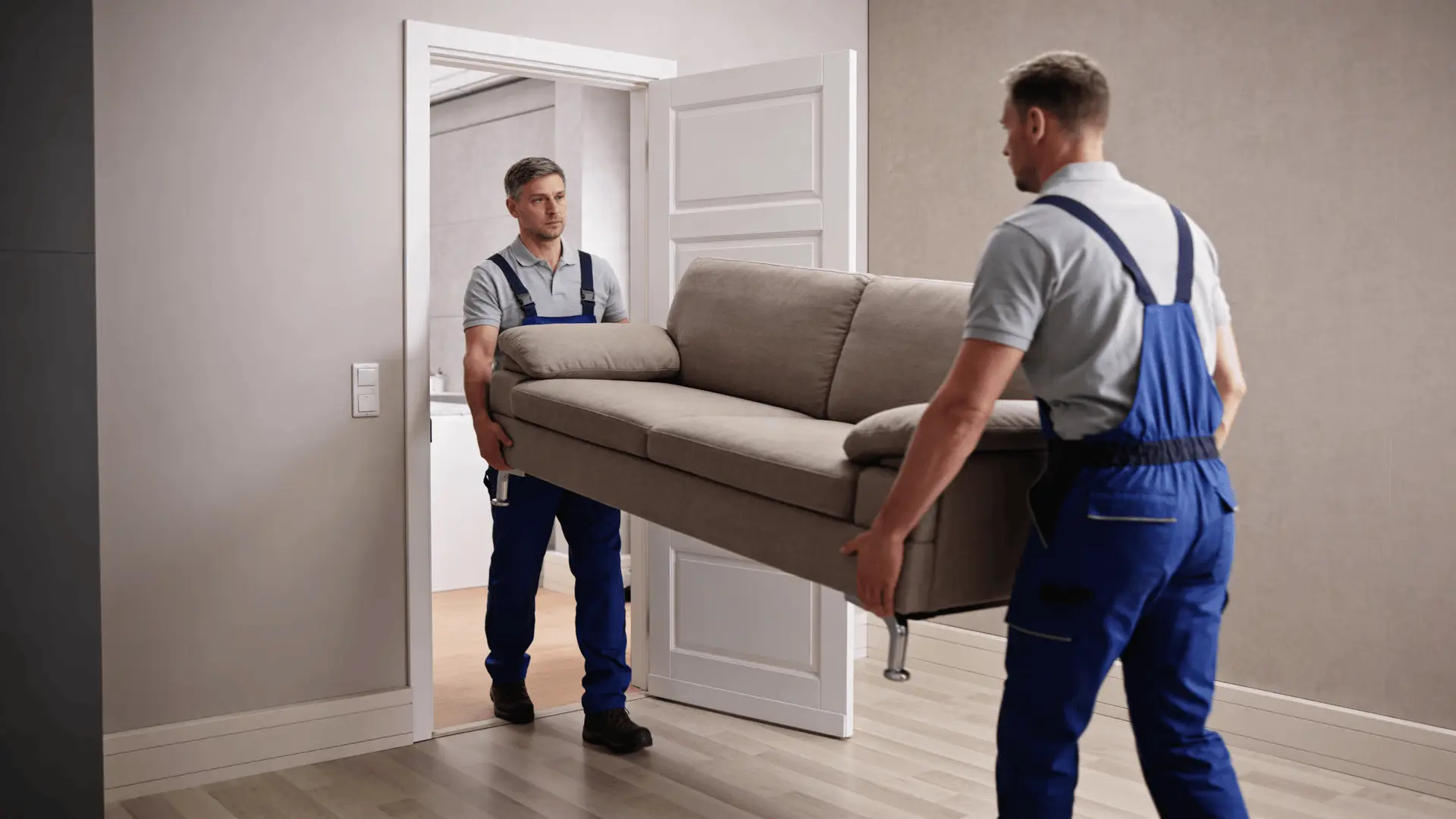
A furniture delivery sounds simple until the moment you wonder if you’re supposed to tip. Many people feel unsure because the rules are not clear.
You might think the delivery fee already covers it. Or you might worry about seeming rude if you don’t tip. This confusion is common, especially since furniture delivery sits in a gray area between retail and service work.
In this guide, I’ll walk through what actually matters. We’ll talk about social norms, why tipping exists here at all, and when it’s more common or less expected.
By the end, you’ll have a clear answer to one simple question:
Is Tipping Furniture Delivery People Expected?
Tipping furniture delivery people is not required. There is no rule that says you must do it. That said, many people still choose to tip.
This sits in a space where tipping is more about courtesy than obligation.
Unlike restaurant service, there is no universal social rule. At the same time, it is more personal than a basic package drop-off.
Delivery workers often enter your home, handle large items, and interact with you directly. That creates a sense of personal service, even though tipping is optional.
The ambiguity exists because furniture delivery mixes retail and manual labor. Retail usually does not involve tipping. Hands-on service sometimes does. Since this job includes both, people rely on personal judgment instead of a clear rule.
Understand this… you are not breaking etiquette by choosing not to tip.
Why Do People Tip Furniture Delivery Workers at All?
People tip furniture delivery workers to recognize effort, not because they feel obligated. That framing clears up most of the confusion around tipping.
- Physical labor and risk: Heavy lifting in tight spaces increases the chance of injury or damage, requiring strength, control, and constant awareness.
- Care for your home: Protecting floors, walls, and furniture takes focus and patience, not just getting items inside quickly.
- Time pressure: Tight delivery schedules force workers to balance speed with careful handling inside your space.
- Extra responsibility: Clear communication and calm problem-solving go beyond the basic task of delivery.
When people choose to tip, they’re responding to that added care. It’s about recognizing effort in the moment, not covering wages or giving charity.
When Tipping Furniture Delivery is More Common
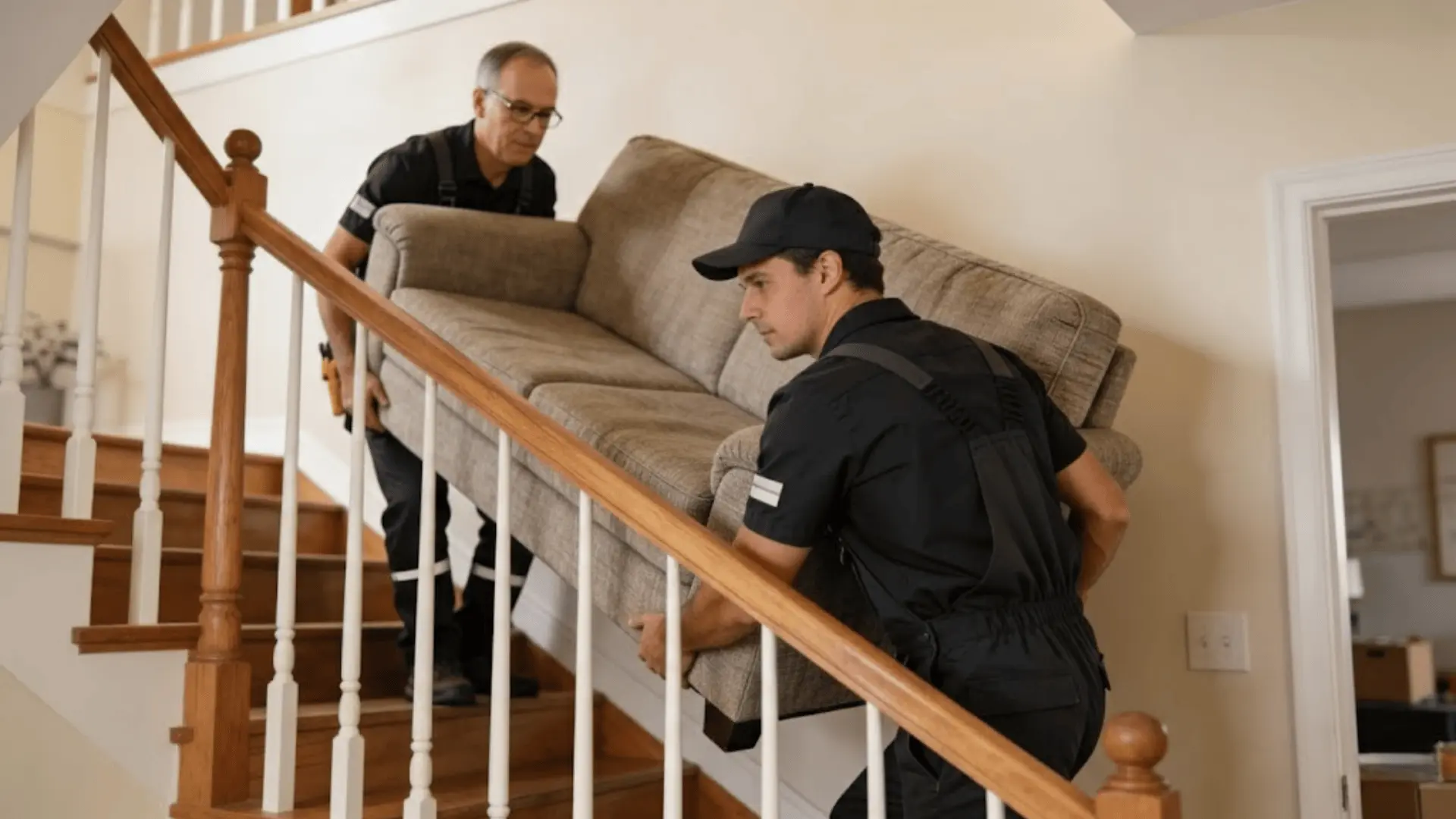
Tipping becomes more common when a delivery requires more effort or responsibility than usual. As effort goes up, people feel stronger social pressure to acknowledge it.
| Delivery situation | What changes in the work | Why tipping feels more common | Typical tipping range (per person) |
|---|---|---|---|
| Heavy or difficult deliveries | Large, bulky items require coordination and strength, especially through stairs, tight halls, or sharp turns | The physical effort is visible, sustained, and harder to ignore | $20–$50+ |
| In-home setup or assembly | Workers place, align, and sometimes assemble furniture to make sure it’s stable and usable | The role shifts from transport to hands-on responsibility inside your home | $20–$50+ |
| Challenging conditions or extra care | Bad weather, long carries, or special handling increase time, focus, and risk | Adapting carefully instead of rushing shows extra effort | $10–$30 |
| Standard delivery with mild obstacles | Medium items, limited stairs, or basic placement | Effort goes beyond curbside but stays manageable | $10–$20 |
Note: These ranges reflect common norms, not rules. They help anchor expectations, but the real signal comes from how much effort and care you see during the delivery.
When Tipping for Furniture Delivery is Usually Not Expected
There are situations where tipping is uncommon and most people don’t feel any social pressure to do it. These deliveries involve minimal effort and limited interaction.
Curbside or Drop-Off-Only Deliveries
When furniture is left at the curb or doorstep, the service stays brief and transactional.
- Limited interaction: The delivery ends quickly, with little personal service involved.
- No in-home handling: Workers don’t navigate your space or protect floors and walls.
- Comparable effort: The job is closer to standard package delivery than hands-on service.
In these cases, most people skip tipping without worrying about etiquette.
Standard, No-Friction Service
Some deliveries are smooth from start to finish and don’t demand extra care.
- Easy access: No stairs, tight turns, or heavy maneuvering.
- No setup required: Items are placed and left without adjustment or assembly.
- Routine experience: The service feels efficient, expected, and straightforward.
Poor or rushed service can also change expectations. Since tipping responds to care and effort, not obligation, many people don’t tip when that care isn’t present.
The key point is simple. When effort stays low and service stays basic, tipping is usually optional and socially neutral.
Does Paying a Delivery Fee Change Tipping Expectations?

Paying a delivery fee does not automatically replace tipping, even though it often feels like it should. This assumption is one of the main sources of confusion.
Delivery fees are designed to cover logistics, not personal service. They typically pay for trucks, fuel, routing, scheduling, and company overhead. Because the fee is charged upfront and listed clearly, it feels like it goes straight to the workers. In most cases, it doesn’t.
The wording of the fee adds to the problem. A “delivery fee” sounds like payment for service, but it’s really payment for access and transport.
What happens inside your home sits outside that charge. When people choose to tip, they’re responding to care, effort, and handling during the delivery itself.
Once you separate these two ideas, expectations settle. The delivery fee completes the transaction. Tipping, if it happens, reflects the experience
What Tipping Communicates when You Choose to Do It
When you tip, you’re not following a rule. You’re sending a signal.
That signal is about gratitude, not obligation. It tells the workers that their care, patience, or extra effort was noticed. This is why small gestures still matter. The value comes from recognition, not size.
Tipping also works as immediate feedback. It happens in the moment and connects directly to the experience you just had. For many people, that feels more natural than explaining themselves or making a speech.
The most important thing to remember is this. Tipping is optional. When it’s given freely, it communicates appreciation. When it feels forced, it loses its meaning.
Wrapping Up
Furniture delivery tipping feels confusing because it sits in the middle of several social norms. Once you understand that it is a courtesy tied to effort and care, the pressure eases.
The question of whether you tip for furniture delivery becomes less about rules and more about context.
Look at what the workers did, how involved the service was, and how it felt in your space. From there, your choice will make sense.
If you decide to tip, it can be simple and sincere. If you don’t, that is also acceptable. The goal is clarity, not obligation.