I love having a green, healthy yard. But sometimes, no matter how much I water or mow, the grass starts to look weak. Yellow or brown spots pop up. Some patches even die. I used to think it was just the weather. But then I found out the real problem—bugs.
Tiny bugs can hide in the grass and eat it from the roots up. You might not even see them at first. But the damage adds up fast. I didn’t know which bugs were the cause or how to stop them. So, I began exploring the signs and strategies for dealing with them.
In this blog, I’ll share what I’ve learned. You’ll find out which bugs are most common, how they hurt your lawn, and easy ways to fix the problem. Let’s keep your grass looking great.
What Are Grass-Eating Bugs?
Grass-eating bugs are small insects that live in or around your lawn. They feed on grass leaves, stems, or roots. Some are active during the day, while others come out at night. Some are so tiny that you might miss them unless you look closely.
These bugs come in various shapes and colors; some fly, while others crawl. Many of them lay eggs in the soil or on grass blades. When the eggs hatch, the newly hatched bugs begin feeding immediately. This makes it hard to catch the problem early.
Why Do These Bugs Choose Your Yard?
Your lawn gives bugs what they need to live:
- Food: Grass is their main meal. Some bugs eat the roots. Others chew on the blades.
- Moisture: Bugs love wet, soft soil. Overwatering your lawn can attract them.
- Shelter: Long grass, thatch, and shady spots offer protection from birds and the sun.
- Warmth: Bugs are more active when it’s warm. Spring and summer are peak seasons.
A well-kept lawn is still not safe from bugs. Even healthy grass can be attacked if bugs move in from nearby yards or fields.
Signs of Grass-Eating Bug Damage
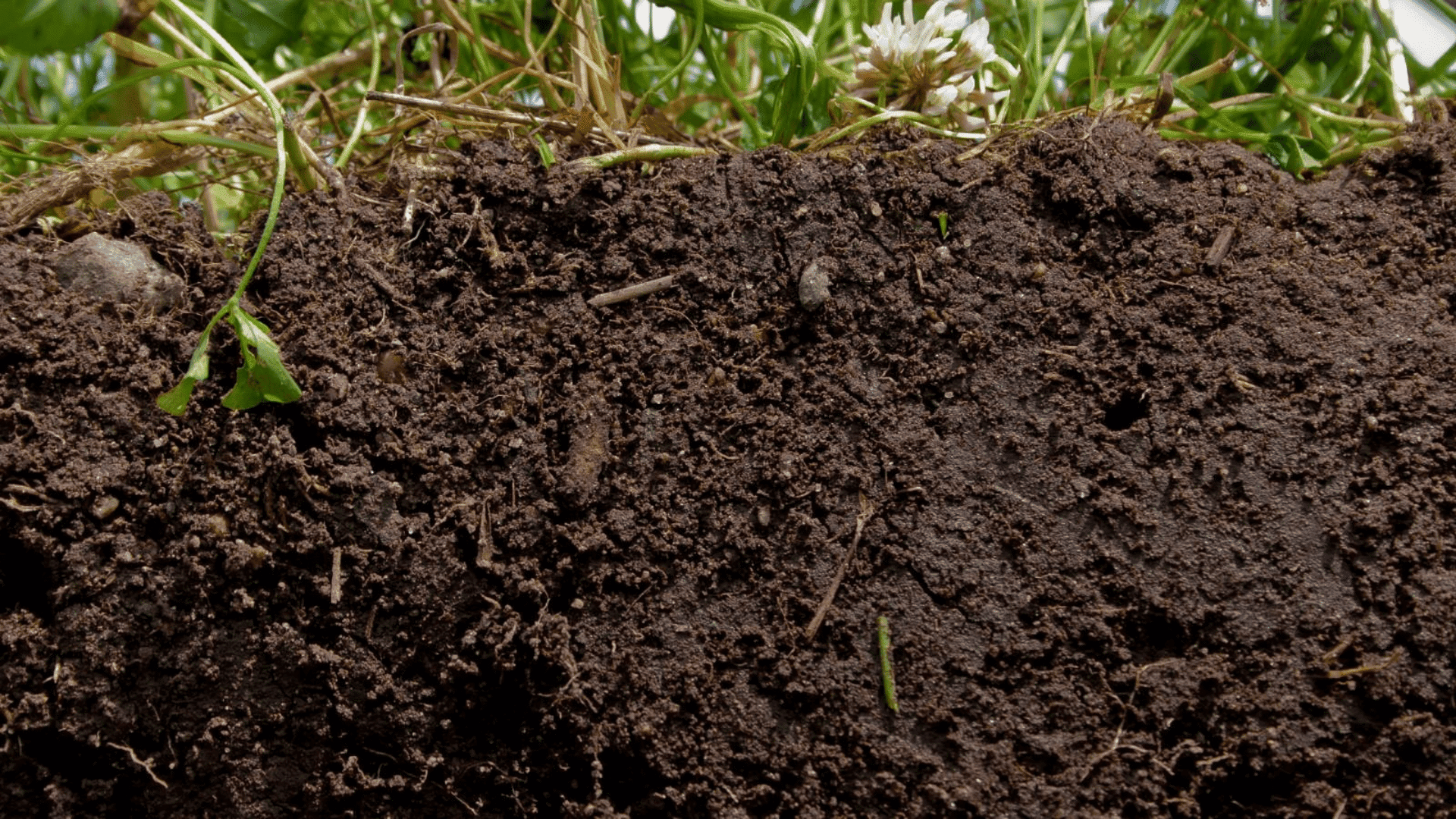
- Brown or Yellow Patches: These are the most common signs. If the grass dies in spots, check the roots. Bugs may be eating them underground.
- Grass Pulls Up Easily: Try tugging on a patch of grass. If it lifts up without effort, the roots may be gone. This often means grubs or other root-feeding bugs are present.
- Thin or Weak Grass: Grass that looks thin, pale, or weak might not be getting enough nutrients. This could be from bugs chewing on the roots.
- Increased Bird or Animal Activity: Birds, skunks, and raccoons dig up lawns to find grubs. If you notice holes or dug-up areas, bugs may be living below the surface.
- Visible Bugs or Larvae: Sometimes, you can spot the bugs themselves. Look under dead patches or turn over some soil.
Most Common Grass-Eating Bugs
Let’s go over the bugs most likely to eat your grass. Each one causes different damage and needs a different fix.
1. Grubs
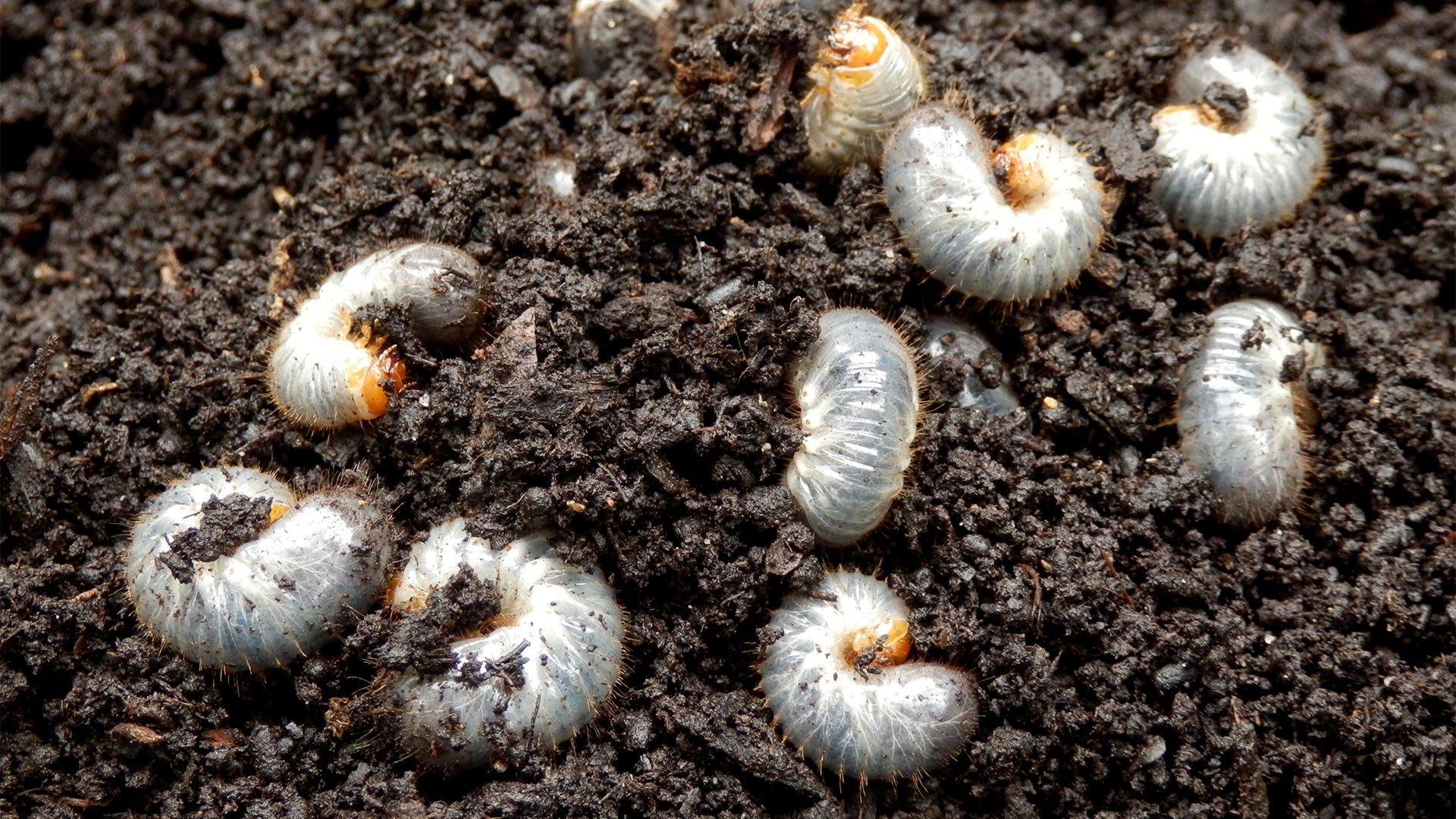
Grubs are the larvae of beetles. They are white, C-shaped, and live underground. They feed on the grass roots and can kill large patches fast.
What They Look Like:
- White and soft with small legs
- Curl up when touched
- Found just under the soil
Signs of Damage:
- Grass pulls up like a loose carpet
- Brown patches that spread fast
- Skunks or birds digging in the lawn
How to Stop Them:
- Apply grub control products in late summer
- Use nematodes (tiny worms that eat grubs)
- Keep the lawn healthy to avoid weak spots
2. Armyworms
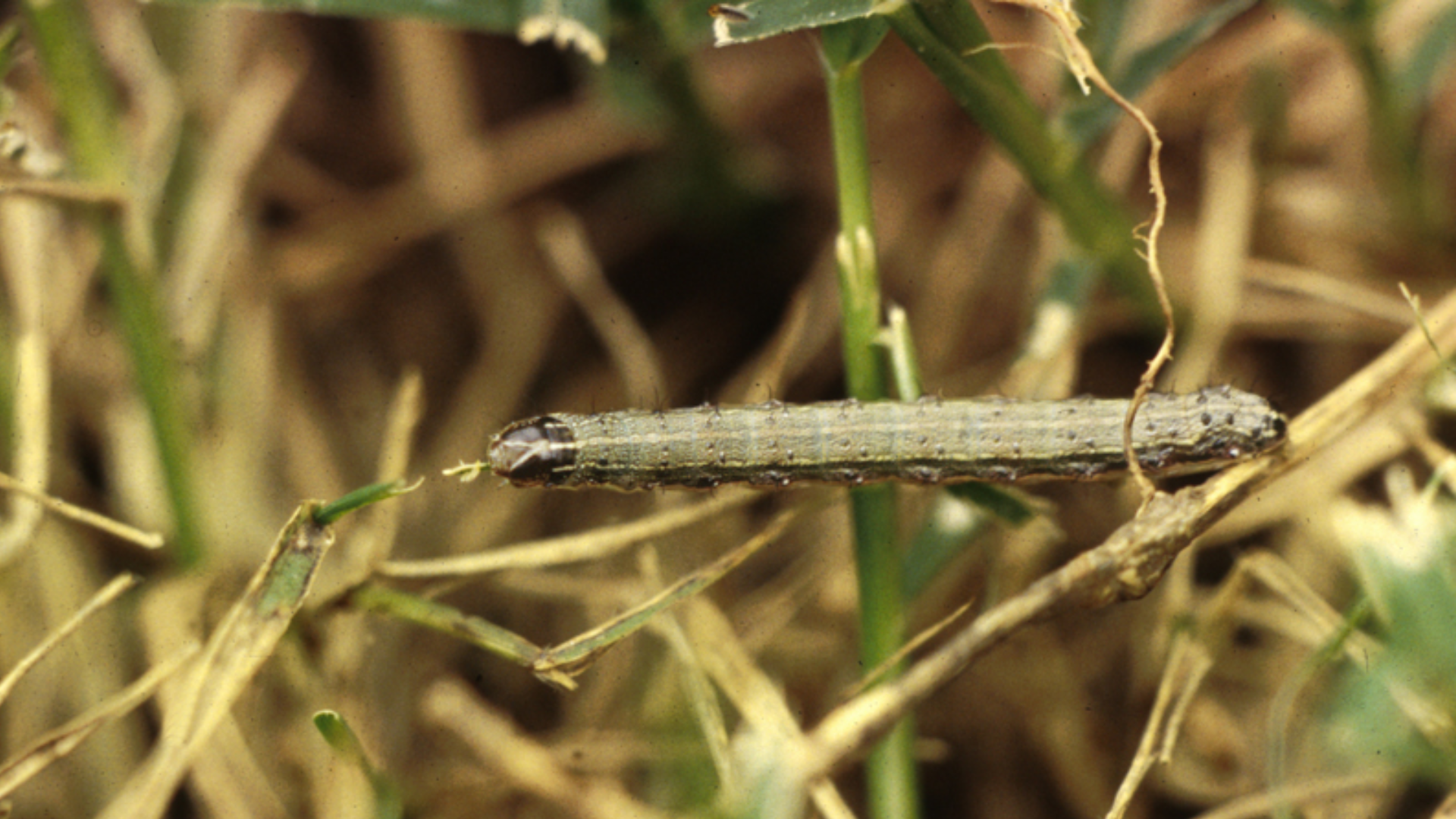
Armyworms are caterpillars that move in groups. They eat grass blades and can leave bare spots in a day.
What They Look Like:
- Green or brown with stripes
- About 1 to 2 inches long
- Move in large numbers
Signs of Damage:
- Chewed grass blades
- Thin or bare patches
- The grass looks scalped
How to Stop Them:
- Use lawn-safe insect killers
- Water deeply to help the grass recover
- Mow often to keep them from laying eggs
3. Chinch Bugs
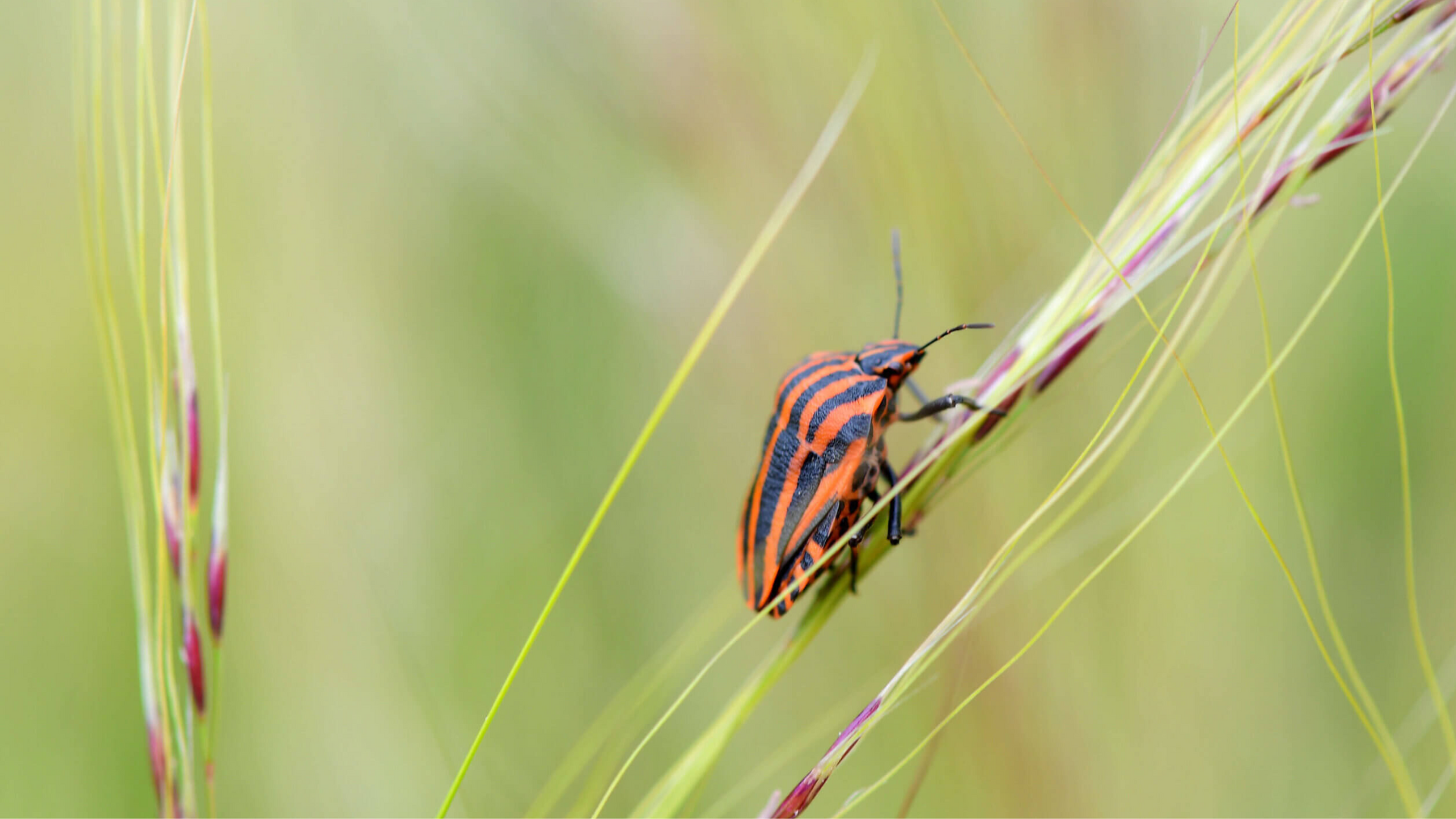
Chinch bugs suck the juice out of grass blades. They love hot, sunny yards and cause dry-looking patches.
What They Look Like:
- Small, black bugs with white wings
- About the size of a grain of rice
- Hard to see unless you look closely
Signs of Damage:
- Dry, yellow, or brown spots
- Patches that get worse in the heat
- Bugs crawl when you part the grass
How to Stop Them:
- Use insecticide if needed
- Water the lawn well
- Keep the grass a little taller for shade
4. Sod Webworms
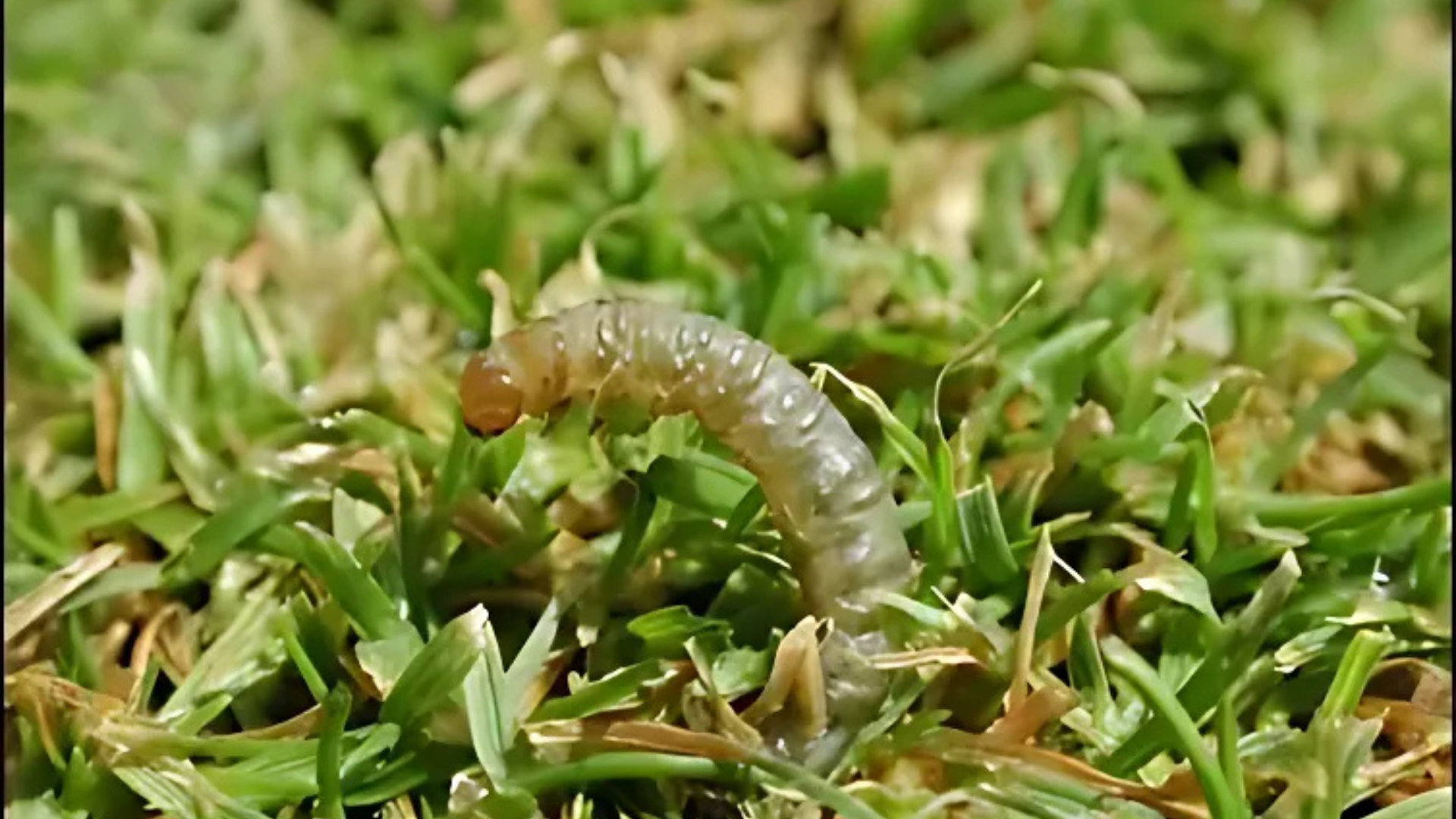
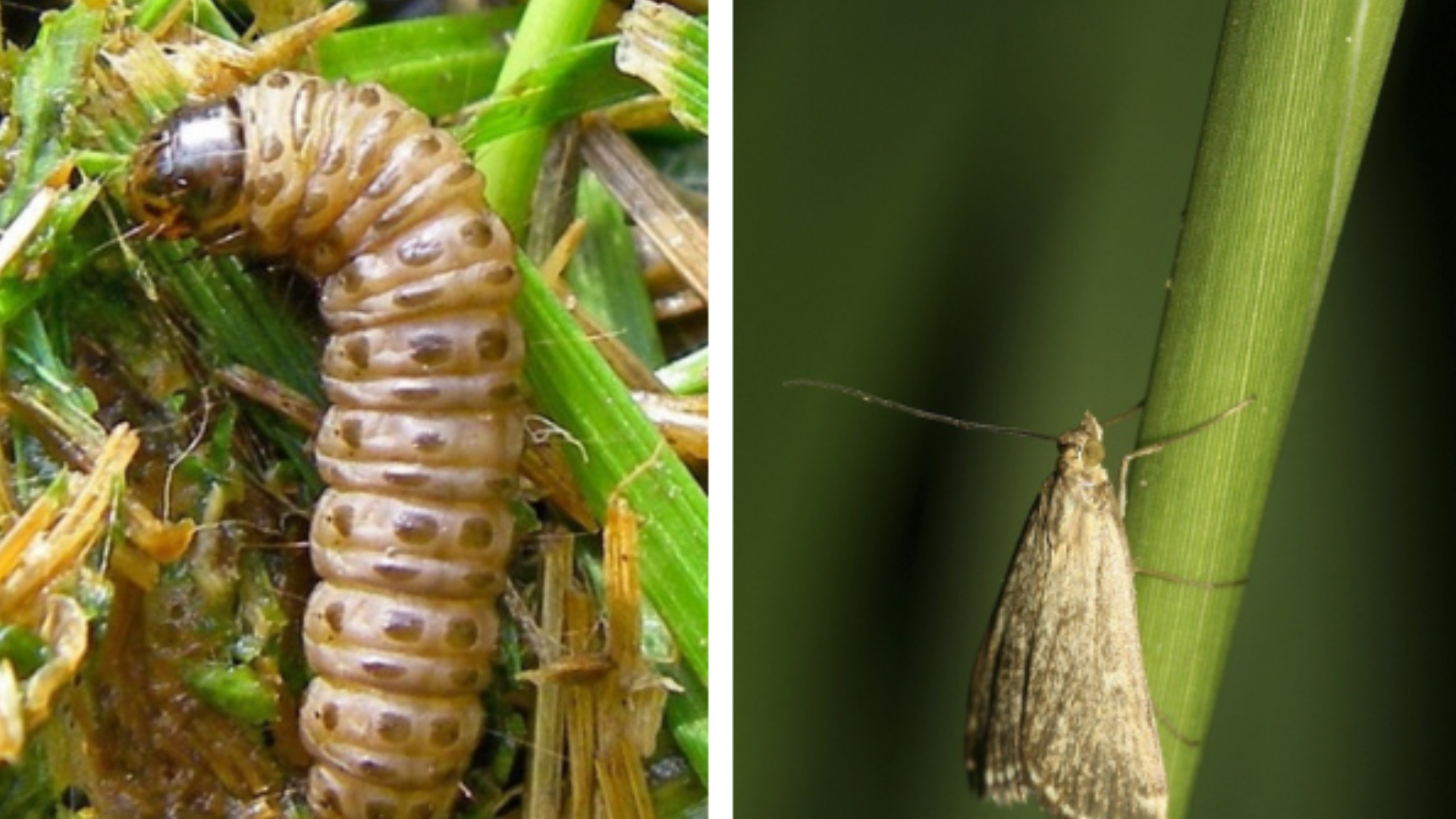
Sod webworms are moth larvae that live in the grass. They feed at night and hide in small silk tunnels during the day.
What They Look Like:
- Small tan caterpillars
- Moths fly up when you mow
- Webbing was found near the soil
Signs of Damage:
- Thin or bare patches
- The grass looks clipped short
- Moths are seen flying around the lawn
How to Stop Them:
- Apply bug control products in the early evening
- Rake the lawn to break tunnels
- Keep grass healthy and watered
5. Billbugs
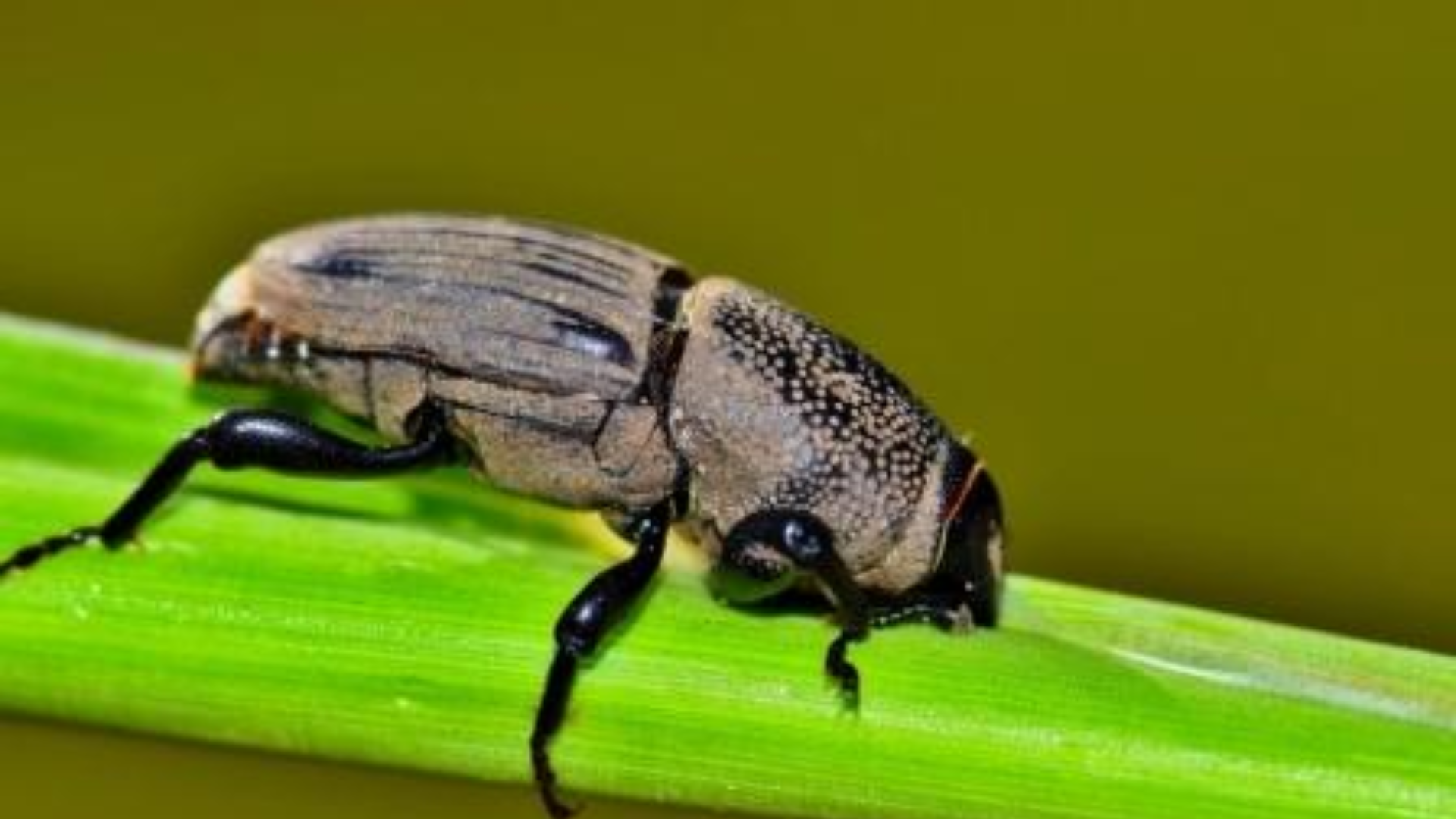
Billbugs are beetles that damage grass in two ways. Adults chew blades. Their larvae eat roots.
What They Look Like:
- Small black or brown beetles with long snouts
- Larvae are white, like grubs, but smaller
Signs of Damage:
- Grass turns brown and dies in spots
- Stems feel hollow or break apart easily
- Sawdust-like material near the crown of the grass
How to Stop Them:
- Use lawn-safe insecticides during spring when adults are active
- Apply products for larvae in early summer
- Reseed bare areas to help the lawn recover
Natural Control Methods
Using natural methods is a great way to get rid of bugs without harming the lawn, pets, or helpful insects.
1. Encourage Birds: Birds like robins and starlings eat grubs, caterpillars, and other bugs. You can bring them into your yard by adding bird feeders, birdbaths, and small trees for perching.
2. Add Nematodes: Nematodes are tiny worms that live in the soil. They eat grubs and other larvae. You can buy them at garden centers. Mix them with water and spray on the lawn. They are safe for people and pets.
3. Use Neem Oil: Neem oil is made from a tree. It keeps bugs from feeding and laying eggs. Spray it on grass in the early morning or late evening when bugs are active.
4. Let the Lawn Breathe: Rake up leaves, break up thick thatch, and don’t overwater. This makes it hard for bugs to hide and breed.
Year-Round Lawn Care Calendar
Caring for your lawn through the year keeps bugs away and grass strong. Each season plays a part in protecting and feeding your yard.
Spring
Spring is when the lawn wakes up after a long winter. Start by cleaning up fallen leaves, twigs, and any dead grass. This helps new grass grow without anything blocking the sunlight.
If the lawn has thick thatch or compacted soil, spring is the best time to dethatch and aerate. These steps improve airflow and water flow to the roots. Apply a balanced fertilizer to boost growth. As the weather warms, begin checking for early signs of bugs like grubs or sod webworms.
Summer
Summer brings heat and dry spells, which can stress the grass. Mow your lawn regularly, but never cut it too short. Taller grass shades the soil and keeps it cooler. Water deeply once or twice a week instead of a little every day.
Deep watering helps roots grow stronger. If bugs appear, treat them with safe insect controls suited to your lawn. Leaving grass clippings behind can help return nutrients to the soil and keep it healthy.
Fall
Fall is the time to prepare the lawn for winter. Start by raking up fallen leaves and breaking up thick thatch that may have built up. Applying a fall fertilizer gives grass roots the strength they need to survive cold months.
It’s also a good time to treat for grubs since they are near the surface before winter. If you have bare patches in your yard, fall is perfect for overseeding and filling those gaps with new grass.
Winter
Winter is mostly about protecting the lawn. Try not to walk on frozen grass, as it can break and damage it. Keep the yard clear of debris like fallen branches or piles of leaves. This prevents bugs from finding shelter and reduces mold.
Use this quiet season to plan your spring lawn care. Check your tools, make a list of needed products, and get ready to start strong when the weather warms up.
How to Prevent Bugs from Coming Back?
Prevention is the best cure:
- Keep grass healthy with mowing, watering, and feeding
- Remove thatch and fallen leaves
- Avoid using too much fertilizer
- Check for bugs every month during warm weather
- Use natural bug treatments early, before damage gets bad
Conclusion
Taking care of your lawn can be challenging, especially when pests start to infest it. These small insects can cause big problems if you don’t catch them early. Some bugs chew the roots. Others feed on the blades. But no matter which type you’re dealing with, the damage can add up fast.
The good news is that you can take action. By learning what to look for, you can identify the signs before things worsen. You don’t need fancy tools or harsh sprays.
Simple care, such as mowing, watering, and removing thatch, can make a significant difference. Natural options, such as birds, neem oil, and nematodes, are safe and effective.
A healthy lawn takes work, but it’s worth it. With the right steps each season, your grass can stay green, strong, and bug-free. Keep checking your yard, follow a good care routine, and don’t give bugs a place to hide. Your lawn will thank you.