If your morning coffee ritual ends with tossing those grounds straight into the trash, your garden has been missing out on something really good.
Gardeners have quietly been recycling coffee grounds for years, and honestly, the results speak for themselves.
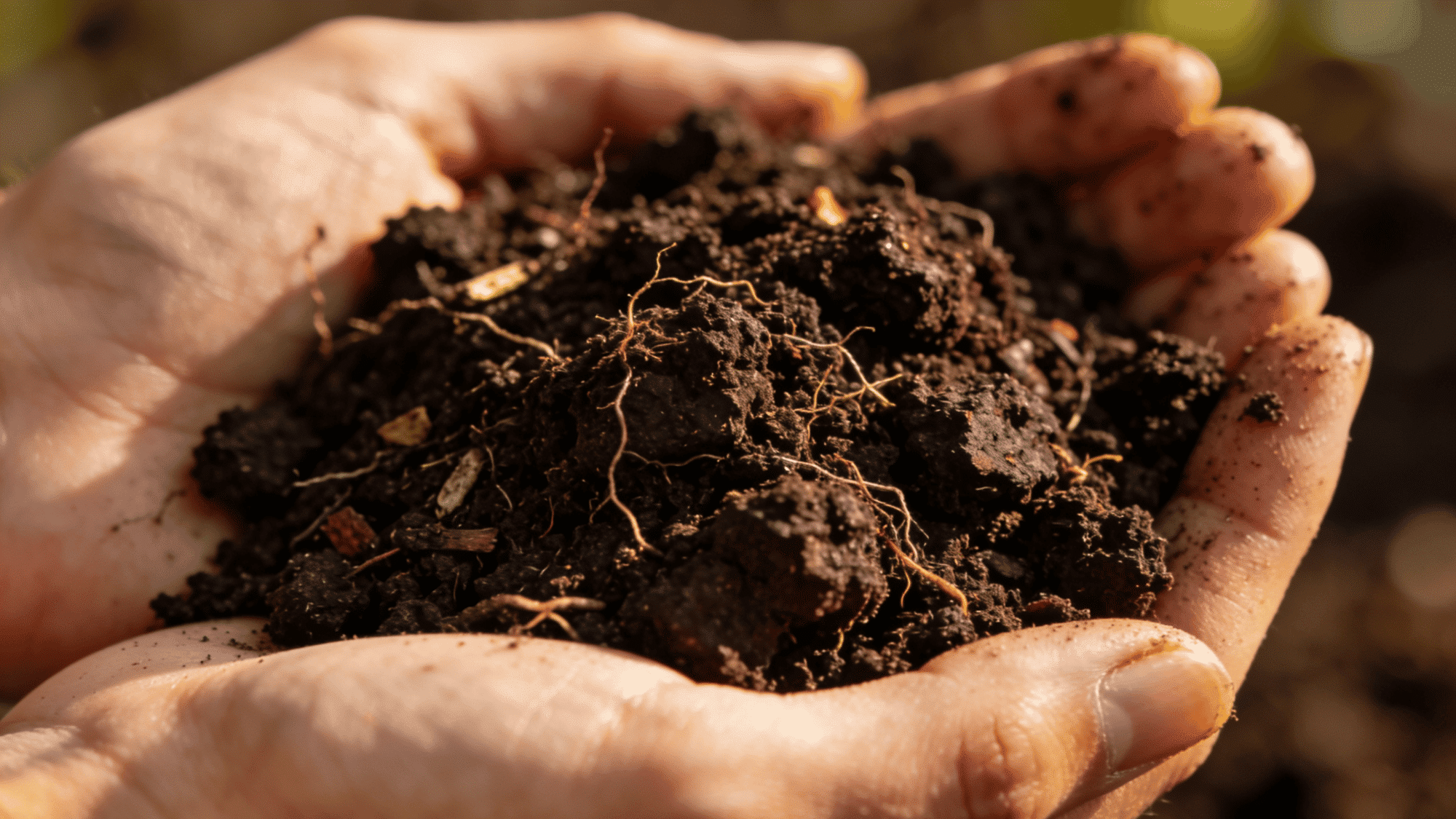
Packed with nutrients and organic matter, they do a lot more for your soil than most people realize.
And no, they will not turn everything acidic overnight. That myth needs to go.
Stick around, and you will learn exactly which plants love them, how to use them well, and what to skip.
Are Coffee Grounds Good for Plants?
Spent coffee grounds bring more to your garden than you might expect. They carry nitrogen, potassium, phosphorus, and trace minerals that plants genuinely depend on through different growth stages.
Beyond nutrients, they work quietly to improve what is already in your soil.
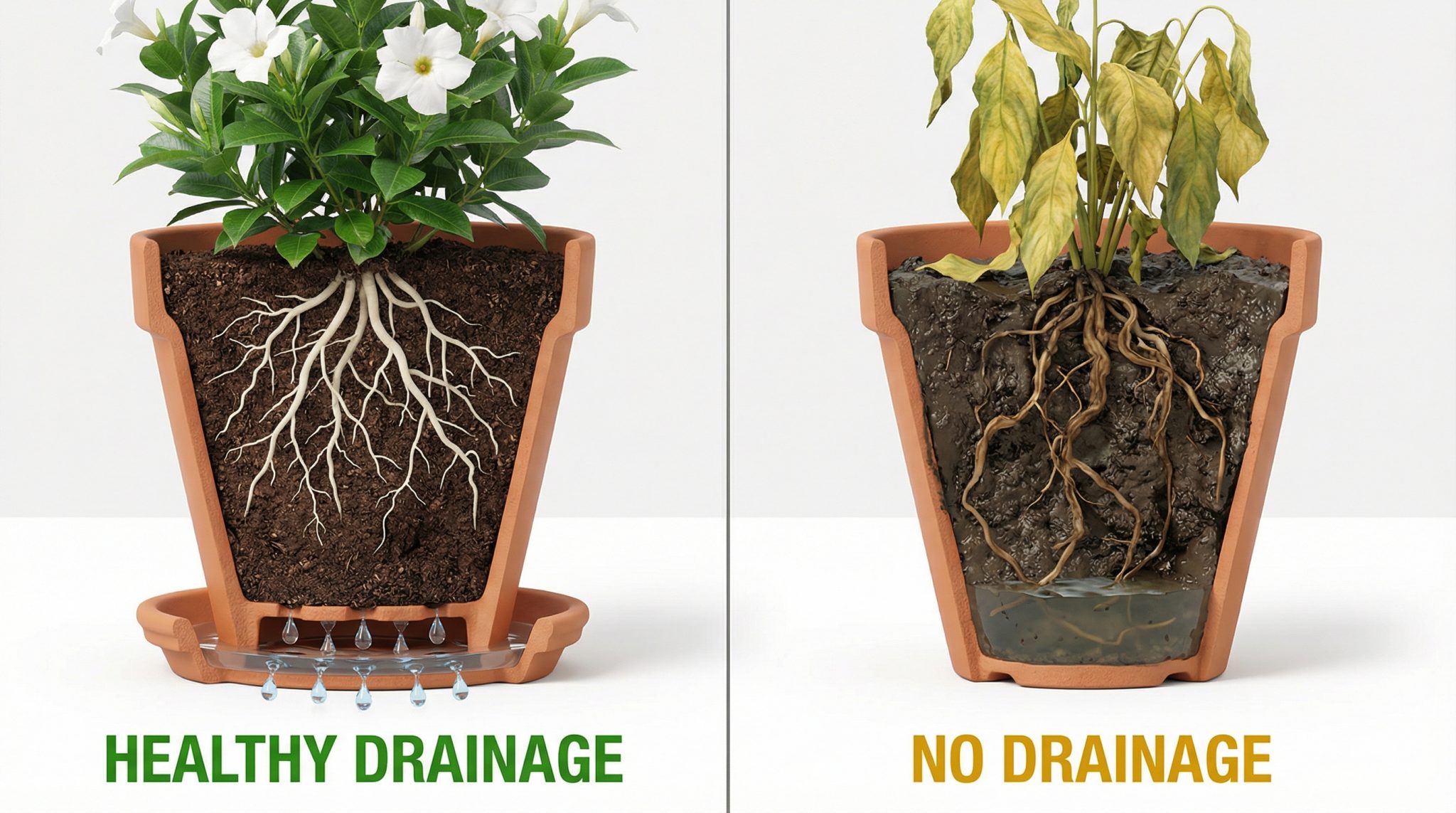
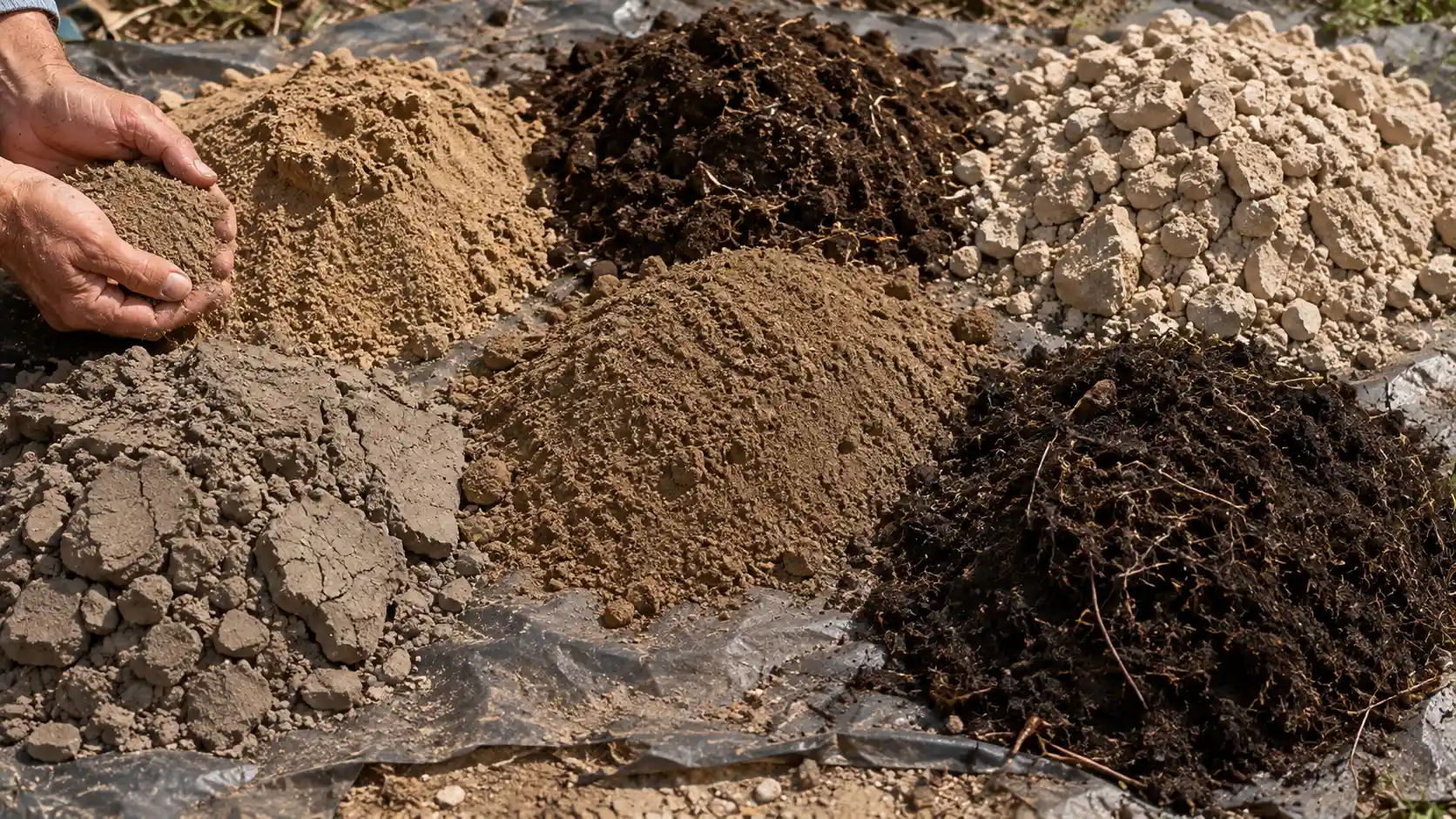
Mixing them in adds organic matter that loosens compacted soil, making it easier for roots to breathe and water to move through properly.
They also invite beneficial microbes that break down organic material and keep your soil ecosystem thriving.
Pretty solid work for something that would have gone down the drain.
Benefits of Using Coffee Grounds in the Garden
Working coffee grounds into your garden routine is one of those small shifts that quietly makes a big difference. Here is what they bring to the table:
- Loosen and aerate the soil, giving roots more room to grow and water a cleaner path through.
- Feed beneficial microbes that keep your soil active, balanced, and full of life.
- Help soil hold onto moisture longer, so your plants stay hydrated between waterings.
- Keep certain pests at bay; slugs and snails, especially, tend to avoid them.
- Turn kitchen waste into a garden resource, which is a win on every level.
Simple, sustainable, and already sitting in your kitchen every morning.
Best Ways to Use Coffee Grounds for Plants
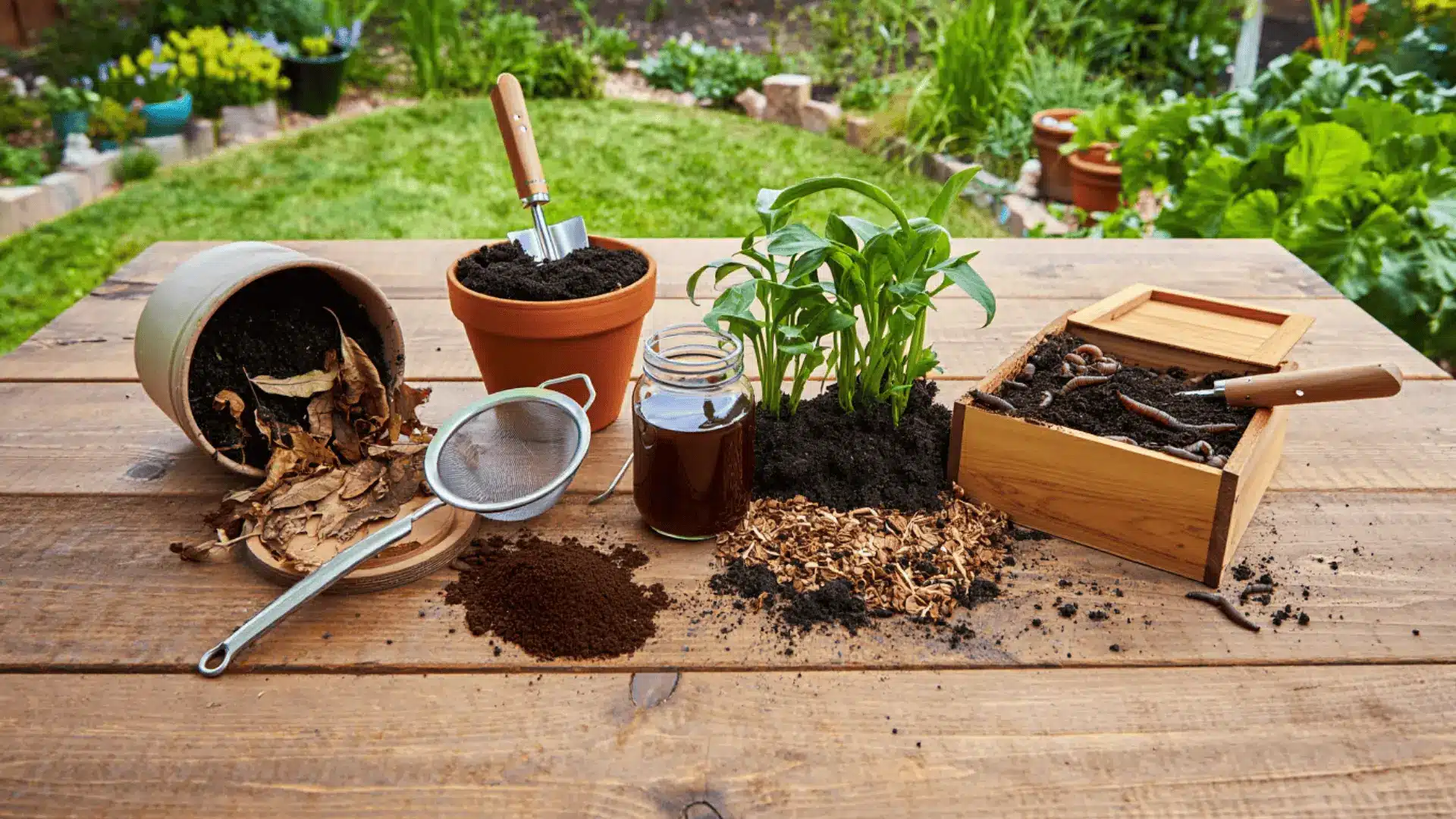
Coffee grounds are flexible, and that is part of what makes them so easy to work into any garden routine. Depending on what your plants need, there are several ways to put them to good use.
1. Add Coffee Grounds to Compost
Because coffee grounds are nitrogen-rich, they heat up a compost pile fast, which is great for breaking down tougher materials like dried leaves and cardboard.
Aim for grounds to make up no more than 20% of your total compost volume. Going beyond that tips the nitrogen balance too far and can slow decomposition rather than speed it up.
Layer them between brown materials and turn the pile regularly for the best breakdown.
2. Use Coffee Grounds as a Soil Amendment
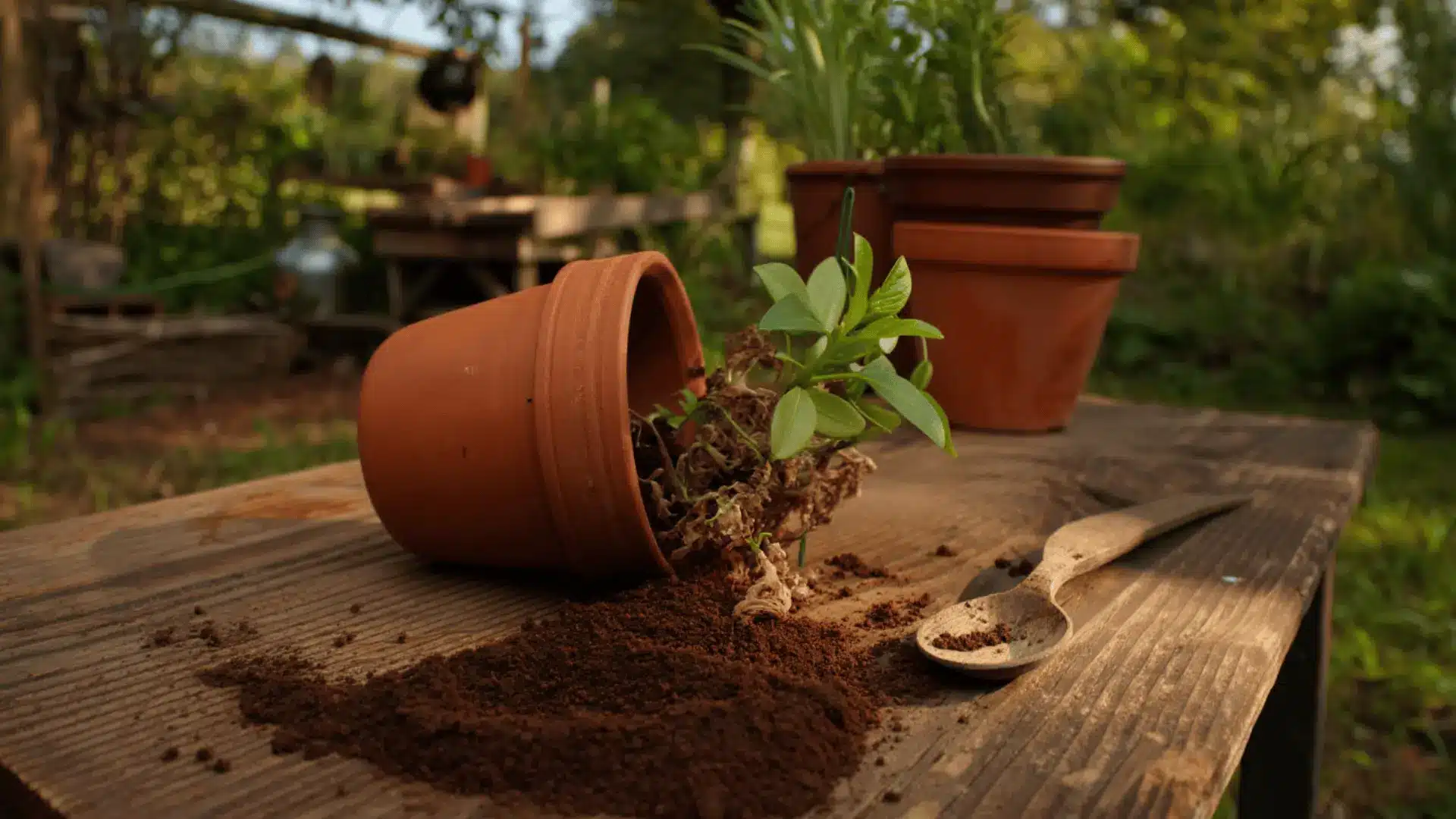
Work no more than 0.5 inches of grounds into the top few inches of soil rather than dumping them on the surface.
This prevents them from crusting over and helps them integrate with existing soil microbes more effectively.
They work particularly well in clay-heavy soils where drainage and aeration are ongoing struggles, loosening the texture over time with consistent use.
3. Make Liquid Fertilizer (Coffee Ground Tea)
Soak 2 cups of used grounds in 1 gallon of water for 24 to 48 hours, then strain and apply directly to the root zone.
This dilutes the nitrogen enough to feed without burning, making it safe for most plants every 2 weeks during active growth.
Avoid using it on seedlings since, even diluted, the concentration can be too stimulating for young, delicate roots.
4. Mulch with Coffee Grounds
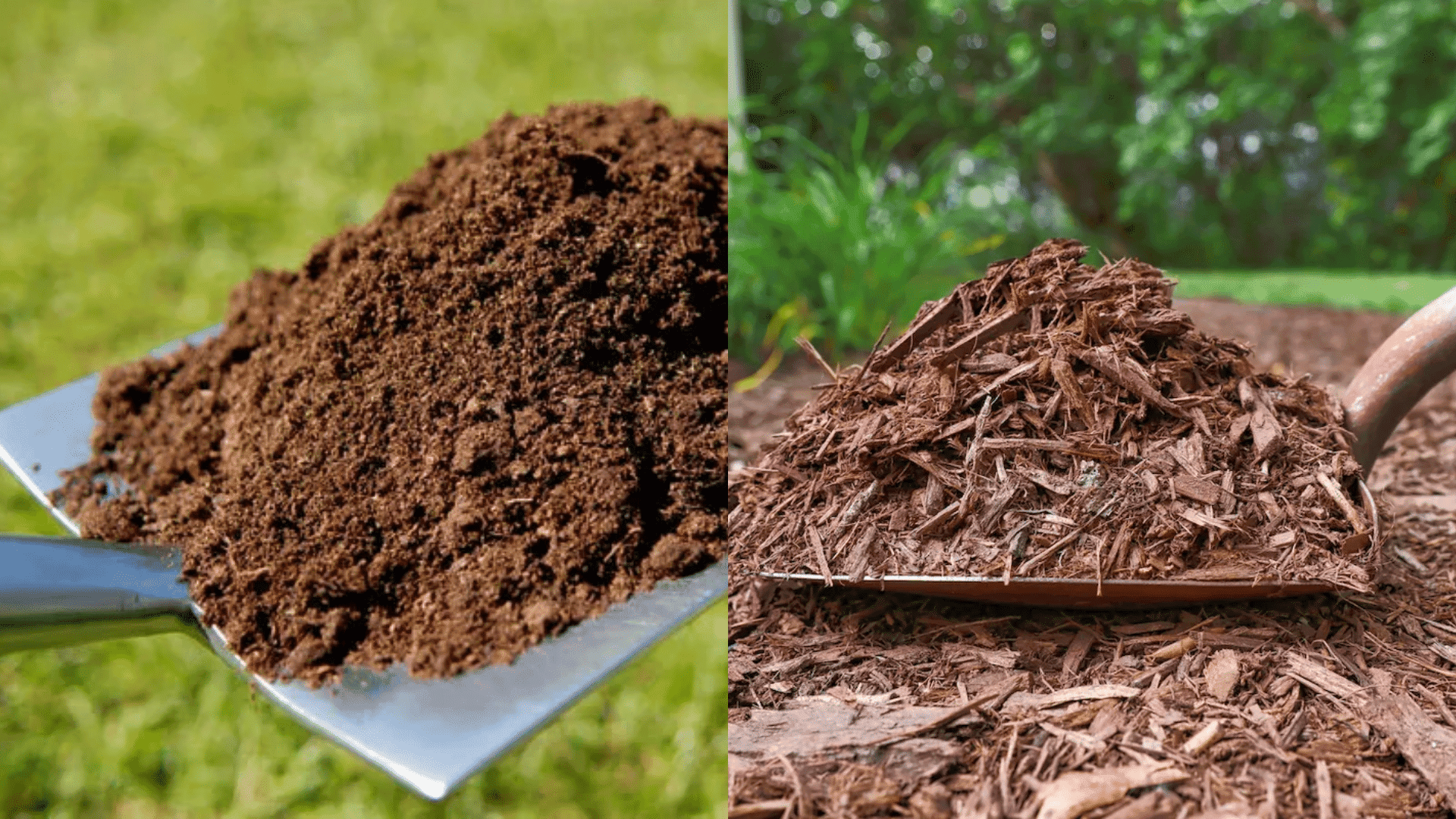
Keep the layer under 0.5 inches and always blend grounds with a coarser organic mulch like wood chips or straw.
On their own, fine coffee particles compact quickly when wet, forming a near-waterproof barrier that suffocates roots instead of protecting them.
Mixing textures keeps airflow intact while still giving you the moisture retention and slow nutrient release that makes mulching worthwhile.
5. Use Coffee Grounds for Worm Bins
Worms process coffee grounds efficiently because the gritty texture actually aids their digestion, similar to how grit works in a bird’s gizzard.
Add a small handful per feeding alongside fruit and vegetable scraps, keeping grounds to roughly 1/5 of the total bin input.
Too much raises acidity inside the bin, which stresses worms and slows casting production over time.
Plants That Like Coffee Grounds
Not every plant will welcome coffee grounds with open arms, but the ones that do tend to share a common thread: they either thrive in slightly acidic soil, have a strong appetite for nitrogen, or both.
Here is a quick look at who benefits and why.
| Plant | Ideal Soil pH | Key Benefit | What It Supports |
|---|---|---|---|
| Roses | 6.0 to 6.5 | Nitrogen boost | Stem growth and blooming |
| Hydrangeas | 5.5 to 6.5 | pH influence | Large, energy-demanding blooms |
| Blueberries | 4.5 to 5.5 | Acidity match | Root environment and fruit yield |
| Azaleas | 4.5 to 6.0 | Slow-release nitrogen | Foliage health and flowering |
| Rhododendrons | 4.5 to 6.0 | Sustained acidity | Iron and manganese absorption |
| Carrots | 6.0 to 6.8 | Soil loosening | Straighter, cleaner root growth |
| Radishes | 6.0 to 7.0 | Phosphorus and potassium | Fast nutrient uptake during a short growth window |
Plants That May Not Like Coffee Grounds
As much as coffee grounds do for the garden, they are not a universal fix.
Some plants are sensitive to acidity or extra moisture, and for those, the grounds can quietly cause more stress than good.
- Tomatoes grow best in near-neutral soil, and heavy applications of coffee grounds can tip acidity past their comfort zone, affecting nutrient uptake at the roots.
- Lavender is drought-adapted and thrives in lean, alkaline soil, so the added moisture retention and acidity work directly against what it naturally needs.
- Geraniums are prone to fungal issues, and the moisture-retaining quality of coffee grounds creates exactly the kind of damp environment that invites root rot.
- Succulents and cacti need fast-draining, dry conditions to survive, and coffee grounds hold moisture and compact over time, which is the opposite of what their roots can handle.
When in doubt, hold off. A little research into your plant’s preferred soil conditions goes a long way before reaching for those spent grounds.
How Much Coffee Grounds Should You Use?
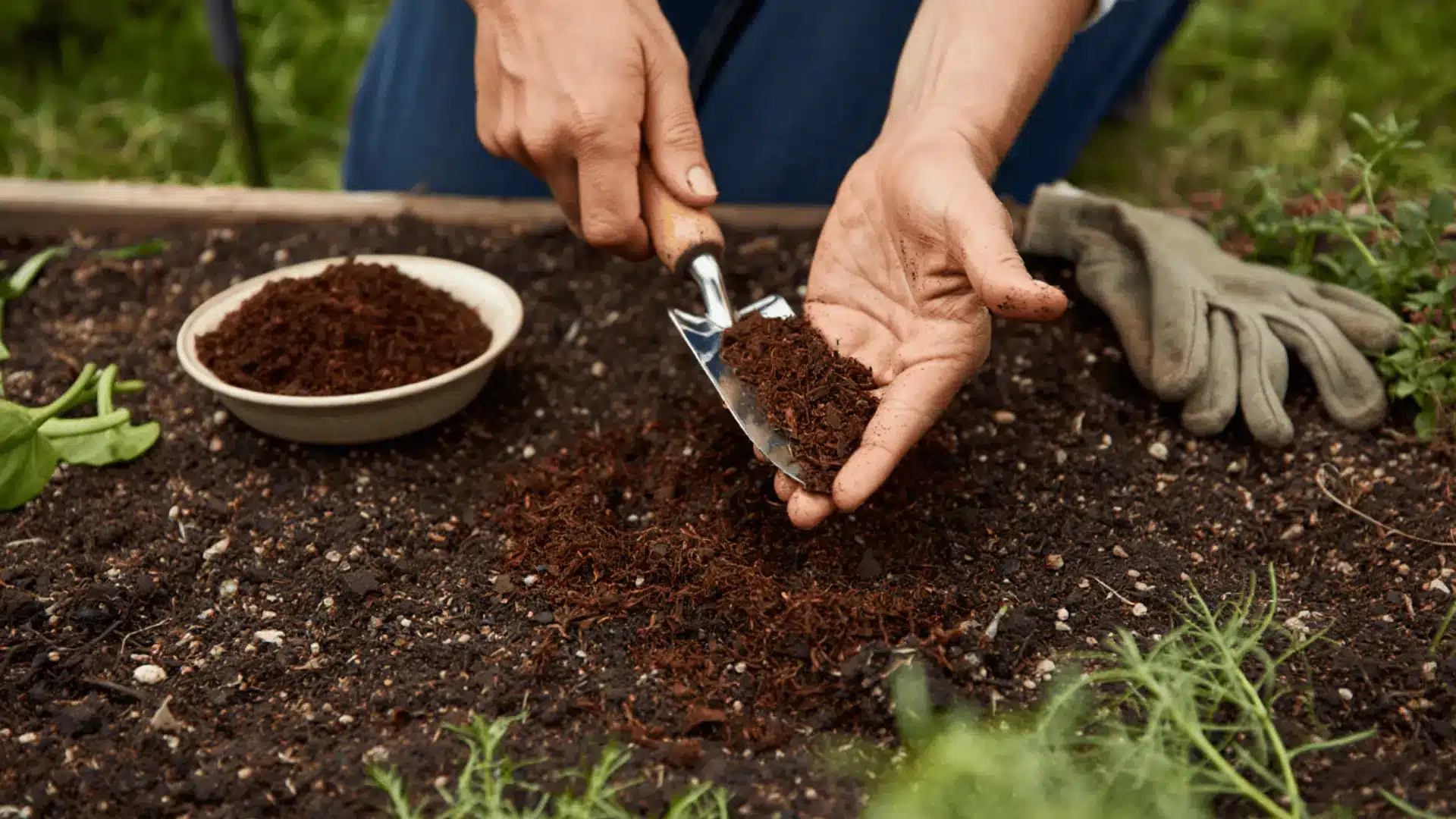
Less is genuinely more here. A thin layer of no more than 0.5 inches worked into the top 2 to 3 inches of soil is plenty for most garden beds.
Avoid piling them directly on the surface as they compact fast and block water from reaching the roots.
As for frequency, once every 2 to 4 weeks during the growing season strikes the right balance.
Coffee grounds are a supplement, not a staple, and treating them that way keeps your soil healthy without tipping nutrient levels out of balance.
Coffee Grounds vs. Traditional Fertilizers
Both have their place in a healthy garden, but they work quite differently. Here is how they stack up across the factors that matter most.
| Factor | Coffee Grounds | Traditional Fertilizers |
|---|---|---|
| Nutrient Content | Moderate nitrogen, potassium, phosphorus, and trace minerals | Concentrated and precisely formulated NPK ratios |
| Release Speed | Slow-release, as they break down in the soil | Fast-release options available for immediate uptake |
| Soil Improvement | Adds organic matter, improves texture, feeds microbial life | Feeds plants directly but adds little to soil structure |
| Cost | Essentially free, recycled from kitchen waste | Ongoing purchase cost depending on type and brand |
| Sustainability | Reduces kitchen waste, low environmental footprint | Synthetic options carry higher production and runoff impact |
Do Coffee Grounds Help With Garden Pests?
The evidence here is a mixed bag. The claim that coffee grounds deter slugs and snails has some research backing it; the caffeine appears to be genuinely toxic to them at certain concentrations.
Ants are a different story; some gardeners swear by it, but there is no solid science confirming that grounds actually repel them.
As for keeping cats out of garden beds, it is largely anecdotal, and results seem to vary widely by cat.
Useful in some cases, overstated in others, so treat it as a bonus rather than a reliable pest control strategy.
Composting Coffee Grounds Properly
Coffee grounds can be a real asset to your compost pile, but like most good things, they work best with a little intention behind how you use them.
- Keep grounds to no more than 20% of your total compost volume to avoid nitrogen overload and sluggish decomposition.
- Always layer them with brown materials like dried leaves, cardboard, or straw to maintain a balanced carbon-to-nitrogen ratio.
- Turn the pile regularly and ensure adequate airflow, as dense, moist grounds sitting undisturbed are the fastest route to mold and odor.
- If the pile starts smelling off, add more browns and turn immediately, rather than adding more greens to fix it.
A little balance goes a long way, and once you get the ratio right, coffee grounds become one of the easiest and most rewarding things to compost regularly.
Summing It Up
Coffee grounds for plants is less about a gardening hack and more about paying attention to what your soil actually needs.
Used thoughtfully, they feed, improve, and sustain your garden in ways that synthetic options rarely match. And the best part is that it all starts with something you are already making every morning.
Small, consistent habits tend to be the ones that stick, and this one genuinely pays off over time.
Give it a try this season and see what changes. Have questions or something that worked really well for you? Drop it in the comments below.