You don’t have to overpay for mulch. Prices follow a rhythm, and once you know it, you can time your buy and keep more cash in your pocket.
If you’re wondering “what’s the cheapest time of year to buy mulch and save more cash,” you’re already on the right track. First move tonight: measure your beds so you know how much you need and set a target price. You’ll walk into spring ready to pounce on the right sale instead of guessing in the aisle.
You can almost smell the dyed wood when you hit the garden section. Stacks of damp bags on pallets, carts squeaking, everyone doing math on their phone.
The short answer: two cheap windows
- Late March to early April: This is the sweet spot in most of the country. Big spring promotions land before peak demand. Action: start checking weekly ads mid-March; your buy signal is $2–$3 per 2-cubic-foot bag (often framed as “5 for $10” or “3 for $10”). You’ll usually spot the first drop within a week or two of watching.
- Late October to November: End-of-season clearances to empty the yard before winter. Action: if you can store it, swing by or call in late fall and ask about markdowns or bulk-yard “last load” pricing. Good sign: you’ll hear numbers 10–30% below spring prices the same day you call.
Spring vs. fall: what you trade for savings
Spring sales give you fresh stock, all colors and brands, and you can spread it right away. Fall clearances can be cheaper, but selection is thinner and you’ll need a place to keep it dry until you use it. If you’re sensitive to color matching, spring is safer. Fall leftovers sometimes vary a shade from batch to batch.
Quick separator, because both can be “cheapest”: If you need mulch on the ground before weeds wake up, aim for March–April sales. If you can store bags or a tarp covered pile and don’t mind spreading later, fall clearances often save a little more.
Try this quick math: bags vs. bulk
- A 2-cubic-foot bag on sale for $2 equals about $27 per cubic yard (13.5 bags per cubic yard). At $3 per bag, you’re at roughly $40.50 per yard.
- Compare that to bulk. In many areas, standard hardwood bulk runs $35–$60 per yard plus delivery. If you’re buying 2+ yards, bulk often wins—even more so if you can pick it up yourself or share delivery with a neighbor.
- Simple rule: If your beds total more than two parked cars in footprint (~200 square feet at 3 inches deep), call two local bulk yards for quotes and compare to your sale-bag “per yard” math.
Price targets and what’s actually cheapest
If “save more cash” is the mission, dyed red or black mulch made from recycled wood tends to be the least expensive year round. Expect roughly $1.25 per cubic foot regular price and comfortably lower on sale.
Natural hardwood or cedar usually cost more as you weigh cedar mulch pros and cons (think $1.60–$2.00 per cubic foot regular price), but spring promos can push them under $1.50 per cubic foot.
Your green light numbers:
- Bags: $2–$3 for 2 cu ft is a buy; over $3.50, keep waiting unless you need it now.
- Bulk: Under $40/yard delivered is great; $40–$55 is typical; above that, bags on deep sale might be cheaper for small jobs.
Regional timing notes (so you don’t miss the window)
In warmer climates and the Southeast, spring promos can show up a touch earlier. Sometimes late February through March. In the Midwest and Northeast, late March through April is more common, with fall clearances stretching into November if the weather holds.
In very hot, humid zones, avoid laying fresh mulch in the peak of summer. It can mat and foster fungus. In snow prone regions, fall mulching adds a bonus: it insulates roots for winter, so those clearance buys work double duty.
Storing what you buy (without turning it funky)
Bags: Stack off the ground on a pallet or 2x4s, out of direct sun, and tarp loosely so air can move. Sun baked bags get brittle. Soggy, sealed stacks can grow white surface fungus. It looks alarming but is harmless and disappears once spread and raked out.
Bulk: Lay a tarp on the ground, dump the pile, and cover with a second tarp, leaving some gaps at the edges for airflow. Keep dyed mulch off concrete if possible. Prolonged contact can leave a faint stain after rain. If you’re storing near the house, leave a small gap between mulch and foundation to keep things dry.
A simple plan that actually saves money
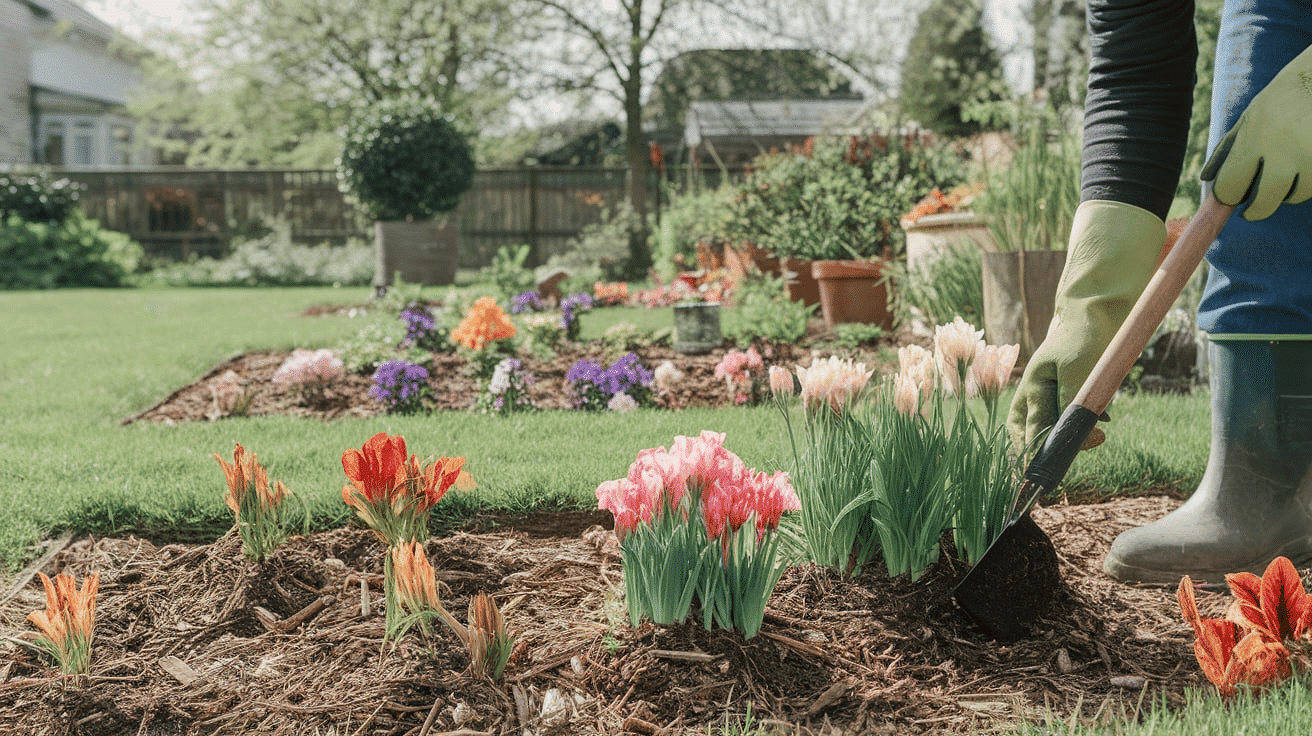
- This week: Measure your beds and decide your depth (2–3 inches is typical). Jot down your total square footage.
- Next two weeks: Watch weekly ads starting mid-March and set alerts. You’ll know it’s working when you see that first $2–$3 bag price or a “5 for $10” sign.
- If you need a lot: Call two bulk yards for per-yard pricing and delivery fees. A helpful comparison: a $3 bag equals ~$40.50 per yard.
- If you can store: Recheck prices in late October. Good progress looks like markdown tags and yard staff mentioning “clearing stock.” Within a weekend, you can have next year’s mulch tucked away.
- Resolution: By the time your beds are dressed—ideally within two weeks of your buy—you should see your cost come in 20–40% under normal-season pricing.
Why this happens
Mulch is a seasonal, bulky product. Retailers discount early spring to spark demand and win your garden budget, then raise prices as the rush hits. In fall, they’d rather move leftover inventory than store it through winter, so they mark it down.
Recycled dyed mulches stay cheapest because the raw material (pallets and scrap wood) is consistent and inexpensive. That’s the whole game: supply spikes meet strategic discounts.
A couple of extra money-savers
- Check your city’s public works page. Many municipalities offer free wood chips or composted mulch. Great for back beds, pathways, and under trees. Use the “pretty” stuff up front, free chips where appearance matters less.
- Combine projects. Delivery fees are the silent budget killer. Batch mulch with soil or rock to amortize one truck trip.
- Don’t skimp on depth. A true 2–3 inches suppresses weeds better, lasts longer, and saves you from re-buying mid-season.
We track seasonal pricing every year and see the same pattern in 90% of markets: first spring promos hit late March to early April, and the best fall clearances show up just before the first hard frost. When you know those windows and your price per yard math, the savings feel almost unfair.
Whether you DIY or want a hand, our team can do the math with you, check bag sale equivalents against bulk by the yard, and schedule delivery so you’re not making three trips in a sedan. We usually price out two options (bag sale vs. bulk, at your depth and square footage) and can get mulch on site the same week. Either way, you’ll have a clear plan and a yard that looks cared for without paying peak season prices.