Have you also asked yourself if cedar mulch was actually better? Standing in the garden center, bag in hand, I could smell that sharp, woodsy scent and wondered if it was worth the extra cost.
The truth is, cedar mulch can be a great choice in the right spots and a frustrating one in the wrong ones. Around trees and perennials, it shines.
In veggie beds or with fresh seedlings, not so much. In this guide, I’ll share when cedar mulch works best, when to skip it, and how to get the most out of it.
Short Answer: Use Cedar Around Established Plants
Cedar mulch is “better” when you want longevity, tidy looks, and a little natural pest deterrence around established plants.
It’s not “better” when you’re mulching crops you’ll replant often, direct sown seeds, or if you want your mulch to break down quickly and feed the soil. Think of cedar as a durable jacket, not a fast composting blanket.
Five-Minute Checks: Is Cedar Mulch Right for Your Beds
-
Count your plants: If more than a third of the area is seeds or very young seedlings, skip cedar for now. Those aromatic oils can slow germination and tender root growth.
-
Check your climate and schedule: In hot, dry places or if you prefer to water less often, cedar’s moisture hold is a win. In very humid, rainy regions, you’ll just keep it a bit thinner and fluff it once in a while to avoid matting.
-
Budget gut check: Cedar usually costs more than basic hardwood. If you refresh beds every spring anyway, the premium may not matter. If you want “put it down and forget it,” cedar earns its keep.
-
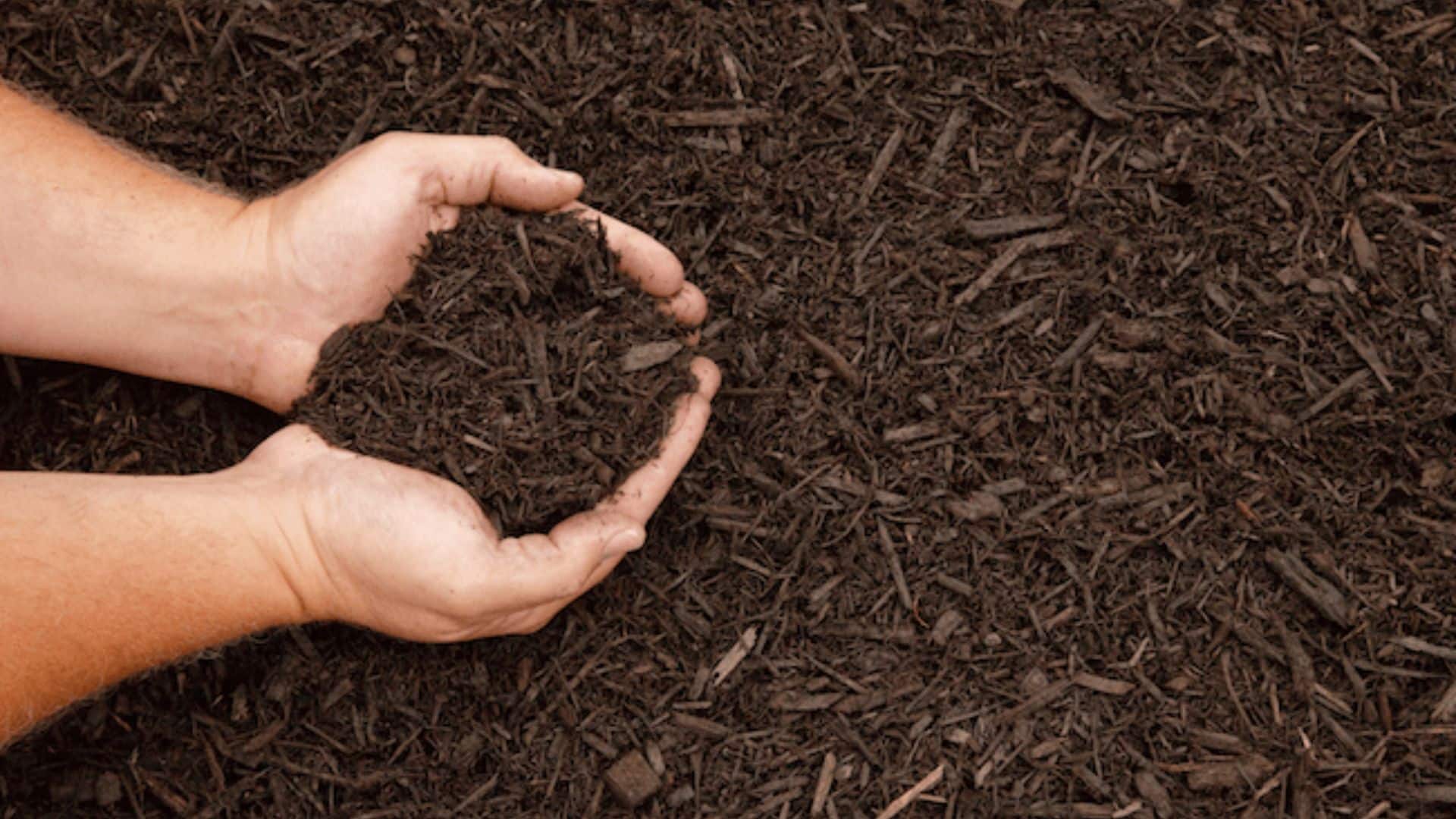
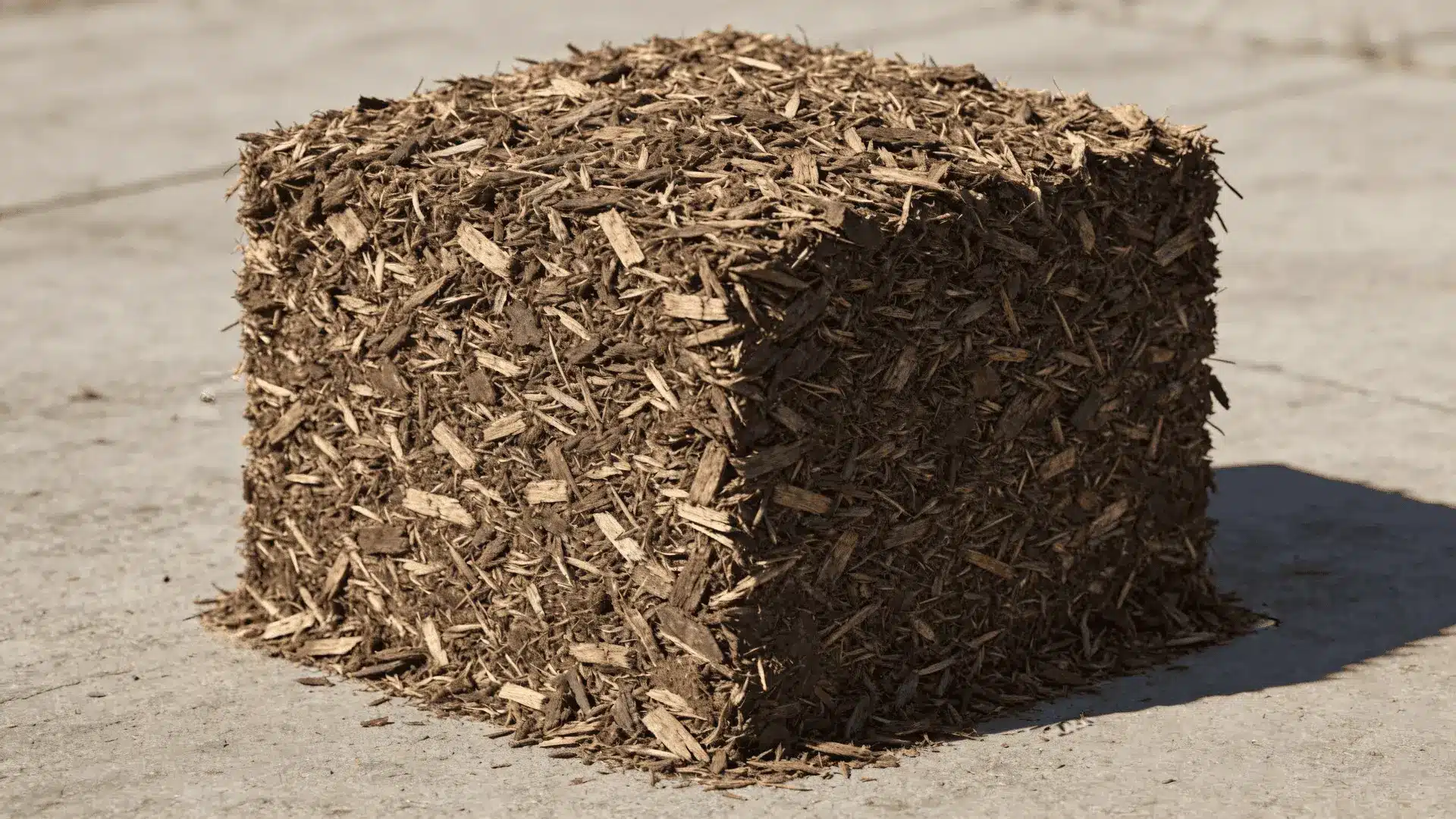
At the store: Grab a handful and squeeze. You want medium, shredded texture that knits together not dust fine (it mats) and not big chunks only (they blow and drift). A fresh, woodsy smell means the oils are still present.
Cedar Mulch Setup: Depth 3 Inches & Clearance 3–6 Inches
Depth: Spread about 3 inches across bare, weeded soil. That’s the sweet spot for moisture control and weed suppression without suffocating the soil. Within 24-48 hours after watering, you should feel cool, damp soil just below the surface while the top looks dry exactly what you want.
Clearance: Pull mulch 3-6 inches back from trunks and stems. This keeps bark dry and roots breathing.
Good sign: After rain, the trunk flare and plant crowns are visible and dry, and they stay that way through the first week.
Why Cedar Mulch Works
The familiar cedar scent comes from natural oils in the wood. These oils are what repel certain insects and slow the germination of weed seeds near the soil surface.
Because cedar is dense and breaks down slowly, it also acts as an insulator, helping the soil stay cooler and hold moisture longer. A single application often lasts for years without collapsing or losing its structure.
The tradeoff, however, is that cedar contributes less organic matter to the soil compared to faster-rotting mulches like straw or shredded leaves.
Cedar Mulch Pros and Cons You Will Actually Notice
Pros: Where Cedar Mulch Shines
-
Lasts longer than most bark mulches often several seasons before you need more than a top up.
-
Holds moisture and buffers heat, so soil stays stable between waterings.
-
Helps with weeds by blocking light to seeds (it won’t kill established weeds pull those first).
-
Natural, pleasant aroma at the start. Mild insect deterrence without spraying.
-
Stays in place nicely when shredded. Looks tidy and refined.
Cons: Where Cedar Mulch Falls Short
-
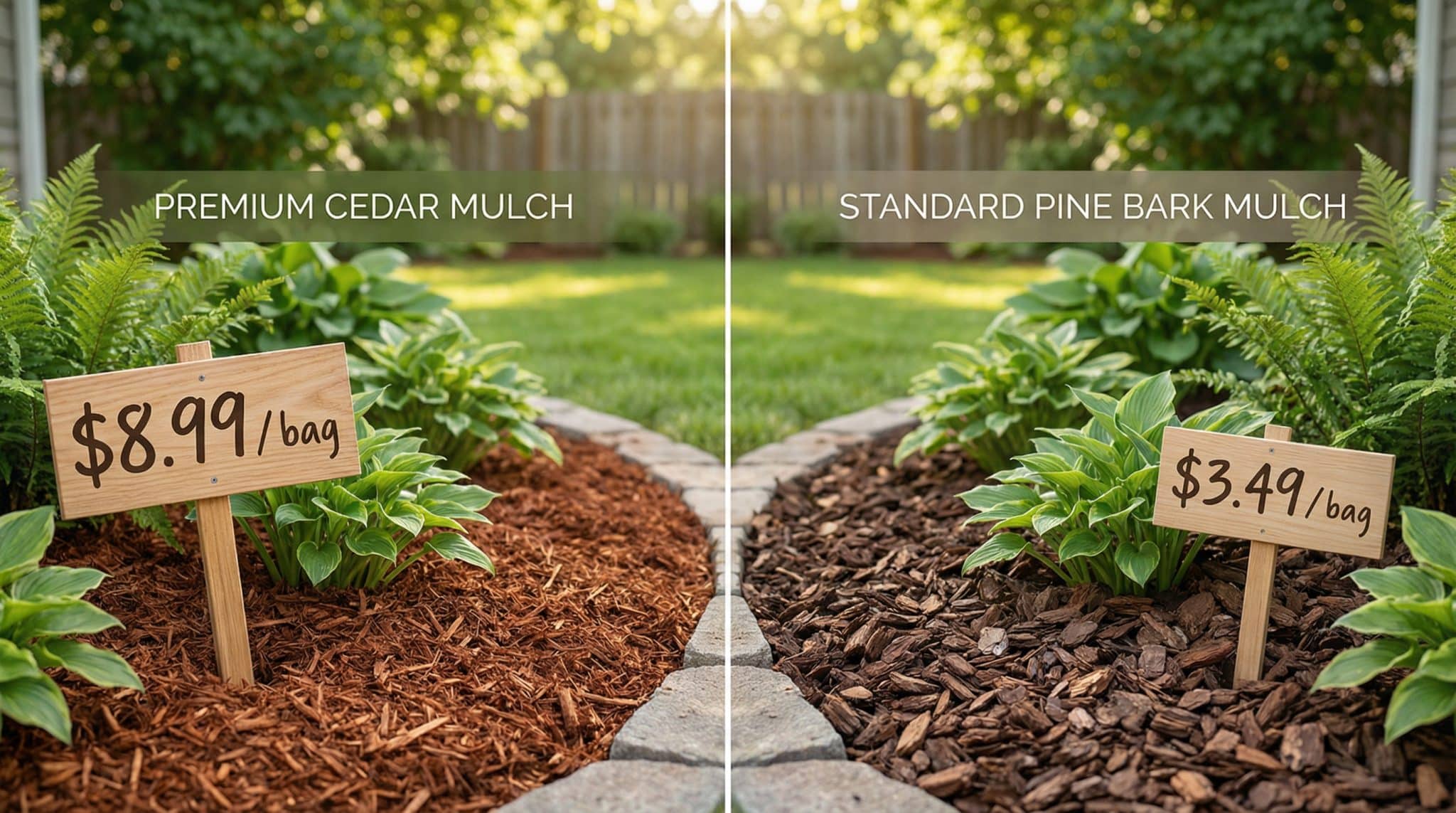
Costs more up front than basic hardwood or pine.
-
Color fades under sun. Plan on a light refresh layer annually if looks matter.
-
Can slow germination and root growth for seeds and tiny seedlings avoid in veggie beds or new plantings.
-
The bug repelling aroma fades faster than the mulch itself (strongest in the first weeks to couple of months).
-
Adds organic matter slowly. If you want soil building, pair with compost underneath.
-
Slight surface acidity is normal. It’s fine for most ornamentals. Keep depth right and don’t mix chips into the soil.
Best Uses for Cedar Mulch and When to Skip It
Where Cedar Works Best
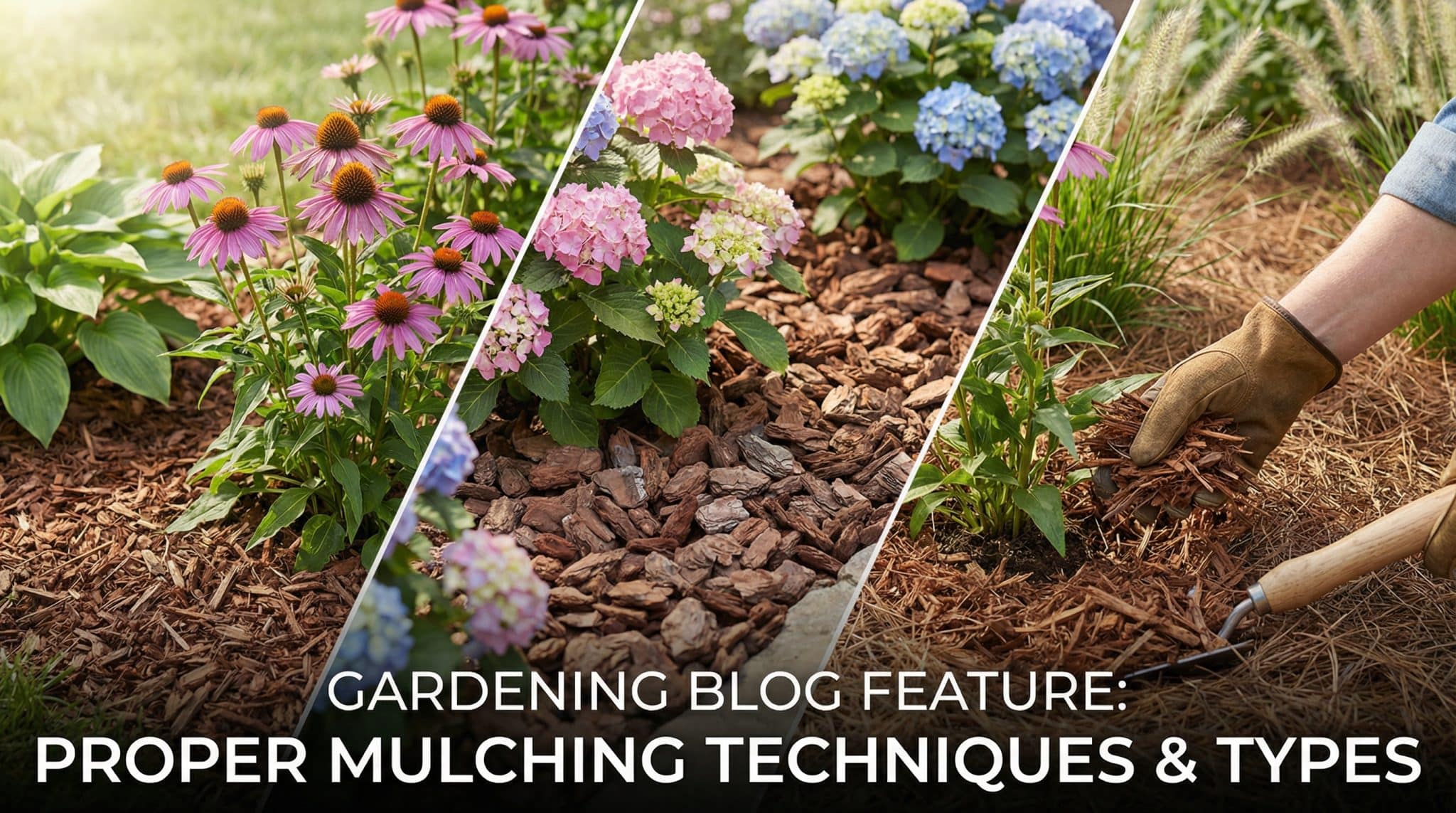
Around trees, shrubs, and established perennials, cedar is excellent. It knits together, doesn’t blow away easily, and you won’t be disturbing it every few months.
It’s also great for ornamental beds near patios or entryways where the neat look and early season aroma add to the experience. For pathways and low traffic zones, it holds up better than many mulches and resists compacting.
Where to Avoid Cedar
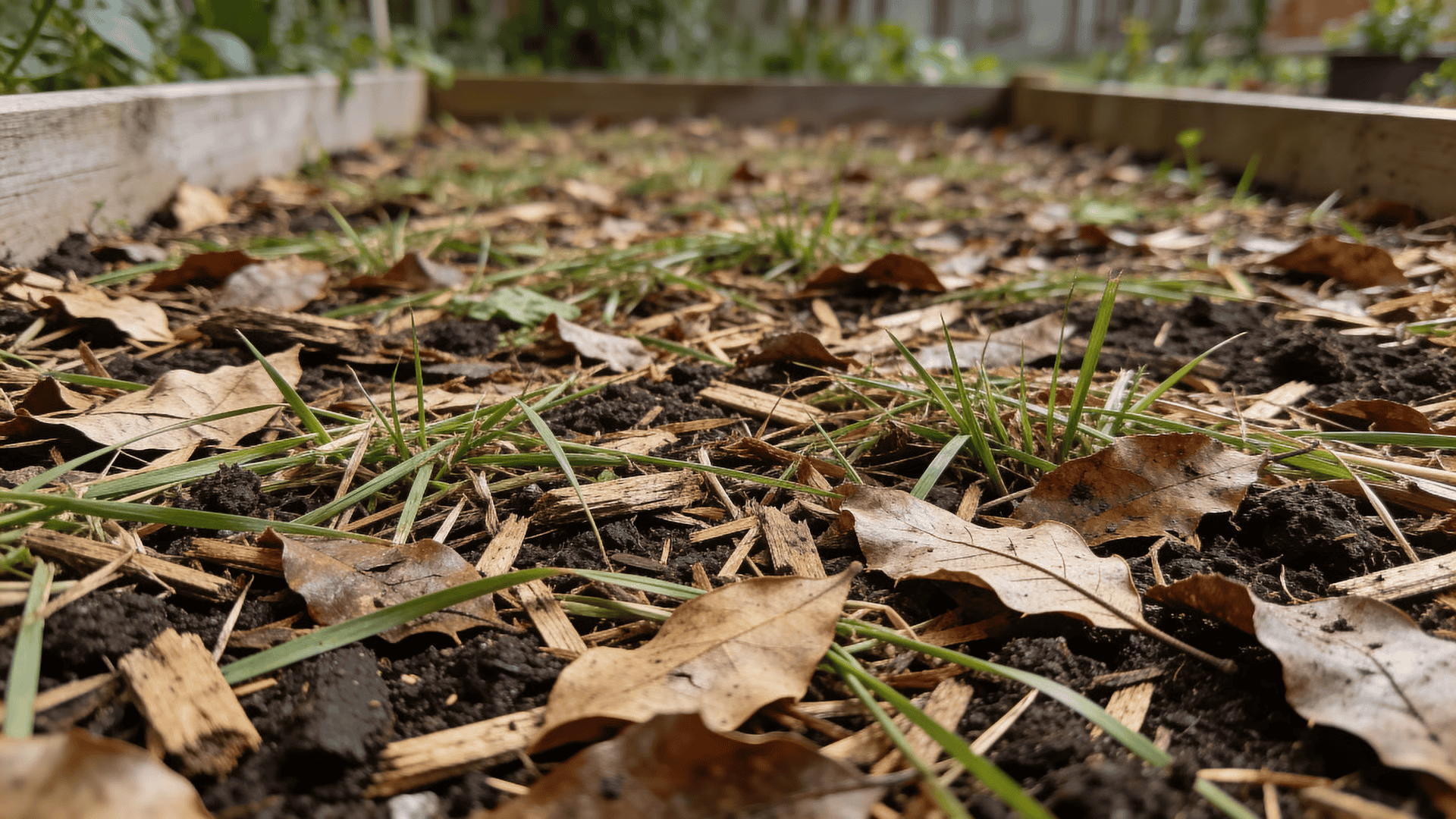
Skip cedar over areas you’ll seed directly (carrots, greens, wildflower patches) or around very young transplants you’ll be watering and poking at often.
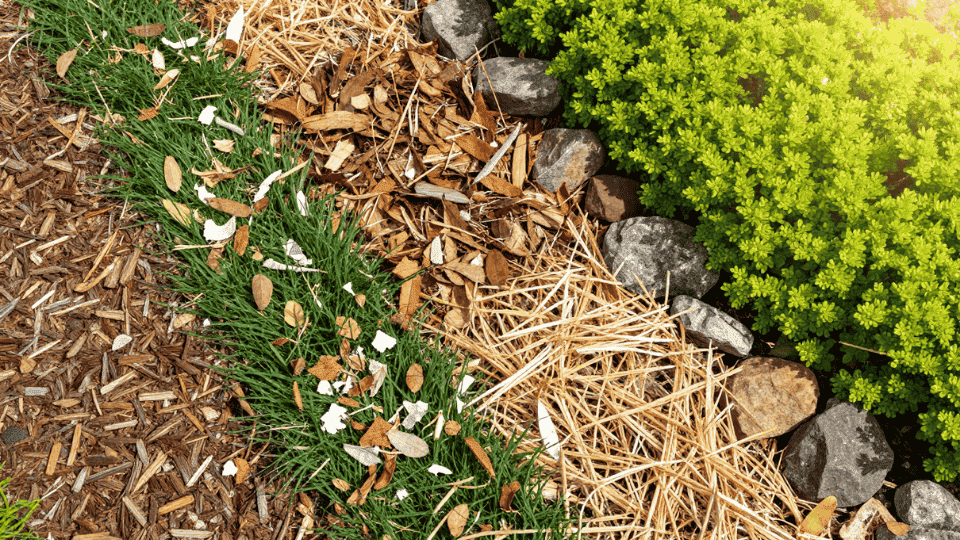
Use straw, pine bark fines, or compost in vegetable beds, then switch to cedar once plants are mature if you want.
Don’t rely on cedar as a termite barrier it’s not a structural solution, just garden mulch. Concerned about pollinators? Cedar mulch won’t bother bees visiting flowers above the mulch. It’s working at soil level.
Pets and kids: cedar is generally considered safe in the landscape. If you’ve got a dog that loves to chew mulch, go with larger nuggets (less chewable) or choose pine bark. Avoid cocoa mulch altogether around dogs.
Costs, Color, and Upkeep: What to Expect
Cedar usually runs a bit higher than basic hardwood, but you buy time. Most homeowners top it up lightly each spring for color and swap it out fully every three to four years with bags required per cubic yard in mind.
In our field installs, that schedule holds for the majority of beds cedar keeps doing its job long after the color softens to a natural silver brown.
You’ll see early benefits fast. In the first week (5-7 days), watering feels less urgent: the top inch dries, but the soil below stays evenly moist and cool.
By the two week mark (10-14 days), you should notice fewer new weeds popping most of what you see will be stragglers from before you mulched.
In very humid regions, a quick rake pass once a month fluffs the surface and keeps airflow up. In arid regions, that same knit helps reduce evaporation and wind loss.
Two small maintenance notes pay off big:
-
Never volcano mulch trees keep that donut of bare space at the base forever.
-
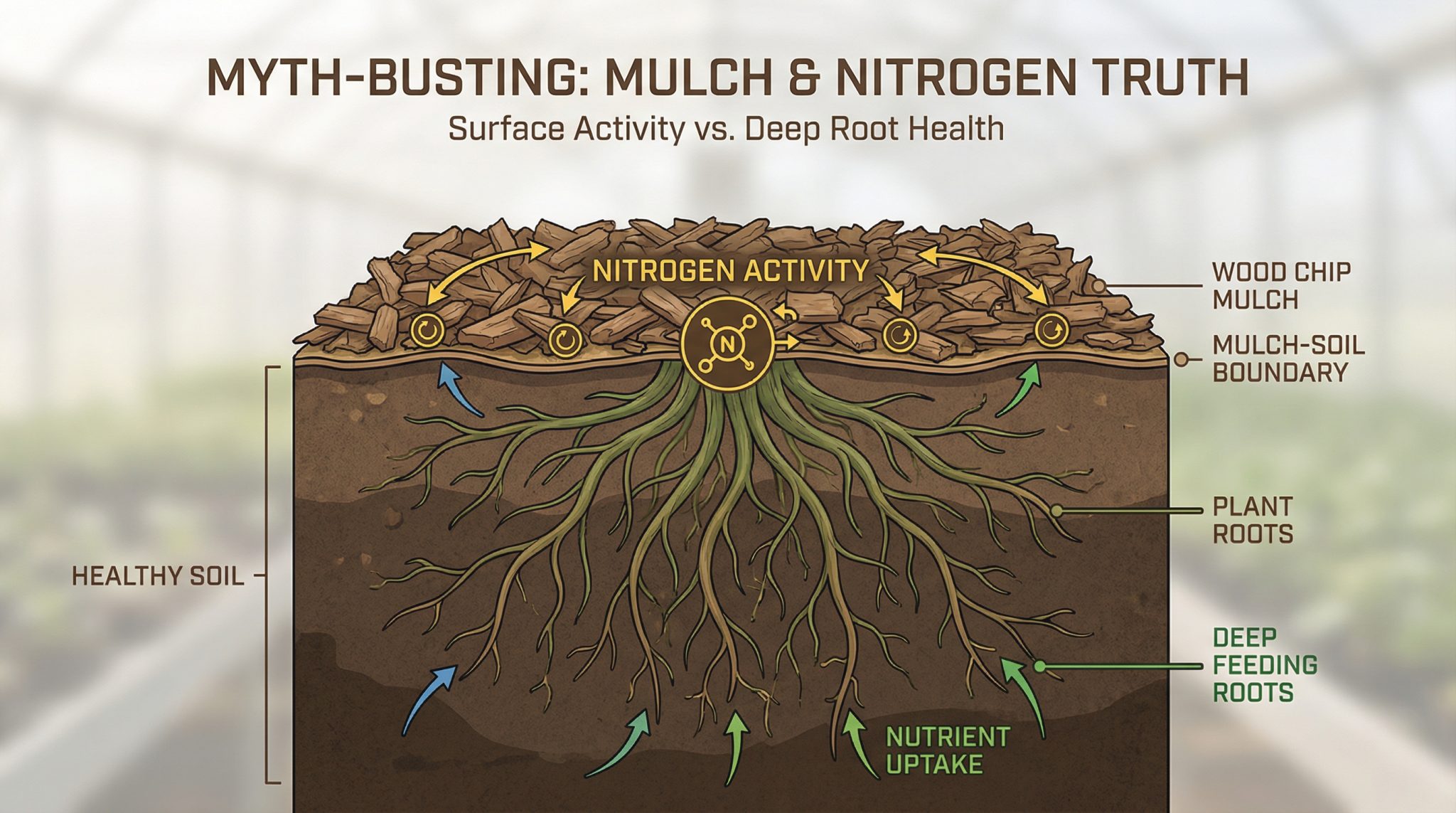
Don’t till cedar into soil. Any wood chip mixed in will tie up nitrogen as it decomposes. Left on top, it doesn’t.
Wrapping It Up
You’ve done the homework, and that’s 90% of getting this right. If you’re leaning cedar for established beds and longevity, it’s a smart, low maintenance choice.
If your season is all about seedlings and salad greens, choose a faster, gentler mulch now and circle back to cedar when plants are mature.
If you’d like a second set of eyes, we can walk your beds, measure the right depth, and flag any seedling or soil quirks before you buy based on truck bed’s capacity to carry mulch.
We check plant age, drainage, and mulch particle size on site so you get the look and the performance you want usually in a single visit. Whether you DIY or call us, you’ll leave with a simple plan and no second guessing.