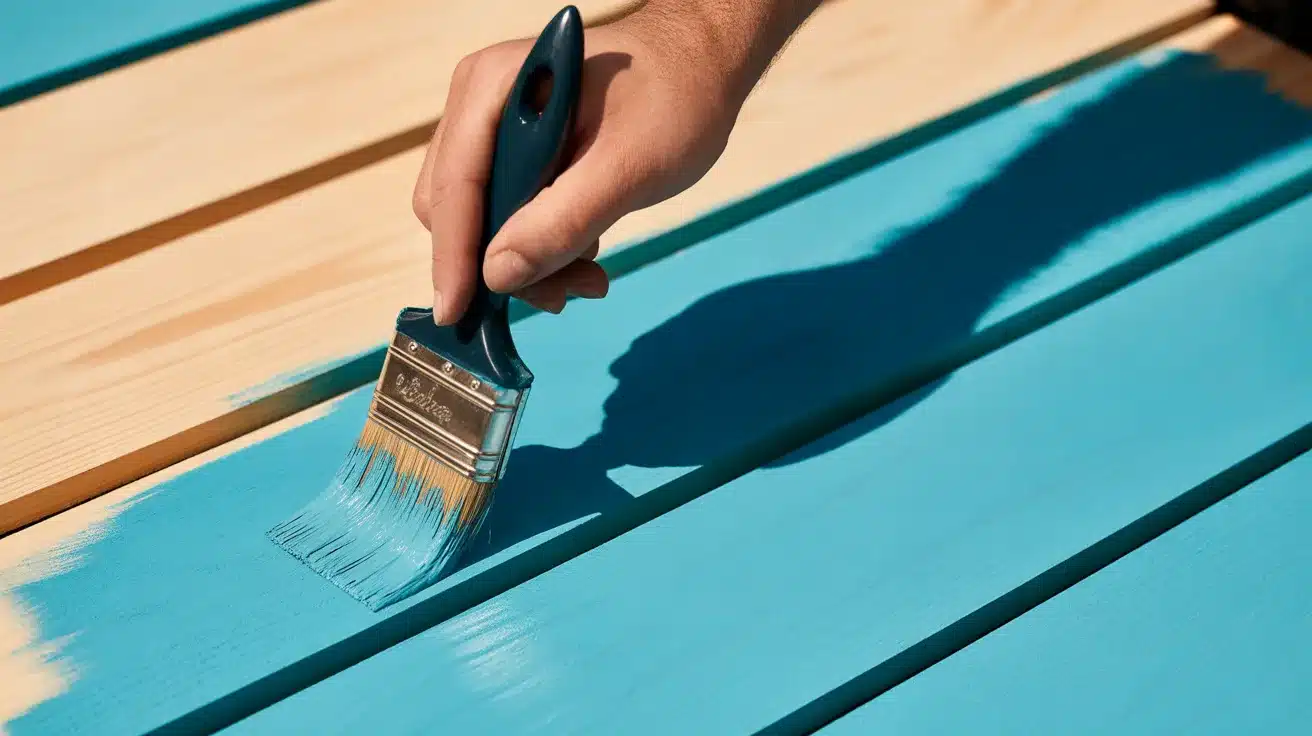
Last summer, I watched my neighbor spend three weekends stripping and repainting his deck.
The paint had started peeling by spring. He had used a popular brand, applied two coats, and still ended up with a mess.
The problem was not his effort. It was the paint he chose.
Picking the best paint for decks is not just about grabbing the first gallon off the shelf at the hardware store. The wrong product can peel, crack, or fade within a season. The right one can last five or more years with basic upkeep.
This guide covers what actually works, what to skip, and which products professionals trust for wood decks.
Why Painting Your Deck Is Worth It?
A good coat of deck paint does more than improve how your outdoor space looks. It forms a protective layer on top of the wood that blocks moisture, UV rays, and the constant wear from foot traffic.
For older decks with scratches, stains, or fading color, paint also covers those imperfections and gives the surface a clean, fresh finish.
If your deck is structurally sound but showing its age, painting it is one of the most cost-effective ways to extend its life without replacing boards.
Paint vs Stain vs Sealer: Which One Should You Pick?
These three products often sit side by side on the store shelf, but they work in very different ways on wood. Knowing the difference before you buy can save you from a lot of rework later.
| Feature | Paint | Solid Stain | Sealer |
|---|---|---|---|
| Hides wood grain | Yes | Mostly | No |
| UV protection | High | High | Low to medium |
| Typical lifespan | 2 to 5 years | 3 to 6 years | 1 to 3 years |
| Best suited for | Older, worn decks | Mid-age decks | New wood |
| Slip resistance | Yes (with additive) | Sometimes | Rarely |
| How it works | Sits on the surface | Light wood penetration | Light wood penetration |
| Maintenance | Repaint as needed | Re-stain every few years | Reseal annually |
Types of Deck Paint: What the Labels Actually Mean
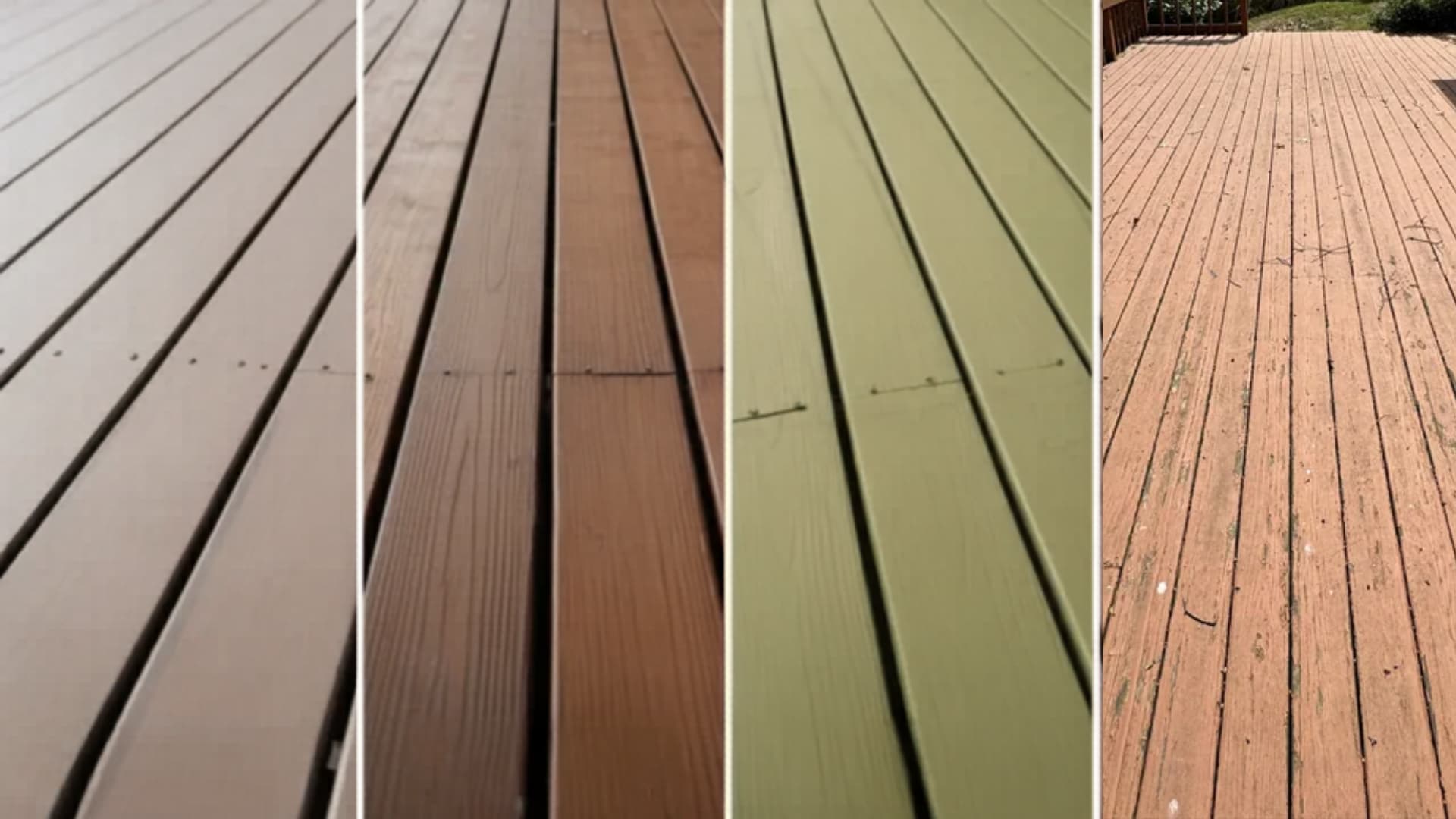
Not every deck paint is the same product in a different can. What is inside matters a great deal for how well it holds up in your specific conditions. Here is what each type actually offers.
1. Acrylic (Water-Based) Deck Paint
Dries fast, usually within a few hours, and cleans up easily with water. It resists cracking and peeling well, has low VOC levels, and performs reliably in most US climates. This is the most practical choice for most DIY homeowners applying it themselves.
2. Oil-Based Deck Paint
Goes deeper into the wood fibers for a stronger bond and richer color finish. It takes longer to dry, sometimes 24 hours or more, but holds up better in high-traffic or coastal areas where the surface faces direct sun and salt air daily.
3. Latex Deck Paint
A flexible water-based formula that dries to a smooth finish and cleans up with just water. It works well on both wood and concrete surfaces and sits comfortably between acrylic and oil-based in terms of durability and ease of use.
4. Solid Color Deck Stain
Not technically a paint, but worth knowing about. It provides the same full-color coverage as paint while bonding directly to wood fibers, reducing the likelihood of cracking or peeling over time. Many professional painters prefer this over traditional deck paint for exterior wood surfaces.
What to Look for When Buying the Best Paint for Decks
With dozens of products on the market, it helps to focus on what actually affects real-world performance. Check each of these before putting anything in your cart.
- Durability: Look for a formula that handles heavy foot traffic without peeling or cracking over time.
- Weather resistance: UV protection and water resistance should be clearly listed on the label, not just implied in the marketing copy.
- Slip resistance: A textured finish or built-in non-skid additive is important, especially on surfaces that get wet regularly.
- Drying time: Faster drying means less downtime before you can walk on the deck again.
- VOC levels: Low-VOC formulas are safer for your family and better for the outdoor environment.
- Coverage per gallon: A quality deck paint should cover at least 250 to 400 square feet per gallon.
- Color options: A wider color range gives you better flexibility to match your home exterior.
- Price vs. quality: A higher upfront cost often means fewer repaints over the years. Run the numbers before defaulting to the cheapest option.
8 Best Paint for Decks: Top Product Picks
These are the products that consistently come out on top in tests conducted by both professionals and real homeowners across the country. Each one earns its place for a specific reason, depending on what your deck actually needs.
1. TotalBoat TotalTread Non-Skid Deck Paint
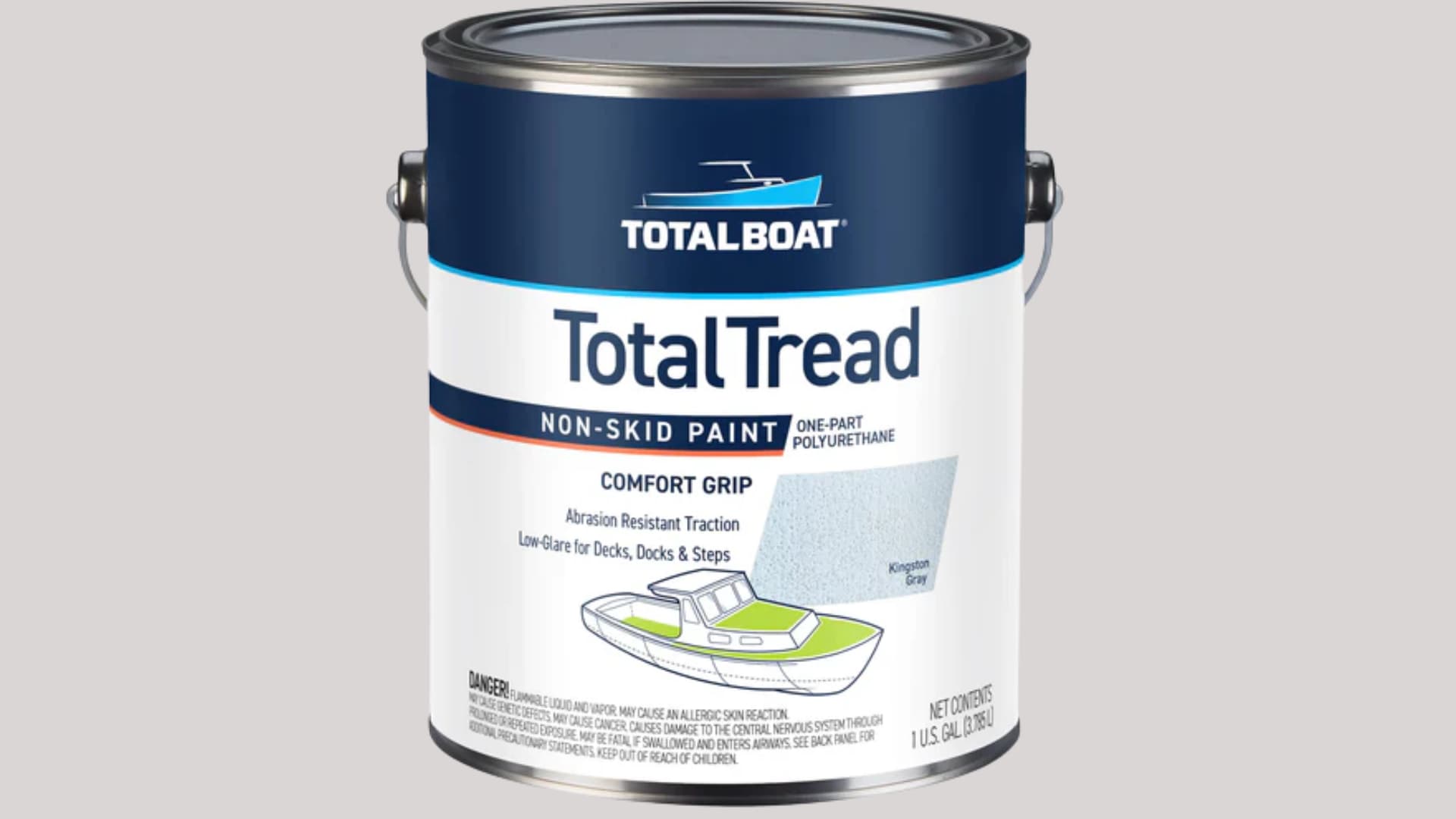
Originally made for boat decks, TotalBoat TotalTread brings marine-grade durability to home decks and patios. It creates a high-traction, low-sheen finish that resists cracking and peeling well.
It goes on evenly with a brush, and a second coat applied 16 hours after the first gives the best long-term result.
2. INSL-X Sure Step Acrylic Anti-Slip Coating
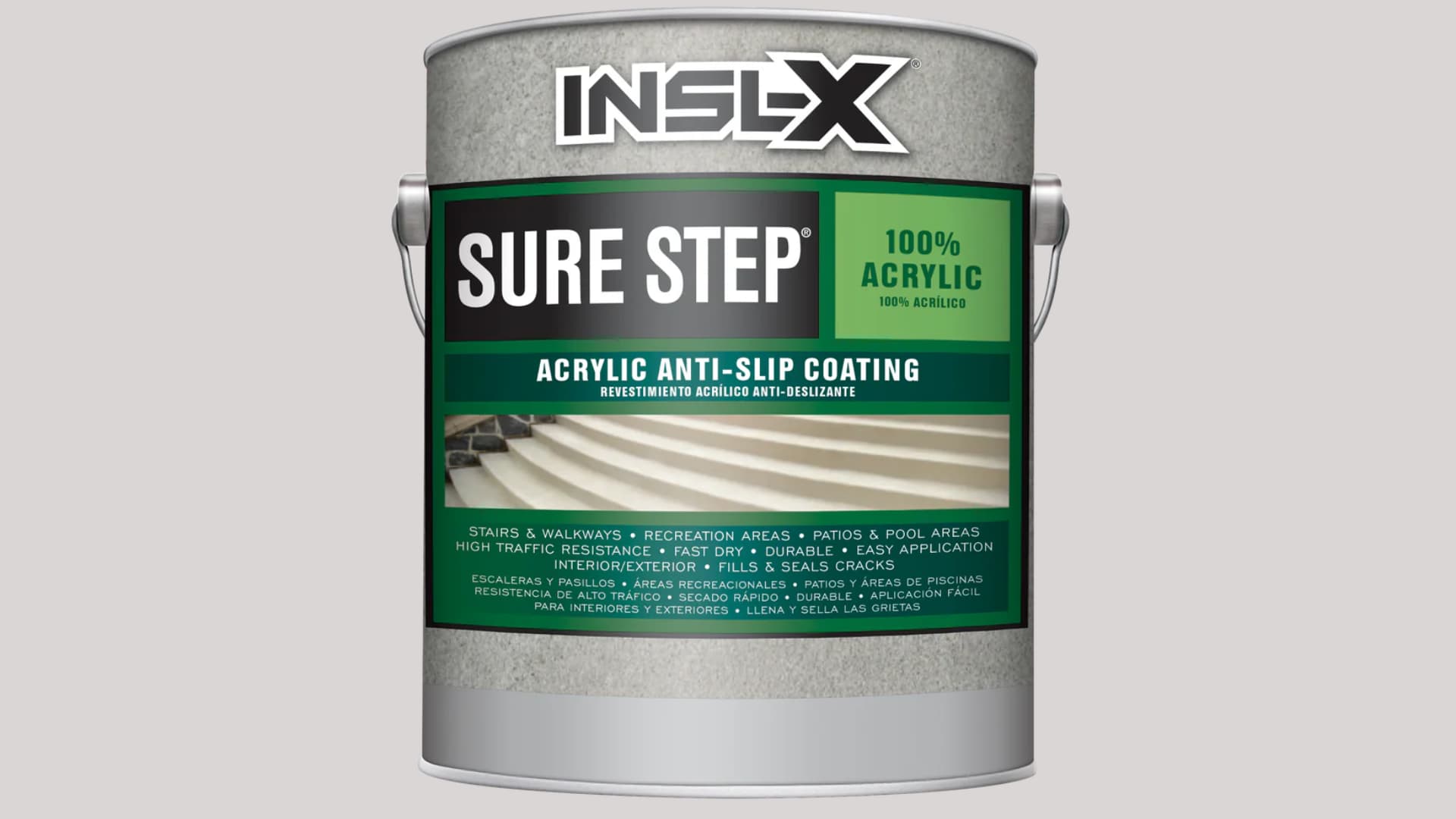
A water-based acrylic formula that delivers strong performance without a high price tag. It enhances grip on the surface, holds up well to regular cleaning and pressure washing, and comes in 6 color options.
Both professionals and homeowners rate it as a reliable, budget-friendly choice.
3. Cabot DeckCorrect Water-Based Resurfacer
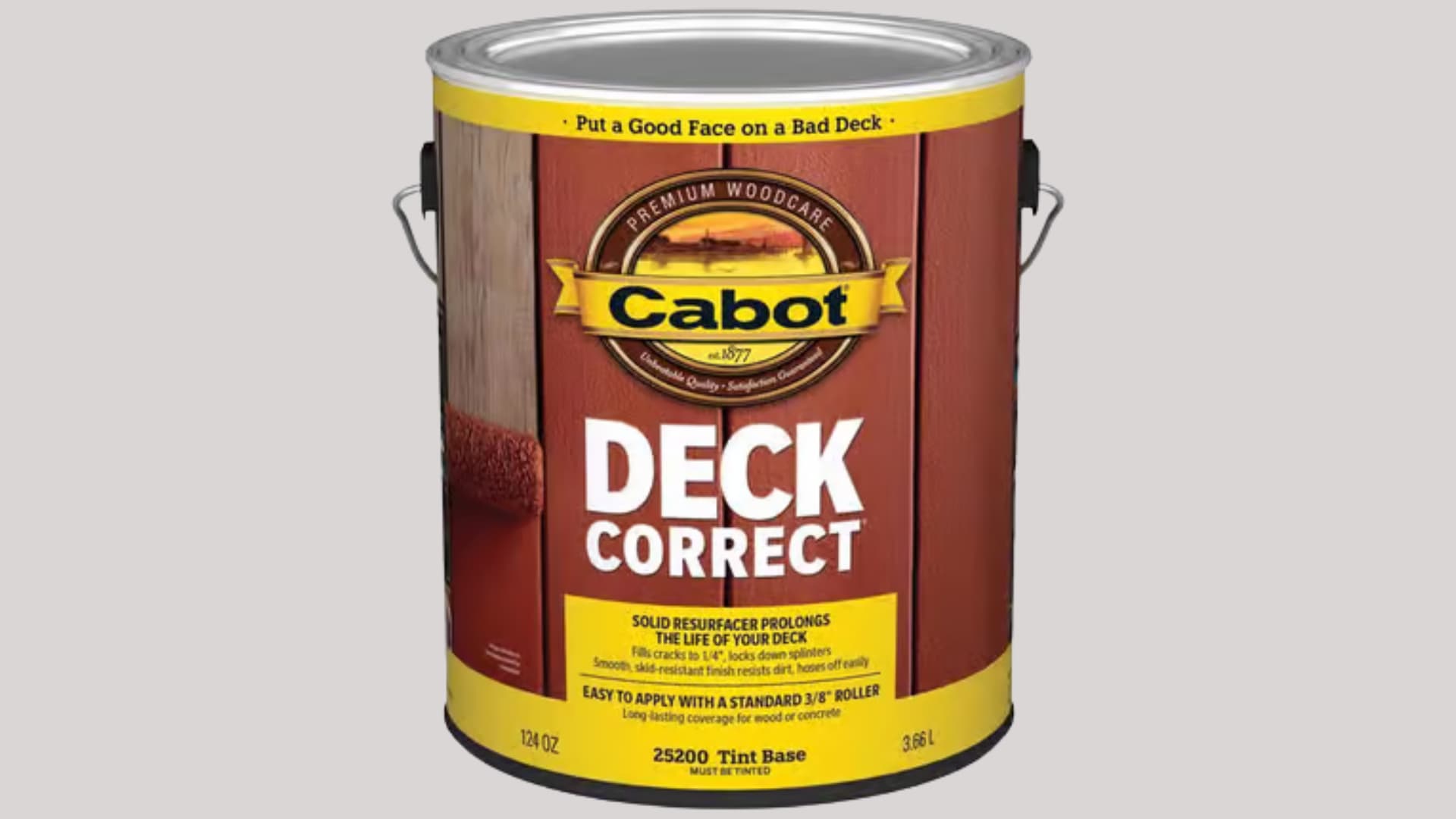
Its thick formula fills in surface cracks and smooths out splintered wood without requiring board replacement first.
It works on both old and new decks, offers a wide color range, and provides solid coverage per gallon for larger surfaces.
4. Rust-Oleum RockSolid
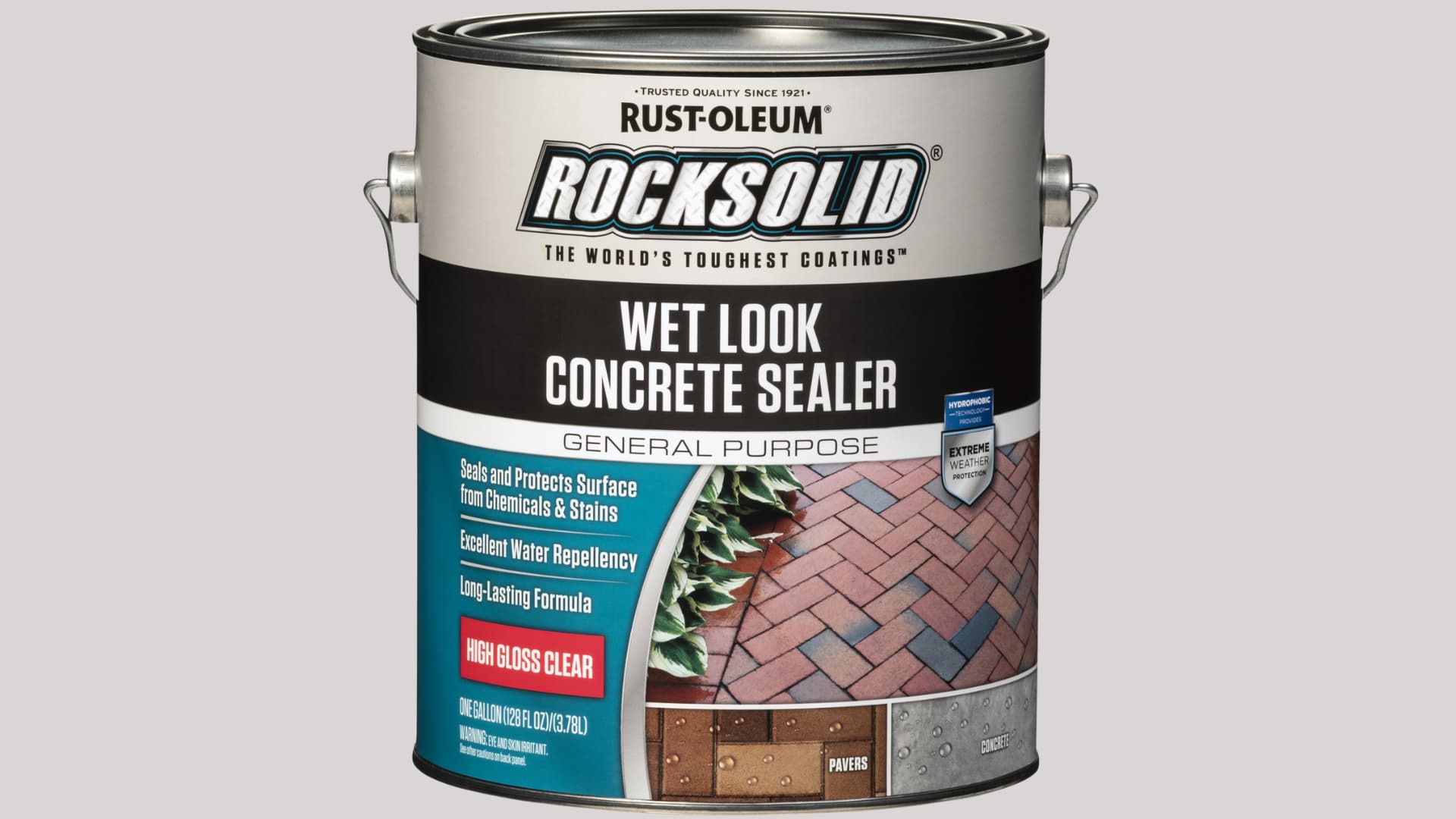
Built specifically for decks that see constant daily use. It includes built-in slip resistance and stands up to harsh weather conditions without losing its finish over time.
The color range is limited, but the durability more than makes up for it on busy decks.
5. Behr Premium Low-Lustre Porch and Patio Floor Paint
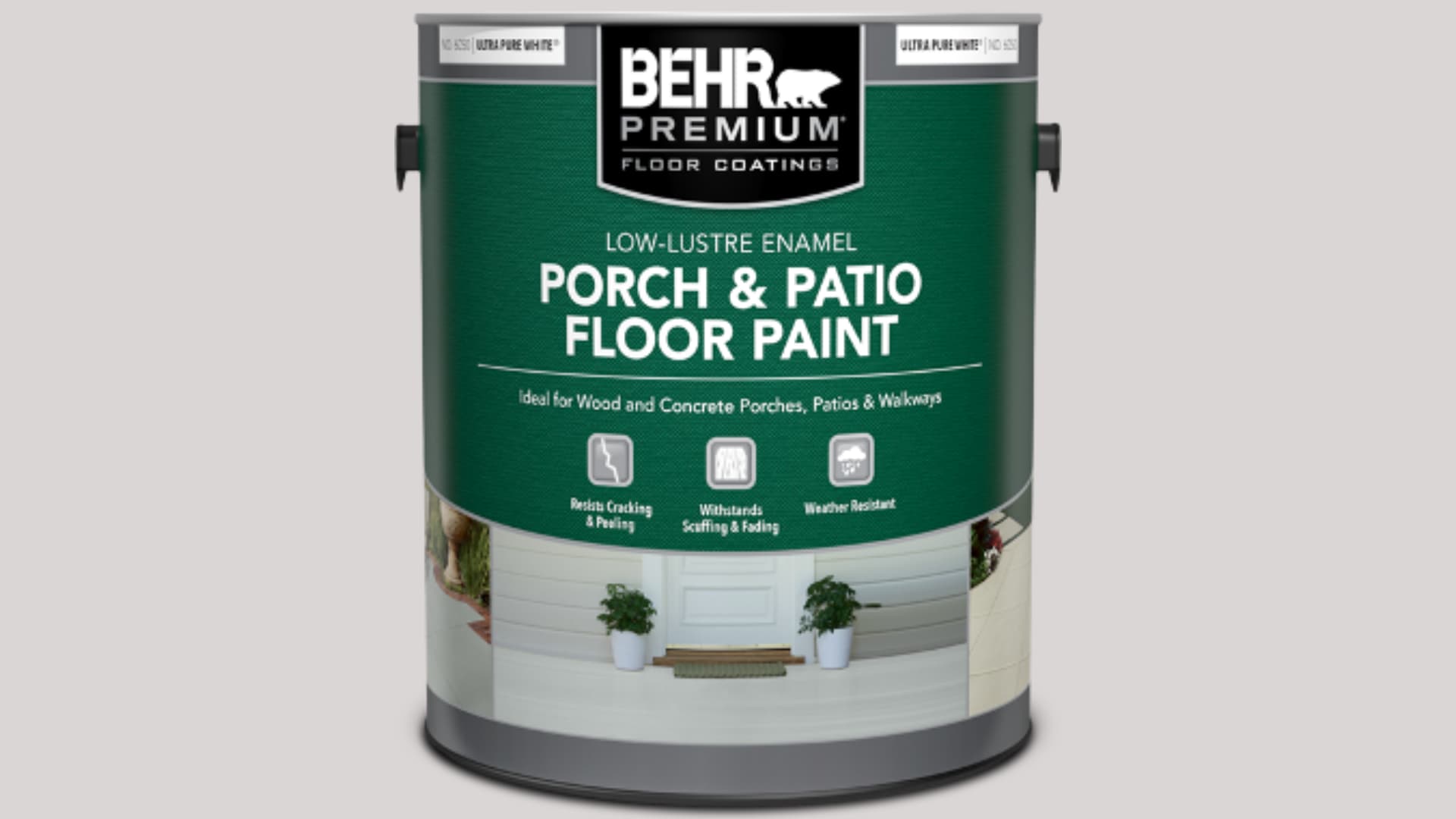
If color variety is a priority for your project, Behr is hard to beat here. It comes in hundreds of shades and finish options, applies evenly, and holds up well through regular outdoor use across different climates.
6. Behr DeckOver
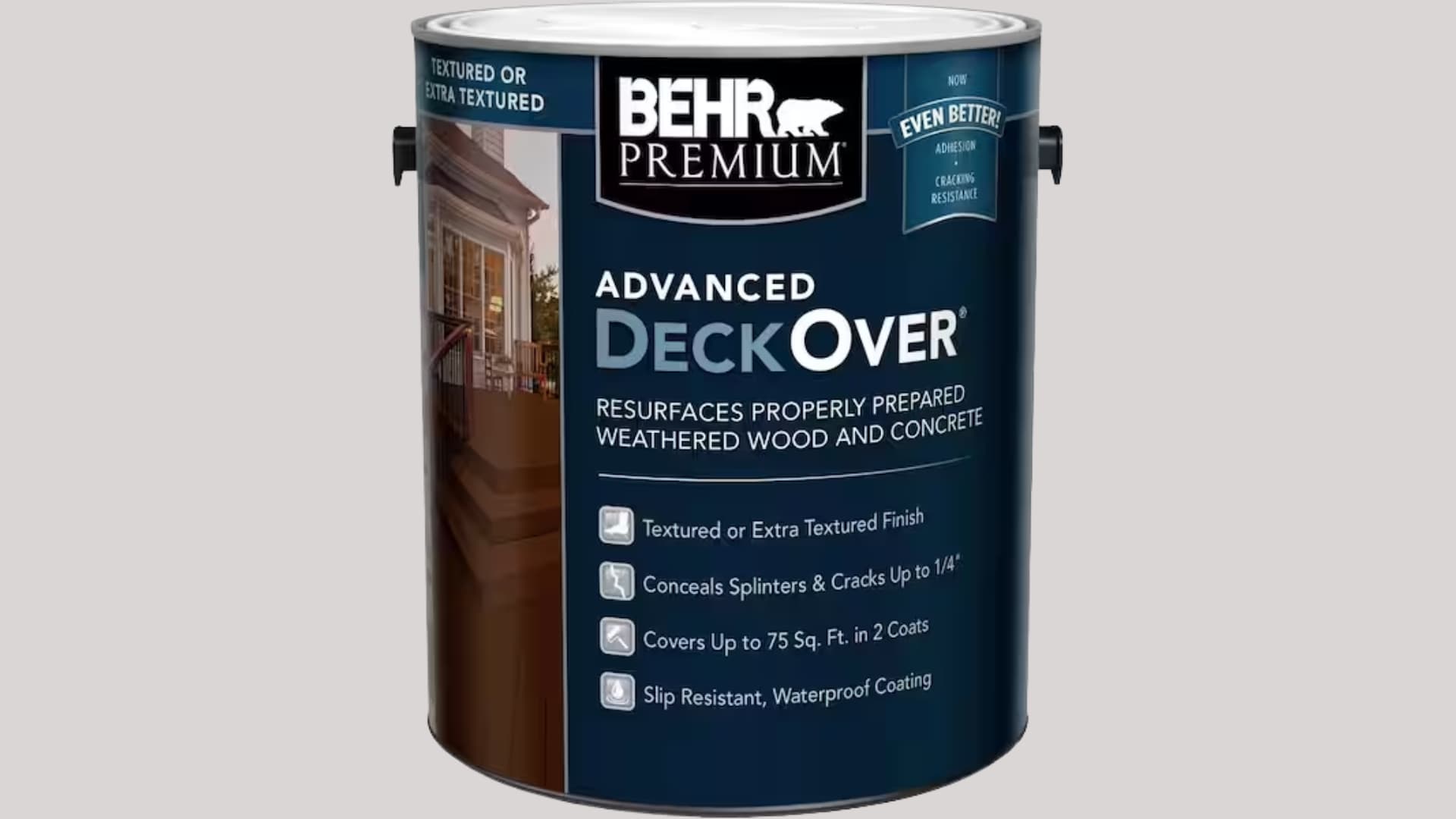
Designed for decks that look rough on the surface but still have solid structural bones.
It creates a strong, uniform finish, protects against water damage and mildew, and performs well in humid or wet climates. Hot temperatures can make the application tricky, so plan the timing carefully.
7. ArmorGarage Super Wood Deck Paint
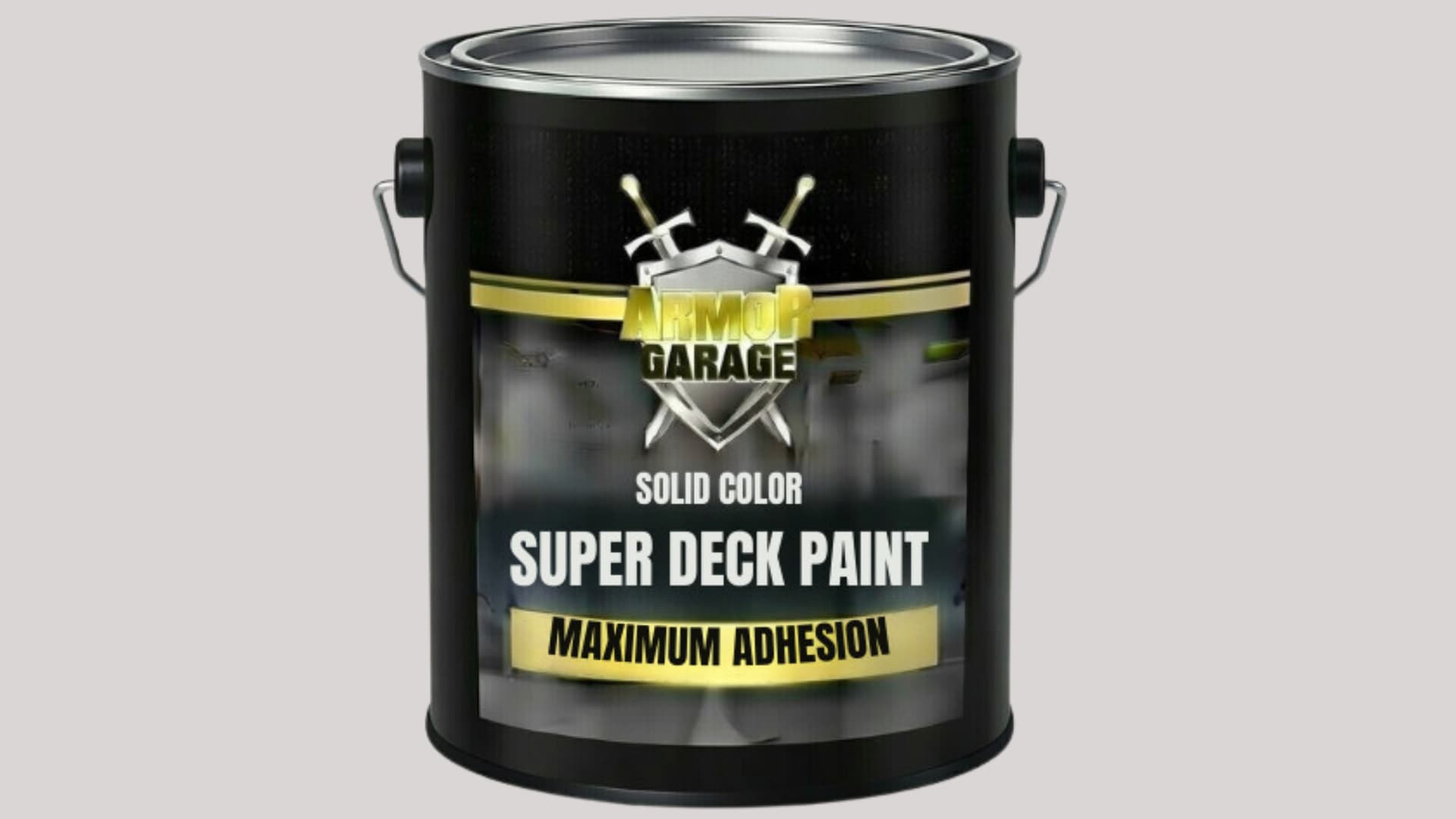
An industrial-grade formula that allows the wood to breathe, so moisture does not get trapped and build up underneath the surface.
It covers 250 to 300 square feet per gallon and comes in 21 color options, which is far wider than most competing deck paints offer.
8. Benjamin Moore INSL-X Floor and Patio
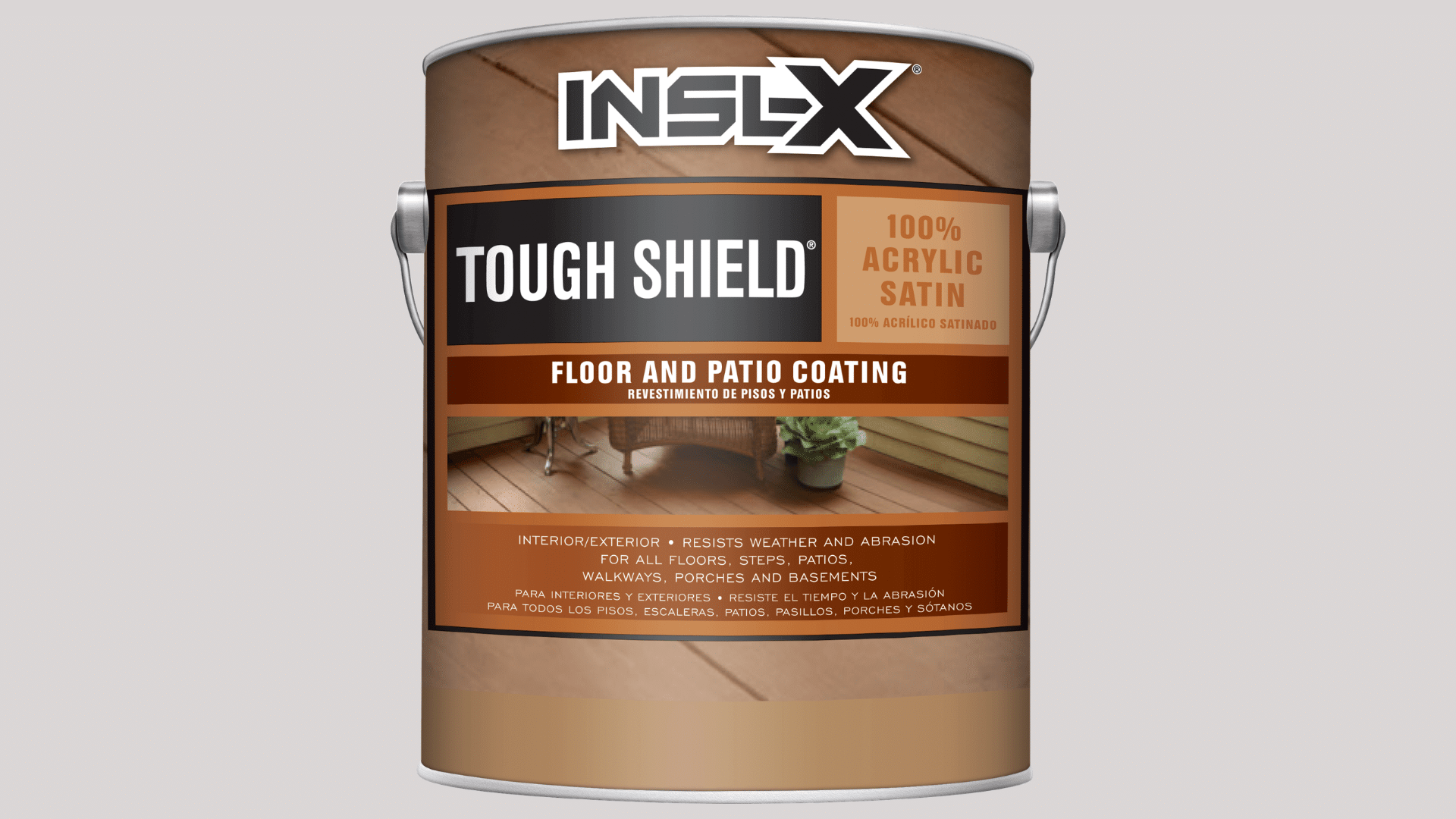
This is the product many professional painters use on their own clients’ decks. It goes on thick and smooth, resists fading from sun exposure, and works on wood, concrete, and brick.
It is low in VOCs, available in 5 colors, and can be sprayed or brushed on, depending on your setup.
How to Prepare Your Deck Before Painting
Prep work is the step most people rush through or skip entirely, and it is the most common reason paint jobs fail within a season. Good preparation makes the real difference between paint that holds for years and paint that starts peeling by spring.
- Clean and pressure-wash the surface first: Remove all dirt, mildew, and loose, old coatings before you do anything else. Let the surface dry fully for at least 24 to 48 hours before moving to the next step.
- Sand the deck after it dries: Sanding creates a smooth, ready surface and opens the wood pores, allowing paint to bond more firmly. Use the right grit for your wood type to avoid damaging the grain.
- Apply primer where needed: Older decks or any surface that was previously stained will need a primer coat. It seals porous areas, stops early peeling, and helps the topcoat grip properly from the start.
How to Apply Deck Paint the Right Way
Applying deck paint looks simple, but a few key steps separate a clean, long-lasting finish from one that looks uneven or starts to fail fast. Follow these steps, and you will get far better results from whatever product you choose.
- Start with edges and detailed areas first: Use a brush along railings, corners, and tight spaces before moving to the open boards. This gives you cleaner lines and prevents overlap marks when you move to the roller.
- Roll the main surface with a floor roller: A roller covers large areas faster and more evenly than a brush alone. Work in the direction of the wood grain to get a smoother, more consistent finish across the whole surface.
- Push paint into grooves with a wide brush: After rolling, go back with a 3 to 4-inch brush to work the paint into any grooves or gaps in the wood boards. This step matters most for older, textured wood that has natural variations in the surface.
- Apply the second coat only after the first is fully dry: Rushing the second coat traps moisture underneath and leads to bubbling or peeling later. Check the product label for the exact dry time, and do not cut it short.
- Avoid painting in direct sunlight or high heat: Heat can cause the surface to dry before the paint fully bonds to the wood underneath. Early morning or an overcast day gives you a better working window for most products.
How Much Does It Cost to Paint a Deck?
The final cost depends on deck size, product choice, and whether you hire a professional or handle it yourself. Here is a straightforward breakdown to help you plan your budget before you start.
| Cost Item | DIY Estimate | Professional Estimate |
|---|---|---|
| Deck paint (per gallon) | $30 to $75 | Included in labor quote |
| Primer (per gallon) | $15 to $40 | Included in labor quote |
| Tools and supplies | $20 to $50 | Included |
| Total for 300 to 400 sq ft | $65 to $250 | $800 to $2,000 |
| Cost per square foot | $0.20 to $0.65 | $2 to $5 |
Worth knowing: Buying cheaper paint and repainting every 2 years costs more over time than investing in a premium product that lasts 5 or more years. Factor in your time and labor before making the price decision.
How Long Does Deck Paint Last?
Most quality deck paints hold up for 2 to 5 years on wood surfaces under normal conditions. Solid color stains can stretch that to 3 to 6 years when the surface is properly prepped before application.
The actual lifespan depends heavily on how much direct sun the deck gets, how much foot traffic it handles each day, and how thoroughly the wood was cleaned, sanded, and primed before painting.
A well-prepped surface will almost always outlast one that was not. Touching up worn spots early and giving the deck a good cleaning once a year also helps the finish last longer between full repaint jobs.
Key Takeaways
Your deck takes a beating every year. Sun in summer, rain in fall, frost in winter, and foot traffic all year round. A fresh coat of quality paint is one of the simplest ways to protect it and keep it in good shape for the long term.
The best paint for decks is not just about picking a color you like. It is about choosing the right formula for your wood type, your local climate, and the amount of daily use the deck sees.
The products and tips in this guide give you a solid starting point for making the right call. Have a question about your specific deck project? Drop it in the comments below. We read everyone.
Frequently Asked Questions
What Type of Paint Is Best for Decks?
Water-based acrylic deck paint works best for most homeowners. It dries fast, resists peeling, and holds up well across different climates and weather conditions.
Is It Okay to Paint Over Old Deck Paint?
Yes, but only after cleaning the surface, sanding off any loose or flaking areas, and applying a bonding primer first. Skipping these steps will cause the new coat to fail early.
What Is the Longest Lasting Deck Coating?
A high-quality solid color deck stain or an industrial-grade deck paint like ArmorGarage can last 5 or more years when the surface is properly prepped before application.
What Is the Best Time of Year to Paint a Deck?
Late spring or early fall gives you the best conditions. Mild temperatures, low humidity, and no direct harsh sun help the paint bond correctly and dry evenly.