Picking paint sounds simple until you’re standing in the store staring at a wall of cans, wondering why every option looks the same. That’s where the real questions start.
You want something that goes on clean, holds up over time, and doesn’t turn into a project you regret halfway through. And when people look for the best paint brands, they’re really trying to avoid mistakes they’ve already lived through: bad coverage, weird finishes, walls that don’t stay looking sharp.
Today, I’m breaking down how to make sense of the choices, what really matters when you’re buying paint, and how to match the product to the job in front of you.
A Quick Look at Top Brands in the US
| Category | Brand | Why It’s Great |
|---|---|---|
| Best Overall | Sherwin-Williams | Strong performance, widely trusted by pros |
| Best Budget | Behr | Affordable and easy to find |
| Best for Pros | Benjamin Moore | Excellent coverage and finish quality |
| Best Eco-Friendly | Farrow & Ball | Low VOC and environmentally focused |
| Best for Beginners | Valspar | Simple to use with good results |
| Best for Color Depth | Benjamin Moore | Deep, rich colors with consistent pigments |
What Makes a Paint Brand “The Best”?
When people ask about the best paint brand, they’re really trying to figure out which one won’t waste their time. And it always comes back to a few core things that matter when you’re standing in the room with a roller, hoping this goes smoothly.
So here’s what actually counts.
When a paint has good coverage, you’re not stuck doing coat after coat wondering why you ever started this project. It hides what’s underneath without making you suffer through extra passes.
Real life hits your walls, so durability matters. You want paint that can deal with fingerprints, scuffs, little bumps, all of it, without breaking down.
A clean look comes from finish quality. Some paints dry smooth and even. Others dry weird, and suddenly you can’t stop staring at the wall trying to figure out what went wrong.
Then there’s VOC levels. Lower is better. You don’t want your whole house smelling like chemicals or giving you that “I should probably open a window” feeling.
Good paint also has solid ease of application. You want it to go on steady, not streaky, not fighting you, not splattering everywhere like it has an attitude.
And you want the color accuracy to be legit. If the sample looks one way and the wall dries another, that’s a nightmare. A good brand gives you the color you thought you were getting.
You also have to look at the price per gallon. Cheap paint can end up more expensive when you need double the amount. Expensive paint sometimes pays for itself in fewer coats and a longer lifespan.
And finally, availability. If the brand is hard to find, or you need to drive across town just to get more, that’s a problem. The best brands are easy to buy when you need them.
All of these together are what make a paint brand “the best.” It’s not just one thing. It’s how all these pieces hit when you’re actually doing the work.
Best Paint Brands in the U.S.A.
Every brand has its own strengths and weak spots. Here’s each major brand broken down with the same simple criteria so you can see what fits your home and your budget:
1. Sherwin-Williams
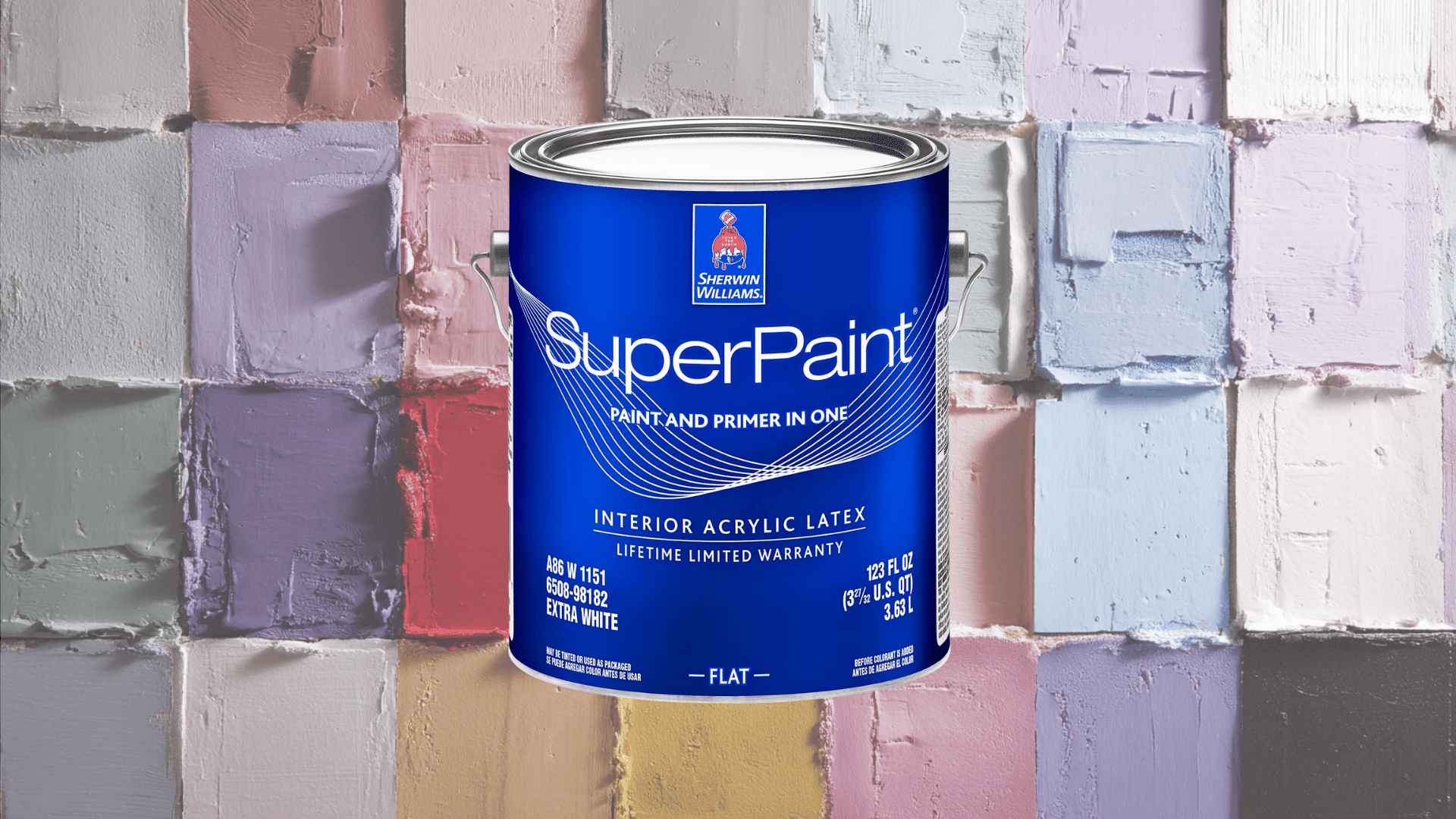
- Strengths: Strong durability, smooth application, and consistent results across multiple product tiers.
- Weaknesses: Higher pricing, and some lines can feel overpriced without a sale.
- Best Product Lines: Duration, SuperPaint, Emerald.
- Best Use Cases: High-traffic homes, families, rooms that need a tougher finish, long-term projects where longevity matters.
- Price Range: Mid to high.
- Where to Buy: Sherwin-Williams stores and contractor supply shops.
2. Benjamin Moore
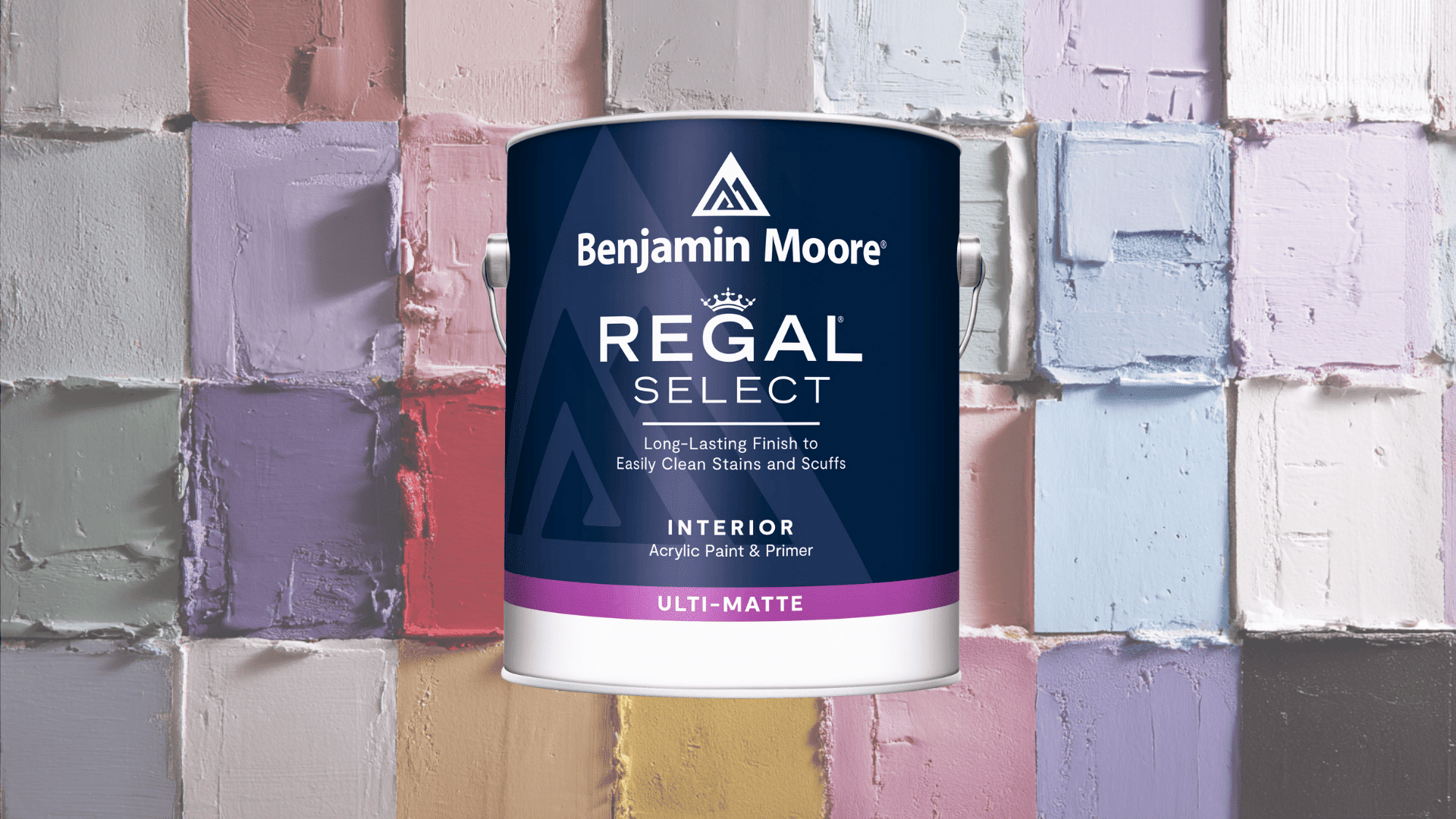
- Strengths: Excellent coverage, rich color quality, and steady performance on interior surfaces.
- Weaknesses: Higher cost and limited availability in big-box stores.
- Best Product Lines: Regal Select, Aura, Ben.
- Best Use Cases: Interior walls, premium finishes, color-sensitive rooms, projects where appearance matters most.
- Price Range: Mid to high.
- Where to Buy: Independent paint dealers and hardware stores.
3. Behr
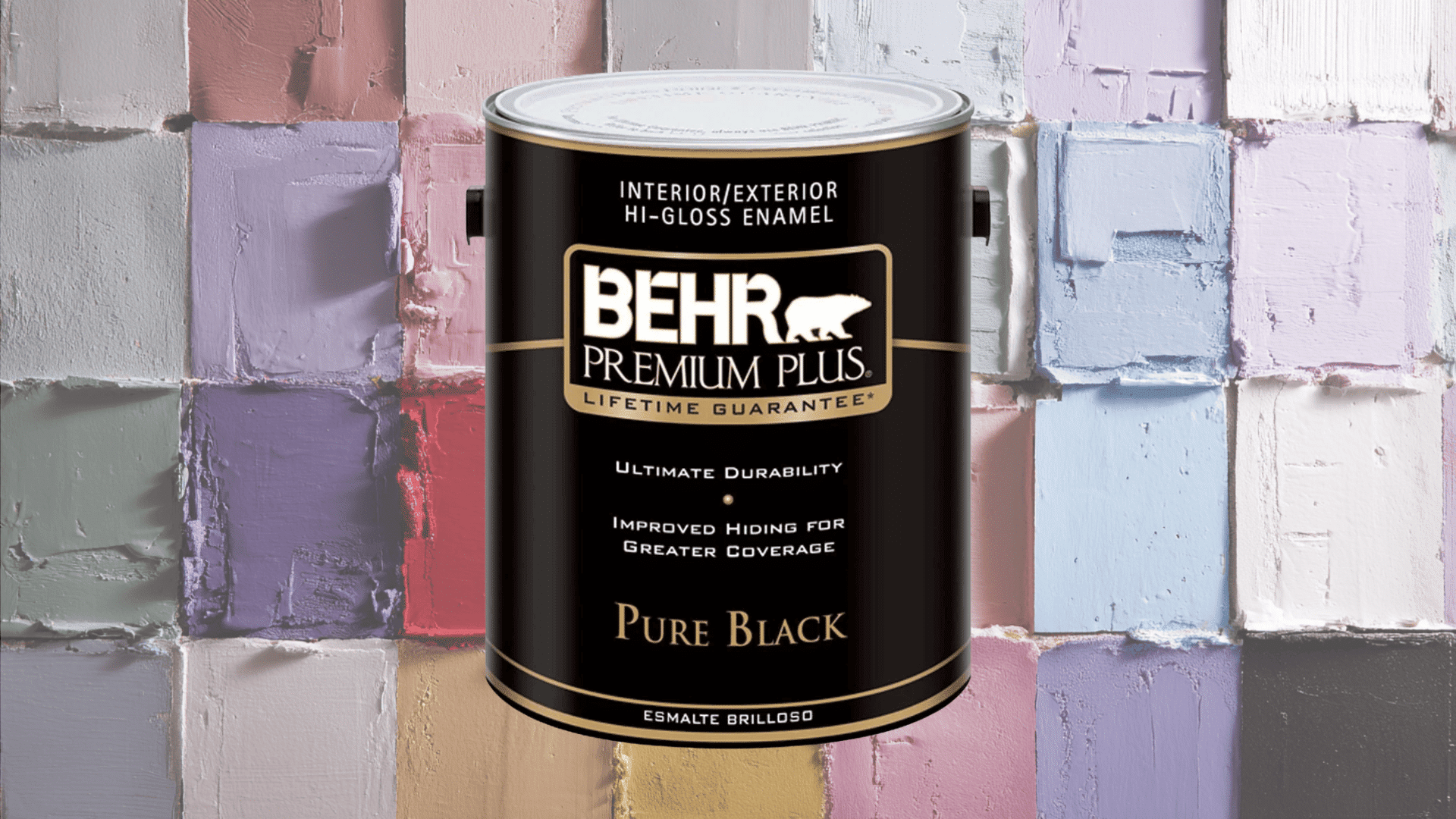
- Strengths: Great value, easy to find, and strong results for DIY painters.
- Weaknesses: Not as refined as pro-level paint, and some lines may need extra coats.
- Best Product Lines: Dynasty, Marquee, Premium Plus.
- Best Use Cases: Budget-friendly interior updates, rental units, simple weekend projects.
- Price Range: Low to mid.
- Where to Buy: Home Depot.
4. Valspar
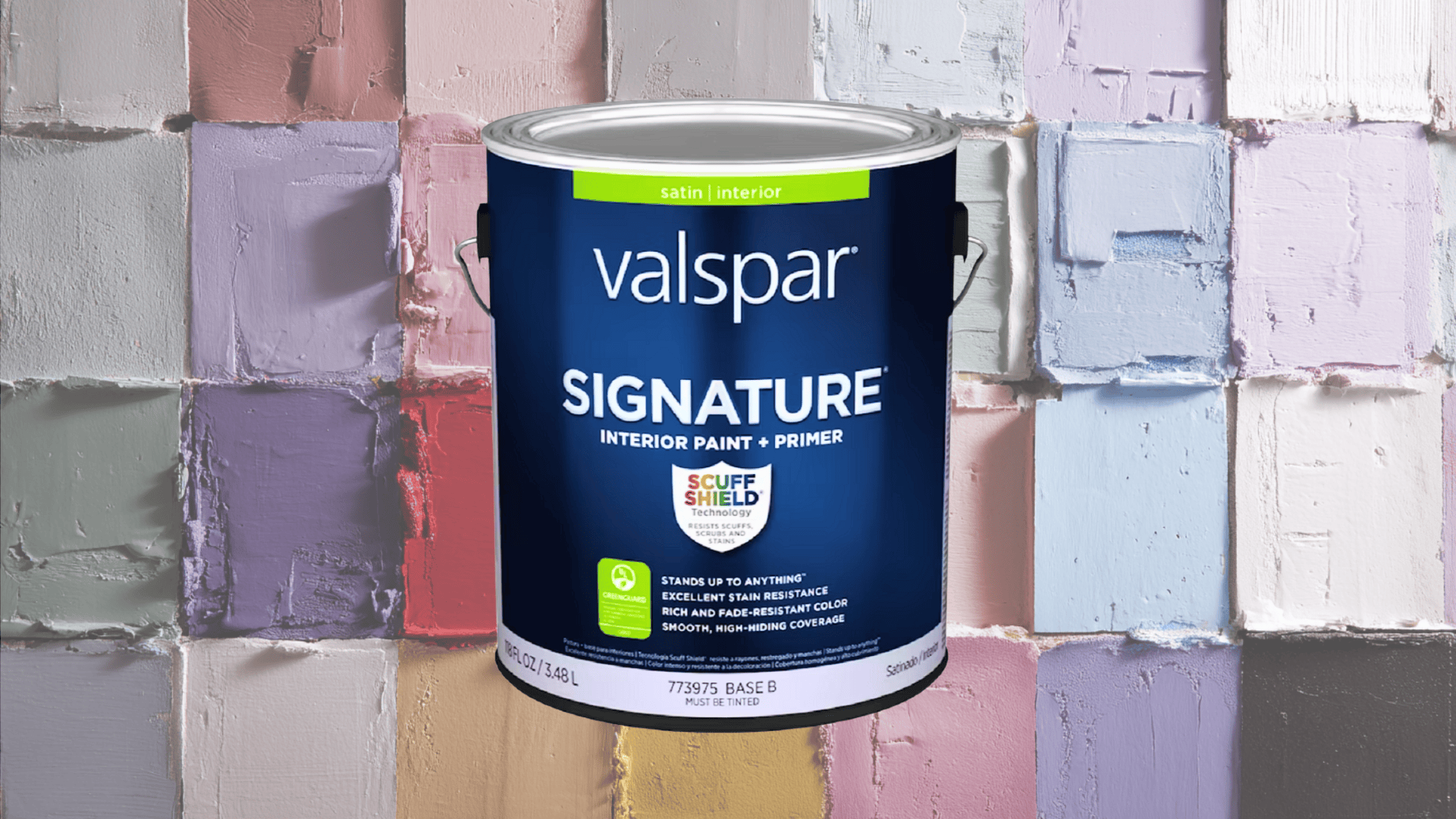
- Strengths: Solid coverage, beginner-friendly, and a wide color range.
- Weaknesses: Finish can vary on tricky surfaces, and durability isn’t as strong as higher-end brands.
- Best Product Lines: Signature, Reserve, Ultra.
- Best Use Cases: DIY projects, living areas, mid-budget repaints.
- Price Range: Low to mid.
- Where to Buy: Lowe’s.
5. Farrow & Ball
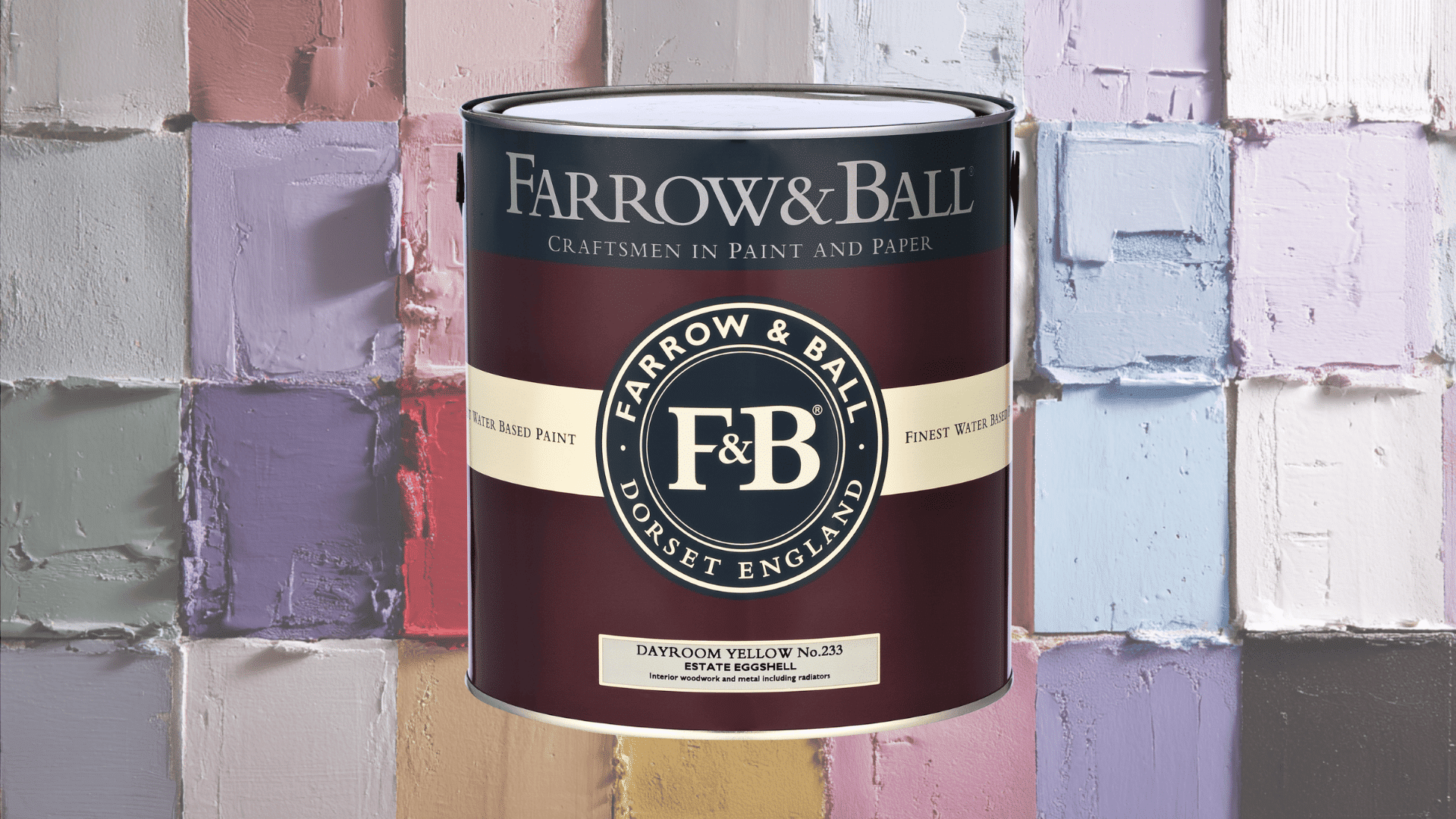
- Strengths: Deep pigments, beautiful finishes, and low VOC levels.
- Weaknesses: High cost and more precise application needed for best results.
- Best Product Lines: Modern Emulsion, Estate Emulsion, Full Gloss.
- Best Use Cases: Designer interiors, feature walls, rooms where the look is the main priority.
- Price Range: High.
- Where to Buy: Farrow & Ball stores and online.
6. Rust-Oleum
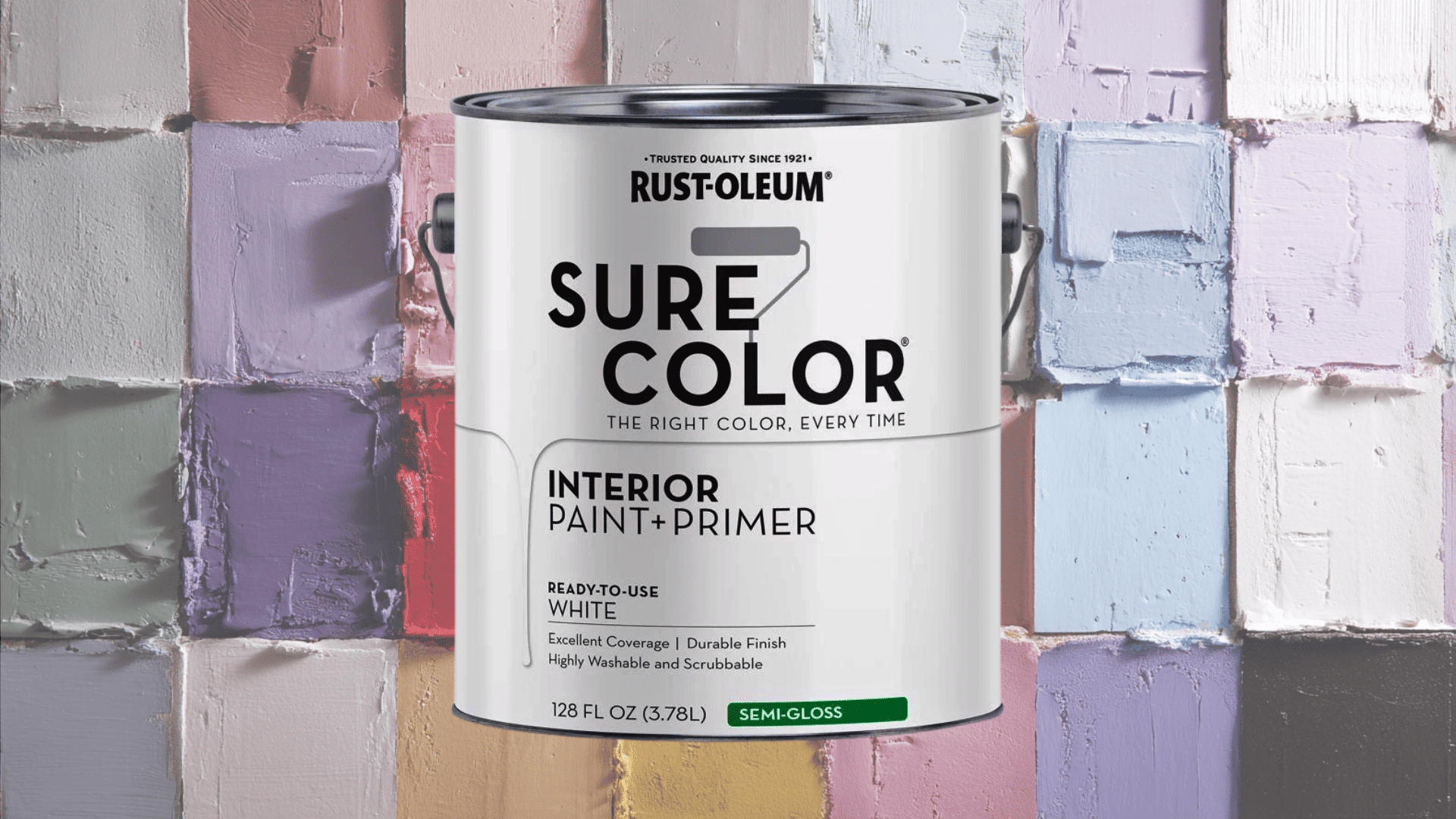
- Strengths: Strong primers, tough finishes, and dependable performance on specialty surfaces.
- Weaknesses: Not ideal for large-scale interior wall projects.
- Best Product Lines: Universal, Painter’s Touch, Zinsser primers.
- Best Use Cases: Furniture, metal, outdoor surfaces, stain blocking, problem walls.
- Price Range: Low to mid.
- Where to Buy: Big-box stores and hardware retailers.
7. Kilz
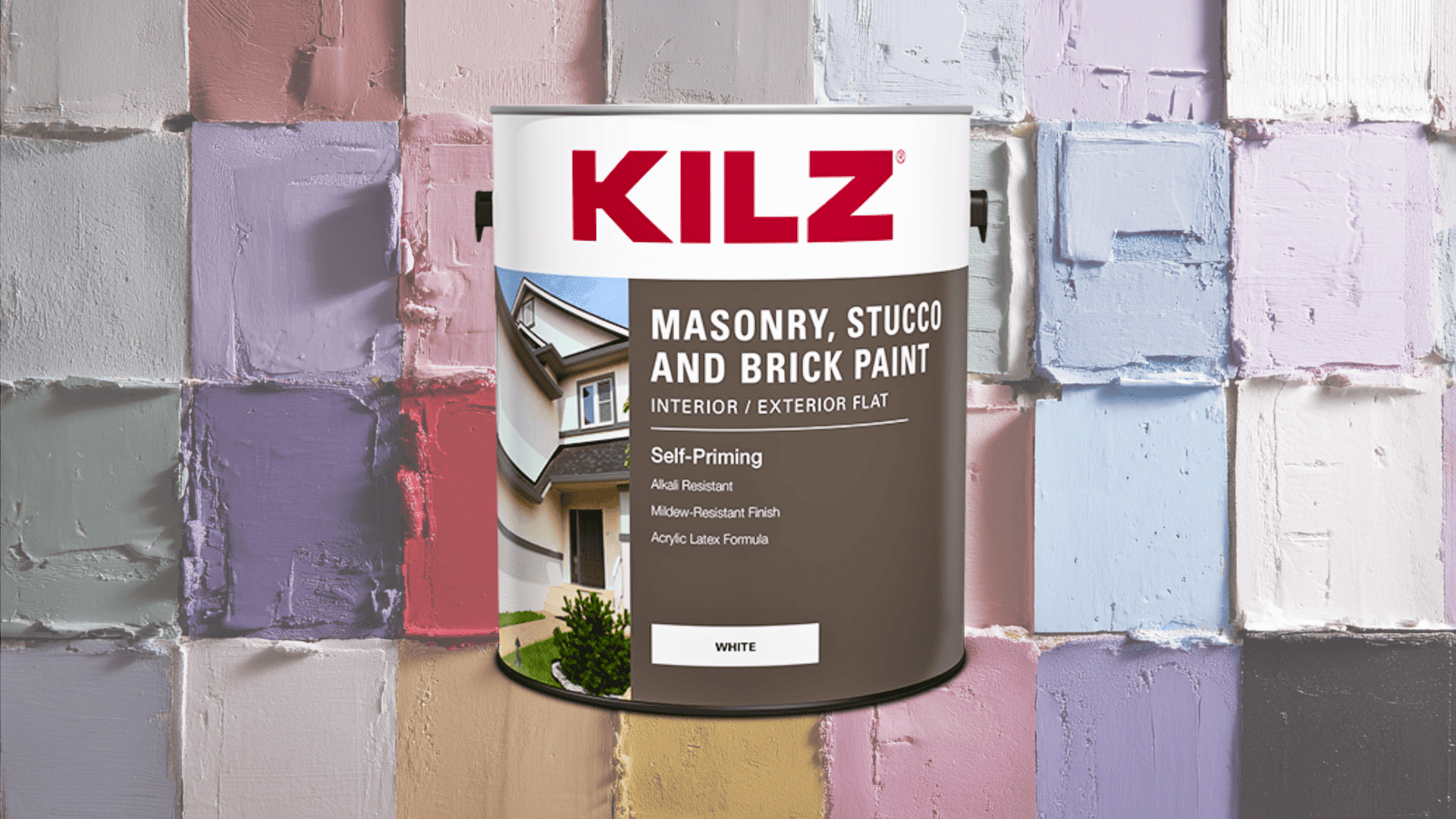
- Strengths: Excellent stain blocking, odor sealing, and prep performance.
- Weaknesses: Mainly a primer brand, not for final coats.
- Best Product Lines: Original Primer, Restoration, Premium.
- Best Use Cases: Smoke damage, water damage, covering tough stains, prepping old walls.
- Price Range: Low to mid.
- Where to Buy: Home Depot, Lowe’s, hardware stores.
8. Glidden
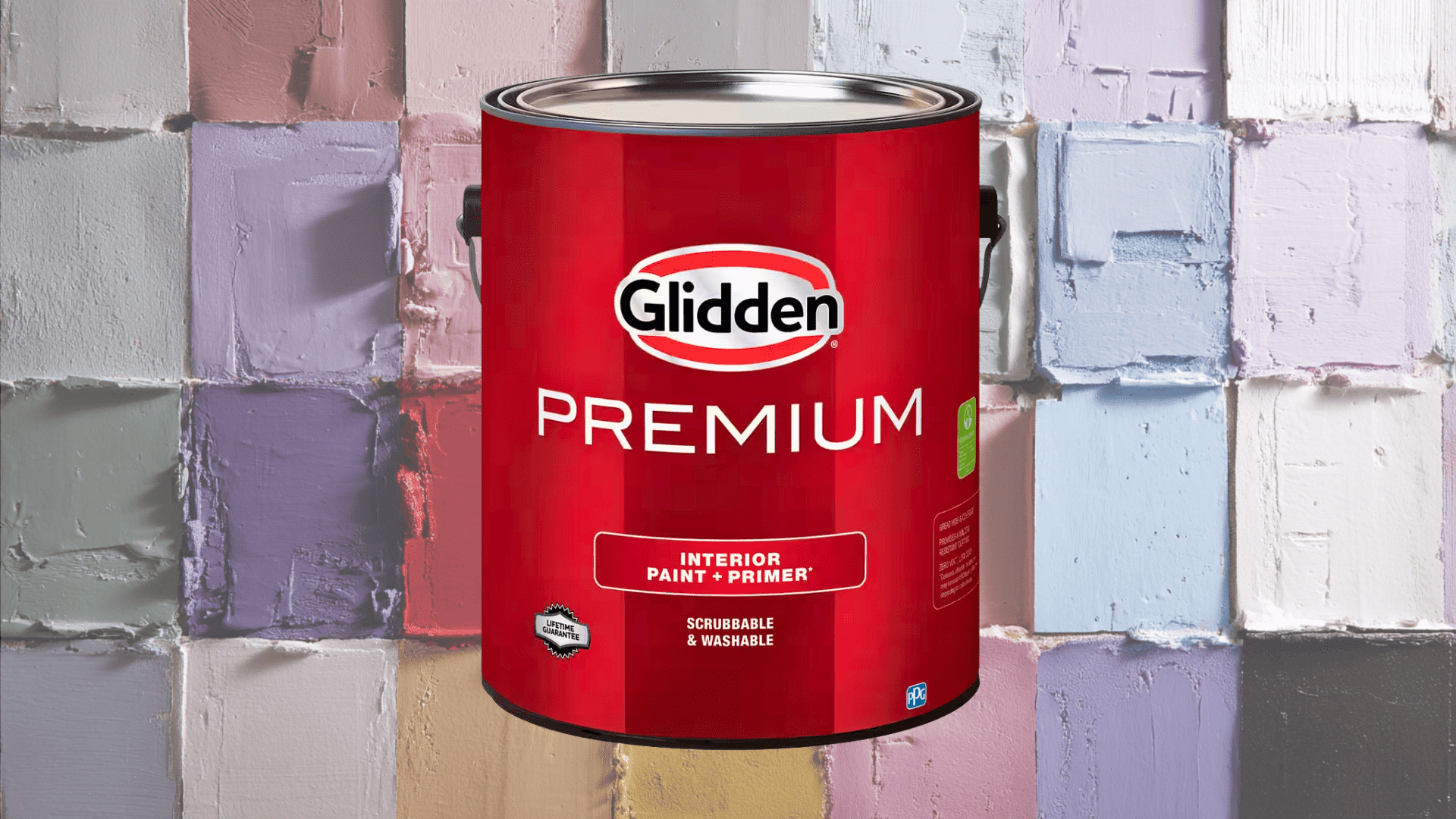
- Strengths: Affordable, simple to apply, and decent coverage for budget jobs.
- Weaknesses: Lower durability and fewer premium features.
- Best Product Lines: Premium, Essentials, Diamond.
- Best Use Cases: Rentals, budget repaints, quick interior updates.
- Price Range: Low.
- Where to Buy: Home Depot and Walmart.
9. PPG
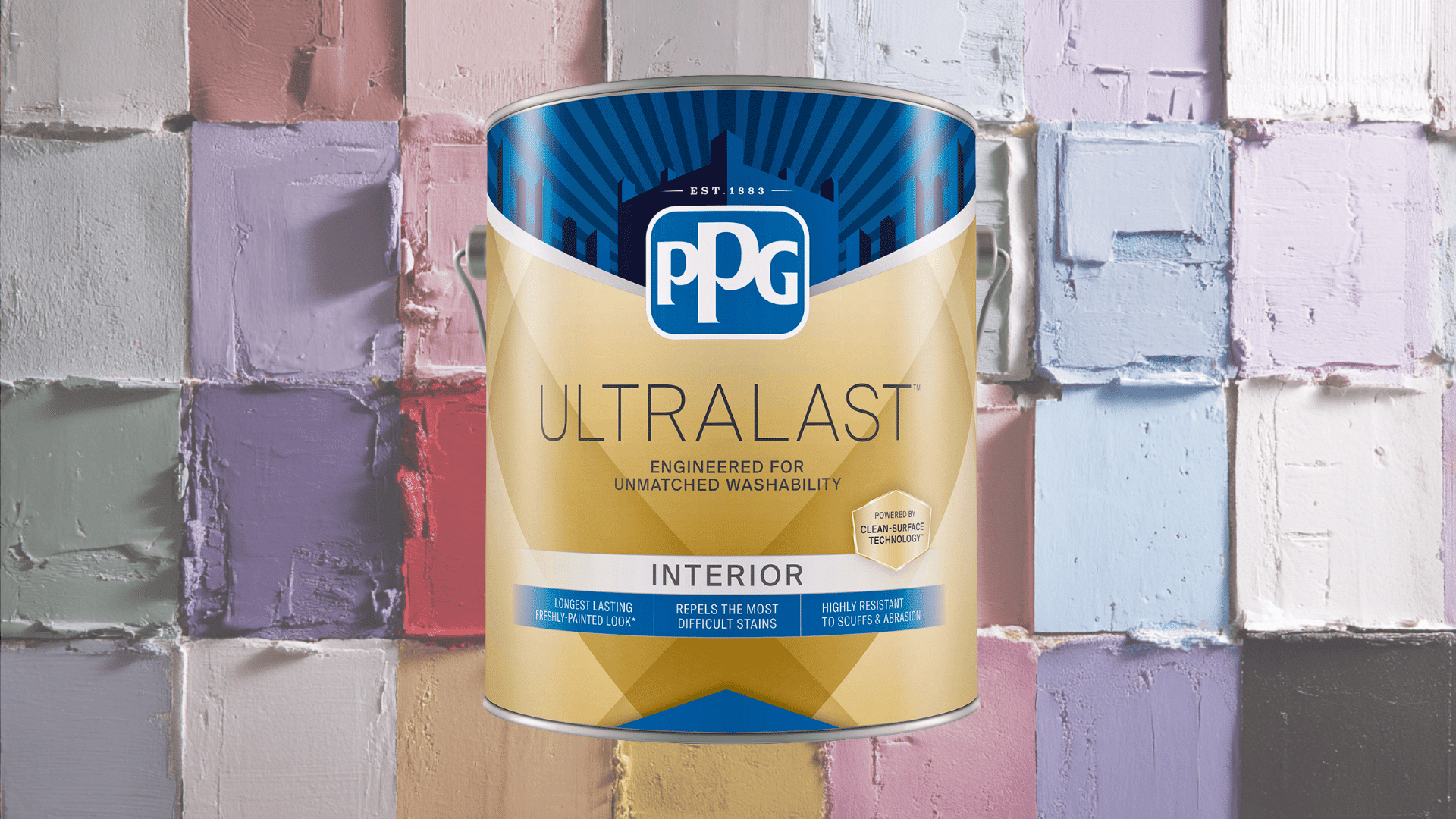
- Strengths: Good durability, strong stain resistance, and pro-level formulas.
- Weaknesses: Less mainstream name recognition, and color samples vary by retailer.
- Best Product Lines: Timeless, Manor Hall, UltraLast.
- Best Use Cases: High-traffic interiors, busy families, exterior projects needing strong protection.
- Price Range: Mid.
- Where to Buy: PPG stores, Home Depot (select lines), independent dealers.
10. Diamond Brite
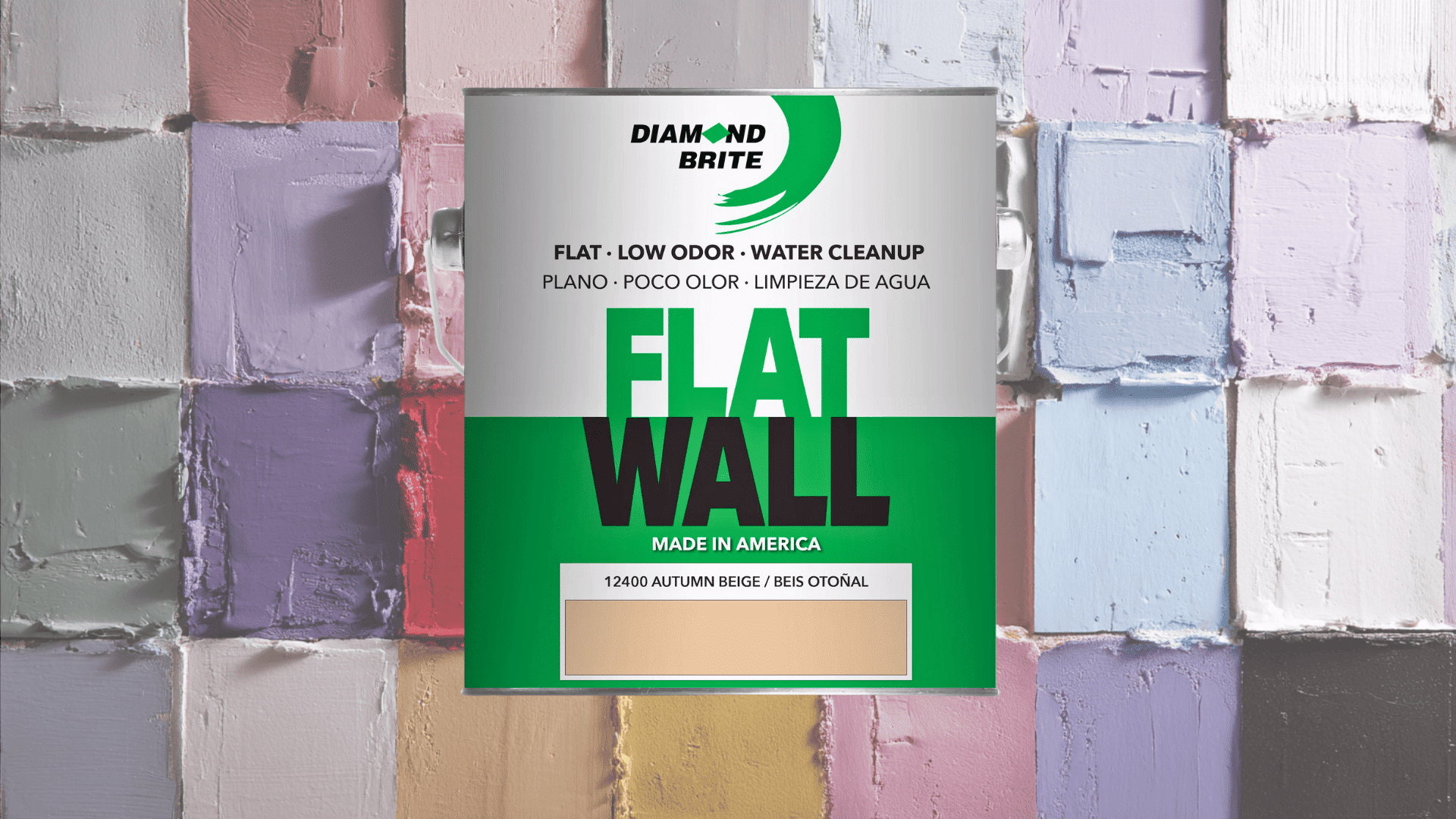
- Strengths: Very low cost, dependable for simple utility work.
- Weaknesses: Lower coverage and limited color accuracy.
- Best Product Lines: 1500 Series, 3100 Series.
- Best Use Cases: Garages, basements, utility rooms, basic budget projects.
- Price Range: Low.
- Where to Buy: Hardware stores and online.
How to Choose the Right Paint for Any Situation
When you’re picking paint, the room or project usually tells you exactly what it needs. Each space comes with its own challenges, so here’s a quick way to figure out what to look for without overthinking it:
| Use Case | What to Look For | Why It Matters |
|---|---|---|
| Interior Walls | Smooth coverage, steady color, easy-to-clean finish | Keeps everyday rooms looking even, hides marks, and handles normal wear. |
| Exterior Homes | Weather resistance, UV protection, strong adhesion | Helps the paint survive sun, rain, heat, and seasonal changes without peeling. |
| Bathrooms & Kitchens | Moisture resistance, washable surface, mildew control | Steam, heat, and frequent cleaning break down regular paint faster. |
| Trim, Doors & Cabinets | Hard, durable finish with smooth leveling | These areas get constant contact and need a tougher surface that won’t chip. |
| New Build Homes | Good leveling, strong surface sealing, even absorption | Fresh drywall soaks up paint; you need a formula that creates a solid base. |
| Rental Properties | Affordable durability, easy touch-ups, stain resistance | High-traffic turnover means walls must handle cleaning and quick refreshes. |
| Low-VOC / Allergy-Sensitive Homes | Low odor, low-VOC formulation, gentle finish | Better air quality and safer for kids’ rooms, bedrooms, and sensitive spaces. |
Once you match the paint to the job, everything else gets easier. It saves time, saves effort, and keeps the finish looking good long after you’re done.
What Paint Brands Do Professionals Actually Use?
When you listen to pros talk, whether it’s painters on Reddit, contractors on job sites, or crews comparing notes, you start hearing the same patterns over and over. They’re not guessing. They use what makes their work easier and what keeps clients happy.
Pros stick with brands that give steady coverage, predictable dry times, and finishes that don’t come back to haunt them with callbacks.
On Reddit, working painters constantly point out that they’d rather pay more upfront than fight cheap paint all day. Contractors say the same thing: low-cost paint slows everything down. More coats, more touch-ups, more frustration.
The big reason they avoid budget paint is simple. It doesn’t grab the wall the same way. It doesn’t level the same way. And it doesn’t survive cleaning the way customers expect.
When you’re doing this every day, losing time to weak paint is the one thing nobody wants.
So the pros keep it simple. Use something reliable. Use something that goes on clean. And use something that won’t create extra work tomorrow. That’s really the whole logic behind their choices.
Wrapping Up
Choosing the best paint brands really comes down to knowing what your space needs and how much work you want to save yourself.
In my experience, the smartest move is paying attention to how a paint behaves, not just what the label promises. Look at how it holds up, how it handles real life, and how much effort it takes to get the finish you want.
When you match the paint to the job, everything feels smoother. Your walls look better, the work feels lighter, and the results actually last.
For more ideas to upgrade your space, read other home-decor guides on the site and keep your projects moving with confidence.