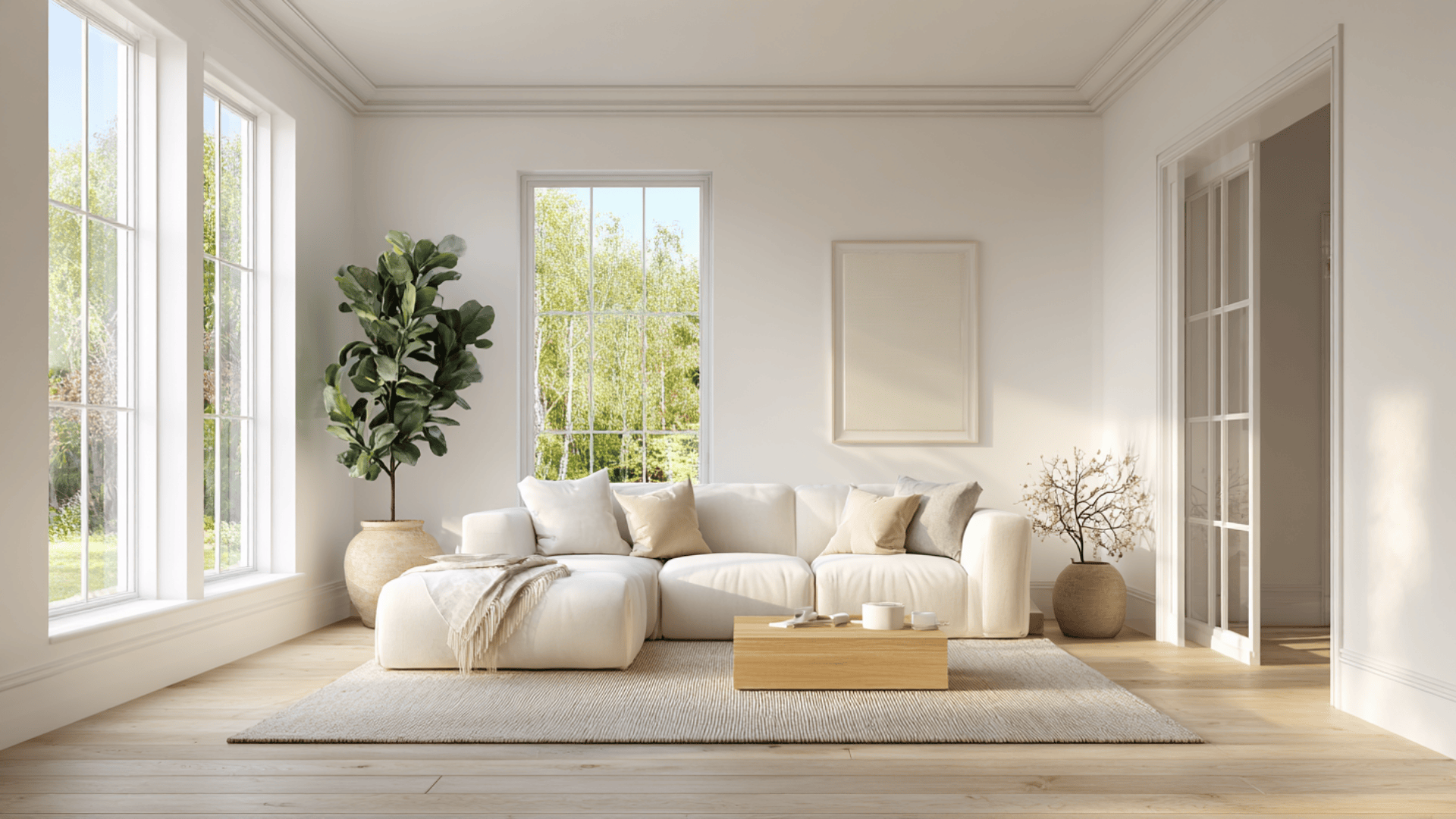
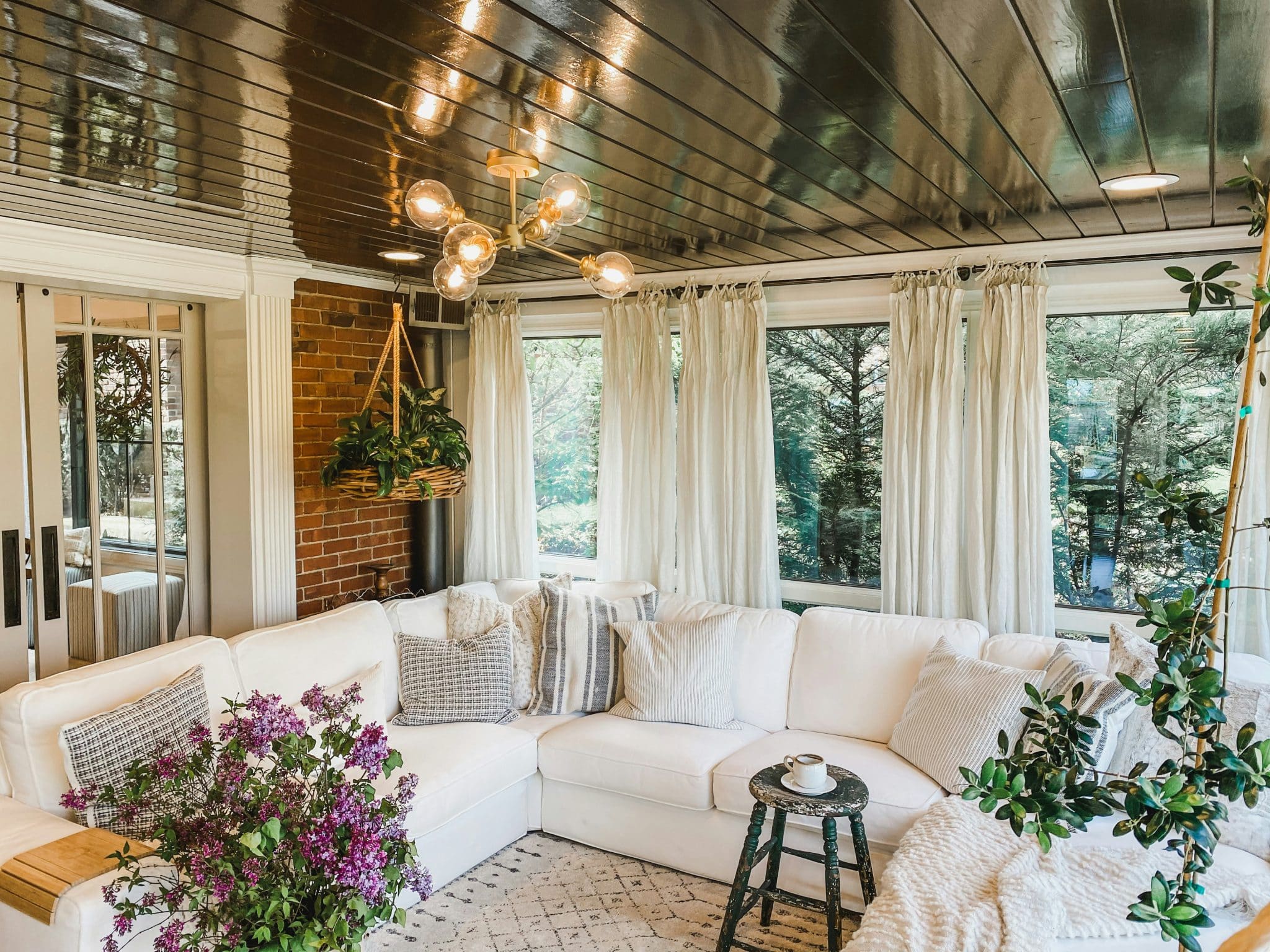
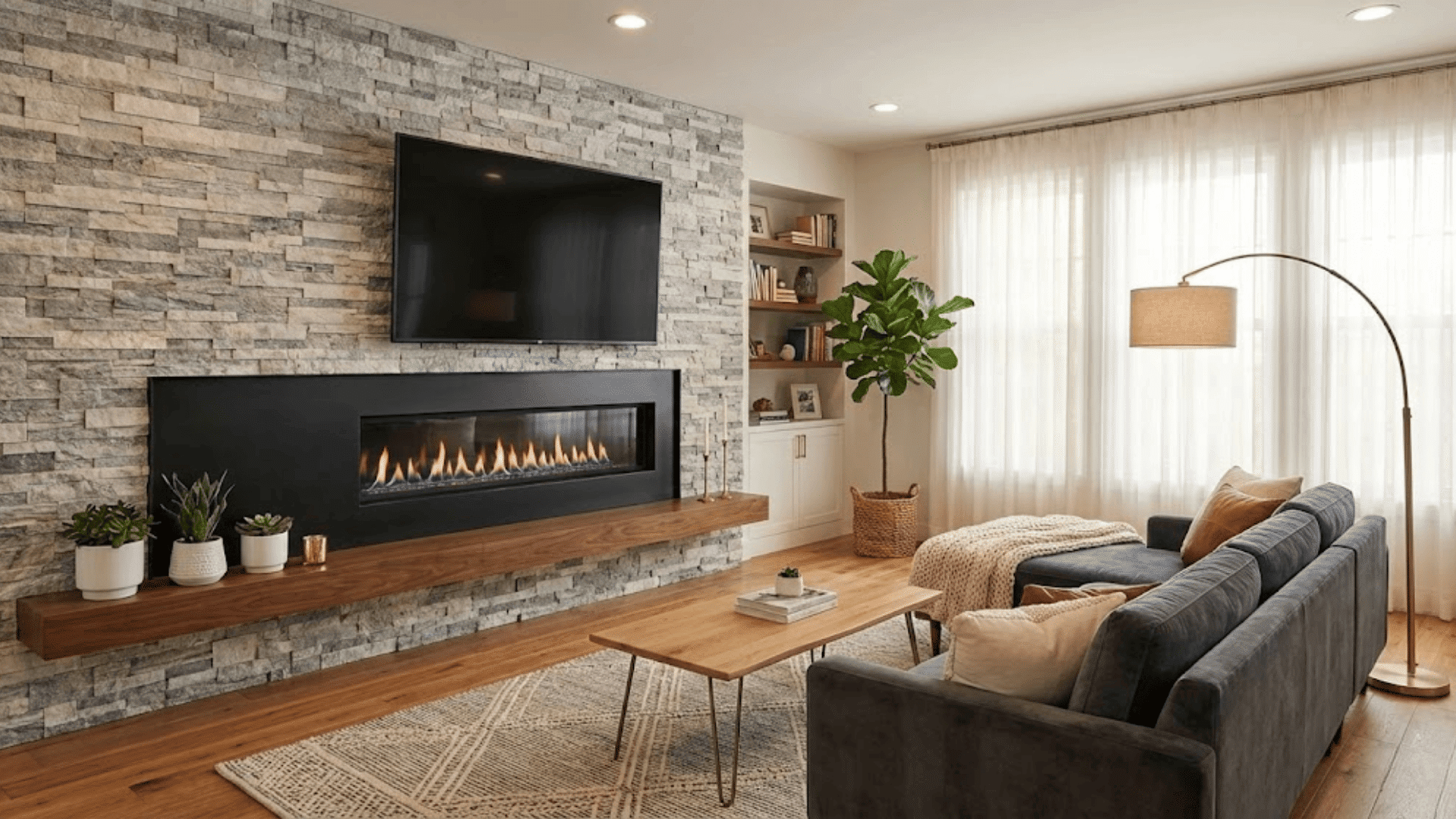
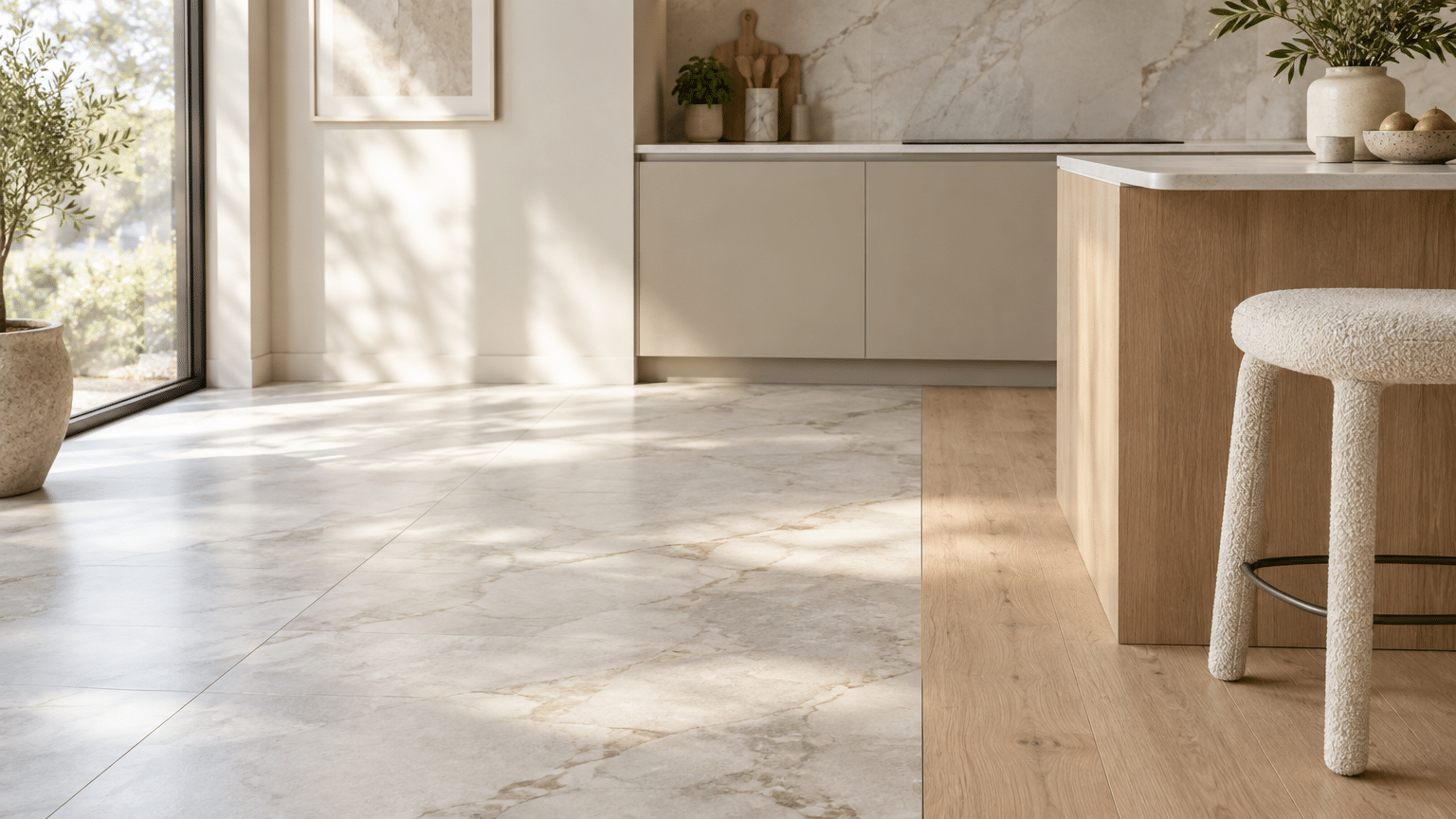
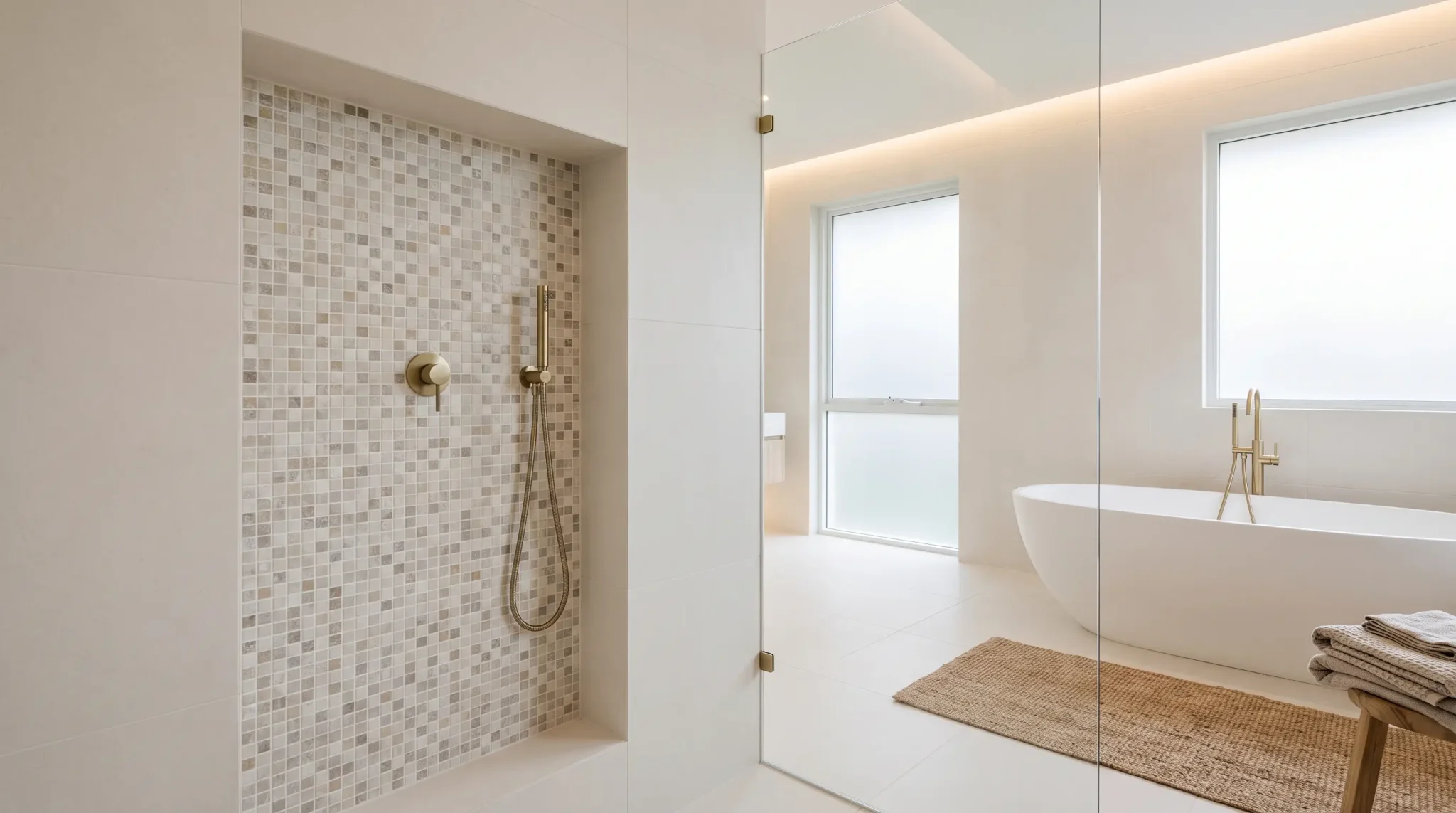
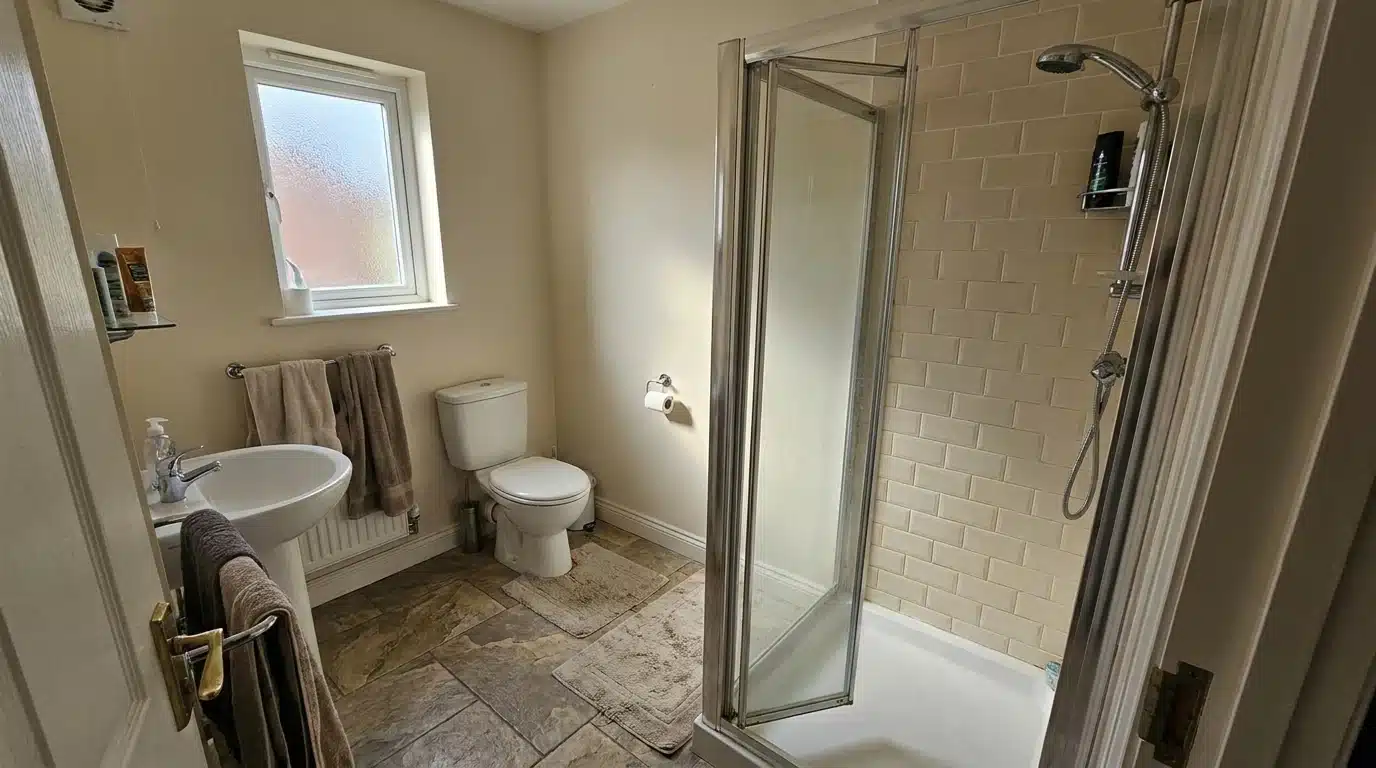
Basements often have limited natural light, low ceilings, and enclosed layouts that can make the paint color feel dull or crowded.
Choosing the right shade depends on how you use the space, whether it is a living room, bedroom, home office, entertainment area, or multipurpose basement.
Light neutrals can make smaller spaces feel more open, while warm tones add comfort and deeper shades create a cozy, dramatic atmosphere.
Living rooms suit warm neutrals, bedrooms benefit from calming shades, while offices need focused tones.
Darker colors can add character to entertainment spaces, whereas multipurpose basements need versatile shades.
This guide covers some best basement paint colors for different spaces, explaining how each color affects the room’s appearance, atmosphere, and overall feel.
How to Choose the Right Paint Color for a Basement
Choosing a basement paint color becomes easier when you evaluate the space before selecting a shade.
- Check the natural light: Observe how much sunlight enters the basement. Darker rooms generally benefit from lighter shades that reflect available light.
- Consider the basement size: For small basements, choose light or soft colors to create a more open appearance. Larger spaces can accommodate deeper shades.
- Identify the room’s purpose: Match the color to how you use the space. Choose calming tones for bedrooms, focused shades for offices, and richer colors for entertainment areas.
- Check the undertones: Look at whether the paint has warm, cool, blue, green, or gray undertones. Choose an undertone that complements your flooring, furniture, and lighting.
- Test the color: Apply a sample to the wall and observe it at different times of day. Basement lighting can significantly change how a color appears.
Choose wall, trim, ceiling, and furniture colors that work together for a cohesive basement design.
Best Basement Paint Colors for Living Room
A basement living room should feel comfortable, bright, and welcoming despite limited or no natural light.
The right paint color can visually open the space while adding warmth and character, and if warm whites are new territory for you, this warm-white paint guide breaks down how two popular shades compare.
These picks work especially well for creating an inviting living area.
1. Sherwin-Williams Alabaster

Alabaster is a warm off-white with soft yellow-beige undertones that creates an inviting room.
It’s a high Light Reflectance Value (LRV) of 82%, RGB: (237, 234, 224), and Hex Value: #EDEAE0, making the basement feel like the main-level living room.
It also creates a versatile backdrop for wood furniture, cozy textiles, and bold accent walls. Sherwin-Williams selected Alabaster as its 2016 Color of the Year.
2. Benjamin Moore Swiss Coffee

Benjamin Moore Swiss Coffee is a warm off-white with subtle yellow and gray undertones.
Its high LRV of 81.91, RGB (239, 237, 225), and Hex Value: #EFEDE1 reflect plenty of light, making it suitable for dim or windowless basement living rooms.
Swiss Coffee makes these spaces feel brighter, softer, and more open without creating a cold, stark appearance. Its neutral warmth pairs easily with wood furniture, beige upholstery, and darker accents.
3. Benjamin Moore Muslin

Benjamin Moore Muslin is a soft, warm beige with subtle pink and creamy yellow undertones.
With an LRV of 66.5, RGB (225, 215, 192), and Hex Value: #E1D7C0, also known as Muslin OC-12 and Muslin CC-110.
It reflects enough light to brighten cool, shadowy basements while maintaining warmth, and pairs well with leather, wood, and neutral furnishings.
Under cool 4000K LED lighting, Muslin appears clean and fresh, while warm 2700K lighting brings out its subtle pink undertones, creating a soft blush-tinted glow.
4. Sherwin-Williams Iron Ore

Sherwin-Williams Iron Ore is a deep charcoal gray with an almost-black appearance, adding depth and a dramatic feel.
Its low LRV of 6, RGB (67, 67, 65), and hex value #434341 help create a cozy, cinematic atmosphere while providing a striking backdrop for warm wood, leather, artwork, and accent lighting.
Since basements often have limited natural light, Iron Ore works best in well-lit spaces or on an accent wall.
5. Sherwin-Williams Black Swan

Sherwin-Williams Black Swan is a dark, near-black shade with a subtle violet undertone.
Its very low LRV of 4, RGB: (58, 55, 62), and Hex Value: #3A373E create a rich, enveloping appearance without the starkness of true black.
Under dim or warm lighting, its hidden undertones emerge, giving the walls a subtle wine-colored glow, turning Black Swan into an elegant, moody alternative.
Best Basement Paint Colors for a Basement Bedroom
The right paint color in the basement bedroom can soften the space, create visual warmth, and prevent it from feeling enclosed.
If you are chasing a softer, lived-in look beyond just the walls, these cozy room ideas pair well with several of the shades below. These picks suit different bedroom styles while maintaining a restful atmosphere.
6. Benjamin Moore Kendall Charcoal

Benjamin Moore Kendall Charcoal is a deep, classic charcoal with a timeless, moody appearance that feels dramatic without looking harsh.
With an LRV of 14.61, RGB (103, 102, 98), and Hex Value: #676662, it remains firmly on the darker side. In cool, indirect light, it can shift toward a softer, subtle green-gray tone.
Its rich tone works especially well in larger spaces with light furniture and flooring, creating contrast and balance.
7. Benjamin Moore White Dove

Benjamin Moore White Dove is a clean, classic off-white with a warm, muted character.
Its LRV of 83.16, RGB (238, 238, 228), and Hex Value: #EEEEE4 reflect light without appearing stark, sterile, or overly yellow, helping brighten dim, windowless basement spaces.
The shade works well with modern and traditional styles, complementing light trim, broad accents, and natural wood tones.
8. Sherwin-Williams Sea Salt

Sherwin-Williams Sea Salt is a cool, muted green with blue undertones that can shift toward blue or gray depending on the lighting.
With an LRV of 63, RGB (205, 211, 203), and Hex Value: #CDD3CB, Sea Salt helps soften artificial lighting and brighten darker spaces.
Its green-blue tones can create a spa-like atmosphere when paired with white trim, cream furnishings, neutral décor, and natural wood elements.
9. PPG Chinese Porcelain

PPG Chinese Porcelain blends violet undertones with shaded orchid blue.
With an LRV of 11, RGB (58, 95, 125), and Hex Value: #3A5F7D, its deep tone adds depth to basement bedrooms without feeling harsh or overly saturated.
It pairs well with warm saffron, turmeric, leather, and dusty sand tones to balance its coolness. PPG selected Chinese Porcelain as its 2020 Color of the Year.
10. Benjamin Moore Wedgewood Gray

Wedgewood Gray is a soft slate blue with subtle green-blue undertones, which balances depth without making a bedroom feel dark.
It has an LRV of 49.59, RGB (173, 190, 189), and Hex Value: #ADBEBD. The shade works well with white bedding, natural linen, and warm wood furnishings.
In limited natural light, Wedgewood Gray may appear more like a muted gray-blue.
Best Basement Paint Colors for a Home Office
A basement home office needs a color that supports concentration without making the space feel dark or enclosed.
The right shade can improve visual comfort, complement your lighting, and create a professional atmosphere for focused work.
11. Benjamin Moore Slate Teal

ALT Text= Modern office with a deep teal wall, dark wood desk, floating shelves, and a potted monstera plant.
Benjamin Moore Slate Teal is a deep teal combining blue and green, with muted gray undertones that create a rich, dramatic appearance.
Its LRV of 9.08, RGB (24, 85, 107), and Hex Value: #18556B absorb ambient light, helping reduce screen glare and creating a comfortable setting for long work hours.
Pairing it with lighter trim, warm-white furnishings, or natural wood adds contrast and keeps the walls from feeling overwhelming.
12. Sherwin-Williams Inkwell

Sherwin-Williams Inkwell is a very dark, near-black shade with a subtle blue undertone, giving it a moody and sophisticated appearance.
Its LRV of 4, RGB (49, 55, 59), and Hex Value: #31373B absorb most light, so pairing it with lighter trim, warm lighting, or natural wood helps balance its intensity.
For a basement home office, Inkwell creates a focused, defined atmosphere and adds depth without relying on brighter colors.
13. Benjamin Moore Gray Owl

Benjamin Moore Gray Owl is a light gray with a cool, crisp cast, making it a strong choice for basement home offices.
Its LRV of 64.51, RGB (211, 213, 205), and Hex Value: #D3D5CD help the space feel brighter, cleaner, and more open rather than enclosed.
The neutral gray also provides a calm backdrop for focused work and pairs easily with white trim, natural wood, or darker accents.
14. Sherwin-Williams Sage Green

Sherwin-Williams Sage Green is a muted, earthy green with a soft gray undertone, giving it a calm and balanced appearance.
Its LRV is 42, RGB (179, 174, 149), and Hex Value: #B3AE95. This shade creates a focused yet relaxing environment without feeling overly dark or saturated.
Its natural character works well with light wood furniture, warm white trim, cream upholstery, and neutral decor. Pairing it with warm artificial lighting can enhance its softness and make the office feel comfortable.
15. Benjamin Moore Quiet Moments

Benjamin Moore Quiet Moments is a soft blue-gray that creates a calm, balanced appearance.
With an LRV of 60.73, RGB (198, 207, 201), and Hex Value: #C6CFC9. It reflects a good amount of light, making it well-suited to basement home offices where brightness matters.
Its gentle tone can make a workspace feel calm, open, and focused without appearing stark. It pairs well with light trim and neutral furnishings.
Best Basement Paint Colors for an Entertainment Room
Entertainment rooms benefit from colors that create a comfortable, immersive atmosphere without making the basement feel overly dark.
The right shade can define the space, complement screens and furnishings, and add character while maintaining visual balance.
16. Sherwin-Williams Tricorn Black

Sherwin-Williams Tricorn Black is a deep, true black with almost no noticeable undertone, giving it a clean and dramatic appearance.
For a basement home office, its low LRV of 2.85, RGB (47, 46, 49), and Hex Value: #2F2E31 absorb most light. It works especially well as an accent wall, paired with white trim, lighter furnishings, or natural wood for contrast.
Sherwin-Williams classifies Tricorn Black as a neutral, despite its intensely dark appearance, because it has virtually no strong color undertone.
17. Behr Vintage Velvet

Behr Vintage Velvet is a dark navy with a subtle purple undertone, giving it a refined and dramatic character.
Its LRV is 8, RGB (72, 81, 105), and Hex Value: #485169. Thisdeep shade creates an immersive atmosphere that works especially well for movie nights, gaming, or music.
Pair it with warm wood, charcoal furniture, soft cream accents, and metallic details to balance its depth. The color can also make a large basement entertainment space feel more intimate and defined.
18. Benjamin Moore Newport Blue

Benjamin Moore Newburyport Blue is a deep navy blue with subtle warmth that gives it a rich, traditional character.
With an LRV of about 9, RGB (70, 85, 102), and Hex Value: #465566. It absorbs substantial light, making it well suited to basement entertainment rooms where you want depth without losing warmth.
Despite its very dark appearance, Newburyport Blue tends to retain its blue character longer in low light than some comparable navy shades.
19. Sherwin-Williams Cyberspace

Sherwin-Williams Cyberspace is a cool, blue-black shade with strong charcoal influences.
Its deep tone and LRV of 6, RGB (68, 72, 77), and Hex Value: #44484D make it a strong choice for basement entertainment rooms, where darker walls can create a more immersive, cinematic atmosphere.
It works especially well in rooms, adding depth without the starkness of pure black. Its blue undertone becomes more noticeable with sufficient lighting.
20. Sherwin-Williams Natural Linen

Sherwin-Williams Natural Linen is a light, warm beige with soft greige undertones.
Its LRV of 66, RGB (223, 210, 194), and Hex Value: #DFD2C2 help brighten basement entertainment rooms without making them feel stark.
The warm tone creates a comfortable, relaxed atmosphere that works well for movie nights, games, and gatherings. It also pairs easily with wood, warm whites, and earthy accents.
Best Basement Paint Colors for a Multipurpose Finished Basement
A multipurpose finished basement needs a versatile color that connects different areas without making the space feel disjointed.
Neutral and balanced shades work well across living, working, entertaining, and recreational zones while maintaining a cohesive, comfortable appearance.
21. Sherwin-Williams Shoji White

Sherwin-Williams Shoji White is a warm, creamy off-white that borders on greige, with an LRV of 74.3.
Its high LRV of 74.3, RGB (231, 222, 211), and Hex Value: #E7DED3 help the space feel brighter, warmer, and more open, while its soft undertones prevent it from looking stark.
This makes it versatile for living, working, dining, or recreational areas within one basement.
22. Sherwin-Williams Mindful Gray

Sherwin-Williams Mindful Gray is a soft, mid-tone gray with subtle warm undertones, creating a balanced, inviting appearance.
With an LRV of 48, RGB (188, 183, 173), and Hex Value: #BCB7AD. It reflects enough light to keep a multipurpose basement feeling open without looking stark.
For spaces combining a living area, workspace, or entertainment zone. Sherwin-Williams recommends pairing it with Pearly White or Eider White for contrast.
23. Dunn-Edwards Silver Creek

Dunn-Edwards Silver Creek is a light, soft green-neutral with subtle yellow-green undertones.
Its LRV of 64, RGB (216, 218, 211), and Hex Value: #D8DAD3 light tone reflects enough light to keep the space feeling open, while its gentle green character adds warmth and visual interest.
It works well across living, working, and recreational areas without overpowering different furniture or décor styles.
24. Sherwin-Williams Urbane Bronze

Sherwin-Williams Urbane Bronze is a deep, earthy neutral that combines brown and gray tones, creating a grounded and sophisticated appearance.
Its LRV of 8, RGB (84, 80, 74), and Hex Value: #54504A add warmth and visual depth while giving different areas a cohesive look.
The rich shade works well with cream, warm white, natural wood, leather, and lighter furnishings, preventing the room from feeling overly dark.
25. Benjamin Moore Revere Pewter

Benjamin Moore Revere Pewter is a warm light gray with subtle beige undertones, creating a balanced neutral that works between warm and cool tones.
For a multipurpose basement, its LRV of 55.05, RGB (203, 198, 184), and Hex Value: #CBC6B8 help reflect available light, making the space feelmore open.
Its versatile neutral character allows it to work across living, work, dining, and recreational areas without overpowering different furnishings or décor.
Benjamin Moore also highlights Revere Pewter as an extremely popular neutral. It belongs to the brand’s Historical Colors collection, despite its distinctly modern versatility.
Common Basement Paint Color Mistakes to Avoid
Paint color mistakes that need to be avoided are:
- Ignoring natural light: A color that looks bright elsewhere may appear darker in a basement with limited sunlight.
- Choosing very dark colors for small spaces: Deep shades can make compact basements feel more enclosed.
- Overlooking undertones: Mismatched warm and cool undertones can make walls, flooring, and furniture look disconnected.
- Using too many colors: Multiple contrasting shades can make an open basement feel visually cluttered.
- Skipping paint samples: Always test the color under your basement’s actual lighting before painting the entire room.
- Choosing color without considering the room’s purpose: A bold shade may suit an entertainment room but feel distracting in a home office or bedroom.
Choosing the right paint color means considering lighting, room size, undertones, existing décor, and the room’s function to create a balanced basement space.
Frequently Asked Questions
Should I Use the Same Paint Color Throughout My Basement?
You do not have to. Different shades can define separate zones, like a home office, bedroom, or entertainment corner, while keeping the overall space cohesive. Stick to colors within the same undertone family so the transitions feel intentional rather than choppy, and keep trim and ceiling color consistent throughout to tie everything together visually.
What Paint Finish Works Best for Basement Walls?
Eggshell or satin finish works best for most basement walls. Both offer some moisture and stain resistance while reflecting enough light to keep flat drywall from looking dull. Save flat finish for ceilings, where a lack of sheen hides imperfections, and reach for semi-gloss on trim and doors, where durability and easy cleaning matter most.
Can I Use Dark Paint in a Basement With a Low Ceiling?
Yes, but balance it. A dark wall color can make a basement feel cozy and enclosed rather than cramped, especially in a home theater or den. Keep the ceiling a shade lighter than the walls to preserve a sense of height, and add bright trim or lighting so the room does not feel like it is closing in.
Should I Use Mold-Resistant or Moisture-Resistant Paint in a Humid Basement?
Yes, especially anywhere humidity or occasional dampness is a concern. Mold-resistant or moisture-resistant paint, applied over a proper masonry primer, holds up far better than standard interior paint on below-grade walls. This matters even more along the Gulf Coast, where basements are rare, but humidity never is, so any below-grade space needs extra protection before color comes into play.
Do Basement Paint Colors Need to Match the Flooring and Furniture?
Not exactly, but they should work together. Consider the undertones in your flooring, especially painted concrete or luxury vinyl plank, along with your furniture and trim, before choosing a wall color. A warm gray can clash with cool-toned flooring as easily as the wrong throw pillows, so check samples against your actual floor first.
Conclusion
Basement paint colors come down to three things: how much light the room gets, how tall the ceilings feel, and what you actually do down there.
Light neutrals open up a tight, windowless space. Deep, moody tones give a home theater or a den some real character.
Somewhere in between, you get a basement that works for family movie nights, a home office, or a guest room, depending on the day.
Whatever you pick, test it under your basement’s actual lights first, since low ceilings and artificial lighting change how a color reads more than people expect.
Which basement space are you tackling first? Tell me what you are working with, and I will help you narrow it down.