During the cold seasons of the year, home heating is among the largest contributors to household energy consumption. When your system fails to keep up, you can either blame the weather or believe that your equipment is incompetent. But more often than not, there is much more at play that could be contributing to the reason why your house is always too hot and is heating inefficiently, robbing energy and money without even realizing it.
To get your house warmer and more energy-efficient, you can first learn why you may require heating system repair. From minor issues such as mismanagement of the thermostat to larger structural issues such as insulation, recognizing and addressing inefficiencies with heating and cooling services makes a significant impact on both comfort and cost.
The Most Overlooked Causes of Inefficient Heating at Home
Poor Insulation and Drafts
The lack of insulation of the heating system is one of the most popular and ignored reasons why heating systems are not as efficient as they are supposed to be. However fine a furnace or heat pump you had, it still could not do its job efficiently when your house was leaking warm air.
- When there is insufficient attic insulation, the heat ascends and escapes through the roof.
- Drafts will come into your home through windows and doors that aren’t sealed properly, and then your system is forced to work hard.
- Damage to vents, chimneys, and outlets allows heat to escape.
The most basic and low-cost ways to make heating more efficient include caulking, weatherstripping, and adding more insulation.
Neglected HVAC Maintenance
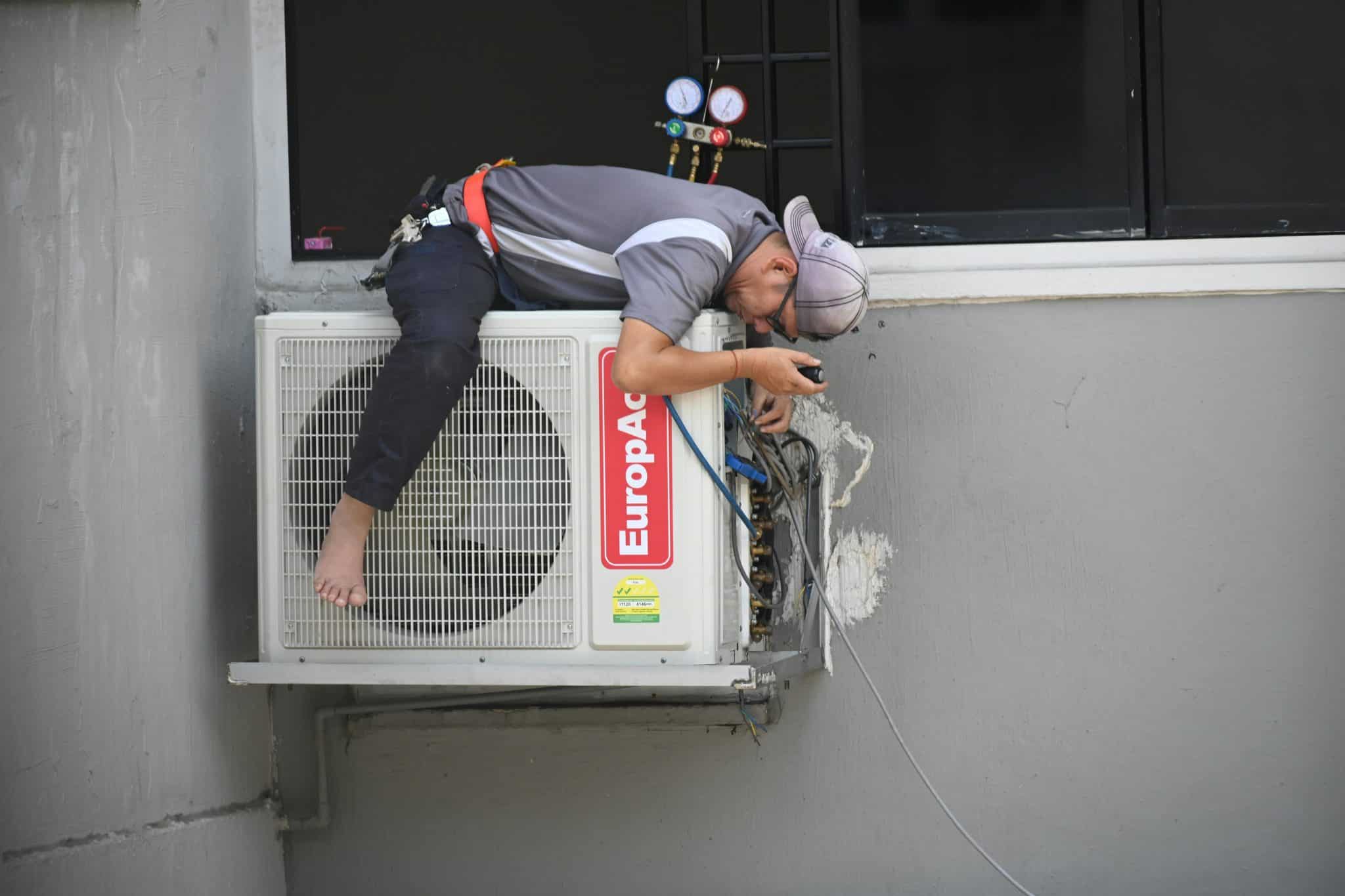
Just like cars, heating systems also need routine maintenance and professional services such as Chill Heating and Cooling. The bad news is that most homeowners utilise their furnaces or boilers without repairing them in any way over the years. This neglect results in:
- Restricted air flow and straining of the system caused by a clogged filter.
- Dirty burner or coils that lower effectiveness and heat
- Worn parts that reduce performance and could result in failure
Not only do regular tune-ups from HVAC services help restore efficiency – they also help prolong equipment life and keep you and your neighborhood safe. Professionals, such as Chill Heating and Cooling, recommend that HVAC systems be serviced at least annually before the heating season starts.
Thermostat Mismanagement
Your thermostat is the control center for the heating system. Mismanagement is an oddly prolific source of inefficiency and may require heating and cooling repair. Typical mistakes include:
- Overheating: For each degree you set the thermostat more than 68 degrees in the winter, your energy consumption goes sky high.
- Heavy tuning: Extensive tuning means that the system has more cycle times, which ultimately wastes power.
- No smart programming tools: Many homes use a programmable thermostat to switch off the heating when nobody is at home or asleep.
Use a smart thermostat to save energy: This new device will not only learn your habits, automatically regulating temperatures, but also give you reports on your energy consumption.
Blocked or Leaky Ductwork
In homes that have forced-air heating, ductwork plays an important role in distributing heat. Unfortunately, it’s an invisible source of inefficiency, too:
- Leaks: 40% of energy loss in the home comes from air leaks.
- Badly insulated ducts: In other regions of the continent, like attics or basements, ducts lose heat before it is moved into interior living spaces.
Blocked air vents or air registers, furniture or carpeting, or dust can prevent the free movement of air and lead to inappropriate distribution of heating.
The easy fixes that promise a big performance payoff and guarantee the vents will remain obstruction-free are to caulk the leaks or metal tape the open ducts, insulate the repaired ducts, and not to fix the heating and cooling repair again.
Ignoring Humidity Levels
This leads to cold winter dry air preserving its cooler temperature than damp air at the same temperature, which may make the homeowners set the thermostat much higher than required.
- Low humidity: 70 degrees Fahrenheit feels like 65 degrees Fahrenheit, and that will make you feel that the energy has been completely exhausted.
- Humidity: Sticky weather is linked with issues such as mold development and condensation, along with inconveniences.
Normal winter season indoor moisture must be between 30 and 50%. A tropical humidifier or a small one can even out the humidity to make a lower thermostat setting feel warmer in the home.

Aging Heating Equipment
You cannot do anything to make heating equipment as efficient as it was the day it left the manufacturer’s factory. Typical inefficiencies that can be found in furnaces, boilers, and heat pumps that are over 15-20 years old include:
- Have less than 60 to 70% efficiency, whereas today’s models can have 90% or more
- Demand for continual repairs that exceed any cost-benefit analysis for keeping them in service
- Do not meet existing safety and environmental standards
You will not only conserve money on energy bills by buying newer, more energy-efficient models, but you will also enjoy improved reliability, indoor air quality, and comfort.
Key Takeaway
Lack of insulation, poor maintenance, inefficient thermostat controls, leaking ducting, humidity, and many issues that remain unidentified in the struggle of paying high utility bills and feeling uncomfortable. By following measures to solve these, the homeowners can:
- Save energy and lower utility costs
- Extend its life expectancy – extend the time the heating apparatus can be used
- Improve health and comfort within the built indoor environment
In the long run, it’s not about having the most powerful heating that exists; it’s about getting the most out of each drop of energy possible for the sole purpose of keeping your home warm and comfortable.