Smart home technology has moved well beyond voice assistants and novelty gadgets. In 2026, homeowners can automate temperature control, monitor security from anywhere, reduce electricity and water waste, and even manage lighting and appliances from a phone. But with technology changing quickly, spending more does not always mean getting more value.
For homeowners weighing an upgrade, the better question is not simply whether smart technology is worth buying, but which features can deliver meaningful benefits without becoming expensive, complicated, or outdated too quickly. Here is what to consider before investing.
1. Start With Upgrades That Solve Everyday Problems
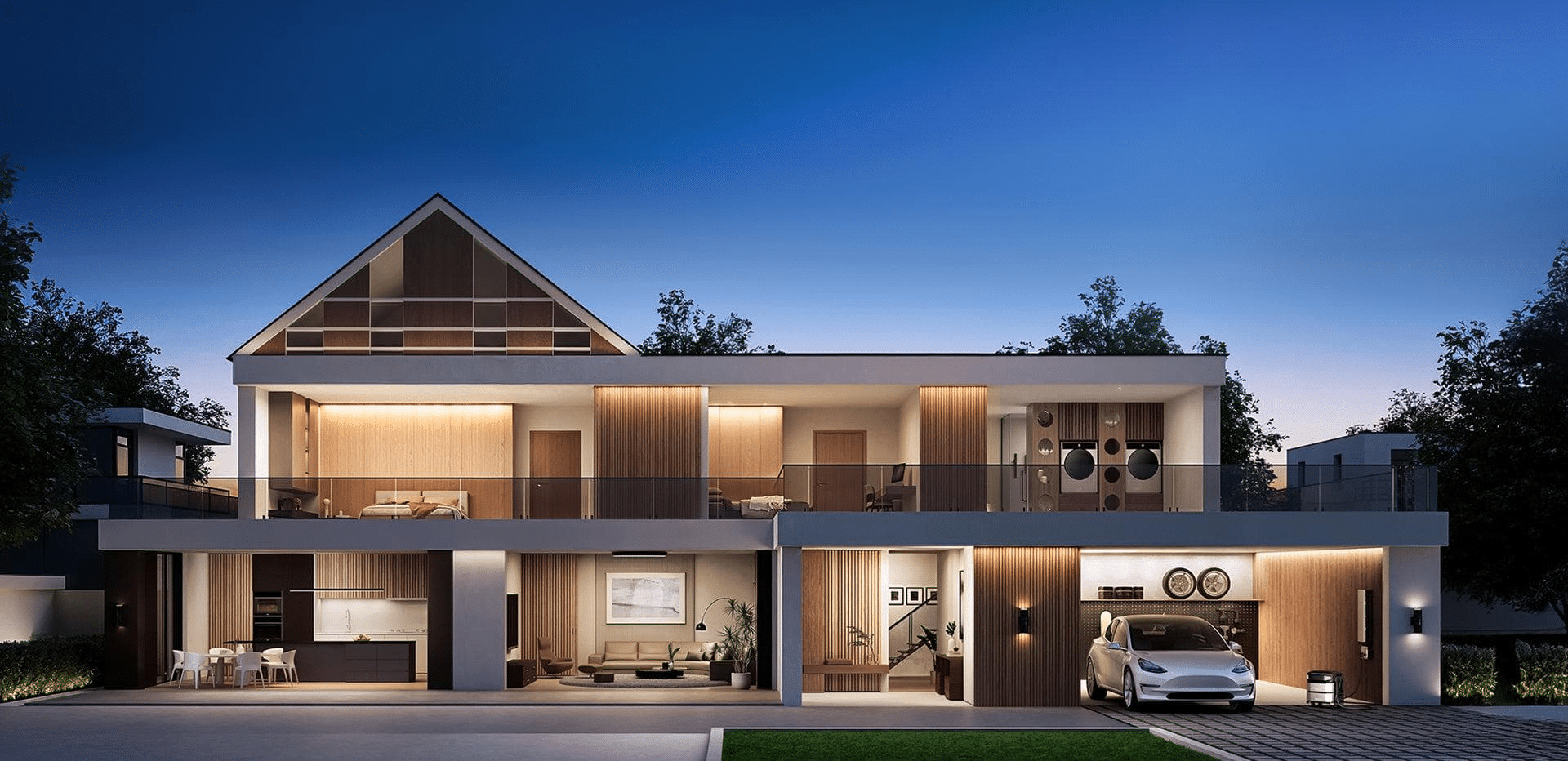
The most worthwhile smart upgrades tend to make routine tasks easier. Smart thermostats, lighting, locks, video doorbells, plugs, and security systems can automate repetitive tasks and allow homeowners to control key systems remotely.
A smart thermostat, for example, can adjust heating and cooling around household routines, while smart lighting can be scheduled or dimmed without replacing an entire electrical system. Video doorbells and smart locks can provide remote access and help homeowners keep track of visitors and deliveries.
Rather than automating everything at once, homeowners may get more value by starting with one or two features they will actually use and expanding the system over time.
2. Energy Savings Can Strengthen the Return
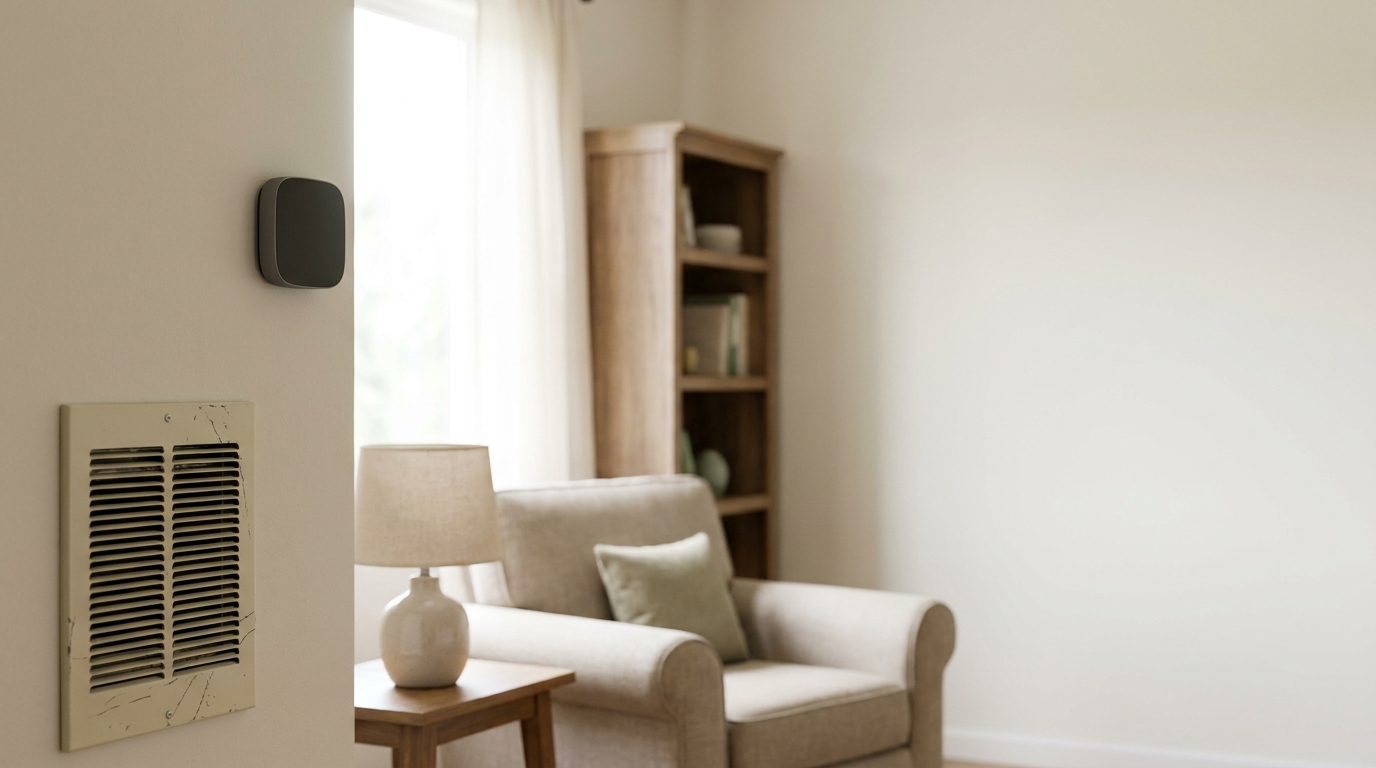
Some of the strongest smart-home investments combine convenience with lower household operating costs. Energy-efficiency guidance recommends programmable or smart thermostats alongside measures such as efficient HVAC equipment, better insulation, LED lighting, smart power strips, and improved air sealing.
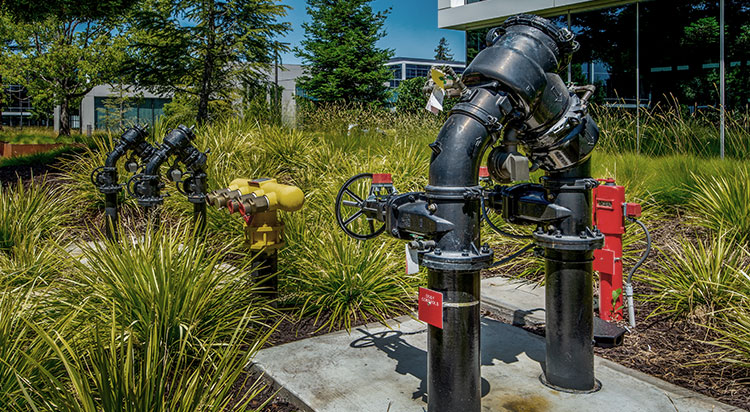
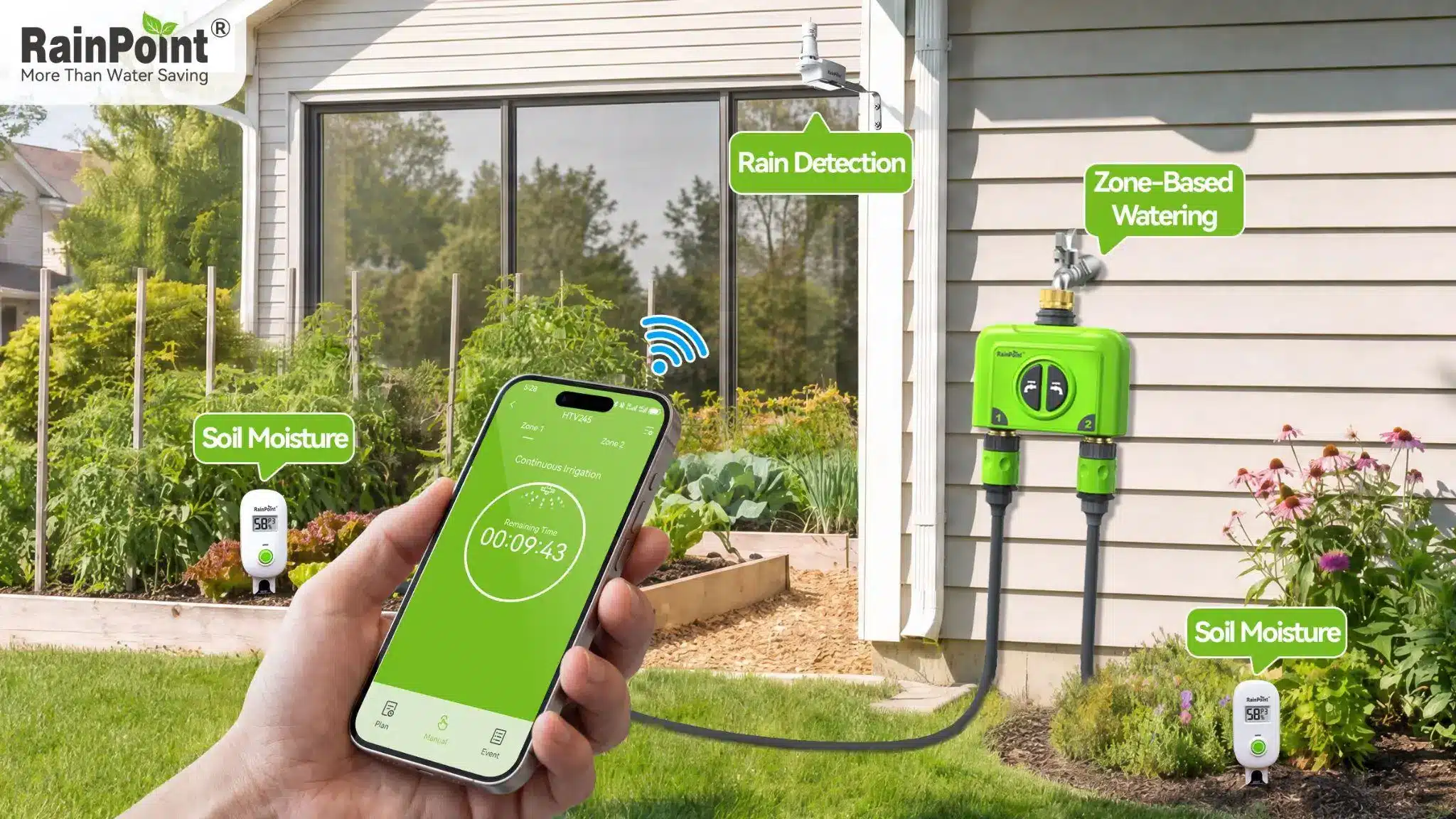
Smart controls can help reduce unnecessary energy use by adjusting temperatures, automatically switching lights off, or running certain appliances more strategically. Smart irrigation can similarly adjust watering according to weather or soil conditions, helping households avoid wasting water.
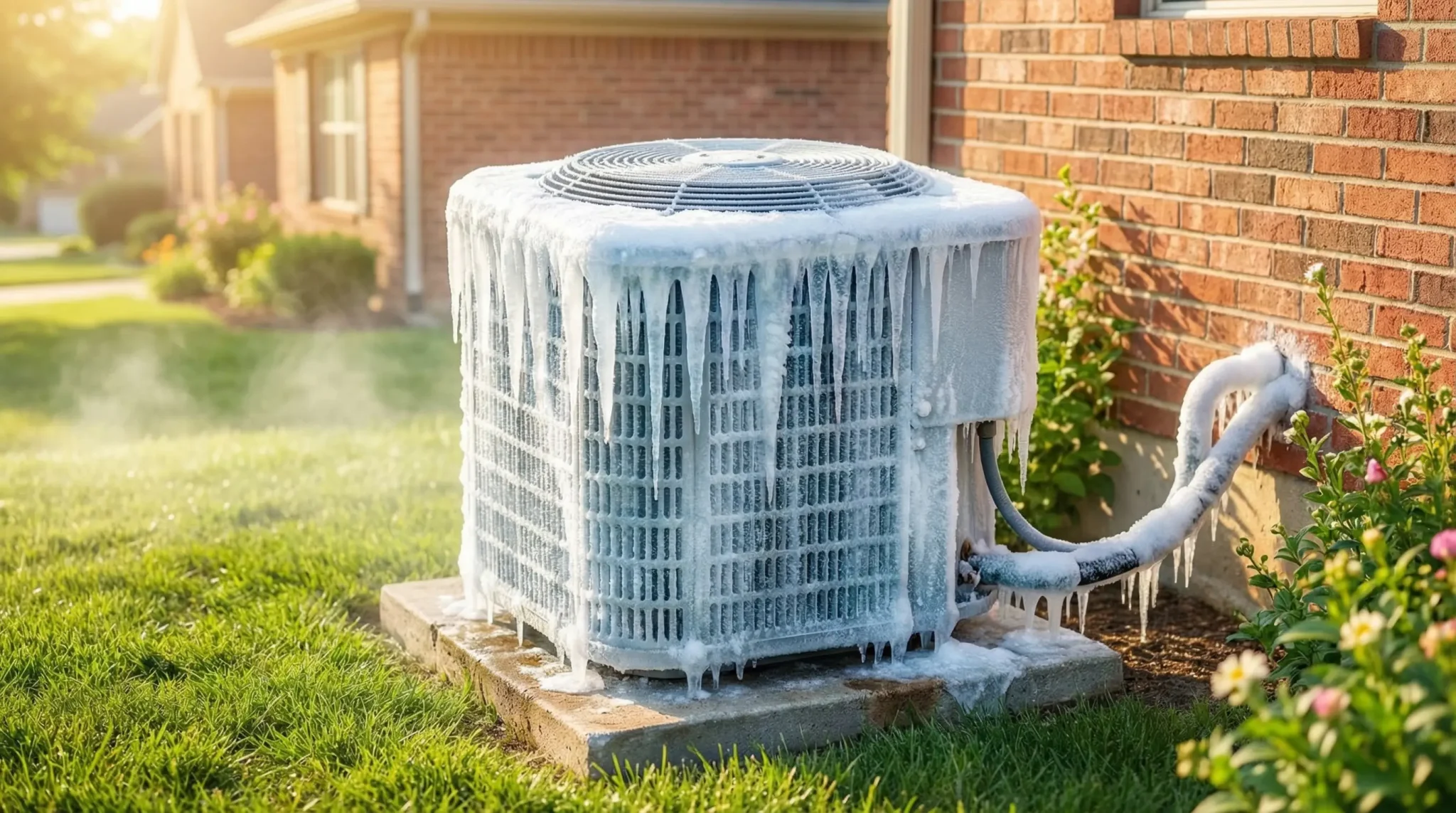
However, technology works best as part of a broader efficiency strategy. A smart thermostat cannot fully compensate for poor insulation, leaking ductwork, or drafty windows. Addressing those underlying problems may sometimes generate greater savings than adding another connected device.
3. Security Features Offer Value Beyond Resale
Security is another area where smart upgrades can provide an immediate practical benefit. Video doorbells, cameras, motion sensors, smart locks, and connected smoke or carbon monoxide detectors can alert homeowners to potential problems even when nobody is home.
Many systems are also modular, allowing owners to start small rather than paying for a complicated whole-house setup. Keyless entry can be particularly useful for families, guests, or service providers, while mobile notifications make it easier to monitor deliveries or unexpected activity.
These upgrades may also appeal to prospective buyers because their purpose is straightforward. Unlike niche gadgets, security features address a need that applies to a broad range of households.
4. Smart Features May Improve Buyer Appeal
Smart technology does not guarantee a higher sale price, but practical upgrades can help a home feel modern, efficient, and well-maintained. Features such as smart thermostats, lighting, security systems, and irrigation controls may stand out to buyers because they offer easy-to-understand benefits.
This can be particularly helpful when competing with similar properties that lack updated features. Still, homeowners should keep the investment proportional to the property. Spending heavily on elaborate automation may not generate an equivalent increase in resale value.
Owners considering selling a house in poor condition should also recognize that connected devices are unlikely to outweigh more fundamental issues. Structural repairs, functioning systems, cleanliness, and basic maintenance generally deserve attention before optional smart-home features.
5. Which Smart Upgrades Offer the Best Value?
For many households, the best returns are likely to come from relatively affordable technology with broad everyday usefulness.
Smart thermostats are a strong starting point because they can improve comfort while supporting energy efficiency. Smart lighting is another accessible option because bulbs, switches, motion sensors, and dimmers can often be added gradually.
Video doorbells, smart locks, and modular security systems offer a similar balance between cost and usefulness. Smart smoke and carbon monoxide detectors provide another practical safety upgrade, while smart irrigation can make sense for properties with substantial landscaping or in areas where conserving water is especially important.
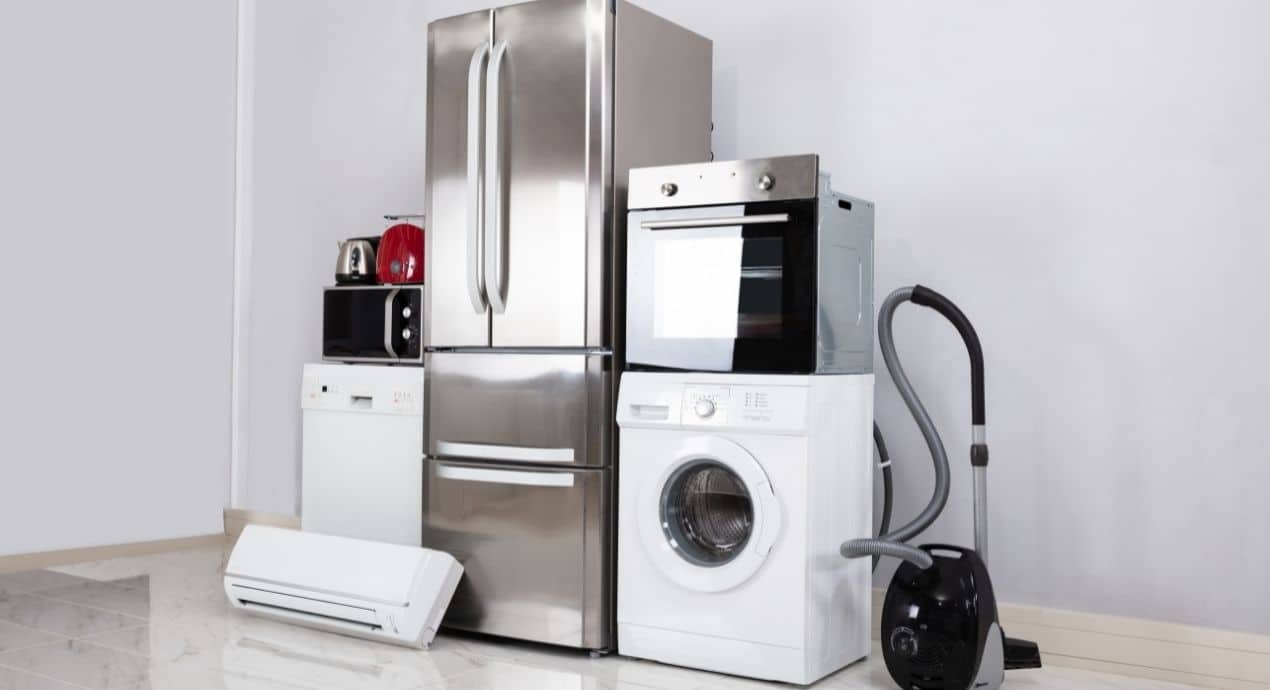
Connected appliances can be worthwhile when an older appliance needs to be replaced anyway. Buying an expensive refrigerator or oven solely for its Wi-Fi features, however, may provide less value than prioritizing energy efficiency, reliability, and overall performance.
6. Consider the Technology’s Lifespan Before Spending Big
One drawback of smart technology is that it can age faster than traditional home improvements. Apps may lose support, companies can discontinue products, cybersecurity standards evolve, and devices may eventually stop communicating with newer platforms.
Homeowners should therefore look for systems that are easy to replace, widely compatible, and useful even without an elaborate network. Avoiding highly customized built-in technology can reduce the risk of leaving future owners with outdated equipment.
Large home investments should also be weighed alongside other financial priorities. Homeowners planning to purchase another property before their current home sells, for example, may be researching financing tools such as bridge loans. In that situation, directing too much cash toward optional automation shortly before a move may not make financial sense.
7. The Best Smart Home Is Practical, Not Overcomplicated
Smart home upgrades can be worthwhile in 2026, particularly when they reduce energy use, improve security, simplify daily routines, or address a specific household need.
Smart thermostats, lighting, security devices, smoke and carbon monoxide detectors, and irrigation controls tend to stand out because they combine practical benefits with relatively broad buyer appeal.
The key is to avoid upgrading simply for the sake of having the newest technology. Start with reliable features that solve real problems, consider compatibility and replacement costs, and make sure essential repairs and efficiency improvements come first.
A thoughtfully connected home can provide meaningful value—but the smartest investment is often the technology homeowners will genuinely use every day.