My neighbor once asked why her hydrangea looked nothing like mine, even though I planted mine the same week she planted hers.
It turned out her shrub and mine were different bloom types, and I hadn’t noticed until I stood there comparing the shapes with her.
If you have ever set a lace cap hydrangea next to a rounder, fuller bloom and wondered what set them apart, that mix-up is more common than you would think.
The differences show up mostly in the flowers, and once you know what to look for, telling them apart gets easier. If you are picking blooms for your yard this season, it helps to know exactly which one you are choosing.
What Is a Lace Cap Hydrangea?
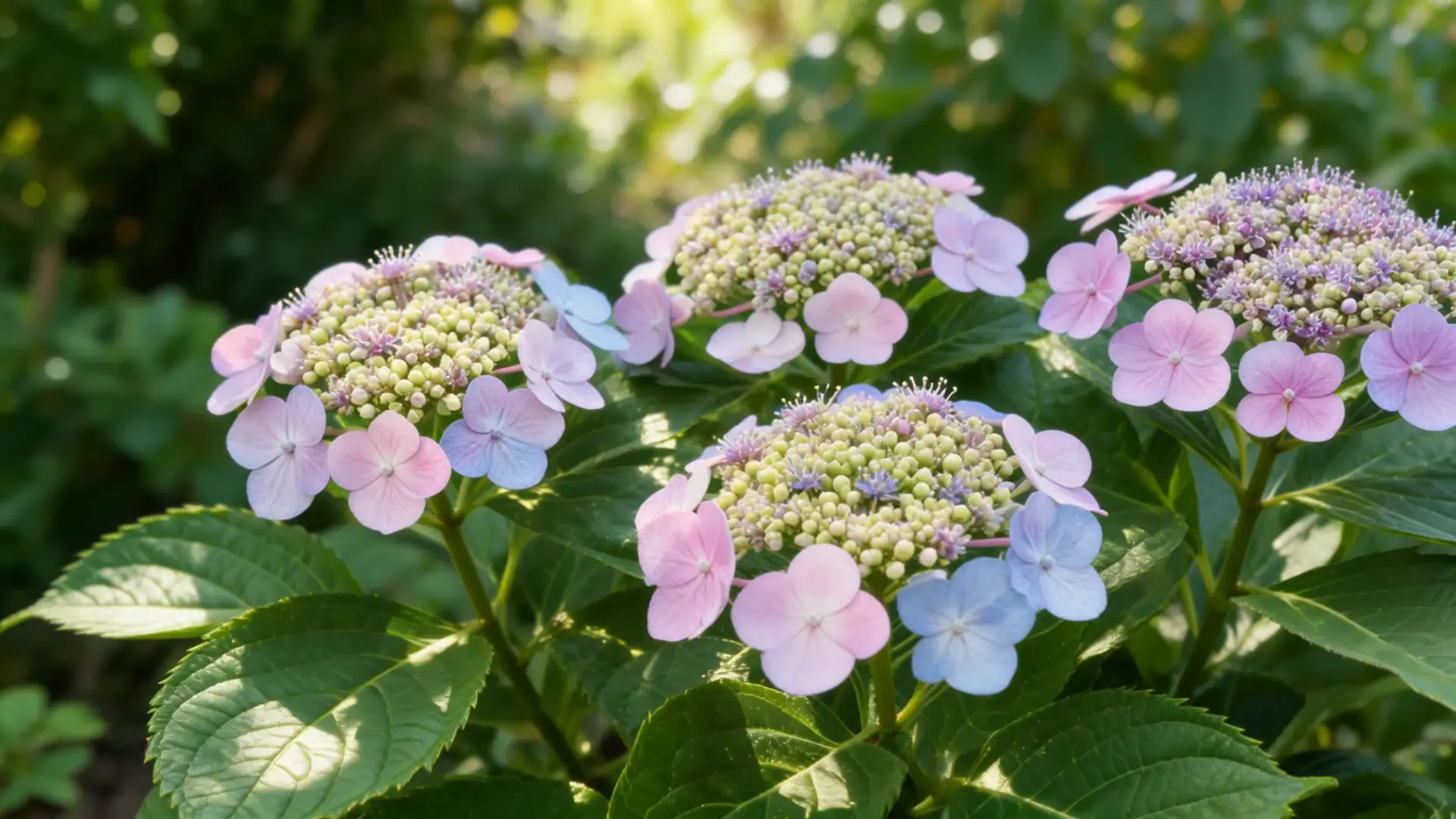
A lace cap hydrangea (Hydrangea macrophylla) is a deciduous flowering shrub identified by its flattened flower clusters.
Small fertile flowers fill the center, while larger showy florets form an outer ring. Lace cap describes this flower arrangement, not a single hydrangea species.
- Botanical classification: Lace cap flowers occur mainly in Hydrangea macrophylla and Hydrangea serrata cultivars.
- Plant family: These woody perennial shrubs belong to the Hydrangeaceae family.
- Origin: Their main species originated in eastern Asia, although the exact native range varies.
- Mature size: Most cultivars reach 2 to 8 feet tall and wide.
- Growing conditions: They prefer morning sun, afternoon shade, moist soil, and good drainage.
- Blooming pattern: Many cultivars bloom on old wood, while some flower on old and new growth.
- Flower colors: Blooms may appear blue, pink, purple, lavender, red, or white.
- Growing zones: Many varieties grow in USDA zones 5 to 9, depending on their cold tolerance.
These details provide a practical profile for identifying the plant and understanding its general needs.
However, lace cap hydrangeas can vary widely in height, hardiness, flowering behavior, and climate tolerance, so individual plant information matters.
Key Characteristics of Lace Cap Hydrangeas

Lace cap hydrangeas vary by species and cultivar, but their flower structure, seasonal growth, foliage, and general form make them easy to recognize.
- Flower shape: Flattened or slightly rounded clusters have small fertile flowers surrounded by larger showy florets.
- Flower colors: Blooms may appear blue, pink, purple, lavender, red, or white, depending on the cultivar.
- Mature size: Compact varieties suit containers, while larger shrubs work well in borders and foundation plantings.
- Blooming season: Most flower during summer, while some reblooming cultivars continue into fall.
- Growth habit: Plants may develop upright, rounded, or spreading forms as they mature.
- Foliage: Broad green leaves cover the woody stems before dropping during fall or winter.
Bloom timing, mature size, cold tolerance, and flower color vary considerably. Check the plant label before choosing a lace cap for a specific space or climate.
How Does Soil pH Change Flower Color?
Soil pH can shift the color of some lace cap hydrangeas, though only certain cultivars respond this way.
In acidic soil, aluminum becomes available to the plant, and suitable varieties may turn a deeper blue. In more alkaline soil, aluminum gets locked up, and the same varieties tend to shift toward pink instead.
Purple tones often appear as soil moves between those two ranges, and the shift can take one or more growing seasons to show fully. Not every lacecap reacts this way, though, and white-flowering cultivars generally stay white no matter what the soil pH measures.
Testing the soil before adjusting it helps avoid wasted effort. Treatments can only nudge color within a cultivar’s natural range; they cannot create a shade the plant was never bred to produce.
Knowing the current pH, along with the exact cultivar in the ground, gives the clearest sense of what color changes are realistically possible.
How to Care for a Lace Cap Hydrangea
Caring for a lace cap hydrangea begins with matching its basic needs to the planting site. Light, soil, moisture, feeding, and pruning each influence how steadily the shrub grows and flowers across the season.
1. Provide Morning Sun and Afternoon Shade

Choose a location that receives morning sun and afternoon shade, especially in warmer climates. Understanding how partial shade works helps you match a cultivar’s light needs to the right spot in your yard.
Gentle early light supports flowering without exposing the foliage to intense midday heat.
Too much afternoon sun may scorch leaves and dry the soil quickly. However, deep shade can reduce blooming. Lace caps in cooler regions may tolerate longer periods of direct sunlight.
2. Prepare Moist, Well-Draining Soil

Plant lace cap hydrangeas in fertile soil that holds moisture but drains excess water. Mixing compost into poor soil can improve its structure and nutrient content.
Spread mulch around the root area without pressing it against the stems. Mulch helps retain moisture, control weeds, and moderate soil temperature. Avoid low areas where water regularly collects.
3. Water Deeply and Consistently

Water deeply at the base when the upper layer of soil begins to feel dry. Slow watering helps moisture reach the roots and supports steady growth during warm weather.
Newly planted shrubs and container-grown lace caps need more frequent checks because their soil dries faster.
Avoid frequent light sprinkling and wetting the leaves, since damp foliage can encourage disease.
4. Feed Carefully in Early Spring

Apply compost or a balanced fertilizer in early spring as new growth begins. Follow the product label carefully because nutrient strength and application rates vary between formulas.
Avoid excessive nitrogen, which may produce dense foliage with fewer flowers.
Heavy feeding late in the season can also encourage tender growth that may suffer cold damage before it has time to harden.
5. Prune According to the Cultivar

First confirm whether the cultivar blooms on old wood, new wood, or both. Most traditional lace caps form flower buds on stems produced during the previous growing season.
Prune old-wood cultivars shortly after flowering finishes.
Late pruning may remove buds prepared for the next season. Remove dead, damaged, or diseased stems as needed using clean, sharp pruning tools.
Consistent care helps a lace cap maintain healthy foliage, reliable flowering, and a balanced shape. Watch how the plant responds throughout the season, then adjust watering, shade, or feeding when conditions begin to change.
Lace Cap vs Mophead: Spotting the Differences

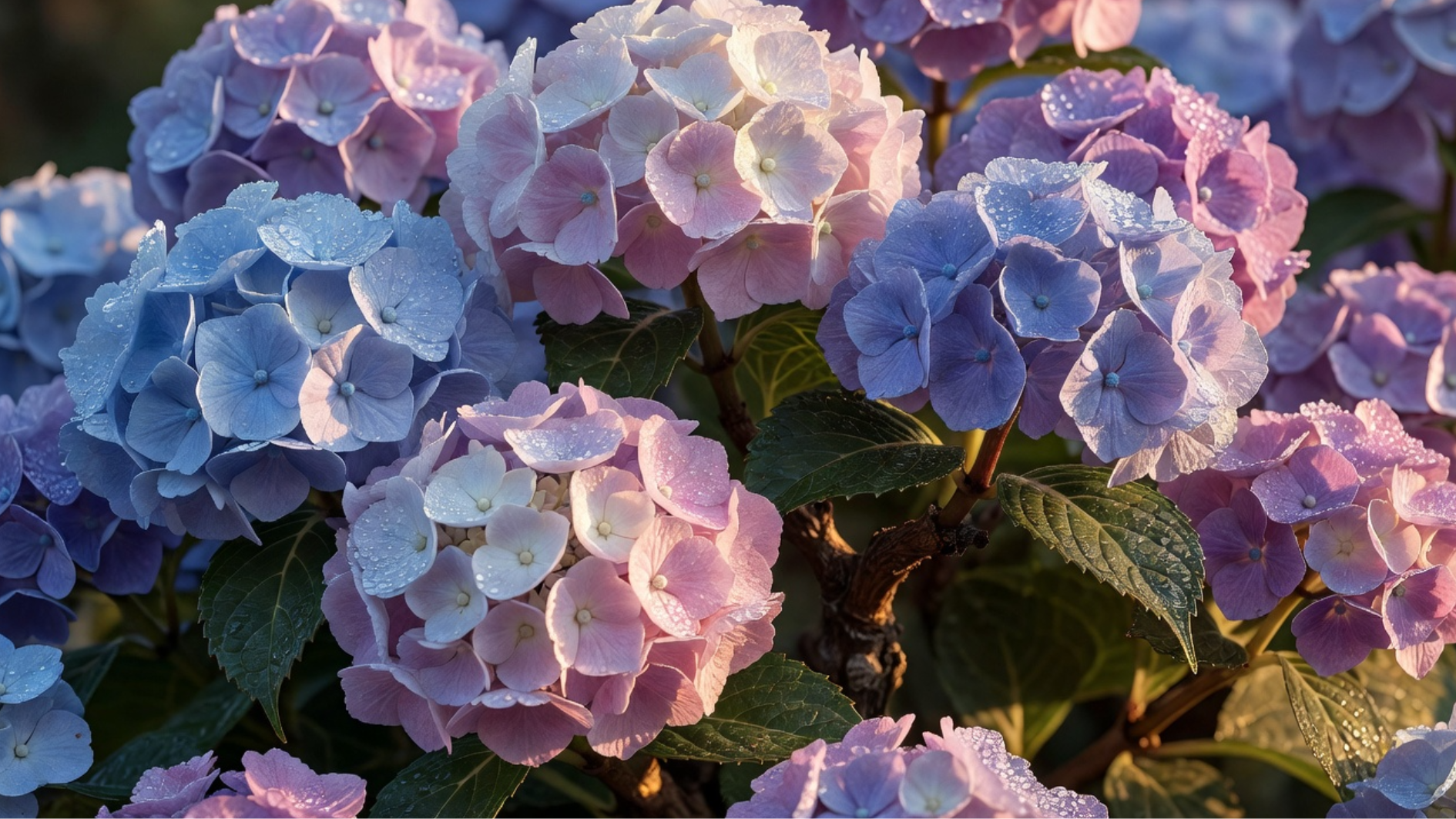
The difference between a lace cap hydrangea and a mophead comes down to flower structure.
Lace caps show a flat, open center with visible fertile flowers, while mopheads hide that center inside a dense, rounded cluster of showy florets.
There is also a practical reason to care about the difference beyond looks: the open center of a lace cap is made of real, working flowers, and pollinators notice.
|
Feature |
Lace Cap Hydrangea |
Mophead Hydrangea |
|---|---|---|
|
Flower shape |
Flat or gently rounded flower heads |
Large rounded or ball-shaped clusters |
|
Flower structure |
Fertile central flowers surrounded by showy outer florets |
Dense clusters mainly formed by showy florets |
|
Flower center |
Open and clearly visible |
Mostly concealed within the rounded cluster |
|
Overall appearance |
Layered, with visible flower centers |
Full and dense |
|
Common colors |
Blue, pink, purple, white, or red |
Blue, pink, purple, white, or red |
|
Blooming period |
Usually summer, depending on the cultivar |
Usually summer, with some reblooming cultivars |
|
Soil pH effect |
Color may change in suitable bigleaf cultivars |
Color may change in suitable bigleaf cultivars |
|
Pollinator value |
Real fertile flowers at the center draw bees and butterflies more readily |
Mostly sterile florets offer pollinators little to feed on |
|
Pruning needs |
Depends on the cultivar and where buds form |
Depends on the cultivar and where buds form |
Many lace cap and mophead types are forms of bigleaf hydrangea, so care needs largely overlap. Gardeners wanting an airy look often pick lace caps, while those wanting fuller clusters choose mopheads; either way, check pruning guidance for old-wood bloomers.
Common Growing Problems and Fixes
Lace cap hydrangeas can develop problems involving flowers, leaves, pests, and diseases. Most issues stem from unsuitable light, improper pruning, inconsistent watering, overfeeding, poor drainage, or limited airflow.
- Few or no flowers: Increase morning sunlight, avoid excessive nitrogen, and prune old-wood cultivars shortly after flowering.
- Damaged flower buds: Protect manageable shrubs from late spring frost and avoid cutting stems carrying developing buds.
- Yellow or drooping leaves: Check soil moisture, water deeply when dry, and improve drainage if the ground remains wet.
- Brown leaf edges: Maintain consistent moisture and reduce fertilizer if salts have accumulated around the roots.
- Leaf spot or powdery mildew: Remove affected leaves, avoid overhead watering, and improve airflow between crowded branches.
- Blight or bacterial wilt: Remove infected growth promptly and disinfect pruning tools before reusing them.
- Aphids: Dislodge small infestations with water or apply insecticidal soap according to its label.
Early identification can prevent minor damage from spreading.
Confirm the symptoms and likely cause before changing care or applying treatments, since unnecessary watering, fertilizer, or chemicals may worsen the plant’s condition.
Frequently Asked Questions
When is the best time to plant one?
Early spring or fall works best, since cooler weather lets the roots settle before summer heat or winter cold sets in. Give the shrub several weeks in the ground before either extreme arrives so it can establish properly.
Can it be grown from cuttings?
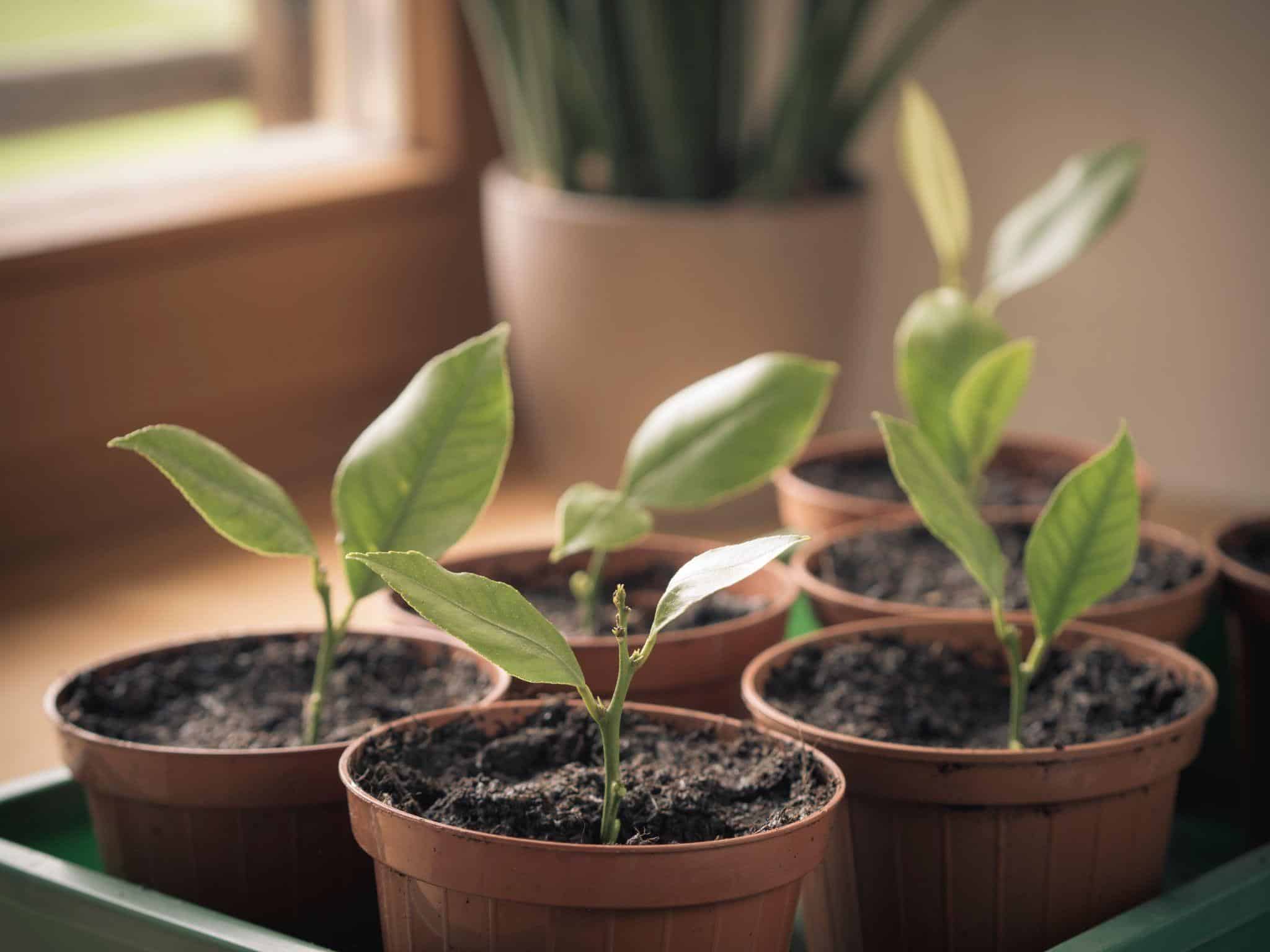
Yes, softwood stem cuttings taken in early summer often root successfully. Cut healthy new growth, place it in moist potting mix, and keep conditions humid until roots form, then move the rooted cutting to a larger container.
Is it toxic to pets?
Hydrangeas can upset a pet’s stomach if chewed or eaten, so keep dogs, cats, and other animals from nosing at the leaves, flowers, or stems, and clear away any fallen plant material where curious pets might reach it.
Does it have a noticeable fragrance?
Most lacecap types carry little to no noticeable scent. Gardeners tend to grow them for the open flower heads, wide color range, and leafy growth that stays attractive across a long stretch of the season instead.
Final Thoughts
Looking back at my own garden now, I am glad I finally learned to tell my lacecap hydrangea apart from the mopheads growing along the fence line.
That one mix-up with my neighbor turned into a habit of checking flower shape before I plant anything new, and it has made choosing between varieties a lot less confusing.
If you are comparing the same options for your own beds, take a walk through a local nursery and look at a few blooming plants side by side before deciding.
Ask the staff which cultivars suit your climate and the amount of shade your yard gets, then pick whichever flower shape you like best.
Which one is winning in your yard this year, the lace cap or the mophead? Let us know what is blooming for you.