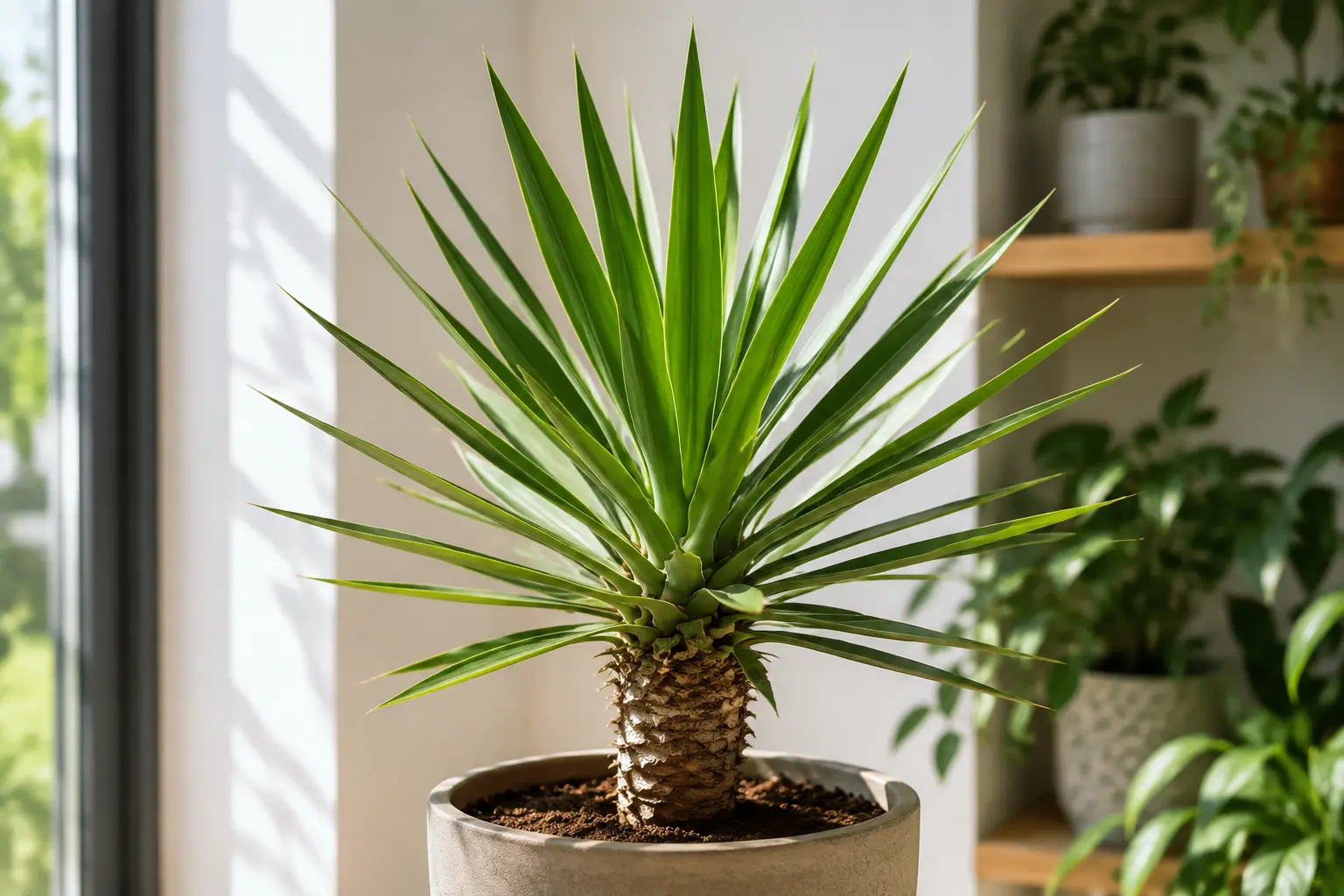
Yucca plants are a popular choice for gardeners and homeowners who want a bold, low-maintenance plant with a unique architectural look. With their sword-shaped leaves and strong drought tolerance, yuccas can thrive in both indoor spaces and outdoor landscapes when given the right conditions.
Understanding proper yucca plant care comes down to a few important factors, including sunlight, watering, soil, drainage, and seasonal maintenance.
Whether you are growing a yucca in a pot or planning yucca plant care outdoors, knowing what the plant needs can help you avoid common issues like yellow leaves, root problems, and weak growth.
Below, you’ll learn practical care tips, troubleshooting solutions, and real experiences from other yucca owners to help your plant grow healthy and strong.
Yucca Plant Care Essentials
A yucca’s growth changes depending on its surroundings, so understanding how it responds to different conditions matters. Small adjustments in placement, watering habits, and growing environment help you spot what your plant actually needs, without overcomplicating its care.
|
Care Factor |
Essential Requirements |
|---|---|
|
Light |
Provide bright, indirect to direct light. Indoor yuccas grow best near a south-facing window. Leggy growth may indicate insufficient light. |
|
Watering |
Allow 50–75% of the soil to dry before watering again. Reduce watering in winter when growth slows, and use the same check-before-you-pour approach covered in building a smarter watering routine. |
|
Soil & Drainage |
Use a fast-draining cactus or succulent mix. Ensure containers have drainage holes to prevent excess moisture. |
|
Temperature & Humidity |
Keep temperatures around 65–80°F. Yuccas prefer dry conditions and avoid damp, poorly ventilated areas. |
These simple care factors help you understand your yucca’s preferences and make better decisions throughout the year. By observing how your plant responds, you can adjust its care routine and maintain steady growth with minimal effort.
Yucca Plant Care Outdoor
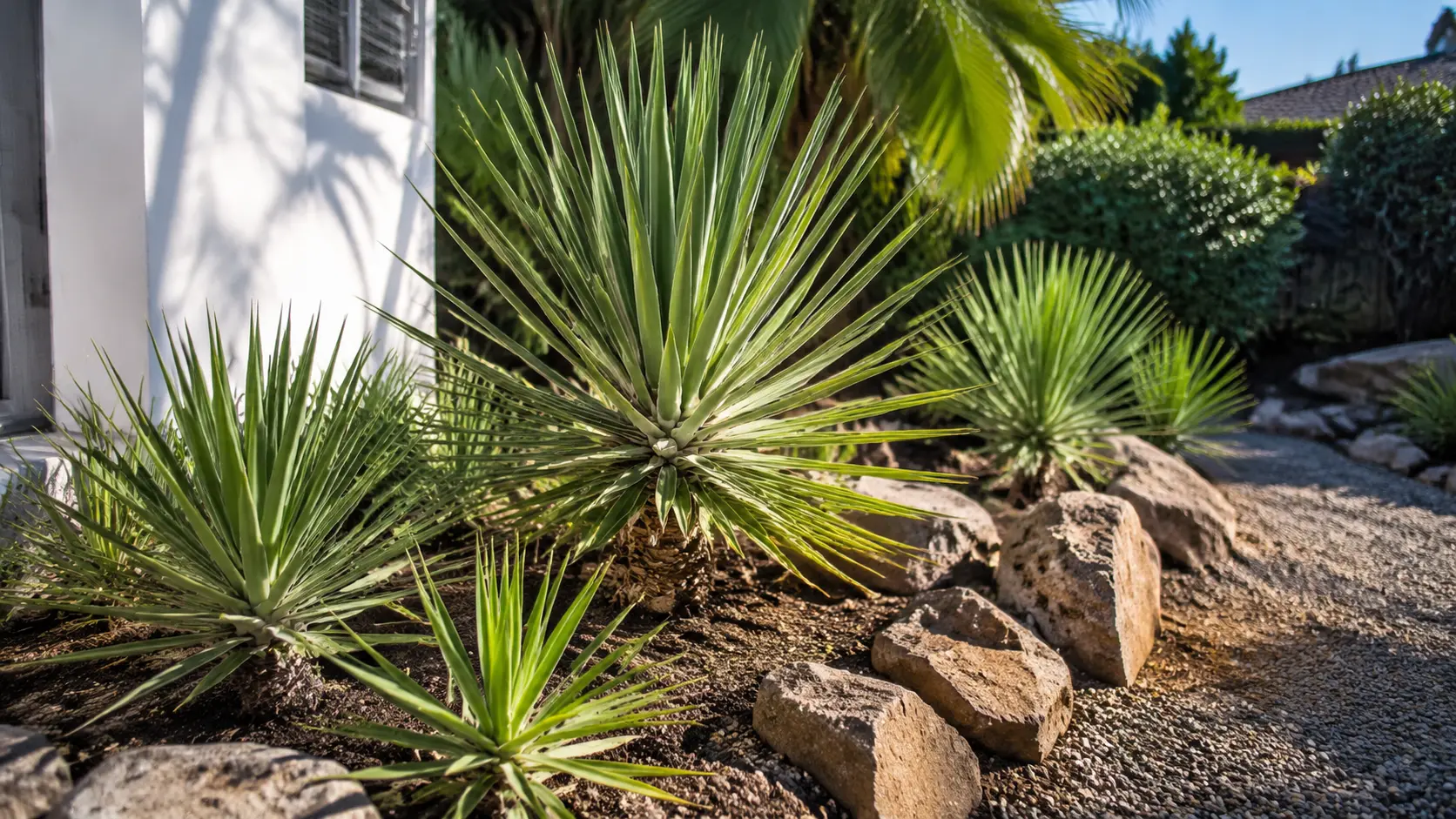
Yuccas are naturally adapted to dry regions, which makes them excellent outdoor plants. They grow best in full sun and well-drained soil.
On the Gulf Coast specifically, hardy varieties like the Spanish Dagger and Red Yucca handle our heat and humidity without complaint, and I’ve seen them come through a hard freeze in far better shape than most homeowners expect. Tender types still need protection, or a spot indoors, once frost is in the forecast.
A few practical points for growing yucca outdoors:
- Give them enough space: A mature yucca can spread several feet wide, so consider its full size before planting. Proper spacing prevents overcrowding and allows healthy growth.
- Keep them away from high-traffic areas: Many yucca varieties have sharp, pointed leaves that can cause scratches or injuries. Avoid planting them near walkways, patios, or places where people and pets frequently pass.
- Understand their root growth: Yuccas develop extensive root systems, and new shoots can appear away from the main plant. Removing an established yucca can be difficult because leftover roots may produce new growth.
- Allow new plants time to adjust: Yuccas tolerate different soil types as long as drainage is good. Newly planted yuccas need time to adapt to local soil conditions and rainfall patterns before showing strong growth.
- Protect tender varieties in winter: Hardy Gulf Coast varieties usually shrug off our occasional freezes, but tender species need frost cloth, mulch over the root zone, or a move indoors before temperatures drop.
With the right location and proper planning, yuccas can become long-lasting features in outdoor gardens. Providing plenty of sunlight, good drainage, and enough growing space helps these resilient plants stay healthy and maintain their striking appearance for years.
Troubleshooting Common Yucca Problems
Even with proper care, yucca plants can sometimes develop issues. Most problems are related to watering habits, drainage, light conditions, or natural growth patterns. Identifying the cause early helps you make the right changes and prevent further damage.
1. Yellow or Limp Leaves
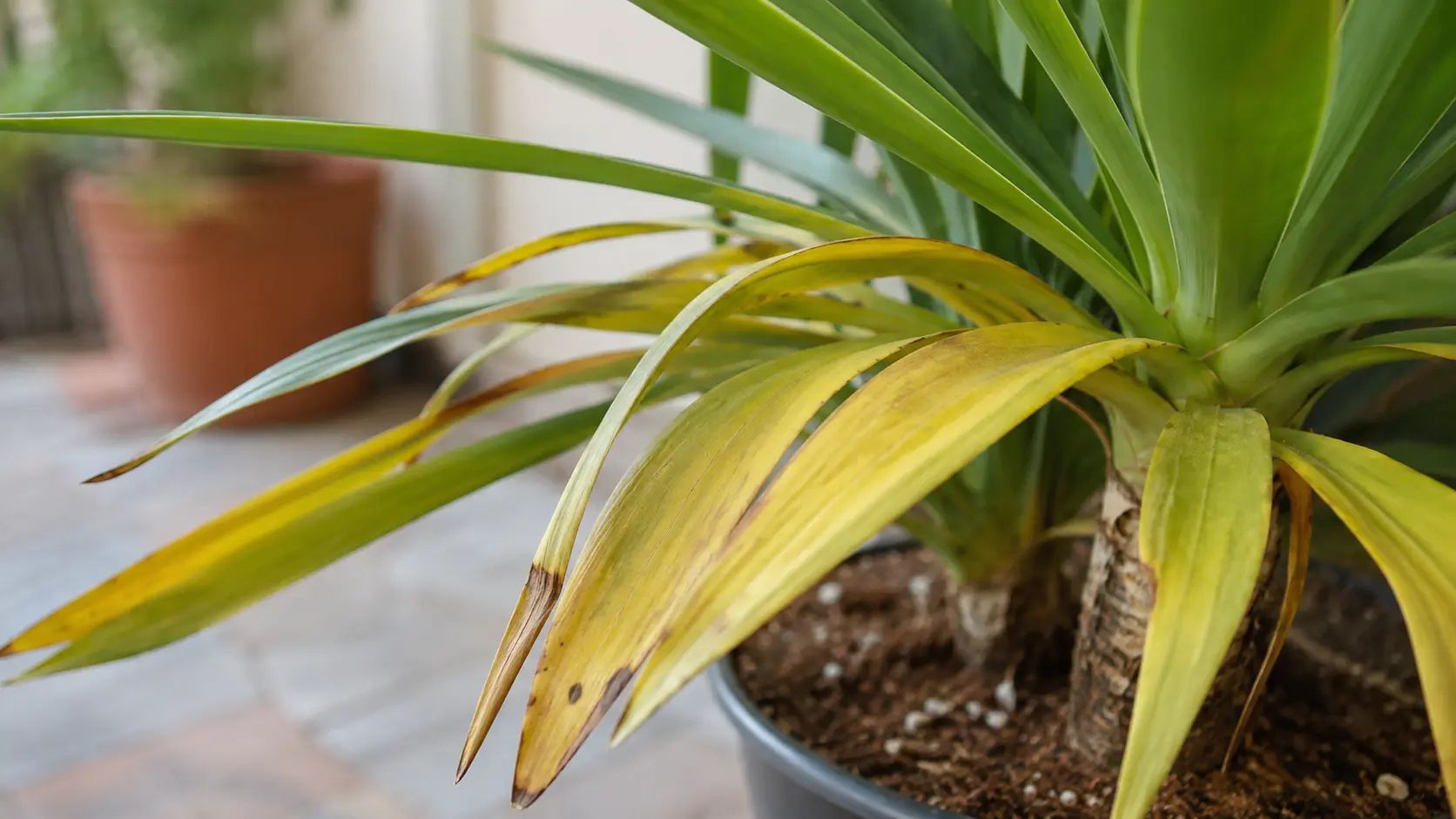
Yellow leaves are a common concern among yucca owners. While some lower leaves naturally turn yellow as the plant grows, sudden yellowing with limpness usually indicates overwatering, poor drainage, or possible root damage.
- Possible cause: Overwatering or poor drainage.
- Signs to notice: Limp leaves, wet soil, or damaged roots.
- What to do: Reduce watering, let the soil dry, and check for root rot.
2. Crispy, Brown Leaves
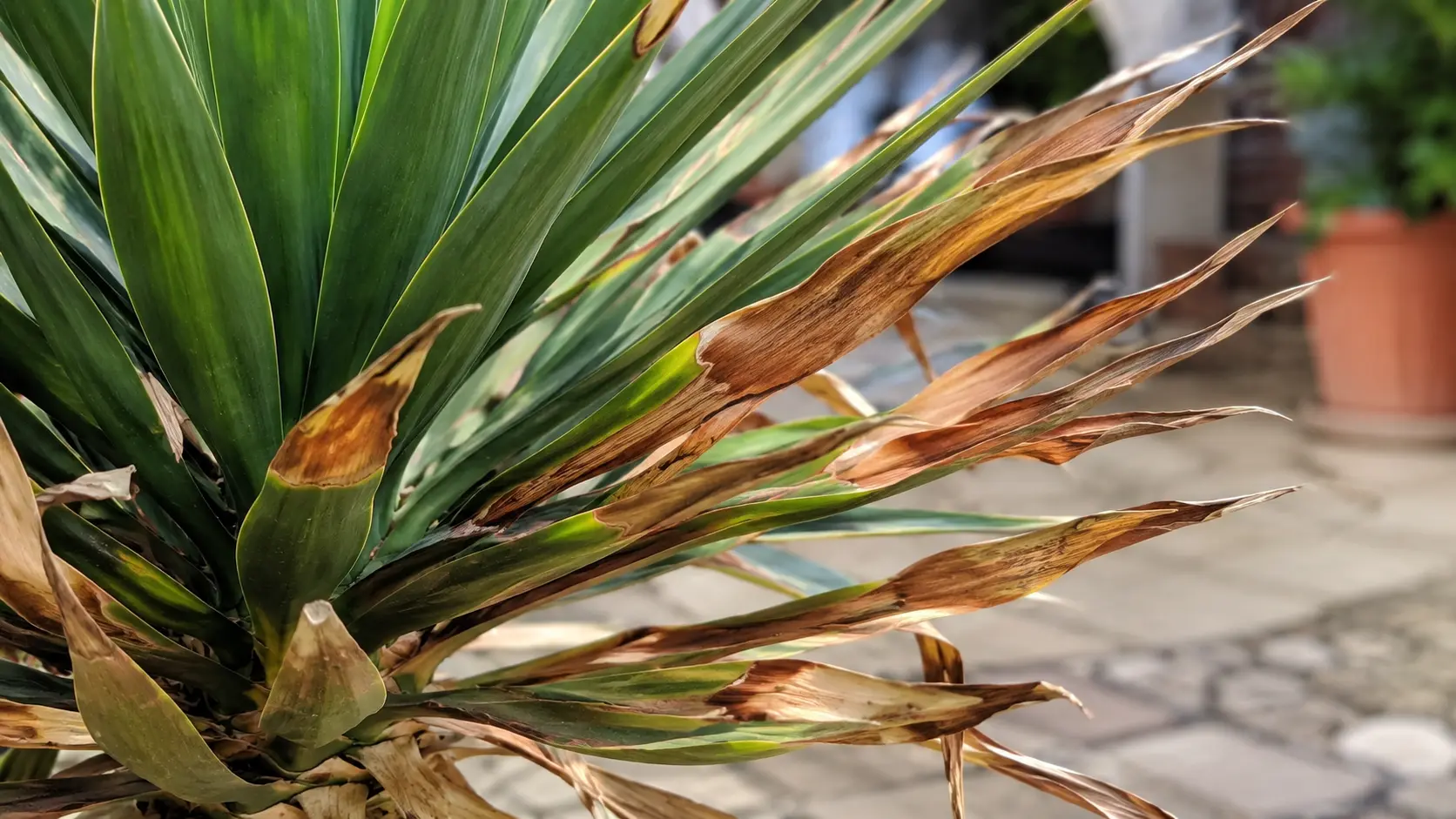
Crispy brown leaves can happen when a yucca does not receive enough moisture or experiences dry conditions. However, some browning is natural, especially on older lower leaves that the plant sheds over time.
- Possible cause: Underwatering, dry conditions, or natural aging.
- Signs to notice: Dry, crispy leaves, especially on lower parts.
- What to do: Remove damaged leaves and adjust watering habits.
3. Mushy Stems
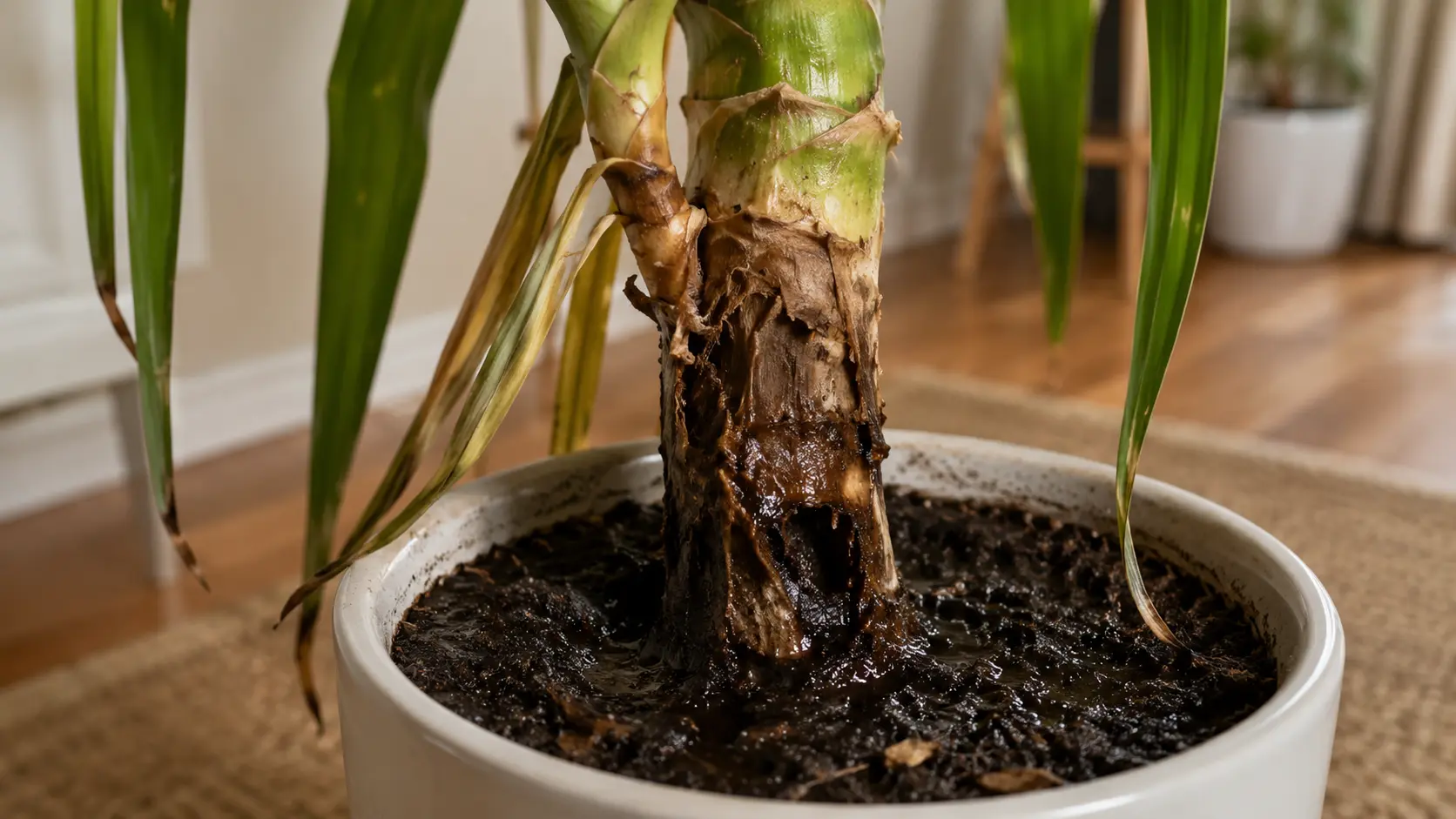
A soft or mushy stem is usually a serious warning sign and often points to advanced root rot. This happens when excess water remains around the roots for too long, weakening the plant’s structure.
- Possible cause: Overwatering and poor drainage.
- Signs to notice: Soft stems, wet soil, or unhealthy roots.
- What to do: Stop watering and repot with fresh, well-draining soil.
4. Pests and Disease
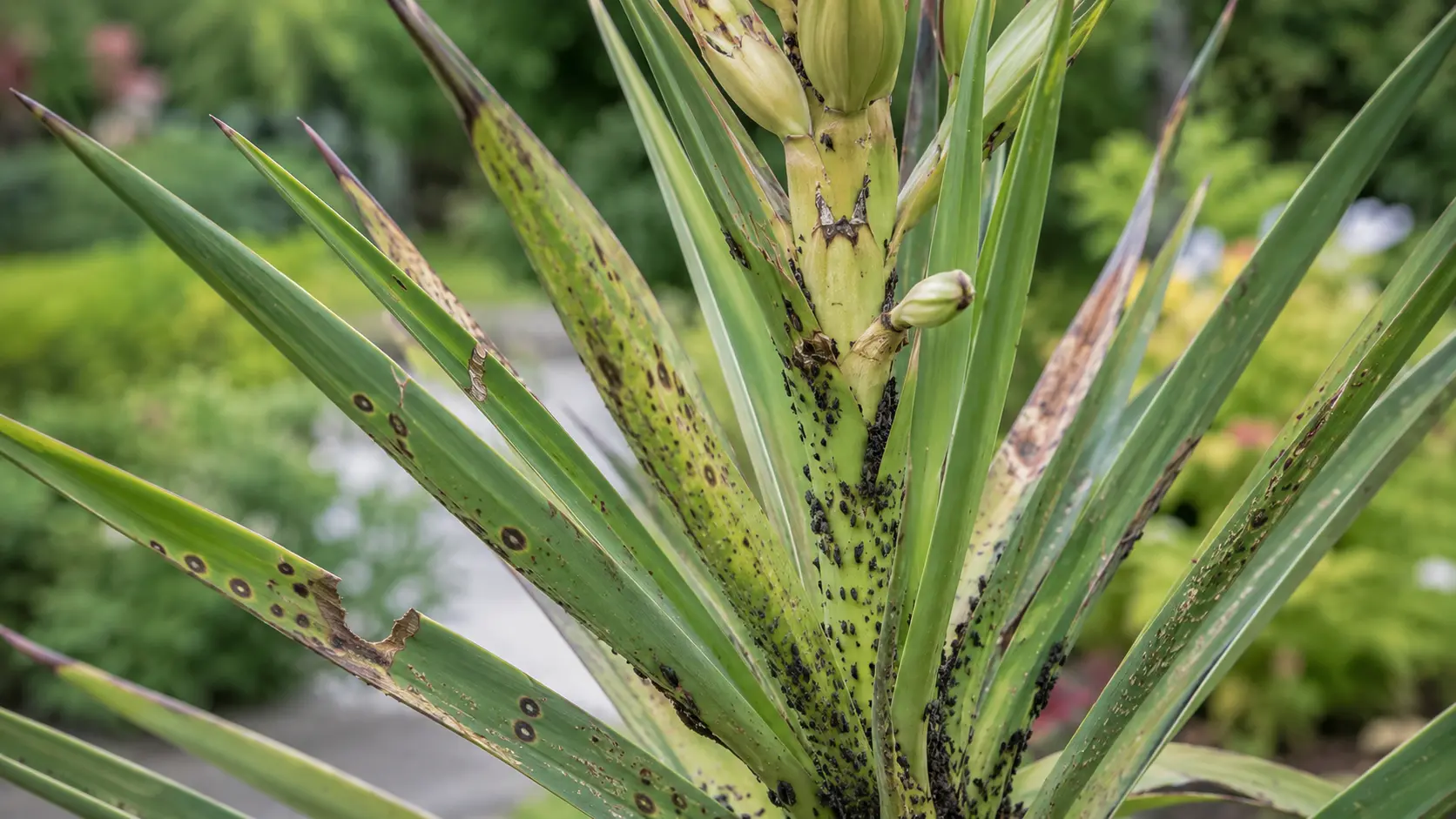
Yuccas are generally tough plants, but they can still face pest and disease issues. Outdoor plants may experience insect or fungal problems, while indoor yuccas usually struggle because of incorrect watering, poor airflow, or insufficient light.
- Possible cause: Aphids, snails, fungal spots, or poor care.
- Signs to notice: Damaged leaves, spots, or unusual growth.
- What to do: Remove affected areas and improve growing conditions.
Small changes in your yucca’s leaves, stems, and soil can reveal early signs of stress. By correcting problems quickly and maintaining proper care habits, you can help your yucca recover and continue growing healthy for years.
What Real Yucca Owners Experience Say
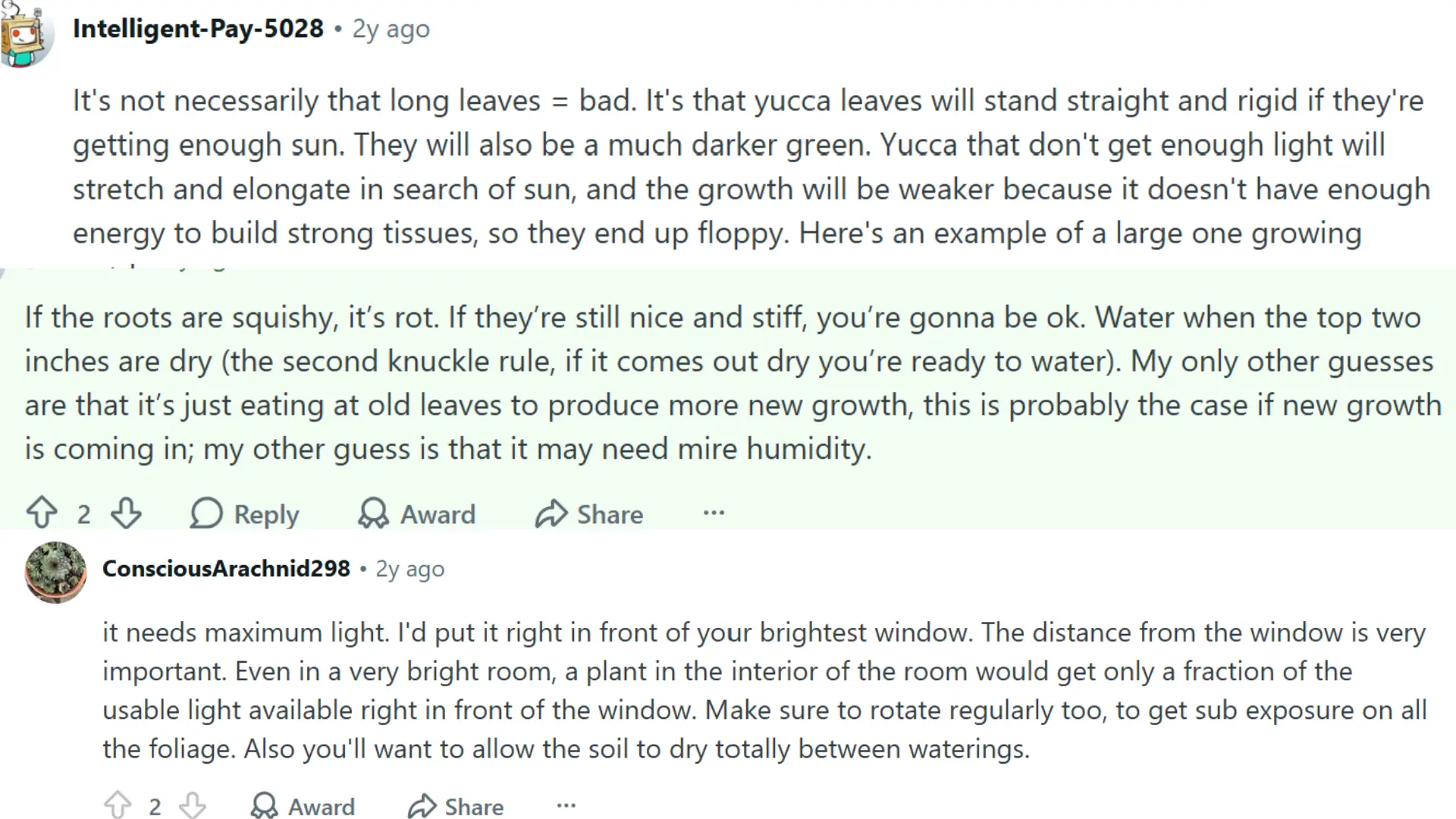
Sometimes real plant-owner experiences reveal problems that care guides miss. A yucca owner on Reddit shared a struggling plant with several yellowing leaves and asked what could be causing the issue despite regular watering.
Most replies focused on checking the basics: watering frequency, drainage, and light exposure. Gardeners pointed out that yuccas often struggle from too much moisture rather than too little water. The discussion highlights a common lesson among yucca owners: yellow leaves are often a sign to review care habits, not increase watering.
When seeking help, sharing details like light conditions, watering routine, soil type, and photos can make troubleshooting much easier.
Pruning and Grooming Yucca Plants
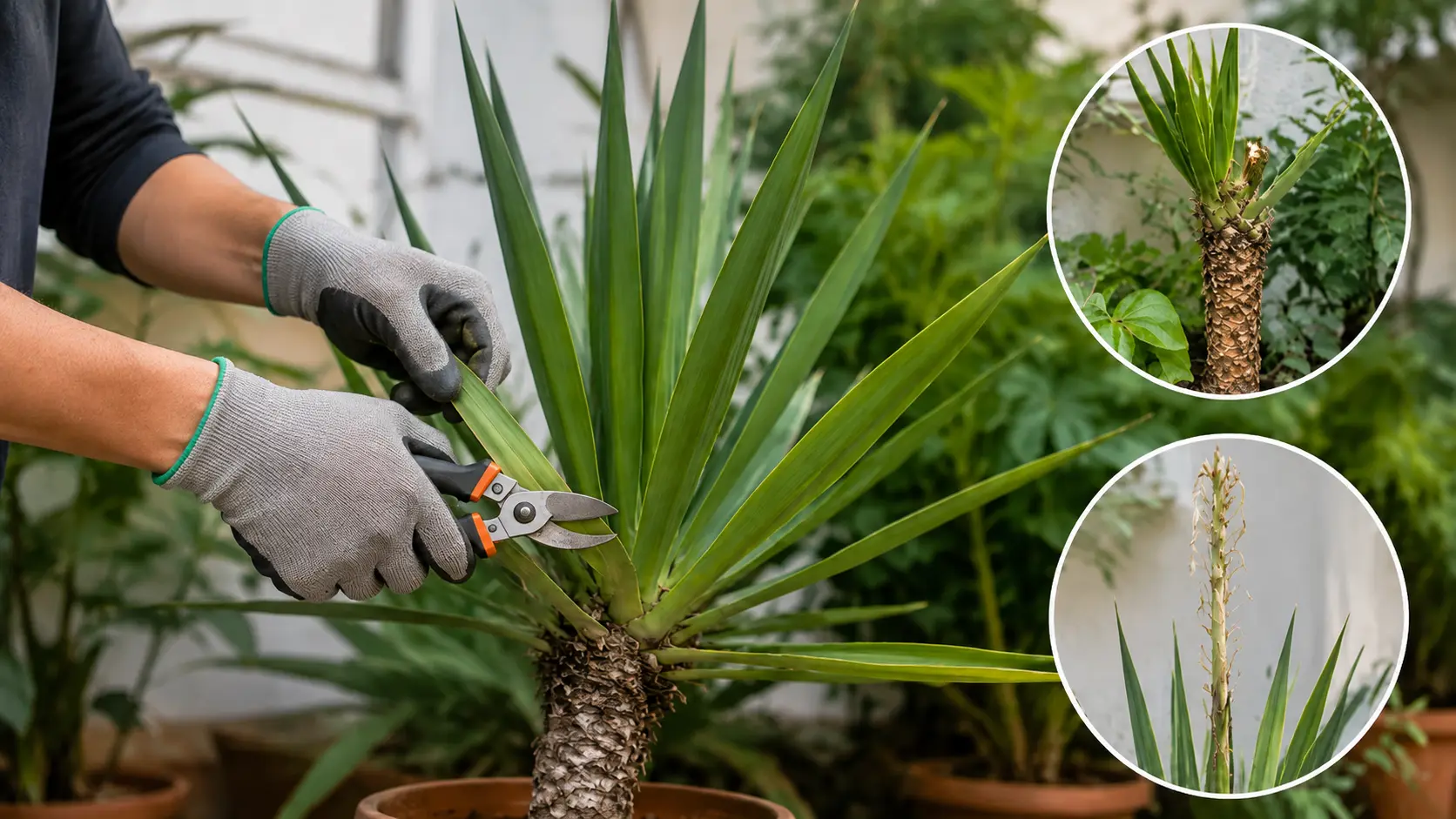
Yuccas are naturally low-maintenance plants, so pruning is mainly needed to remove unwanted growth and maintain their appearance. Regular grooming helps keep the plant healthy while managing its size and shape.
- Remove dead or damaged lower leaves to keep the plant looking tidy and encourage fresh growth.
- If your yucca becomes too tall or stretched, cut it back in spring when new growth begins. Healthy plants usually recover and produce new shoots.
- Remove old flower stalks after flowering finishes by cutting them back to the base.
- Wear gloves while pruning because yucca leaves have sharp edges that can cause cuts.
With occasional pruning and simple grooming, your yucca can maintain its structure and attractive appearance. Regular maintenance keeps the plant healthy while making it easier to manage indoors and outdoors.
Frequently Asked Questions
How often should I water my indoor yucca?
Only water once at least 50–75% of the soil has dried out. Overwatering is the most common reason yuccas struggle, so when in doubt, wait a little longer rather than watering early.
What’s the best soil for a yucca plant?
A well-draining cactus or succulent mix is ideal. Whatever soil you use, make sure the container has adequate drainage holes to prevent water from pooling around the roots.
How fast do yuccas grow, and how long do they live?
Growth rates vary by species and conditions, but many yuccas put on new growth steadily each year. Given good drainage and adequate light, yuccas are long-lived plants that can remain a feature in a home or garden for many years.
Do yucca plants need direct sunlight?
Yucca plants prefer bright light and can tolerate direct sunlight, especially outdoors. Indoor yuccas grow best near bright windows with plenty of light. Low light can cause weak, stretched growth and fewer leaves.
Final Thoughts
Growing a healthy yucca plant is less about constant attention and more about understanding what the plant naturally prefers. Whether you’re adding greenery indoors or building a low-maintenance outdoor landscape, the right yucca plant care approach makes a real difference in how your plant grows and adapts.
A well-placed yucca becomes a long-lasting feature that adds texture and structure to any Gulf Coast yard. Small adjustments based on its condition, more sun here, better drainage there, often turn a struggling plant around.
Have a yucca that’s struggling or thriving? Share your experience, growing setup, and care routine with other plant owners. Your tips might help someone solve the same problem.