Kitchen cabinets are one of the most important elements of any kitchen. They influence the appearance of the room, provide essential storage, and can significantly affect how efficiently you use the available space. With so many materials, styles, colors, and configurations available today, choosing the perfect kitchen cabinets can feel overwhelming.
Whether you are renovating an existing kitchen or designing a new one, understanding the key factors involved in cabinet selection can help you make a confident decision. From measuring your space to choosing durable materials, here is a complete guide to selecting kitchen cabinets that suit your home and lifestyle.
1. Measure Your Kitchen Space
Before choosing cabinets, start by carefully measuring your kitchen. Accurate measurements are essential because cabinets need to fit properly around walls, windows, doors, appliances, and plumbing fixtures.
Measure the length and height of each wall and note the location of doors, windows, electrical outlets, gas connections, and water pipes. You should also consider the position of appliances such as the refrigerator, oven, dishwasher, and microwave.
A professional kitchen designer can help create a layout based on these measurements and make sure every available area is used effectively.
2. Decide Between Stock and Custom Cabinets
One of the first decisions you will need to make is whether to purchase stock cabinets or choose customized solutions.
Stock cabinets are produced in standard sizes and are generally more affordable. They can be a practical option for kitchens with straightforward layouts.
Custom cabinets, on the other hand, are designed according to the exact dimensions and requirements of your kitchen. They provide greater flexibility in terms of storage, finishes, colors, and configurations.
Companies such as OPPEIN offer customized kitchen solutions that can be adapted to different home layouts and interior design preferences.
3. Choose the Right Cabinet Material
The material used for your cabinets can affect their durability, appearance, maintenance requirements, and price. Common choices include solid wood, plywood, medium-density fiberboard, particleboard, and various engineered materials.
Solid wood offers a natural and traditional appearance, while engineered materials can provide consistent finishes and practical performance at different price points.
When comparing materials, consider the humidity level in your kitchen, how frequently you cook, and how much maintenance you are willing to perform. A quality cabinet should be able to withstand regular use while maintaining its appearance.
4. Consider Your Storage Needs
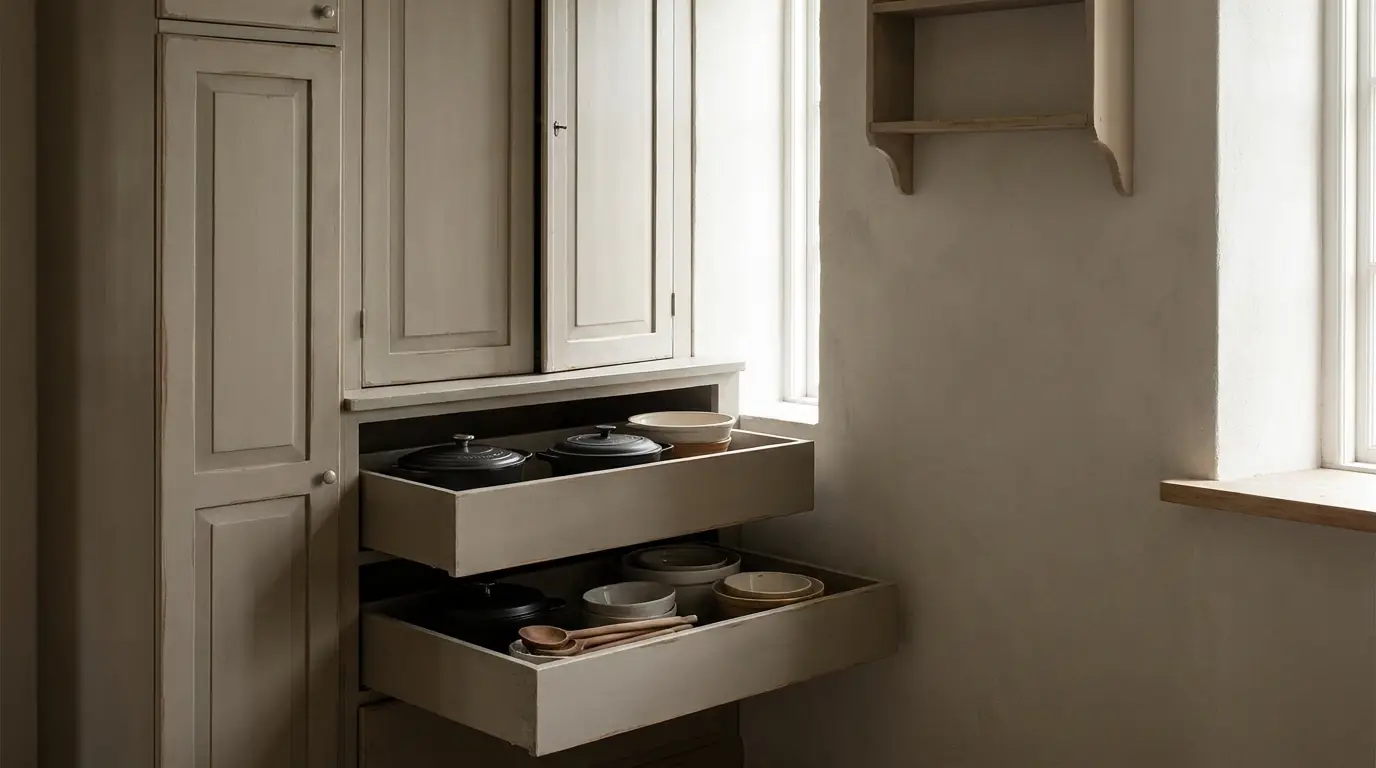
Good kitchen cabinets should make your daily routine easier. Think carefully about what you need to store before selecting cabinet configurations.
If you have a large collection of cookware, deep drawers may be useful for pots and pans. Tall pantry cabinets can provide convenient storage for food items, while specialized organizers can keep utensils and kitchen accessories neatly arranged.
Corner cabinets can also include rotating shelves or pull-out systems to make difficult-to-reach areas more accessible.
Instead of simply choosing cabinets based on appearance, consider how you actually use your kitchen and select storage features accordingly.
5. Select a Style That Matches Your Home
Kitchen cabinets should complement the overall design of your home. Modern kitchens often feature flat-panel doors, minimal hardware, and simple finishes, while traditional kitchens may use raised panels, decorative details, and classic handles.
Shaker-style cabinets are another popular choice because their simple design can work with both traditional and contemporary interiors.
Think about the style of your flooring, countertops, walls, lighting, and furniture before selecting cabinet finishes. A coordinated design can create a more attractive and cohesive interior.
6. Pick the Right Cabinet Color
Cabinet color can dramatically influence how your kitchen looks and feels. White cabinets can make a small kitchen appear brighter and more spacious, while darker shades can create a luxurious and dramatic atmosphere.
Natural wood finishes are ideal for homeowners who want to introduce warmth and texture. Neutral colors such as beige, gray, and cream can provide a timeless appearance that remains easy to update.
If you want something more distinctive, consider combining two cabinet colors. For example, lighter upper cabinets with darker lower cabinets can create visual contrast without overwhelming the room.
7. Pay Attention to Hardware
Cabinet handles, knobs, and hinges may seem like small details, but they can have a significant effect on both appearance and usability.
Choose hardware that complements your cabinet style and is comfortable to use. Modern kitchens often feature slim handles or handleless designs, while traditional kitchens may benefit from decorative knobs and pulls.
Soft-close hinges and drawer systems are also worth considering. They reduce noise and help protect cabinets from damage caused by repeatedly closing doors and drawers.
8. Think About Countertop Compatibility
Your cabinets and countertops should work together as part of one overall design. Before finalizing your cabinet color and finish, consider the countertop material and pattern.
If your countertop has a strong pattern, simple cabinet finishes may provide a better balance. If your countertop is relatively plain, you may have more freedom to choose distinctive cabinet colors or textures.
The combination of cabinetry, countertops, backsplash, and flooring should create a visually balanced kitchen.
9. Consider Quality and Durability
Kitchen cabinets are a long-term investment, so quality should be an important consideration. Look at the construction of the cabinet boxes, door panels, hinges, drawer mechanisms, and surface finishes.
Do not focus only on the initial price. Lower-cost cabinets may require replacement or repairs sooner, while well-constructed cabinets can provide reliable performance for many years.
When researching suppliers, consider their manufacturing experience, product range, customization capabilities, and reputation. This is particularly important when working with international suppliers. While hotel furniture manufacturers in China primarily serve hospitality projects, many manufacturers in the country also have extensive experience producing customized cabinetry and furniture for different applications.
10. Set a Realistic Budget
Before beginning your cabinet search, establish a realistic budget. Your total cost can depend on cabinet materials, dimensions, customization, hardware, installation, and additional storage accessories.
Having a clear budget helps you prioritize the features that matter most. For example, you may decide to invest more in durable cabinet construction and high-quality hardware while choosing a simpler decorative finish.
Always ask suppliers for a detailed quotation so you understand what is included in the price.
11. Work With an Experienced Supplier
Choosing the right supplier can make the entire process easier. An experienced company can help with measurements, layouts, material selection, customization, manufacturing, and installation planning.
Look for a supplier that can provide clear product information and professional support throughout the project. If possible, review previous projects to understand the quality and style of their work.
A reliable supplier should also be able to recommend practical solutions based on your kitchen size, storage requirements, design preferences, and budget.
Conclusion
Choosing the perfect kitchen cabinets requires more than selecting an attractive color or style. You need to consider your kitchen dimensions, storage requirements, materials, durability, hardware, budget, and overall interior design.
Take time to compare different options and think about how you use your kitchen every day. Customized solutions from experienced companies such as OPPEIN can help homeowners create cabinetry that combines functionality with modern design. Exploring experienced manufacturers can also provide additional options for materials, finishes, and customization.
With careful planning and the right supplier, you can create kitchen cabinets that not only look beautiful but also make your kitchen more organized, comfortable, and practical for years to come.