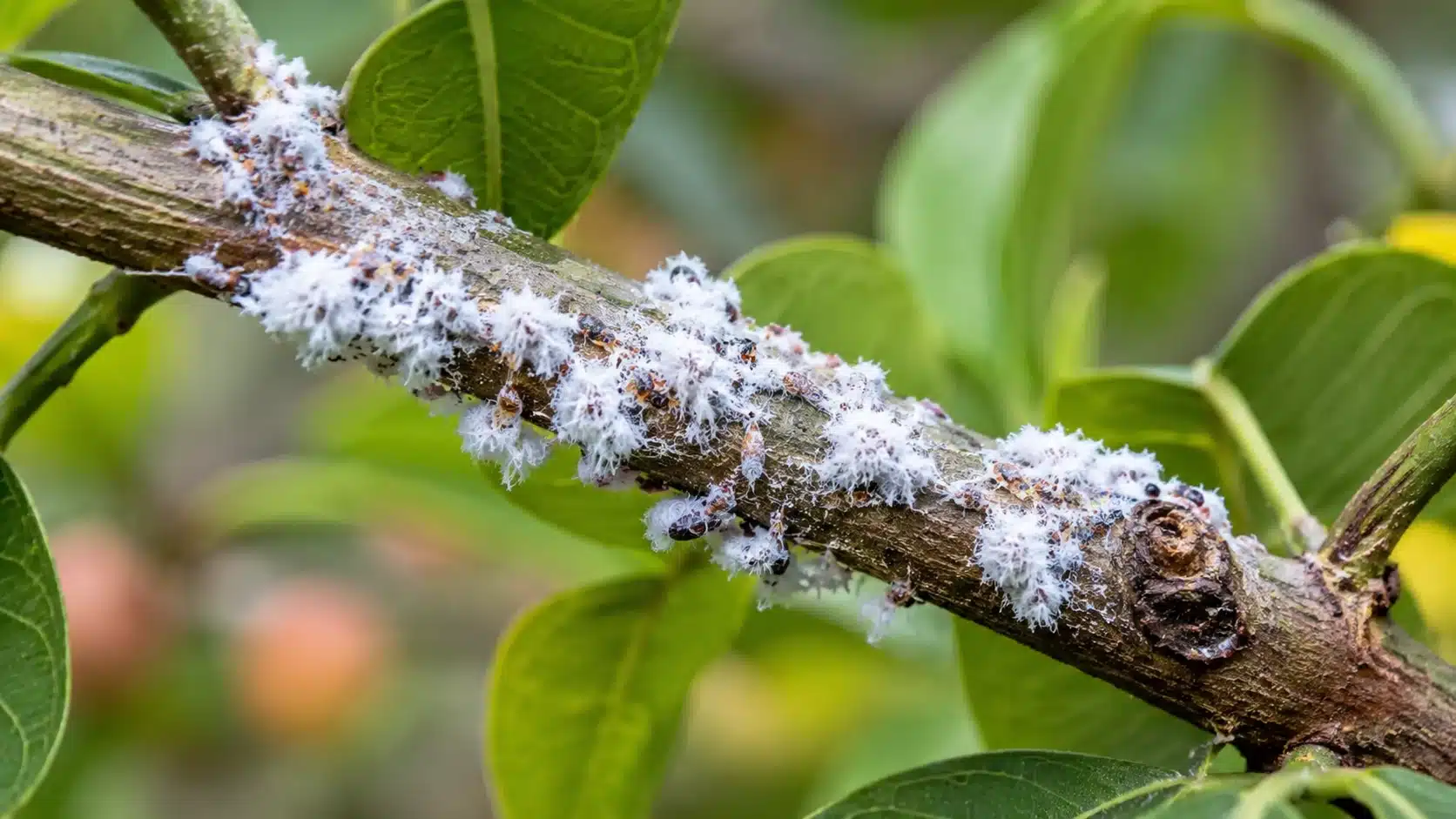
If you notice a white, cotton-like substance on your garden plants, woolly aphids may be the cause. These small pests easily go unnoticed beneath a waxy, fluffy layer. Proper identification is essential for effective pest management.
Not all white coatings stem from this pest, so careful examination helps prevent ineffective treatments. Learning about their behavior and applying eco-friendly management strategies keeps your garden healthy year-round.
With the right knowledge, you can control these pests while protecting your plants. Inspect your plants today and take immediate steps to clear away any cotton-like fluff before an infestation spreads.
What Are Woolly Aphids?
The term refers to several related species of sap-sucking insects in the family Aphididae. These soft-bodied pests use piercing mouthparts to extract nutrient-rich sap from host plants and protect themselves from predators and dry weather by secreting a white, fibrous wax over their bodies.
Different species target specific hosts; for instance, the woolly apple aphid (Eriosoma lanigerum) prefers apple trees. Their feeding can weaken plants, leading to distorted growth and reduced fruit production. Additionally, they produce honeydew, which can attract other pests and promote sooty mold growth, further harming plants.
Control measures for these pests include cultural practices, biological controls, and, if necessary, insecticides. Regular monitoring and early intervention are essential for managing their populations effectively.
What Woolly Aphids Look Like
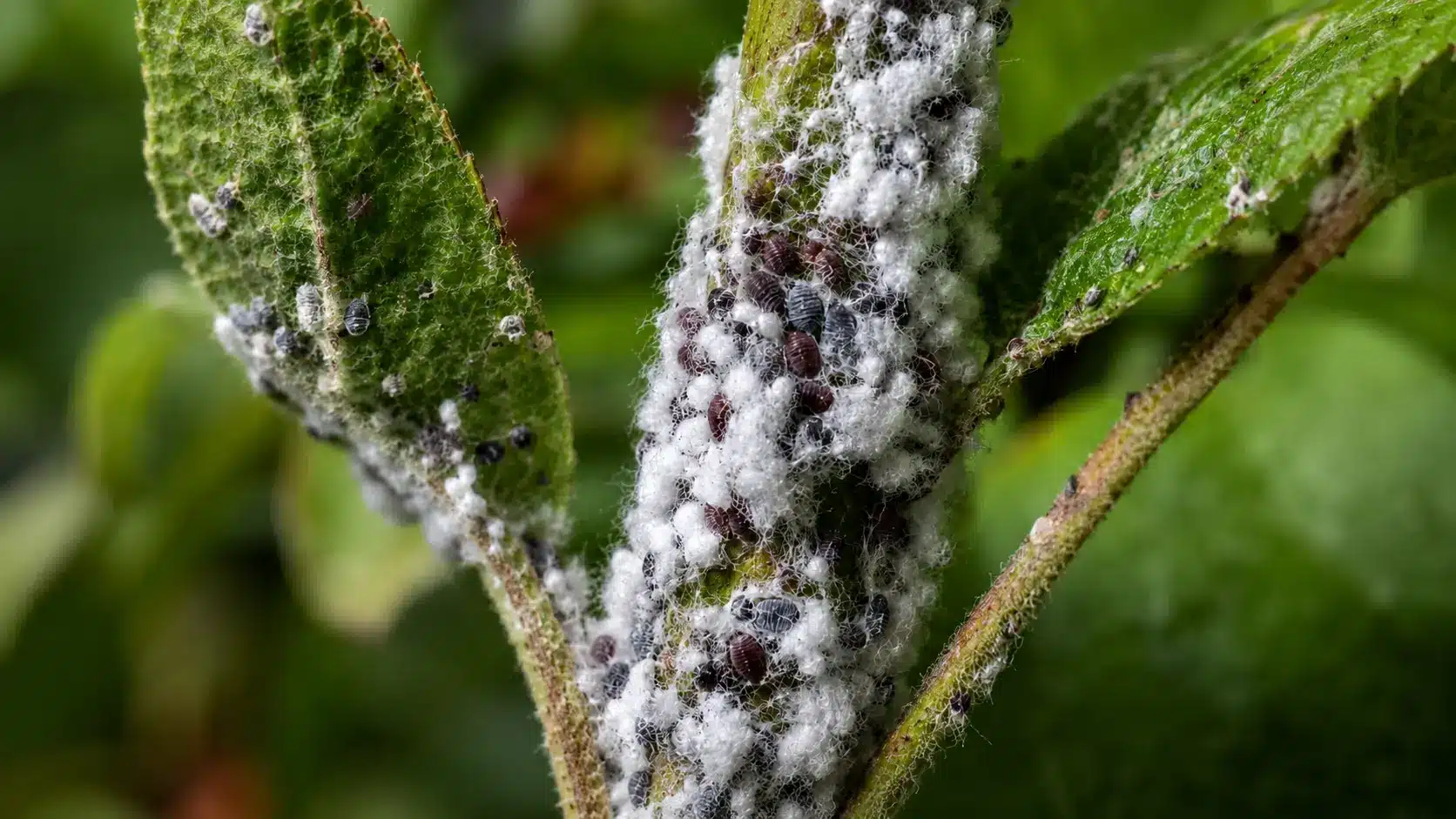
They have small, plump, oval bodies in shades of dark brown, deep purple, or soft blue-grey, usually no more than a couple of millimeters long.
Instead of spreading out individually, they cluster together in large colonies that look like small patches of cotton wool resting on bark, stems, or leaf joints. Newly hatched nymphs start out pale and salmon-colored, only developing their signature waxy coating once they settle in to feed.
Gently brushing away the waxy covering reveals small insects moving underneath, since disturbed colonies tend to shift rather than stay still.
If one is accidentally crushed, it typically leaves behind a reddish or purplish stain, a detail also confirmed by university tree fruit entomology publications on the closely related woolly apple aphid. That protective wax layer also shields the colony from predators and weather.
Where Do They Usually Live
They tend to settle in sheltered spots on their host plants, and left unchecked, these colonies can spread quickly across a vulnerable plant. The table below breaks down where they typically live and why each spot matters for early detection.
| Location | What Happens There | Why It Matters |
|---|---|---|
| Bark Cracks | Aphids hide inside rough bark, old pruning wounds, and tree trunk crevices | Easy to miss during a quick glance, so colonies can grow unnoticed |
| Leaves and Shoots | Colonies form along leaf veins and soft, growing stems during warm weather | Where honeydew and sooty mold typically show up first |
| Plant Roots | Certain species, like the woolly apple aphid, feed on underground roots during winter | Damage stays hidden until the plant already looks stressed above ground |
Supporting natural predators like ladybugs and applying insecticidal soap when infestations appear helps stop them from spreading, so consistent checks across bark, leaves, and roots remain the best way to catch hidden colonies early.
What Damage Does a Woolly Aphid Cause?
The impact of aphids can differ significantly depending on several factors, including the species of aphid, the overall health of the plant, the size of the colony, and the specific areas where they choose to feed.
Early Signs of an Infestation
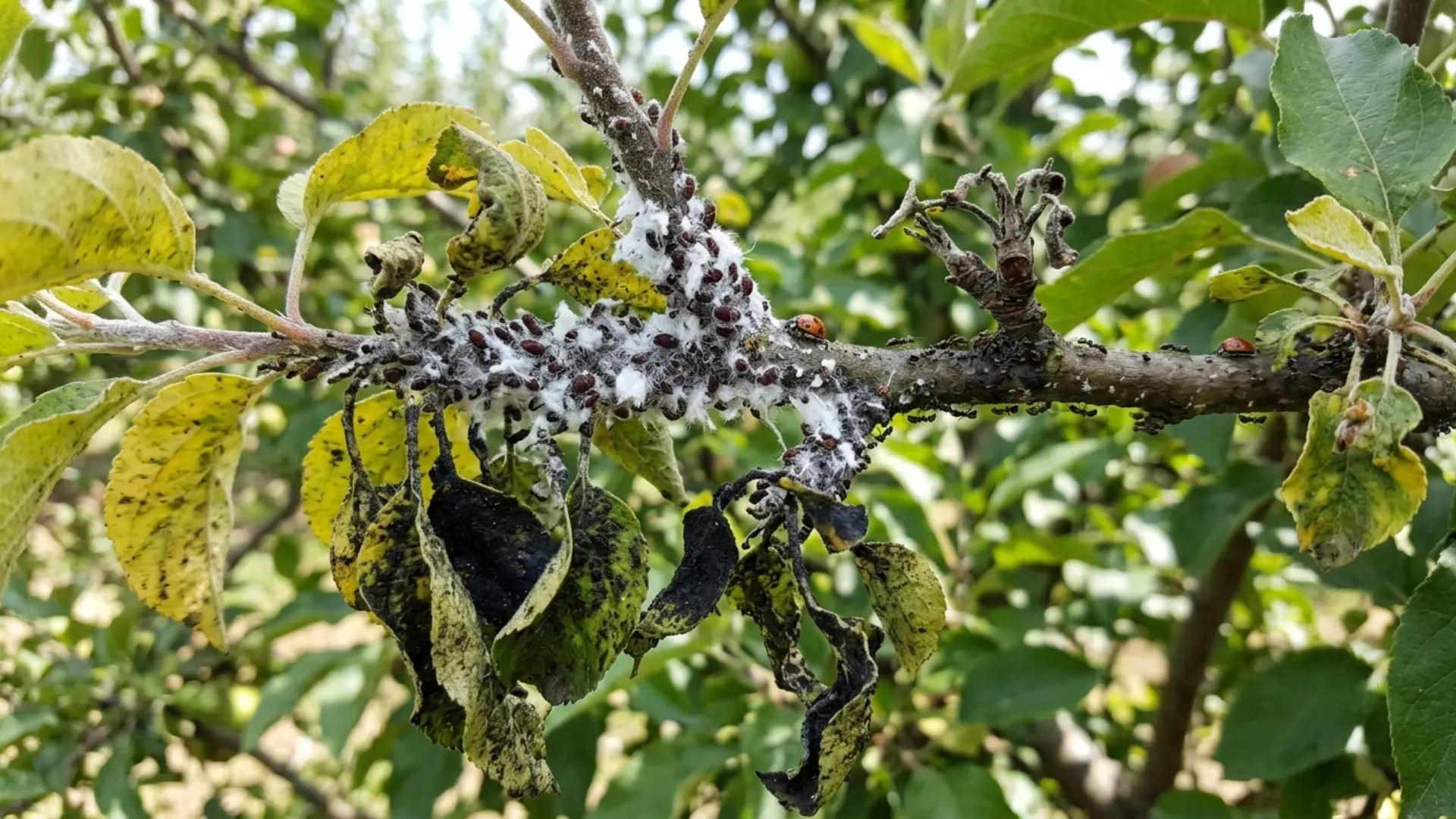
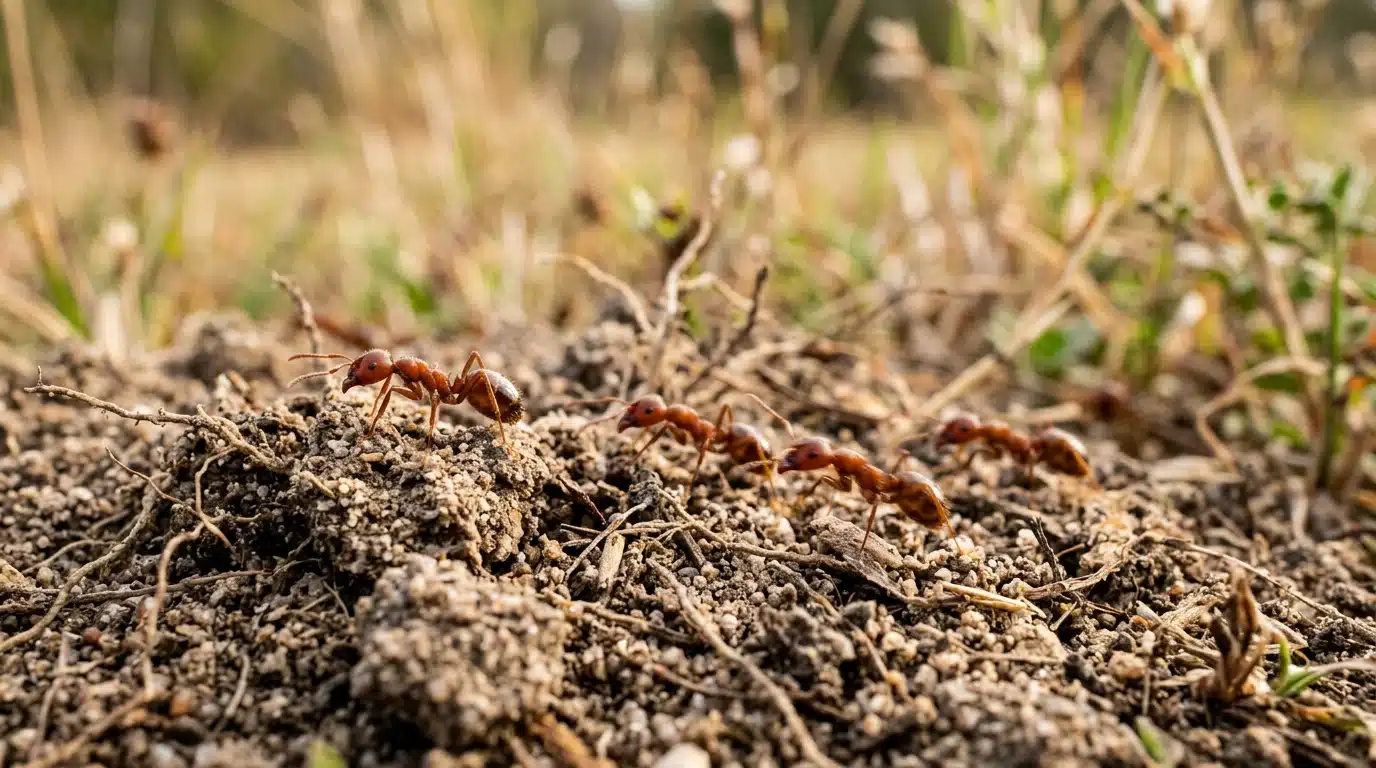
Early signs of aphid infestations include fuzzy white patches on stems, yellowing leaves, and stunted shoots. As they feed, aphids excrete a sugary liquid called honeydew, which attracts ants that may protect them in exchange.
Dark sooty mold often grows on honeydew, blocking sunlight and reducing photosynthesis.
If not controlled, aphids can cause significant damage, distorting growth and potentially killing plants. Regular monitoring is essential. Solutions include introducing natural predators like ladybugs, using insecticidal soaps or neem oil, and maintaining plant health through proper care.
Damage to Stems, Branches, and Roots
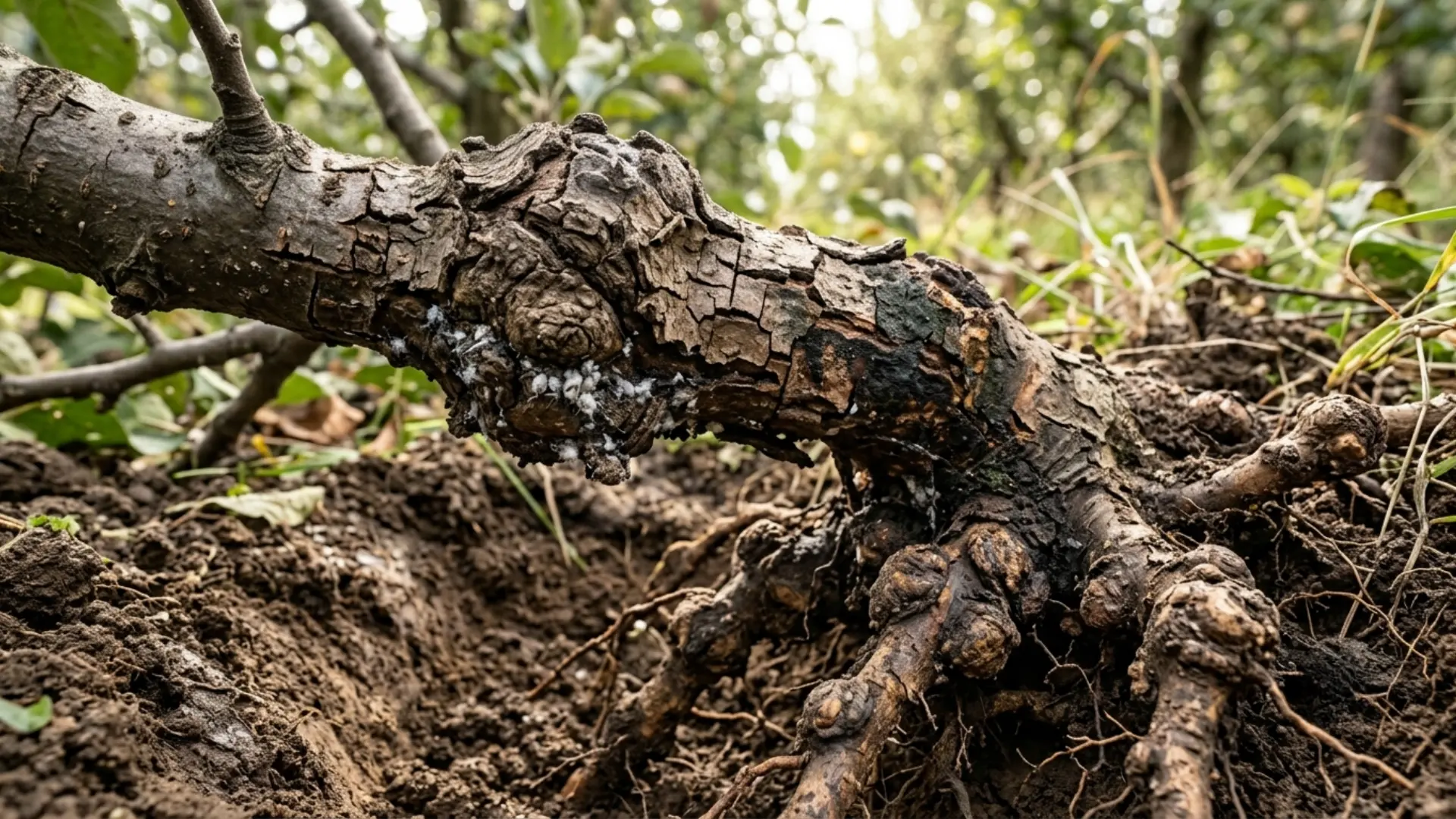
Feeding on stems and branches causes swollen tissue, galls, and cracked bark. These cracks often expose trees to secondary fungal infections during damp weather, compromising their health.
Species that feed on roots create underground galls, disrupting water uptake and weakening the plant’s vigor. This damage impairs nutrient absorption, leading to stunted growth and increased susceptibility to environmental stressors.
Woolly Aphids and Similar Plant Problems
When dealing with white, cotton-like substances on your garden plants, identifying the issue accurately is key to effective treatment. This is one likely culprit, but the insects can easily be mistaken for other pests or problems if not examined closely.
Observing the characteristics of the white material and understanding the behavior of the insects beneath it can help you determine the right approach.
| Pest or Problem | Appearance | Movement and Location | Key Difference |
|---|---|---|---|
| Woolly Aphids | Soft, dark insects covered with loose, cotton-like wax | Move when disturbed. Often found on fruit tree trunks, bark wounds, and root crowns | Several soft aphids are hidden beneath the white wax |
| Mealybugs | Soft bodies with small waxy filaments around the edges | Move slowly. Usually found on houseplants and warm-climate ornamentals | They do not hide beneath loose, cottony strands of wax |
| Scale Insects | Hard, dome-shaped covers or fixed waxy sacs | Adult insects stay still and remain attached to stems | Scraping reveals one firm insect rather than a group of soft aphids |
| Whiteflies | Tiny white insects with wings | Fly away in small clouds when the plant is disturbed. Usually found on leaves | They fly when disturbed instead of crawling beneath wax |
| Fungal Growth | Thin, white, powdery coating on leaves | Does not move and contains no insects | The white material is fungal growth rather than an insect covering |
White, fluffy growth can look like mould, scale, or mealybugs. Brush it gently: aphids move, mould stays still, and scale stays fixed. Check nearby leaves and bark for honeydew too.
How and When to Check for Woolly Aphids
It’s important to regularly inspect your plants throughout the seasons to effectively manage this pest. Look for signs of these pests during the growing season, particularly in spring and early summer when they are most active.
Make it a habit to check high-risk plants like apple trees, pyracantha, hawthorn, cotoneaster, and beech. This proactive approach helps you catch any issues early, preventing infestations from spiraling out of control.
1. Spring Checks (Early Detection)
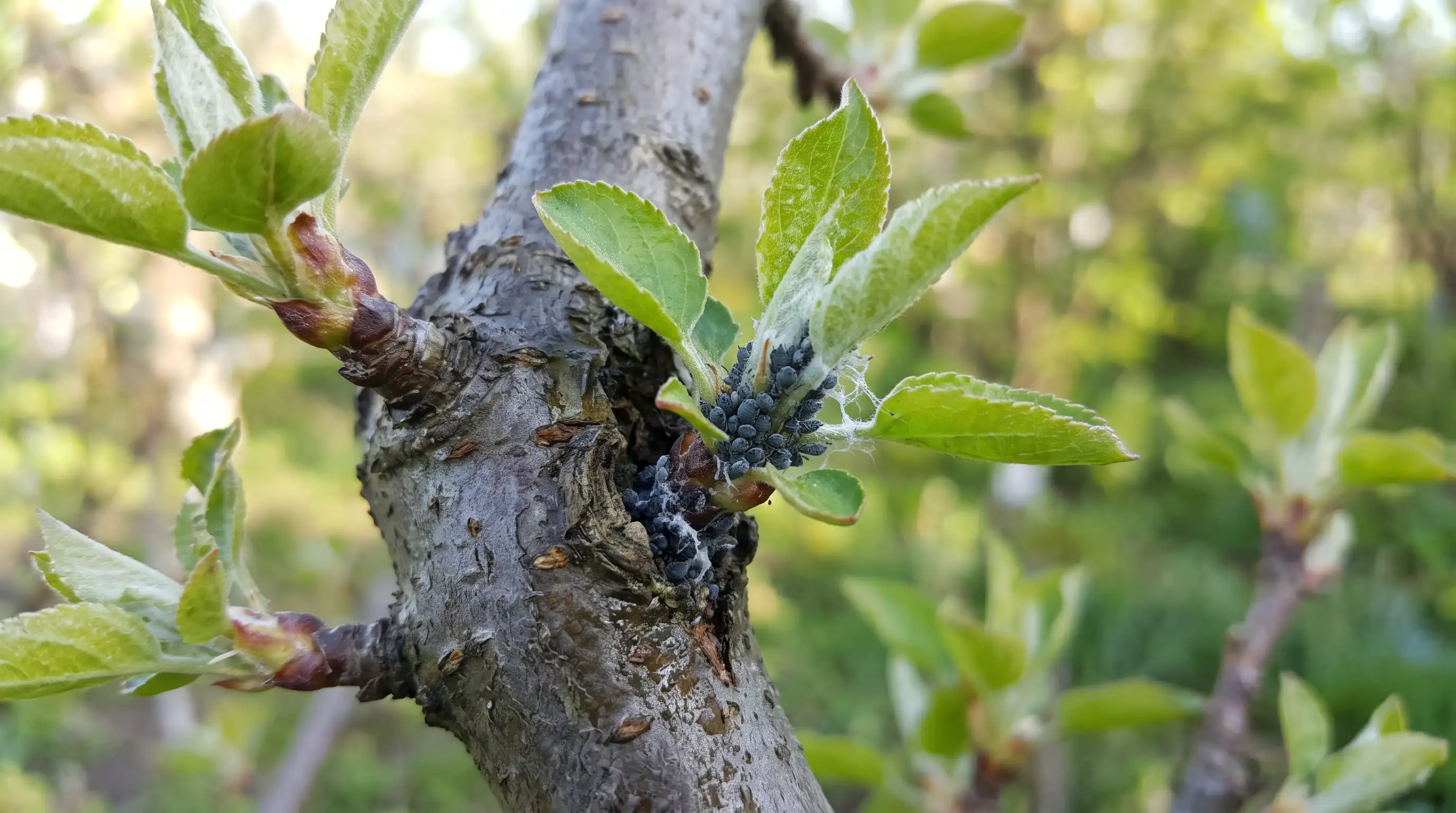
Where to look: Tender new shoots, unfolding leaves, and deep bark crevices near pruning wounds.
How to look: Check closely for tiny dark nymphs freshly emerged from overwintered eggs, since these early clusters mark the start of a new cycle and appear before any protective white wax has formed.
How to remove: Brush the nymphs away by hand or apply a targeted spot spray while colonies are still small, since catching them at this stage makes control far easier and faster.
Acting quickly at this stage keeps colonies from developing their protective wax layer, which makes them noticeably harder to spot, brush away, or treat effectively later in the season.
2. Summer Checks (Peak Activity)
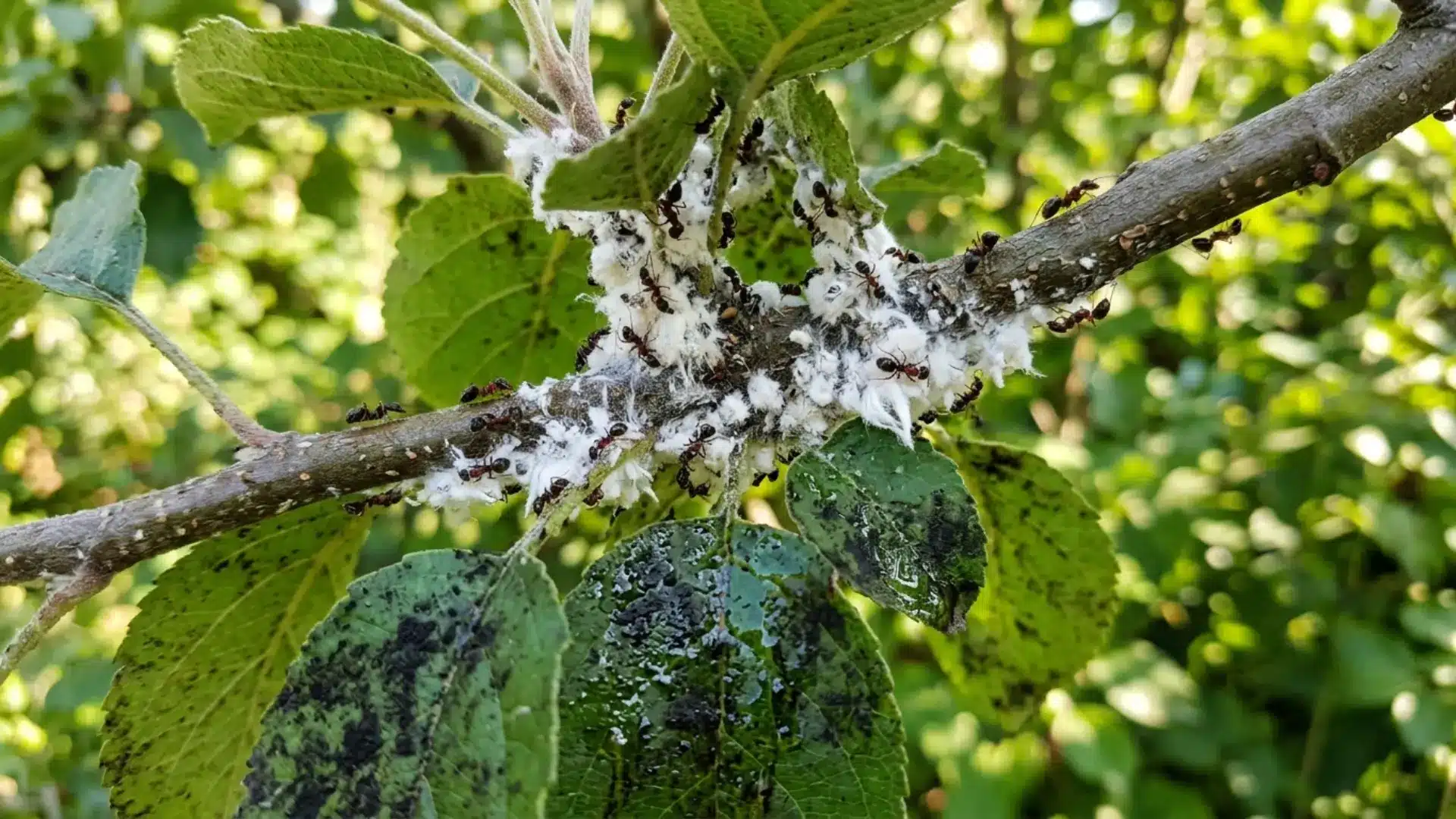
Where to look: Inner branches, dense foliage, and the undersides of leaves, where colonies tend to stay hidden from casual glances.
How to look: Watch for fluffy, white, cotton-like tufts hiding colonies, along with sticky honeydew, dark sooty mold on lower leaves, and heavy ant traffic farming the aphids for their sweet residue.
How to remove: Wash colonies off with a strong water spray, or treat with insecticidal soap or neem oil while activity is at its peak.
This is the busiest stretch for them, so weekly checks during these months help catch new colonies before honeydew and sooty mold spread further across the plant.
3. Autumn & Winter Checks (Overwintering Prevention)
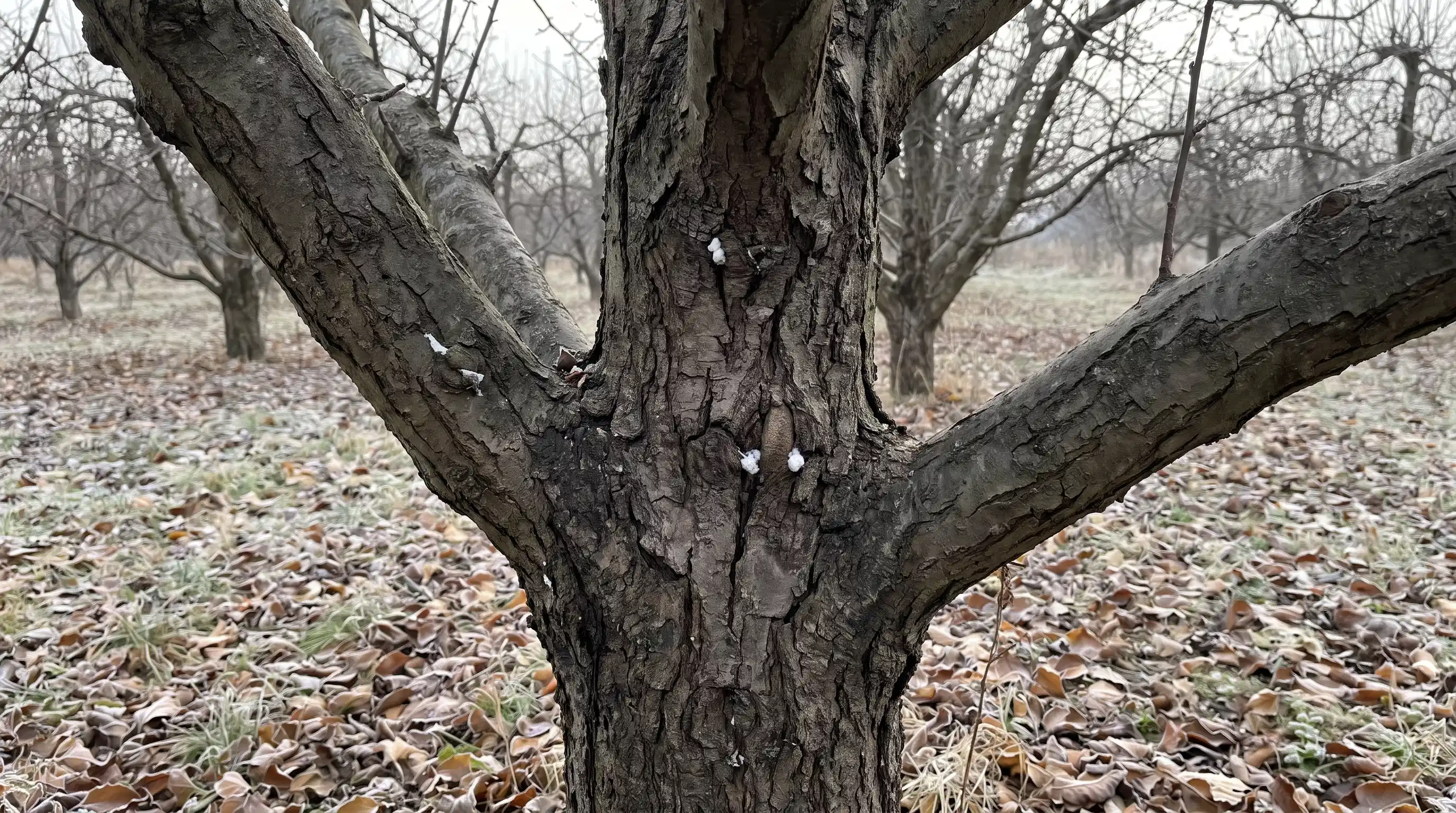
Where to look: Main scaffold branches, tree trunks, deep bark cracks, and the root collar near ground level, where colonies often settle in for the cold months.
How to look: Check for swelling, galls, or canker-like growths caused by season-long feeding, since aphids retreat into sheltered bark cracks or move toward the roots as temperatures drop.
How to remove: Scrub the bark gently or apply a winter wash during dormancy to reduce numbers before spring growth begins.
Treating the bark now reduces the number of aphids that survive the cold months, giving the plant a stronger, cleaner start once active growth resumes in spring.
Controlling and Preventing Woolly Aphids
Managing them effectively relies on a combination of natural pest control and preventative garden habits to keep your plants healthy and free of damage.
Many of the same principles covered in this piece on getting rid of aphids naturally, such as attracting ladybugs and lacewings, apply just as well to woolly aphid colonies.
- Protect Beneficial Insects: Promote natural predators like ladybird and lacewing larvae while avoiding harmful broad-spectrum insecticides.
- Inspect Plants Regularly: Conduct routine checks across stems, bark wounds, root balls, and soft spring shoots to catch hidden colonies early before infestations take hold.
- Optimize Plant Nutrition and Watering: Avoid high-nitrogen fertilizers and maintain consistent soil moisture to reduce pest attraction and plant stress.
- Practice Good Garden Hygiene: Disinfect pruning tools between plants and watch for ant trails on trees as indicators of pests.
- Apply Targeted Treatments: Use insecticidal soaps or horticultural oils selectively when needed, and choose resistant plant varieties, such as fruit tree rootstocks bred for aphid resistance, to reduce future outbreaks. This is worth keeping in mind for other fruiting trees too, since pest pressure is a common theme covered in these Meyer lemon tree care tips.
Consistent monitoring and biological controls keep your landscape healthy and minimize the impact of these sap-sucking insects. Penn State Extension notes that predators such as syrphid fly larvae, lacewing larvae, and the parasitic wasp Aphelinus mali play a major role in keeping aboveground colonies in check without chemical intervention.
Quick Plant Inspection Checklist
A quick visual check is often enough to confirm whether a white, fuzzy growth on your plant is an aphid or something else entirely. Use the checklist below to work through the most useful clues in order.
| Check | What to Do | What to Look For | What It May Indicate |
|---|---|---|---|
| Movement | Gently brush the white material | Soft, dark insects moving underneath | Woolly aphids or another insect pest |
| Location | Check where the white growth appears | Leaves, stems, bark wounds or root crowns | The location can help identify the pest |
| Sticky Sap | Examine nearby leaves and branches | Shiny or sticky honeydew | Sap-feeding insects |
| Black Mould | Look around and below the affected area | Black, powdery sooty mould | Fungal growth feeding on insect honeydew |
Run through this checklist before choosing a treatment, since matching the right cause to the right method saves both time and unnecessary spraying.
Common Woolly Aphid Control Mistakes
Managing them can be challenging, especially for gardeners newer to pest control. These small, waxy insects can quickly damage plants if not handled properly, and a few recurring mistakes tend to undercut otherwise good effort.
- Treating before identification: Assuming all white plant growth comes from this pest leads to wrong treatments.
- Spraying only once: Single applications miss hidden insects, requiring planned follow-up inspections.
- Ignoring roots: Treating upper branches fails when root-feeding populations remain unmanaged underground.
- Using harsh products too early: Chemical sprays kill natural predators that keep aphid numbers balanced naturally.
- Overfeeding plants: Applying excess nitrogen creates soft growth that attracts sap-feeding insect colonies.
- Skipping follow-up checks: Assuming visible white wax removal means every hidden insect is gone.
Addressing these oversights improves plant protection while cutting down on wasted effort and repeat treatments over the season.
When Should You Call a Professional?
Managing large, mature trees is best left to professionals. A certified arborist can provide expert knowledge to improve tree health and safely address severe infestations, especially in high branches.
They can diagnose issues like insect infestations and recommend effective treatment plans.
They assess underground root damage, crucial for tree stability and health. Systemic soil treatments enhance nutrient uptake for recovery. If valuable fruit trees show severe dieback despite care, consulting an expert can prevent permanent loss.
They offer tailored recommendations for pruning, fertilization, and pest management specific to your tree species.
According to the University of Kentucky Entomology Department, treatment for woolly apple aphid is typically recommended once about 10 percent of pruning scars show live colonies, a useful benchmark an arborist can check for during a routine visit.
Frequently Asked Questions
Do woolly aphids bite people?
No, woolly aphids do not bite people or pets. Their specialized mouthparts are built for piercing plant tissue and feeding on sap, not skin, so they have no interest in humans or animals and pose no physical or medical risk at all.
Can woolly aphids spread to indoor plants?
Woolly aphids rarely infest standard indoor houseplants because they prefer specific outdoor trees and shrubs, such as apple, hawthorn, and cotoneaster. Still, examine any outdoor nursery stock or potted fruit trees thoroughly before bringing them into a greenhouse or sunroom.
Why do woolly aphids keep coming back?
Woolly aphids return when hidden survivors in bark cracks or underground roots rebuild colonies over time. Nearby alternative host plants, flying winged generations that relocate each season, and reduced natural predator populations from prior insecticide use all contribute to recurring infestations.
Do ants make woolly aphid infestations worse?
Yes, ants actively protect them from natural predators like ladybugs and lacewings so they can keep harvesting their sugary honeydew. Managing ant populations around tree trunks helps beneficial insects reach and feed on aphid colonies more effectively.
Summing Up
Managing woolly aphids starts with early detection. Inspect your plants regularly across all seasons, paying special attention to stems, bark wounds, and new growth. A gentle wipe with a damp cloth often solves small problems before they grow.
Support natural predators like ladybugs and avoid harsh chemicals that kill beneficial insects. Consistent plant care and seasonal inspections prevent infestations from taking hold.
With these steps, you will keep your garden healthy and pest-free all year long. Check your plants today, act early, and use natural control methods to keep woolly aphids away. Drop a comment below if you have any further questions.