Unexpected home repairs can place significant pressure on a household budget, particularly when immediate action is required.
A leaking roof, a broken furnace, or damaged plumbing can quickly become larger and more expensive problems if repairs are delayed. Unfortunately, many homeowners do not have enough savings available to cover these urgent expenses.
In these situations, borrowers often consider bad credit loans when they may not qualify for traditional financing. They can provide access to funds that allow essential repairs to be completed before additional damage occurs.
Understanding how these loans work, what lenders evaluate, and how funds can be used helps homeowners make informed financial decisions when urgent repairs cannot wait.
Why Home Repairs Cannot Be Delayed
Many emergency repairs involve systems that protect a home’s safety, comfort, and structure. Water leaks, electrical faults, damaged roofing, or heating failures can lead to additional expenses if left unresolved for several days or weeks.
As a result, prompt action is generally recommended by housing and maintenance professionals.
Emergency repairs differ from planned renovations because they cannot always be postponed until savings have been accumulated. When essential systems fail, temporary solutions often increase long-term costs rather than reduce them.
When repair estimates fall on the lower end, many homeowners begin researching how to get 1700 dollars fast before comparing lenders, repayment terms, and total borrowing costs.
Taking time to evaluate several options can help borrowers choose financing that fits both the repair and their monthly budget.
Before submitting an application, several practical steps are commonly recommended.
- Request written estimates from licensed contractors,
- Confirm whether the repair is covered by homeowners’ insurance,
- Borrow only the amount required to complete the necessary work,
- Review repayment schedules before accepting any loan agreement.
How Bad Credit Loans Support Urgent Repairs
Traditional financing is not always available when an emergency repair cannot wait. Bad credit loans are intended for borrowers whose credit history may make qualifying for conventional bank financing more difficult, while still providing a way to access funds for essential expenses.
While approval standards differ among lenders, additional factors such as income, employment stability, and repayment ability are often evaluated during the application process.
Because emergency repairs usually require immediate funding, many online lenders have developed application systems that simplify document submission and eligibility reviews.
Decisions are often made more quickly than in traditional lending processes, allowing repairs to begin sooner once approval is granted.
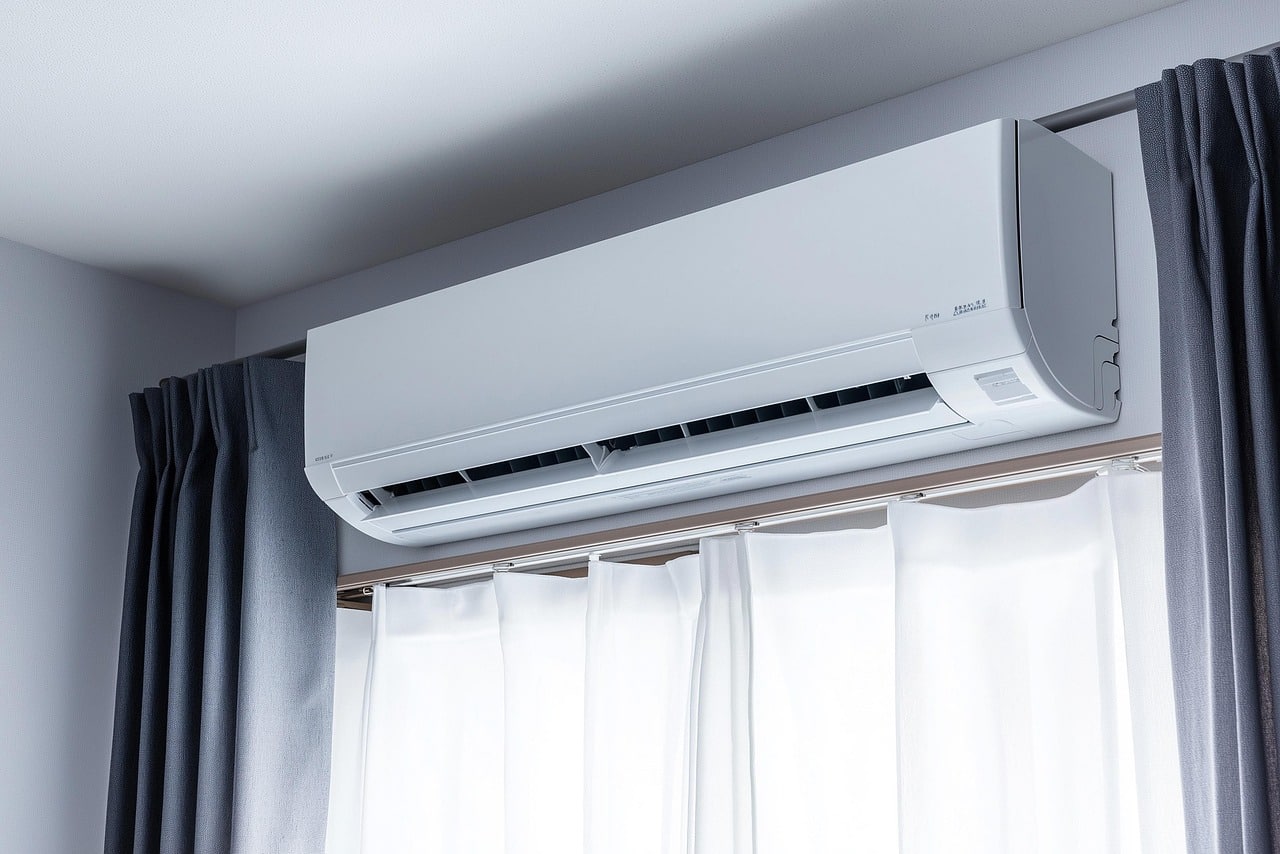
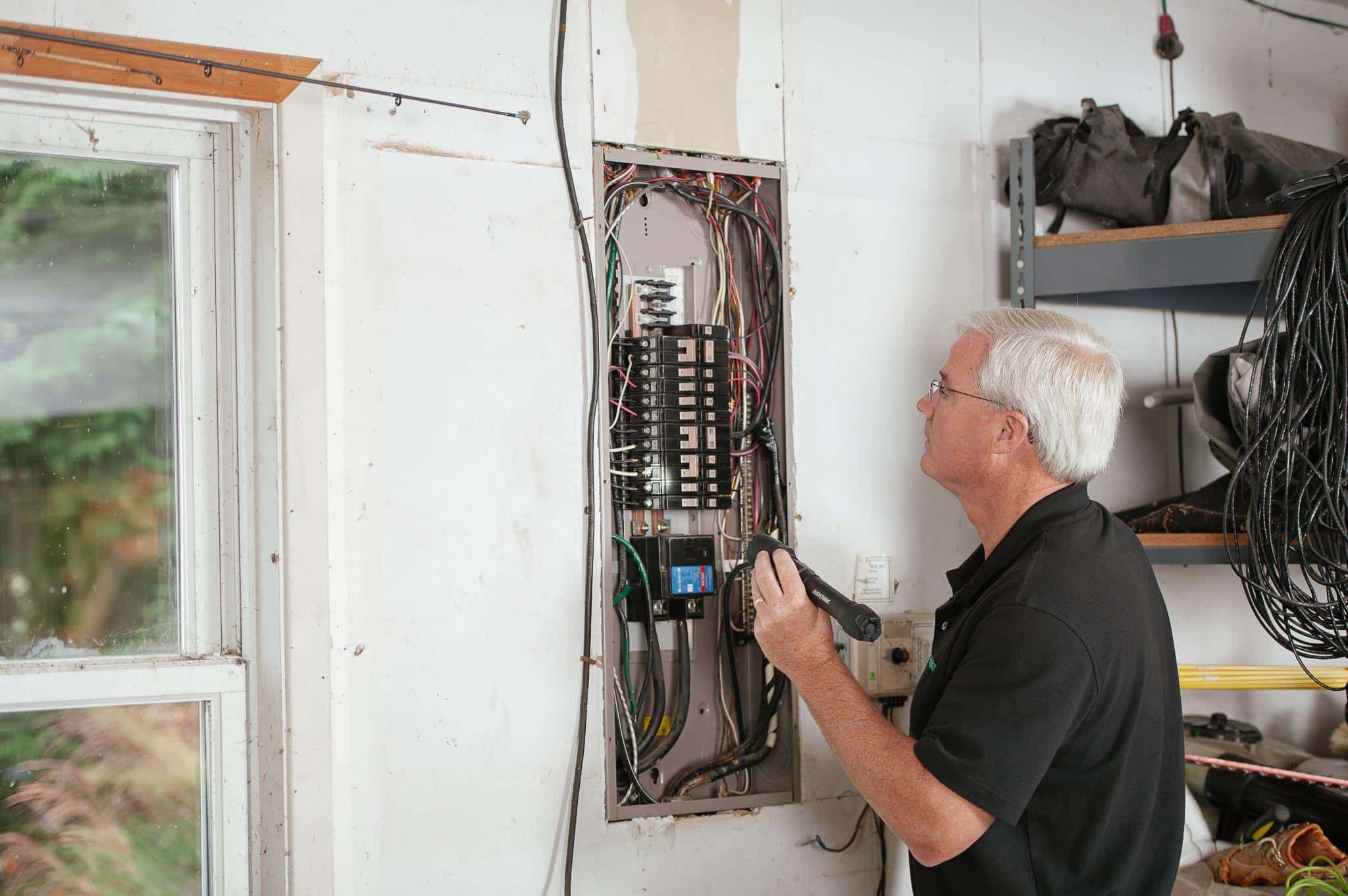
Loan proceeds are commonly used for repairs involving plumbing systems, heating and cooling equipment, roofing materials, electrical work, or structural damage.
These projects help preserve the property’s condition while preventing relatively minor issues from developing into far more expensive repairs.
Borrowers are generally encouraged to compare multiple offers instead of accepting the first available option. Interest rates, repayment periods, origination fees, and total borrowing costs can vary considerably between lenders.
Careful comparison allows the overall financial commitment to be evaluated before funds are accepted.
Choosing the Right Loan
Not every financing option offers the same value during a home emergency. A careful review of loan terms helps borrowers understand both the immediate benefits and the long-term financial responsibilities associated with borrowing.
Several factors are commonly recommended for comparison before a final decision is made.
- Annual percentage rate and total borrowing cost,
- Monthly payment amount,
- Available repayment period,
- Funding timeline after approval,
- Additional fees or penalties,
- Customer service and lender reputation.
These details provide a more complete picture than interest rates alone. A slightly higher rate may still represent a practical option if repayment terms are flexible and funding is available quickly enough to address an urgent repair.
Borrowers are also advised to verify that loan payments fit comfortably within existing monthly expenses. Maintaining affordable payments helps reduce financial pressure while allowing emergency repairs to be completed without creating unnecessary budget challenges during the repayment period.
Preparing Before Applying
Preparation often improves both the application experience and the likelihood of receiving a suitable loan offer. Lenders generally request documentation that confirms identity, income, and the applicant’s ability to repay the borrowed amount.
Recent pay statements, bank account information, government identification, and proof of residence are commonly requested. Having these documents available before beginning the application process can reduce delays during verification.
Repair estimates should also be collected whenever possible. Written quotations from licensed contractors help determine the required amount and prevent unnecessary borrowing. Accurate estimates also allow borrowers to compare financing options that closely match the expected repair cost.
Credit reports may also be reviewed before applying. While poor credit cannot always be corrected immediately, identifying reporting errors or outdated information may improve the accuracy of a lender’s assessment.
Even modest improvements in financial documentation can influence available loan offers and repayment conditions.
Thoughtful preparation often results in a smoother borrowing experience and supports more confident financial decision-making in stressful situations.
Managing Loan Repayment
Receiving funding is only one part of the borrowing process. Responsible repayment plays an equally important role in maintaining financial stability after emergency repairs have been completed.
A monthly budget is commonly adjusted after a new loan is accepted. Identifying recurring expenses, reviewing discretionary spending, and planning for scheduled payments help reduce the likelihood of missed installments. Many lenders also offer automatic payment options to simplify repayment management.
Additional payments may be considered when permitted by the loan agreement. Reducing the outstanding balance earlier can decrease total interest costs over the repayment period, although any prepayment terms should be reviewed first.
Emergency savings should also be rebuilt after repairs are completed, whenever possible. Even small monthly contributions can gradually build a financial reserve to cover future home maintenance expenses without relying entirely on new borrowing.
Consistent repayment habits may also contribute to stronger financial management over time while helping borrowers demonstrate responsible credit behavior for future financing needs.
Building Financial Confidence After Repairs
Emergency home repairs are rarely convenient, but they often require immediate financial decisions that cannot be postponed. Bad credit loans may provide a practical solution for borrowers who need timely funding and have limited financing options.
When borrowing is approached carefully, necessary repairs can be completed before additional property damage increases overall costs.
By comparing lenders, thoroughly reviewing loan terms, borrowing only what is needed, and following a realistic repayment plan, homeowners can address urgent repairs with greater confidence.
Careful planning before and after borrowing supports both the protection of the home and the long-term health of personal finances.