Exterior upgrades are one of the few levers that can lift rent potential without rewriting your entire pro forma. Tenants judge safety, access, and brand fit before they care about lobby finishes.
Buyers do the same; they price certainty, not just curb appeal. The best exterior work shows up as higher lease velocity, fewer concessions, and cleaner operating risk. Here are six exterior upgrades that add value to a commercial property.
Parking, paving, and circulation that remove friction
Start where every tenant and customer starts: the lot. Cracked surfaces, pooling water, and fading striping signal deferred maintenance and invite liability. Fix flow and compliance first with ADA stalls, ramps, clear pedestrian paths, and visible crosswalks.
Additionally, a targeted resurfacing plan or commercial asphalt paving can be a value move because it protects access and reduces claims. Add new striping, speed control, and curb paint where cars actually clip corners. If drainage is an issue, regrade problem bays and clear inlets. Be sure to take photos, keep bids, and file warranties for underwriting.
Lighting that sells safety and extends usable hours
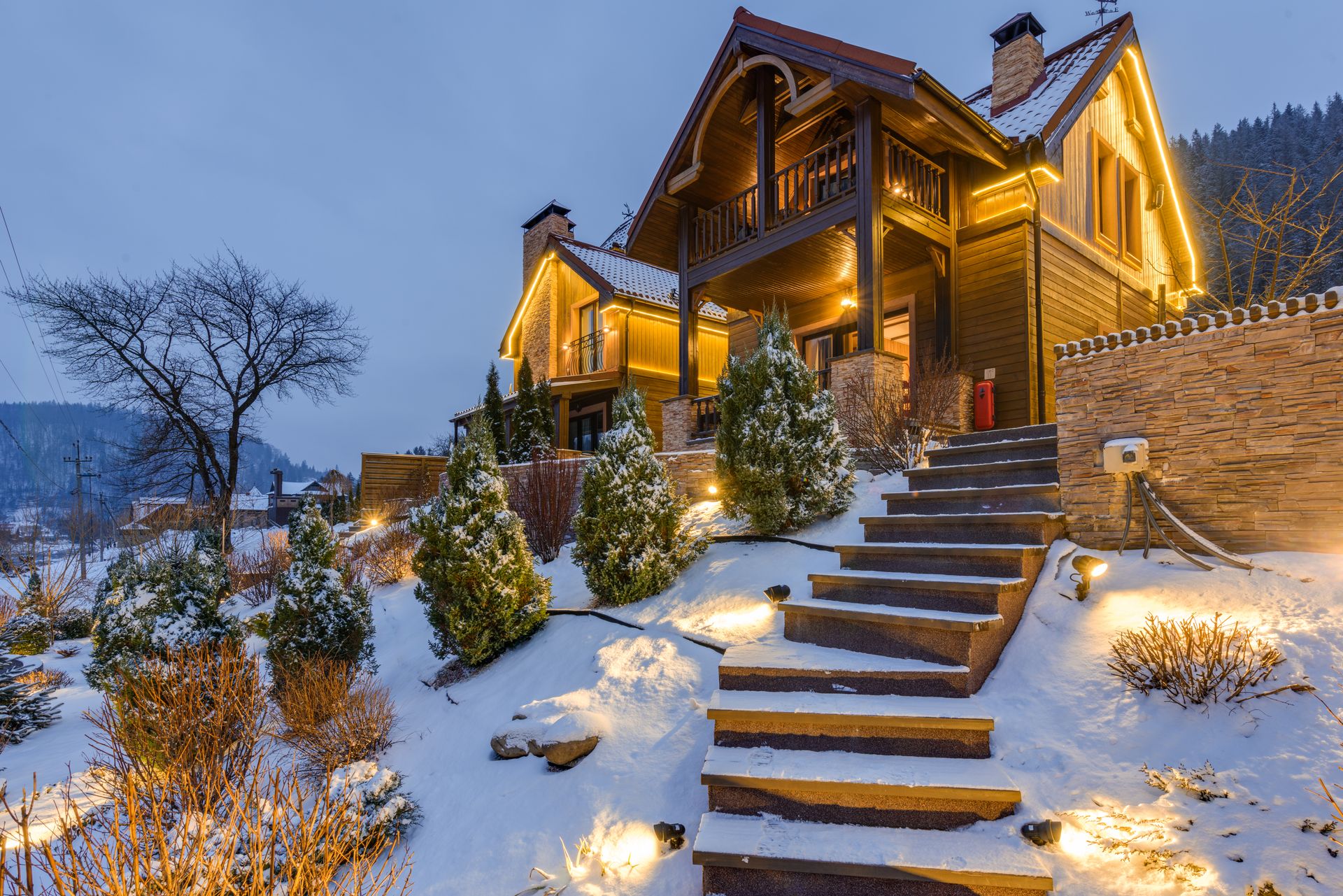
Exterior lighting is a direct lever on perceived risk. Lenders and national tenants notice when lighting looks patched together or underpowered. Upgrade to LED with a coherent plan, consistent pole heights, uniform light levels, and controlled spill to neighbors. Be sure to add motion or time controls where it makes sense, but keep entries and main walk paths reliably lit.
Pair lighting with basic security, cameras at key corners, and trimmed landscaping that protects sightlines. The signal is operational, fewer incidents, fewer tenant complaints, steadier evening traffic.
Facade and entry updates that reset first impressions
A building can be structurally fine and still rent like it is tired. Focus on the entry sequence, doors, canopies, glazing, and the area where people pause to decide if they belong there. Small moves like fresh paint, repaired masonry joints, updated metal trims, and consistent storefront framing add up fast.
Replace dated lighting at the door. If the asset is multi-tenant, standardize the base palette without erasing tenant identity. Ask yourself whether the façade matches the rents you are trying to charge and the customer you want to attract.
Add landscaping that supports the property
Landscaping should not be treated as decoration alone. The right design can frame the building, guide movement, control erosion, and soften hard surfaces. The wrong design can create drainage issues, block visibility, or raise maintenance costs.
Commercial landscaping works best when it is durable and intentional. Use plantings that match the climate, irrigation capacity, and foot traffic around the site. Keep sightlines open near entrances, drive lanes, and signs. You should also choose beds and trees that will mature without damaging sidewalks, curbs, or pavement. Value comes from lower upkeep and better site function.
Refresh signage and entry branding
A commercial property can be well located and still feel forgettable. Clear exterior signage helps fix that. It tells visitors where to go, reinforces tenant identity, and makes the building easier to recognize from the street.
Focus on legibility first. Signs should be clean, well-lit, properly scaled, and easy to read from a moving vehicle. Directory signs should reduce confusion, not add visual clutter. Entry branding should look current without becoming trendy. Strong signage helps the property feel organized. This matters because confusion at the entrance can weaken the customer experience.
Outdoor amenities and service areas that tighten operations
Value also lives in the parts people do not photograph. Upgrade loading zones with clear striping, dock bumpers, and weather protection where tenants stage product. Screen dumpsters and service equipment with durable enclosures that are easy to access and easy to keep clean.
Additionally, add practical amenities that match the tenant mix, shaded seating, bike racks, and a small patio zone that makes breaks feel safer. EV charging can be a differentiator in certain submarkets, but only if utilization and electrical capacity pencil out. Treat amenities as a leasing tool, not a trend, and document the operating plan for cleaning, snow, and repairs.
Endnote
Exterior upgrades earn their keep when they reduce uncertainty. Prioritize work that improves access, safety, and day-to-day operations, then layer on aesthetic changes that support the rent story.
Before you spend, map each upgrade to one metric, such as faster leasing, higher rents, lower claims, or lower opex. If you cannot name the metric, it is probably a vanity project. The highest value exterior plan is the one that is easy to explain on a tour and easy to defend in diligence.