If you’ve ever searched for gravel prices and ended up more confused than when you started, that feeling makes complete sense.
Between tons, yards, truckloads, and bag sizes, the numbers start to feel like a puzzle nobody handed you the box for.
Gravel pricing shifts depending on type, location, and how much you’re buying, so what your neighbor paid for their driveway may look nothing like your quote.
Here, we’re breaking down average costs, how bulk and bagged gravel compare, and a few smart ways to stretch your budget further.
Average Gravel Prices in the U.S.
Gravel prices across the U.S. can range quite a bit depending on where you live and what you’re buying.
Basic gravel typically runs $10 to $50 per ton, while a full truckload usually falls somewhere between $300 and $800.
If you’re picking up bags from a hardware store, expect to pay around $3 to $8 per bag, though that adds up quickly for larger projects.
Location, gravel type, and whether delivery is included all play a role in your final number, so treat these figures as a solid starting point rather than a fixed price.
Gravel Prices by Unit
Gravel is sold in a few different ways, and the unit alone can make prices look wildly different from one supplier to the next.
Here’s a simple breakdown to help you compare apples to apples.
| Unit | Typical Price Range | Best For | Quick Note |
|---|---|---|---|
| Per Ton | $10 to $50 | Driveways, large landscaping | Most common pricing method |
| Per Cubic Yard | $15 to $75 | Bulk orders, contractor use | A yard of gravel roughly equals 1.5 tons |
| Per Bag | $3 to $8 | Small patches, garden beds | Convenient but pricier per unit |
How Much Does a Truckload of Gravel Cost?
Ordering by the truckload is usually where the real savings start to show up, especially for bigger projects like driveways or yard coverage.
Knowing what’s included in a standard load and what gets added at checkout makes the process less surprising.
What a Standard Truckload Includes
A typical dump truck carries anywhere between 10 and 20 tons of gravel, which translates to roughly 8 to 15 cubic yards depending on the material.
Most suppliers have a minimum order requirement, so even if you don’t need a full load, you may still be priced for one. For large projects, ordering a full truckload almost always works out cheaper per ton than smaller quantities.
What You’ll Actually Pay at Checkout?
The base price for a truckload generally falls between $300 and $800, but that number moves depending on gravel type, load size, and where you’re located.
Delivery fees are based on distance and can increase outside the standard radius. Fuel surcharges are common, especially for longer trips. Always request a detailed quote before ordering.
Cheapest Types of Gravel
Not every project needs premium stone, and honestly, some of the most budget-friendly options out there hold up just as well for everyday use.
Here are the gravel types worth knowing when keeping costs low is the priority.
1. Crushed Concrete
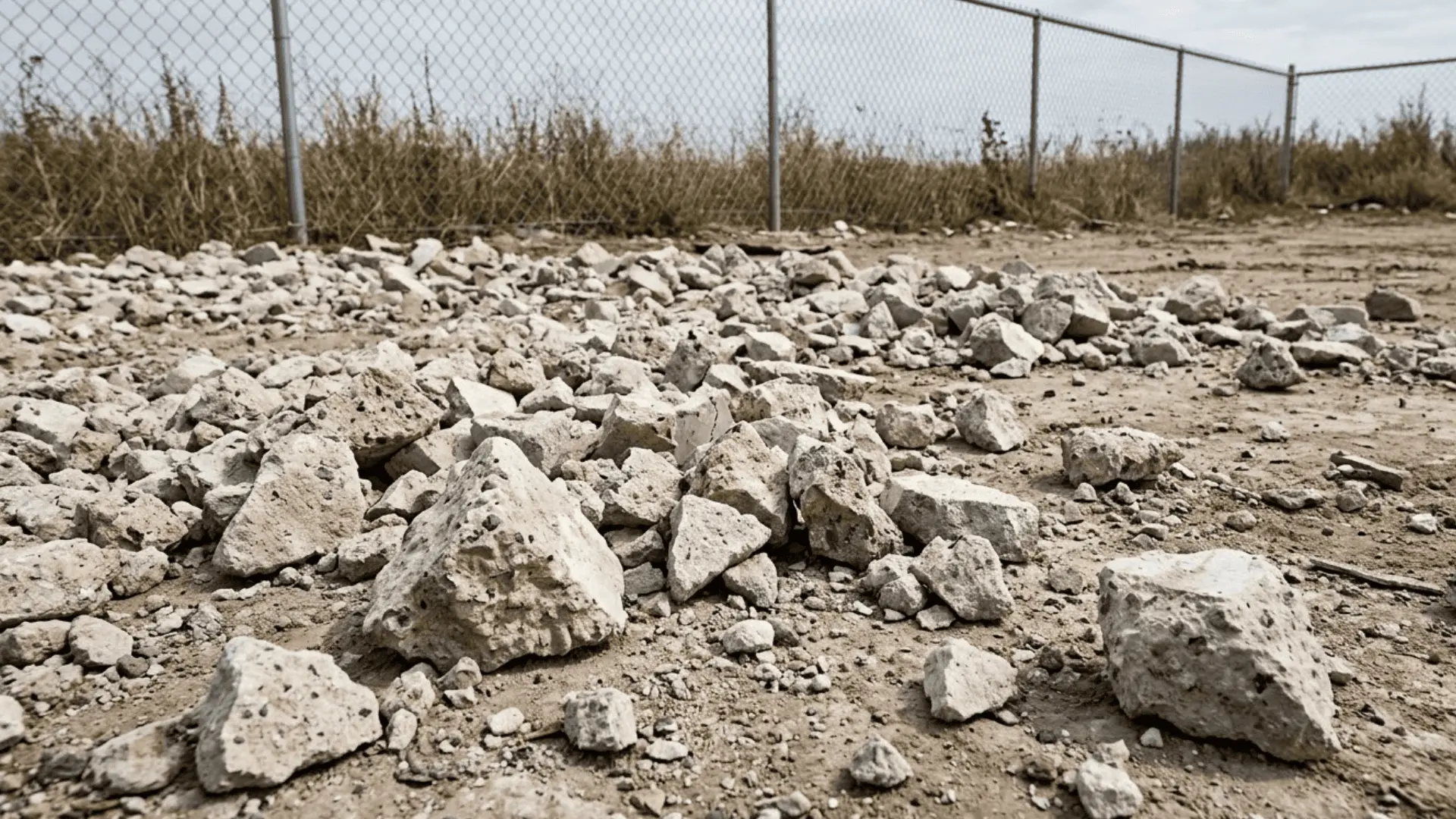
Price Range: $6 to $14 per ton
Made from recycled construction material, crushed concrete is one of the most affordable options on the market. It compacts well, drains decently, and works great for driveways and base layers.
Since it’s repurposed material, availability depends on your region, but where it’s sold, it’s hard to beat on price.
2. Pea Gravel
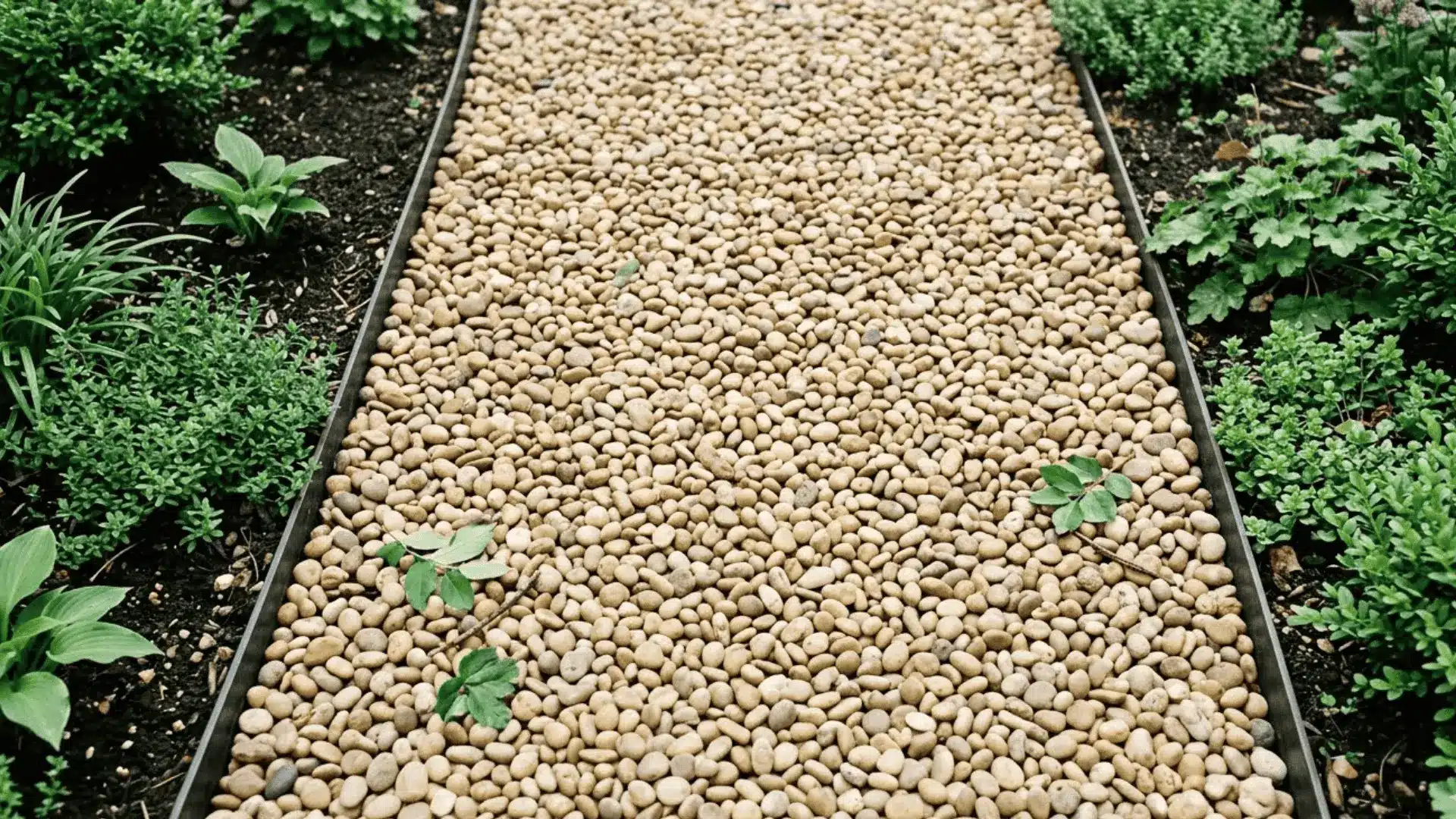
Price Range: $25 to $53 per ton
Pea gravel sits in the mid-range and pulls double duty as both a functional and decorative material. It’s commonly used in pathways, playgrounds, and garden beds.
The rounded edges make it comfortable underfoot, though it tends to shift around more than angular gravel, which is worth keeping in mind for high-traffic areas.
3. Quarry Process
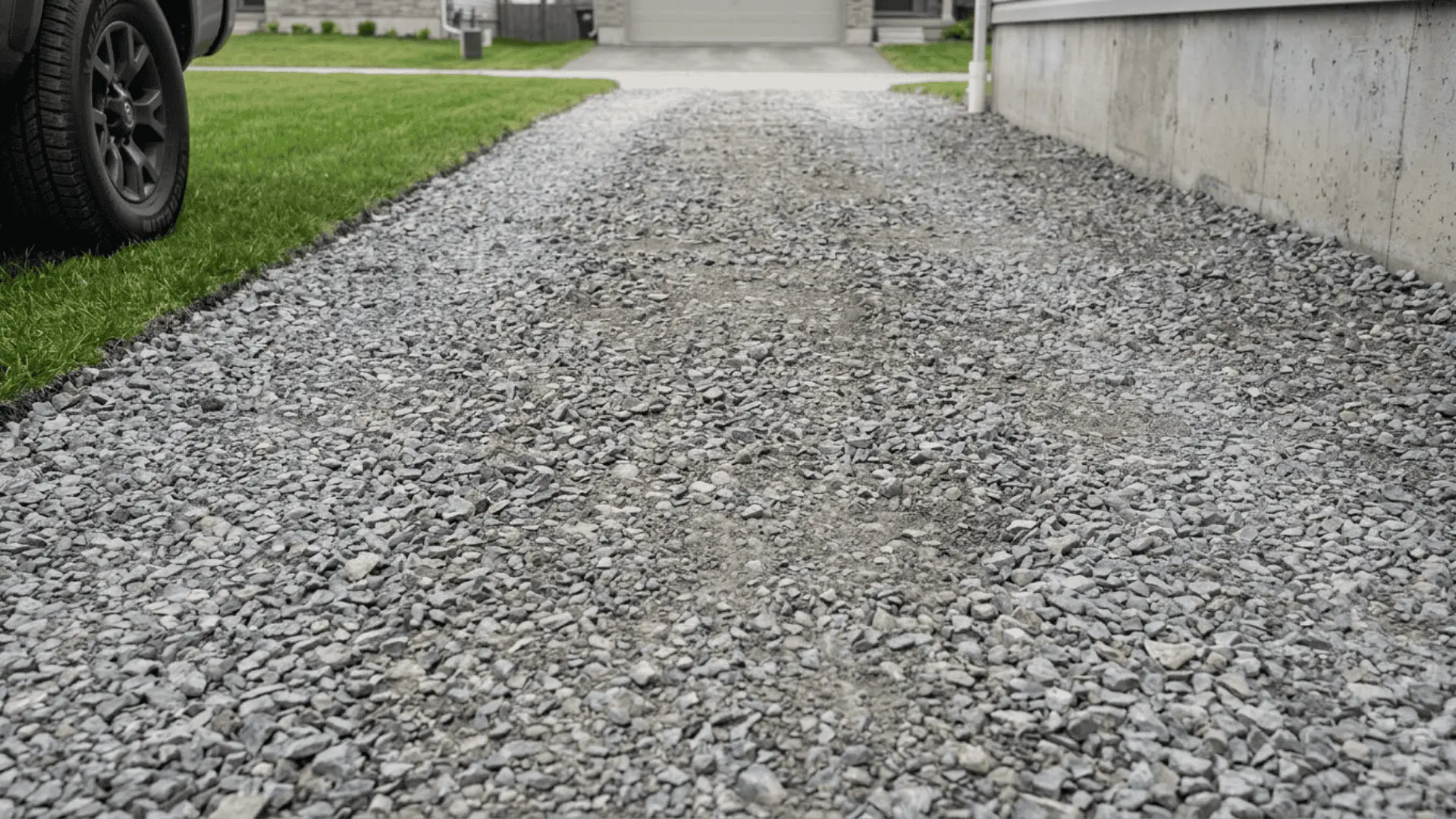
Price Range: $11 to $25 per ton
Crusher run is a mix of crushed stone and stone dust that binds together when compacted, making it a go-to for driveways and base work.
It’s widely available, affordable, and practical for projects that need a stable, firm surface without spending much.
4. River Rock
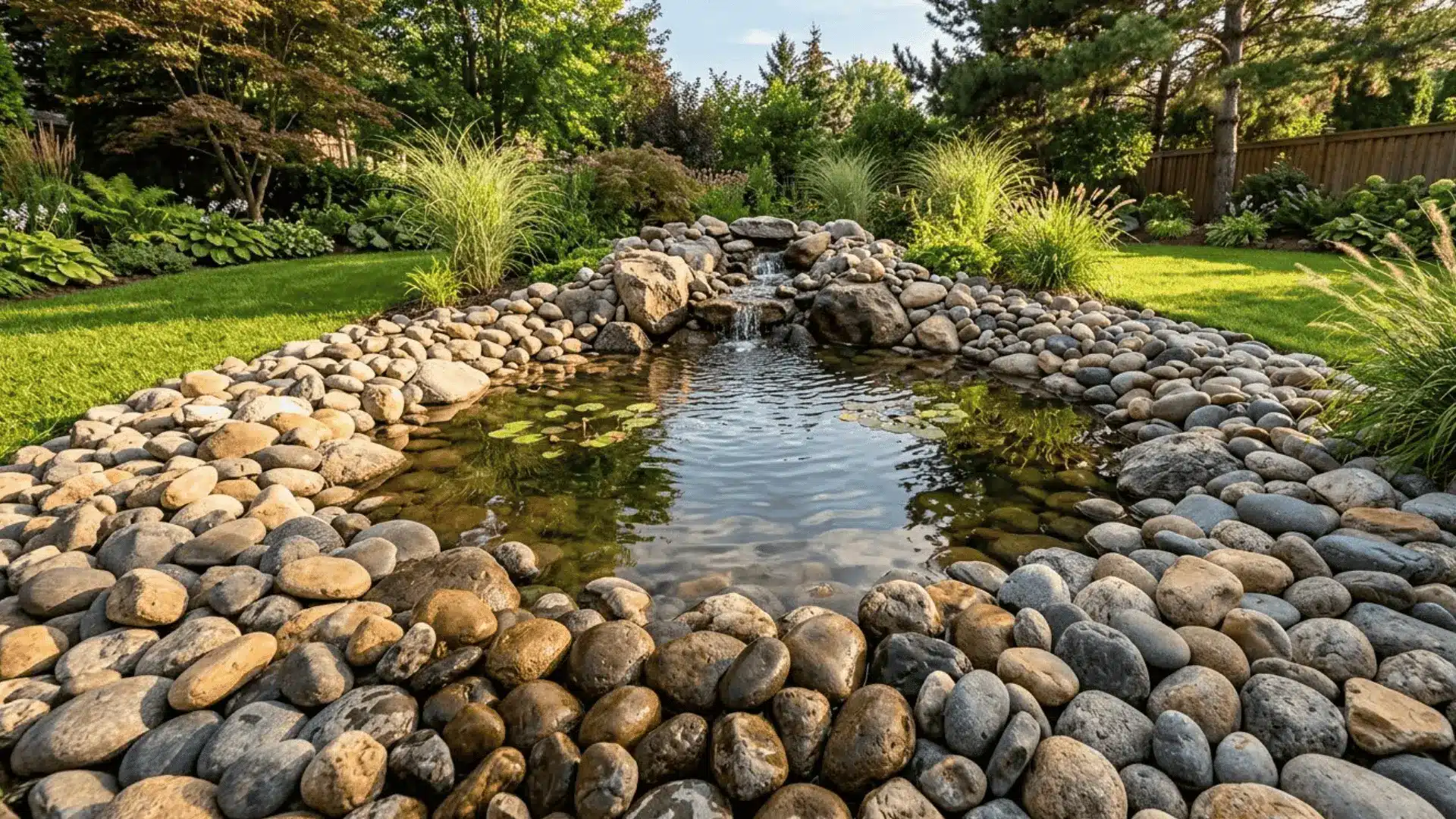
Price Range: $45 to $130 per ton
River rock is the pricier end of the gravel spectrum, but it earns its place in decorative landscaping.
Smooth, naturally rounded, and visually appealing, it works beautifully around water features, garden borders, and pathways where aesthetics matter as much as function.
Factors That Affect Gravel Prices
Gravel prices rarely follow a straight line, and a few key variables usually explain why two quotes for the same material can look so different.
- Your location plays a big role since gravel is heavy to ship, so prices are almost always lower near quarries and production sites.
- Gravel type matters too; decorative options like river rock cost noticeably more than functional ones like crusher run.
- Buying in larger quantities typically unlocks bulk pricing, bringing your per-ton cost down significantly.
- Delivery distance is one of the biggest price movers, with longer hauls and fuel surcharges stacking up fast.
- Some suppliers also adjust pricing seasonally, so timing your purchase during off-peak months can work in your favor.
Getting a few quotes side by side with these factors in mind gives you a much clearer picture of where your money is actually going.
Cost Comparison: Bags vs. Bulk Gravel
For smaller touch-ups, bags feel like the obvious grab, but the per-unit cost tells a different story once your project starts to scale.
| Category | Bagged Gravel | Bulk Gravel |
|---|---|---|
| Typical Price | $3 to $8 per bag | $10 to $75 per ton |
| Coverage | Small, precise areas | Large driveways, yards |
| Convenience | Easy to transport and store | Requires delivery by a truck |
| Best For | Garden beds, quick fixes | Driveways, full landscaping projects |
| Cost Efficiency | 50 lb or 80 lb bags cost more per unit | Much cheaper at scale |
How to Calculate Total Gravel Cost?
Before reaching out to any supplier, a quick back-of-the-napkin calculation can save you from over-ordering or coming up short mid-project.
- Step 1: Measure your area by multiplying the length and width of the space in feet to get your square footage.
- Step 2: Decide on depth since most driveways and pathways need around two to four inches of gravel coverage.
- Step 3: Convert to cubic yards by dividing your total cubic feet by twenty-seven, then multiplying by approximately 1.4 to get tons.
- Step 4: Multiply your tonnage by the price per ton your supplier quotes for a clean, realistic total.
Quick example: A driveway measuring 20 feet by 50 feet at three inches deep works out to roughly 250 cubic feet, around 9.3 cubic yards, and approximately 13 tons. At $30 per ton, that puts your material cost near $390 before delivery.
Once you have that number, getting multiple quotes becomes a lot more straightforward and a lot harder for suppliers to pad.
Gravel Costs for Common Projects
Every project has its own footprint, and gravel costs shift quite a bit depending on the size, depth, and material your specific setup calls for.
| Project | Typical Size | Gravel Type | Estimated Cost |
|---|---|---|---|
| Driveway | 12 x 50 ft | Crusher run, crushed stone | $300 to $1,200 |
| Walkway | 3 x 20 ft | Pea gravel, crushed granite | $50 to $250 |
| Landscaping Beds | Varies | River rock, pea gravel | $100 to $700 |
These are ballpark figures based on average material and delivery costs, so your actual quote will depend on location, gravel type, and how deep you’re laying it.
How to Get the Cheapest Gravel?
A little strategy goes a long way when gravel costs start creeping up, and most of these savings don’t require much more than a few extra phone calls.
- Buy in bulk whenever possible since most suppliers drop the per-ton price significantly once you cross a certain quantity threshold.
- Stick to local suppliers to avoid long-haul delivery fees, which can quietly add more to your bill than the gravel itself.
- Consider recycled materials like crushed concrete, which performs well for driveways and base layers at a fraction of the cost of virgin stone.
- Compare delivery fees separately from material costs since two suppliers quoting similar prices can end up very different once distance charges are factored in.
- Order during off-peak months like late fall or winter when demand slows down and some suppliers are more open to negotiating on price.
None of these tips requires a contractor or a big budget, just a bit of planning before you commit to the first quote that lands in your inbox.
Hidden Costs to Watch Out For
The material price is really just the starting point, and a few extra line items have a way of showing up once the order is confirmed.
- Delivery minimums mean you may be charged for a full load even if your project only calls for a portion of one.
- Installation and labor can add anywhere from a few hundred to several hundred dollars, depending on project size and local rates.
- Base preparation, like grading, excavating, or laying a weed barrier, often needs to happen before a single piece of gravel goes down.
Always ask for a fully itemized quote upfront so none of these catch you off guard when the final invoice arrives.
Final Thoughts
Gravel prices have a lot of moving parts, but once you know what to look for, budgeting for your project gets a whole lot easier.
A driveway refresh or a garden bed makeover, the best approach is always to compare quotes, ask about delivery fees upfront, and buy as much as your project realistically needs in one go.
A little prep work on the front end saves real money on the back end.
Got a project coming up or a pricing tip that worked for you? Drop it in the comments below.