A beautiful yard doesn’t just happen; it gets planned. And more often than not, the planning falls apart the moment budgeting enters the picture.
Landscaping costs have a funny way of surprising people, not because the process is complicated, but because most guides skip the part about your yard’s actual size.
Here, you’ll find realistic cost ranges, a clear breakdown of where your money goes, and some genuinely useful ways to stretch your budget without sacrificing the vision you have in mind.
Landscaping Cost Per Square Foot
Landscaping costs are usually calculated per square foot, and the range is wider than most people expect.
Prices typically fall between $5 and $20 per square foot, depending on the complexity of the project, the materials chosen, and who’s doing the work.
A simple lawn refresh with basic plants and mulch sits on the lower end, while custom hardscaping, grading, or intricate planting designs push costs higher.
Going the DIY route can cut expenses significantly, but professional installation brings expertise, equipment, and labor that often justifies the price, especially for larger or more technical scopes of work.
Cost Breakdown by Project Type
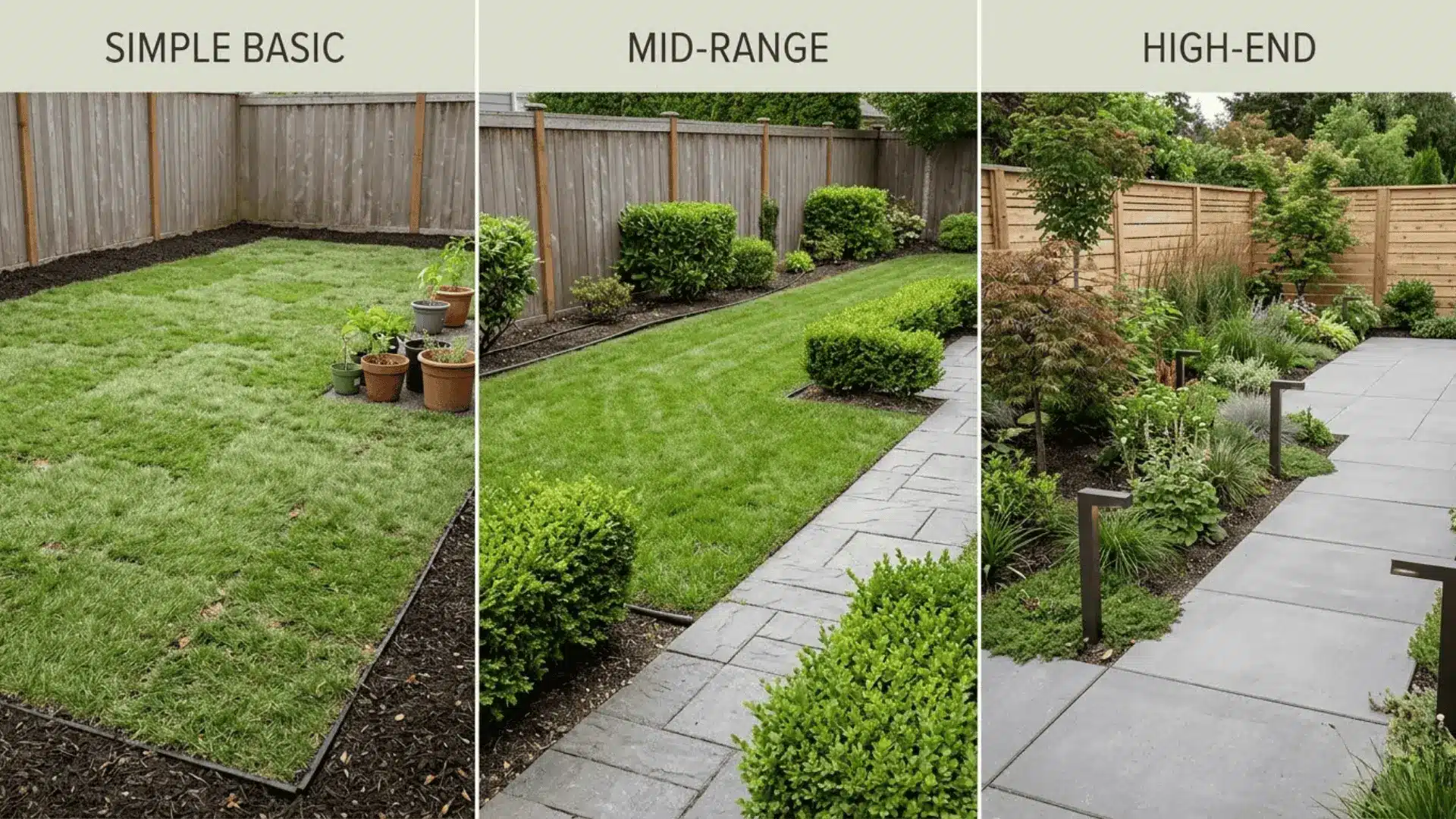
Landscaping projects don’t come in one size, and neither do their price tags.
Knowing what each level actually includes, from a simple lawn refresh to a fully custom outdoor space, helps you spend with intention.
| Project Type | What’s Included | Cost Range (per sq ft) |
|---|---|---|
| Basic | Grass, mulch, simple plants | $5 – $8 |
| Mid-Range | Shrubs, pathways, and irrigation | $9 – $14 |
| High-End | Hardscaping, lighting, and custom design | $15 – $20+ |
Landscaping Costs for Small Yards (Up to 1,000 sq ft)
Small yards have a charm of their own, and with the right plan, even a modest budget can turn them into something worth showing off.
Costs at this scale generally stay within a comfortable range, making it one of the more approachable landscaping projects to take on.
What Most Homeowners Do With This Space
- Fresh lawn installation with clean, defined edges
- Simple stepping stone or gravel pathways
- Foundation plantings along fences or walls
- Mulched beds with low-maintenance shrubs
Landscaping Costs for Medium Yards (1,000–5,000 sq ft)
A medium yard opens up room for the kind of landscaping that actually changes how you use your outdoor space.
Budgets here scale up accordingly, but so does the opportunity to add features that genuinely improve day-to-day living.
What Most Homeowners Do With This Space
- Irrigation systems to keep plantings healthy without the guesswork
- Multiple planting zones for visual depth and variety
- Defined lawn areas with bordering shrubs or ornamental grasses
- Pathway networks connecting different areas of the yard
Landscaping Costs for Large Yards (Up to 1 Acre)
Large yards are where landscaping starts to feel like a real investment, and for good reason. The scope expands significantly, and so do the decisions.
Grading, hardscaping, and mature tree placement are all factors that shape both the timeline and the total spend.
What Most Homeowners Do With This Space
- Grading and leveling to create usable, even terrain
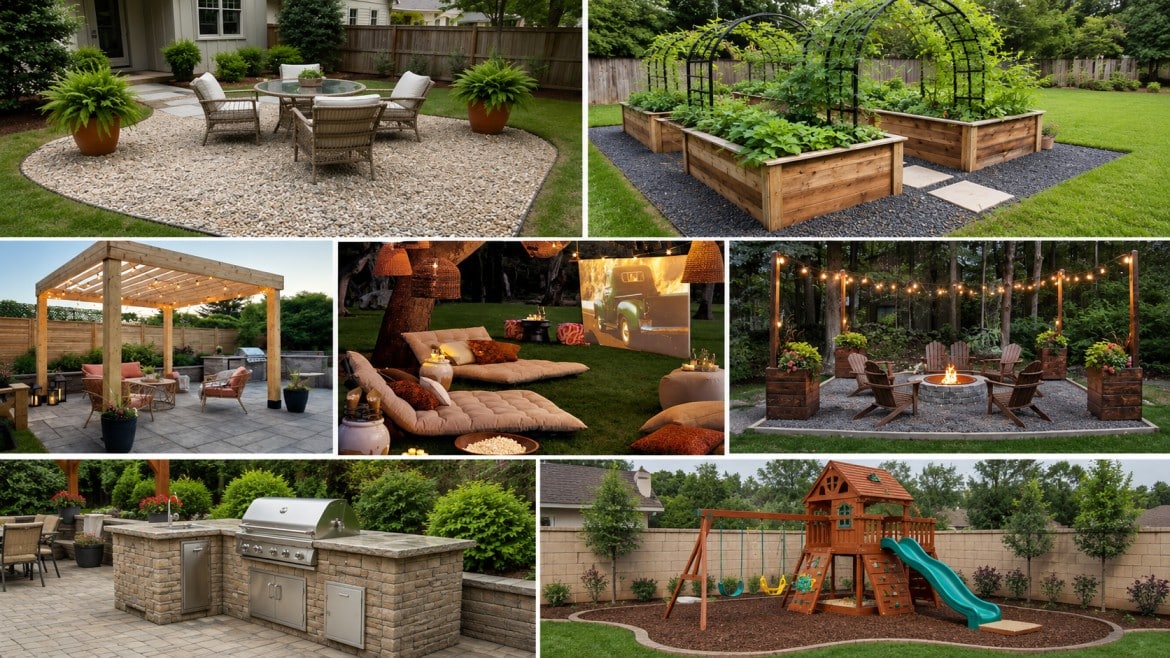
- Hardscaping features like patios, retaining walls, or fire pit areas
- Mature tree planting for shade, structure, and long-term value
- Zoned lighting to extend the yard’s usability into the evening
Key Factors That Affect Landscaping Costs
Pricing in landscaping rarely follows a straight line. A handful of variables quietly shape the final number, and understanding them upfront saves a lot of mid-project surprises.
- Yard size and layout determine the scale of materials, labor, and time needed across the board.
- Material choices swing costs dramatically; natural stone and mature plants cost considerably more than gravel and seedlings.
- Labor rates vary by region and contractor experience, sometimes accounting for half the total project cost.
- Climate and location influence plant selection, soil prep needs, and how much site work is required before anything gets planted.
- Site preparation, like grading, debris removal, or soil amendment, adds to the budget before the visible work even begins.
Getting clear on these factors early means your budget reflects reality, not just the pretty mood board you’ve been saving.
Cost Comparison: DIY vs. Hiring Professionals
Both paths get you to a finished yard; the real question is what you’re trading off to get there.
| Factor | DIY Landscaping | Professional Landscaping |
|---|---|---|
| Cost | Lower upfront spend | Higher investment |
| Time | Significant personal time | Faster turnaround |
| Effort | Hands-on, labor-intensive | Managed by the contractor |
| Quality | Depends on skill level | Consistent, experienced finish |
| Best For | Small, simple projects | Medium to large or complex yards |
How to Estimate Your Landscaping Budget?
Estimating a landscaping budget gets a lot less overwhelming once you break it down into a few honest steps.
- Step 1: Measure your yard to get the exact square footage you’re working with.
- Step 2: Define your goals by deciding what the space needs to do, whether that’s curb appeal, function, or both; thinking in threes when placing plants and features naturally guides better spatial decisions.
- Step 3: Set a budget range based on your yard size and the cost benchmarks covered in this guide.
- Step 4: Prioritize key features so the elements that matter most get funded first, before optional additions creep in.
A little structure at the start keeps the project grounded and your spending exactly where you intended it to be.
Ways to Save Money on Landscaping
A well-landscaped yard doesn’t have to drain your savings. A few smart decisions made early can stretch your budget further than you’d expect.
- Phase your project by starting with high-impact areas and expanding over time as budget allows.
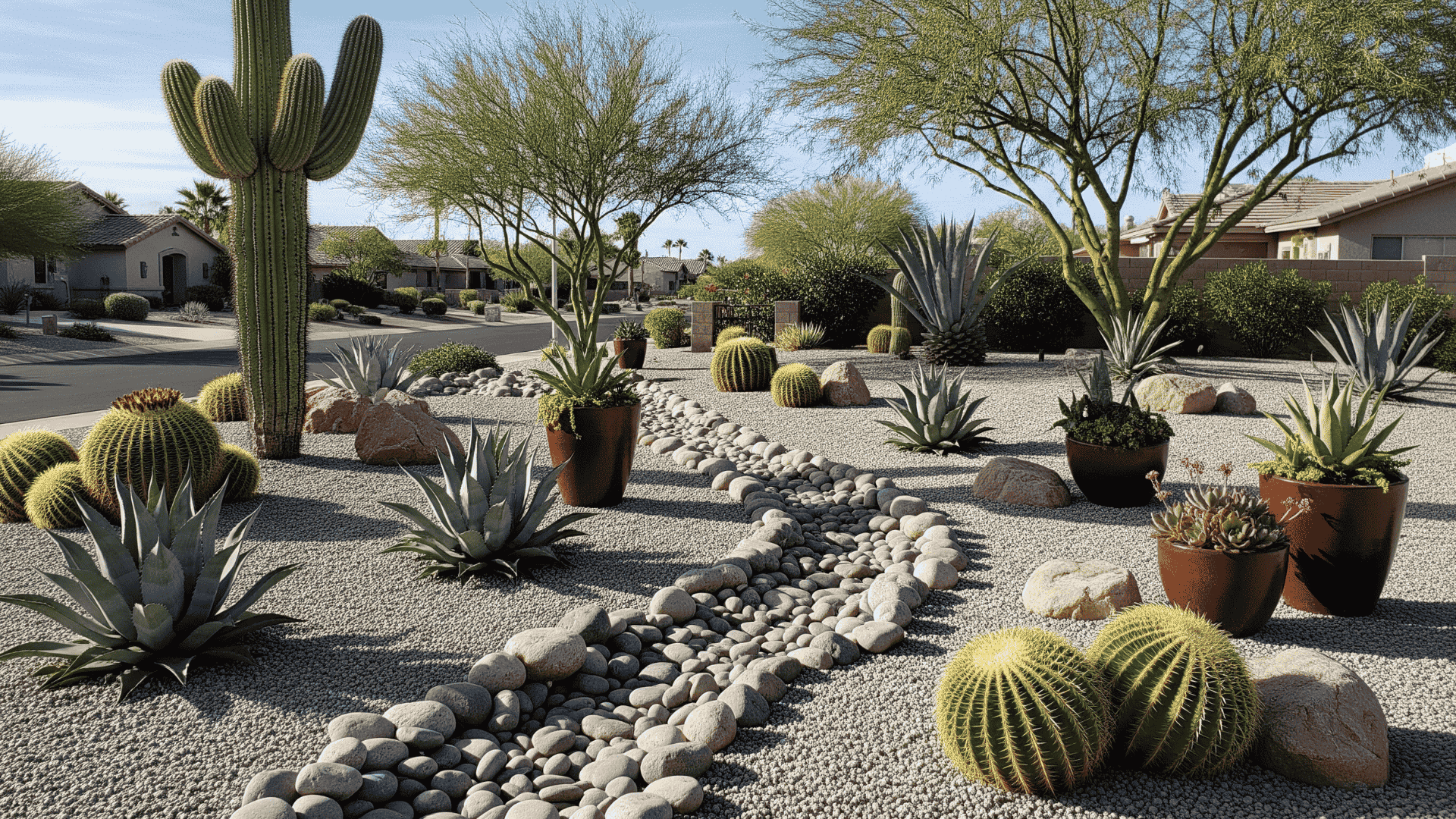
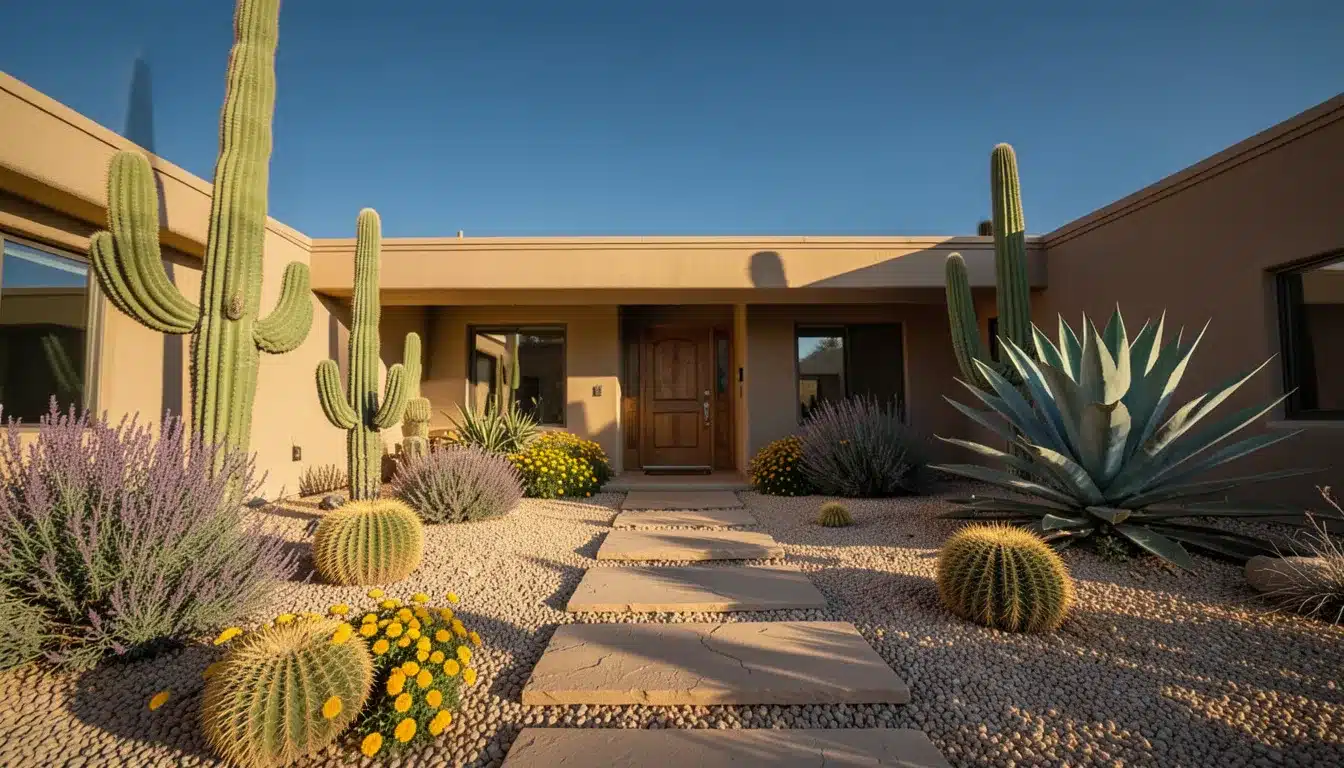
- Choose native plants since they’re better adapted to local conditions and need far less maintenance and watering; gravel and drought-tolerant plants are especially worth considering in drier climates.
- Opt for cost-effective materials like gravel, mulch, or concrete pavers over premium stone or custom hardscaping.
- Handle the simpler tasks yourself, such as planting, mulching, or cleanup, and save professional labor for the technical work.
Spending wisely on landscaping is really just about knowing where quality counts and where a little effort on your end goes just as far.
Hidden Landscaping Costs to Watch For
The quoted price is rarely the final price. These are the costs that tend to catch homeowners off guard once the project is already underway.
| Hidden Cost | Why It Happens | Typical Impact |
|---|---|---|
| Delivery Fees | Materials need to be transported to the site | Adds to material costs |
| Permits | Structural work often requires approvals | Fixed fee, varies by location |
| Maintenance Costs | Ongoing upkeep after installation | Recurring annual expense |
| Site Issues | Poor soil, drainage, or buried debris | Can delay and inflate the budget |
That’s a Wrap
A thoughtful landscaping budget guide is really just a head start on a yard you’ll actually love.
Now that you know what drives costs, how size shapes spending, and where you can save without cutting corners, the planning part gets a whole lot easier.
Take it one step at a time, stay flexible, and let your space evolve at its own pace.
Got questions about budgeting for your specific yard size? Drop them in the comments, happy to help you figure it out.