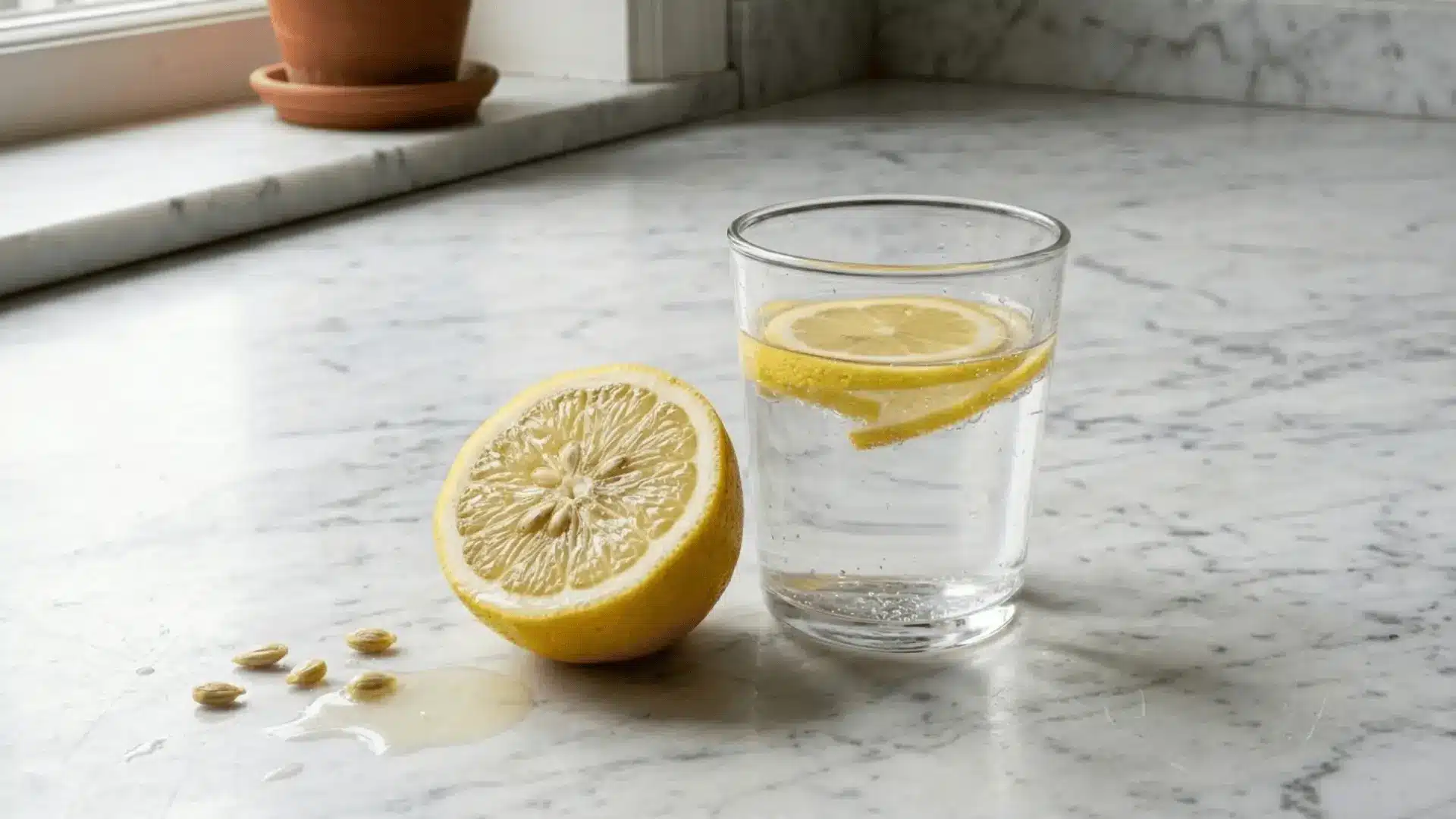
Lemon water has quietly become everyone’s favorite morning ritual, and honestly, it’s easy to see why. It feels clean, intentional, and just healthy.
But somewhere between the aesthetic glass jars and the wellness influencers swearing by it, an important conversation got lost.
Not everything that feels good for you is entirely risk-free.
So before you reach for that next morning squeeze, let’s talk about the real risks, who should probably reconsider the habit, and how to enjoy it in a way that actually works with your body.
Is Lemon Water Safe for Everyone?
For most people, lemon water is completely fine in moderation. But “most people” doesn’t mean everyone, and that distinction matters more than it gets credit for.
The real conversation starts with acidity and individual sensitivity.
What feels refreshing to one person can quietly aggravate another, depending on their health history, how often they’re drinking it, and how much lemon is actually going into that glass.
Context changes everything here, and so does the variety of lemon you’re using, since different lemon types carry varying acidity levels.
Your body, your conditions, and your daily habits all play a role in whether lemon water is working for you or slowly working against you.
Top Lemon Water Risks You Should Know
Lemon water is gentle until it isn’t. Knowing where it can push back helps you stay ahead of the discomfort before it becomes a pattern.
1. Tooth Enamel Erosion
Citric acid is surprisingly harsh on enamel, and daily exposure adds up faster than most people expect. Over time, this weakens the outer layer of your teeth, leading to increased sensitivity and visible discoloration.
The risk climbs even higher when you’re sipping slowly throughout the day rather than drinking it all at once, because prolonged acid contact is what really does the damage.
2. Acid Reflux and Heartburn
If you already deal with GERD or occasional heartburn, lemon water can quietly make things worse. The acidity encourages the lower esophageal sphincter to relax, which is exactly what allows stomach acid to creep back up.
That familiar burning sensation in your chest or the uncomfortable feeling of regurgitation after drinking it are signs your body is signaling something worth paying attention to.
3. Stomach Irritation
For people with ulcers or gastritis, lemon water is one of those things that seems harmless but can genuinely aggravate the lining of your stomach.
Sensitive digestive systems react to acidic foods and drinks more intensely, often showing up as nausea, a gnawing discomfort, or that unsettled feeling that lingers well after your last sip.
4. Frequent Urination and Dehydration Risk
Lemon water has a mild diuretic effect, meaning it flushes out fluids more frequently than plain water. In excess, it can quietly tip your electrolyte balance, leaving you more depleted than hydrated.
This is especially worth watching for people managing diabetes and blood sugar, since hydration and electrolyte shifts affect glucose regulation more directly than most people realize.
5. Migraine Triggers
This one doesn’t apply to everyone, but for those with citrus sensitivity, lemon can act as a dietary migraine trigger. The connection isn’t fully understood, but certain compounds in citrus fruits trigger headaches in susceptible people.
If you notice a pattern between your lemon water habit and recurring migraines, it’s worth exploring before brushing it off.
6. Skin Sensitivity
This risk has nothing to do with drinking lemon water and everything to do with how people use lemon juice directly on their skin.
Lemon juice combined with sun exposure can cause phytophotodermatitis, a reaction that leads to burns, blistering, or dark patches on the skin. It’s a common DIY skincare mistake worth knowing.
Who Should Avoid Lemon Water?
Lemon water works beautifully for many people, but certain conditions make it more of an irritant than a wellness habit. If any of these sound familiar, it might be time to reconsider that morning squeeze.
- People with Acid Reflux or GERD: Lemon’s acidity can significantly worsen heartburn and reflux symptoms over time.
- Those with Sensitive Teeth or Existing Dental Concerns: Already-weakened enamel becomes even more vulnerable with regular acid exposure.
- Individuals Dealing with Stomach Ulcers or Gastritis: Acidic drinks can directly irritate an already inflamed or compromised stomach lining.
- People with Citrus Allergies: Even mild citrus sensitivity can trigger reactions that range from uncomfortable to serious.
- Those on Certain Medications: Citrus compounds can interfere with how the body absorbs and processes some antibiotics and blood pressure medications.
Listening to your body is always the most honest wellness practice. If lemon water consistently leaves you feeling off rather than refreshed, that feeling is worth taking seriously.
When is the Worst Time to Drink Lemon Water?
Timing matters more than most people realize. Even a generally safe habit can backfire depending on when it fits into your day.
| Timing | Risk | Who it Affects Most |
|---|---|---|
| On an empty stomach | Acidity, nausea, stomach irritation | Those with digestive sensitivity |
| Right before bed | Acid reflux, disrupted sleep | GERD sufferers |
| Right after brushing teeth | Accelerated enamel erosion | Everyone |
When is the Best Time to Drink Lemon Water?
Small timing shifts can make a noticeable difference in how your body actually receives it. Here’s when lemon water tends to work best.
| Timing | Benefit | Best For |
|---|---|---|
| With meals | Supports digestion, softens acid impact | Most people |
| Mid-morning or afternoon | Gentler on an empty stomach | Sensitive stomachs |
| After workouts | Aids rehydration | Active individuals |
How Much Lemon Water is Too Much?
Moderation is where lemon water actually earns its good reputation. Capping it at one to two glasses a day keeps most risks comfortably at bay for the average person.
Go beyond that regularly, and your body will usually let you know.
Watch out for:
- Tooth sensitivity that wasn’t there before
- Frequent heartburn or chest discomfort
- A persistently unsettled or irritated stomach
- Unusual urgency or frequency in urination
If any of these start showing up, your lemon water habit may need a quiet adjustment.
How to Reduce Lemon Water Risks?
Enjoying lemon water safely is less about giving it up and more about being a little more intentional with how you drink it.
- Always dilute it, as concentrated lemon juice is significantly harsher on your teeth and stomach lining.
- Drink through a straw to minimize direct acid contact with your enamel.
- Rinse your mouth with plain water shortly after drinking to help neutralize lingering acidity.
- Wait at least 30 minutes before brushing your teeth to avoid catching enamel in a vulnerable state.
- Avoid slow sipping throughout the day, as prolonged acid exposure is where most of the damage quietly builds up.
Small tweaks, but they genuinely add up. A little mindfulness around how you drink it goes a long way in keeping the habit actually worth having.
Lemon Water vs. Plain Water: Which is Safer?
Both have a place in your routine, but understanding where they differ helps you make a more informed choice rather than just following the trend.
| Factor | Plain Water | Lemon Water |
|---|---|---|
| Tooth enamel | No risk | Gradual erosion with overuse |
| Digestion | Neutral | Can aid or irritate, depending on the person |
| Hydration | Reliable baseline | Effective, with a mild diuretic effect |
| Acidity | pH neutral | Mildly acidic |
| Best for | Every day, unrestricted use | Occasional, mindful consumption |
Common Myths About Lemon Water Risks
Lemon water has collected quite a few feel-good claims along the way, and not all of them hold up. Here’s where the narrative needs a little correcting.
Myth 1: Lemon Water is Completely Harmless
Fact: Anything acidic carries some degree of risk with regular use. For most people, it’s minimal, but dismissing it entirely is where the problems quietly begin.
Myth 2: More Lemon Means More Benefits
Fact: Higher concentrations mean higher acidity, more strain on your body, and no more wellness. The same logic applies to claims around cholesterol levels naturally; quantity never outweighs consistency.
Myth 3: Hot Lemon Water is Safer
Fact: Temperature changes how it feels going down, not how acidic it actually is. The citric acid content stays the same whether your water is warm, cold, or anywhere in between.
Signs Lemon Water May Not Be Right for You
Your body has a pretty consistent way of flagging when something isn’t working. With lemon water, these are the signals worth paying attention to.
- Heartburn or a burning sensation that keeps coming back after drinking it.
- Tooth sensitivity that feels new or has noticeably worsened over time.
- Recurring stomach pain, bloating, or general digestive discomfort after consumption.
- A persistent, unsettled feeling that doesn’t seem tied to anything else in your diet.
None of these are reasons to panic, but they are reasons to pull back, reduce your intake, or swap it out for plain water for a while and see how your body responds.
Alternatives to Lemon Water
If lemon water isn’t sitting well with you, hydration doesn’t have to feel like a compromise. These alternatives are just as refreshing without the acidity.
| Alternative | Best For | Acidity Level |
|---|---|---|
| Plain water | Everyday hydration, zero risk | Neutral |
| Cucumber-infused water | Gentle flavor, sensitive stomachs | Very low |
| Mint water | Digestion support, cooling effect | Neutral |
| Unsweetened herbal teas | Variety, added wellness benefits | Low to neutral |
Final Thoughts
Lemon water risks are real, but they’re also very manageable once you know what to look for.
For most people, it remains a lovely, low-effort habit worth keeping. The goal was never to talk you out of it, just to help you enjoy it a little more wisely.
Pay attention to how your body responds, adjust where needed, and don’t be afraid to keep it simple on the days plain water feels like enough.
Wellness doesn’t always need a squeeze of anything extra.
Have you ever noticed any of these signs from your lemon water habit? Share your experience in the comments below.