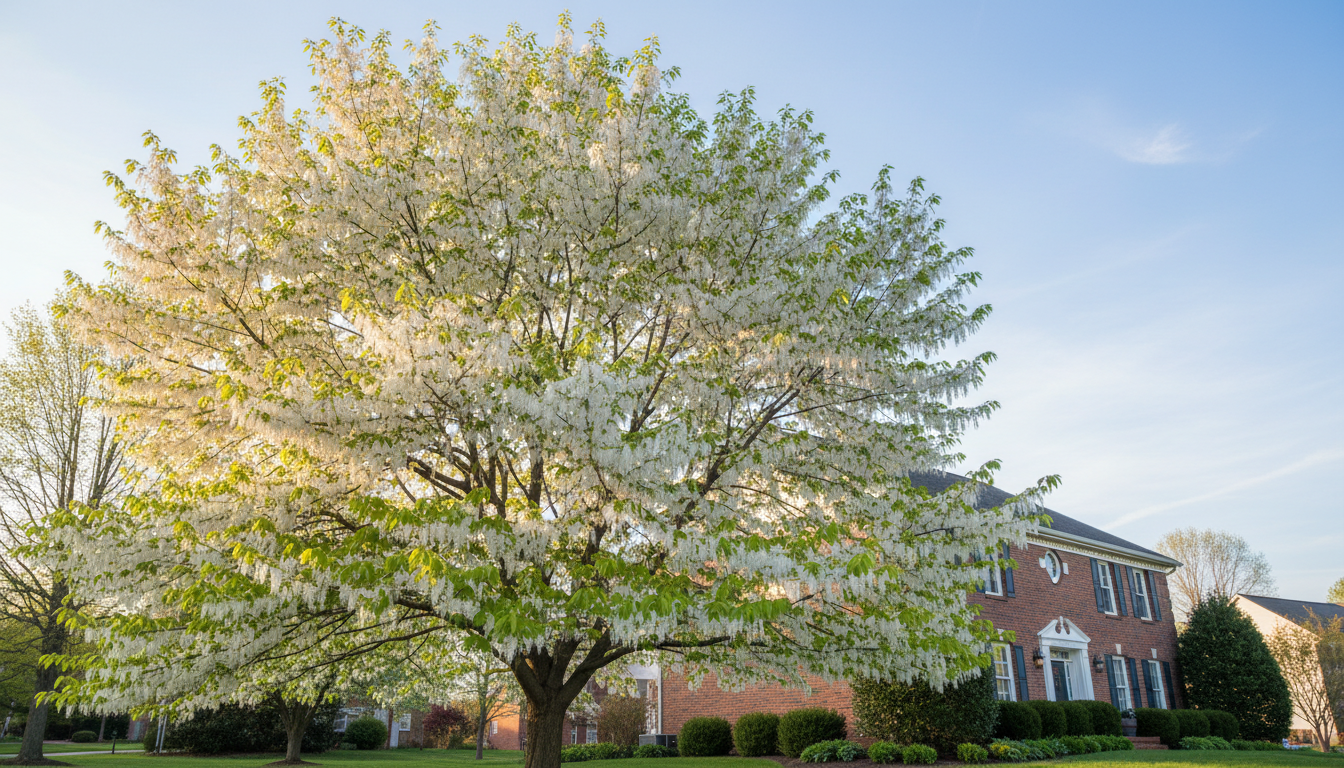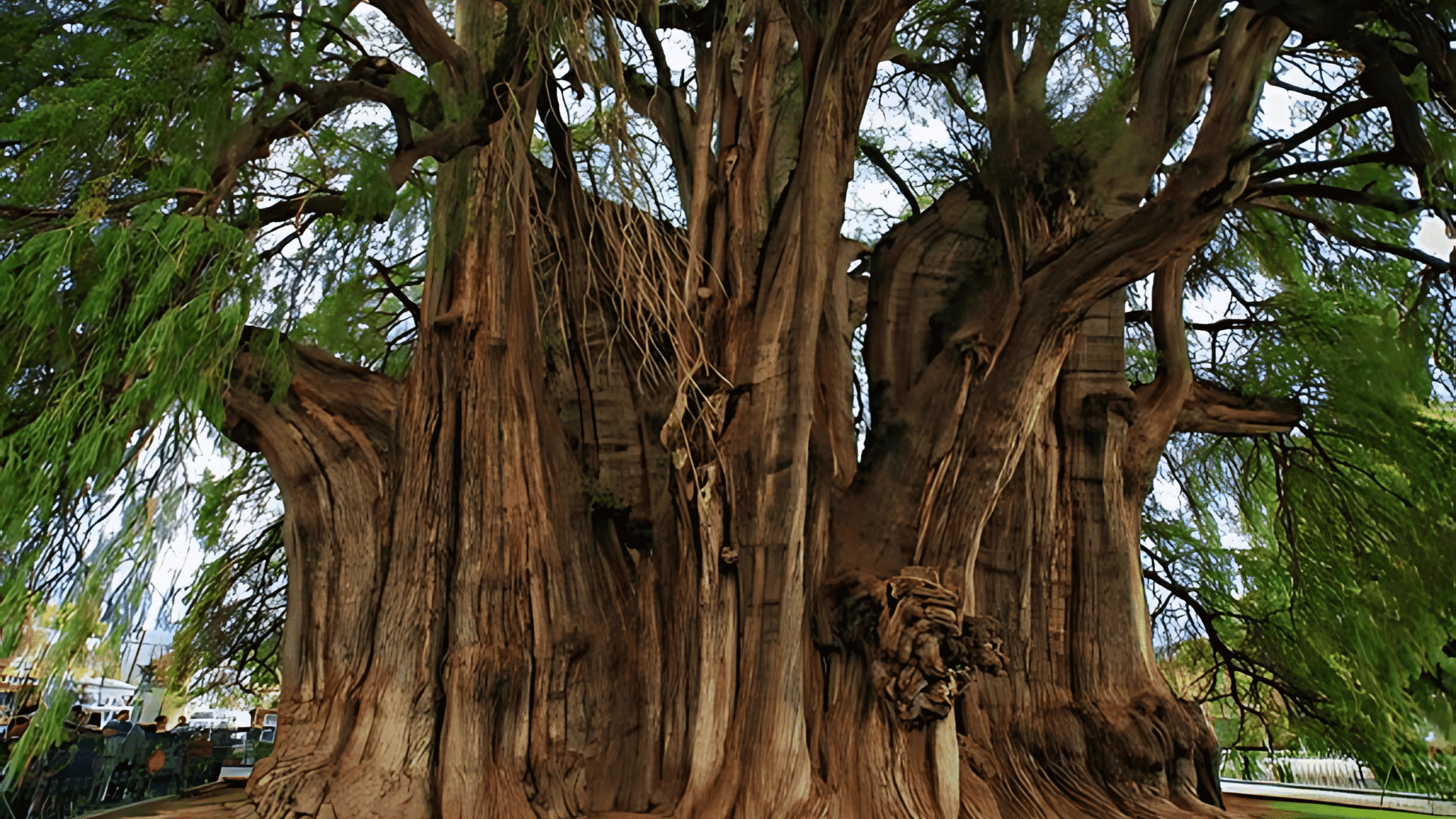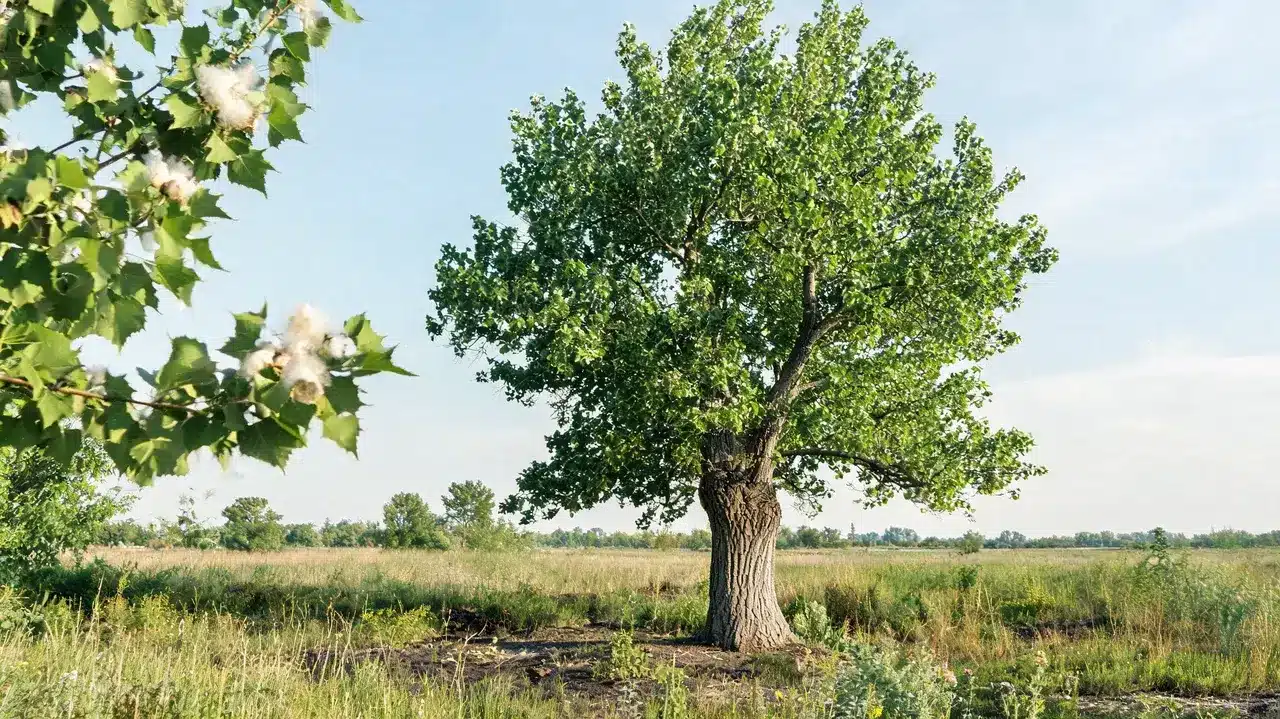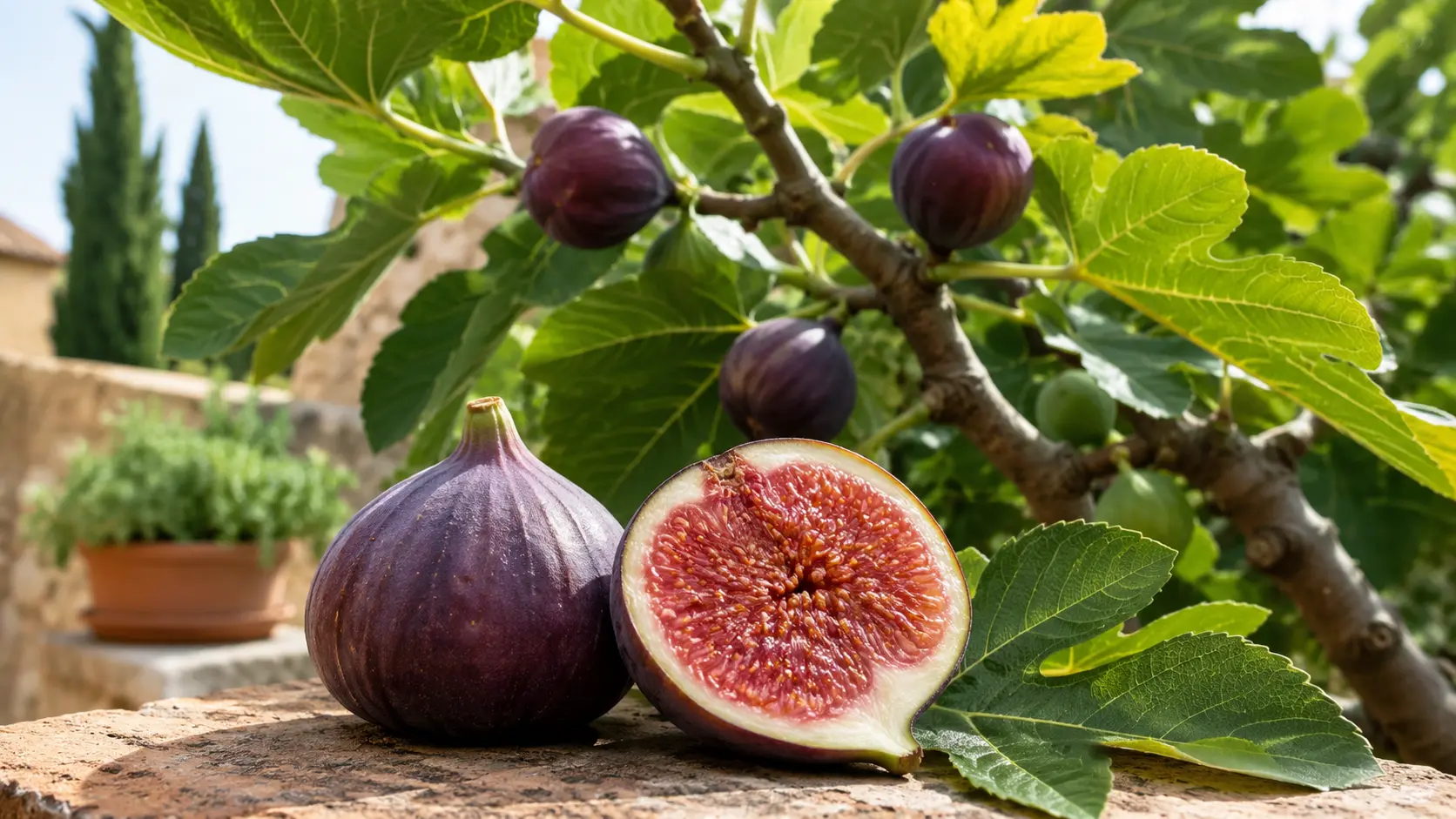
A strong storm doesn’t just test your roof or siding; it tests every tree in your yard. When your trees fail, they fall on fences, crush cars, and rip through power lines. Sometimes they even compromise your home’s structure. But what most homeowners often overlook is that storm damage from trees is predictable in a practical, landscaping sense. The species you plant, where you plant it, and how you care for it all shape how it behaves when the wind picks up. If you’re thinking long-term, choosing storm-resistant trees is one of the smartest decisions you can make for your property. Let’s find out how below.
Know What Makes a Tree Storm-Resistant
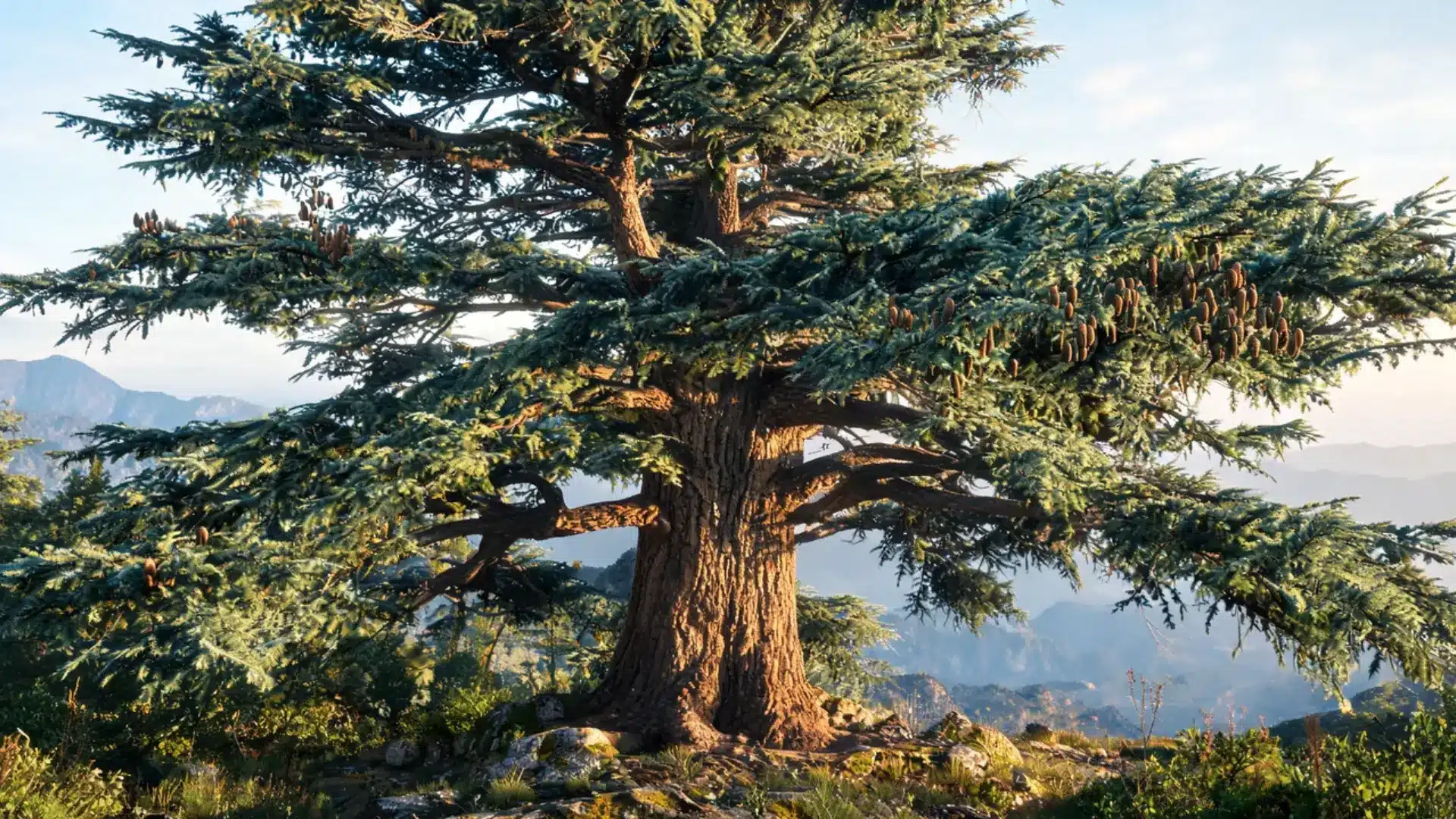
Not all trees are the same, even if they look sturdy at first glance. Some grow fast but develop weak wood. Others grow more slowly but anchor deep into the soil. Storm-resistant trees usually share a few traits, such as strong wood, flexible branches, and deep, well-established root systems.
Trees with a single dominant trunk tend to perform better than those with multiple weak stems competing for control. The V-shaped branch angles are often weaker than wider U-shaped ones.
Choose Native and Regional Adapted Species
Trees that grow in your region have already adapted to the local climate, soil conditions, and even storm patterns. They’ve been trained by nature to survive what their area throws at them. In places with heavy rain and strong winds, native species often outperform exotic ornamentals that weren’t built for that kind of stress. They establish roots faster, resist disease better, and recover faster after damage.
It’s tempting to plant something unique or exotic, but unique doesn’t always mean durable. If you’re unsure where to start, local extension services or regional landscaping experts can point you toward species that have a proven track record.
Think About Root Systems
What’s happening underground matters more than most homeowners realize. A tree can look perfectly healthy up top while its root system is shallow or compromised. That’s a problem when the ground becomes saturated during a storm. Wet soil loosens its grip, and shallow roots lose their hold fast.
On the other hand, deep-rooted trees act like anchors, gripping the soil layers beneath the surface, making them far less likely to topple. Spacing also plays a role. Trees planted too close together often compete for nutrients, leading to weaker root systems overall. Moreover, planting too close to structures is a risk multiplier. Give your trees room to grow both above and below ground.
Avoid High-Risk Tree Species
Fast-growing trees can feel like a shortcut. You get shade quickly, privacy sooner, and that finished yard looks in less time, but speed often comes at a cost. Many fast-growing species develop weaker wood, making them more prone to snapping under pressure. Others have brittle branches that break easily during high winds.
There’s also a hidden issue; rapid growth can lead to structural imbalances. A tree that grows too quickly may not develop the internal strength needed to support its own weight. It’s not that all fast growers are bad. It’s just that many of them require more maintenance and come with higher storm risks.
Proper Placement Can Make or Break Storm Safety
You can choose the perfect tree and still run into problems if you plant it in the wrong spot. Placement is everything. Trees planted too close to your home can become hazards during storms, especially if their mature size isn’t considered upfront.
What looks like a small, manageable sapling today could become a roof-threatening giant in a decade. Wind exposure matters to trees planted in wide-open areas without any windbreak, as they are more vulnerable than those with some natural protection.Poorly drained soil also weakens root systems over time. During heavy rainstorms, this can increase the risk of uprooting.
A yard that handles both wind and water well is far safer than one that doesn’t. It’s also worth noting that severe weather can escalate quickly, turning minor issues into major ones. In some cases, homeowners dealing with extensive damage end up needing services like flood damage restoration after storms overwhelm their property.
Endnote
Storm-resistant landscaping isn’t about eliminating risk completely, but it’s absolutely about reducing it in smart, intentional ways. The right trees, chosen carefully and maintained properly, can stand strong when conditions get rough.