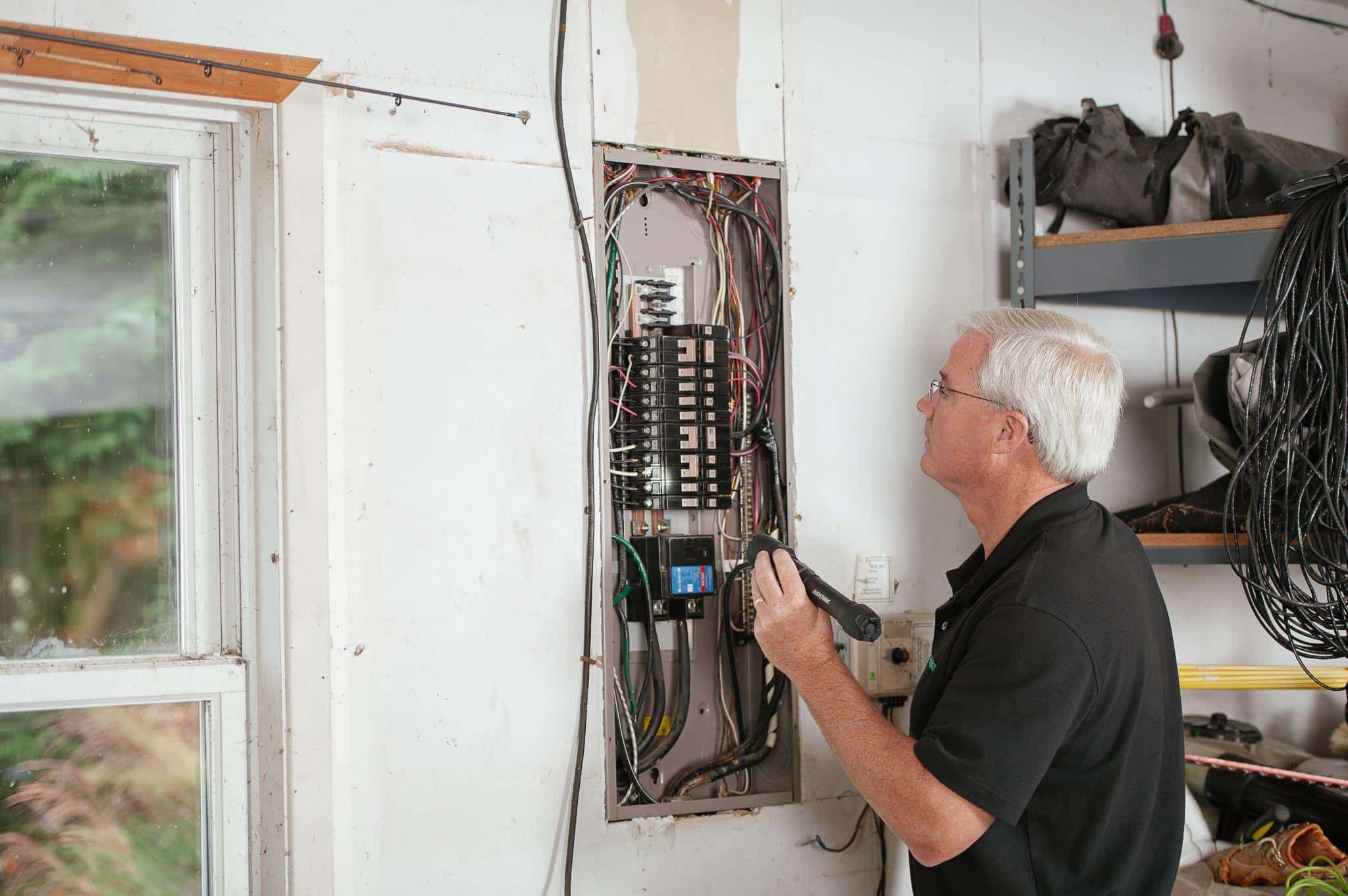
The family home often holds more than market value. It carries repairs, records, memories, tax bills, and many years of effort. That is why estate planning feels practical for homeowners. It helps turn good intentions into clear steps when a house is part of the picture.
A home also brings paperwork that renters never deal with. Deeds, loan statements, insurance records, and repair histories all need a place and a plan. That is where understanding wills and estate law can help, because clear legal planning makes those responsibilities easier to sort through. Without that plan, families can end up handling urgent choices during a hard week. Even a well kept property can become stressful when no one knows who handles what.
A Clear Plan Protects the Home Itself
A house is often the largest asset in an estate, so estate planning serves a very practical purpose for homeowners. A valid will can name who receives the property and who handles the estate. It can also reduce confusion when more than one family member expects a say. That clarity becomes even more useful when the home still has a mortgage, repair needs, or shared ownership. Family members need direction before deadlines, bills, or maintenance problems pile up.
The American Bar Association explains that estate planning helps people organize property transfers and prepare for decisions tied to their assets. That broad point matters for homeowners because a home rarely transfers without paperwork, timing, and clear authority.
Homeowners also collect records that support future decisions. Yard maps, drainage work, sprinkler notes, and planting distances can save time later, especially when changes affect structures or boundaries.
That kind of file can include notes on how far to plant trees from your house, along with receipts for root barriers, drainage work, or foundation checks. Small details like those can help heirs understand what has already been done and what still needs attention.
It Reduces Stress During a Difficult Time
Grief makes ordinary tasks feel heavier, and estate planning helps families avoid guessing while emotions are already running high. When no one knows where the deed sits, who holds the insurance policy, or how bills are paid, stress grows fast.
The house may still need lawn care, utility payments, and storm prep while legal questions remain open. A written plan gives one person authority to act, which helps with routine tasks such as securing the home, paying urgent bills, and speaking with banks or insurers.
For some property owners, transfer tools outside a basic will may also play a role. The University of Wisconsin Division of Extension notes that transfer on death options for real estate may let an owner name who inherits a home and, in some states, avoid probate for that property. That does not mean every homeowner needs the same setup.
State rules differ, and property title, family structure, and debts all affect what makes sense. Still, the benefit stays the same. A plan written in calm times can spare loved ones from rushed choices later.
It Helps Families Manage Real Life Home Issues

Estate planning is not only about who gets the house. It also helps people deal with the everyday issues tied to keeping that house safe and usable. Think about the work many owners handle each year. They track freeze prep, drainage fixes, fence repairs, tree trimming, and seasonal safety checks around the lot. Those jobs do not stop because a family is sorting out an estate. A home can still need immediate action after a storm, a pipe leak, or a broken branch.
That is one reason a property file helps so much. A simple binder or digital folder can hold the items heirs or executors may need first:
- deed and mortgage information
- insurance contacts and policy numbers
- tax records and utility details
- gate codes, service providers, and repair warranties
- notes on irrigation, drainage, and tree work
- alarm codes, smart home logins, and security account details
This type of record keeping fits naturally with the way careful homeowners already think. Many people already make seasonal checklists for outdoor systems, fences, and water flow because small problems can become expensive ones.
It also helps to keep a short first month review for the property, much like a checklist for what new homeowners should check in their yard during the first 30 days. When families inherit a home, they often need that same practical view right away.
It Supports Fairer Family Decisions
Homes carry emotion, and emotion can cloud even simple decisions. Estate planning gives families a written frame before disagreements start. That matters in blended families, second marriages, and sibling groups with different expectations. One person may want to keep the home, while another may prefer a sale.
A plan can address who receives the property, whether it should be sold, and how proceeds should be divided. It can also name an executor with authority to carry those wishes forward.
That written direction protects relationships as much as property. Families still may disagree, but they are not starting from silence. Estate planning can also support a surviving spouse or other heirs who need time to deal with housing questions.
The Consumer Financial Protection Bureau notes that heirs dealing with a reverse mortgage have formal timelines and options after a borrower dies, which shows how quickly housing decisions can become technical. Even when a reverse mortgage is not involved, the lesson is useful. Home ownership often comes with rules, notices, and deadlines that feel harder during a loss.
A Home Deserves More Than Good Intentions
Many homeowners spend years protecting their property from leaks, roots, pests, and weather. Estate planning follows that same logic because it protects the legal side of ownership. It gives families clearer instructions, better records, and fewer rushed decisions when the home changes hands. For homeowners, that is a steady and practical way to care for one of life’s biggest investments.