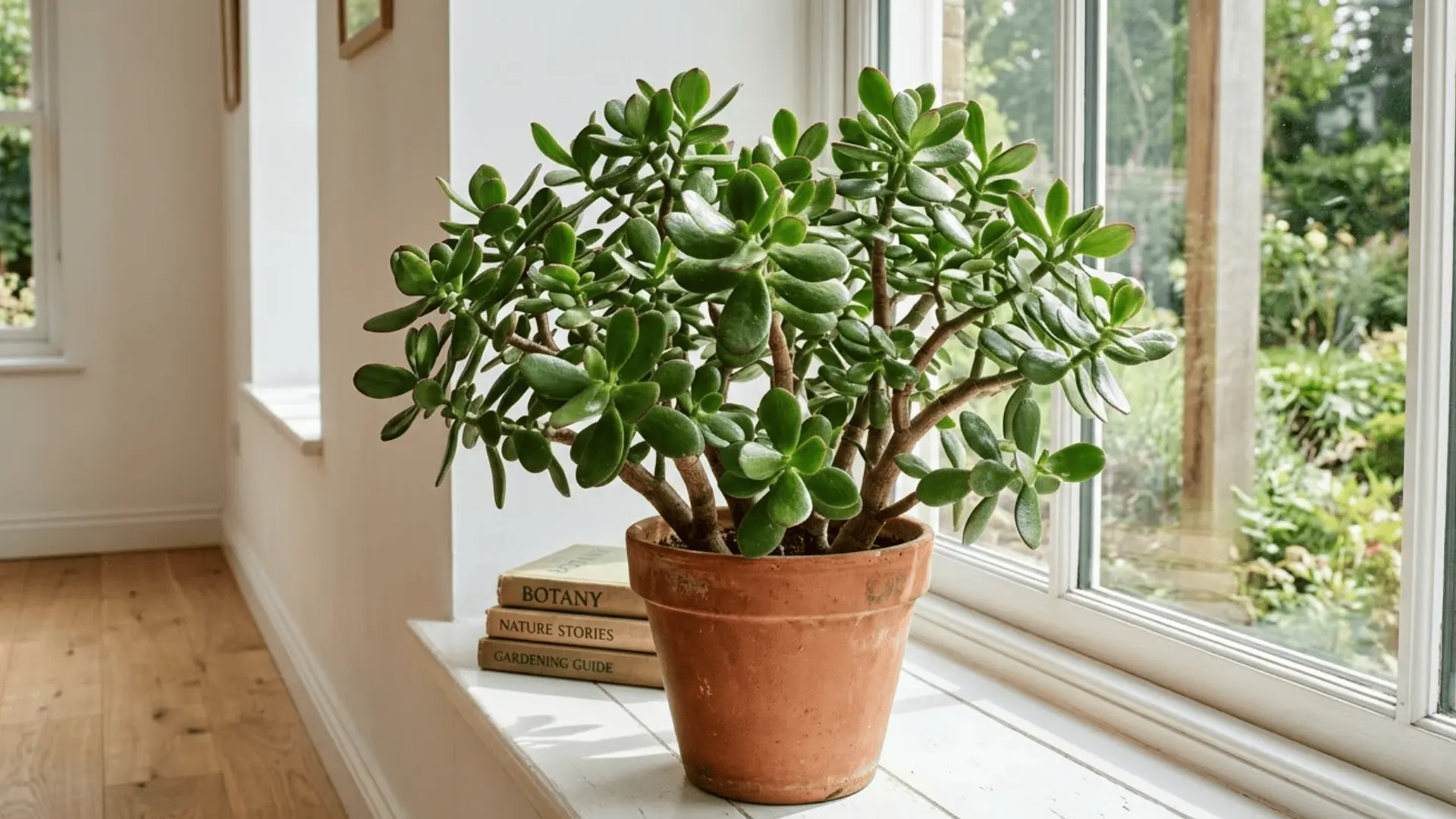
If you’ve ever walked into a home and spotted that one plant sitting confidently by the window, full, glossy, and effortlessly beautiful, chances are it was a jade plant.
Crassula ovata has a quiet charm that makes it a favorite among plant lovers, beginners, and seasoned growers alike.
It is forgiving, slow-growing, and genuinely lovely to live with. And while it does not ask for much, giving it the right care makes all the difference.
Watering, sunlight, soil, pruning, and a few common hiccups worth knowing about, it is all waiting for you ahead.
What is a Jade Plant?
The jade plant is a succulent native to South Africa, recognized for its thick, oval-shaped leaves and sturdy woody stems that give it an almost tree-like presence over time.
What makes it such a beloved houseplant is a combination of things: it is low maintenance, incredibly long-lived, and just genuinely pleasing to look at.
With the right conditions, it slowly grows into a full, shrub-like plant that can become a permanent, character-filled fixture in your home.
It is the kind of plant you keep for years and watch quietly evolve.
Ideal Growing Conditions for Jade Plants
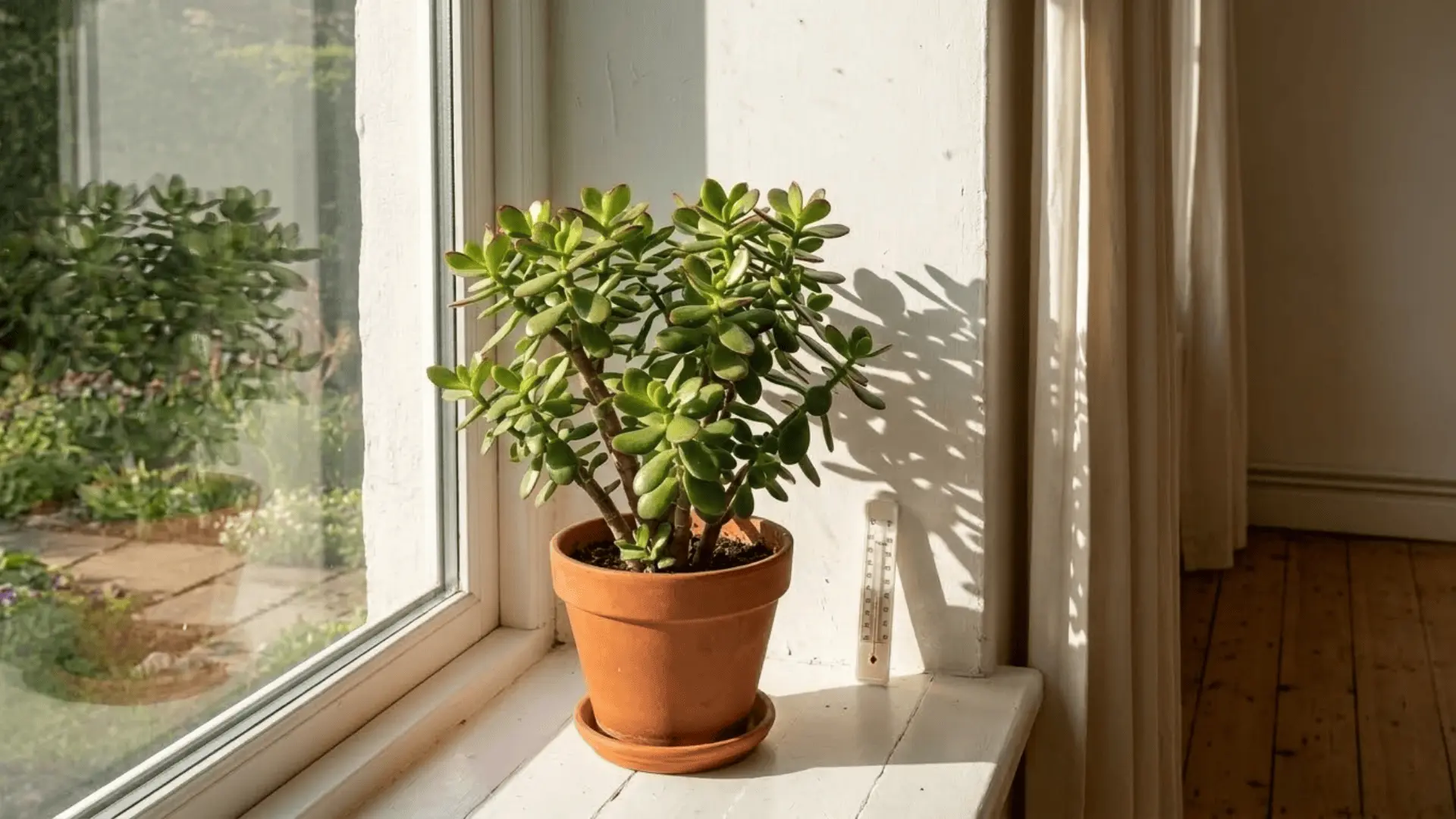
Getting the environment right is honestly half the work with jade plants. Once they are settled into a spot that suits them, they are pretty content to just grow and thrive.
1. Sunlight Requirements
Jade plants love light, and plenty of it. A spot near a bright window where they can soak up four or more hours of sunlight daily is ideal.
They do best in bright, indirect light, though a little direct morning sun is perfectly welcome. South or east-facing windows tend to work beautifully for them indoors.
2. Temperature and Environment
Jade plants are happiest in warm, stable indoor temperatures, ideally somewhere between 65 and 75 degrees Fahrenheit.
They are not fans of cold drafts or sudden temperature shifts, so keeping them away from drafty windows and air conditioning vents during colder months goes a long way in keeping them healthy.
3. Humidity Preferences
One of the more effortless things about jade plants is how well they handle dry indoor air.
Unlike many houseplants that demand regular misting or a humidifier nearby, jade plants are completely comfortable in the low humidity levels typical of most homes, making them especially easy to maintain through dry winters.
Jade Plant Watering Guide
Watering a jade plant is less about sticking to a strict schedule and more about reading what the plant is telling you. Getting this one thing right makes a noticeable difference in how well it grows.
How Often to Water a Jade Plant?
Jade plants like their soil to dry out completely between waterings. In warmer months, that usually means watering once every one to two weeks.
Come winter, they slow down and need even less, sometimes just once a month. Always check the soil before reaching for the watering can; if the top inch still feels damp, it is best to wait.
Recognizing Watering Issues
Learning to spot the early signs of watering problems saves a lot of trouble down the line.
Here is a quick look at what overwatering and underwatering each tend to look like:
| Sign | Overwatering | Underwatering |
|---|---|---|
| Leaves | Soft, mushy, or yellowing | Wrinkled and shriveled |
| Soil | Constantly wet or soggy | Bone dry for extended periods |
| Roots | Prone to root rot | Dry and weakened |
| Overall look | Droopy, despite wet soil | Limp and dehydrated |
Best Soil for Jade Plant Care
Soil might not be the most glamorous part of plant care, but it is one of the most important. Give your jade plant the right foundation, and everything else becomes that much easier.
Well-Draining Soil Mix
Jade plants do not do well sitting in heavy, moisture-retaining soil. A succulent or cactus mix is the go-to choice because it drains quickly and replicates the lean, gritty conditions jade plants naturally prefer.
If you only have regular potting soil on hand, mixing in some perlite or coarse sand helps loosen it up nicely.
Importance of Drainage
Poor drainage is one of the quickest ways to run into trouble with a jade plant.
Here is what good drainage actually does for it:
- Prevents water from pooling around the roots
- Reduces the risk of root rot significantly
- Keeps the soil aerated and healthy between waterings
Choosing the Right Pot
When it comes to pots, drainage holes are non-negotiable. Without them, excess water has nowhere to go and moisture builds up at the bottom, which jade plants simply cannot tolerate.
Terracotta pots are a popular choice as they are breathable and help the soil dry out more evenly over time.
Fertilizing a Jade Plant
Jade plants are not heavy feeders, but a little fertilizing during the right season does go a long way. It is a small step that quietly supports steadier, healthier growth over time.
When to Fertilize?
The growing season, which runs through spring and summer, is the best time to fertilize your jade plant. Once a month during this period is plenty.
Come fall and winter, the plant naturally slows down, and feeding it during this rest period can do more harm than good, so it is best to pause and let it rest.
Type of Fertilizer to Use
A balanced, water-soluble houseplant fertilizer is all a jade plant really needs. Always dilute it to half strength before applying to avoid overwhelming the roots.
Here are a few well-regarded options worth considering:
| Product | Type | Why It Works |
|---|---|---|
| Miracle-Gro Water Soluble All Purpose Plant Food | Water-soluble | Balanced NPK, widely available and easy to use |
| Espoma Organic Cactus! Liquid Plant Food | Liquid organic | Gentle formula, specifically suited for succulents and jade plants |
| Jack’s Classic All Purpose 20-20-20 | Water-soluble | Balanced ratio, trusted by professional growers |
Pruning and Shaping Jade Plants
Pruning is one of those small efforts that pays off in a big way with jade plants. Done at the right time and in the right way, it keeps the plant looking full, balanced, and at its best.
When and Why to Prune?
Pruning a jade plant does two things at once: it tidies up the shape and encourages the plant to grow fuller and bushier rather than leggy and sparse.
The best time to do it is during spring or summer, when the plant is in its active growing season and can bounce back easily. Avoid pruning in winter when the plant is resting.
How to Prune Safely?
A little preparation before you start goes a long way in keeping both the plant and yourself protected.
Here is how to do it cleanly and safely:
- Step 1: Wipe down your pruning shears or scissors with rubbing alcohol to sterilize them before use.
- Step 2: Identify stems that are overgrown, crossing, or breaking the shape you want, and plan your cuts.
- Step 3: Cut just above a leaf node using one clean, confident snip to minimize damage to the stem.
- Step 4: Let the cut ends dry and callous over for a day or two before watering the plant again.
Propagating Jade Plants
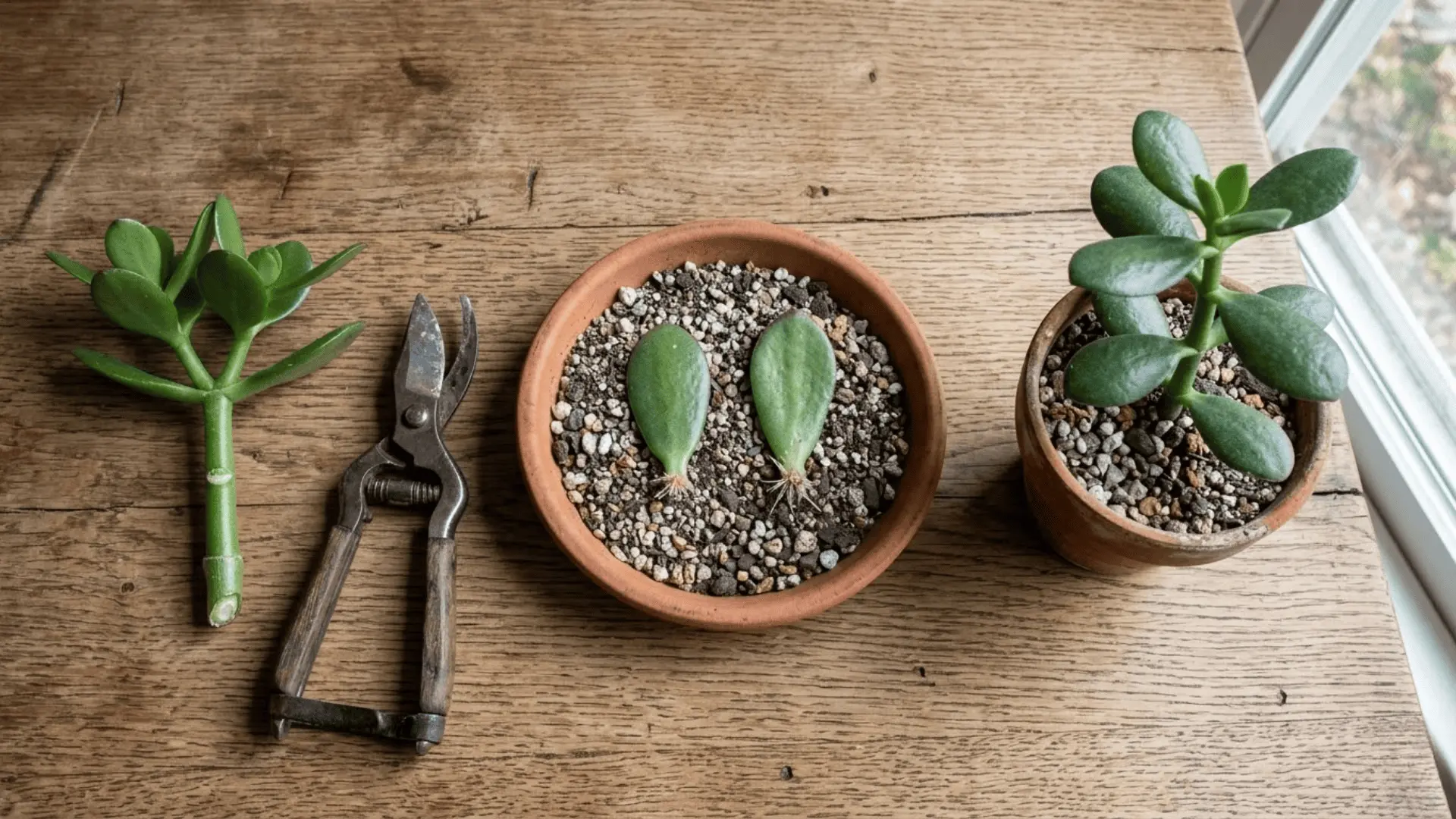
One of the most rewarding things about jade plants is how willingly they propagate. Working with a stem or a single leaf, the process is straightforward and surprisingly satisfying.
1. Propagation From Stem Cuttings
Stem cuttings are the most reliable way to propagate a jade plant and tend to root faster than leaf propagation.
Here is how to go about it:
- Step 1: Choose a healthy stem that is at least a few inches long and snip it cleanly just below a leaf node.
- Step 2: Remove the lower leaves and set the cutting aside in a dry spot to let the cut end callous over for a day or two.
- Step 3: Place the calloused end into a well-draining cactus or succulent mix and position it in bright, indirect light.
- Step 4: Wait a couple of weeks before watering lightly, giving the roots time to establish without sitting in moisture.
2. Propagation From Leaves
Leaf propagation is slower but works well if you want to grow several new plants at once.
Here is the process:
- Step 1: Gently twist a healthy, plump leaf from the stem, making sure the base comes off clean and intact.
- Step 2: Lay the leaf flat on top of a tray filled with dry succulent soil and leave it somewhere bright and warm.
- Step 3: Mist the soil very lightly every few days once you notice tiny roots or a small rosette beginning to form at the base.
- Step 4: Once the new plantlet is large enough to handle, carefully pot it up into its own small container.
3. Rooting Cuttings in Soil
Getting cuttings to root successfully comes down to a few consistent habits.
Here is what to keep in mind:
- Step 1: Always use fresh, dry succulent or cactus soil rather than regular potting mix to prevent moisture buildup around the cutting.
- Step 2: Place the pot in a warm spot with bright, indirect light and avoid moving it around too much during rooting.
- Step 3: Hold off on watering for the first week or two to encourage the roots to reach outward in search of moisture.
- Step 4: Give the cutting a very gentle tug after a few weeks; resistance means roots have formed and it is settling in well.
Common Jade Plant Problems
Even the most low-maintenance plants run into trouble occasionally, and jade plants are no exception. Most issues are easy to spot early and even easier to fix once you know what to look for.
Problem 1: My jade plant has white clumps or fine webbing on its leaves.
Solution: Mealybugs or spider mites are likely the cause. Dab the affected spots with rubbing alcohol or spray with diluted neem oil, repeating every few days until resolved.
Problem 2: My jade plant’s leaves are yellowing and falling off.
Solution: This usually points to overwatering. Cut back on watering and ensure the pot drains well between sessions.
Problem 3: My jade plant looks stretched out and sparse.
Solution: It is likely not getting enough light. Move it closer to a bright window and rotate the pot occasionally for even exposure.
Problem 4: My jade plant looks wilted despite regular watering.
Solution: Root rot may have set in. Unpot the plant, trim any mushy roots, and repot into fresh, dry succulent soil with a lighter watering routine going forward.
Tips for Healthy Jade Plant Growth
Keeping a jade plant happy comes down to a few simple, consistent habits. Small efforts made regularly add up to a plant that looks genuinely thriving all year round.
- Rotate the pot every few weeks so all sides of the plant receive equal light exposure.
- Repot only when needed, typically when roots begin pushing out of the drainage holes or circling the base.
- Always let the soil dry out completely before reaching for the watering can, especially in cooler months.
- Use a well-draining pot with drainage holes to prevent moisture from pooling at the bottom.
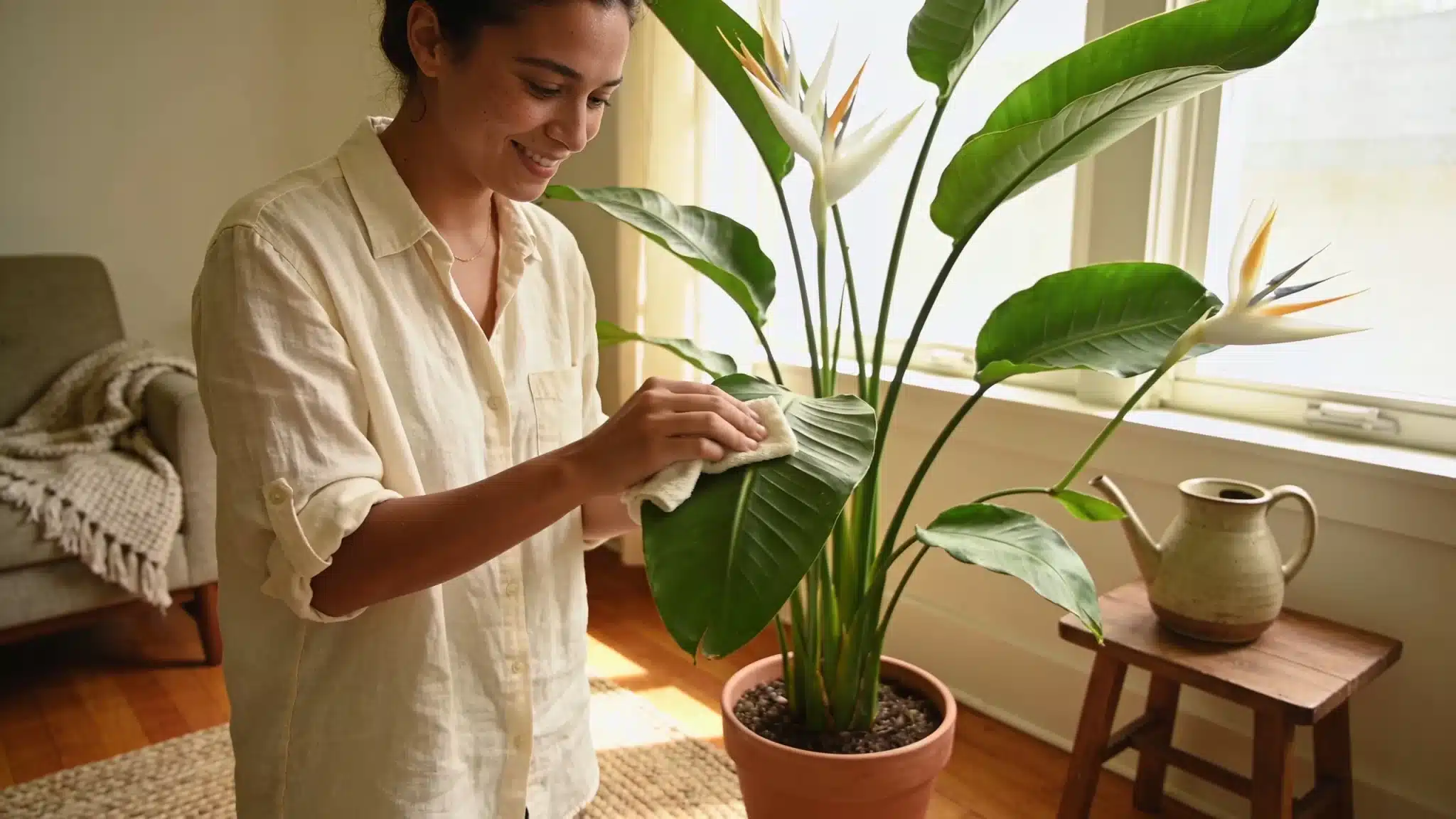
- Wipe the leaves down occasionally with a damp cloth to keep them clean and help the plant absorb light more effectively.
A jade plant that is well-rotated, rarely overwatered, and given room to grow will reward you with that full, sculptural look that makes it such a standout in any space.
That’s a Wrap
Jade plant care is really about learning to trust the plant’s pace. It does not need much, just good light, occasional water, and a little attention now and then.
Tend to it well, and it quietly grows into something you will want to keep for years.
If you found this helpful or have a jade plant story of your own, drop it in the comments below.
Questions, wins, even the occasional overwatering confession, all of it is welcome. This little community of plant lovers is always happy to hear from you.
Frequently Asked Questions (FAQs)
How Often Should You Water a Jade Plant?
Jade plants prefer to dry out completely between waterings. In warmer months this usually means once every one to two weeks, and much less frequently through winter.
Can Jade Plants Grow Indoors?
Jade plants are actually ideal indoor plants, thriving comfortably in typical home conditions. A bright windowsill with good light is really all they need to grow well inside.
How Big Can a Jade Plant Get?
Indoors, jade plants typically reach anywhere between three to six feet tall over many years. Growth is slow and steady, which is part of what makes them such a long-lasting houseplant.