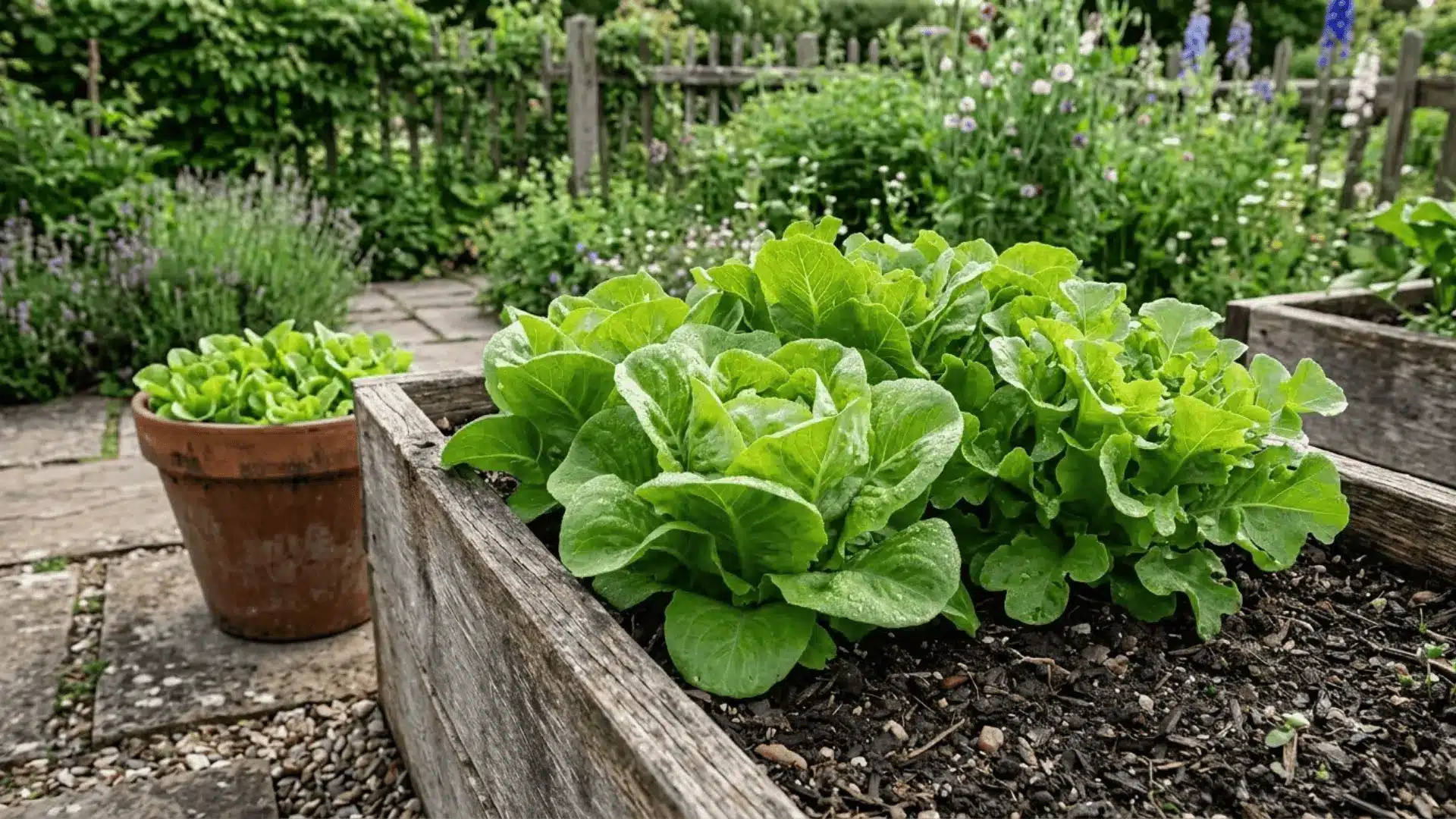
If you’re just stepping into the world of gardening, lettuce is honestly the best place to start. It’s forgiving, fast-growing, and surprisingly beautiful in a kitchen-garden kind of way.
A sprawling backyard, a raised bed, or even a sunny windowsill with a container works perfectly fine because lettuce finds a way to thrive in all of them.
Belonging to the species Lactuca sativa, this humble green has been feeding home gardeners for centuries.
Stick around, because this guide covers everything from choosing the right types of lettuce to planting, caring, and harvesting it just right.
Why Grow Lettuce at Home?
Lettuce is one of those crops that genuinely rewards you without asking for much in return.
It grows fast, needs minimal care, and fits beautifully into small gardens, raised beds, and containers alike, so limited space is never really a dealbreaker.
What makes it even more satisfying is the cut-and-come-again harvest style, where the plant keeps producing fresh leaves long after the first pick.
For anyone wanting a low-maintenance crop that delivers real, flavorful results straight from the garden to the plate, lettuce is absolutely worth growing at home.
Types of Lettuce
Getting familiar with the different types of lettuce makes it so much easier to pick what actually suits your garden space, taste, and growing goals.
Here’s a quick look at the most popular varieties:
| Type | Key Traits | Popular Varieties |
|---|---|---|
| Leaf Lettuce | Loose leaves, fast-growing, easy to harvest | Red Leaf, Green Leaf |
| Romaine Lettuce | Upright heads, crisp and sturdy leaves | Cos, Little Gem |
| Butterhead Lettuce | Soft, tender, loosely packed heads | Boston, Bibb |
| Crisphead Lettuce | Tightly packed heads, satisfying crunch | Iceberg, Great Lakes |
Best Growing Conditions for Lettuce
Lettuce isn’t too demanding, but giving it the right environment from the start makes a noticeable difference in how well it grows.
A few simple conditions are all it really needs to thrive.
Sunlight Requirements
Lettuce grows best with full sun to partial shade, ideally getting around a good few hours of direct light each day. In warmer climates, some afternoon shade actually helps prevent the leaves from wilting or turning bitter too quickly.
A spot with morning sun and light afternoon shade tends to work out really well.
Ideal Soil Conditions
Loose, fertile, and well-draining soil is what lettuce truly loves. Compacted or waterlogged soil makes it harder for the roots to spread and absorb nutrients properly.
Working in some compost before planting goes a long way in improving both soil texture and fertility, setting the crop up for a healthy, productive grow.
Cool Weather Preferences
Lettuce is a cool-season crop at heart, growing most happily when temperatures are mild and comfortable. Extreme heat causes it to bolt, which means the plant rushes to flower and the leaves turn bitter.
Planting during spring or early fall keeps the growing conditions just right for a fresh, tender harvest.
When to Plant Lettuce?
Timing makes a real difference with lettuce since it’s a cool-season crop that doesn’t take well to heat. Planting at the right window keeps the leaves tender, fresh, and far from bitter.
| Season | When to Plant | Why It Works |
|---|---|---|
| Spring Planting | A few weeks before the last frost date | Cool temperatures encourage steady, healthy leaf growth |
| Fall Planting | A few weeks before the first frost date | Mild autumn air brings out the best flavor and texture in leaves |
| Succession Planting | Every couple of weeks throughout the growing season | Keeps a continuous harvest going rather than one large crop at once |
Step-by-Step: How to Grow Lettuce From Seed?
Growing lettuce from seed is more straightforward than most people expect, and watching those first little leaves push through the soil is genuinely rewarding.
Follow these steps, and the process becomes even simpler.
Step 1: Prepare the Soil
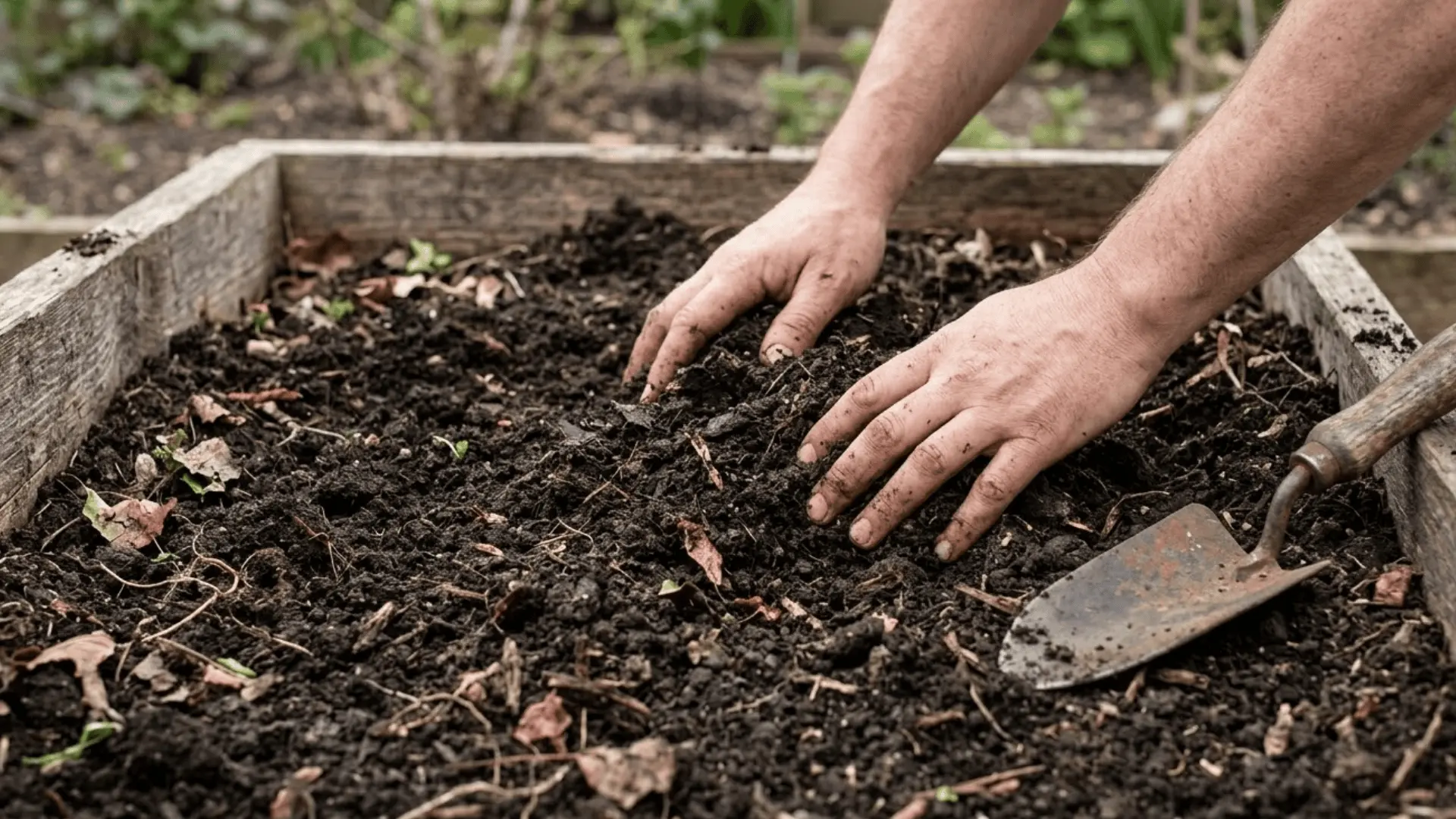
Start by loosening the soil to a good depth and mixing in some compost or organic matter. Well-prepared, fertile soil gives lettuce seeds the best possible start.
Make sure the surface is fine and crumbly rather than clumpy, as seeds need good contact with the soil to germinate properly.
Step 2: Sow Lettuce Seeds
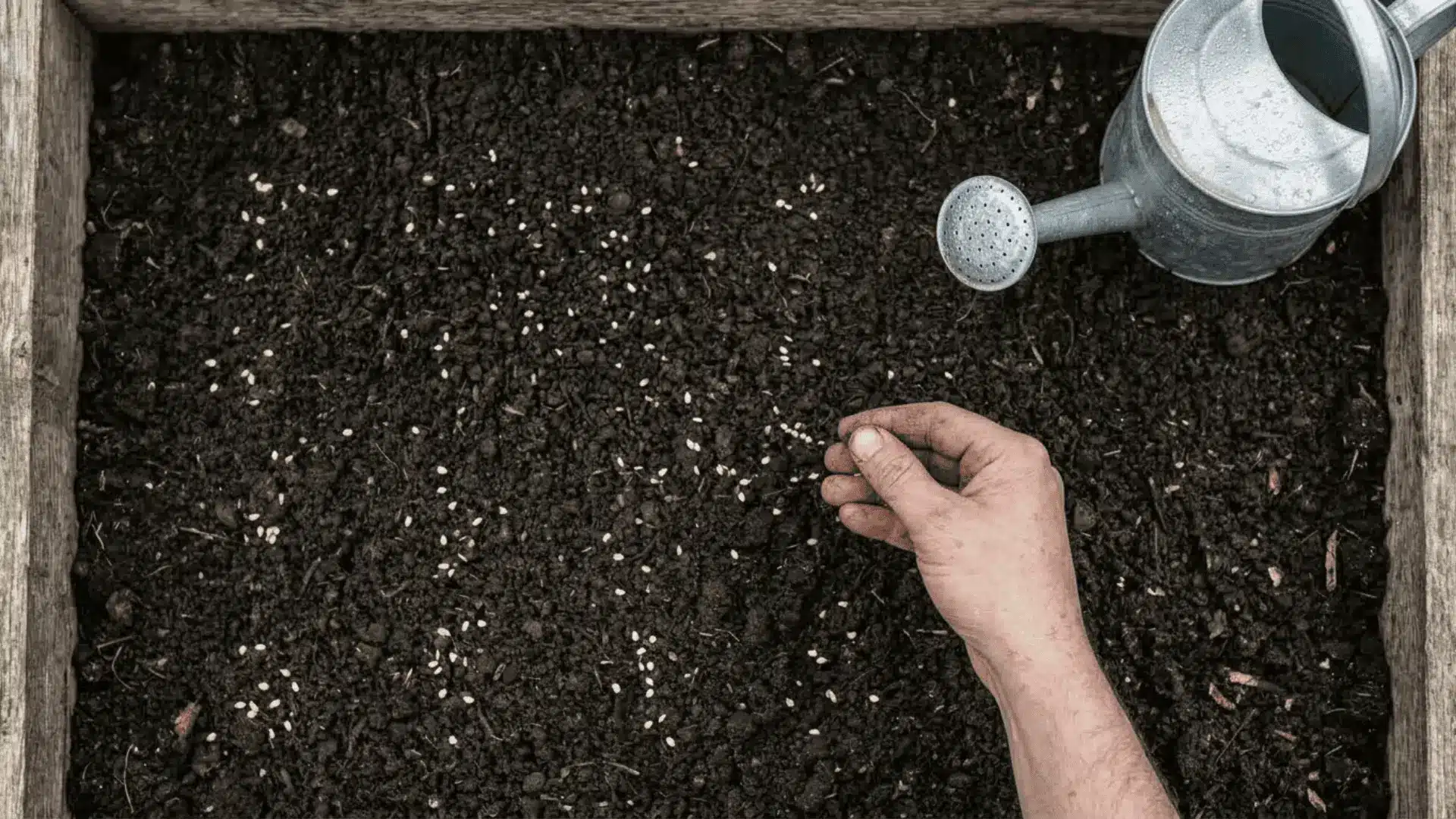
Scatter seeds lightly across the surface or place them in shallow rows. Lettuce seeds need light to germinate, so avoid burying them too deep.
A light press into the soil and a gentle sprinkle of water is really all it takes. Keep the area consistently moist until the first sprouts appear.
Step 3: Space Seedlings Properly
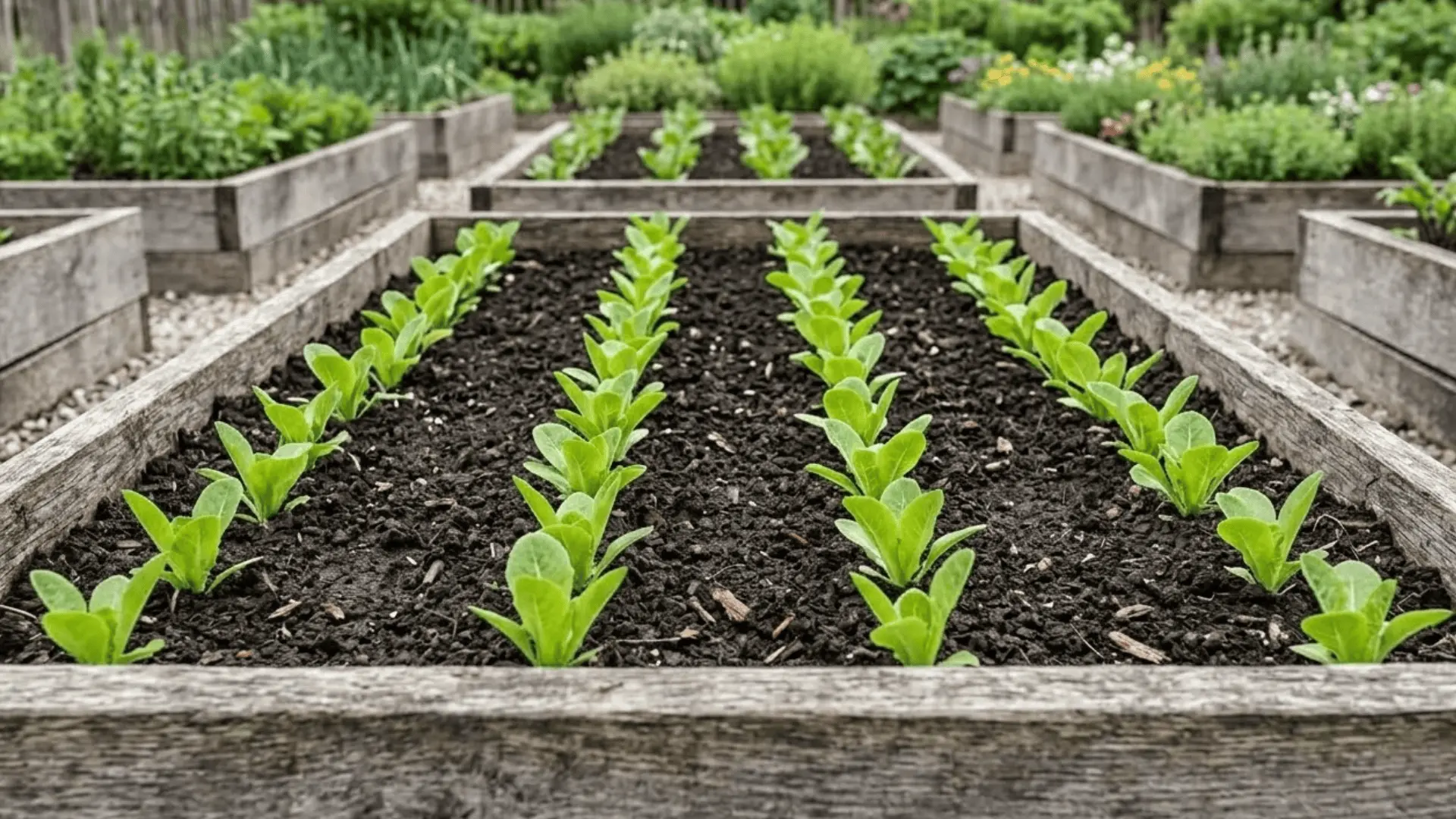
Once seedlings emerge, giving them enough room to grow becomes important. Crowded plants compete for nutrients and air circulation, which affects overall quality.
Spacing varies slightly by variety, but a few inches between plants is generally a reliable starting point for healthy, well-formed heads or leaves.
Step 4: Water Gently and Consistently
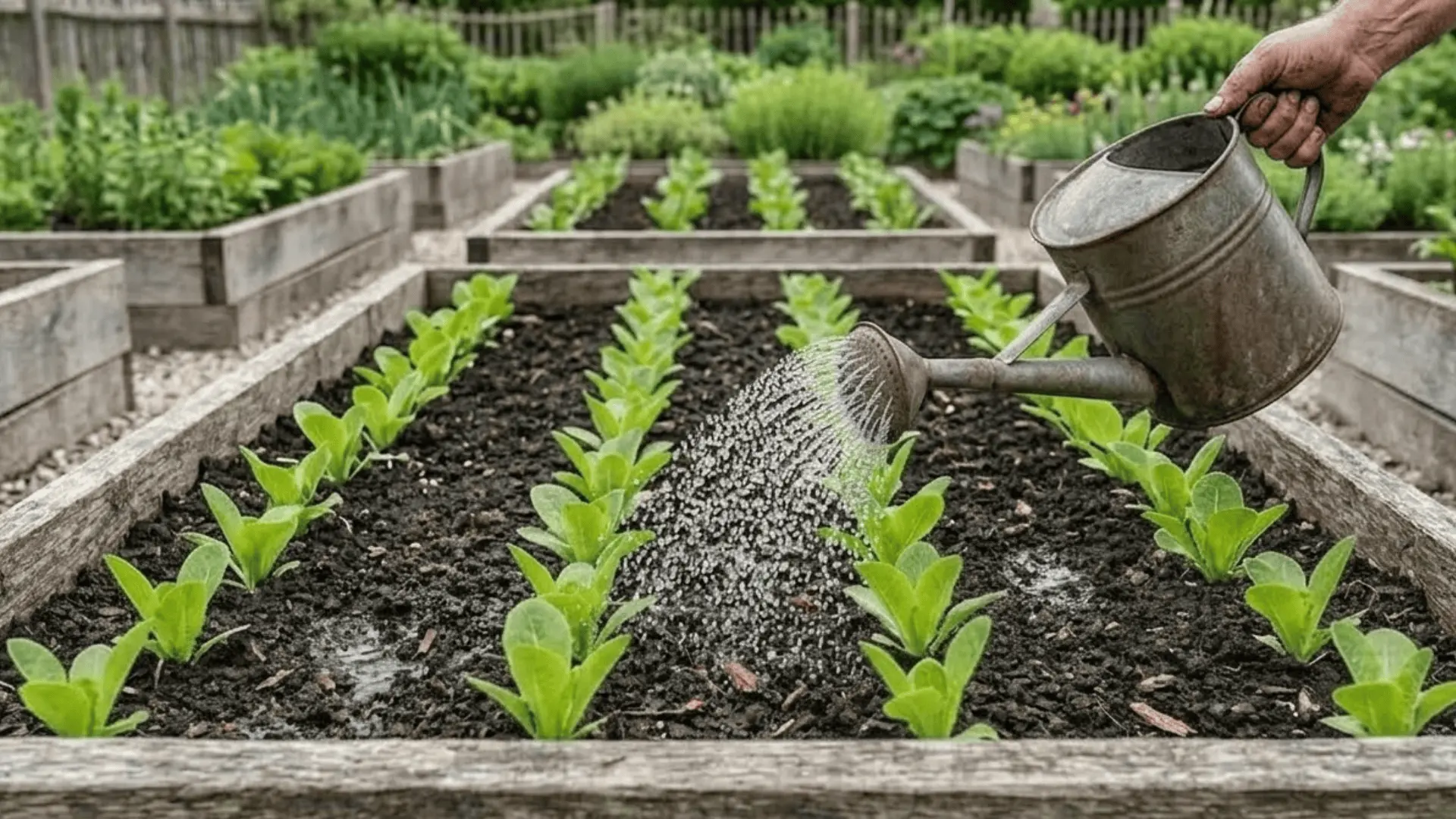
Lettuce has shallow roots that dry out quickly, so consistent, gentle watering keeps it happy.
Avoid heavy watering that disturbs the soil or splashes mud onto the leaves. Morning watering works best as it gives the foliage time to dry out through the day, reducing the risk of disease.
Step 5: Thin Seedlings, if Needed
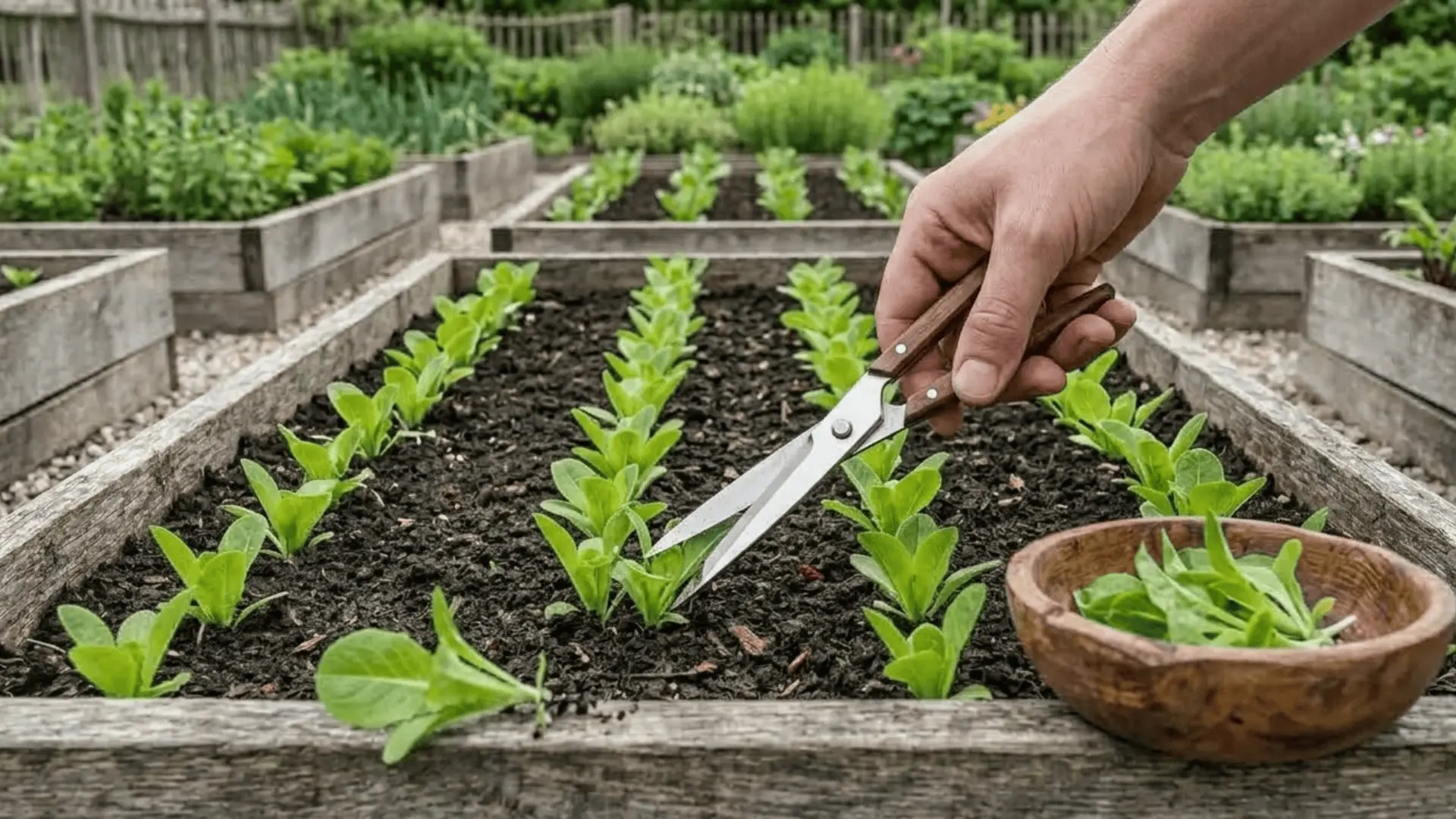
If seedlings come up too close together, thinning them out early prevents overcrowding down the line.
Simply snip the extras at the soil level rather than pulling them out, which can disturb nearby roots. The thinned seedlings are completely edible, so tossing them straight into a salad is a great little bonus.
Growing Lettuce in Containers
Container growing is a wonderful option for lettuce, especially when garden space is limited.
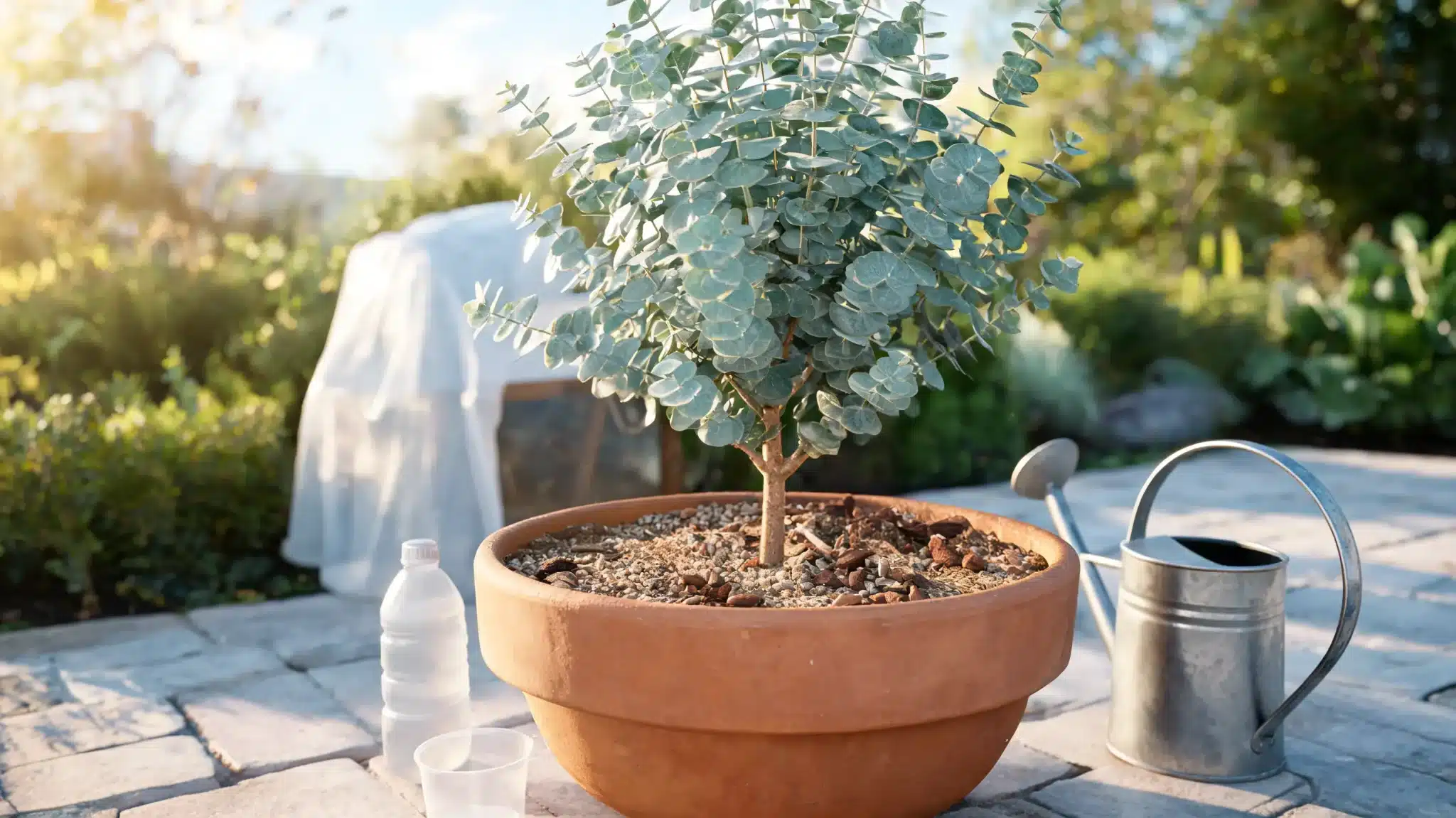
The key is picking a wide, shallow container with good drainage holes since lettuce roots don’t go very deep but do spread outward. Fill it with a lightweight, well-draining potting mix enriched with compost for best results.
Container lettuce dries out faster than garden beds, so checking soil moisture regularly matters quite a bit.
Placing the container in a spot with morning sun and afternoon shade keeps the leaves tender and the plant growing happily through the season.
Watering and Fertilizing Lettuce
Lettuce is mostly water by nature, which tells a lot about how much it appreciates consistent moisture and light feeding.
Getting this balance right keeps the leaves tender, crisp, and growing steadily.
Watering for Tender, Healthy Leaves
Lettuce needs regular, even moisture to stay at its best. Inconsistent watering leads to tough, bitter leaves or even premature bolting.
Here’s what actually helps:
- Water deeply but gently to reach the shallow roots without disturbing the soil surface.
- Morning watering is ideal so foliage stays dry through the day.
- Check soil moisture frequently, especially in containers or raised beds that dry out faster.
- Avoid letting the soil go completely dry between watering sessions.
Fertilizing Without Overdoing It
Lettuce is a light feeder, and too much fertilizer, especially nitrogen-heavy ones, can do more harm than good.
A simple approach works best:
- Mix compost into the soil before planting for a steady, gentle nutrient base.
- Apply a balanced, diluted liquid fertilizer once every few weeks if growth looks slow.
- Avoid over-fertilizing, as it encourages leafy but flavorless, overly soft growth.
- Raised beds and containers benefit from slightly more frequent feeding than in-ground gardens.
Common Lettuce Pests and Problems
Even the easiest crops run into a few challenges along the way, and lettuce is no exception. Catching problems early and knowing how to handle them simply makes all the difference.
Problem 1: My lettuce leaves are curling and have tiny insects clustering on them.
Solution: Aphids feed on sap and spread fast. A strong water spray or a light neem oil application keeps them off without any harsh intervention.
Problem 2: I keep finding irregular holes and ragged edges on my lettuce leaves overnight.
Solution: Slugs and snails thrive in moisture and hide in debris. Sprinkling diatomaceous earth or crushed eggshells around the base creates a barrier they simply won’t cross.
Problem 3: My lettuce suddenly shot up tall, and the leaves turned bitter.
Solution: Bolting is triggered by heat. Picking bolt-resistant varieties and providing afternoon shade during warm spells slows it down and keeps the harvest going longer.
When and How to Harvest Lettuce?
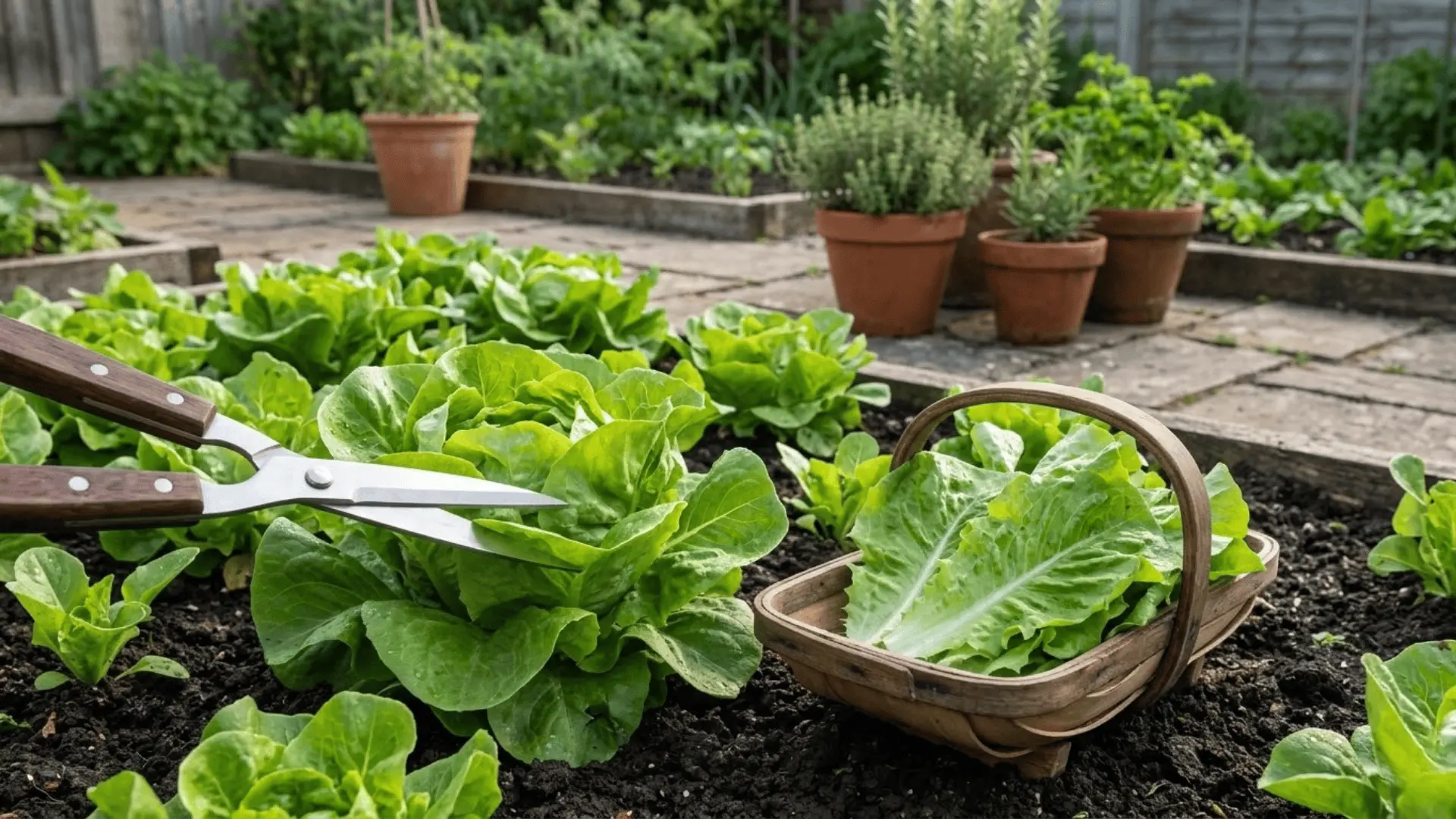
Harvesting lettuce at the right time keeps the plant productive and the leaves tasting their freshest.
For loose-leaf varieties, the cut-and-come-again method works beautifully by snipping outer leaves while the center keeps growing and producing.
Full head varieties like romaine or crisphead are ready once the head feels firm and well-formed to the touch.
Always harvest in the cooler part of the morning when leaves are crisp and hydrated. Avoiding cuts too close to the base gives the plant enough energy to bounce back and offer another round of fresh growth.
Tips for Growing Better Lettuce
A few small, intentional habits can take a lettuce garden from decent to genuinely thriving.
These simple tips make a real difference:
- Always plant during cooler seasons to avoid premature bolting and bitter leaves.
- Offer partial shade in summer to keep temperatures around the plant manageable.
- Harvest outer leaves frequently to encourage the plant to keep producing.
- Keep soil consistently moist but never waterlogged to maintain tender, crisp growth.
- Choose bolt-resistant varieties if the growing season tends to run warm.
Small adjustments in care go a long way with lettuce, and once the rhythm settles in, it becomes one of the most effortless and rewarding crops to maintain through the season.
Final Thoughts
Growing lettuce at home is one of those simple joys that keeps giving back, fresh leaves, the satisfaction of tending something alive, and the pleasure of a homegrown salad that actually tastes like something.
Once the basics of how to grow lettuce click into place, the whole process starts feeling less like gardening and more like a quiet, rewarding ritual.
Start small, stay consistent, and the results will follow naturally.
Tried growing lettuce at home, or have a favorite variety worth sharing? Drop it in the comments below!
Frequently Asked Questions (FAQs)
How Long Does Lettuce Take to Grow?
Lettuce is one of the fastest-growing vegetables in the garden. Most leaf varieties are ready to harvest within a few weeks of sowing, while head varieties take a little longer to fully form.
Can Lettuce Grow in Pots?
Lettuce grows really well in containers as long as the pot is wide enough and has proper drainage. A lightweight, compost-enriched potting mix keeps it healthy and productive even in smaller spaces.
How Often Should Lettuce Be Watered?
Lettuce prefers consistently moist soil rather than irregular, heavy watering sessions. Checking the soil every couple of days and watering gently whenever the top feels dry works well for most growing conditions.