You step outside with your morning coffee. There’s a raccoon family under your deck. Not exactly the start to your day you planned.
Maybe you hear scratching in the attic at 2 AM instead. Either way, wildlife shows up when you least expect it. Your yard has food, water, and shelter. Animals notice these things fast.
Some visits cause no real harm. Others wreck your garden, tear up structures, or bring disease risks. Quick action keeps small problems from becoming expensive nightmares.
Identifying Common Yard Invaders
Animals leave telltale signs everywhere they go. Learning to spot these clues helps you respond faster.
Signs of Raccoons and Squirrels
Raccoons tip over trash cans like it’s their job. They leave muddy prints on your deck and porch. These guys nest in chimneys and attics. Sometimes under porches too.
Their strength surprises most homeowners. Raccoons tear off shingles and fascia boards easily. Squirrels chew through wood with those sharp teeth. Wiring gets destroyed in the process.
Roof vents make perfect entry points for squirrels. So do gaps in your siding. Listen for them during early morning hours. Late afternoon brings more activity too. That constant gnawing creates fire risks you can’t ignore.
Skunks, Opossums, and Rodents
Skunks dig small cone-shaped holes across your lawn. They’re hunting for grubs down there. Decks and sheds become their favorite hiding spots. Woodpiles work great too.
You’ll smell them before you see them. Opossums come out at night to raid garbage cans. They’re not picky eaters at all.
Rats and mice leave droppings near any food source. They shred paper and insulation for nests. Fresh droppings mean they’re still around. Gnaw marks appear on boxes and baseboards. Check for tiny tracks in dusty corners.
What to Do When You Spot Wildlife
Stay back when you see a wild animal. Give it space to leave on its own. Most will bolt if you don’t corner them.
Don’t try to grab or chase any wildlife. Bites happen fast. So do scratches. Both can spread rabies and other nasty diseases.
Get your pets inside right away. Dogs love to chase raccoons and skunks. That never ends well for anyone. Pull in food bowls from the patio. Take away water dishes too.
Lock down your garbage in sealed bins. Professional services like pest control in Sacramento, CA handle tough removals safely. Their techs know animal behavior inside and out. They find entry points you’d miss completely.
Take these steps first:
- Snap photos from a safe distance
- Write down what time you see movement
- Check your home’s exterior for gaps and holes
- Clear away pet food and birdseed spills
- Keep kids and pets far from the problem area
This info helps pros figure out the best removal plan. Animal patterns tell them exactly what to do.
Prevention Strategies for Your Property
Stopping wildlife takes ongoing work. Small tweaks to your yard make a big difference.
Exterior Modifications That Work
Cut back tree branches hanging over your roof. Six feet of clearance stops most climbers. Squirrels and raccoons use branches like bridges. Trim bushes near your foundation while you’re at it.
Dense shrubs give skunks and rodents perfect cover. Hardware cloth over vents blocks entry points. Add caps to chimneys too. Screen every crawlspace opening you can find.
Seal foundation cracks bigger than a quarter. Animals fit through spaces that look impossibly small. Regular lawn care cuts down on grubs naturally. Fewer grubs mean less digging from skunks.
Removing Attractants From Your Yard
Clear nesting materials away from buildings. Stack firewood 20 feet from your house. Raise it off the ground on pallets. Rodents hate that setup.
Clean your gutters out every few months. Standing water draws all kinds of visitors. Compost bins need tight lids and distance from the house.
The National Wildlife Control Operators Association found something interesting. Proper waste handling stops 70% of animal conflicts. That’s a huge number.
Motion lights and sprinklers work for a while. Animals adapt pretty quickly though. Physical barriers last much longer. Fix the habitat and you fix the problem. Bird feeders spill seed that attracts rodents. Clean that up regularly.
When You Need Professional Help
Some situations need expert eyes immediately. Knowing when to call saves you grief later.
DIY removal goes wrong fast. Trapped animals get aggressive in seconds. Find one inside your house? Call someone now.
Mother animals with babies need special care. You can’t just remove the mom and leave babies behind. The Centers for Disease Control tracks rabies cases every year. Thousands come from improper wildlife handling. Licensed operators know the laws and animal behavior.
Call for help when you see these red flags:
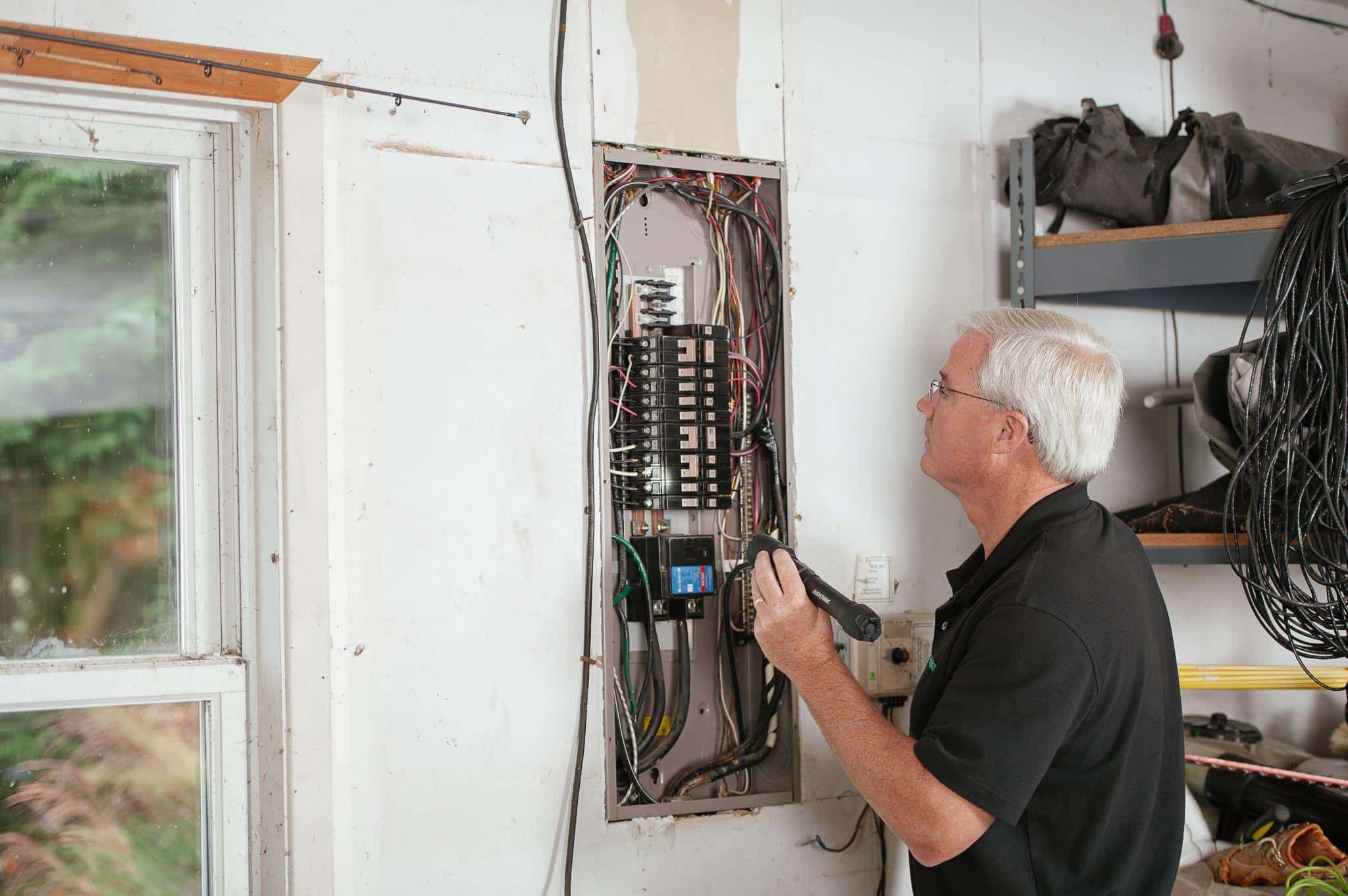
- Chewed electrical wires anywhere in your home
- Insulation that’s been ripped apart or soiled
- Animals keep coming back after you seal openings
- Hidden entry points you can’t track down
- Bats or protected bird species on your property
Damaged wiring starts house fires. Ruined insulation kills your energy bills. Contaminated areas spread disease over time. Professional crews assess everything. They remove hazardous materials the right way.
Long-Term Property Protection
Check your property every three months. Walk the perimeter slowly. Look for new gaps in siding or screens. Spot problems early and fixes stay cheap.
Talk to your neighbors about wildlife issues. Animals roam across multiple yards. One house with open trash affects everyone. Share what works for you. They’ll share back.
Time your repairs around animal schedules. Fall sends critters looking for warm spots. Seal up in late summer instead. Spring means babies for most species. Removal gets complicated then.
Keep records of every encounter you have. Write down dates and what you saw. Take pictures whenever possible. Insurance claims need this documentation. Patterns emerge over time too.
You can appreciate wildlife and protect your home. Many animals eat bugs and spread seeds. That’s helpful stuff. Just keep them outside where they belong. Let them live in trees and wild spaces nearby.