I used to spend twenty dollars on grocery store bouquets that wilted in three days. Then I planted my first dahlia tuber, and everything shifted.
A cut flower garden gives you an endless supply of fresh stems to fill vases throughout your home, and you control exactly what goes into your arrangements.
No more sad carnations or mystery fillers. You’ll discover which flowers produce the most blooms, how to stagger plantings for non-stop harvests, and the right way to cut stems so they last twice as long indoors.
I’ll walk you through soil prep, spacing strategies, and seasonal timing that keep your cutting patch productive from spring through fall. You’re about to become your own florist.
Starting Your Cut Flower Garden as a Beginner
Starting a cut flower garden doesn’t require a green thumb or acres of land. You just need a sunny spot, some basic supplies, and a plan that keeps things simple.
I grow flowers for cutting because it gives me fresh arrangements whenever I want them. You’re not worrying about perfect landscaping—you’re focused purely on stem production.
Cutting gardens let you experiment with colors and varieties you’d never find at stores. Plus, the more you cut, the more flowers grow back. It’s a cycle that rewards you for harvesting.
You’ll need a few essentials to start. Test your soil first so you know what amendments to add. Grab basic tools like a trowel, pruners, and a watering can.
Choose a space that gets at least six hours of sunlight daily. Even a 4×8-foot bed works perfectly for beginners. Prep the soil with compost, and you’re ready to plant your first seeds or seedlings.
Selecting the Best Cutting Garden Flowers for Your Garden
Not every flower makes a good cut flower. Some wilt within hours, while others last two weeks in a vase. Choosing the right varieties from the start saves you disappointment and wasted garden space.
I look for three things when picking flowers for cutting: long stems, bold colors, and vase life that lasts at least a week.
Long stems make arranging easier. You want flowers that naturally grow tall so you’re not struggling with short, stubby cuts.
Vibrant colors add impact to arrangements. Bright blooms stand out and lift the mood of any room. Long vase life means you’re not replacing arrangements every two days. Some flowers fade fast, while others hold strong for ten days or more.
You’ll find cutting flowers in two main categories: annuals that bloom all season and perennials that return year after year. Both have their place in your garden.
Flower Types
Your cutting garden needs a mix of bloom types to keep vases full all season. Here’s how different categories work together to give you variety and constant harvests:
Annuals
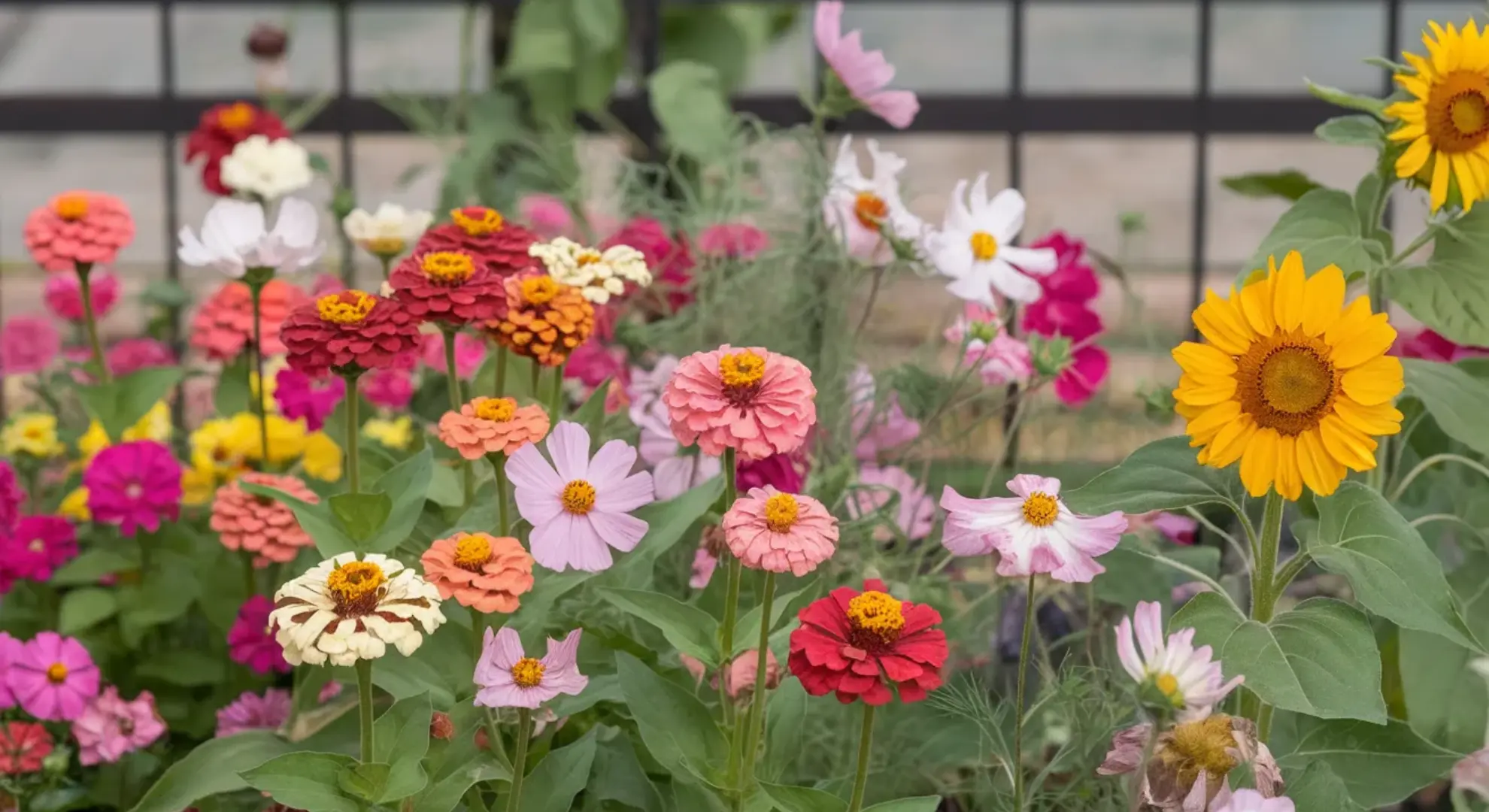
Annuals give you non-stop blooms from spring through frost. They’re workhorses in cutting gardens.
Zinnias are my top pick for beginners. They grow fast, produce dozens of stems per plant, and come in every color imaginable. The more you cut, the more they bloom.
Cosmos are delicate and airy. They self-seed easily, so you’ll have volunteers next year without replanting.
Sunflowers add height and drama. Plant succession crops every two weeks for continuous harvests all summer.Snapdragons thrive in cooler weather. Their tall spikes fill out arrangements beautifully.
Celosia brings texture with feathery or crested blooms. They dry well too if you want to preserve them.
Perennials
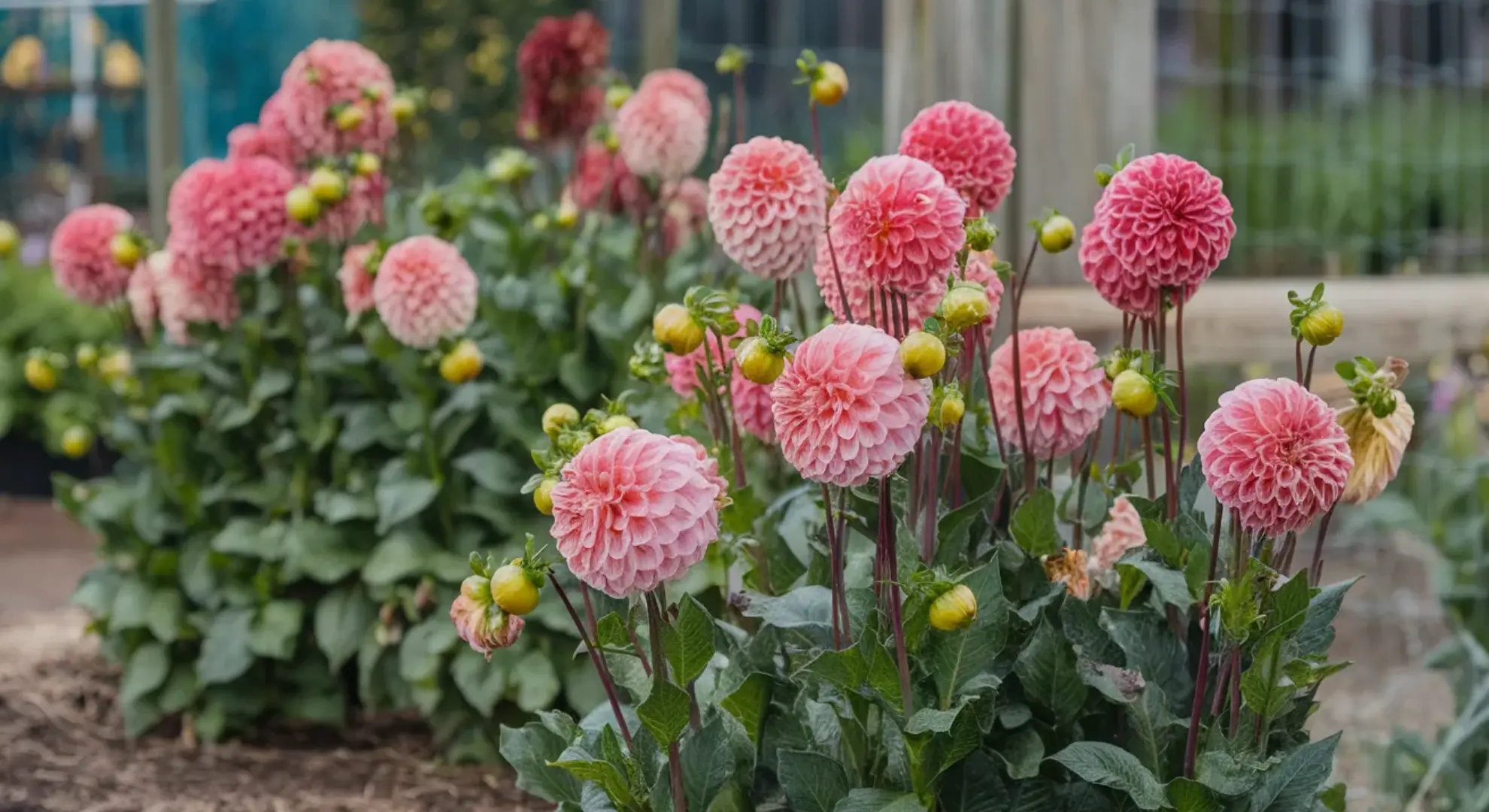
Perennials take more time to establish but reward you for years.
Dahlias are cutting garden royalty. One tuber produces hundreds of blooms per season. I’ve never regretted the space they take up.
Peonies bloom once a year, but those few weeks are spectacular. Their fragrance alone is worth growing them. Lavender adds scent and texture. It’s drought-tolerant once established, which makes maintenance easy.
Rudbeckia (black-eyed Susans) are reliable bloomers that don’t mind heat or occasional neglect.
Filler and Foliage
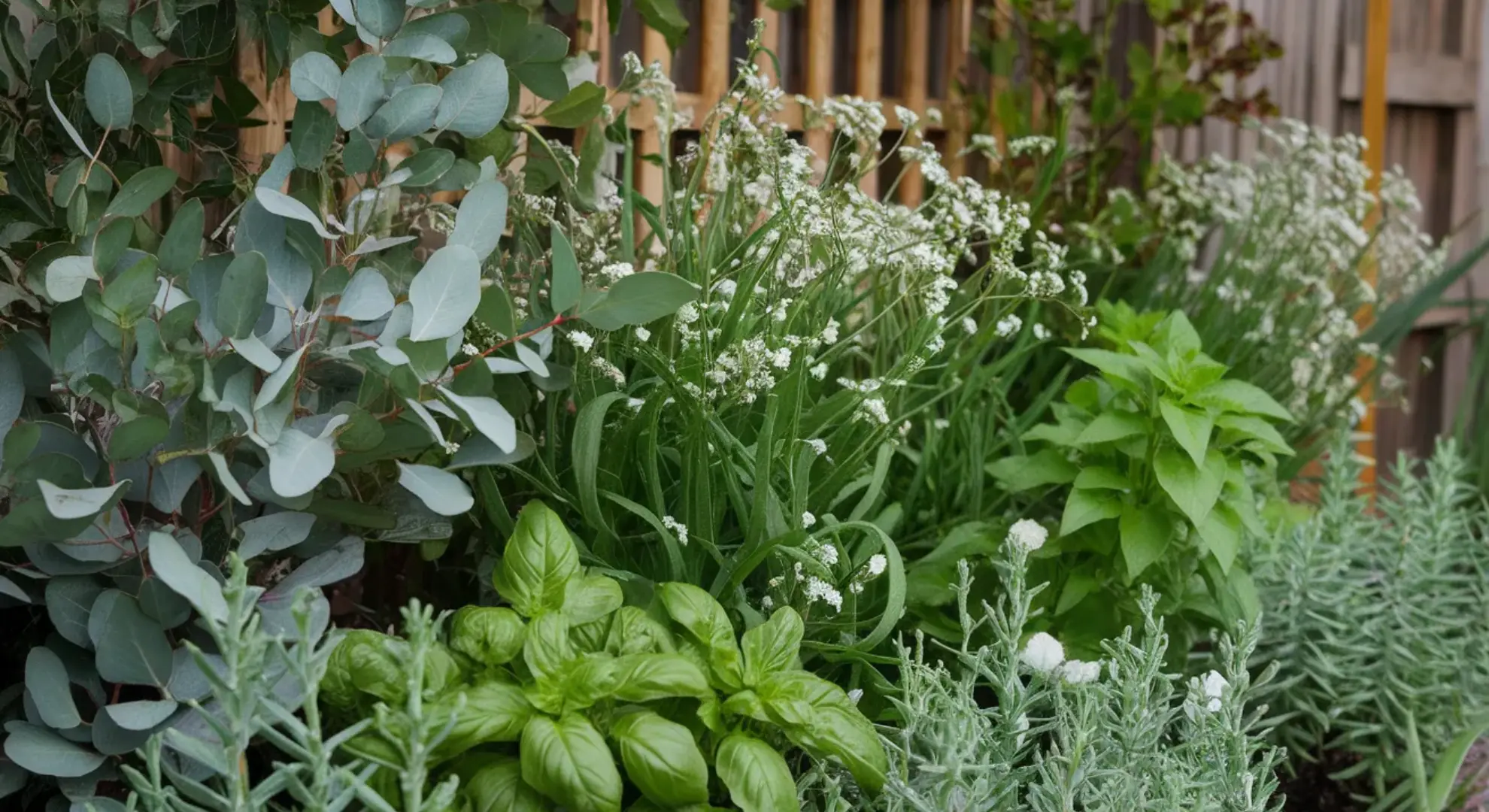
Fillers make arrangements look professional. You need greenery and texture to balance out big blooms.
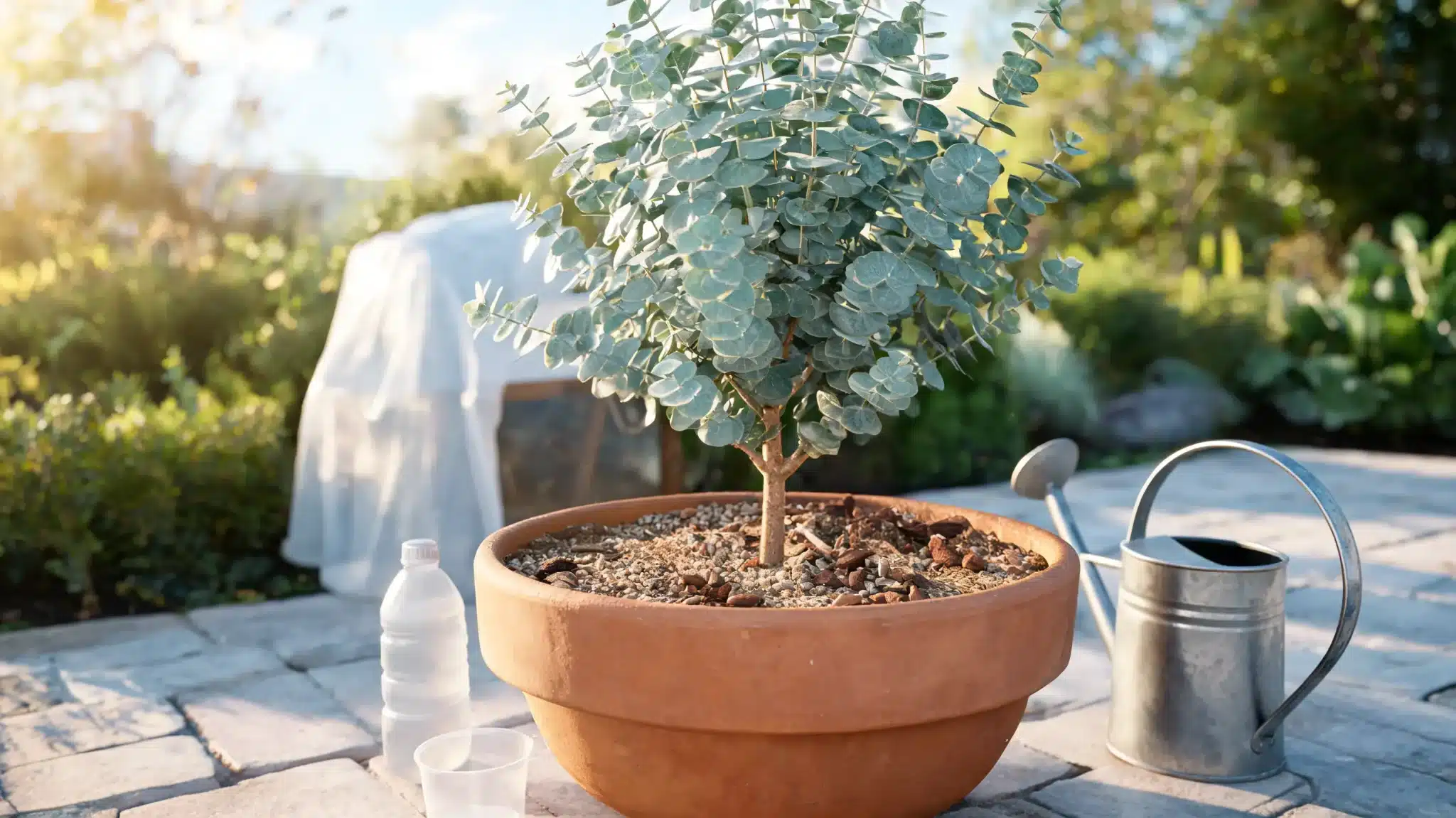
Eucalyptus gives a soft, silvery backdrop. It’s fragrant and lasts weeks in a vase. Basil works as both filler and fragrance. Purple basil varieties add unexpected color.
Mint adds fresh scent and fills gaps between larger flowers.
Scabiosa (pincushion flower) has delicate blooms that soften arrangements without competing with focal flowers.
Best Flower Varieties for Beginners
Start with zinnias, cosmos, and sunflowers if you’re new to cutting gardens. They’re forgiving, fast-growing, and produce heavily.
Add one or two perennials like rudbeckia or dahlias for variety. These give you something to look forward to each season. Plant some foliage like basil or mint for easy fillers. You’ll use them in almost every arrangement you make.
Keep it simple your first year. You’ll learn what grows best in your space and what you actually enjoy cutting.
Planning and Preparing Your Cut Flower Garden for Success
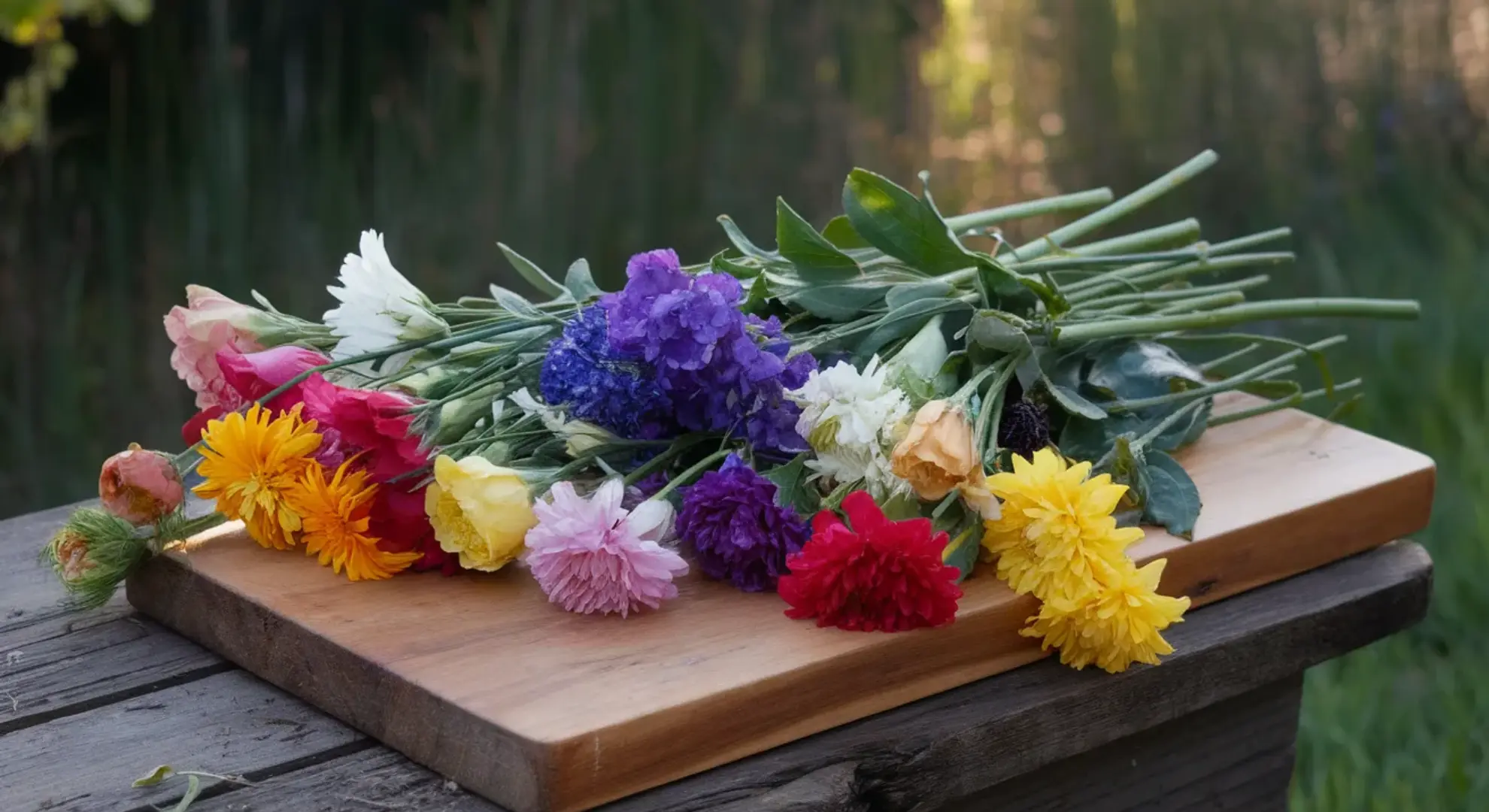
You need a solid plan before you start digging. The right location and soil prep make the difference between a garden that struggles and one that produces armfuls of blooms.
| Planning Factor | What You Need | Why It Matters |
|---|---|---|
| Sunlight | 6-8 hours of direct sun daily | Most cut flowers are sun-lovers and won’t bloom well in shade |
| Soil Quality | Well-draining, nutrient-rich soil with compost added | Poor soil means weak stems and fewer blooms |
| Water Access | Hose or irrigation within reach | Cutting gardens need consistent moisture during the growing season |
| Space | At least 4×8 feet for beginners | Gives you room for variety without overwhelming maintenance |
| Layout | Rows or blocks for easy access | You’ll be cutting regularly, so pathways matter |
Test your soil before planting so you know what amendments to add. Most flowers prefer a pH between 6.0 and 7.0, and a simple test kit from any garden center tells you where you stand.
Care and Maintenance
Once your flowers are in the ground, consistent care keeps them producing all season. These simple routines take minimal time but make a huge difference in bloom quantity and quality.
- Water deeply 2-3 times per week: Shallow watering creates weak roots. Soak the soil so water reaches 6 inches down, which encourages strong stem growth.
- Deadhead spent blooms regularly: Removing faded flowers tells the plant to produce more buds instead of setting seed. You’ll double your harvest with this one habit.
- Feed every 2-3 weeks during growing season: Use a balanced fertilizer or compost tea to keep nutrients available. Heavy bloomers like dahlias and zinnias are hungry plants.
- Mulch around plants to retain moisture: A 2-3 inch layer of mulch keeps soil cool, reduces weeds, and cuts down on watering frequency.
- Stake tall varieties before they flop: Dahlias, sunflowers, and snapdragons need support. Stake early so you’re not fighting with heavy plants later.
- Check for pests weekly: Aphids and Japanese beetles love cutting gardens. Catch problems early with a quick walk-through every few days.
- Cut flowers in the morning: Stems are most hydrated after a cool night. Morning cuts last longer in vases than afternoon harvests.
Your garden will tell you what it needs as the season progresses. Watch how plants respond and adjust your care routine accordingly.
Harvesting Your Cut Flowers for Maximum Beauty and Yield
I learned the hard way that how you cut matters as much as what you grow. Wrong timing or technique leaves you with wilted stems that barely last a day.
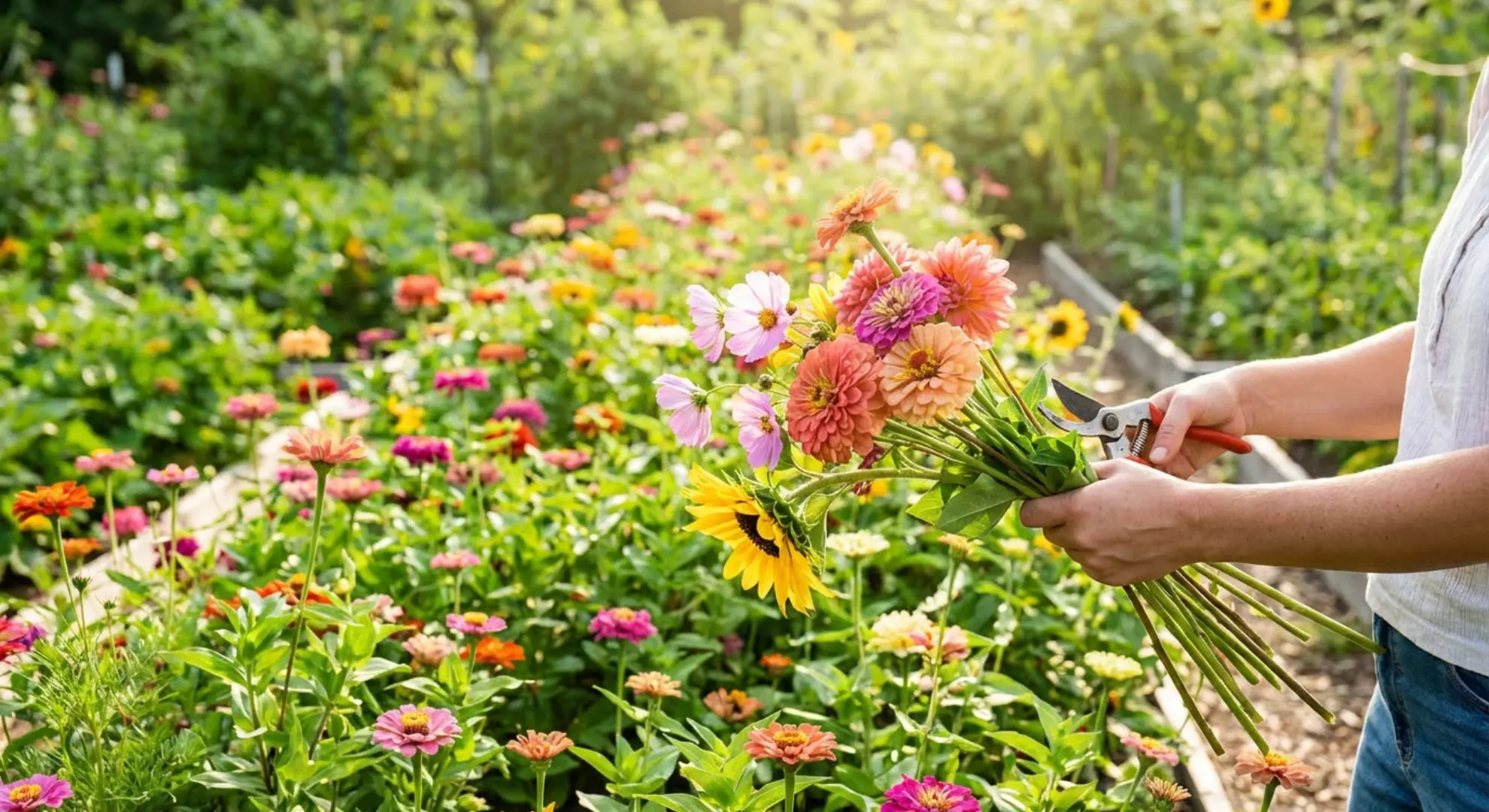
Cut flowers early morning when stems are fully hydrated. They’ve absorbed moisture overnight and handle the stress of cutting better than midday blooms.
Use sharp, clean pruners or scissors. Dull blades crush stems and invite disease. Make cuts at a 45-degree angle to maximize water uptake.
Harvest flowers at the right stage. Zinnias and dahlias should be fully open. Sunflowers need petals just starting to unfurl. Tulips cut best when buds show color but haven’t opened yet.
Strip lower leaves before they touch water. Submerged foliage rots and clouds vases within days.
Place cut stems immediately in lukewarm water. Cold water shocks them. I keep a bucket of room-temperature water in the garden while I cut.
The more you harvest, the more your plants produce. Don’t be shy about cutting generously.
Arranging Your Fresh Cut Flowers
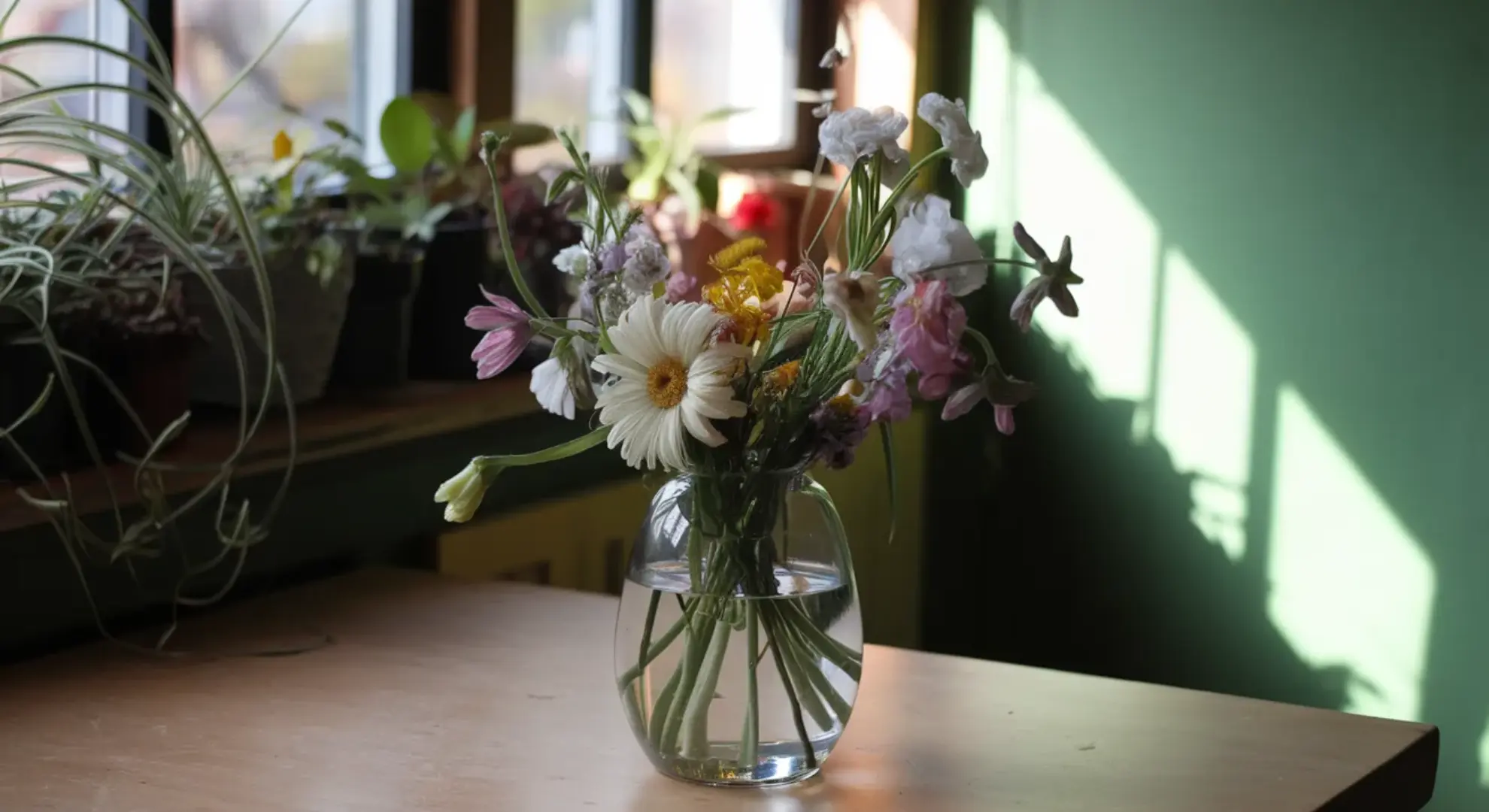
I used to overthink arrangements until I realized simple looks better than fussy. You don’t need fancy skills to create beautiful displays with your garden blooms.
Start with a clean vase and fresh water mixed with flower food. Dirty vases harbor bacteria that clog stems and shorten vase life.
Build arrangements in layers. Place foliage first to create structure, then add focal flowers like dahlias or sunflowers in the center. Fill gaps with smaller blooms like cosmos or scabiosa.
Vary heights for visual interest. Cut stems at different lengths so flowers sit at multiple levels instead of one flat layer.
Use odd numbers of focal flowers. Three or five blooms look more natural than even groupings.
Strip all leaves below the waterline. Submerged foliage rots fast and clouds water within a day.
Change water every two days and recut stems at an angle. This simple maintenance doubles how long arrangements last.
Your homegrown flowers already have character. Let them shine without overcomplicating things.
Troubleshooting and Overcoming Common Cut Flower Garden Challenges
Every cutting garden hits snags. Knowing how to spot and fix common problems keeps your blooms coming instead of watching plants struggle.
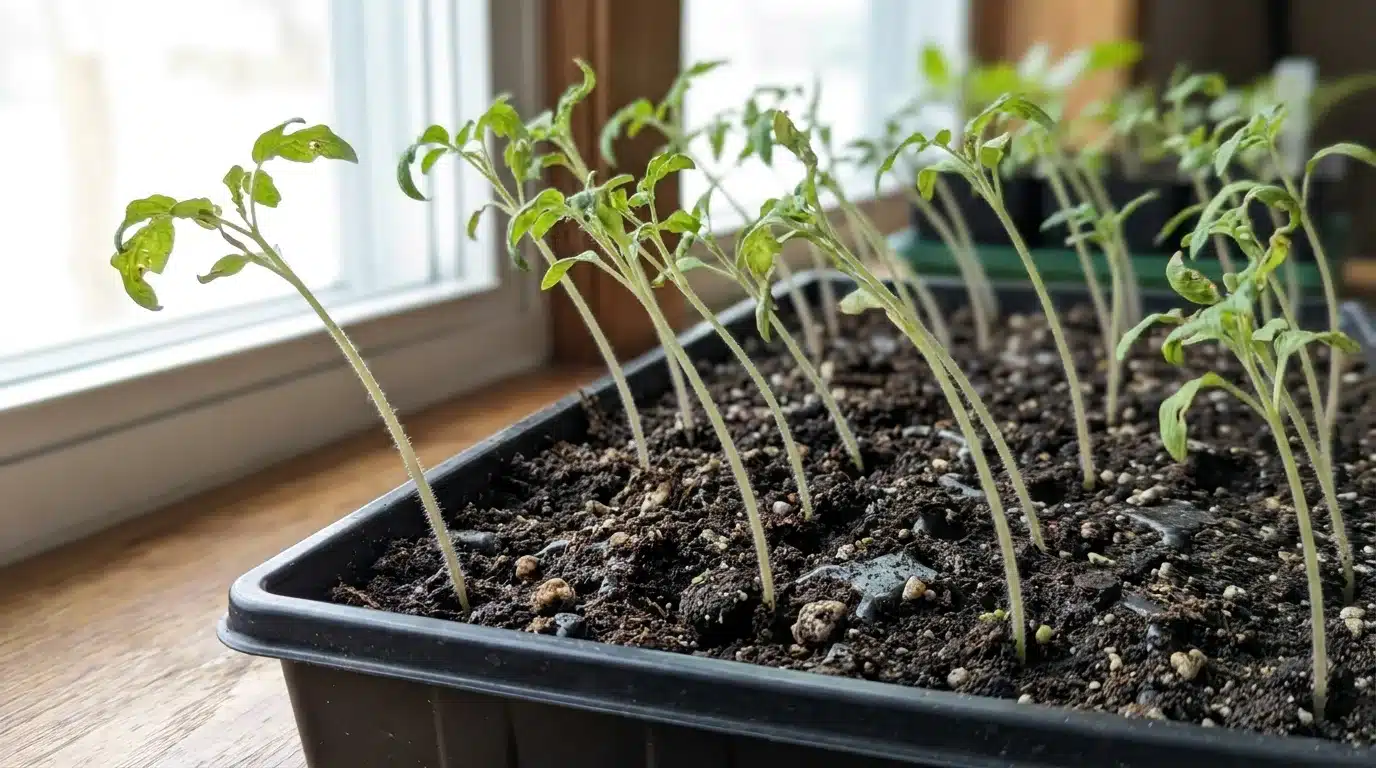
- Leggy, weak stems: This happens when plants don’t get enough sunlight or you’ve overfed with nitrogen. Move containers to sunnier spots or switch to a balanced fertilizer.
- Flowers wilting immediately after cutting: You’re likely cutting during midday heat or not getting stems in water fast enough. Harvest in the early morning and bring a water bucket to the garden.
- Pest damage on buds and leaves: Aphids, thrips, and Japanese beetles love tender flowers. Spray with insecticidal soap or pick beetles off by hand in the early morning when they’re sluggish.
- Powdery mildew on foliage: Poor air circulation and overhead watering cause this white coating. Space plants wider apart and water at soil level instead of from above.
- Few blooms despite healthy foliage: Too much nitrogen creates leafy growth at the expense of flowers. Cut back on fertilizer and switch to a bloom-boosting formula higher in phosphorus.
- Plants falling over mid-season: You waited too long to stake or planted in overly rich soil. Stake plants when they’re 6-8 inches tall, not after they’ve flopped.
- Short vase life despite proper cutting: Some varieties just don’t last long, or your water contains bacteria. Change vase water daily and recut stems every few days.
Most problems have simple fixes once you know what you’re looking at. Pay attention to what your plants are telling you and adjust quickly.
Conclusion
I’ve seen how a cut flower garden changes the way you experience your yard and your home. You’ve learned how to plan your space, choose flowers that actually perform, and harvest them so they last.
This isn’t about complicated techniques or expensive setups. You’re working with soil, sun, and plants that want to bloom.
The flowers you grow yourself carry something store-bought stems never will. Start with what excites you most, plant it this season, and see what happens. Your garden will teach you the rest as you go.
Want more growing ideas? Check out other blogs on the website for practical tips on everything from soil prep to seasonal planting!