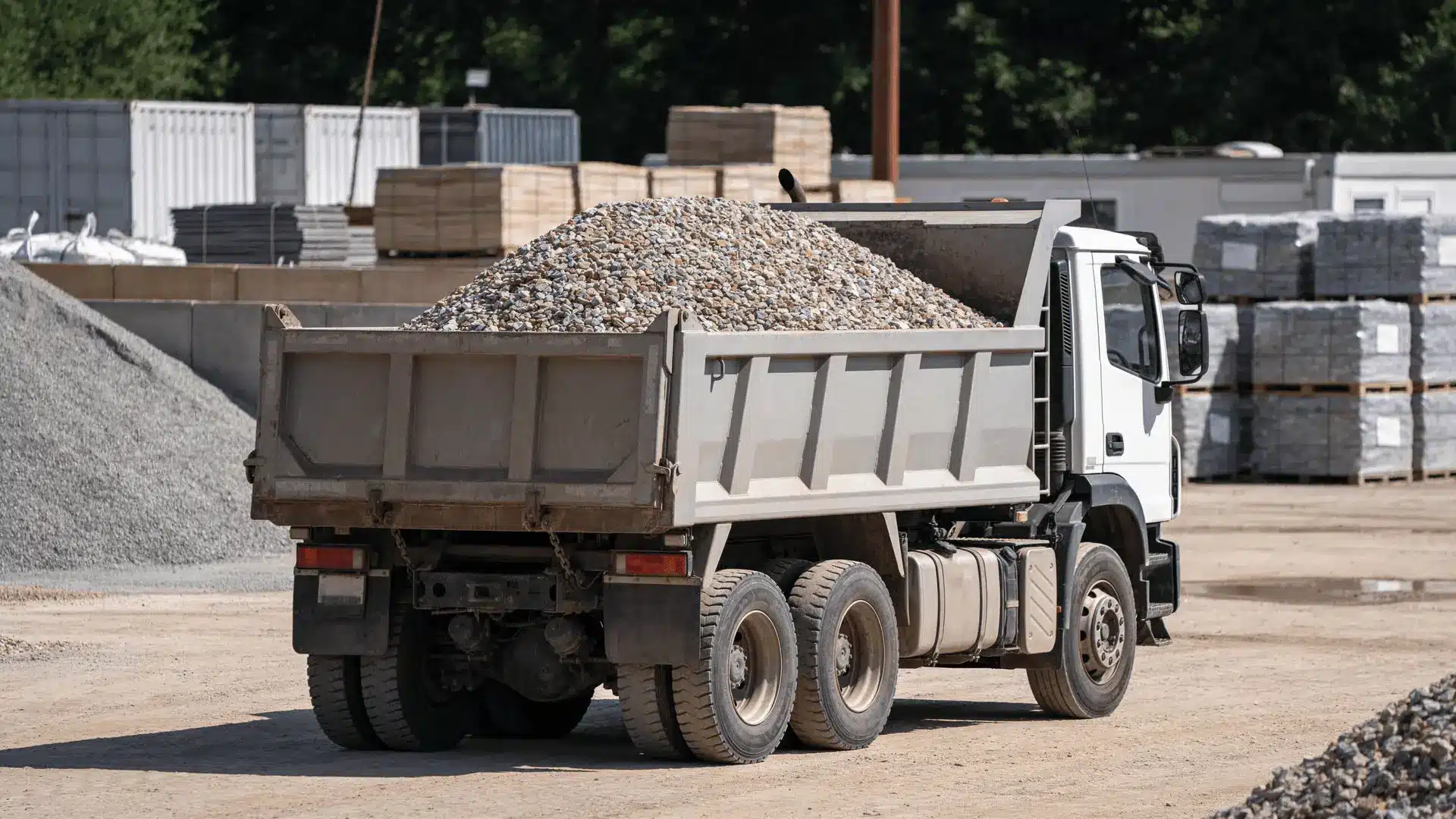
Gravel seems simple until weight starts to matter. One truckload can overload a trailer, crack a driveway, or throw off a budget fast. That’s why people keep asking the same question: How Much Does a Yard of Gravel Weigh on Average?
The tricky part is that gravel doesn’t play by one clean rule. The number changes based on material, condition, and how it sits once dumped.
In this guide, I’ll walk through what “average” really means, why numbers vary so much, and what actually affects the final weight.
Once you see the real numbers and the reasons behind them, the estimates will start making sense. Let’s break it down from the basics.
How Much Does a Yard of Gravel Weigh on Average?
On average, a cubic yard of gravel weighs between 2,200 and 3,000 pounds. Most common gravel types land near the middle of that range.
In tons, that works out to roughly 1.1 to 1.5 tons per yard. You’ll often see people round this to “about a ton,” but that is only an estimate.
The word “average” matters here. It does not mean every yard of gravel weighs the same. It means that when you look across many gravel types, moisture levels, and stone sizes, most results fall somewhere in that window.
A lighter yard usually means more air space or drier material. A heavier yard usually means tighter packing or added water weight. Both can be correct at the same time.
The big mistake is assuming there is one official number. There isn’t. The average is just a reference point, not a promise.
Why a Cubic Yard of Gravel Does Not Have a Fixed Weight
A cubic yard is a volume, not a weight. It always equals 27 cubic feet of space. What changes is how much mass fits into that space.
Weight depends ondensity. Density is how much material exists inside a given volume. Gravel with more empty space weighs less. Gravel that packs tightly weighs more.
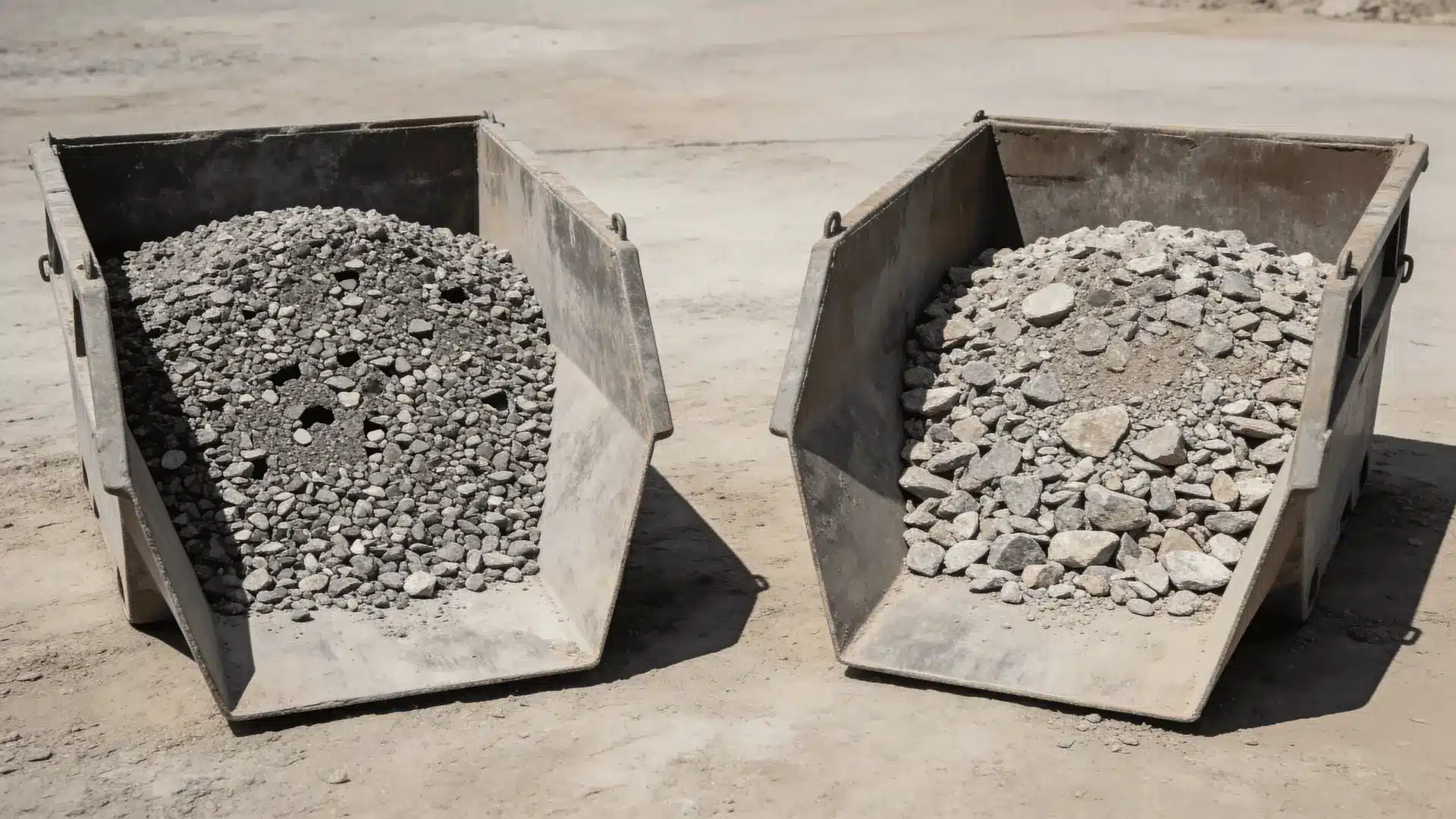
Think about pouring rocks into a box. Large, rounded stones leave more gaps between them. Smaller or angular stones lock together and reduce empty space. The box size stays the same, but the weight changes.
Air gaps matter. Gravel is not solid like concrete. Those gaps can take up a surprising amount of space. When the gaps shrink, weight goes up. When gaps grow, weight goes down.
The different numbers you find on the web are not wrong. They are often measured for gravel under different conditions.
How Gravel Type Changes the Weight of a Yard
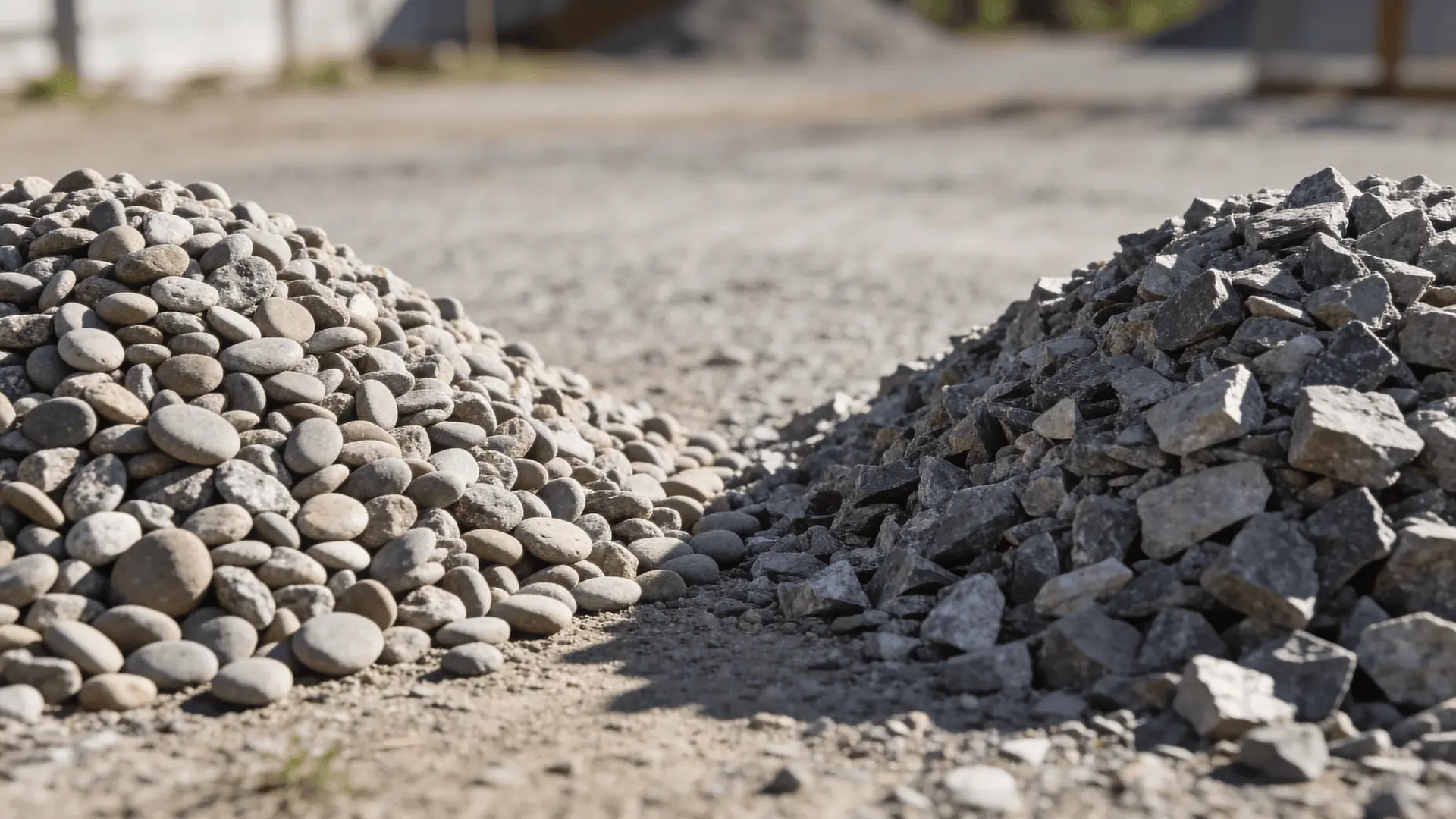
Not all gravel behaves the same once it fills a yard.
Rounded gravel, like pea gravel, tends to weigh less. The stones are smooth and don’t lock together well. That creates more air pockets inside the yard.
Crushed gravel, such as 3/4-inch gravel, usually weighs more. The sharp edges let stones fit together more tightly. Less empty space means more material and more weight.
Here’s the key contrast:
- Rounded gravel: looser packing, lower weight
- Crushed gravel: tighter packing, higher weight
Even when two gravel types are the same size, shape alone can change the final weight by hundreds of pounds per yard.
| Gravel type | Typical weight range (lbs per yard) |
|---|---|
| Pea gravel | 2,200–2,500 lbs |
| 3/4-inch crushed gravel | 2,600–3,000 lbs |
| Washed gravel | 2,400–2,800 lbs |
| Road base / crusher run | 2,800–3,200 lbs |
Note: Ranges reflect dry-to-wet conditions and packing differences.
This is why calling everything “gravel” hides important differences. The type changes how dense the yard becomes.
How Moisture Content Affects Gravel Weight
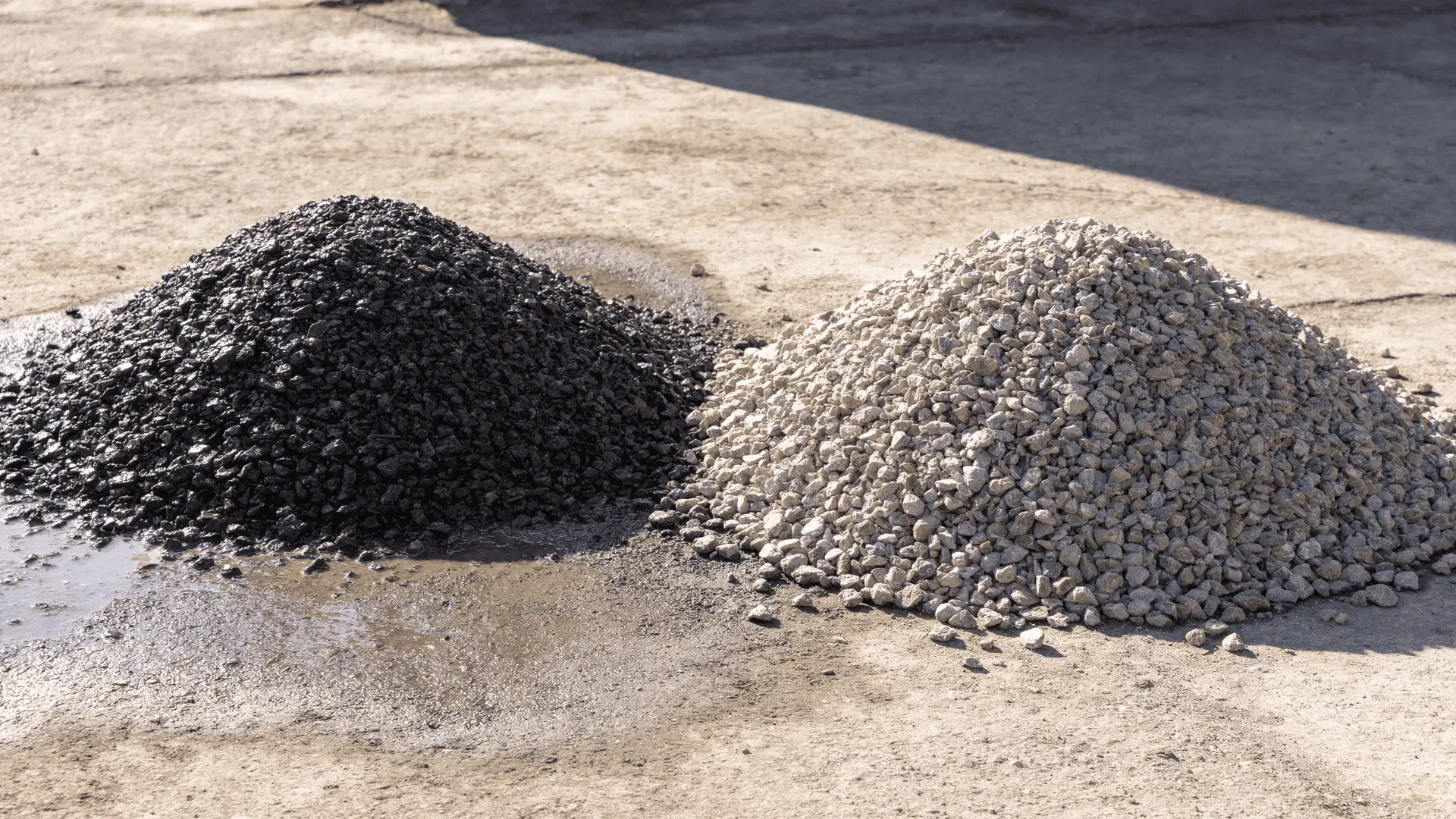
Water adds weight without adding volume.
When gravel is wet, water fills the tiny gaps between stones. That water stays trapped until the gravel dries. The yard still measures the same size, but the scale shows more pounds.
Dry gravel is lighter because those gaps contain air instead of water. Wet gravel is heavier because water is much denser than air.
Rain can easily add several hundred pounds to a single yard. This is why freshly delivered gravel after a storm often weighs more than the same material on a dry day.
The common misunderstanding is thinking wet gravel only looks heavier. In reality, it truly is heavier because the water becomes part of the mass.
How Much Does 1/2 Yard of Gravel Weigh Compared to a Full Yard
A half yard is exactly half the volume of a full yard. The weight follows the same rule.
Most of the time, a half yard of gravel weighs between 1,100 and 1,500 pounds. If the full yard is heavier or lighter due to type or moisture, the half yard changes the same way.
Cutting the volume in half does not make the weight more precise. All the same variables still apply. Gravel type, packing, and moisture still control the outcome.
A smaller amount just scales the estimate. It does not remove uncertainty.
Why Different Sources Give Different Gravel Weight Numbers
Different gravel weight numbers usually come from how and when the material was measured. The assumptions behind the numbers matter more than the numbers themselves.
- Moisture condition: Dry gravel weighs less, while damp or freshly washed gravel includes water trapped between stones, adding extra weight.
- Material state: Loose gravel has more air gaps, while compacted gravel packs tighter and increases the total weight per yard.
- Source method: Suppliers use real loads they handle daily, while calculators rely on standard density averages, not live material.
- Rounding practice: Some sources round for simplicity, turning a range into a single easy number like 2,700 or 3,000 pounds.
Conflicting numbers do not mean bad data. They usually mean different conditions were used.
Wrapping Up
Gravel weight is never a single locked number. A yard can land light or heavy depending on stone shape, moisture, and how tightly everything settles together. That’s why averages exist and guarantees do not.
Knowing what affects gravel weight helps avoid bad assumptions that lead to hauling issues, load limits, or ordering mistakes.
The key takeaway is simple: volume stays constant, weight does not.
When planning a project, treat weight numbers as working ranges, not exact figures. If accuracy matters, confirm details with the supplier and factor in real conditions on site.
For clearer, more practical breakdowns like this, check out other guides and blogs on the website.