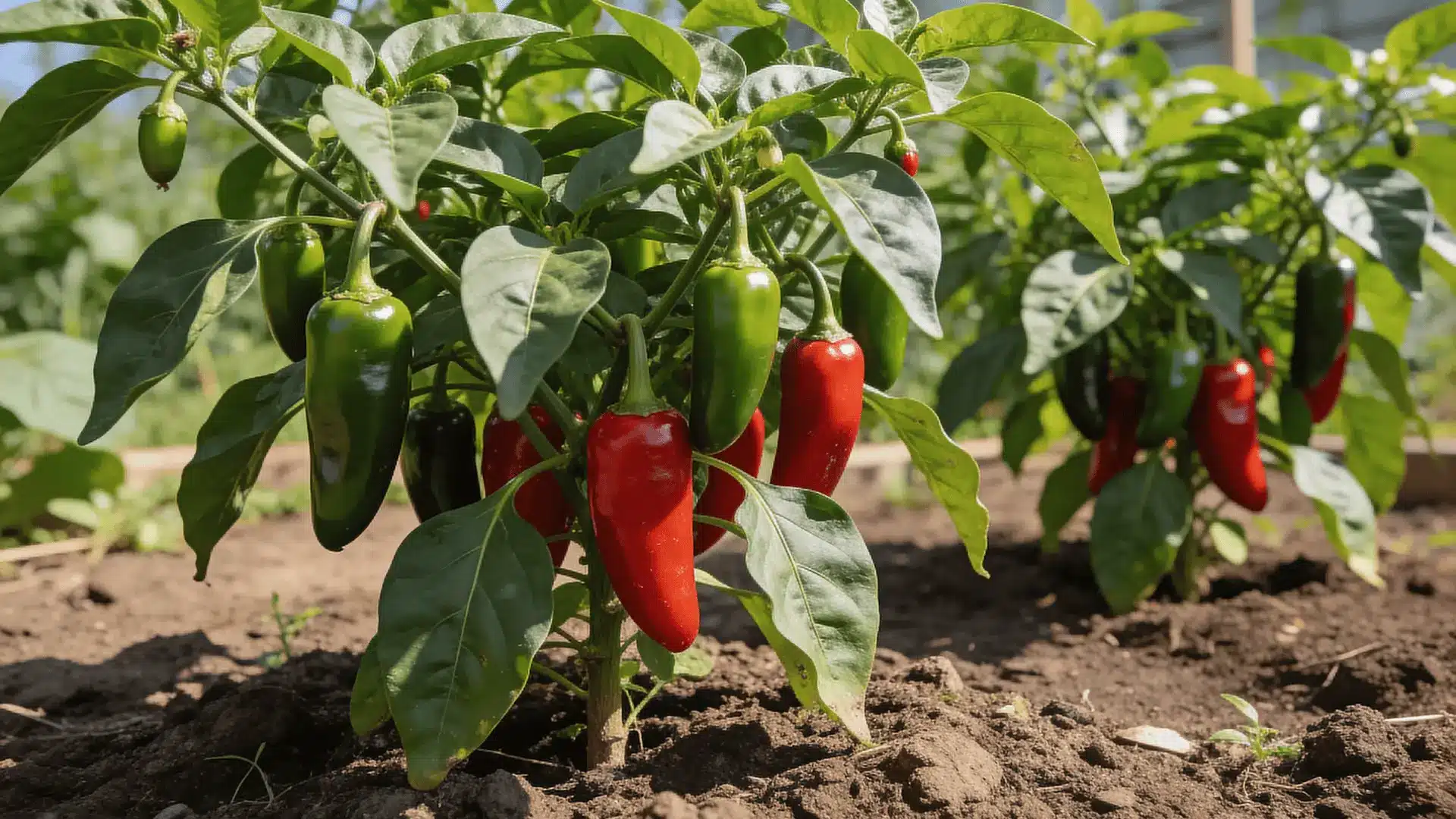
Growing jalapeños sounds simple, yet many plants stall, drop flowers, or never fruit.
If you’ve tried to grow before and ended up with leafy plants and no peppers… Trust me, you’re not the only one out there.
In this guide, I’ll walk you through how to grow jalapenos from start to harvest with real explanations behind each step. You’ll learn what the plant needs at each stage and how small changes in heat, light, or water can change results fast.
Learn the basics, and the rest falls into place.
What Jalapeño Plants Need to Grow Successfully
Jalapeños are driven by their environment. They do not adjust well to poor conditions, even if they stay green and upright.
Heat is the main control switch.
Jalapeño plants grow best when daytime temperatures stay warm and nights do not drop too low. Warm soil speeds root activity and nutrient uptake. Cool soil slows everything down. Growth stalls first. Flowering fails next.
Sunlight controls flowering.
The plant can survive with less light, but survival is not the goal. Strong light tells the plant it has enough energy to support fruit. Weak light leads to tall stems, few flowers, and dropped buds.
Soil drainage controls root health.
Roots need water and oxygen at the same time. When soil stays wet, oxygen drops. Roots suffocate. Nutrients stop moving. The plant may look fine at first, then suddenly decline.
Many people assume jalapeños adapt easily. They do not. They tolerate stress, but they stop producing under it.
How to Start Jalapeños from Seed without Stalling Growth
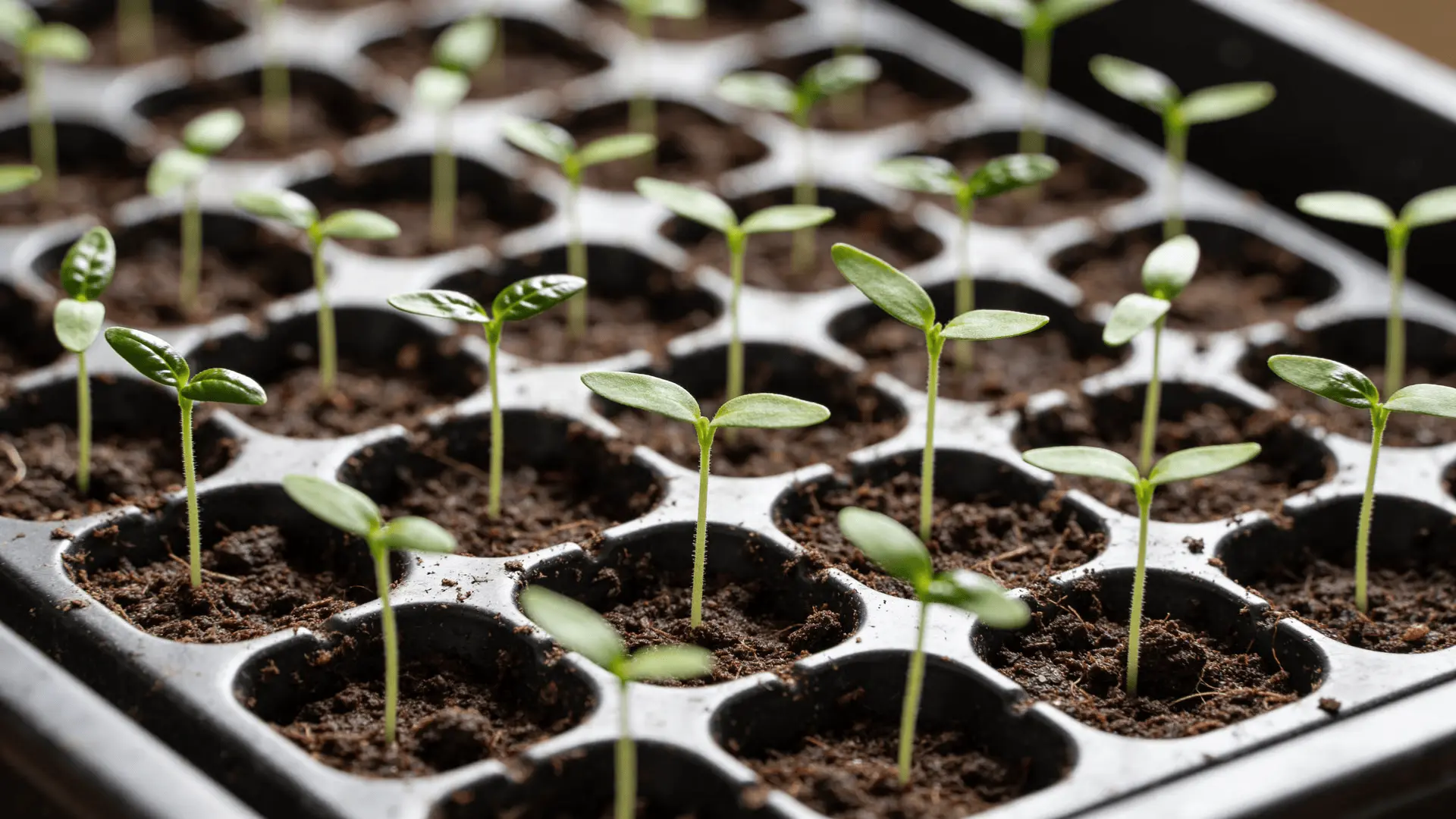
Most seed-starting problems come from small balance issues, not bad seeds. Follow these steps in order to get steady germination and strong early growth:
Step 1: Moisten the soil before planting.
Start with soil that is evenly damp, not soaked. Moist soil lets the seed absorb water while still holding air. If the soil is waterlogged, oxygen disappears and seeds can rot before they sprout.
Step 2: Plant seeds shallow and cover lightly.
Seeds need air as much as moisture. Planting too deep blocks oxygen. Planting too shallow lets the seed dry out. A thin soil cover keeps moisture stable while still allowing airflow.
Step 3: Keep the soil consistently warm.
Warm soil activates the processes inside the seed that trigger sprouting. Cool soil slows everything down, which is why seeds sometimes sit for weeks and then suddenly sprout once temperatures rise.
Step 4: Maintain even moisture during germination.
Check the soil daily. It should stay slightly damp the whole time. Dry soil can stop germination mid-process. Oversaturated soil fills air spaces and causes seeds to fail.
Step 5: Provide strong light immediately after sprouting.
As soon as seedlings appear, they need bright light. Weak light causes fast stretching, thin stems, and weak structure that shows up later as stalled growth.
Step 6: Keep long daily light periods in the early stage.
Early light helps seedlings build roots, not just leaves. Strong roots now allow the plant to adapt better after transplant instead of stalling weeks later.
If seedlings look healthy early but struggle after transplanting, the issue often starts here. Early conditions shape everything that follows.
The video below shows the same early stages you just read about. The exact order may differ slightly, but the conditions and principles are the same.
When and How to Transplant Jalapeños Safely
Successful transplanting depends on plant readiness and stable conditions, not plant height or calendar dates.
Start by checking the roots, not the leaves. Jalapeños transplant best when roots have filled out the soil without circling tightly. A shorter plant with a strong root system adapts faster than a tall plant with weak roots because it can absorb water immediately after moving.
Wait for consistent outdoor warmth. One warm afternoon does not count. Daytime temperatures should stay warm, and night temperatures should no longer drop sharply. Cold soil slows root function and increases stress, even if the air feels comfortable.
Hardening off is not optional. Gradual exposure thickens leaf surfaces and helps the plant adjust to wind, sun, and changing moisture levels. Skipping this step often leads to wilting, stalled growth, or leaf damage, even when the weather seems mild.
Transplant during a mild part of the day, such as early morning or late afternoon. Water the plant after transplanting so roots can settle into the new soil and regain contact.
Many people transplant based on dates or plant size. Jalapeños respond to conditions, not calendars.
How to Care for Jalapeño Plants as They Grow
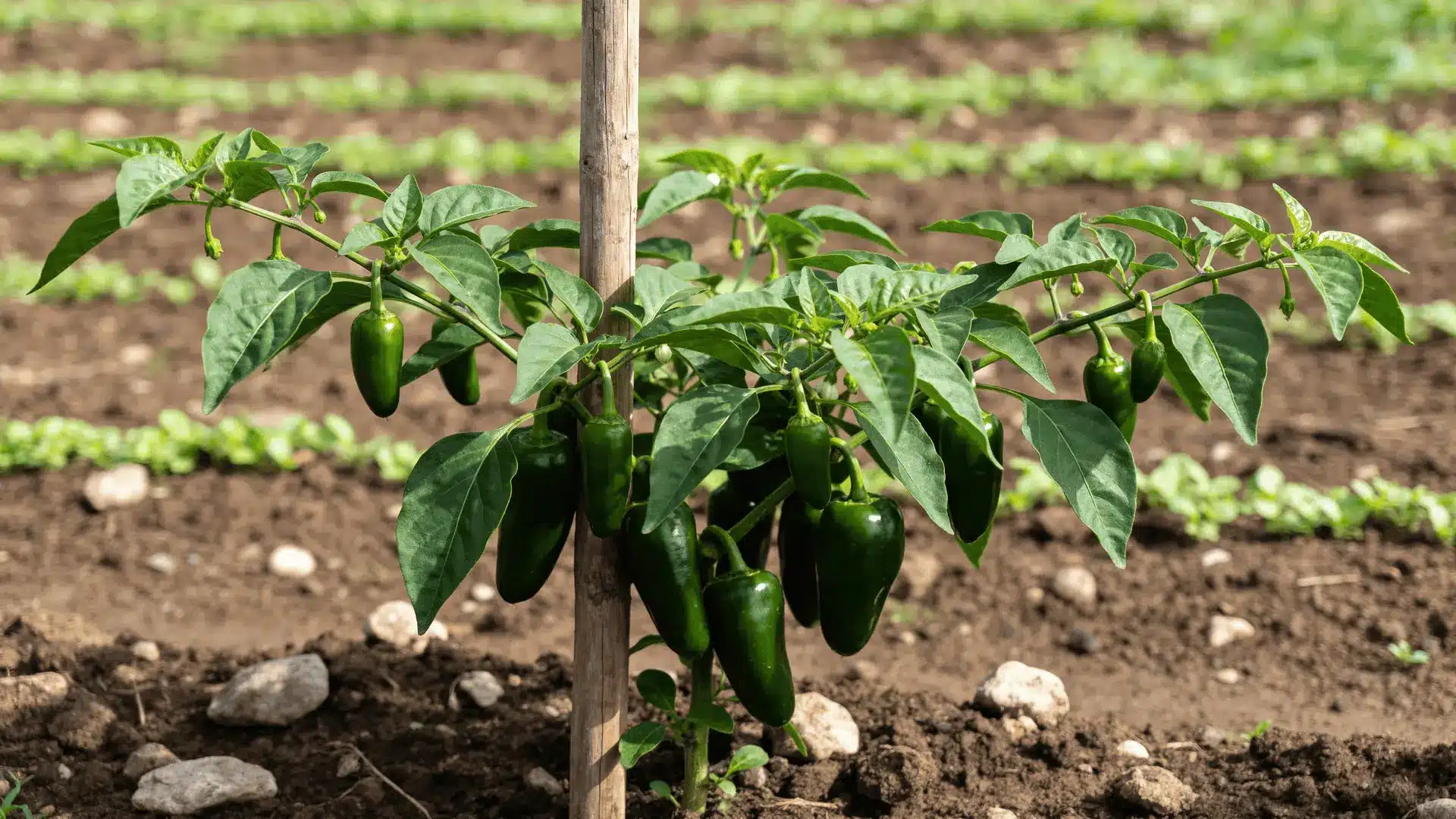
Jalapeño care is not static. What the plant needs changes as it shifts from leafy growth to flowering and fruit production. Paying attention to those shifts matters more than following a fixed routine.
Watering Patterns and Drainage Failure Modes
Healthy roots depend on a repeating wet–dry cycle. Water fills the soil, drains out, and fresh air moves back in. That cycle keeps roots active and functioning.
| What You See | What’s Happening | What to Do |
|---|---|---|
| Soil dries slightly between watering | Roots are getting oxygen | Water only when the top layer dries |
| Soil stays wet for days | Roots lack oxygen | Pause watering until soil lightens |
| Plant wilts during hot afternoons | Water use increased | Water earlier in the day |
| Growth slows in cool weather | Water use decreased | Space watering farther apart |
This is why fixed watering schedules fail. The plant’s needs change with temperature and conditions.
Feeding Jalapeño Plants without Overdoing It
Nutrient demand shifts as the plant develops. Early on, growth focuses on leaves and stems. Later, energy shifts toward flowers and fruit.
| What You See | What It Means | What to Do |
|---|---|---|
| Steady leaf growth early on | Normal development | Keep feeding light and steady |
| Lots of leaves, few flowers | Growth pushed too hard | Reduce feeding slightly |
| Pale leaves during fruiting | Nutrients running low | Increase feeding gradually |
| Flowers forming normally | Balance is working | Do not change anything |
Consistent care does not mean identical feeding. Balance needs to adjust as the plant’s priorities change.
Supporting Plants as They Produce Fruit
As jalapeños develop, the plant’s structure changes. Branches carry more weight and become easier to stress.
| Problem | Why It Happens | What to Do Physically |
|---|---|---|
| Branches leaning outward | Fruit weight pulling stems | Place a stake near the main stem |
| Stems bending at joints | Weight focused in one spot | Tie branches loosely to support |
| Plant wobbling in wind | Roots under strain | Firm soil gently around the base |
| Flowers dropping late | Physical stress | Stabilize plant before fruit grows larger |
Support keeps the plant stable. Stability reduces stress, which helps the plant hold onto flowers and fruit.
As jalapeños grow, small adjustments make a big difference. Watching how water, nutrients, and structure affect the plant helps you respond before problems show up.
How Jalapeños Flower, Pollinate, and Set Fruit
Jalapeños self-pollinate, which means each flower contains both male and female parts. They do not need insects or manual help to produce peppers.
For fruit to form, pollen must stay viable long enough to reach the stigma. Heat stress interferes with this process. During hot spells, pollen can dry out or become sterile. Flowers still open, but they drop instead of setting fruit.
Humidity and airflow also influence success. Heavy, still air slows pollen movement, while constant moisture can interfere with pollen release. Gentle air movement helps pollen shift naturally inside the flower.
When flowers fall, it is usually a stress response, not a pollination failure. Sudden changes in heat, light, or water signal unstable conditions. The plant sheds flowers to protect itself.
Many people blame pollination when the real issue is environmental strain. When conditions stay steady, jalapeños set fruit on their own.
When Jalapeños are Ready to Harvest and What Changes After
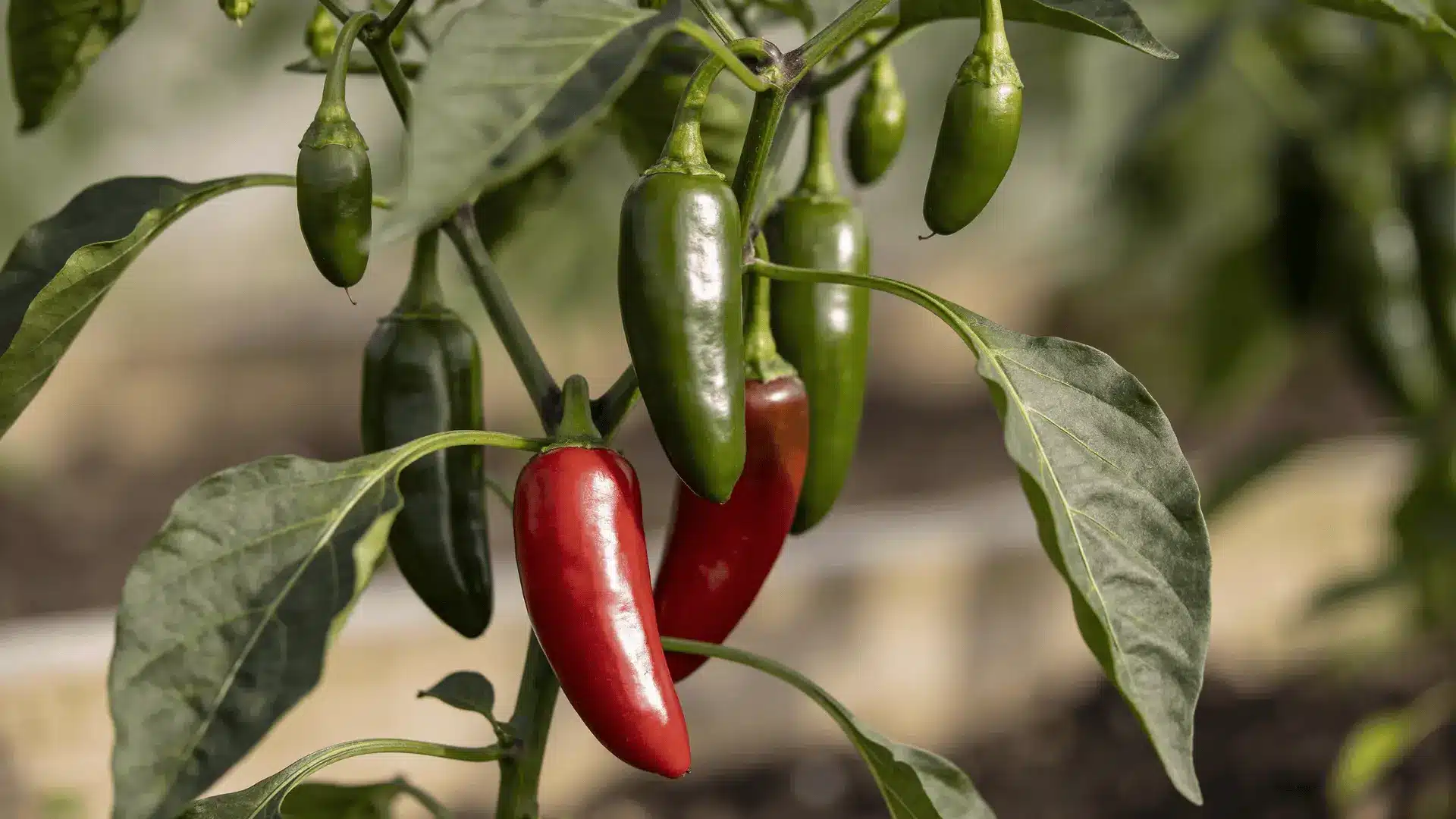
Harvest timing affects both flavor and future production. Knowing what the plant is signaling helps you pick peppers at the right moment instead of guessing.
- Firm texture: The pepper feels solid when gently squeezed, not soft or wrinkled
- Full size: The pepper has reached its expected length and thickness for the plant
- Green color: Immature stage, crisp flavor, milder heat
- Red color: Fully mature stage, sweeter taste, higher heat level
- Sugar development: Increases as the pepper ripens on the plant
- Seed maturity: Completes as color shifts from green to red
Harvesting does more than remove peppers.
- Fruit removal: Signals the plant to keep producing
- Delayed harvest: Slows new flower formation
- Overgrown peppers: Pull energy away from future fruit
Picking peppers on time keeps the plant active and productive. Waiting for maximum size or color is a choice, but harvesting earlier often leads to more consistent production over the season.
Wrapping Up
Growing jalapeños becomes much simpler once you understand how the plant responds to its environment. Heat, light, water, and timing all work together, and small shifts in any of them can change results fast.
Instead of following rigid rules, paying attention to signals like root health, flower drop, and fruit development gives you better control. That mindset helps prevent common setbacks and keeps plants productive longer.
Growing jalapenos is really about reading conditions and adjusting calmly as the season moves along.
If you’re growing now, take a few minutes to observe your plants today and make one small adjustment based on what you see.