Watering a lawn sounds simple. Turn on the sprinkler, let it run, and walk away. But timing changes everything.
Lawns react to heat, light, moisture, and air in ways most people never know. When timing is off, even good effort can lead to weak roots, wasted water, or disease.
In this guide, I’ll tell you what actually happens in your soil and grass at different times of day. You’ll learn how to read your lawn, adjust by season, and stop guessing.
By the end, you’ll be clear about lawn watering schedules and why they work.
Quick Answer: When is the Best Time to Water Your Lawn
If you just want the short version, here it is.
The best time to water your lawn is early morning, ideally between 5 a.m. and 9 a.m. Cooler temperatures, light winds, and low sun reduce evaporation and allow water to soak into the soil before heat builds.
If morning watering isn’t possible, late afternoon is the next best option. Water when the sun is lower, but early enough for the grass to dry before night.
Avoid midday watering , which wastes water through evaporation, and late-night watering , which keeps grass wet too long and increases disease risk.
Why Early Morning Works Best
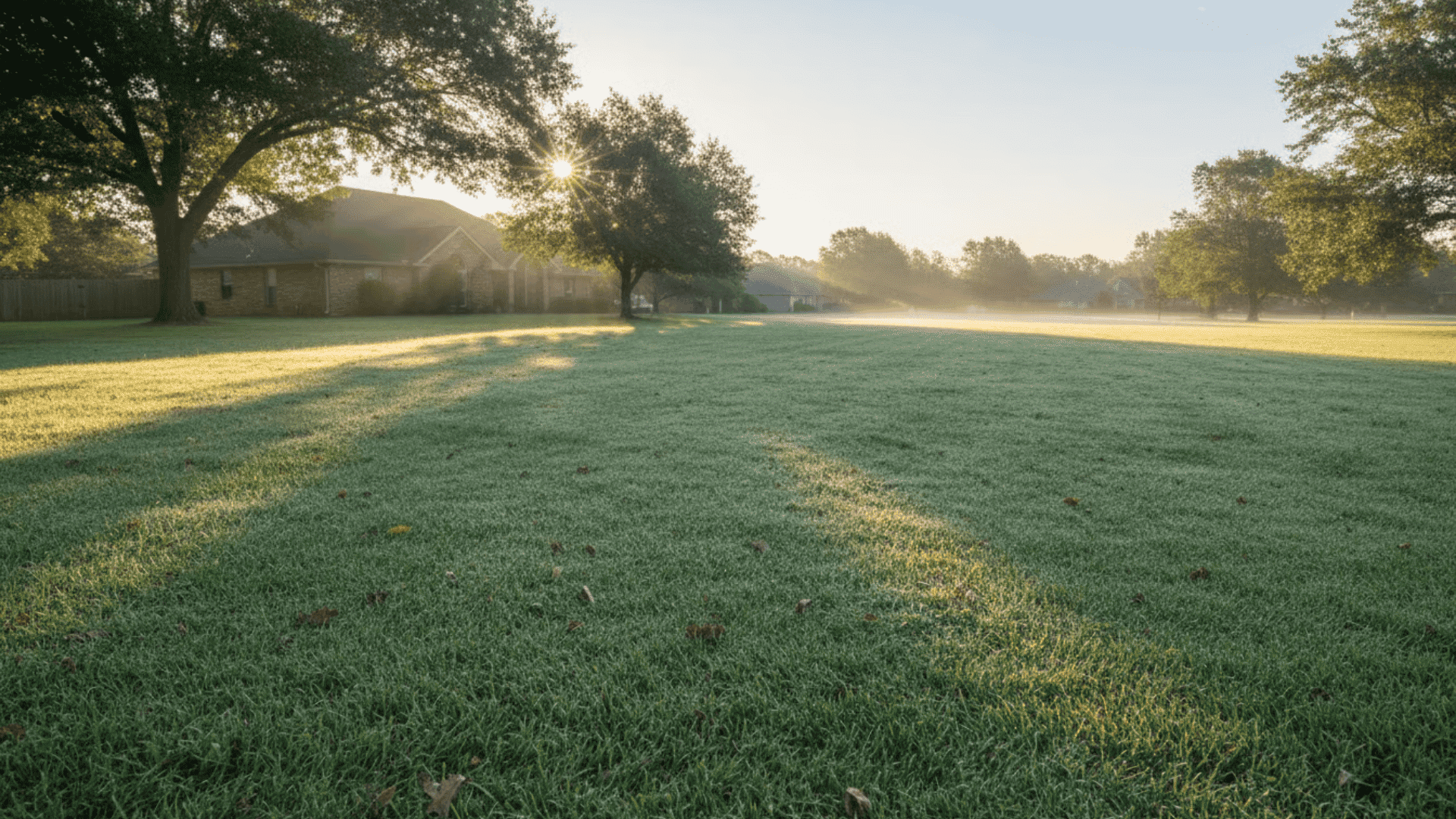
There’s nothing magical about the clock. Morning is the best time to water grass because of how grass, soil, and weather behave together. When you understand that, things stop feeling arbitrary.
Lower Evaporation
Heat drives evaporation. The hotter the air and the stronger the sun, the faster water disappears.
In the early morning, the air is cooler, and the sunlight is mild. Water stays on the ground long enough to soak in instead of lifting back into the air. That means more of what you spray actually reaches the roots.
By midday, evaporation speeds up fast. A lot of water never makes it past the surface.
Better Root Absorption
Grass roots don’t drink instantly. Water needs time to move down through the soil.
Morning watering gives the ground several calm hours to absorb moisture evenly. Roots can take in what they need before any stress from the heat kicks in.
If you water late in the day, roots either rush to take water or sit in moisture overnight. Neither helps long-term strength.
Lower Disease Risk
Grass blades that stay wet too long tend to cause trouble.
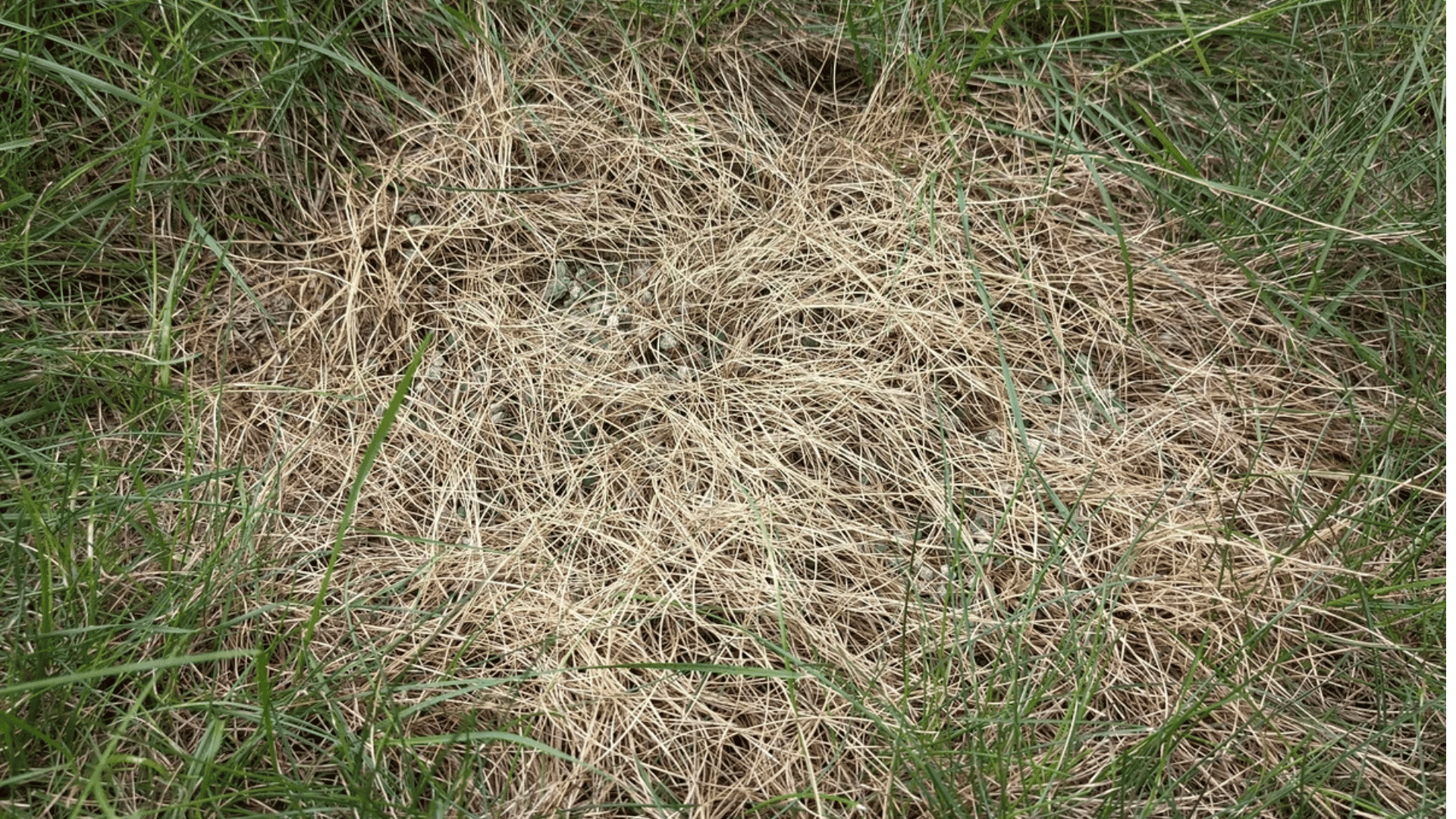
Fungal diseases prefer cool, dark, damp conditions. Watering at night keeps grass wet for hours, sometimes until the next morning. That extended moisture gives fungus time to grow and spread.
Morning watering changes that pattern. As temperatures rise and light increases, water evaporates from the blades instead of sitting there.
Getting the grass to dry by afternoon is a quiet but important detail. It reduces disease pressure, limits stress on the plant, and helps the lawn stay thicker and healthier over time.
Worst Times to Water Your Lawn
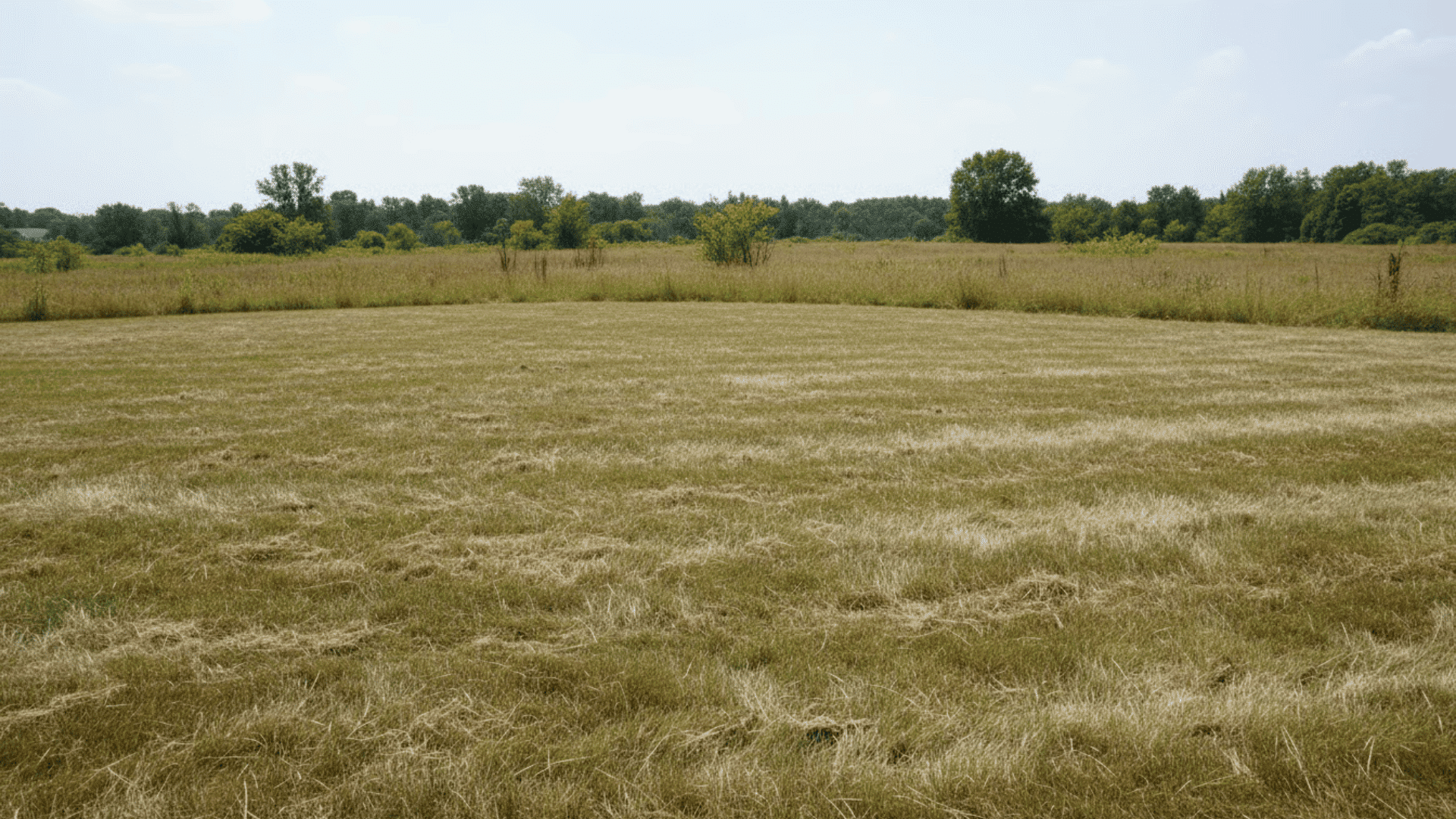
Some watering times don’t just help less. They actively work against your lawn.
Even if everything else is done right, watering at the wrong time can cancel out the effort. Knowing what to avoid is often more important than chasing the perfect schedule.
Midday Watering
Midday watering looks harmless, but it’s inefficient.
Most of the water never reaches the roots. Heat and direct sun pull moisture back into the air almost immediately. What does make it into the soil often warms quickly, which limits how well roots can absorb it.
There’s also added stress. Grass under heat already struggles to hold moisture. Adding water at this point doesn’t refresh it. It often increases strain instead.
The result is higher water use with very little return.
Night Watering
Night watering feels logical. The air is cool. The sun is gone. Water seems like it should last longer.
So what’s the real problem? Duration.
Grass stays wet for long, uninterrupted stretches. There’s no sunlight or warmth to help leaves dry. That constant moisture creates ideal conditions for fungus and surface-level pests.
Below the surface, soil can stay too wet for too long. Roots need oxygen as much as they need water. When soil stays saturated overnight, roots weaken over time.
The damage doesn’t show up immediately. It builds slowly. Lawns thin out, disease becomes frequent, and recovery gets harder each season.
How Long and How Often to Water
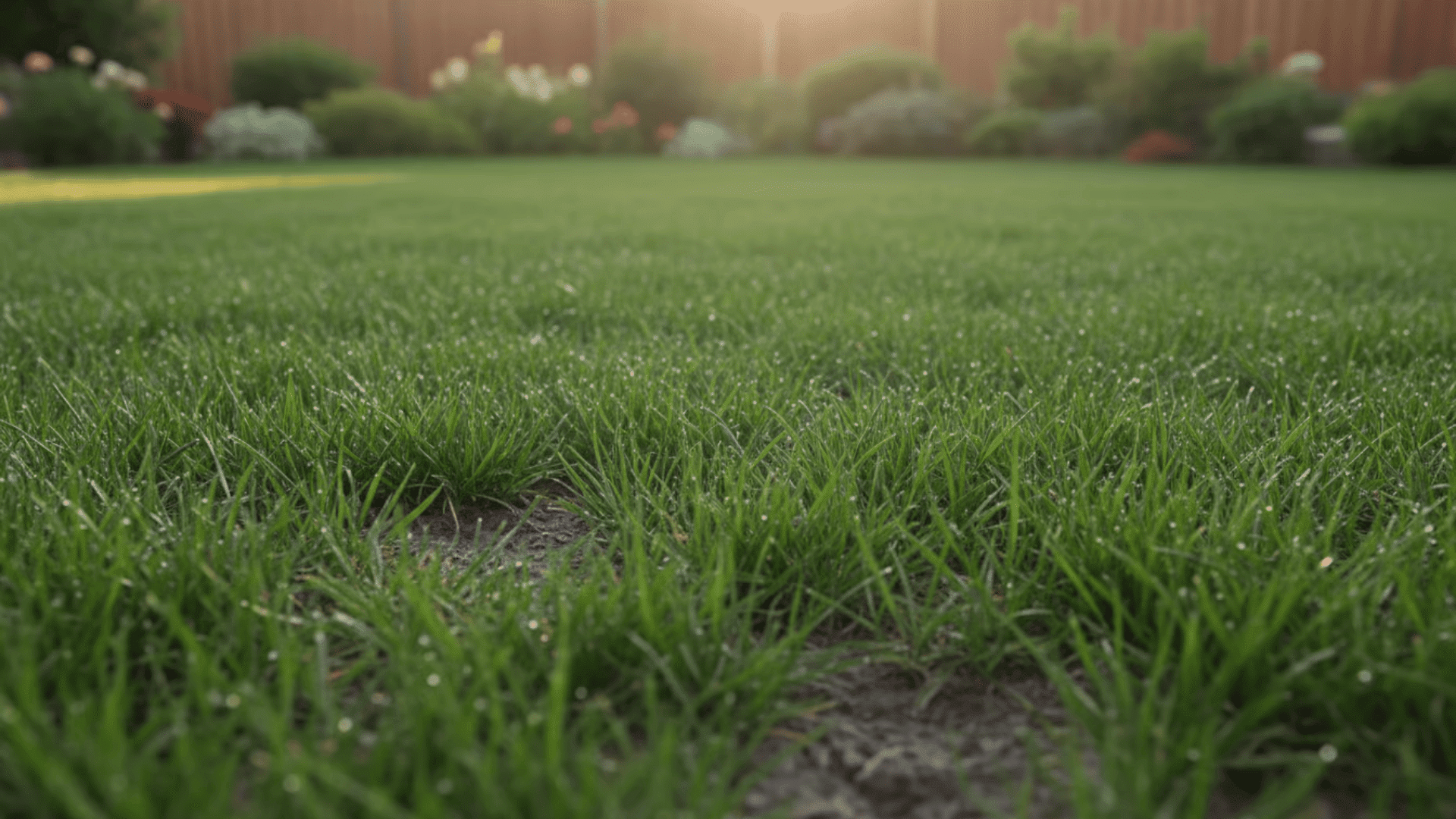
Timing matters, but it only works if duration and frequency are right. This is where many lawns struggle quietly. Watering happens, but it doesn’t actually help.
1. Weekly Water Needs
Most lawns need 1 to 1.5 inches of water per week , including rainfall.
That amount supports steady root growth without flooding the soil. Going beyond it often causes problems. Roots stay shallow. Soil stays damp too long. Disease becomes easier to trigger.
More water doesn’t mean healthier grass.
2. Deep vs. Shallow Watering
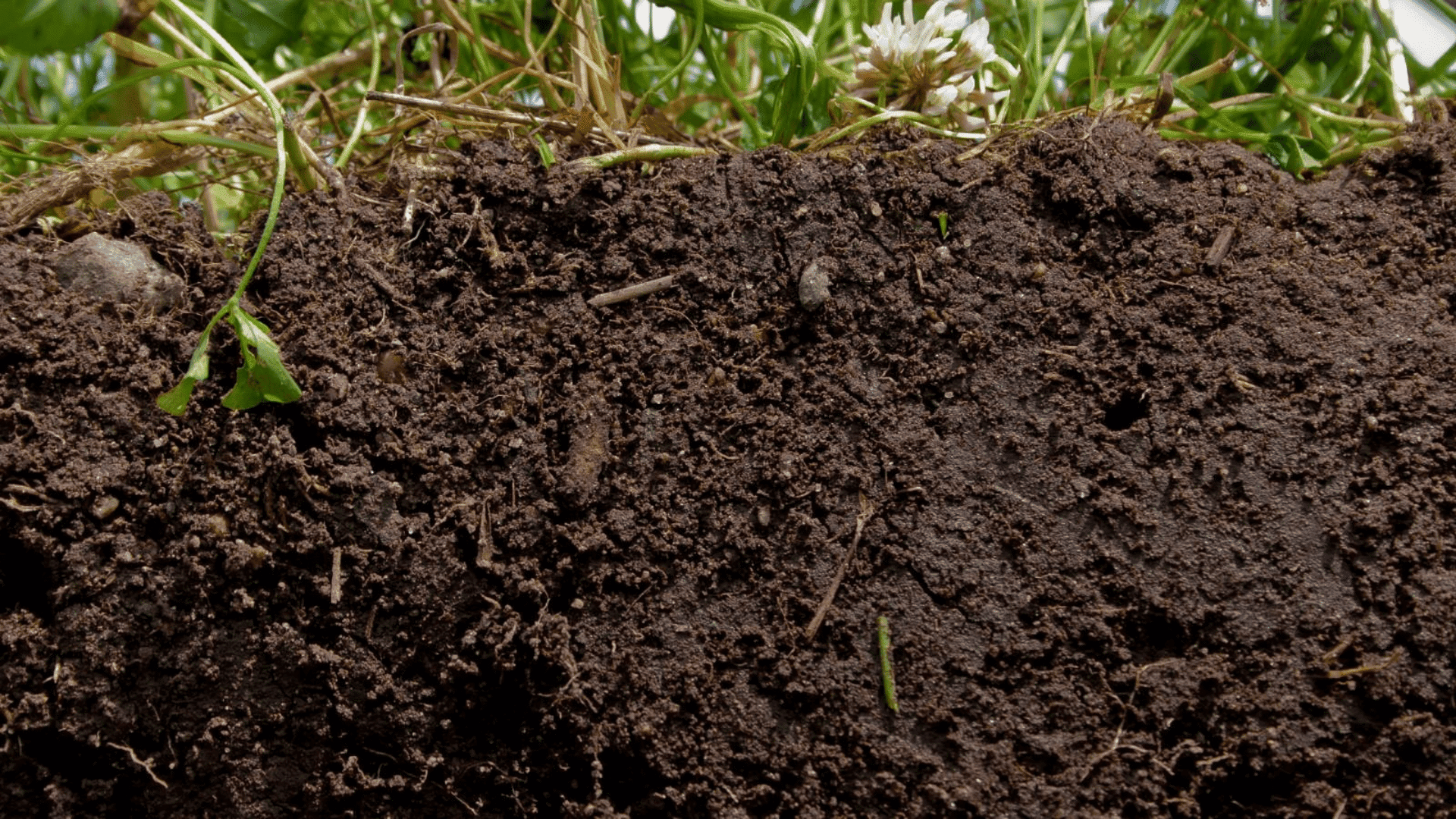
Deep watering allows moisture to reach several inches below the soil surface. This encourages roots to grow downward, where temperatures stay cooler, and moisture lasts longer. Deeper soil layers protect roots from heat and drying winds, which helps the lawn stay stable during stress.
Shallow watering only wets the top layer of soil. Roots adapt to that pattern by staying close to the surface. That makes them vulnerable. Surface soil dries quickly, especially in warm weather, and shallow roots struggle to keep up.
This is why fewer, deeper watering sessions work better than daily light watering. The goal isn’t wet grass. The goal is deeper roots that can support the lawn over time.
3. Sprinkler Run Time Basics
There’s no universal run time. It depends on sprinkler type , water pressure , and soil .
A simple way to remove the guesswork is to place a few empty cans around the lawn. Run your sprinklers and time how long it takes to collect ½ inch of water . That tells you how long one session should last.
Here’s a quick overview of what each sprinkler system typically offers:
- Fixed spray sprinklers: These apply water quickly in a small area, so run times are usually shorter. Measure carefully, since it’s easy to apply too much water too fast.
- Rotary or gear-driven sprinklers: These move more slowly and cover a larger area, which means longer run times are needed to reach ½ inch of water evenly.
- Oscillating sprinklers: These distribute water back and forth at a moderate rate. Run time depends on width and pressure, so the can test is especially useful here.
Once you know that number, you can stop guessing and start watering with purpose.
Best Watering Time by Season
Lawns don’t behave the same way all year. Timing and frequency need small adjustments as conditions change.
| Season | Best Watering Time | Frequency | What to Watch For |
|---|---|---|---|
| Spring | Early morning | 1–2 times per week | Natural rainfall, soggy soil, early overwatering |
| Summer | Early morning | 2–3 times per week | Heat stress, faster evaporation, shallow roots |
| Fall | Early morning | 1–2 times per week | Cooler nights, disease risk, root development |
Use this as a reference point, not a strict rule. Weather, soil type, and local conditions can shift these needs, but the timing principle stays the same across seasons.
Best Time to Water in Hot Weather
Hot weather puts extra stress on a lawn, but it does not mean watering constantly. The goal during heat is to get water into the soil before temperatures spike.
Startearlier in the morning, allowing moisture to soak in while evaporation is low. During extreme heat, moving your start time up by about an hour can make a real difference.
Details matter more when it’s hot. Make sure sprinklers aren’t hitting pavement or sidewalks. Watch for runoff on slopes, where water can move faster than soil can absorb it. Shade, soil type, and slope all play a bigger role in how effectively water is used when temperatures climb.
Note: Resist the urge to increase watering frequency just because it’s hot. Watering too often keeps roots shallow and dependent on surface moisture, which actually makes heat stress worse over time instead of better.
Signs Your Lawn Needs Water

Your lawn gives clear signals when it needs water. The key is knowing how to read them.
- One of the first signs is a color change. Healthy grass looks green and flexible. When it turns dull or gray-blue, it’s starting to conserve moisture.
- Another easy test is the footprint test. Walk across the lawn and watch what happens. If footprints linger instead of springing back, the grass lacks moisture.
- You can also check the soil itself. Push a finger or screwdriver into the ground. If the soil feels dry several inches below the surface, roots are no longer getting what they need.
When these signs show up, the fix isn’t light watering. It’s a deep, thorough session that reaches the root zone.
Common Lawn Watering Mistakes
Most lawn watering problems come from habits that feel sensible but slowly work against the grass.
Common mistakes include:
- Watering too often: Keeps roots near the surface and makes the lawn dependent on frequent moisture instead of building strength.
- Watering too short: Only wets the top layer of soil, which dries quickly and never reaches the root zone.
- Watering at the wrong time of day: Leads to wasted water through evaporation or creates long periods of leaf moisture that increase disease risk.
- Ignoring soil type: Sandy soil drains fast and needs deeper watering, while clay soil holds water longer and needs more time between sessions.
Once you understand why these habits cause problems, they become much easier to correct
What If You Can’t Water in the Morning?
Sometimes the ideal schedule just isn’t realistic.
If morning watering isn’t an option, late afternoon is the safest alternative . The key is to time it early enough for the grass to dry before nightfall.
When watering later in the day, keep sessions shorter and more controlled . Avoid heavy soakings that leave the lawn wet overnight. Pay attention to humidity and cloud cover, since both slow drying.
If conditions don’t allow grass to dry properly, it’s better to skip a watering than to push one through. Missing a session causes far less damage than creating the kind of moisture buildup that leads to disease
Location and Rules that Affect Watering Time
In the U.S., watering time is shaped as much by local rules as by lawn health. Many states and cities regulate when and how often lawns can be watered, especially during dry seasons. Climate differences across regions also change how timing should be handled.
| U.S. Factor | How It Affects Watering Time | What to Do |
|---|---|---|
| Municipal watering schedules | Many cities limit watering to specific days or hours | Water only during approved windows, usually early morning |
| Drought restrictions | States may reduce allowed watering days | Water less often but more deeply to protect roots |
| Western states (dry climates) | High evaporation and low humidity | Start earlier in the morning and focus on deep soakings |
| Southern states (hot and humid) | Slower drying and higher disease risk | Avoid night watering and allow grass to dry fully |
| Northern states (cooler seasons) | Longer soil moisture retention | Space watering farther apart, especially in spring and fall |
| Regional soil differences | Sandy vs. clay soils vary by region | Adjust run time and frequency to match drainage |
Note: Always check your local city or county guidelines before setting a schedule. Within those limits, adjust timing based on your region’s climate and soil.
Conclusion
Watering a lawn isn’t about chasing perfection. It’s about understanding how grass responds to time, heat, and moisture. Once you see those patterns, decisions get easier and stress drops away.
The best time to water lawn works not because someone said so, but because it lines up with how soil absorbs water and how grass stays healthy.
Pay attention to your lawn, adjust with the seasons, and avoid extremes. If you do that, you’ll spend less time fixing problems and more time enjoying steady, quiet growth.
If you want to keep dialing things in, check out the other lawn care guides on the website.