Modern homebuyers are thinking beyond what a neighborhood offers today. Many people are now focused on how their living environment will support their needs for years to come. This shift is not about trends or appearances. It is about comfort, connection, and long-term value.
Communities designed with the future in mind are becoming more appealing because they respond to changing lifestyles, growing families, and evolving expectations. In places like Waller, TX, this forward-thinking approach to neighborhood design is drawing attention from people who want more than just a place to live. They want a place that grows with them.
Thoughtful Planning Shapes Long-Term Living
When people start looking into neighborhoods built for the future, they naturally notice communities where planning and livability come together. These places are designed with intention, not just to look appealing but to support how people live day to day.
In some cases, this thoughtful approach is seen in developments like a master-planned community in Waller TX, where the layout of homes, shared spaces, and everyday conveniences is considered as a whole rather than as separate pieces. This level of coordination helps create a sense of ease and flow throughout the neighborhood.
Well-planned streets encourage walking, shared areas feel welcoming rather than overlooked, and open spaces are positioned where residents can actually enjoy them. Over time, this kind of planning reduces friction in daily routines and helps people feel more connected to their surroundings. Instead of adjusting their lives to fit the neighborhood, residents find that the neighborhood naturally supports their lifestyle.
A Focus on Flexibility and Growth
Neighborhoods built with the future in mind are designed to adapt. Homes often include layouts that can change as needs evolve. A room that serves as an office today might become a guest room tomorrow. Shared spaces within the community are also flexible, allowing for different activities as residents’ interests change over time.
This flexibility is important because life is rarely static. Families grow, work patterns shift, and priorities change. A neighborhood that allows for these transitions helps residents feel secure and supported. Instead of outgrowing their surroundings, people can settle in and adjust without needing to move.
This adaptability encourages long-term satisfaction and reduces the pressure to make major lifestyle changes. Over time, residents benefit from a living environment that continues to meet their needs without disruption.
Encouraging Strong Community Connections
Another reason these neighborhoods are gaining popularity is the emphasis on connection. Future-focused communities are designed to bring people together naturally. Open spaces invite casual conversations. Community events create shared experiences. These interactions help build trust and a sense of belonging.
People are increasingly aware of the value of knowing their neighbors. Feeling connected can improve overall happiness and create a supportive environment. Neighborhoods that encourage interaction help residents feel less isolated and more engaged in their daily lives.
Strong connections also make it easier for residents to support one another during everyday moments. Over time, these relationships contribute to a deeper sense of stability and comfort within the community. These bonds help transform a neighborhood into a place where people feel genuinely at home rather than simply residing nearby.
Designing With Nature in Mind
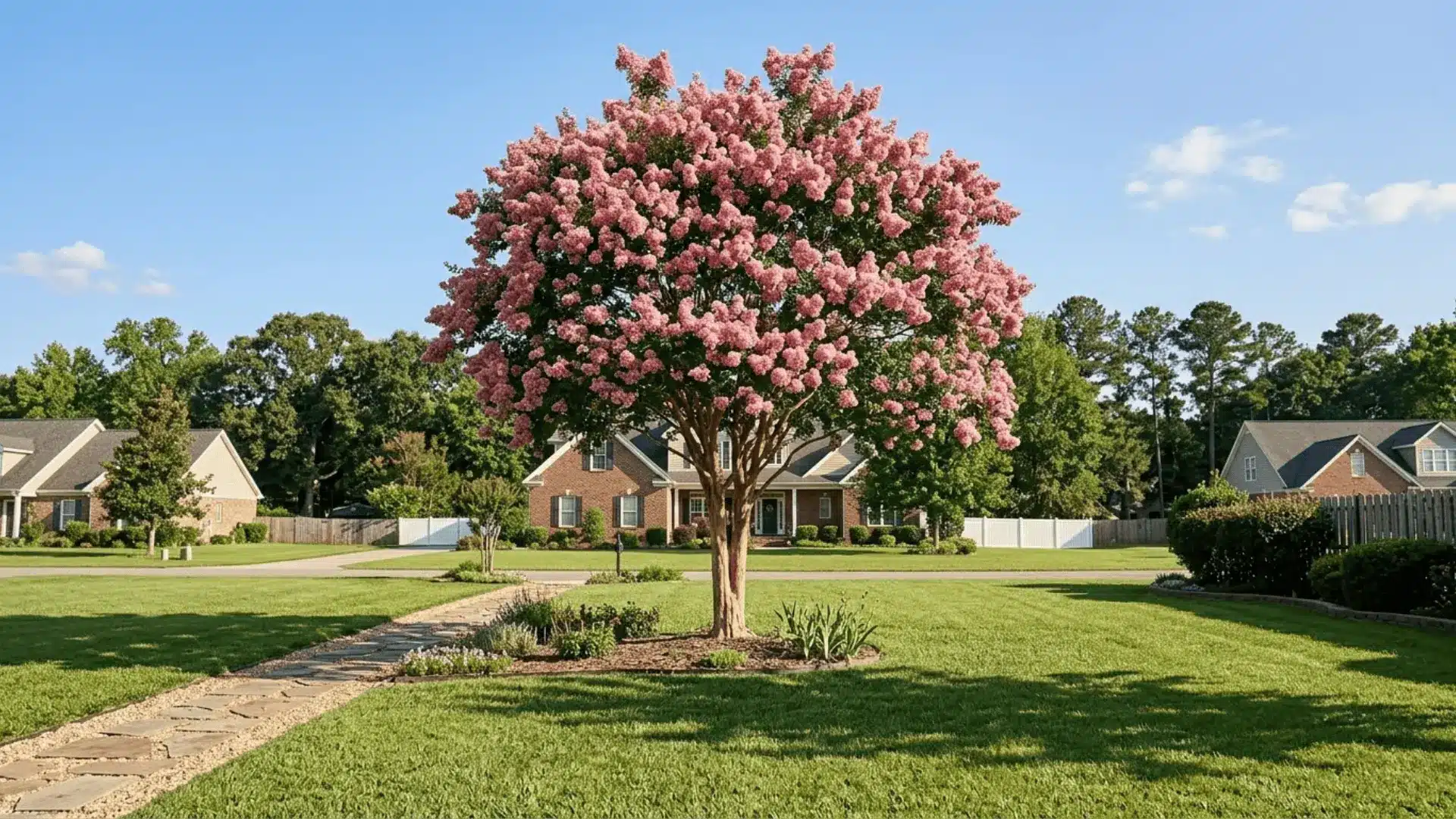
Future-ready neighborhoods often consider the role of nature in daily living. Green spaces are not treated as extras but as essential parts of the design. Trees, gardens, and open areas provide places to relax and recharge. They also create a calmer atmosphere that benefits both physical and mental well-being.
Access to nature within a neighborhood encourages outdoor activity and mindfulness. It allows residents to enjoy simple moments close to home, whether it is a quiet walk or time spent outdoors with family. This thoughtful integration of natural elements adds lasting value to the living experience.
Over time, these natural settings help create a stronger emotional connection to the place people live. Residents often find that regular access to outdoor spaces supports a more balanced and peaceful routine.
Supporting Modern Lifestyles
As lifestyles continue to change, neighborhoods must keep pace. Many people now work from home or follow flexible schedules. Communities built with the future in mind recognize this shift. They often include quiet spaces, shared areas for collaboration, and designs that support a balance between work and personal life.
Convenience is another key factor. Easy access to everyday needs within the neighborhood reduces the stress of daily routines. When essential services and amenities are close by, residents can spend more time on what matters most to them.
This sense of ease helps people manage their time more effectively throughout the day. Over time, a well-supported lifestyle contributes to greater satisfaction and overall well-being.
Prioritizing Safety and Comfort
Safety is a timeless concern, but future-focused neighborhoods approach it with thoughtful design. Well-planned layouts improve visibility and encourage natural oversight among residents. Comfortable lighting and clear pathways help people feel at ease when moving around their community.
Comfort also extends to the overall atmosphere. Quiet streets, well-maintained spaces, and a sense of order contribute to peace of mind. When people feel safe and comfortable, they are more likely to invest emotionally in their neighborhood and build lasting roots.
Long-Term Value Beyond the Home
Choosing a neighborhood built with the future in mind is not just about the house itself. It is about the lasting value of the environment around it. Thoughtful planning, strong community ties, and adaptable spaces help maintain appeal over time.
People are increasingly aware that where they live influences their quality of life. A neighborhood that anticipates future needs offers reassurance and stability. It becomes a place where memories are made and where residents feel confident about their choice for years ahead.
As more individuals and families look for meaningful places to call home, neighborhoods designed with foresight continue to stand out. They offer a blend of comfort, connection, and adaptability that aligns with modern values. This thoughtful approach to community living explains why so many people are choosing neighborhoods built with the future in mind.