If you’ve ever heard that satisfying drumbeat of rain on your roof, you probably already know your gutters are doing the heavy lifting—sending all that water safely away from your walls and foundation. But, hang on a sec, what if you could do a little more with all that free water pouring down your downspouts? That’s where rain barrels come in. They’re weirdly simple but, honestly, if you care about your yard, your water bill, or just making things a bit greener, they’re kind of a no-brainer.
Cut Down on Your Water Bill—And Stress Less
Let’s talk about the obvious win: rain barrels seriously help you use less tap water outside. Gardens, flower beds, even your lawn on a dry August day—all that needs a lot of water, and it adds up fast. When you set up gutters and rain barrels together, you’re capturing the good stuff right at the source. I’ve even had neighbors who joked that, in a good summer storm, their barrel filled up in what felt like a single afternoon.
You might not realize it, but the EPA says that outdoor water use eats up as much as 30% of household water usage in some places (and it’s more in dry climates). With a decent-sized barrel, it isn’t wild to save hundreds of gallons every growing season—not a small thing for a family or any homeowner watching the bills. Plus, your plants generally like rain better than chlorinated tap water, so you’re not just saving cash, you’re actually making your tulips and tomatoes a little happier.
A Friend to Your Yard—And Beyond

Another benefit? Less stormwater runoff. In big rains, your yard can end up soggy, or water can pool around the foundation. If you’re not careful, that can mean basement leaks and mushy gardens for days. By catching what your roof’s already giving you, you cut down on puddles and erosion, and your gutters don’t get quite as overwhelmed when the weather really lets loose. And let’s just say, if you’ve ever waded through ankle-deep water to get to your trash bins, you’ll appreciate every bit of extra control.
The environmental bonus is no joke, either. Less runoff means fewer fertilizers and yard gunk getting flushed down drains and into streams. So, you’re playing your own tiny part in keeping local creeks and rivers a bit cleaner. It all adds up.
Easy to Set Up and Pretty Low Drama
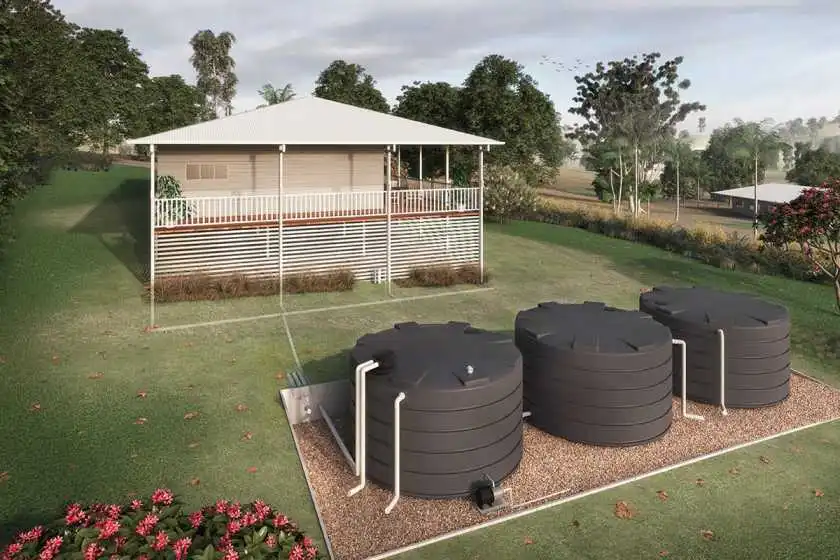
One of my favorite things about rain barrels? Almost anyone can set them up. They fit right under the downspout—most have a mesh screen on top to keep out leaves and bugs, and a little tap at the bottom for filling up your watering can. Sometimes you can chain a couple together for a little extra capacity if you’ve got ambitious garden plans.
Most communities don’t even need permits for a rain barrel, and a lot offer discounts or incentives to encourage folks to jump in.
Handy Tips For Getting the Most Out of Your Rain Barrel
A little heads-up: rain barrels are handy, but do a quick clean-out a couple of times a season to keep things fresh. Make sure the mesh stays clear (mosquitos don’t need an invitation), and always use up the water after storms so you’re ready for the next round. In winter, just disconnect and let your barrel dry out so it doesn’t freeze and crack. That’s really it.
When It’s Worth It
At the end of the day, gutters and rain barrels together make a smarter, greener, and surprisingly easy system that gives your yard a helping hand and lightens the load on your wallet. Small effort, real payoff—kind of a rare combo in home improvement, if you ask me. If you’re looking for a home project that actually feels good—well, you just found one.