Figuring out when to plant tomatoes makes the whole season easier. The timing changes in every part of the country, and that’s why so many gardeners get mixed results.
I’ve seen plants take off fast in warm soil and stall for weeks when the ground is still cold, so getting the first step right matters a lot.
Today, I’ll walk you through the key signs to look for, the timing patterns that actually help, and the small checks that keep you from losing time in spring. You’ll learn how weather, soil warmth, seed timing, and your zone all fit together.
Now let’s start with the quick answer most people need.
The Best Time for Planting Tomatoes
The best time to plant tomatoes is after your last frost , when the soil is at least 60°F (15.5°C) and nighttime temperatures stay above 50°F (10°C) . If it’s colder than this, the plants sit still, turn purple, or get damaged.
For seeds, start them indoors 6 to 8 weeks before the day you expect to move them outside.
Here’s a quick look at common planting windows across the U.S.:
| Region | Typical Seed Start | Typical Transplant Window |
|---|---|---|
| Cold Climates (Zones 3–5) | Late Feb to April | Late May to mid-June |
| Moderate Climates (Zones 6–7) | Feb to March | Late April to mid-May |
| Warm Climates (Zones 8–9) | Jan to Feb | March to April |
| Hot/Southern Zones (10–11) | Dec to Jan | Feb to March |
| Very Warm Zones (12–13) | Any time except peak summer heat | Spring or fall |
Tomato Planting Timing by USDA Zone
Your USDA zone plays a big role in when tomatoes grow best. Use this chart to match your seed starting and transplant dates to the climate where you live.
| USDA Zone | Seed Start Window (Indoors) | Transplant Window (Outdoors) | Peak Planting Dates | Fall Planting Option |
|---|---|---|---|---|
| Zone 3 | Late Feb – Late Mar | Late May – Mid Jun | June 1 – June 15 | Too short growing season for fall planting |
| Zone 4 | Mid Feb – Early Apr | Late May – Mid Jun | May 25 – June 10 | Very limited; only with protection |
| Zone 5 | Early Feb – Mid Apr | Late May – Mid Jun | May 20 – June 10 | Possible with heat-loving varieties in late July |
| Zone 6 | Late Jan – Late Mar | Late Apr – Early Jun | May 1 – May 25 | Yes; late July to early Aug falls |
| Zone 7 | Early Jan – Early Mar | Mid Apr – Late May | Apr 20 – May 20 | Yes; midsummer plant for fall crop |
| Zone 8 | Mid Dec – Mid Feb | Early Mar – Late Apr | Mar 15 – Apr 30 | Yes; Aug to early Sep |
| Zone 9 | Early Dec – Early Feb | Late Feb – Mid Apr | Feb 20 – Apr 15 | Yes; Aug through Sep |
| Zone 10 | Nov – Jan | Late Jan – Early Apr | Jan 15 – Mar 30 | Yes; Sep to Oct; can plant almost year-round |
| Zone 11 | Oct – Dec | Early Jan – Late Mar | Jan 1 – Mar 15 | Yes; nearly year-round except hottest months |
| Zone 12 | Seed start rarely needed | Transplant anytime outside extreme heat | Year-round except peak summer | Yes; ideal fall/winter planting |
| Zone 13 | Seed start not needed | Transplant nearly anytime | Year-round | Yes; year-round tomato production |
Using Frost Dates and Weather to Decide Your Planting Day
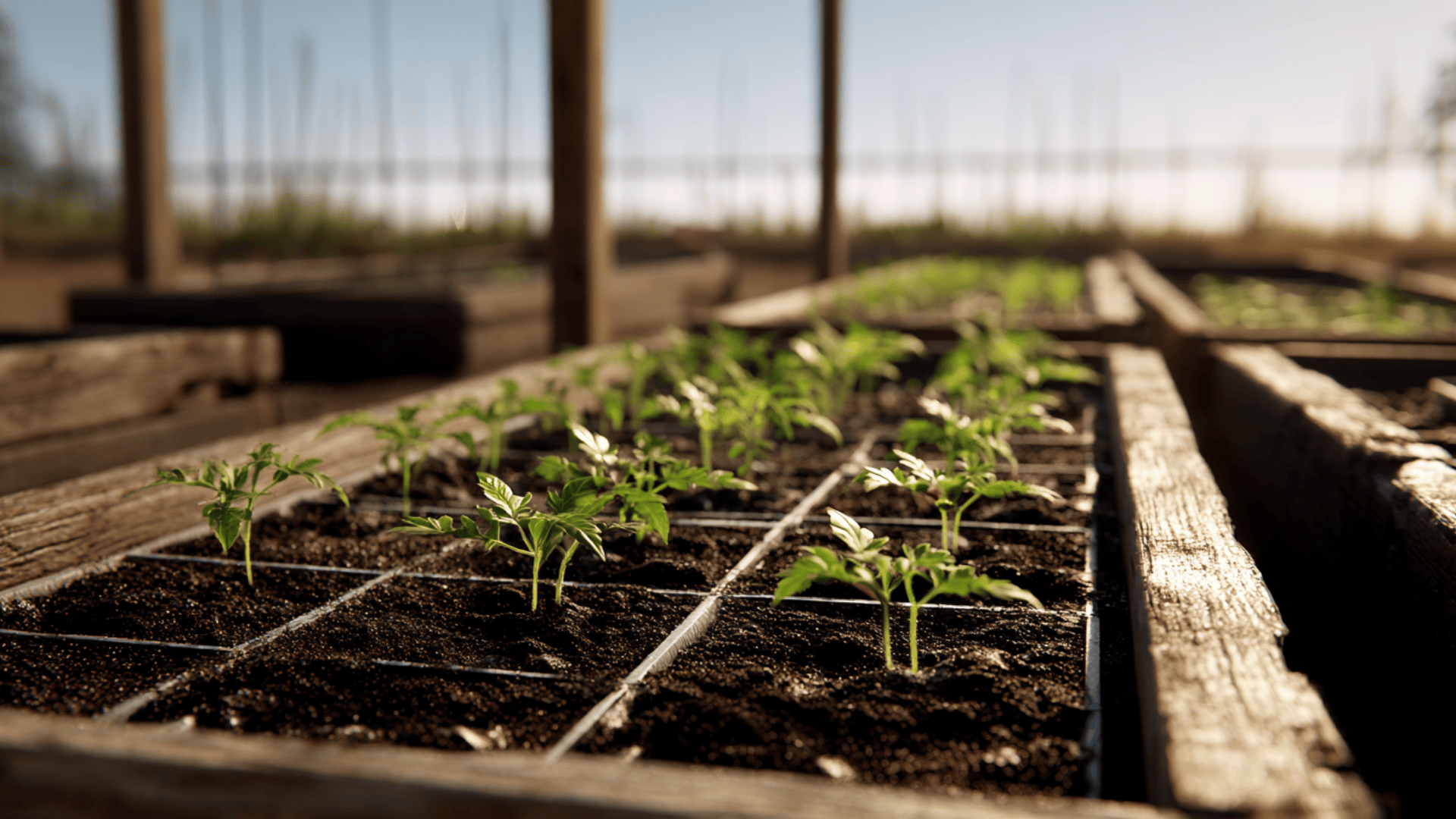
You can’t look at the last frost date alone and call it good. Tomatoes need warm soil and steady night temps, so you want to use a mix of frost history and short-term weather patterns to pick the right day.
How to Check Your Frost Date
Look up your average last frost date using a frost-date tool from your local extension service or trusted gardening sites. This gives you a starting point, not a guaranteed “safe” day.
Why Frost Date Isn’t Enough
Even after the last frost, it can still be too cold. Tomatoes stop growing when:
- Soil drops under 60°F
- Night temps dip under 50°F
This is why frost dates alone don’t tell the whole story.
How to Use the 10-Day Forecast
A simple rule: If the next 10 days show nights above 50°F, you’re good to go.
Check for:
- Nighttime lows
- Sudden cold dips
- High winds (hard on young plants)
- Heavy rain that can chill soil
If temps are borderline, wait a week.
What to Do if A Cold Snap is Coming
If you already planted:
- Cover plants at night with buckets, frost cloth, or sheets
- Add mulch to hold warmth in the soil
- Water soil earlier in the day; moist soil holds heat better
If you haven’t planted yet:
- Hold off
- Keep seedlings under lights or near a bright window
- Don’t rush; cold stress sets plants back more than waiting does
Soil Temperature: The Most Overlooked Planting Factor
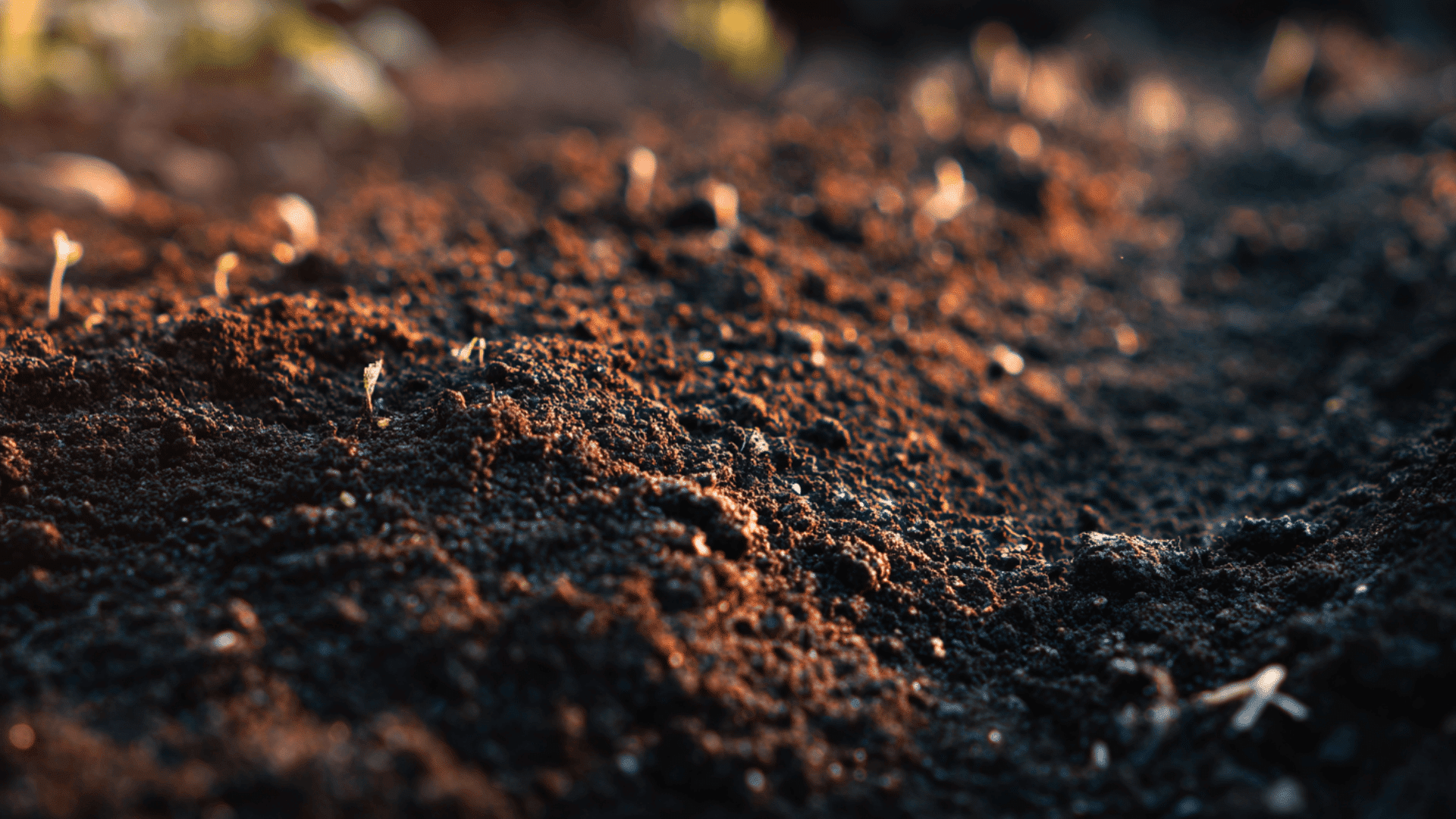
Soil temperature decides how well tomatoes settle in during the first few weeks.
The ground needs to be at least 60°F (15.5°C) before you plant. If it’s colder, tomatoes slow down, show purple leaves, and struggle to form good roots. Hitting the right temperature matters just as much as waiting for frost to pass.
You can check soil temperature without buying anything fancy. A basic soil thermometer works, and a kitchen probe can do the same job.
Push it a couple of inches into the soil early in the morning, because that’s when the ground is at its coolest. That reading gives you the safest number to base your timing on.
Different areas warm up at different speeds.
| Zone Type | When Soil Reaches 60°F |
|---|---|
| Cold Zones (3–5) | Late May to early June |
| Moderate Zones (6–7) | Early to mid-May |
| Warm Zones (8–9) | Late March to April |
| Hot Zones (10–11) | February to March |
| Very Warm Zones (12–13) | Above 60°F most of the year |
If your soil is still cold but you’re close to planting time, you can warm it up faster.
Black plastic or clear plastic traps heat and lifts soil temps quickly. Row covers help keep warmth in overnight.
Once the soil finally hits the right temperature, adding mulch helps hold that warmth so the plants don’t get shocked by cold nights.
Tomato Seed Starting Timing: A Complete Guide
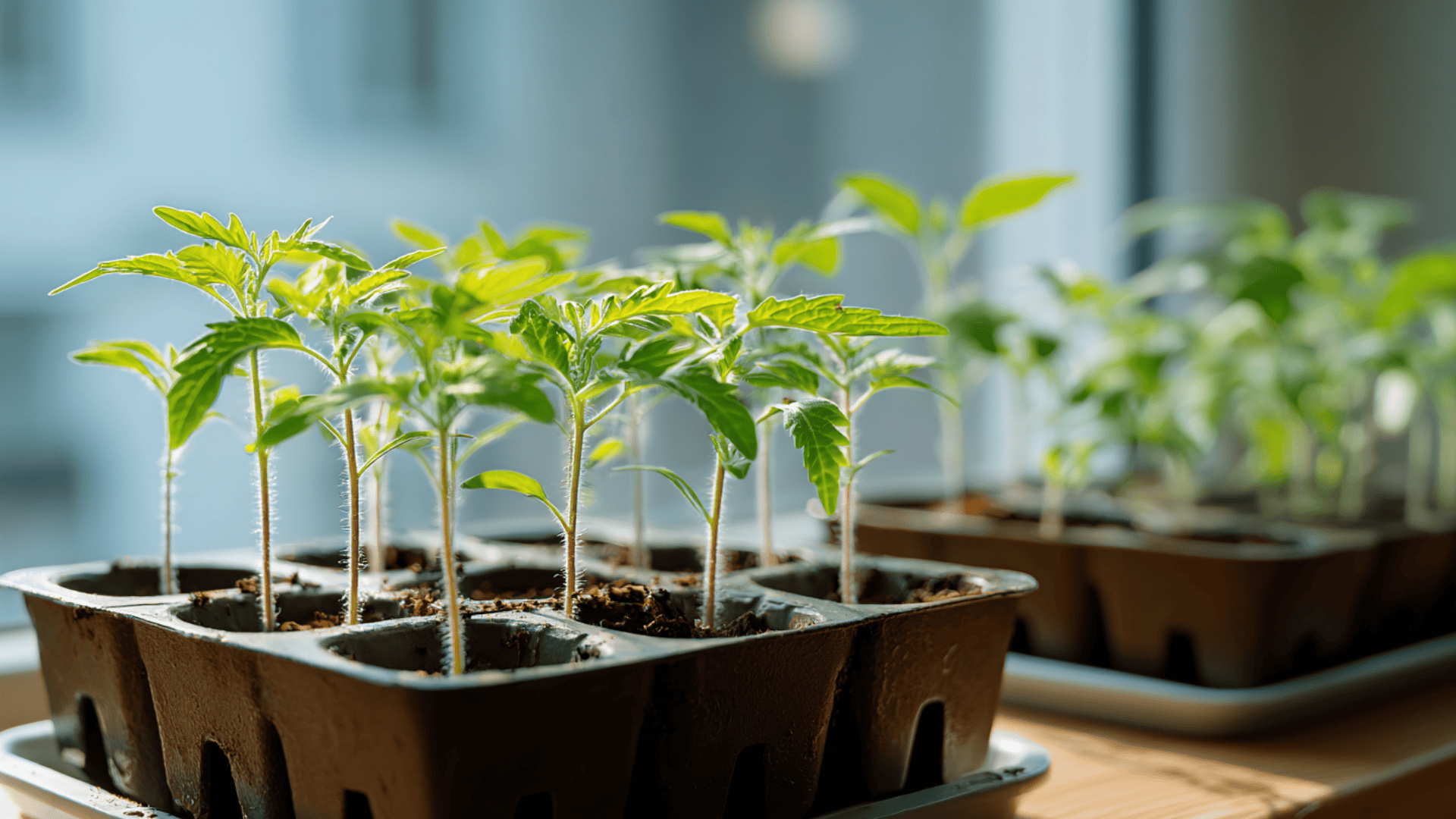
Starting seeds at the right time helps your tomato plants grow strong indoors and settle smoothly into the garden later. These steps keep the timing simple and the plants healthy.
1. When To Start Seeds Indoors
The easiest rule to follow is starting seeds 6 to 8 weeks before your transplant date.
Most gardeners use their last frost date as a guide and count backward. This window gives plants enough time to form steady roots and firm stems without getting oversized.
2. Ideal Germination Temperatures
Tomato seeds sprout best when the soil stays between 75°F and 85°F. Warm soil gives you faster and more even germination. A heat mat, a warm room, or a sunny spot can help hold the temperature steady until the seedlings push through.
3. Signs Your Seedlings are Ready to Transplant
Seedlings are ready when they reach 6 to 10 inches tall, have at least two sets of true leaves, and stand upright without leaning. Stems should feel firm, and the leaves should have solid color without stretching or drooping.
4. Signs You Started Too Early
Starting too early usually shows up as leggy growth or root-bound plants. Leggy seedlings stretch toward light and look thin and weak.
Root-bound plants have roots circling inside the pot or popping out of the drainage holes. Both issues slow the plant down once it goes into the garden.
5. What to Do If Your Plants are Already Too Big
If your seedlings outgrew their timing, you can still manage them. Move them into larger pots, give them stronger light, or drop the temperature a bit to slow growth.
When it’s time to transplant, you can bury part of the stem, since tomatoes grow new roots along any section that’s underground.
Transplant Timing Checklist
Timing your transplant well gives your tomato plants the best start outside. Use this checklist to make sure the conditions are right before you move them into the garden.
- Nights above 50°F: Tomatoes settle in smoothly when nighttime lows stay above this point. Cooler nights slow growth and stress young plants.
- Soil at 60°F or warmer: Cold soil holds tomatoes back even if the air feels mild. Warm ground helps the roots spread quickly.
- Seedlings 6 to 10 inches tall: Plants in this range are steady enough to handle the move without getting shocked or bending.
- Two sets of true leaves: This shows your seedlings are mature enough to grow well outdoors and won’t stall after planting.
- Hardened off for 7 to 10 days: Gradual outdoor exposure helps the plants adjust to sun, wind, and fresh air so they don’t crash after transplanting.
If you check all the points on this list, your tomatoes will be strong enough to handle the move and start growing right away.
When It’s Too Early or Too Late to Plant Tomatoes
| Too Early | Too Late |
|---|---|
| Cold stress slows the plant down | Frost hits before fruit can ripen |
| Growth stalls because the soil is still cold | Heat stops pollination and flowers drop |
| Leaves turn purple from cold shock | Plants run out of season unless protected |
| Seedlings struggle to root and stay small | You need fast-maturing or early varieties |
If you spot any of these signs, adjust your timing or switch varieties so your plants have enough warmth and growing time to produce well.
Planting Tomatoes in Late Seasons and Hot Regions
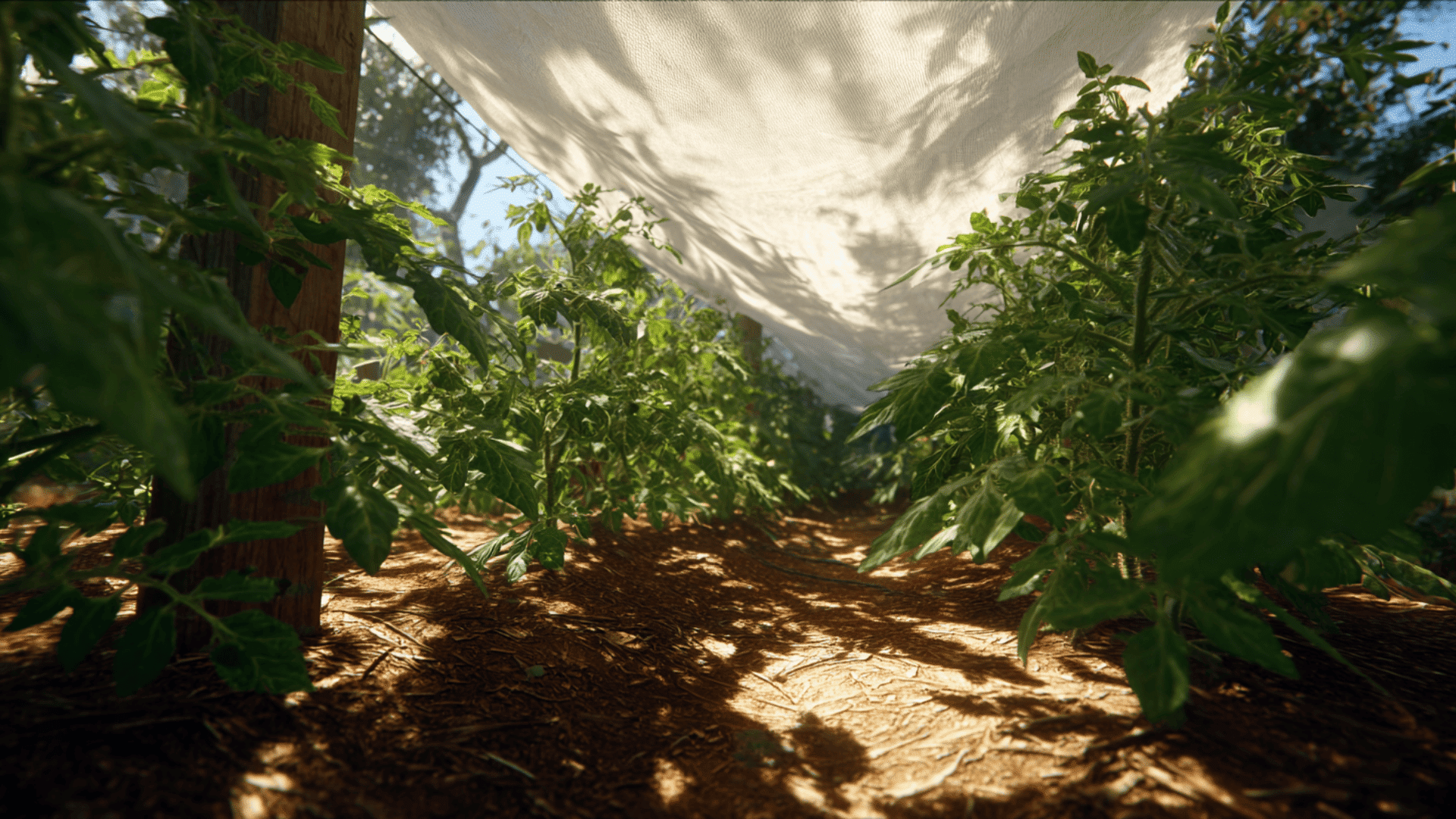
Some planting situations don’t fit the usual calendar, and these come up a lot. Here are the two most common ones and how to handle them.
Planting Tomatoes in September
You can plant tomatoes in September only if you live in a warm zone. Areas like southern California, the Gulf Coast, and zones 9–11 can grow fall tomatoes because the season stays warm long enough for fruit to ripen.
In cold or moderate zones, September is too late. The first frost arrives before the plants can flower and set fruit, so the crop never matures.
Tomatoes in Extreme Heat Regions
Places like Phoenix, Las Vegas, and large parts of Texas heat up fast, and tomatoes struggle once daytime temperatures push past 90°F. Pollination stalls, the flowers drop, and the plants stop setting new fruit.
You can still grow tomatoes in these regions, but timing and care matter. Choose heat-tolerant varieties, give plants shade cloth during the hottest part of the day, and water in the morning so roots stay steady when the heat ramps up.
These steps help the plants survive summer and set fruit when temperatures ease.
Wrapping Up
So much of tomato success comes from timing, and knowing when to plant tomatoes gives you a clear advantage. The right mix of warm soil, stable nights, and steady seedlings sets the stage for strong growth.
Once you understand how your zone, weather patterns, and seasonal shifts work together, the rest of the process feels a lot easier.
Each step helps you avoid the problems that slow plants down and helps you pick the best moment to set them outside.
If you’ve been unsure about the timing in past seasons, use what you learned here and give it a try. Dont’t forget to check out the other guides on the site to help you grow even better plants.