
Serious structural changes in a home require significantly more planning than a cosmetic renovation. Such projects affect the structure, functionality, and long-term value of the property. Because of this, homeowners should ideally understand the real scale of the investment and the purpose of the planned changes in advance, before implementation begins.
Homeowners in Ontario are increasingly considering expanding their living space or adding new rooms as an alternative to purchasing a new property. This makes it possible to adapt an existing home to new needs with a clearer understanding of the process and the budget.
Why Major Home Upgrades Require Careful Financial Planning
Any structural changes require advance planning, because they affect the home’s structure, its engineering systems, and the overall configuration of the space. After implementation begins, they cannot be adjusted without consequences. A poorly calculated budget can lead you into a situation with limited solution options, and mistakes at the planning stage can lead to additional costs.
Financial planning makes it possible to define a realistic scope of the project before work begins. This helps clarify which changes are truly justified and which may create excessive pressure on the budget without meaningful improvements. This approach makes the process more manageable and allows decisions to be made based on calculations, not only assumptions.
The Difference Between Minor Improvements and Structural Upgrades
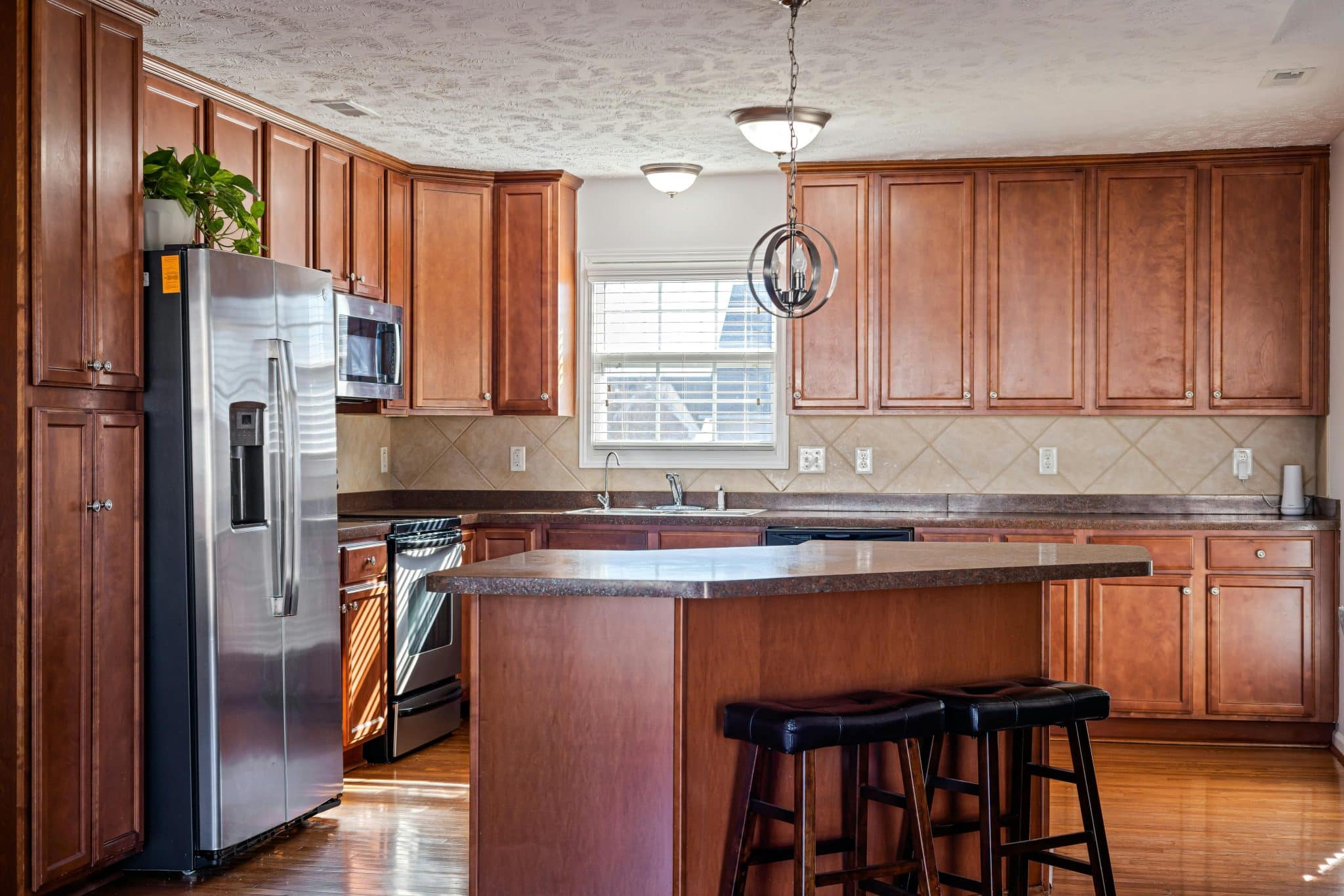
It is important to understand the difference between cosmetic improvements and structural changes. First of all, they differ not only in cost, but also in the scale of work. Cosmetic updates do not affect the home’s structure and can be carried out without significant interference with the existing structure. They most often include replacing finishes, updating flooring, or painting walls. Everything that affects the visual side of the renovation.
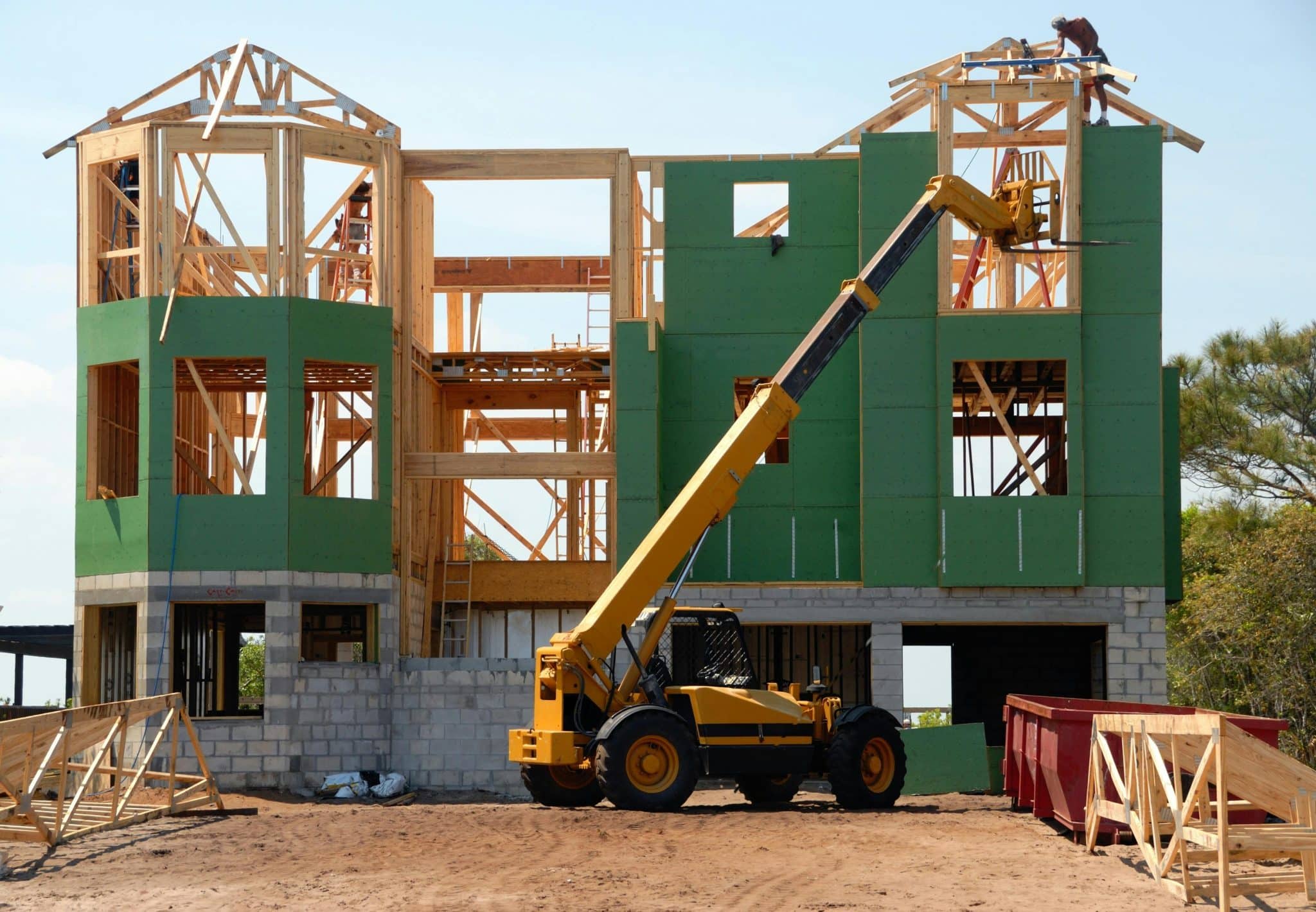
Structural changes include adding new rooms, changing the layout, expanding living space, or other work related to the building’s structure. Such projects are not done without thorough preparation, approvals, technical drawings, and inspections.
Structural changes are viewed as long-term investments rather than a temporary improvement. They can significantly expand the functionality and size of the living space, which will undoubtedly be reflected in the value of the home.
Understanding the True Cost of Expanding or Rebuilding a Home
As we noted earlier, expanding a home includes a wide range of work, from the idea to implementation. That is why it is not surprising that this process affects the final cost and requires separate planning.
When it comes to a full rebuild of a home, these processes are even more extensive, because from the old house, often only a couple of walls remain. These are huge investments, both financial and time-related. Prices are constantly changing, in order to have a realistic understanding, it is useful to rely on up-to-date data on cost to build house in Ontario. It shows the real cost of construction without the market markup that is typical when purchasing a finished home.
Remember that the final cost depends on square footage, complexity of the project, condition of the existing structure, and the scope of the required changes. For simplicity, the deeper you intervene in structural changes, the more preparation, requirements, and factors will influence the overall budget. That is why an early estimate and a clear understanding of all stages of work help avoid unexpected expenses during the project.
When a Home Addition Becomes the Most Practical Upgrade Option
The need for a home addition is often connected to the arrival of new family members or the need for an additional workspace. In such cases, the request for home addition Toronto arises as a practical solution that allows you to adapt the home to new tasks without the need for a full rebuild.
Such an expansion becomes a logical solution when the existing home fits you well in terms of location, layout, and exterior appearance, and you only want to add 1–2 rooms. In this case, a full rebuild of the home does not look like the right decision, and moving to another home may introduce significant changes to your routine.
This approach makes it possible to expand space step by step, controlling the process and focusing on the necessary changes. The main thing is to clarify in advance the possibility of expanding a home within the dense development of Toronto neighborhoods.
How to Plan Upgrades That Align With Long-Term Property Goals
When planning major changes to a home, it is worth thinking everything through in advance, because this is a long-term investment in the property. It is important to determine which upgrades will increase the home’s functionality and will be used for many years. This will help avoid situations where new rooms simply sit idle.
Another important aspect when planning such changes is how long you plan to live in this home. Structural changes are logical if you are considering living in the home for at least the next 5–10 years. Otherwise, there is no sense in starting such systemic changes without receiving the expected benefit from them over a long period.
You need to clearly understand your goals, budget, and the home’s capabilities in order to make a balanced decision about improving it or changing it. This will allow you to build a more predictable process, which will protect you from unnecessary stress and overspending.