Hydroseeding is often misunderstood because the process looks finished long before growth actually begins. The bright surface and uniform coverage can create the impression of instant results, even though the real work is happening below the soil.
This method is built around preparation and early stability, not speed. What matters most is how moisture, seed placement, and surface protection come together during the first stages of growth.
I will walk through the process, the materials, and the real outcomes. No hype. No decisions pushed. Just a clear picture, step by step, so you know what you are actually looking at when you see it in action.
What is Hydroseeding?
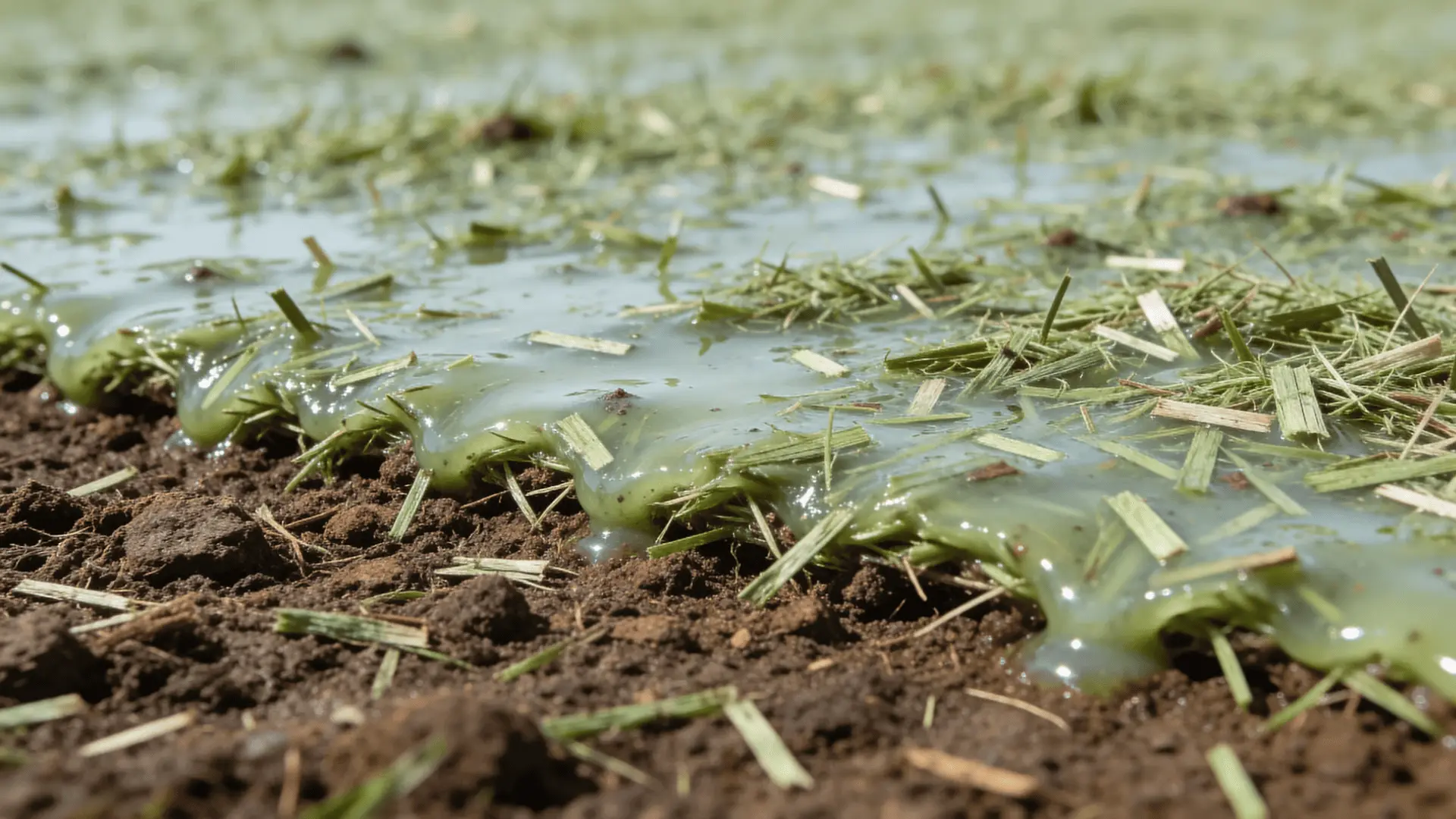
Hydroseeding is a planting method used to grow grass or other plants on bare soil. Instead of spreading dry seed, everything is mixed into a water-based slurry and sprayed evenly over the ground.
The idea is simple. Get the seed down. Keep it in place. Create better conditions from the start.
This method is about controlled germination, not instant results. The sprayed layer forms a thin cover over the soil that helps hold moisture, reduce erosion, and protect seeds from washing or blowing away. Growth still takes time. What changes is how consistently it begins.
- Compared to traditional seeding, hydroseeding delivers seed and moisture at the same time. That improves early soil contact
- Compared to sod, it lets roots grow directly into native soil instead of pushing through a pre-grown layer. Each method works differently.
Hydroseeding sits in the middle. It focuses on early stability and root development, not quick visual payoff
How the Hydroseeding Process Works
Hydroseeding works because several steps happen in sequence, not because of the spray alone. The process connects preparation, application, and early growth into one system.
1. Mixing the Slurry
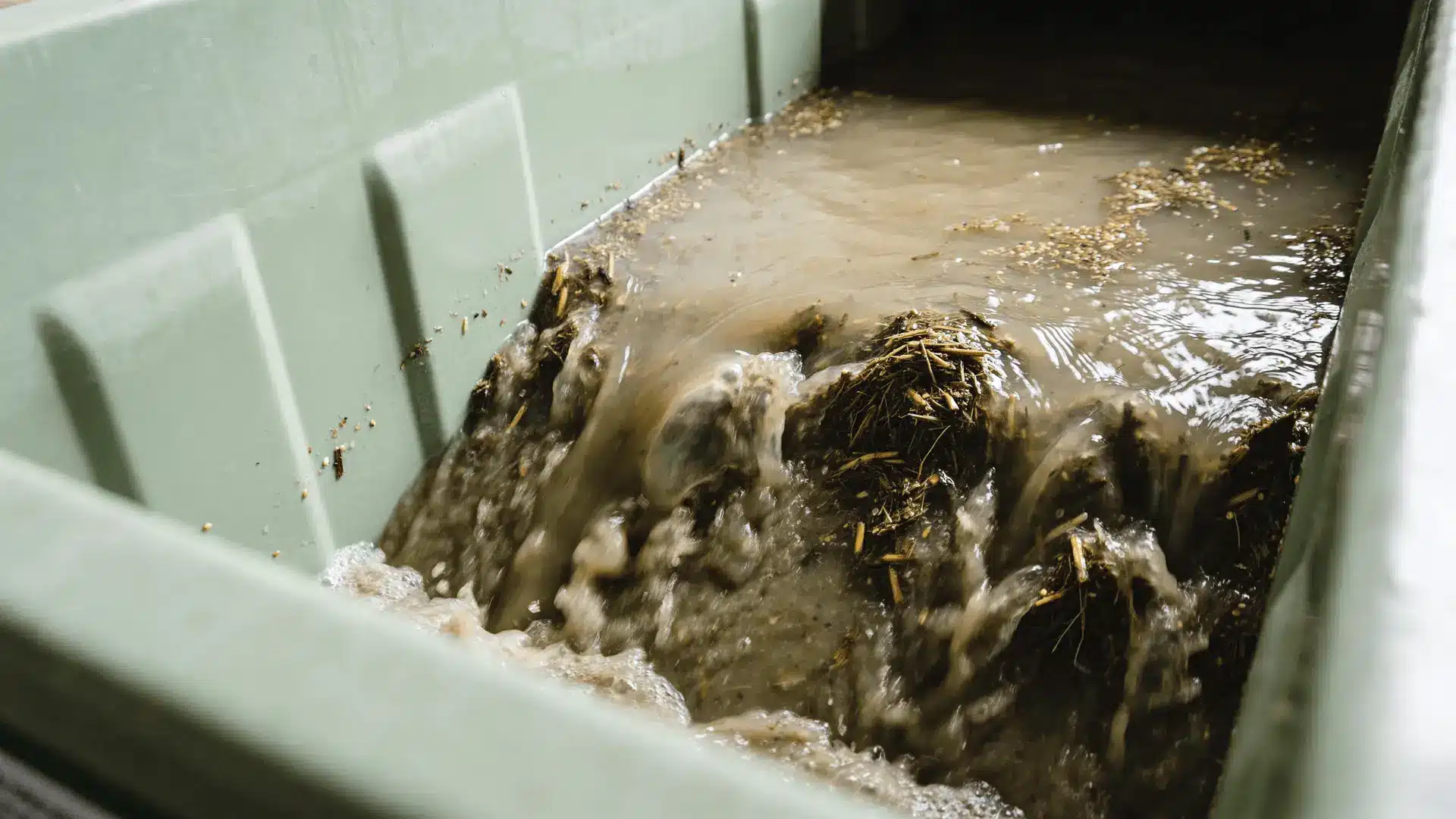
Everything starts in a tank. Seed, mulch, water, fertilizer, and dye are mixed into a uniform slurry.
Uniform mixing matters because uneven blends lead to uneven growth. If seeds clump, some areas grow thick while others stay bare. If mulch separates, moisture protection breaks down.
The mixture is designed to flow but still cling. That balance allows it to move through hoses while staying on soil once applied.
2. Spraying and Soil Contact
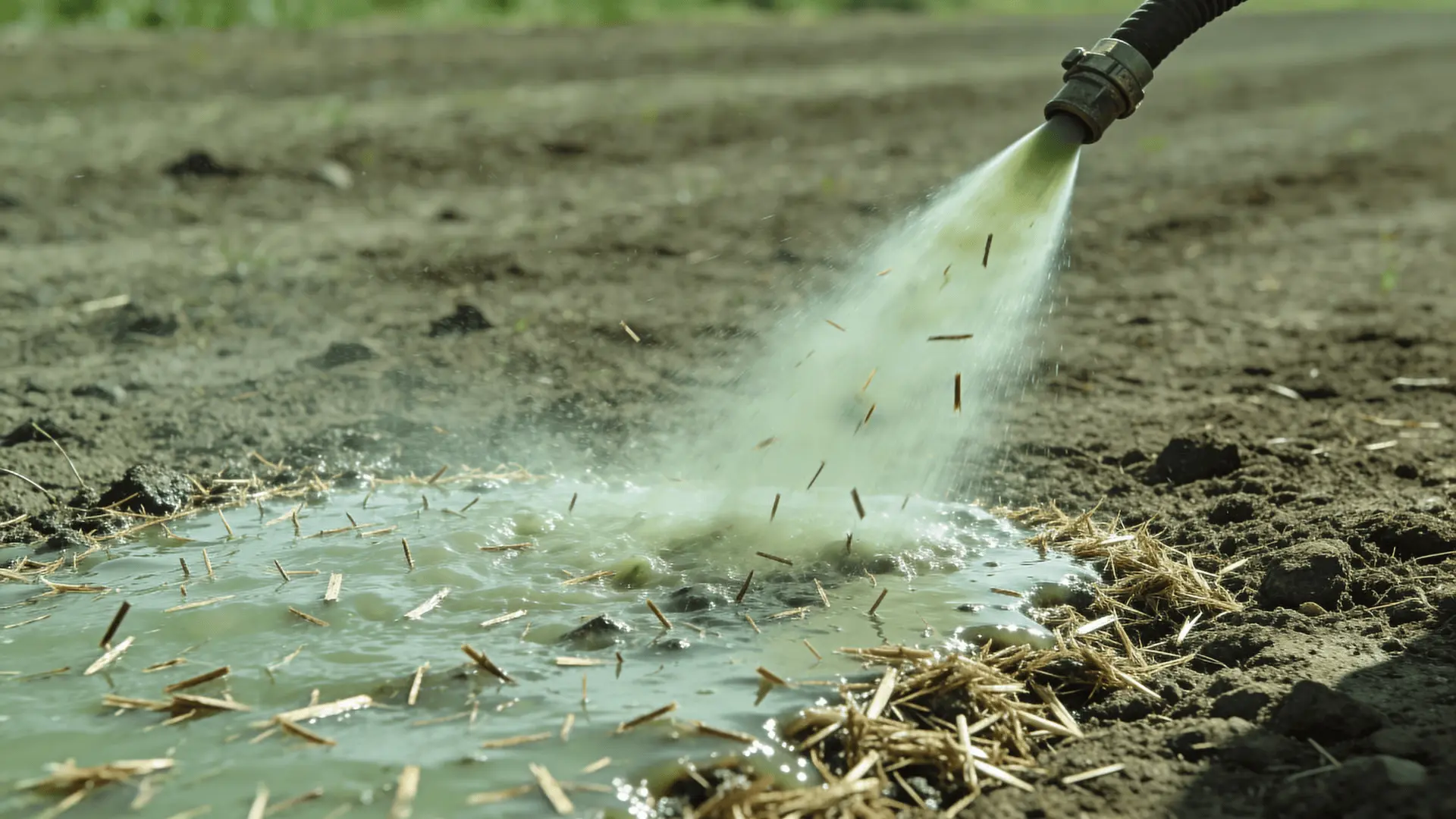
The slurry is sprayed onto prepared soil using pressure. Pressure controls spread. Too little pressure causes clumping. Too much can cause runoff. Proper application lays down a thin, even layer that follows the soil surface.
Soil contact is critical. Seeds must touch soil to germinate. The slurry helps press seed into small soil gaps instead of leaving it exposed on top. This reduces loss from wind, rain, and birds.
3. What Happens After Application
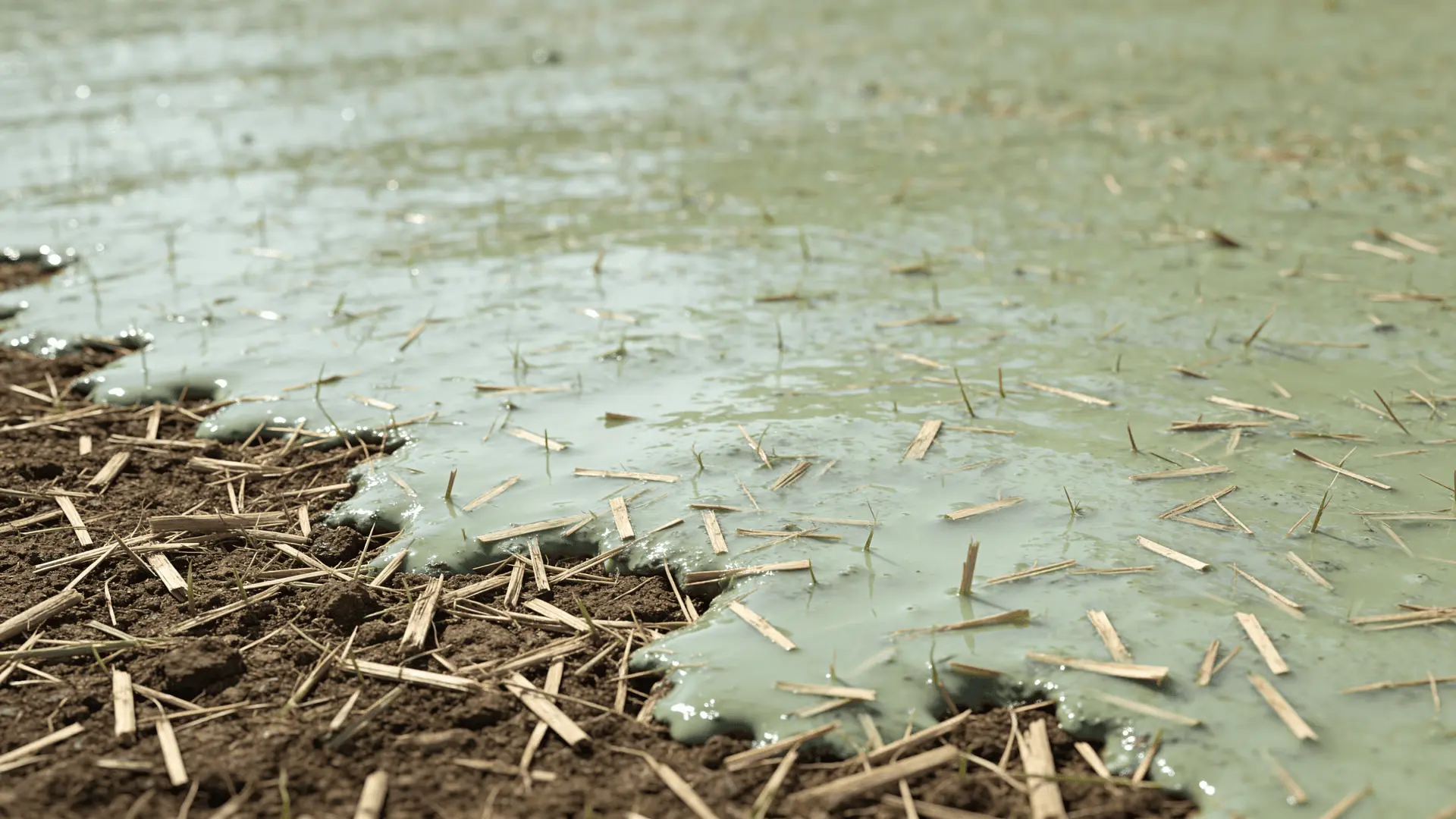
After hydroseeding is applied, the real work starts below the surface.
- Water soaks into the soil, activating the seeds and starting the germination process
- Mulch fibers swell and form a loose mat, which slows evaporation and stabilizes soil temperature
- Seeds stay anchored in place, protected while they absorb moisture and begin to sprout
- Germination happens in stages, so some areas grow sooner than others
- Early growth may look patchy, which is normal as roots establish and spread over time
This system does not force growth. It sets the right conditions. Soil, moisture, and time do the rest.
What Materials Are Used in Hydroseeding and Why They Matter
Each material in hydroseeding has a specific job. Nothing is added at random. The system works because these parts support each other, especially during the early stages of growth.
1. Seed
Seed determines what can grow, but placement determines whether it grows at all. Hydroseeding improves seed-to-soil contact by holding seed in place during watering and rainfall. That steady contact allows seeds to absorb moisture evenly, which triggers germination.
When seed dries out too often or shifts position, germination slows or fails. Hydroseeding lowers that risk by stabilizing the seed early, though it cannot eliminate it completely.
2. Mulch
Mulch is the structural support of the system. It holds moisture near the soil surface, shields seed from sun and wind, and reduces erosion by softening the impact of rainfall.
On flat ground, mulch mainly protects moisture. On slopes, it becomes critical. It slows runoff long enough for roots to form. Without mulch, seeds are often displaced before they ever get established.
3. Fertilizer
Fertilizer supports early growth, not long-term feeding. It supplies nutrients seedlings can reach before their roots spread deeper into the soil. This early access helps young plants establish more quickly.
Fertilizer cannot compensate for poor soil conditions. If the soil lacks structure or organic matter, growth will still be limited. Hydroseeding supports establishment, but it does not correct underlying soil problems.
4. Water and Dye
Water is the delivery system. It allows all materials to spread evenly and activates the process once applied. Dye adds visibility during application so coverage stays consistent across the surface.
The dye fades quickly and does not affect plant growth. Its role ends once the application is complete.
Hydroseeding works because these materials function as a system. Removing or weakening one part reduces the effectiveness of the whole.
What Hydroseeding is Commonly Used For
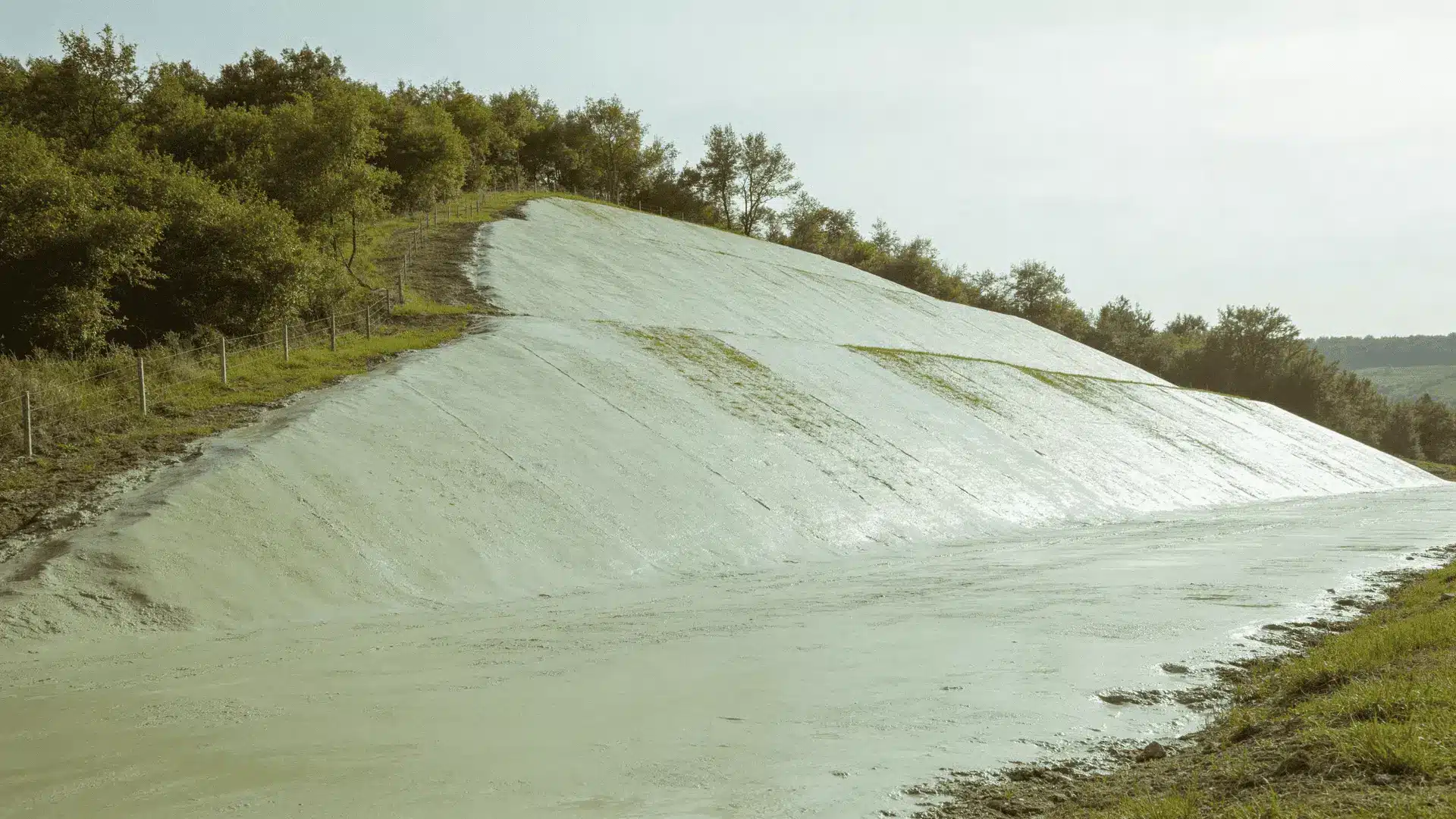
Hydroseeding appears in many settings because it solves specific problems related to soil exposure and uneven planting.
Lawns and Residential Areas
On lawns, even coverage matters. Hydroseeding spreads seed uniformly, which reduces thin spots and bare patches. Roots grow directly into existing soil, which helps long-term stability.
Results vary based on soil quality and care. Shaded areas may grow slower. Sunny areas often establish faster. Hydroseeding supports consistency, but it does not override site conditions.
Slopes and Erosion Control
Slopes present a different challenge. Gravity and water work against seed placement. Hydroseeding helps by anchoring seed with mulch and reducing surface movement.
The system slows runoff long enough for roots to form. Once roots establish, soil holds itself. Without that early support, erosion continues.
Construction and Land Recovery
Construction leaves soil compacted and exposed. Access is often limited. Hydroseeding allows large areas to be covered quickly without heavy foot traffic.
Speed matters here, but protection matters more. The goal is stabilizing soil first, then encouraging growth over time.
Many people think hydroseeding is only for lawns or only for large projects. It is used in both, for different reasons.
How Hydroseeding Compares to Other Planting Methods
Hydroseeding is not a universal upgrade. It fits certain conditions better than others.
| Planting method | How it works | Where it performs well | Key limitations |
|---|---|---|---|
| Traditional seeding | Dry seed is spread over soil and relies on later watering to settle into place | Small areas, light foot traffic, gentle slopes | More sensitive to weather, uneven moisture, and seed movement |
| Hydroseeding | Seed is sprayed in a water-based mixture that improves placement and moisture control | Larger areas, slopes, sites where early stability matters | Takes time to look finished and still depends on soil conditions |
| Sod | Pre-grown grass is laid over soil for immediate coverage | Areas where instant visual results are needed | Roots must grow through the sod layer before fully establishing |
Hydroseeding sits between traditional seeding and sod. It trades instant appearance for stronger early establishment and more consistent growth under the right conditions.
What to Expect After Hydroseeding is Applied
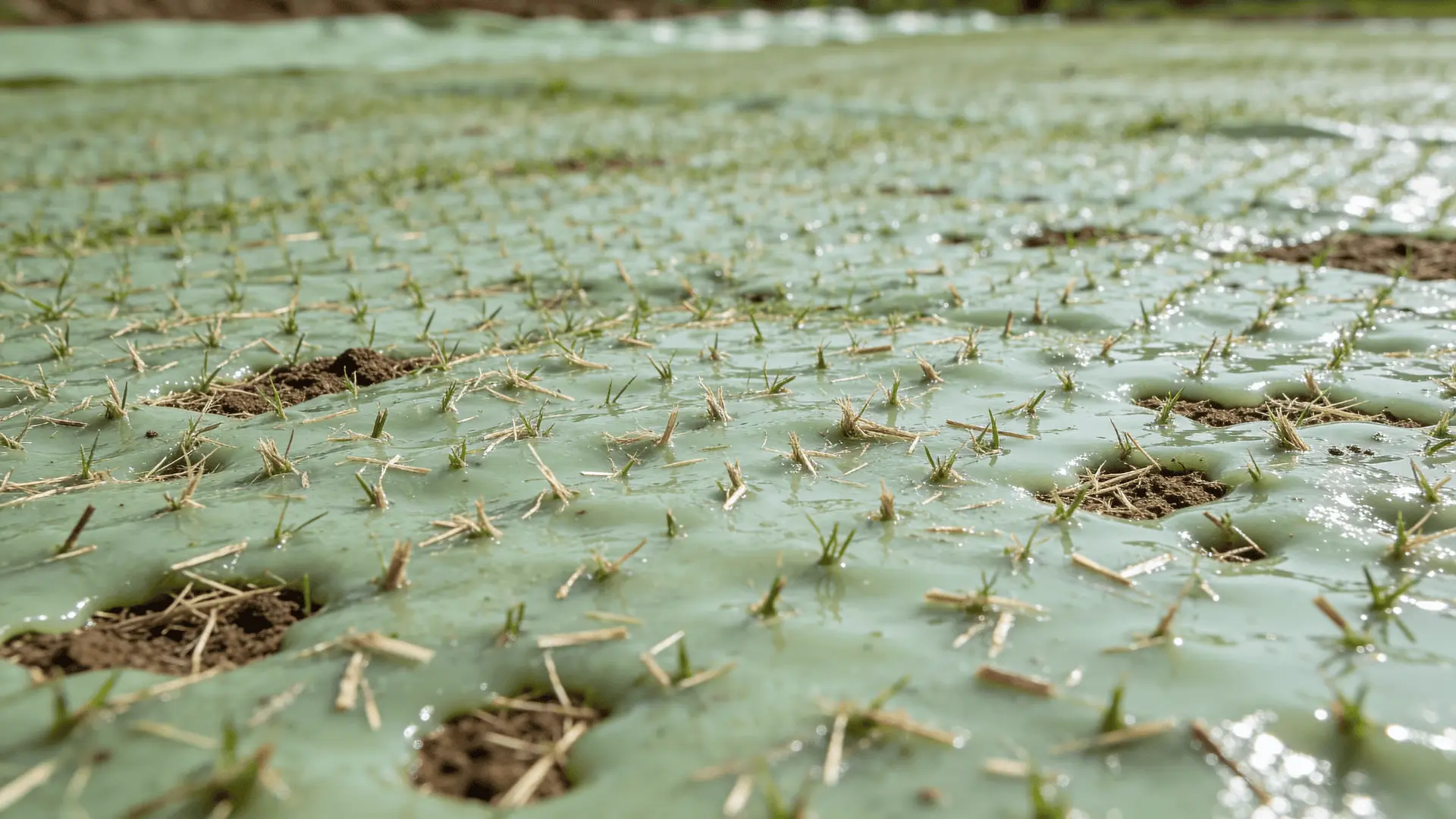
After hydroseeding is applied, the surface can be misleading at first. What you see is preparation, not finished growth.
- The ground appears green and wet, which signals coverage, not existing grass
- Germination usually begins within one to three weeks, depending on temperature, moisture, and seed type
- Some areas sprout sooner, while others develop more slowly, especially in shaded or cooler spots
- Early growth often looks thin and uneven as roots establish and begin spreading
- Young seedlings remain sensitive to drying and stress, even though growth starts faster
Hydroseeding improves the starting conditions. It does not remove the need for care during establishment.
Wrapping Up
Hydroseeding works best when it’s understood for what it actually is. It’s not a shortcut or a finished product, but a system designed to create better starting conditions for growth.
When the process, materials, and early stages are viewed together, the outcomes make more sense and expectations stay realistic.
Understanding what the process is helps you evaluate results without guessing or overreacting to early appearances.
Check out other blog posts on the website to learn more about planting methods, surface preparation, and what to expect at each stage of growth.