Losing power is more than an inconvenience it disrupts routines, affects food safety, interrupts home systems, and can even become dangerous in extreme weather. With unpredictable weather patterns and growing demand for reliable home power, more homeowners are turning to standby generators. But what does a generator installation really cost?
Understanding the price range and what factors influence it can help homeowners plan smarter and avoid unpleasant surprises. For readers familiar with the type of practical home-improvement insights found on RandyLemmon.com, having clear expectations is the first step to making the right investment.
Average Cost to Install a Home Generator
The cost to install a whole-house or standby generator typically ranges between $5,000 and $12,000, depending on generator size, brand, power needs, fuel type, and installation complexity.
Here’s a general breakdown:
- Portable generator hookup: $800–$2,000
- Mid-size standby generator (10–16 kW): $5,000–$8,500 installed
- Whole-home standby generator (20–26 kW): $8,500–$12,000+ installed
Larger homes, heavier power requirements, or multi-unit properties may require more powerful units and, therefore, higher installation costs.
According to the Electrical Safety Foundation International (ESFI), safe generator installation is essential to prevent electrical hazards and ensure proper system grounding, another reason why cost varies depending on home configuration and safety requirements.
What Influences Generator Installation Cost?
1. Generator Size (kW Output)
Bigger generators cost more to purchase and install. A small 10 kW unit may power essentials, while a 22–26 kW generator can run most or all household systems simultaneously.
2. Fuel Source: Natural Gas, Propane, or Diesel
Natural gas connections lower operating cost but require access to gas lines. Propane tanks may require excavation or tank installation. Fuel choices impact both upfront and long-term costs.
3. Transfer Switch Type
Automatic transfer switches (ATS) cost more than manual ones but deliver instant, hands-free power transfer. Most homeowners choose ATS for convenience and safety.
4. Installation Complexity
Distance from the electrical panel, site preparation, trenching, concrete pads, and wiring needs will increase labor cost.
5. Electrical Panel Capacity
Older homes may require panel upgrades or rewiring to support generator load.
6. Permits & Inspections
City or county permits can add $150–$500+ to the budget depending on your region.
Professional Electricians and Labor Costs
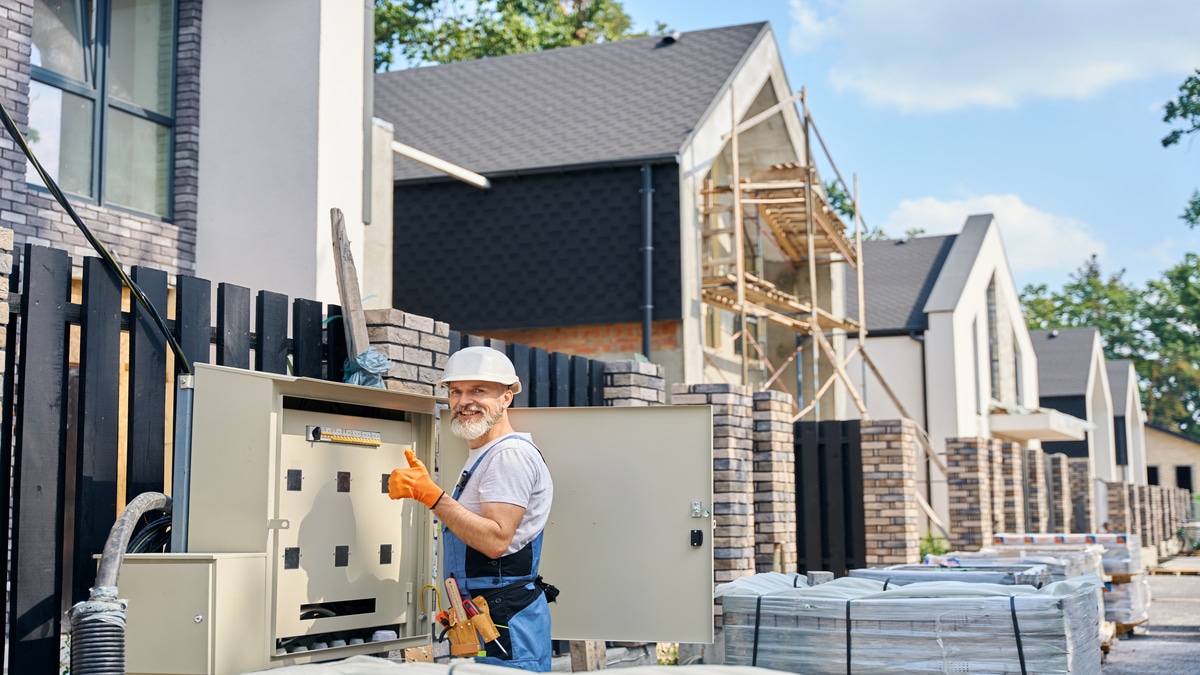
Labor is one of the largest portions of generator installation cost. A licensed electrician evaluates load requirements, wiring, the condition of the electrical panel, and the safest installation location. Homeowners often work with local professionals like an Electrician in Crofton MD when determining these factors and getting an accurate estimate.
Labor prices also vary by region, complexity, and fuel type, especially when trenching or gas-line modifications are required.
Generator Types and Their Price Differences
Not all generators serve the same purpose. Some are built for essential circuits only, while others support the entire home.
Essential-Circuit Standby Generators
Designed to power must-have systems: refrigerator, lights, HVAC blower, sump pump, and outlets. Typically cheaper to install since only select circuits are wired.
Whole-Home Generators
Provide seamless power to the entire property. These require larger units, bigger transfer switches, and higher installation labor.
Portable Generators with Transfer Switches
Budget-friendly but require manual startup and frequent refueling—not ideal for long outages.
Choosing between these options depends on your home size, appliances, medical needs, and local weather risks.
Helpful Planning Considerations
Before finalizing a generator installation, homeowners should also consider:
- Location of the unit (must meet clearance requirements)
- Noise ratings (decibels)
- Fuel storage capacity
- Maintenance plans
- Battery replacement schedule
- Warranty terms
During the planning stage, many homeowners turn to practical mid-project guidance such as the advice found in design trends for home upgrades to understand how equipment choices and materials impact long-term satisfaction and durability.
Hidden or Overlooked Costs
In addition to generator and labor pricing, homeowners should plan for:
1. Gas Line Installation or Extension
Propane or natural gas modifications can add $500–$2,500 depending on distance and access.
2. Concrete Pad or Mounting Base
Some generators require reinforced pads for stability.
3. Electrical Panel Upgrades
Older homes may need rewiring or a new panel to safely handle load transfer.
4. Annual Maintenance
Oil changes, filter replacements, and inspections cost around $150–$300 annually.
Regional Installation Costs and Local Expertise
Generator installation costs vary by local permitting requirements, terrain, soil conditions, and electrical regulations. In weather-sensitive regions or areas with older homes, installation may require additional safety measures.
Homeowners searching for region-specific guidance often look into professional Generator Installation services to understand realistic pricing and what’s included in a full setup.
Why Professional Installation Matters
Generators must be installed by licensed electricians—both for safety and to protect the warranty. Professional installers ensure:
- Correct load calculation
- Proper wiring and grounding
- Safe distance from doors and windows
- Compliance with electrical and gas codes
- Seamless automatic transfer operation
- Reduced fire and electrocution risk
A poorly installed generator can cause backfeeding, equipment failure, or electrical fire, risking both property and personal safety.
Conclusion
A generator installation can cost anywhere from a few thousand dollars to over $12,000 depending on generator size, fuel type, labor, and installation complexity. While DIY might seem tempting, this is one project where professional expertise is essential for safety, reliability, and long-term performance.
For homeowners who appreciate thoughtful, trustworthy advice like that found across RandyLemmon.com, understanding these costs makes it easier to budget, plan, and choose the right generator for your home’s needs. With the right installer and clear expectations, a standby generator becomes a long-term investment in comfort, safety, and peace of mind.