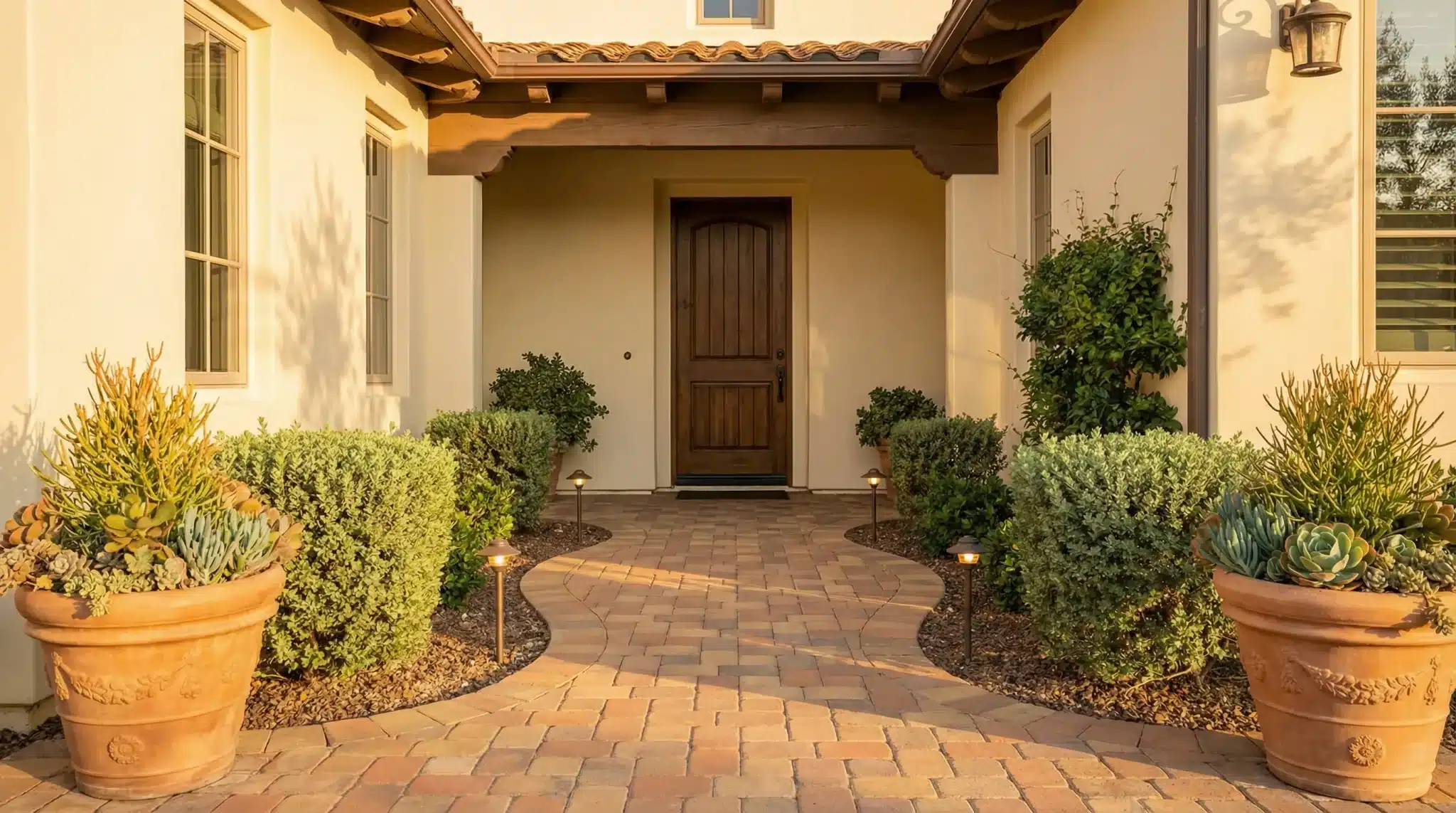
Home staging isn’t just an aesthetic exercise; it’s deeply rooted in psychology and visual science. Buyers form impressions of a property within seconds, long before they begin evaluating the details of layout, appliances, or upgrades. Those initial moments shape the tone for the entire showing, influencing how buyers interpret the rest of the home and how emotionally connected they feel to it.
Understanding the science behind visual cues helps sellers create spaces that feel inviting, harmonious, and memorable. Thoughtful staging doesn’t require expensive furniture or dramatic renovations, but it does require attention to how the human brain processes space, color, light, and order — all factors that affect how buyers perceive a home.
Why First Impressions Matter More Than You Think
The brain makes quick judgments based on visual patterns and instinctive reactions. When a buyer walks into a home, or even clicks through photos online, the mind is scanning for signs of comfort, cleanliness, and potential. A calm, organized entry creates a psychological invitation. A cluttered or dim space does the opposite.
This “snap impression” sets expectations for the whole property. If the first room feels bright, clean, and welcoming, buyers tend to view the rest of the home more generously. If the entry feels cramped or chaotic, buyers may unconsciously look for flaws. Staging is about guiding that first impression deliberately so the home’s best qualities shine through immediately.
Light: The Most Powerful Visual Cue in Staging
Light strongly influences emotion and perception. Bright, natural light signals openness and warmth, while dim or uneven lighting can make spaces feel smaller or less inviting. This is why staged homes often emphasize open windows, sheer curtains, and strategic lighting placement.
Natural light helps buyers see details clearly, but it also influences mood. Rooms that feel sunny and open produce a sense of comfort and positivity. Even if a space lacks large windows, adding layered lighting creates the perception of brightness. Light also affects how colors appear; a well-lit room makes neutral tones feel crisp rather than dull, and it highlights architectural features without overwhelming the eye.
Color Palette and the Psychology of Calm
Most staged homes use neutral or soft color palettes for a reason: the brain processes calm, harmonious colors more easily. Buyers can project their own preferences onto a clean, unified palette, but bold or highly personalized colors create mental friction.
Color also affects perceived size. Lighter tones reflect more light and create the illusion of expanded space. Darker colors can be beautiful in the right context, but they visually contract a room, making some spaces feel tighter than they are.
The continuity of color from room to room matters as well. When buyers move through a home with a cohesive palette, they experience a smoother visual transition. This reduces cognitive load and makes the home feel more polished and thoughtfully designed.
Lines, Shapes, and the Brain’s Need for Order
Visual order helps the brain relax. Staging that emphasizes clean lines, simple arrangements, and open sightlines gives buyers a sense of clarity. When furniture placement creates clear pathways, the home feels easier to navigate and more spacious.
Even small adjustments, like aligning chairs symmetrically or centering artwork, signal organization. Clutter, in contrast, causes visual noise. It interrupts the flow of a room, making spaces feel chaotic, even if they’re structurally sound. This is one reason why in staging, less truly is more.
Scale and Proportion Shape Perceived Space
Furniture that matches the scale of the room is essential in staging. Oversized sofas or bulky dining sets make rooms feel cramped, while pieces that are too small can make a space feel sparse or oddly proportioned.
The brain uses furniture as a reference point for size. When pieces are appropriately scaled, buyers perceive rooms as larger and better balanced. This is especially important in small spaces, where strategic placement can make a dramatic difference in how open a room feels.
Cleanliness and Order Create a Sense of Care
A clean home signals that it has been well maintained. Dust, fingerprints, or clutter, even in small amounts, can trigger doubts about overall upkeep. Clean spaces also allow buyers to focus on the home itself rather than distractions. Order also goes beyond tidiness, as things like organized shelves, properly hung curtains, and thoughtfully arranged accessories create a sense of harmony.
Why Home Staging Works
Home staging works because it leverages the psychology of visual perception. Light, color, texture, scale, and order all shape how buyers experience a property, often before they consciously evaluate its features. When these elements work together, they create a sense of comfort, clarity, and possibility that helps buyers connect with the home on an emotional level.
Understanding these cues allows sellers to stage more effectively and helps buyers interpret what they’re seeing with greater insight. Behind every beautifully staged home is a thoughtful strategy grounded in how the human mind sees, feels, and reacts.