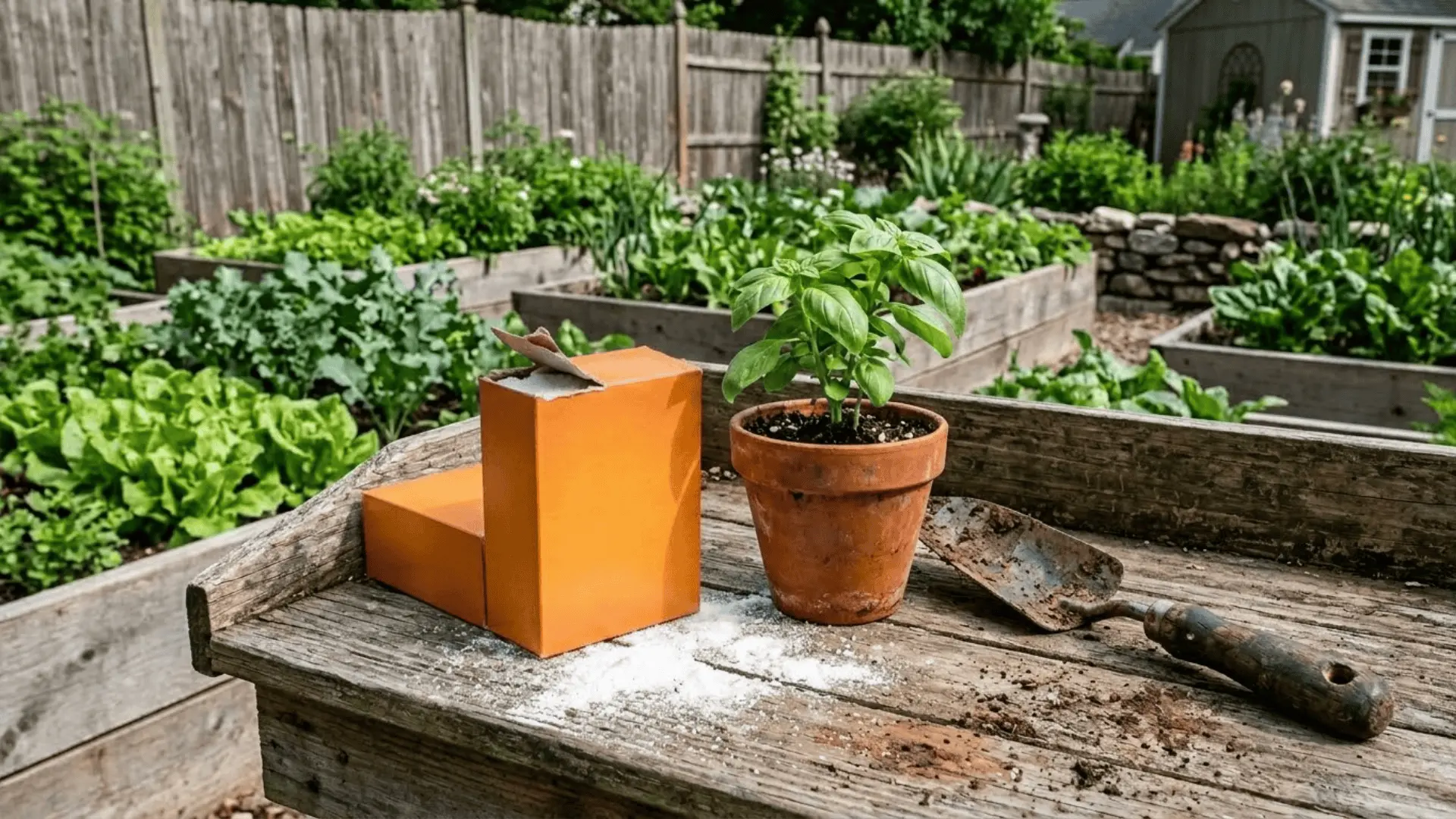
That little orange box sitting in the back of your pantry? Turns out, it has a quiet reputation in the gardening world.
Baking soda has become a go-to household hack for gardeners who swear by its ability to keep fungal issues at bay, deter certain pests, and give their plants a little extra care.
So, is baking soda actually good for plants? Mostly yes, but with a caveat. Used thoughtfully, it can do a lot of good; used carelessly, it can throw your soil off balance.
Let’s dig into what it can really do.
Is Baking Soda Good for Plants?
Baking soda genuinely earns its place in the garden, but it is not a free pass to sprinkle everywhere.
Gardeners love it for its natural antifungal properties and the fact that it costs almost nothing. A diluted spray on affected leaves can work quietly and effectively.
The flip side is that it raises soil alkalinity over time, which can stress roots and disrupt nutrient absorption. Overuse can also scorch foliage.
The sweet spot is using it as a targeted, occasional treatment rather than a routine fix, and always in a well-diluted form.
How to Use Baking Soda for Plants?
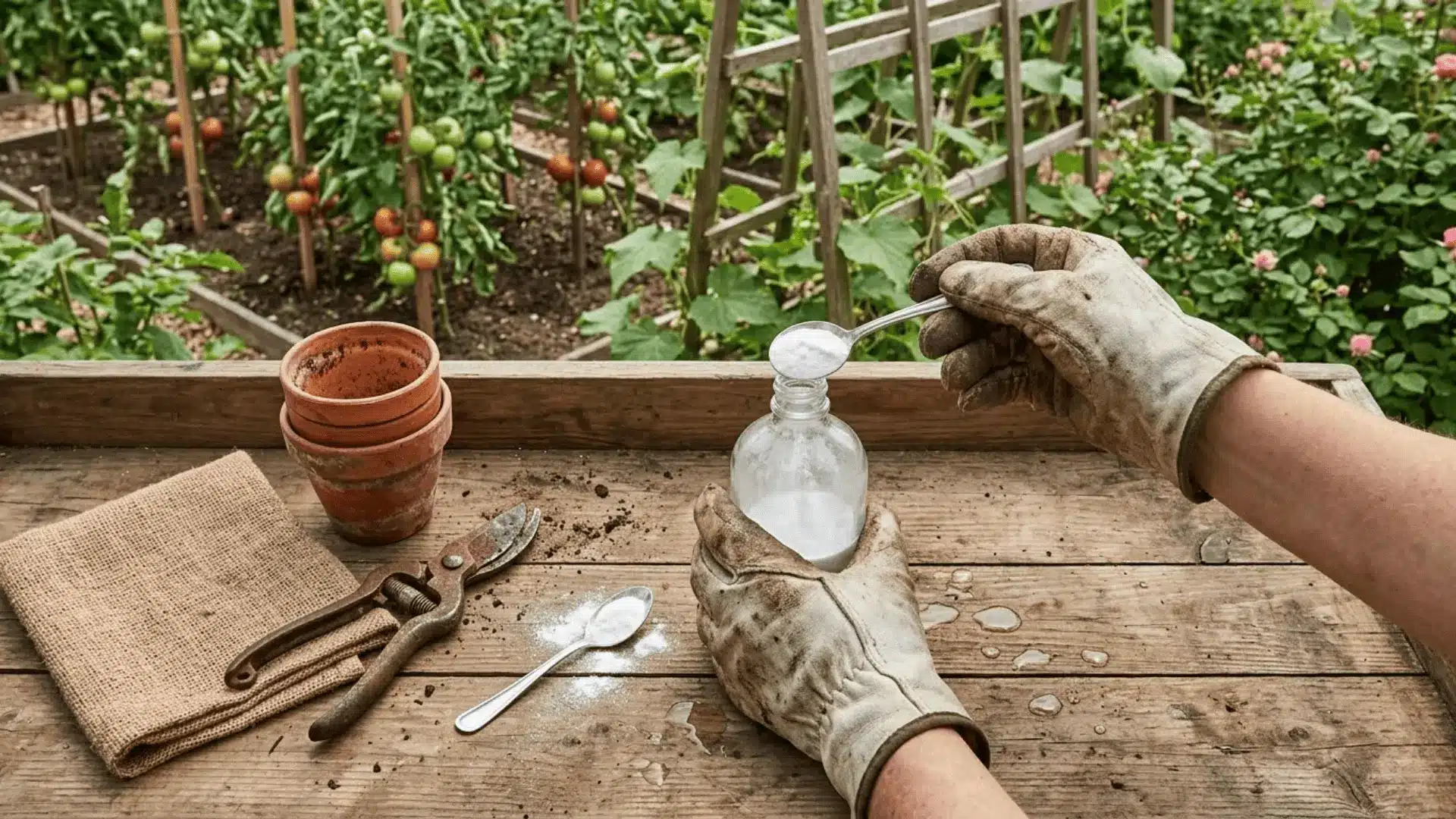
Once you know what baking soda can do, using it well comes down to knowing where it actually belongs. These are the most practical, gardener-approved ways to put it to work.
1. Spray Baking Soda to Help Control Powdery Mildew
Powdery mildew spreads fast, and a diluted baking soda spray is one of the gentlest ways to slow it down. It works well on cucumbers, squash, and roses, especially when caught early.
Spray it directly on affected leaves, avoid doing it in peak sun, and repeat every few days as needed.
2. Use Baking Soda to Reduce Soil Fungus Around Plants
In humid conditions, fungal growth in the soil can quietly stress your plants before you even notice.
Lightly applying a diluted baking soda solution around affected areas can help discourage that growth. Keep it minimal and targeted so you are not unintentionally shifting the soil pH in the process.
3. Spray Baking Soda on Tomato Plants to Reduce Leaf Spots
Tomato plants are prone to fungal leaf spots, particularly in warm, moist weather. A mild baking soda spray used as a preventative can help keep those spots from spreading.
Apply it early in the season before problems peak, and always dilute it well to avoid stressing the leaves.
4. Apply Baking Soda Spray to Roses Prone to Mildew
Roses and humidity are not a great combination. Mildew tends to creep in during warm, damp stretches, and baking soda sprays are a popular home remedy for good reason.
A light, regular application on susceptible varieties can help keep mildew from taking hold without reaching for harsher treatments.
5. Apply Baking Soda Spray to Cucumbers and Squash
Cucumbers and squash seem to attract mildew almost seasonally. Using a diluted baking soda spray as a preventive measure, before the mildew fully appears, tends to work better than treating it after the fact.
Coat the leaves evenly, let them dry naturally, and stay consistent through the growing season.
6. Clean Garden Pots and Planters With Baking Soda
Old residue and mineral buildup in pots can harbor pathogens that affect your next round of plants.
Here is a simple way to clean them out:
- Mix baking soda with warm water to form a loose paste
- Scrub the interior and exterior of each pot thoroughly
- Rinse well and let the pots dry completely before replanting
7. Wash Dust and Residue Off Plant Leaves
Dusty leaves absorb less sunlight and can struggle with gas exchange over time.
A very mild baking soda solution applied with a soft cloth can gently lift residue without harming the leaf surface. Wipe each leaf carefully and follow up with a plain water rinse to remove any leftover solution.
8. Freshen Compost Bins Near the Garden
A compost bin that smells too sharp can be a sign of imbalance.
A small amount of baking soda sprinkled around the outer edges or base of the bin can help neutralize odors without disrupting the composting process inside. Use it sparingly since too much can slow down microbial activity.
9. Clean Gardening Tools With Baking Soda
Tools that carry soil and plant debris from one bed to another can spread disease without you realizing it. Baking soda works as a gentle abrasive to clean pruners, trowels, and shears between uses:
- Sprinkle baking soda onto a damp cloth or brush
- Scrub the tool surface, focusing on crevices
- Rinse thoroughly and dry before storing
10. Reduce Mildew Around Greenhouse Surfaces
Greenhouses trap humidity, and mildew on benches and surfaces can easily transfer to your plants.
Wiping down surfaces with a diluted baking soda solution is a simple, low-effort way to keep that in check. Make it part of your regular greenhouse cleaning routine, especially during wetter months.
11. Use Baking Soda as Part of Preventive Garden Care
Rather than waiting for problems to appear, some gardeners build occasional baking soda sprays into their regular plant care.
Used lightly and consistently during humid seasons, it can help manage the conditions where fungal disease tends to thrive. Think of it as a soft, preventive layer rather than a cure.
Plants That May Benefit From Baking Soda Treatments
Baking soda tends to be most useful around plants that are naturally prone to fungal issues. If your garden includes any of these, it is worth keeping a diluted spray on hand.
- Roses are frequent mildew targets, especially in humid or poorly ventilated spots.
- Cucumbers and squash develop powdery mildew almost seasonally and respond well to preventive sprays.
- Tomatoes are vulnerable to fungal leaf spots that a mild baking soda mist can help manage early on.
- Zinnias are beautiful but notoriously susceptible to mildew as the season warms up.
In general, if a plant struggles with humidity-related fungal problems, a carefully diluted baking soda spray is a reasonable first line of defense to try before moving on to stronger treatments.
Plants That Should Avoid Baking Soda
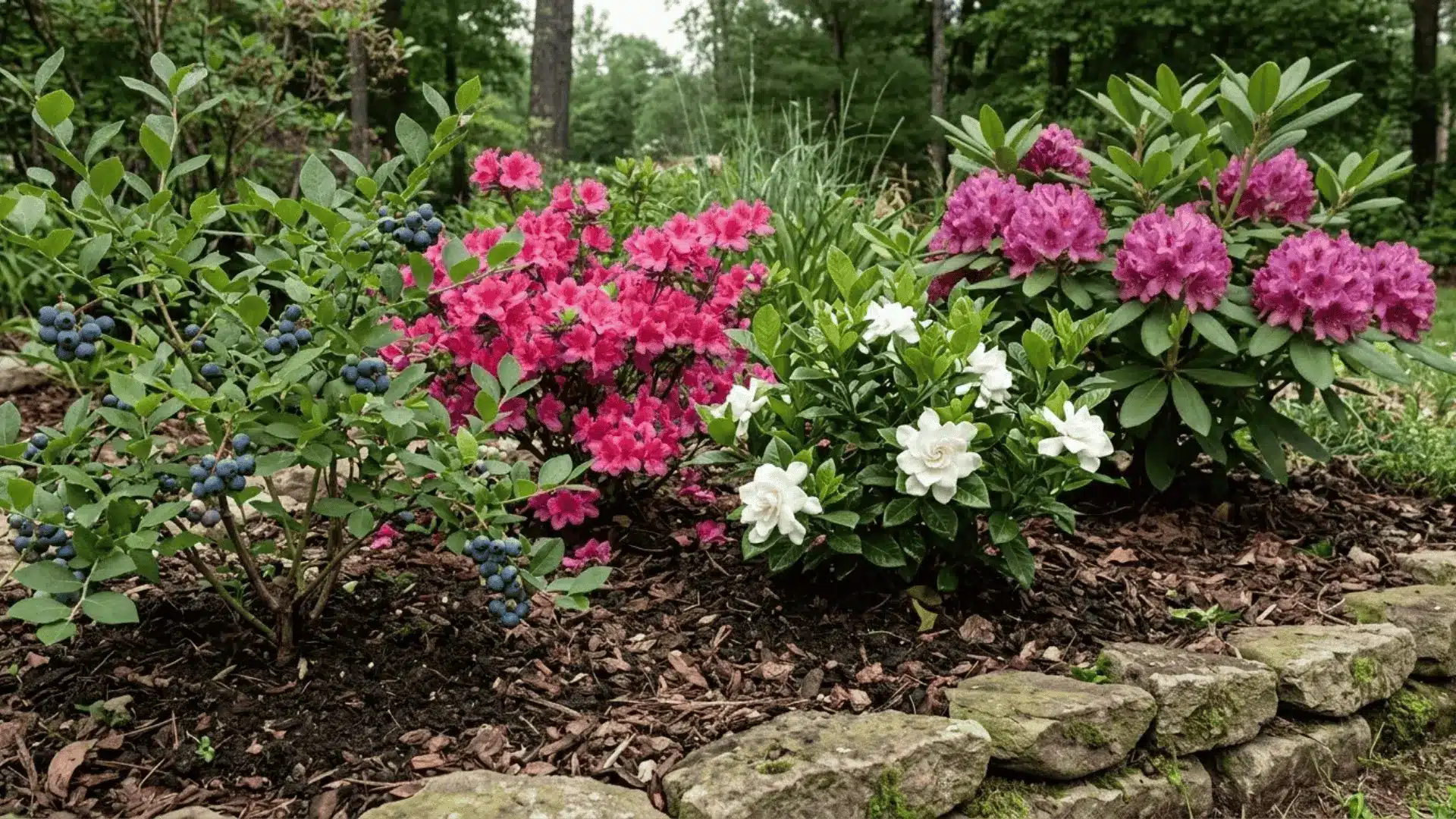
Not every plant tolerates baking soda well. Plants that thrive in acidic soil are especially sensitive to anything that nudges the pH higher, and baking soda can do exactly that.
- Blueberries depend on acidic soil to absorb nutrients properly and can decline quickly in alkaline conditions.
- Azaleas are acid-loving shrubs that show stress through yellowing leaves when soil pH shifts even slightly.
- Gardenias need consistently acidic soil to stay healthy and bloom well, making baking soda a poor fit.
- Rhododendrons share the same sensitivity and can struggle with nutrient uptake if the soil becomes too alkaline.
If your garden features any of these plants, keep baking soda treatments well away from their root zones. Even a diluted spray that drips into the surrounding soil can cause gradual imbalance over time.
Baking Soda vs. Other Natural Garden Remedies
Baking soda is a solid starting point, but it is not always the strongest option on the shelf. Here is how it stacks up against a few other natural remedies gardeners commonly reach for.
| Remedy | Best Used For | Effectiveness | Limitations |
|---|---|---|---|
| Baking Soda | Powdery mildew, light fungal issues | Mild to moderate | Can raise soil pH with overuse |
| Neem Oil | Fungal disease, insects, mites | Strong, broad-spectrum | Strong odor, can harm beneficial insects |
| Horticultural Oil | Pests, scale, mites | Moderate to strong | Not suitable in high heat or humidity |
| Milk Spray | Powdery mildew prevention | Moderate | Requires frequent reapplication |
How to Use Baking Soda on Plants Safely?
Baking soda is gentle by nature, but how you apply it makes all the difference. A few simple habits can keep it effective without causing unintended damage.
- Always dilute it before use, a concentrated solution can scorch leaves and stress roots faster than you’d expect.
- Test on a single leaf first and wait a day before applying it more broadly to the plant.
- Limit applications since repeated use builds up in the soil and gradually pushes the pH in the wrong direction.
- Apply in the morning or evening when the sun is low so the solution dries gently without burning the foliage.
Used with a little patience and care, baking soda can be a reliable part of your plant care routine without doing more harm than good.
That’s a Wrap
Baking soda for plants is one of those simple, accessible solutions that genuinely pulls its weight when used with a little intention.
It is not a miracle fix, but for fungal-prone plants and everyday garden upkeep, it holds its own beautifully.
The key is always in the balance, knowing when to use it, where to use it, and when to leave it out entirely. Give it a try in your garden this season and see what works for you.
Have a tip or a success story with baking soda? Drop it in the comments below!