Running out of space to grow plants? Balconies, small yards, and apartment living don’t have to mean giving up on fresh herbs or beautiful greenery.
Growing upward instead of outward solves the space problem without needing a big backyard. Vertical garden ideas let you turn walls, fences, and even shoe organizers into productive growing spaces.
Some methods cost almost nothing, while others look like professional installations.
This guide covers practical ways to build vertical gardens, which plants work best, and how to set everything up from start to finish.
What Is a Vertical Garden?
A vertical garden is a way to grow plants vertically rather than on the ground. Think of it as gardening on walls, fences, or any upright surface.
Unlike traditional gardens that spread across the soil, vertical gardens use height to save space. You can set them up on outdoor walls, balcony railings, indoor living room walls, or even wooden fences.
They work well in small spaces, such as apartments or homes with limited yard space. The plants grow in stacked containers, wall-mounted pockets, or climbing structures.
This method lets you grow herbs, flowers, and vegetables without needing a big backyard.
Types of Vertical Gardens
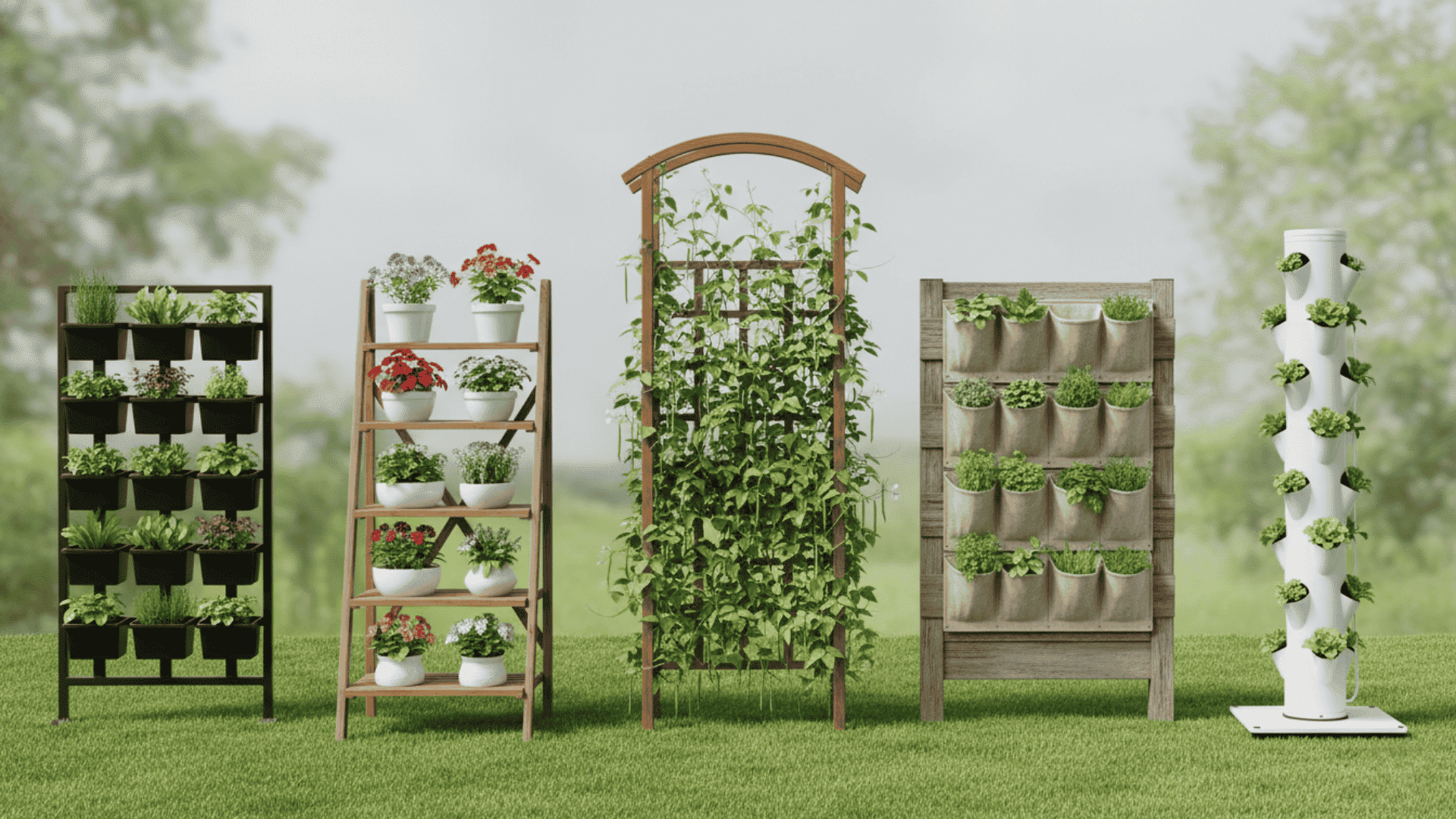
Not all vertical gardens work the same way. Some attach to walls, while others stand freely or use water instead of soil. Here are the main types you can choose from.
- Wall-Mounted Vertical Gardens: These systems attach directly to walls or fences and stay in one place permanently. They work well for long-term outdoor setups but can be hard to move or adjust later.
- Freestanding Vertical Gardens: Ladder shelves, plant towers, and A-frame structures stand on their own without wall attachment. They’re perfect for renters or anyone who wants to easily rearrange their garden layout.
- Trellis and Climbing Systems: These use climbing plants and vines that grow upward on support structures. They’re ideal for growing vegetables like beans and tomatoes or creating privacy screens naturally.
- Pocket and Fabric Panel Systems: These use felt or fabric pockets sewn onto panels with built-in drainage holes. They’re popular for small balconies and indoor walls where space is tight.
- Hydroponic Vertical Gardens: These systems grow plants in water supplemented with nutrients rather than in soil. They produce more plants in less space but need more attention and equipment to maintain.
Vertical Garden Ideas: 14 Ways to Grow Upward
Now comes the fun part, where vertical garden ideas come to life. These 14 options cover a range of budgets, spaces, and skill levels.
1. Pallet Vertical Garden
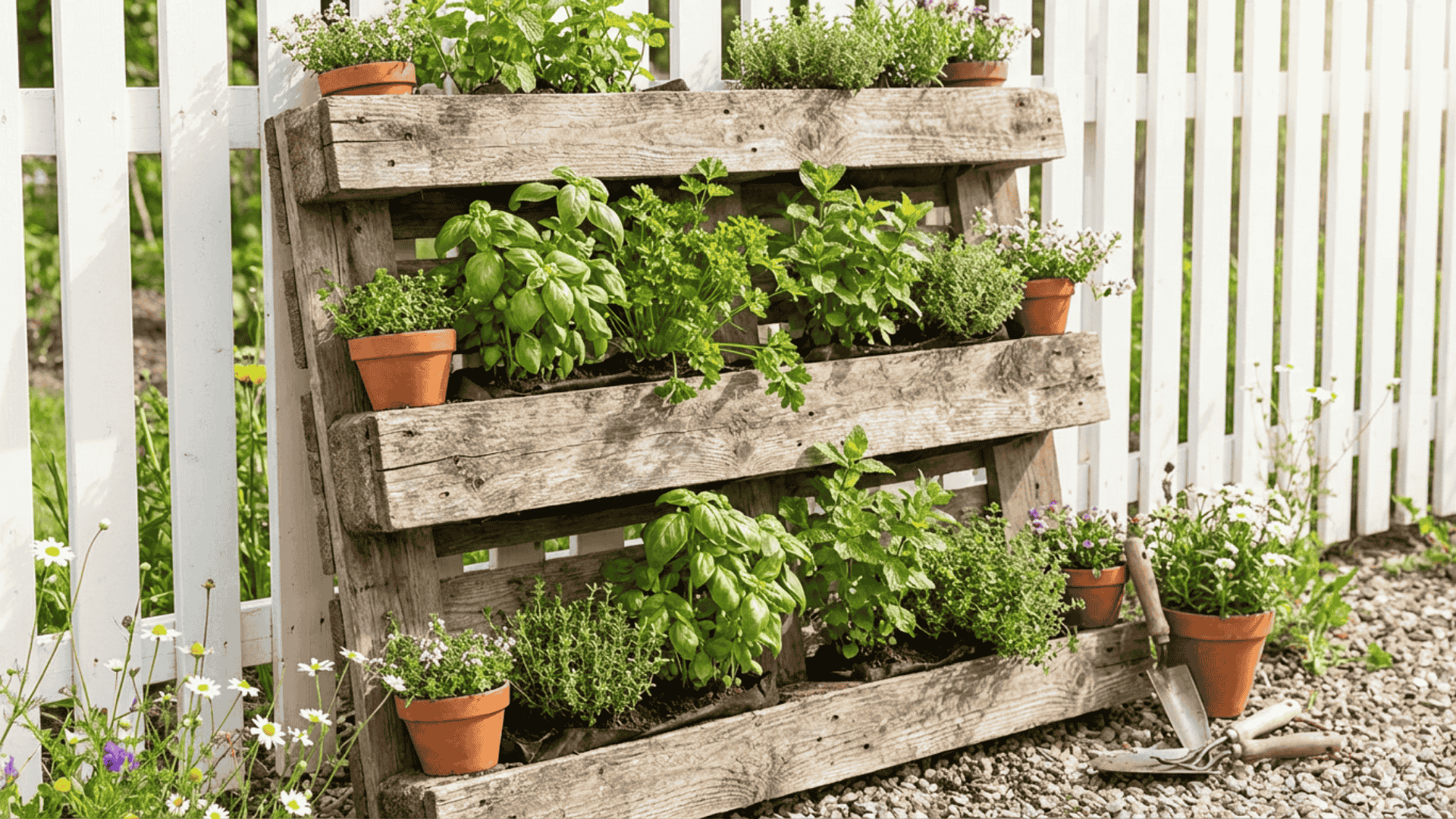
Wooden pallets offer a rustic and charming way to grow plants vertically without spending much money. They’re easy to find at hardware stores or online marketplaces.
- Budget-friendly and rustic appeal: Old pallets cost little to nothing and add farmhouse style to any space.
- Best for herbs and leafy greens: Grow basil, parsley, lettuce, and spinach between the wooden slats.
2. Hanging Pocket Herb Garden
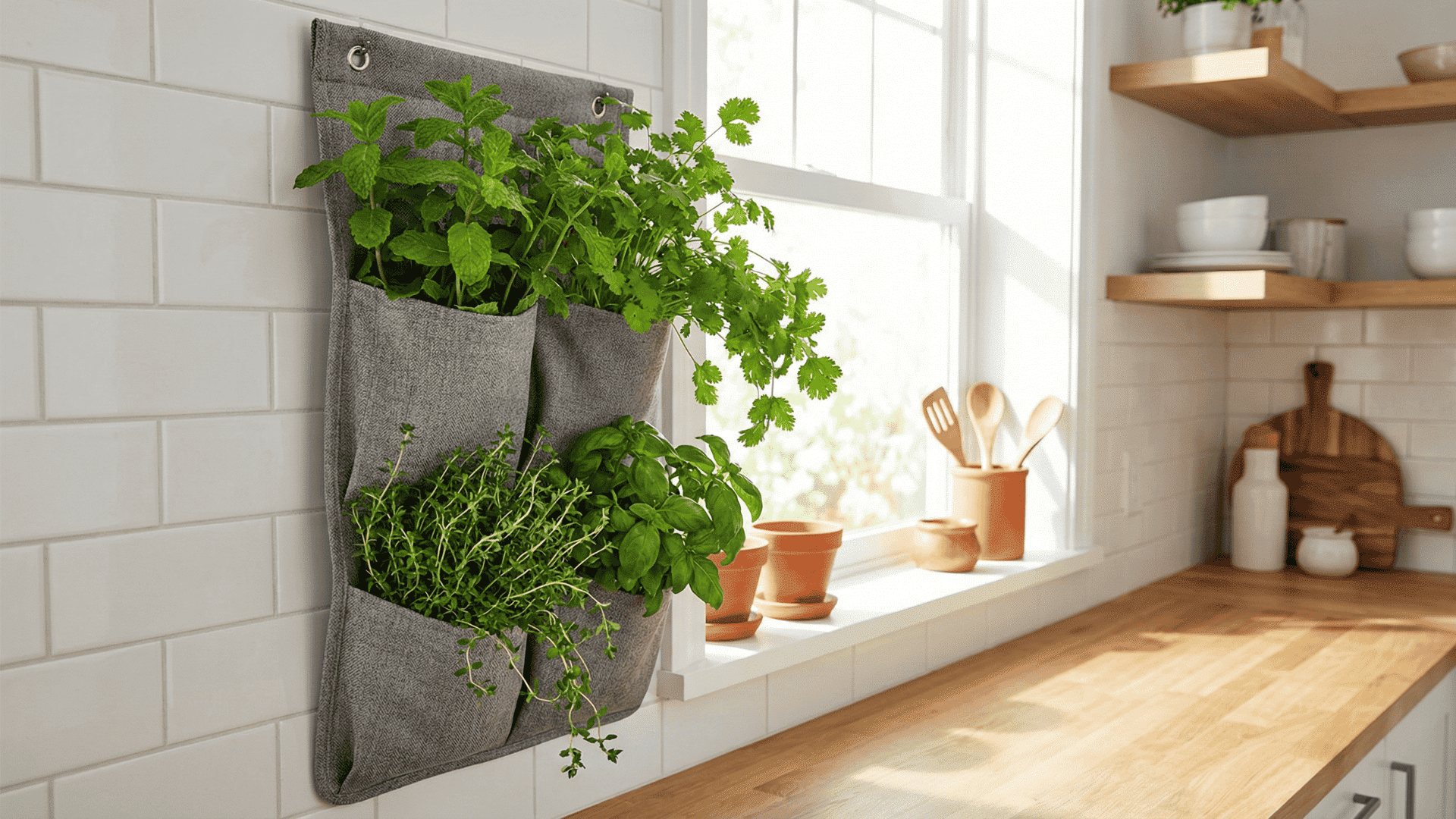
Fabric or canvas pocket systems hang from walls or hooks to hold individual plants in separate compartments. They’re perfect for small spaces.
- Ideal for kitchens and balconies: Keep fresh herbs within arm’s reach while cooking or relaxing.
- Easy to install and maintain: Hang, fill with soil, plant, and water regularly.
3. Gutter Vertical Garden
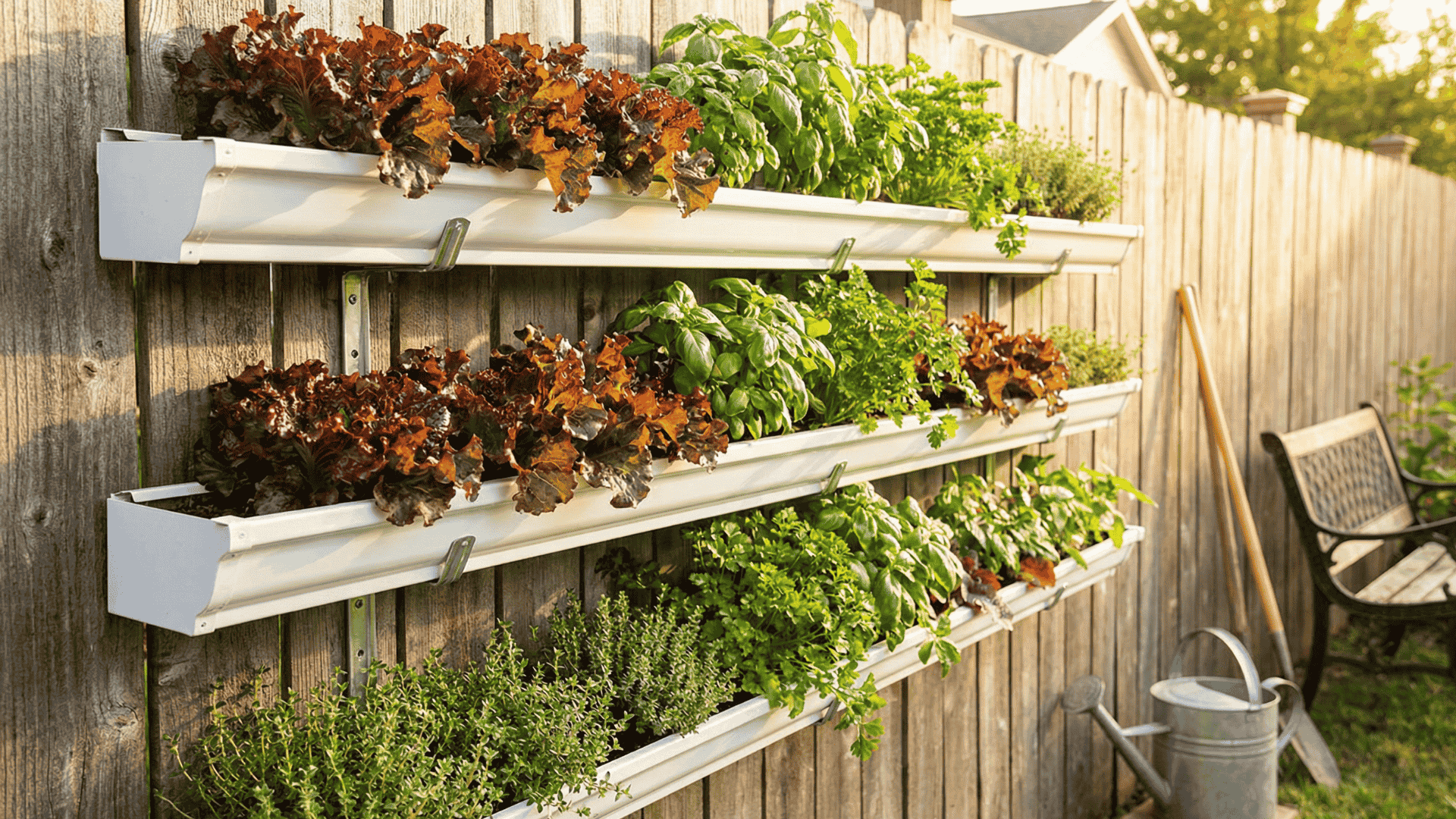
Rain gutters mounted horizontally on walls create long, narrow planters that hold shallow-rooted plants. This is one of the most affordable vertical garden ideas.
- Lightweight and affordable: Gutters cost less than traditional planters and put minimal stress on walls.
- Great for lettuce and herbs: Shallow depth works perfectly for greens, strawberries, and kitchen herbs.
4. Ladder Shelf Garden
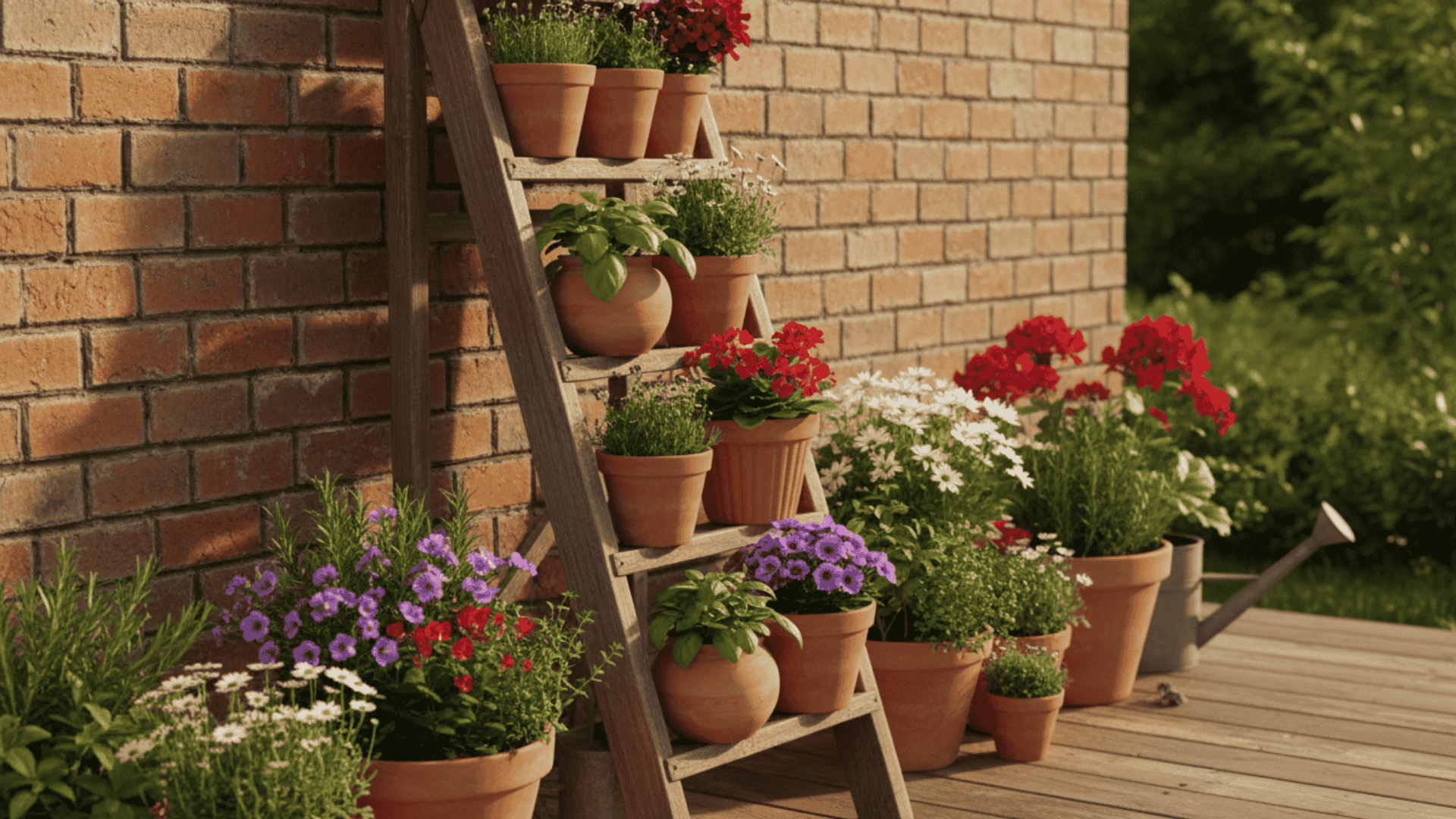
An old ladder or ladder-style shelf provides multiple tiers for placing potted plants at different heights. No wall mounting is needed.
- Freestanding and renter-friendly: Move it anywhere without drilling holes or damaging walls.
- Flexible plant placement: Arrange pots on different rungs based on plant size and sunlight needs.
5. Trellis Vegetable Wall
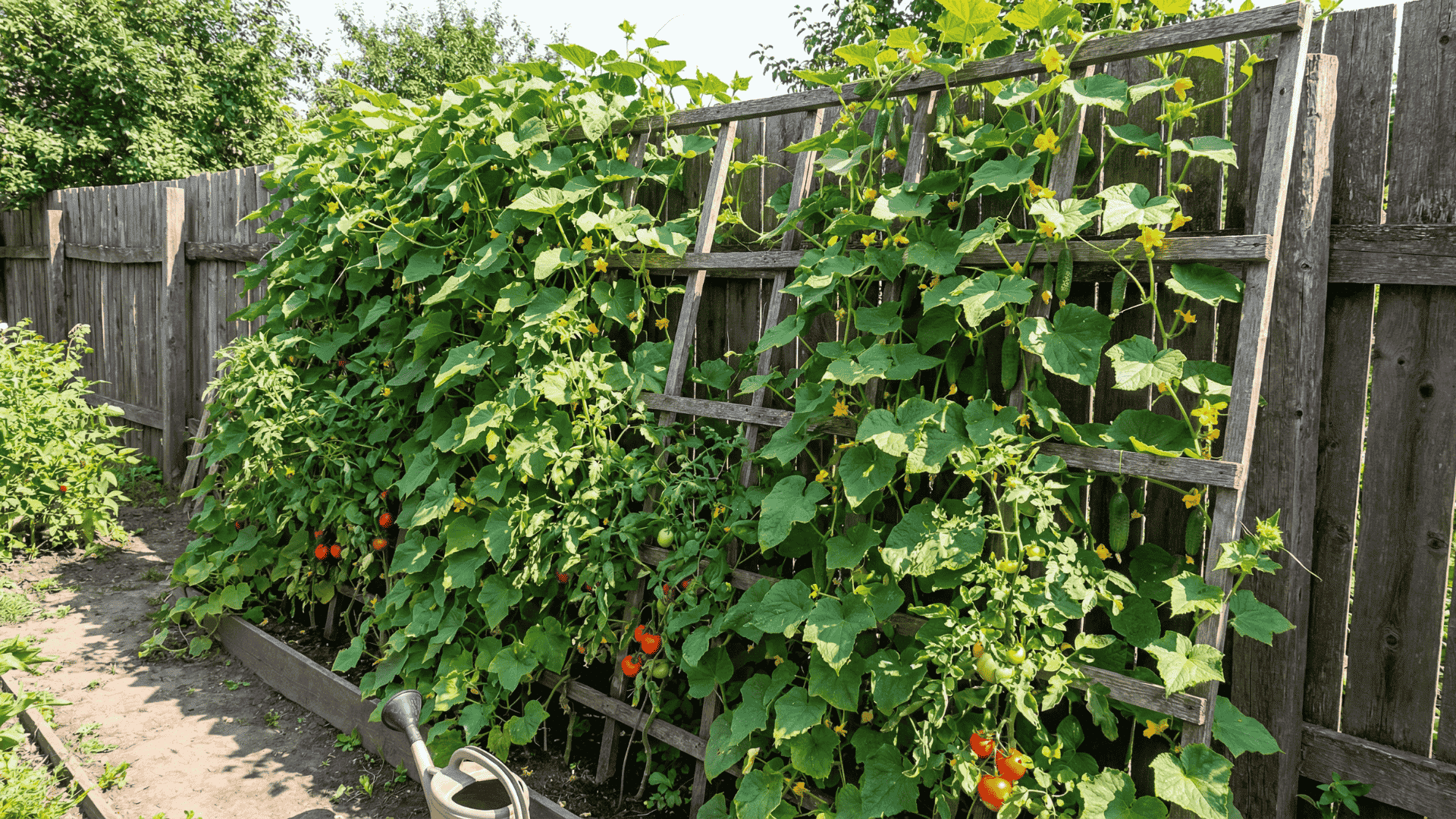
A trellis gives climbing vegetables support to grow upward instead of sprawling on the ground. It’s both practical and attractive.
- Perfect for climbing vegetables: Grow beans, peas, cucumbers, and tomatoes vertically for easier harvesting.
- Doubles as privacy screening: Dense foliage creates a natural green barrier between spaces.
6. Balcony Railing Planters
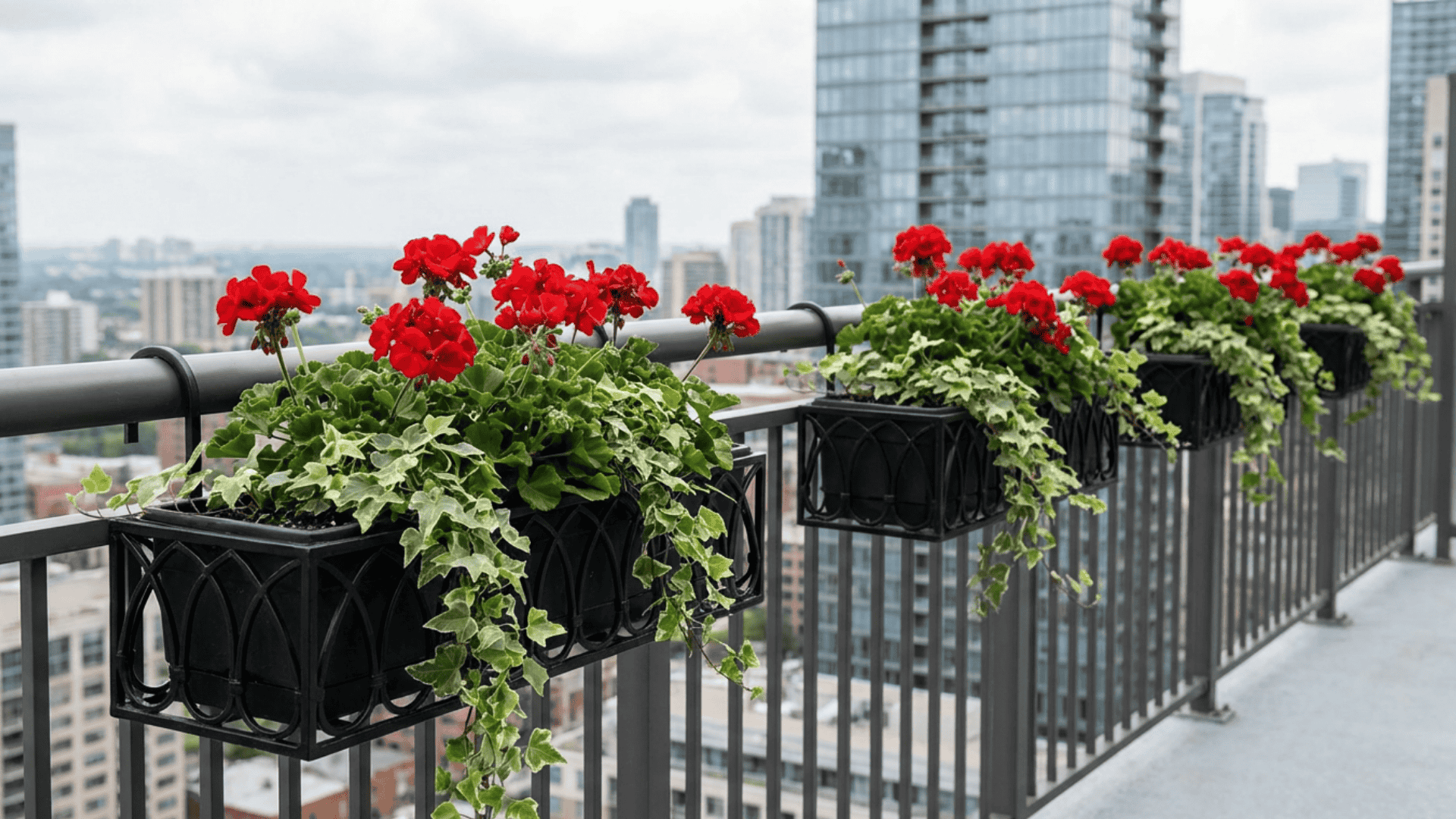
These specialized planters hook or clamp onto balcony railings, using space that would otherwise sit empty. They’re designed to fit standard rail widths.
- Maximizes unused railing space: Turn boring railings into productive growing areas for food or flowers.
- Best for compact plants: Choose smaller varieties like cherry tomatoes, herbs, and petunias.
7. Shoe Organizer Garden
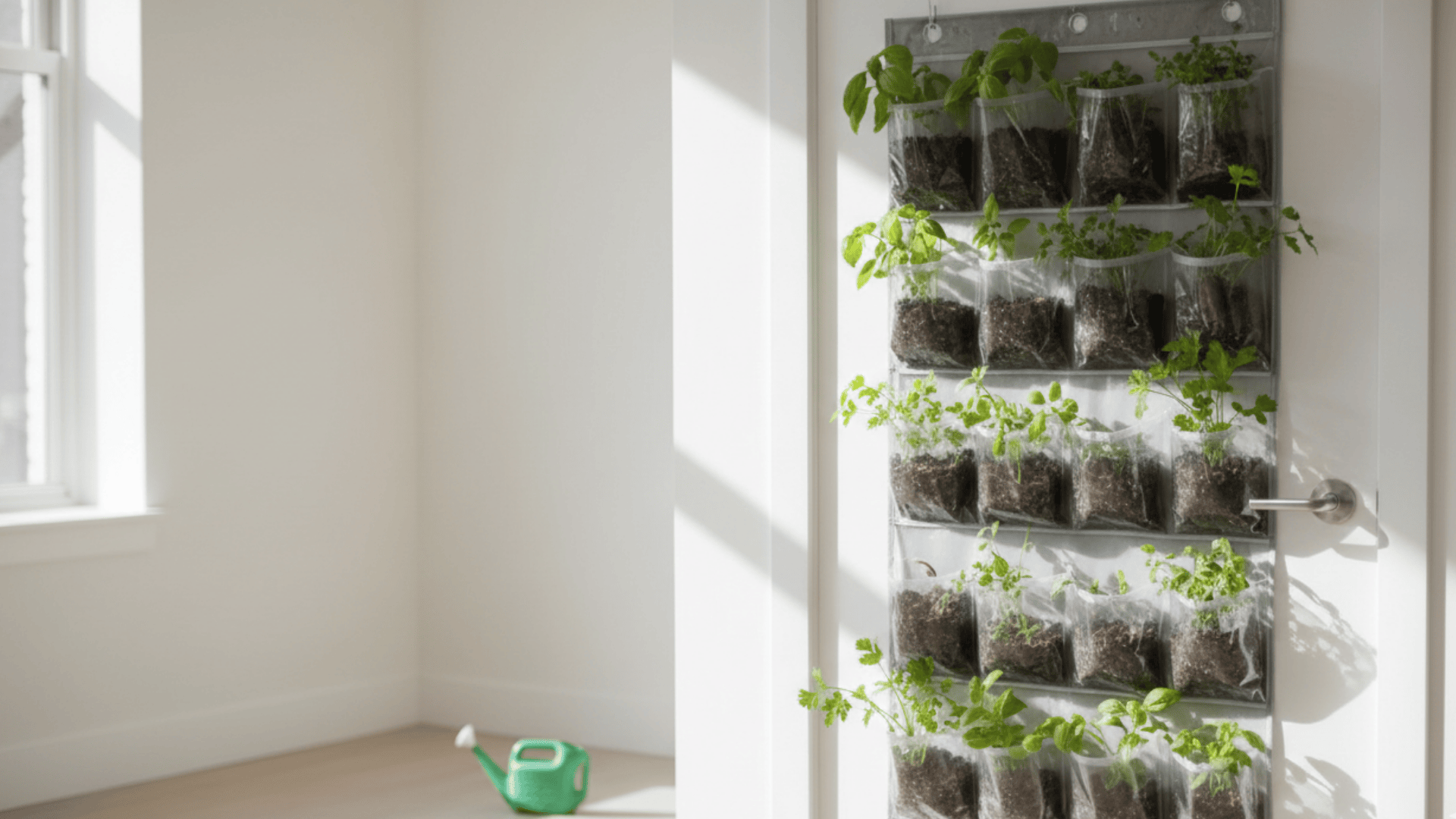
An over-the-door fabric shoe organizer can be changed into a clever indoor planter when filled with soil and plants. It’s one of the simplest vertical garden ideas.
- Extremely low-cost indoor option: Organizers cost just a few dollars and require no special tools.
- Ideal for herbs and small plants: Each pocket fits mint, cilantro, thyme, or small succulents.
8. Bottle Vertical Garden
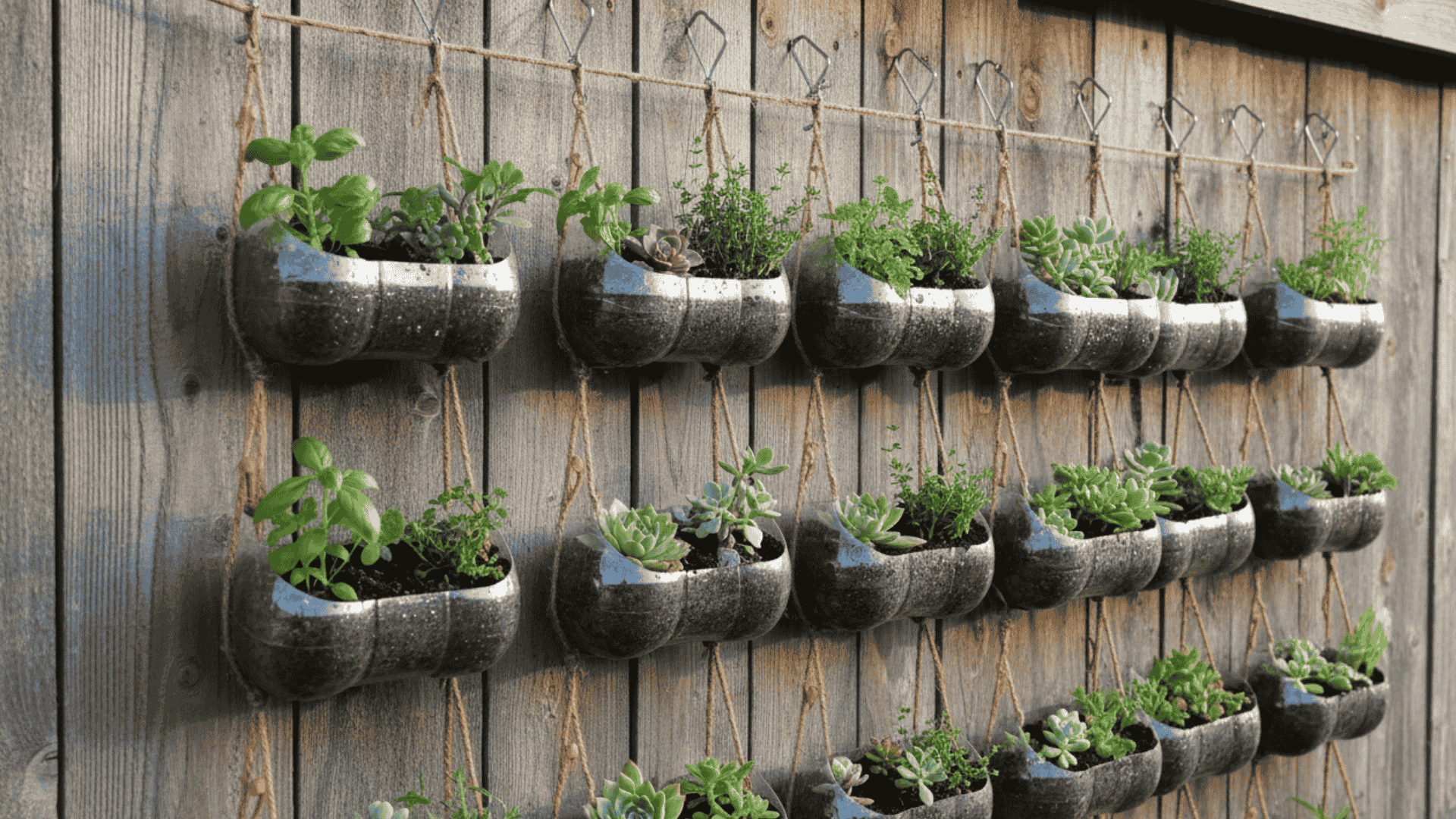
Cut plastic bottles in half and string them together vertically to create eco-friendly planters that reduce waste. This project reuses materials you already have.
- Recycled and eco-conscious: Give old bottles a second life instead of tossing them away.
- Works best in shaded areas: Limited soil volume dries out quickly in full sun.
9. Pegboard Pot Wall
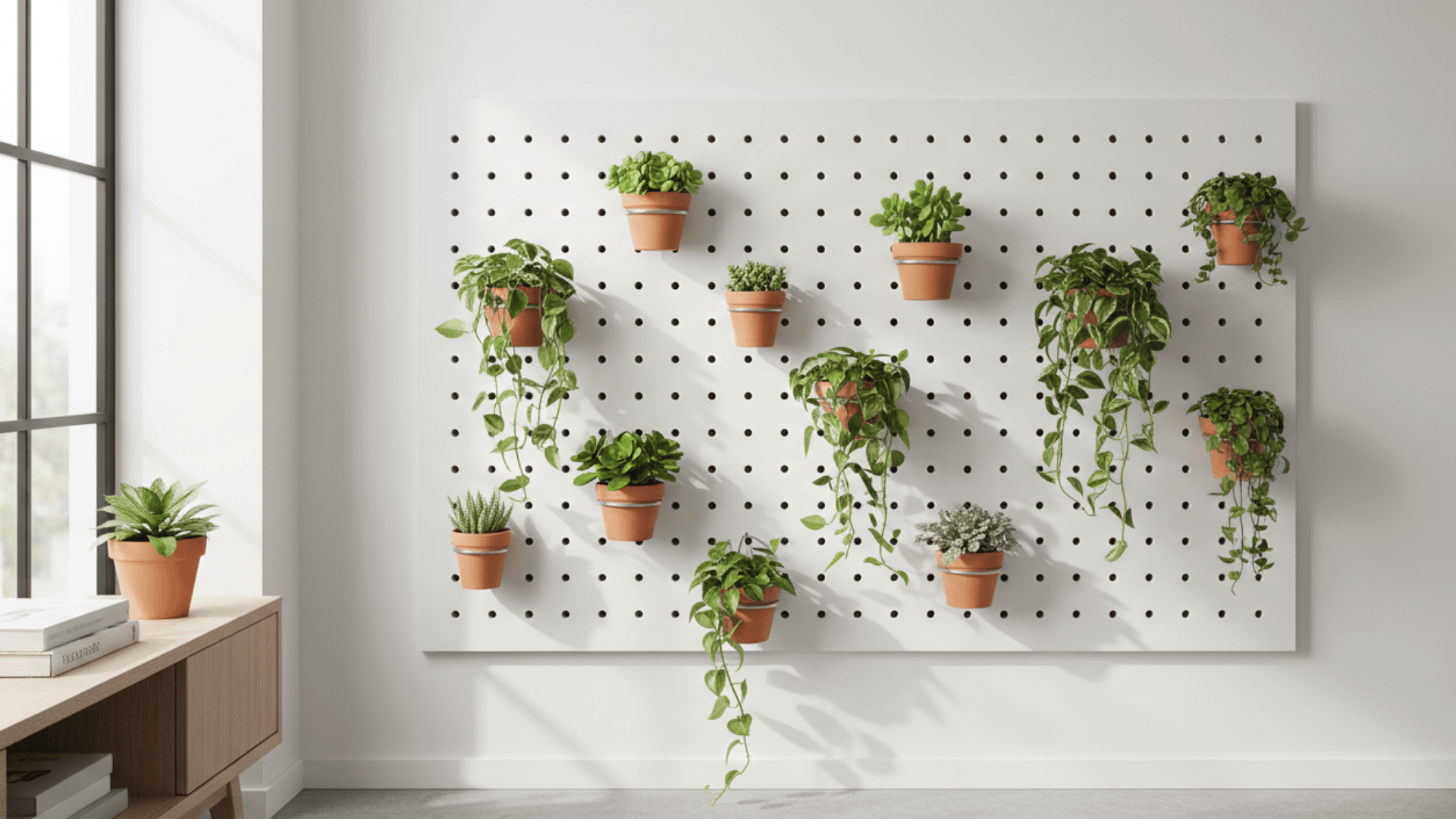
A pegboard attached to a wall holds adjustable hooks that support small potted plants at various heights. You control the entire layout.
- Adjustable and modular design: Rearrange plants anytime by moving hooks to different peg holes.
- Easy plant rotation: Swap plants based on seasons, growth, or changing light conditions.
10. Strawberry Vertical Planter
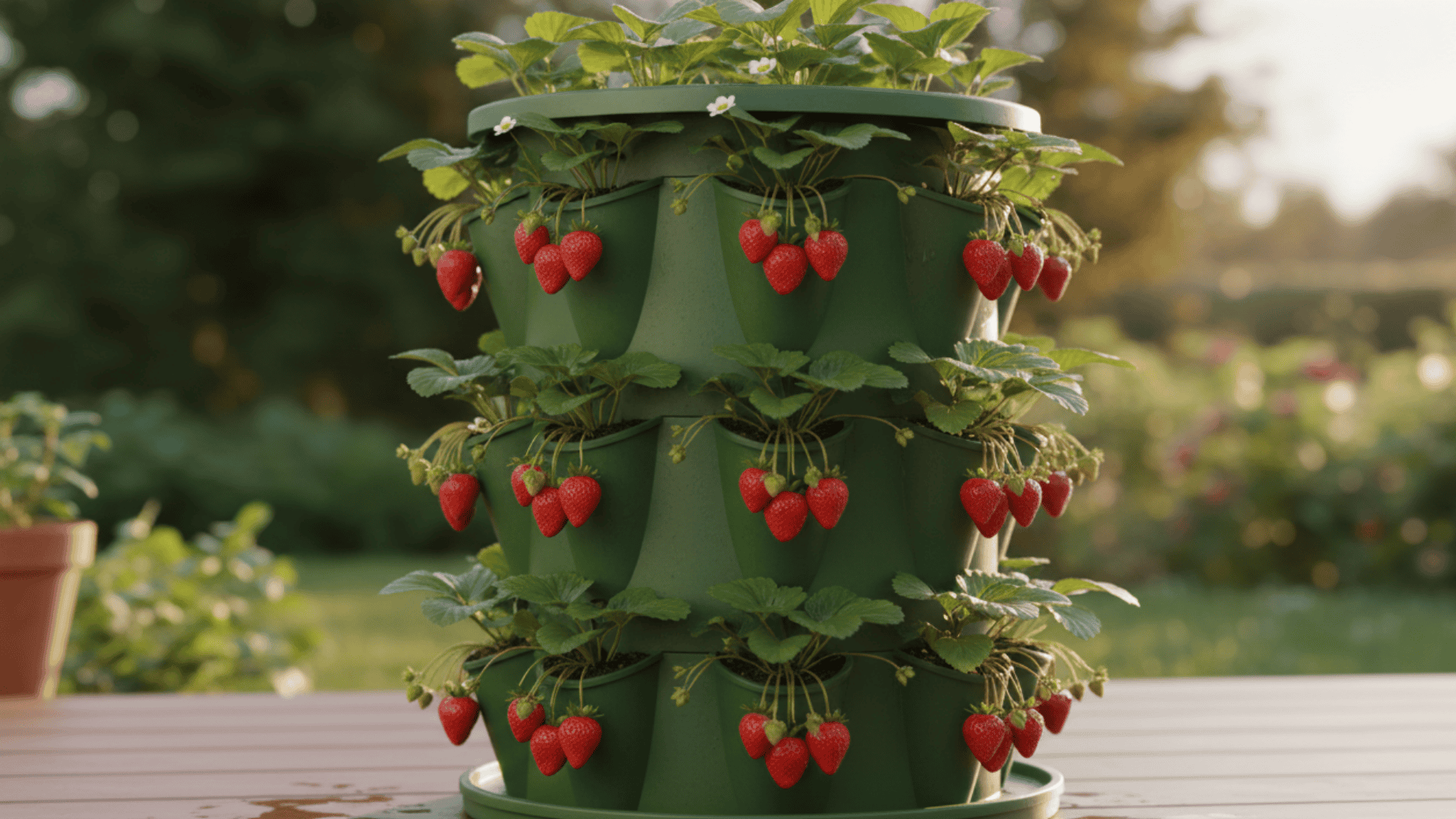
Tower planters designed specifically for strawberries stack multiple pockets or tiers in a compact vertical column. They keep berries clean and off the ground.
- Keeps fruit clean and accessible: Berries hang out of reach of dirt, bugs, and ground moisture.
- Space-efficient harvesting: Grow 20 or more plants in the space of one traditional pot.
11. Succulent Vertical Display
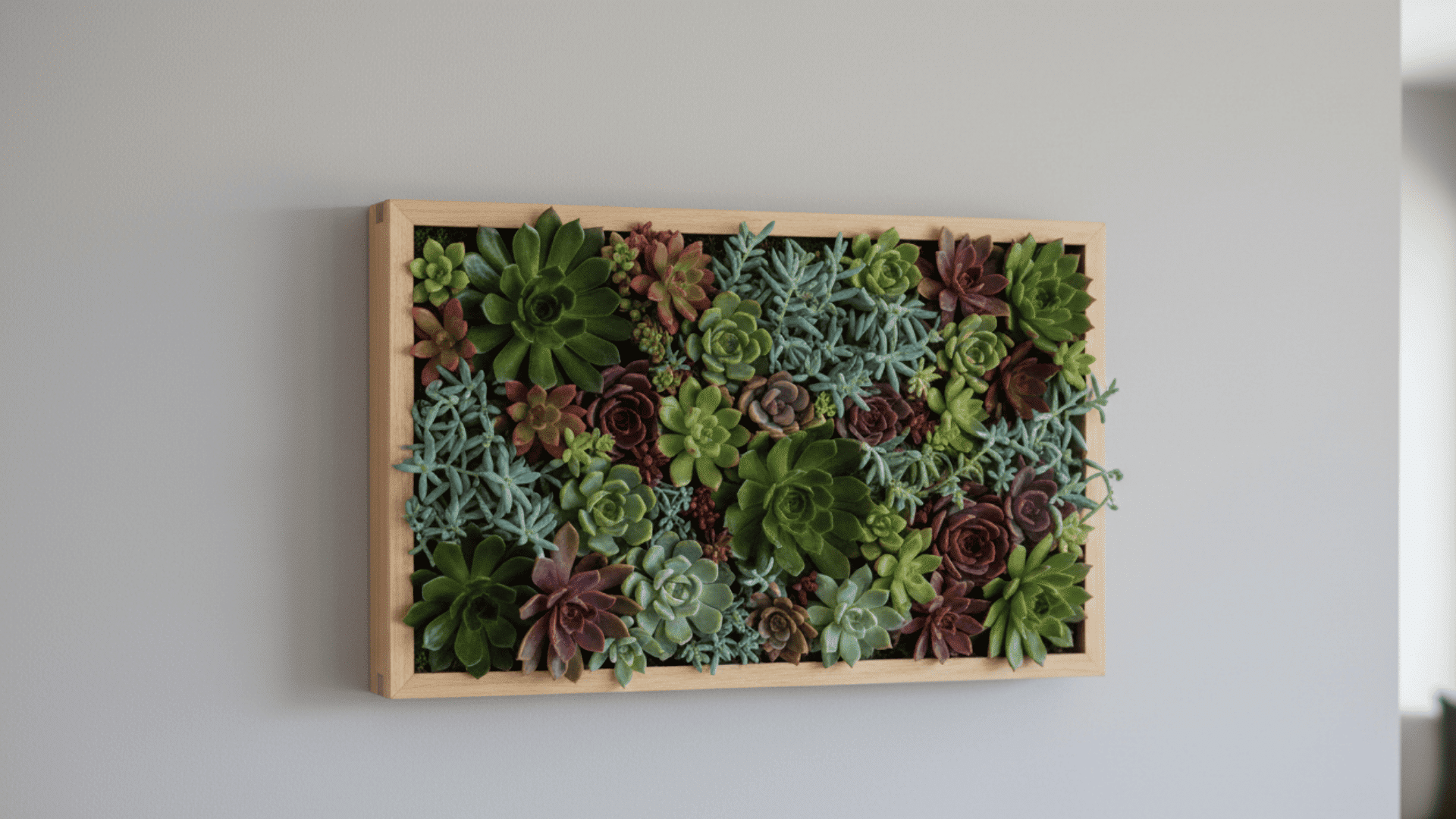
Shallow frames or boxes mounted on walls hold drought-tolerant succulents in a living art arrangement. These plants need minimal care.
- Low maintenance requirements: Succulents survive with infrequent watering and little attention.
- Best for bright indoor spaces: They thrive near windows with strong natural light.
12. Indoor Herb Wall With Grow Lights
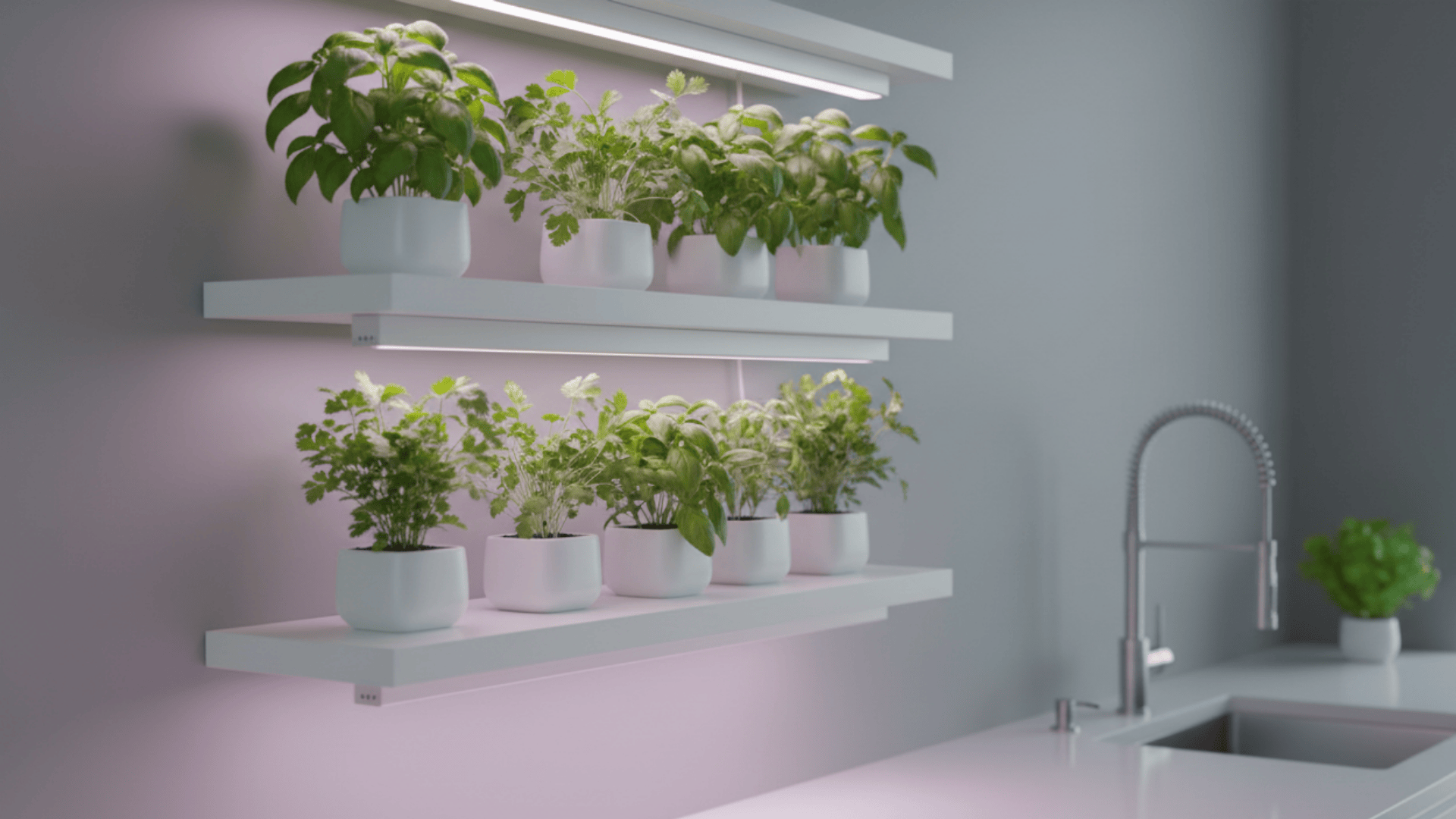
Wall-mounted shelves equipped with LED grow lights let you grow fresh herbs indoors year-round without depending on natural sunlight.
- Year-round growing capability: Harvest fresh basil, parsley, and cilantro even during winter.
- Controlled environment: Adjust light duration and intensity to perfectly match plant needs.
13. Freestanding Plant Tower
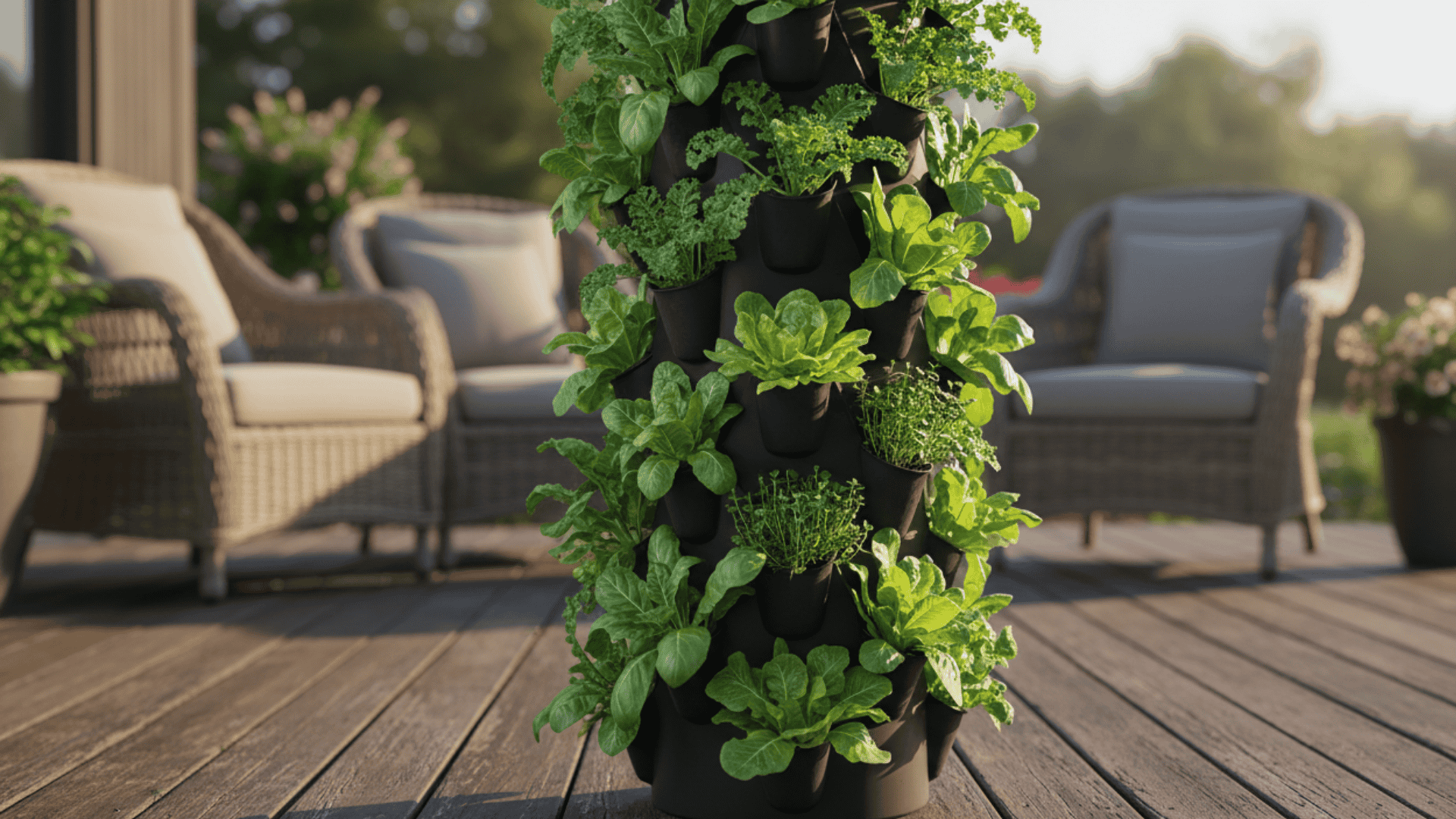
Tall towers with multiple planting pockets stack vertically to fit many plants in minimal floor space. They stand independently without wall support.
- High yield in a small footprint: Grow 20 to 30 plants in just two or three square feet.
- Works well for patios: Place towers on decks, balconies, or beside doorways easily.
14. Living Wall Accent Panel
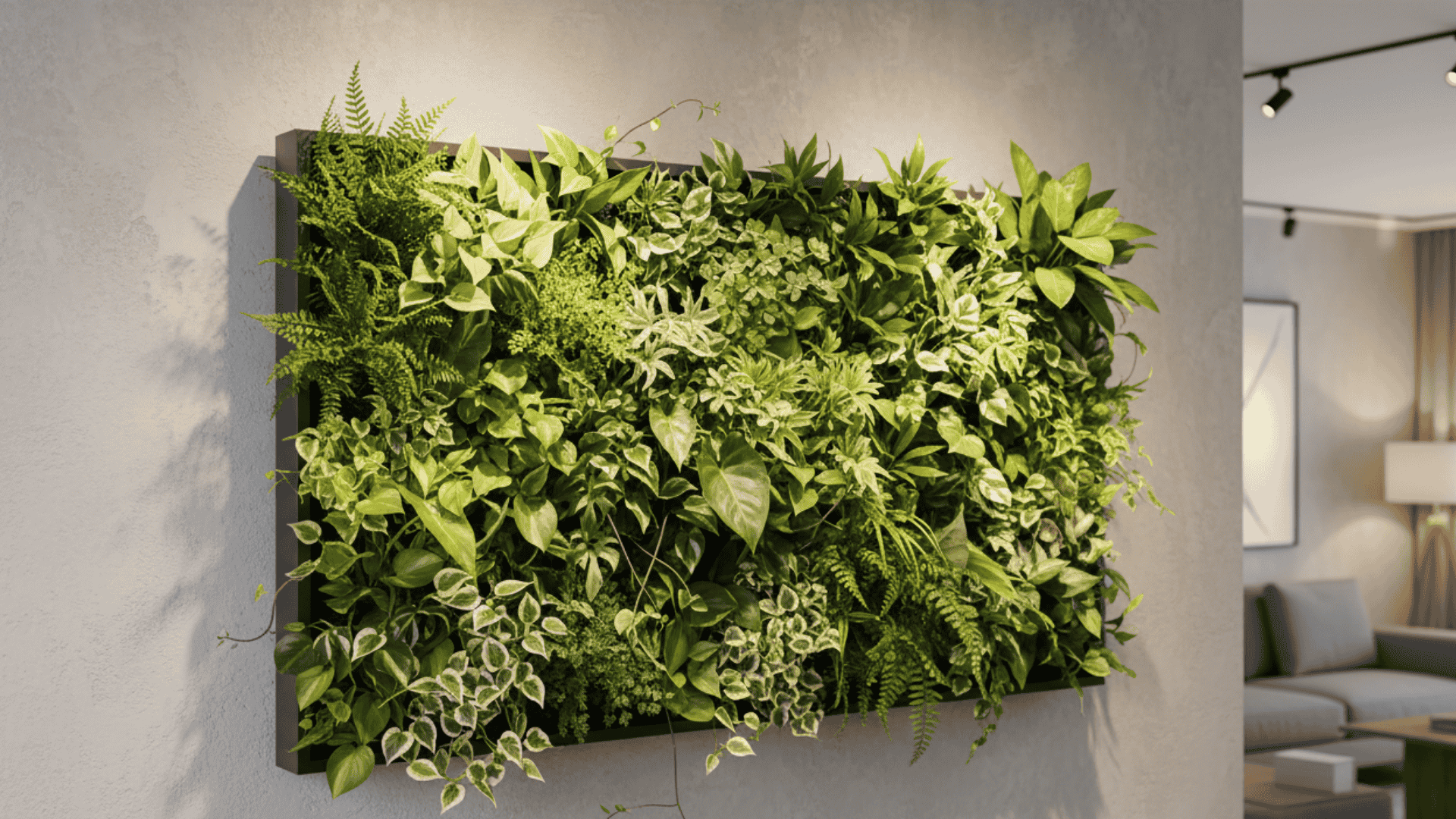
A living wall panel covers just one section of a wall rather than the entire surface, creating a green focal point. It’s more manageable than full wall coverage.
- Decorative feature section: Add natural beauty to boring walls without overwhelming the space.
- Easier upkeep than full living walls: Smaller size means less watering, trimming, and maintenance.
Pros and Cons of Vertical Gardening
Before you start building your vertical garden, it helps to know what works and what doesn’t. Here’s a simple breakdown of the benefits and challenges.
| Pros | Cons |
|---|---|
| Saves space and uses vertical areas efficiently | Requires consistent watering and monitoring |
| Improves air circulation around plants | Weight and wall safety need careful consideration |
| Makes harvesting easier without bending down | Initial setup planning takes time and effort |
| Adds decorative appeal while being functional | Nutrients deplete faster than in the ground soil |
| Works perfectly for small balconies and yards | Not all plants thrive in vertical setups |
How to Make a Vertical Garden: Step-by-Step
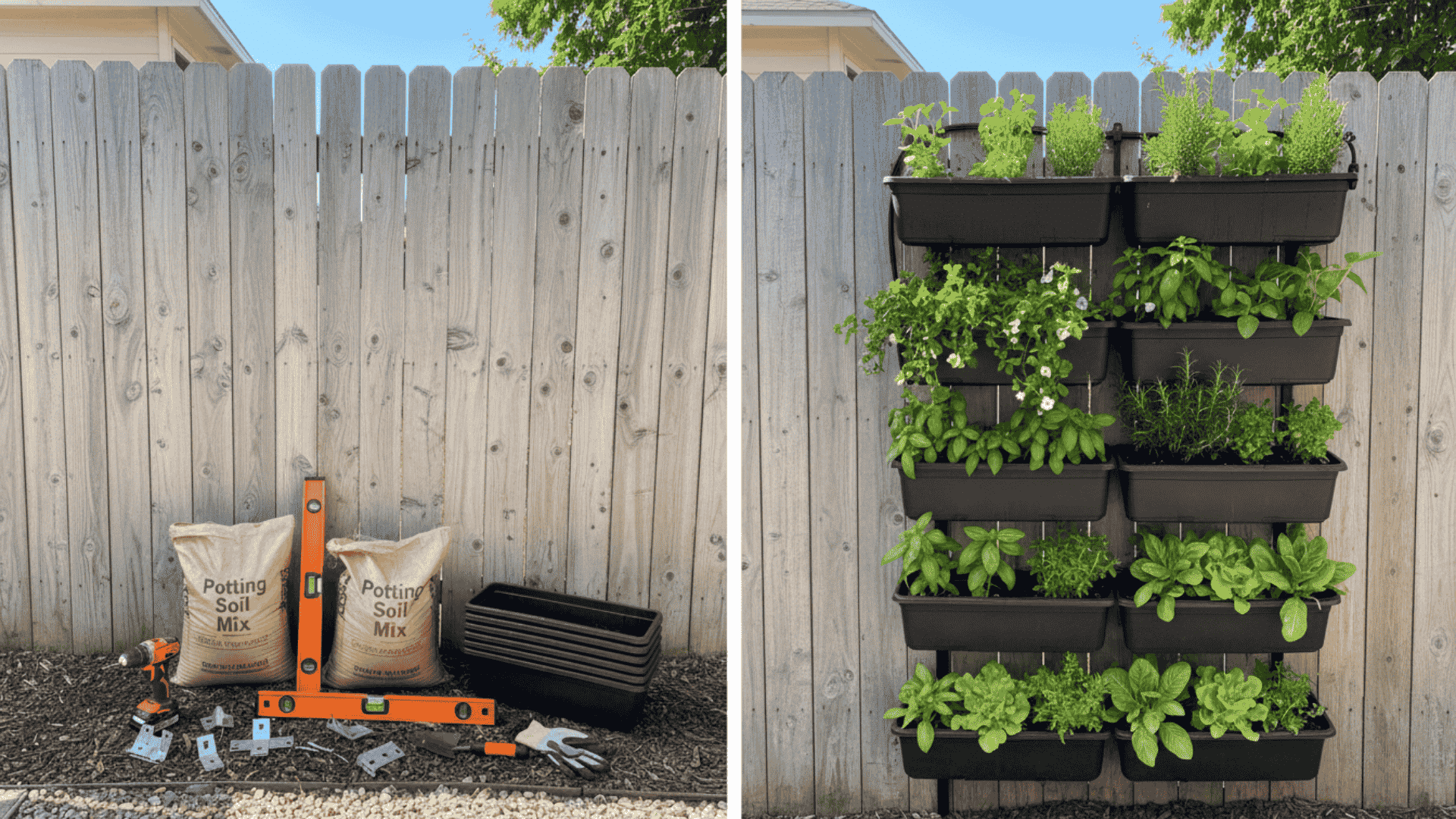
Building your own vertical garden ideas from scratch is easier than you think. Follow these six steps to set up a system that works for your space and skill level.
Step 1: Choose the Right Location
Start by picking a spot that gives your plants what they need to grow healthy and strong. Look for areas with enough sunlight, good airflow, and easy access to water.
Step 2: Select a Vertical System
Decide between wall-mounted systems that attach permanently or freestanding options you can move around. Consider your budget, living situation, and the amount of maintenance time you have available.
Step 3: Prepare the Structure
Get your chosen structure ready by ensuring it can handle weight and moisture. Anchor wall systems into studs, apply waterproof barriers, and plan drainage with angled containers or catch trays.
Step 4: Add Growing Medium and Containers
Fill containers with lightweight potting mix that drains well but holds some moisture. Add perlite or vermiculite to improve drainage and prevent root rot in your plants.
Step 5: Plant and Arrange Strategically
Place plants thoughtfully based on their water needs and growth patterns. Put thirsty plants at the top so water flows down, and group similar plants together.
Step 6: Set Up Watering
Establish a watering routine that keeps the soil moist without creating a mess. Use a watering can for small gardens or install drip irrigation for larger setups with catch trays below.
What Plants to Grow in a Vertical Garden?
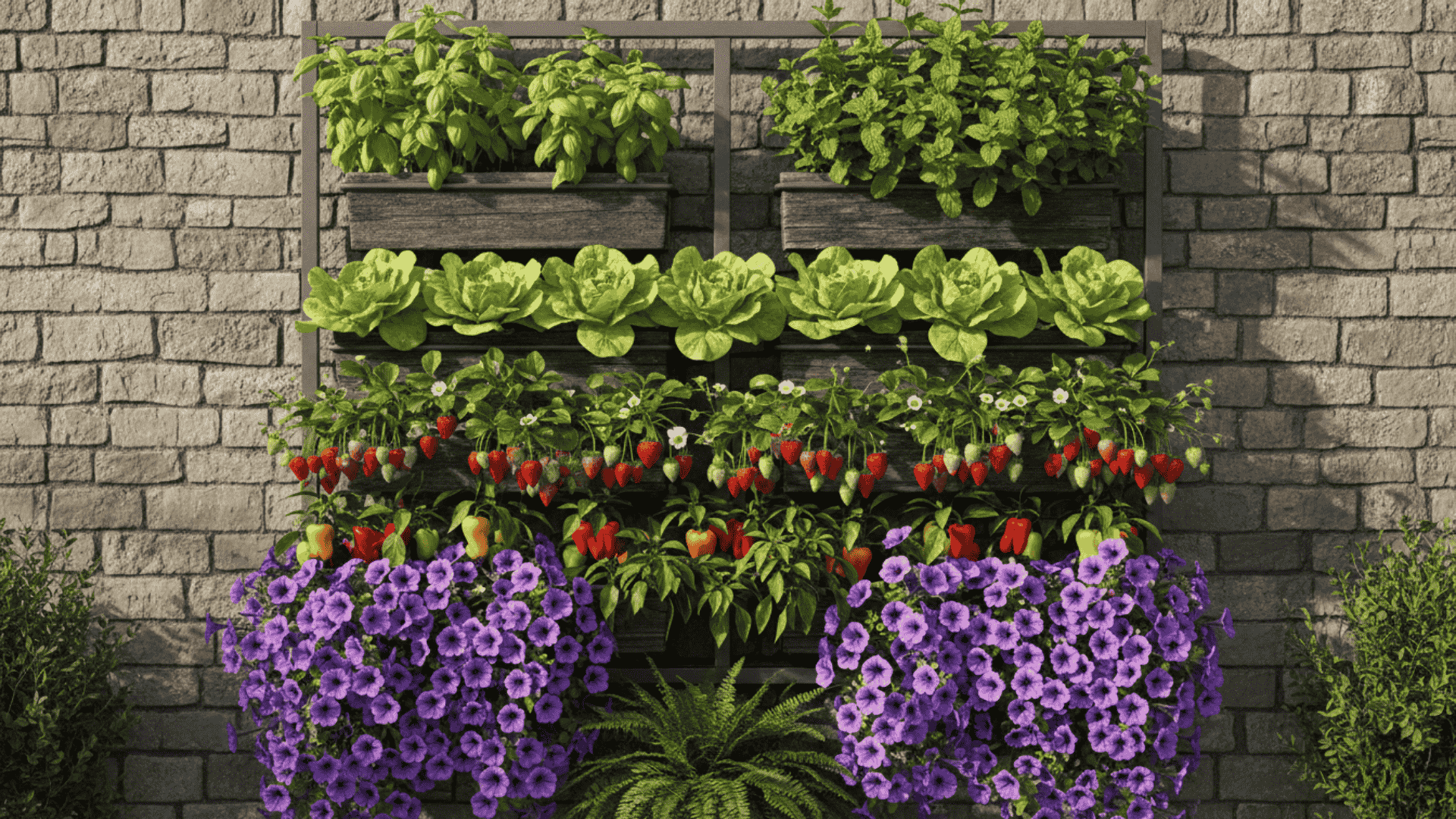
Choosing the right plants makes all the difference in how well your vertical garden ideas perform. Match your plants to the system you’re using and the light they’ll receive.
Best Edible Plants
- Herbs (basil, mint, thyme): These grow quickly in small spaces and thrive in vertical pockets or hanging containers.
- Leafy greens: Lettuce, spinach, and arugula have shallow roots that work perfectly in gutters or wall panels.
- Strawberries: Their trailing habit and compact size make them ideal for tower planters and hanging systems.
- Compact peppers: Small varieties like mini bells and hot peppers produce well in vertical pots with good drainage.
Best Ornamental Plants
- Trailing plants: Pothos, ivy, and sweet potato vine cascade beautifully down walls and create lush green coverage.
- Ferns for shade: Boston ferns and maidenhair ferns add soft texture to shaded vertical spaces indoors or out.
- Flowering spillers: Petunias, lobelia, and nasturtiums add pops of color while draping gracefully over edges.
Choosing Plants Based on Sun Exposure
- Full sun: Tomatoes, peppers, marigolds, and most herbs need six or more hours of direct sunlight daily.
- Partial shade: Lettuce, spinach, impatiens, and begonias prefer three to six hours of gentle sun exposure.
- Indoor low-light options: Pothos, philodendron, and snake plants survive in rooms with minimal natural light.
- Matching Plants to Vertical Systems
- Pots vs pockets vs trellises: Heavy plants need sturdy pots, shallow roots fit pockets, and climbers require trellises.
Why You Should Consider a Vertical Garden?
Vertical gardens make sense for anyone dealing with limited space in apartments or urban homes. They let you grow food and flowers without needing a big yard or much ground space.
You can start small with DIY options using recycled materials that cost almost nothing. These gardens improve the look of blank walls while cleaning the air you breathe indoors and outdoors.
They make gardening easier to manage because everything stays at eye level, so you don’t have to bend down constantly.
If you want to grow your own herbs or vegetables sustainably, vertical systems use less water and fewer resources than traditional ground gardens. The setup works whether you rent or own your home.
Final Thoughts
Vertical garden ideas prove you don’t need acres of land to grow your own food or create a green oasis.
Whether you choose a simple pallet garden or an indoor herb wall with grow lights, growing upward saves space and adds life to any area. Start small with one system that fits your budget and skill level.
Pick plants that match your light conditions and maintenance style. The best time to start is now, not next season.
Which vertical garden idea will you try first? Share your setup in the comments below, or browse our other gardening guides for more tips on making the most of small spaces.