Choosing the right exterior for your home can feel overwhelming. Wood siding types remain among the top choices for American homeowners who want both beauty and function.
From classic lap styles to modern vertical designs, each option brings something different to the table. Many people compare wood with alternatives like Hardie plank siding when making their final decision.
This guide breaks down popular wood siding types, covering what each looks like, its strengths and weaknesses, and what you can expect to pay.
By the end, you will know exactly which style fits your home, budget, and climate. Let’s get started with the basics.
What Is Wood Siding
Wood siding is exterior cladding made from natural or engineered wood products. It protects your home from rain, wind, and temperature changes while enhancing your curb appeal.
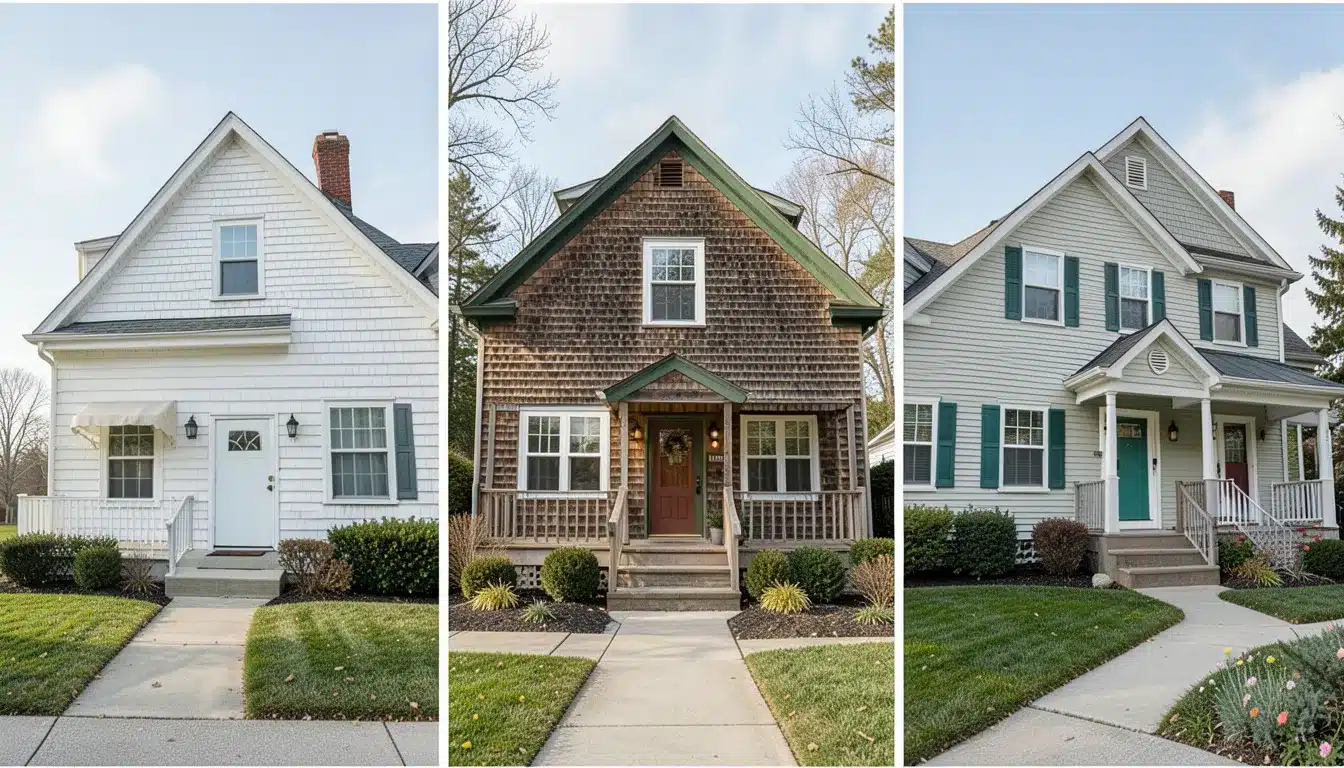
The term covers various profiles, such as horizontal boards, vertical planks, and shingles.
You can choose from solid wood species such as cedar, pine, or redwood, or opt for engineered wood made from compressed wood fibers and resins.
The way it’s installed affects how long it lasts, so hiring skilled professionals makes a big difference in performance and longevity.
8 Most Popular Wood Siding Types
Selecting wood siding depends on your home’s style, your maintenance preferences, and local weather conditions. Below are eight options that homeowners across the USA trust for both new builds and renovations.
1. Clapboard (Lap Siding)
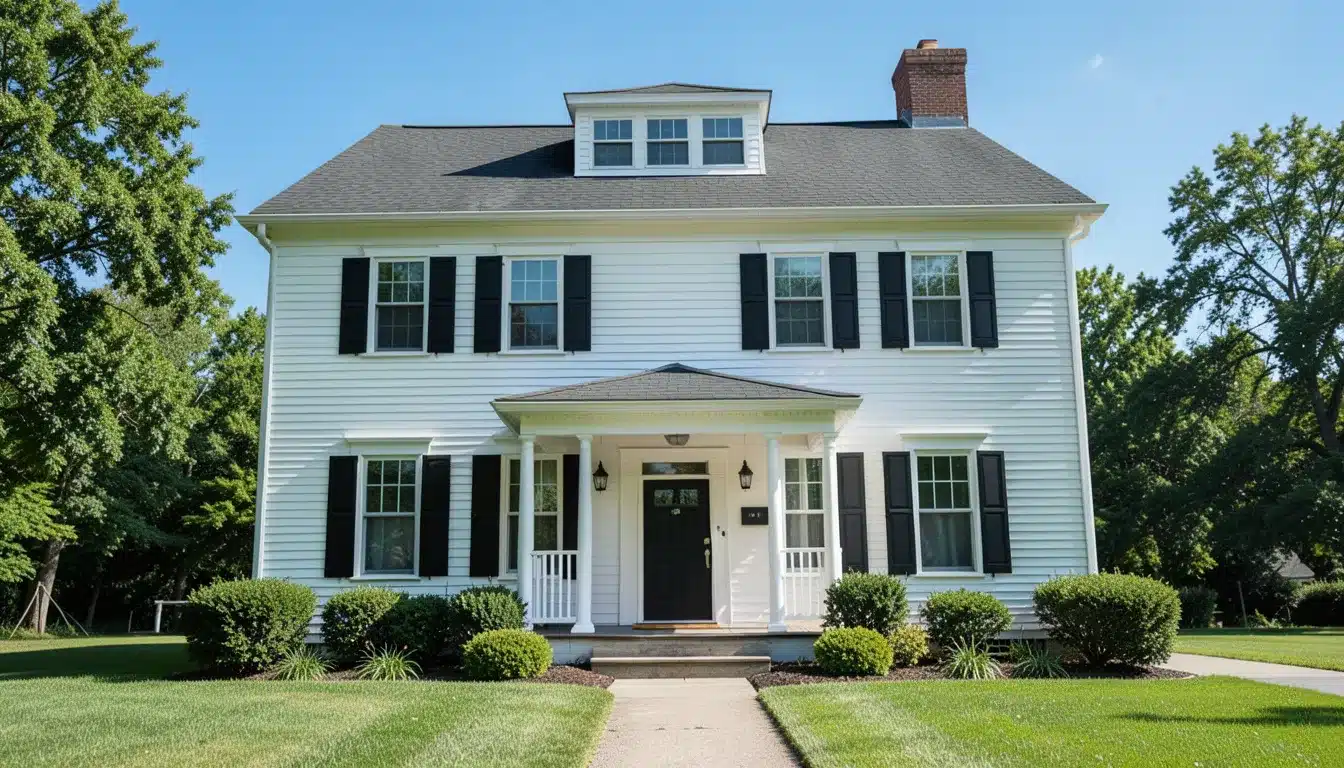
This is one of the most traditional types of wood siding in American architecture. Clapboard features long horizontal boards that overlap from bottom to top.
Each plank sits above the one below it, which helps water run off without soaking into seams. You will see this style on Cape Cod cottages, ranch homes, and historic colonial properties.
| Pros | Cons |
|---|---|
| Timeless and classic look that fits most home styles | Needs repainting or restaining every few years |
| Overlap design sheds water naturally | Can warp if moisture gets trapped behind boards |
| Easy to find at most lumber suppliers | Installation labor can add to the total cost |
2. Dutch Lap
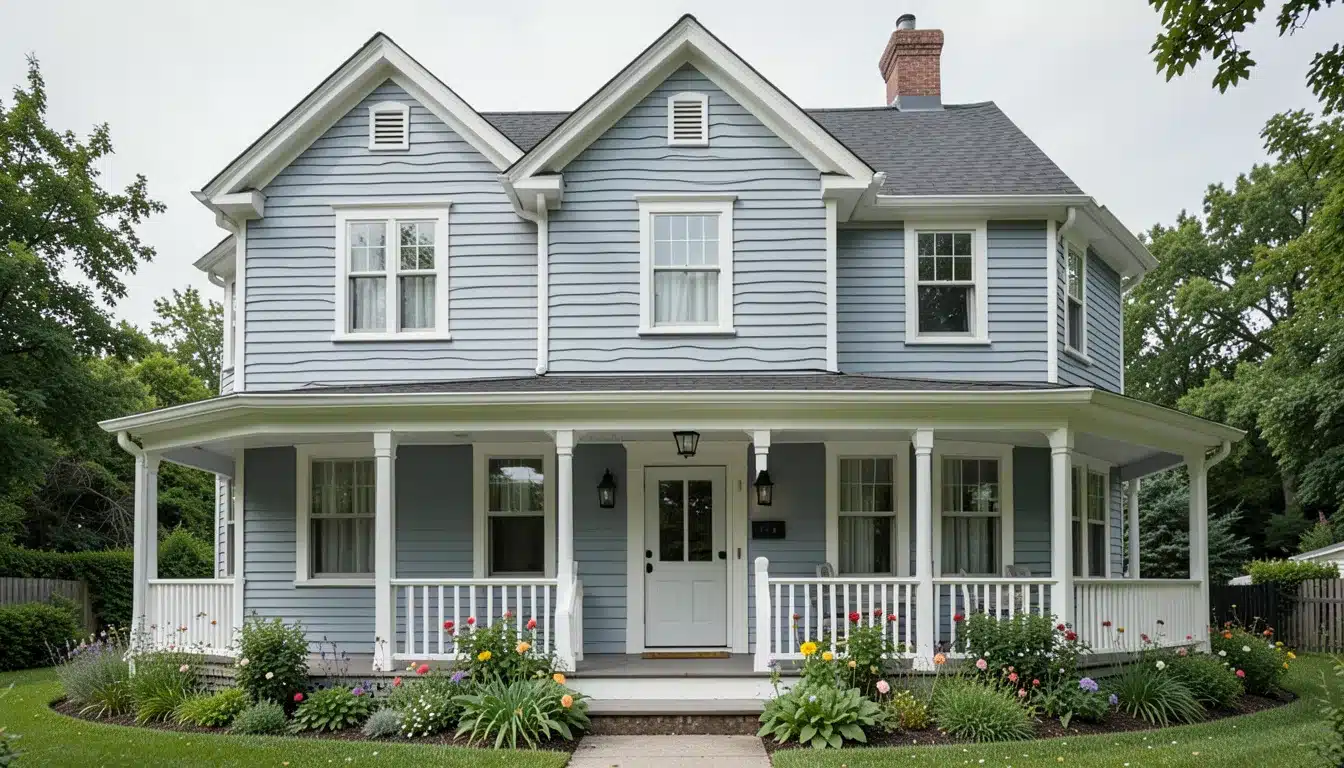
Dutch lap is a variation of standard lap siding with a decorative curved notch along the top edge. This creates a shadow line that adds depth and visual interest.
It works especially well on colonial and Victorian homes where detail matters. The profile is slightly more ornate than plain clapboard but still maintains a traditional feel.
| Pros | Cons |
|---|---|
| Adds dimension and character to exterior walls | Costs slightly more than basic lap siding |
| Effective water drainage thanks to the overlap | Grooves can collect dirt and pollen |
| Complements traditional architectural styles | Requires precise alignment during installation |
3. Shiplap
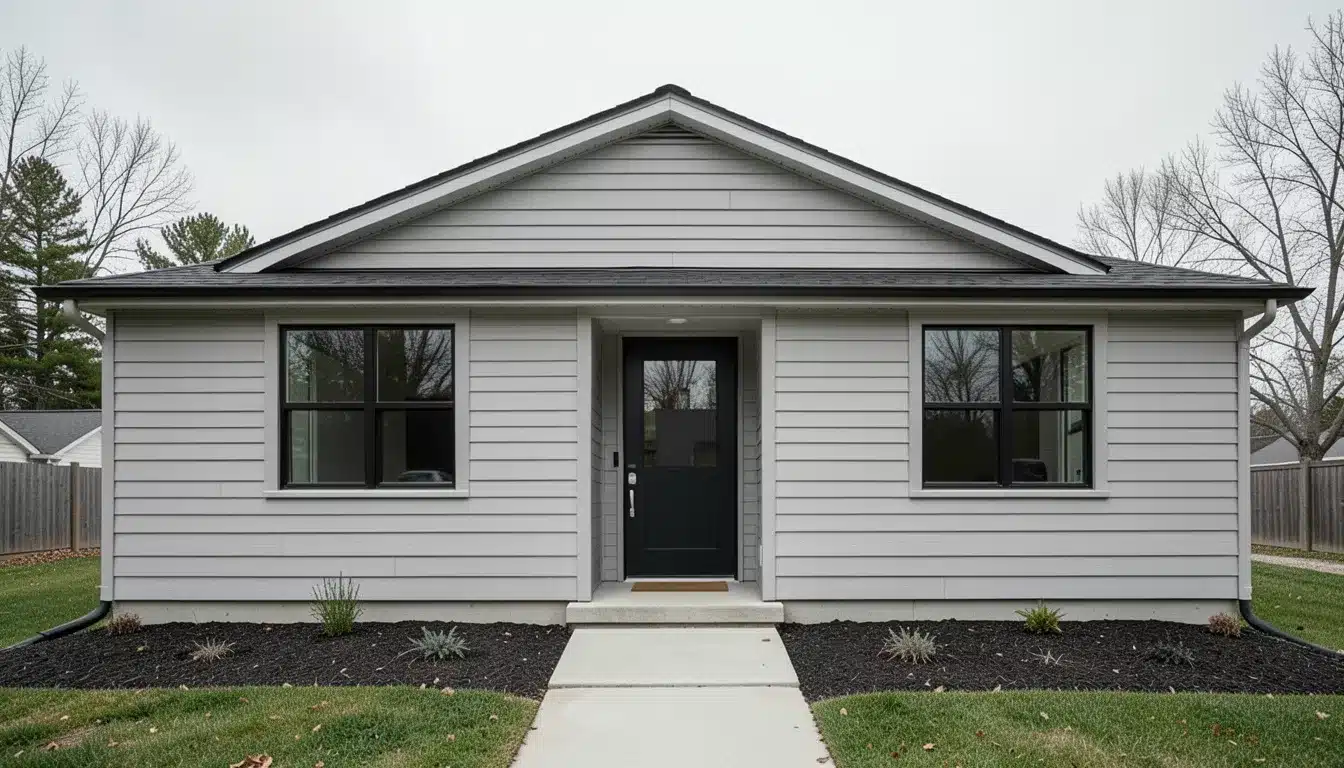
Shiplap boards have rabbeted edges that allow them to fit tightly together without visible gaps. This creates a smooth, clean finish that works for both modern and farmhouse looks.
It’s one of the wood siding types that has grown in popularity over the past decade, partly because interior design trends have spilled over to exteriors.
| Pros | Cons |
|---|---|
| Smooth, modern look with minimal texture | Tight seams can trap moisture without proper flashing |
| Strong wind resistance when installed correctly | Needs accurate spacing to allow for wood expansion |
| Takes paint or stain evenly | More sensitive to installation mistakes |
4. Tongue and Groove
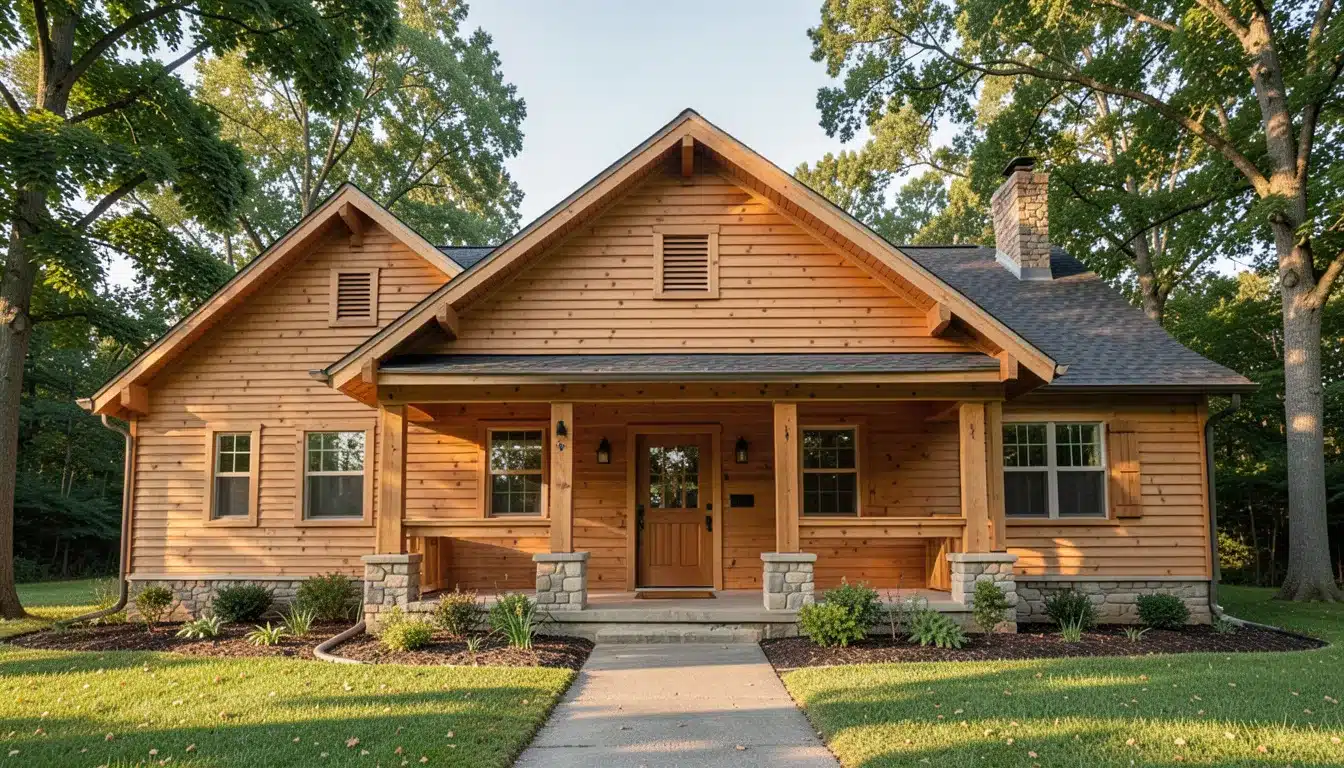
Tongue and groove boards interlock by fitting a protruding tongue on one side into a recessed groove on the other. This creates a tight, uniform surface with no visible nails.
It’s a premium option often used for accent walls or covered porches, but some homeowners use it for full exterior applications.
| Pros | Cons |
|---|---|
| Creates a uniform, polished appearance | Higher material cost compared to lap styles |
| Strong connection between boards | Requires precision during installation |
| Works for both vertical and horizontal layouts | Limited airflow between interlocked boards |
5. Board and Batten
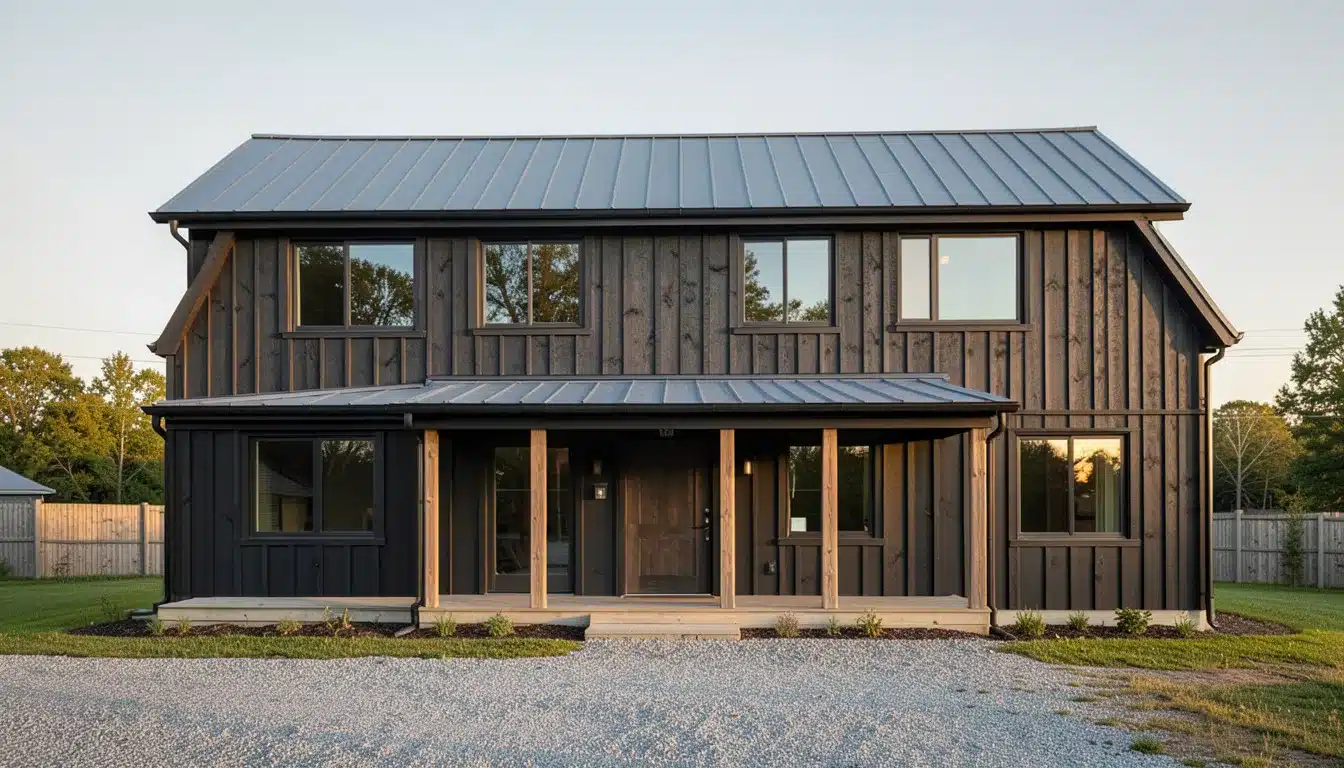
Board and batten is a vertical siding style with wide boards placed side by side and narrow strips covering the seams.
It’s common on barns, farmhouses, and modern homes that want a bold, linear look. The vertical orientation helps water drain quickly and makes homes appear taller.
| Pros | Cons |
|---|---|
| Bold visual appeal that suits farmhouse and modern homes | Higher labor costs due to vertical installation |
| Vertical design helps water run off faster | Seams need consistent caulking and maintenance |
| Makes exterior walls look taller | Wood expansion can create gaps between boards |
6. Wood Shingles
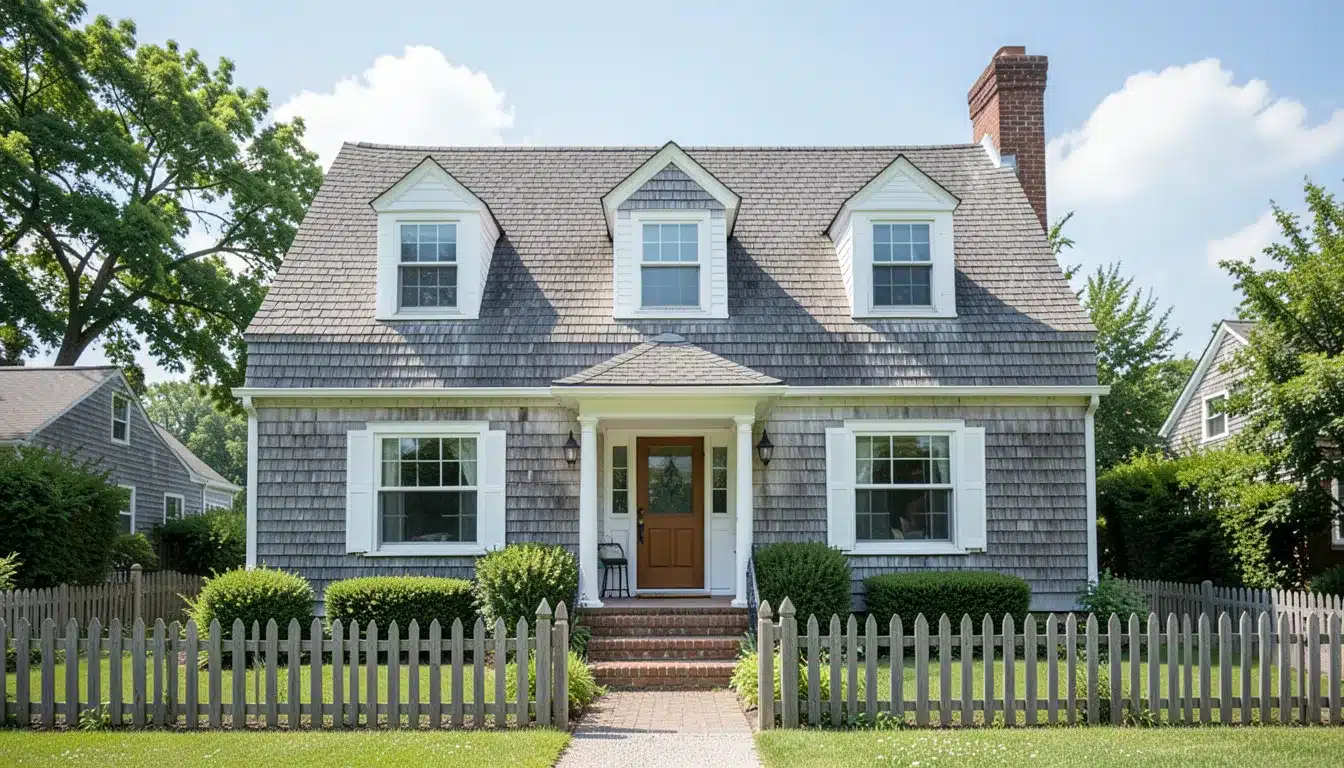
Wood shingles are thin, uniform pieces cut from solid wood and installed in overlapping rows. They’re lightweight and often used on Cape Cod-style homes or coastal properties.
Cedar is the most common material for shingles because it resists rot naturally. You can also arrange them in different patterns for custom looks.
| Pros | Cons |
|---|---|
| Light and refined appearance | Installation takes longer than horizontal boards |
| Lightweight material reduces structural load | Vulnerable to moisture damage without proper sealing |
| Can be arranged in custom decorative patterns | May cup or crack over time from weather exposure |
7. Wood Shakes
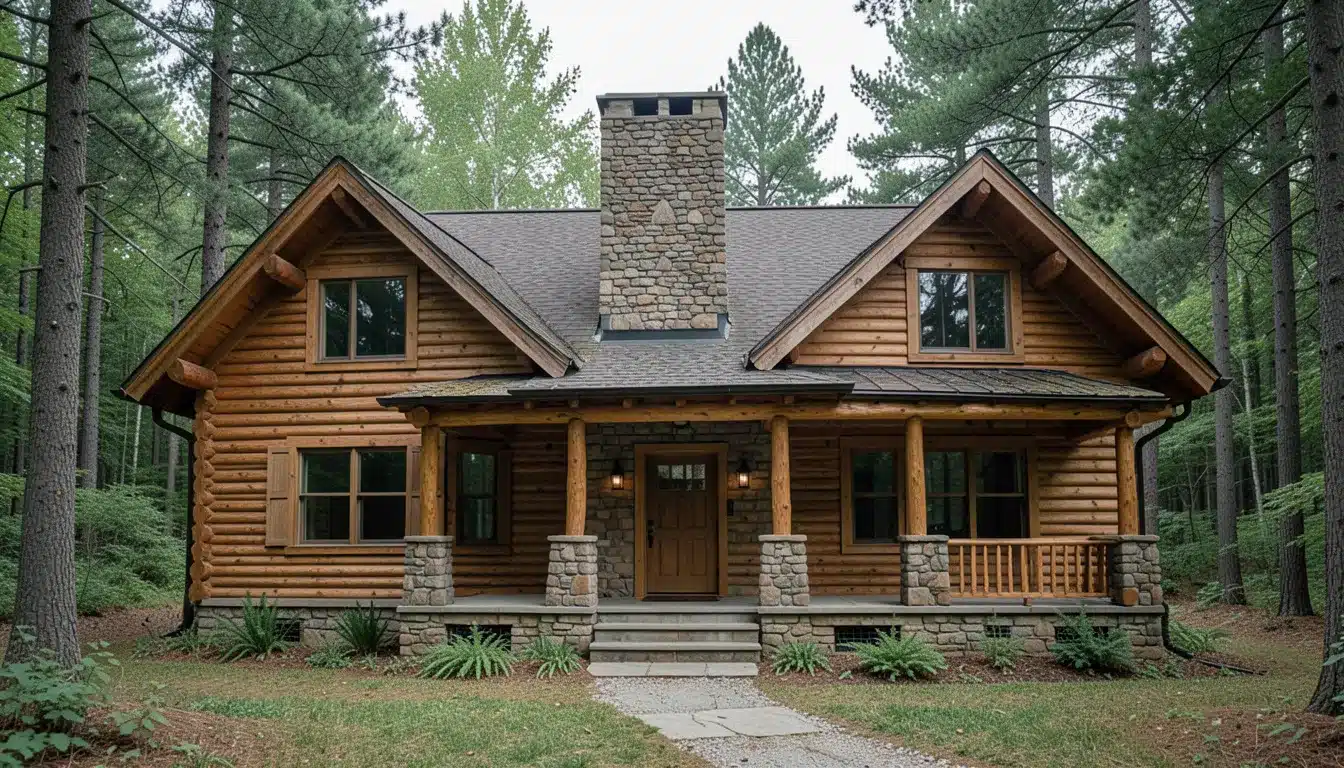
Wood shakes are thicker than shingles and are often hand-split to create a rough, textured surface. They bring a rustic, natural look that’s popular in mountain homes, cabins, and craftsman-style houses.
Shakes provide better insulation than thinner wood siding types because of their added thickness.
| Pros | Cons |
|---|---|
| Rustic, textured look adds character | Higher upfront material cost |
| Adds depth and shadow to exterior surfaces | Irregular thickness makes installation more complex |
| Better insulation value than thinner options | Needs frequent maintenance to prevent rot |
8. Engineered Wood Siding
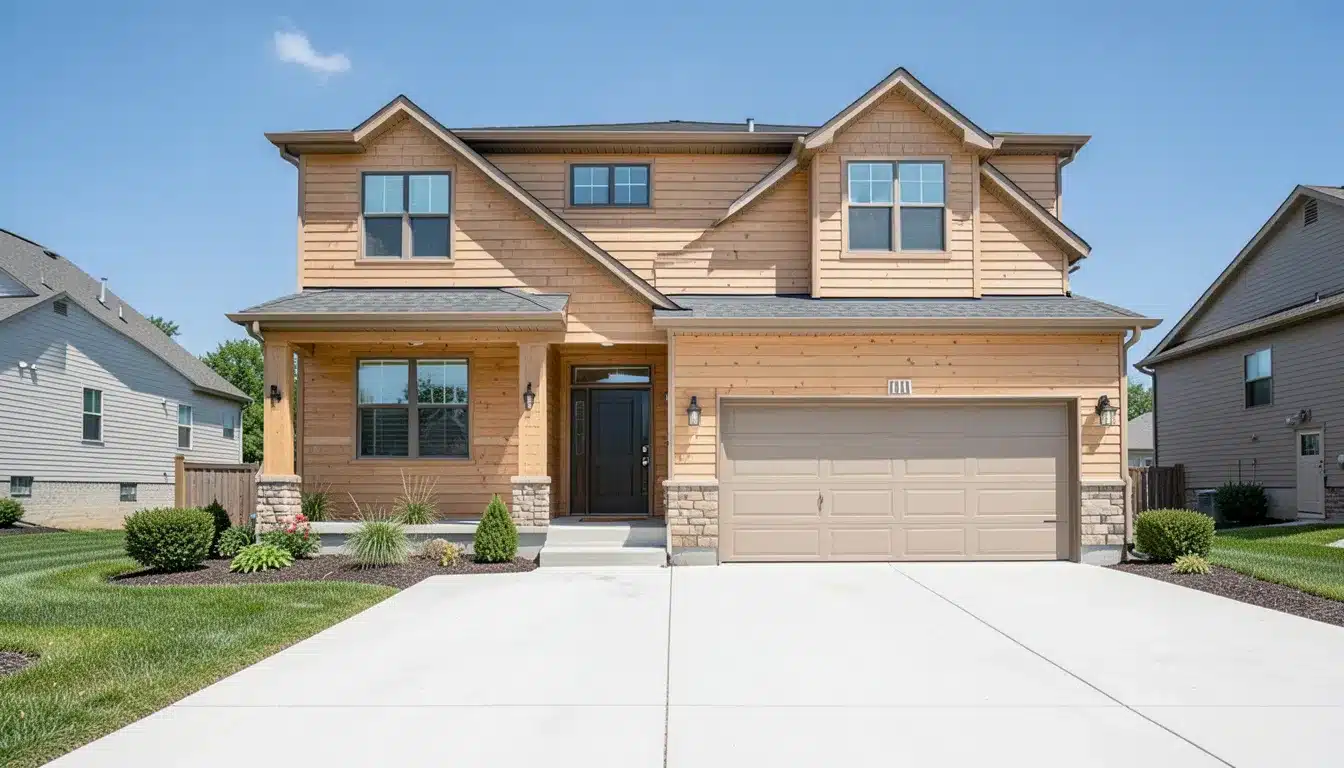
Engineered wood is a manufactured product made from wood strands, fibers, and resins pressed together. It’s designed to look like real wood but offers better moisture resistance.
Many homeowners compare this option to Hardie plank siding when deciding between wood and fiber cement. Quality varies by brand, so research is important.
| Pros | Cons |
|---|---|
| More moisture resistant than natural wood | Not solid wood, which matters to some buyers |
| Lower maintenance compared to many wood siding types | Can swell if the cut edges aren’t sealed properly |
| Often more affordable than solid wood options | Quality depends heavily on brand reputation |
Essential Wood Siding Maintenance Tasks
All wood siding types need regular care to stay looking good and performing well. Here’s what to plan for based on common maintenance tasks.
- Annual Inspection: Walk around your home at least once a year to check for cracks, warping, peeling paint, or soft spots where moisture may have seeped into the wood, causing rot or decay.
- Repainting or Restaining: Natural wood needs fresh coats of paint or stain every three to seven years, depending on your climate, sun exposure, and the quality of the previous finish, to maintain protection and appearance.
- Moisture and Pest Control: Seal any gaps around windows, doors, and trim with caulk to stop water from getting behind the boards, and inspect regularly for carpenter ants, termites, or woodpeckers that can damage the siding.
- Cleaning Methods: Use a soft-bristle brush with mild soap and water to gently remove dirt, pollen, and mildew buildup. Avoid high-pressure washers, which can force water under the boards or damage the wood fibers.
- Repair Options: Replace cracked, warped, or rotting boards as soon as you spot them to prevent moisture from reaching the house wrap, sheathing, or framing behind your siding, which can lead to expensive structural repairs.
Wood requires more upkeep than Hardie plank siding, but many homeowners feel the natural beauty is worth the extra effort.
Budget and Cost Expectations for Wood Siding Types
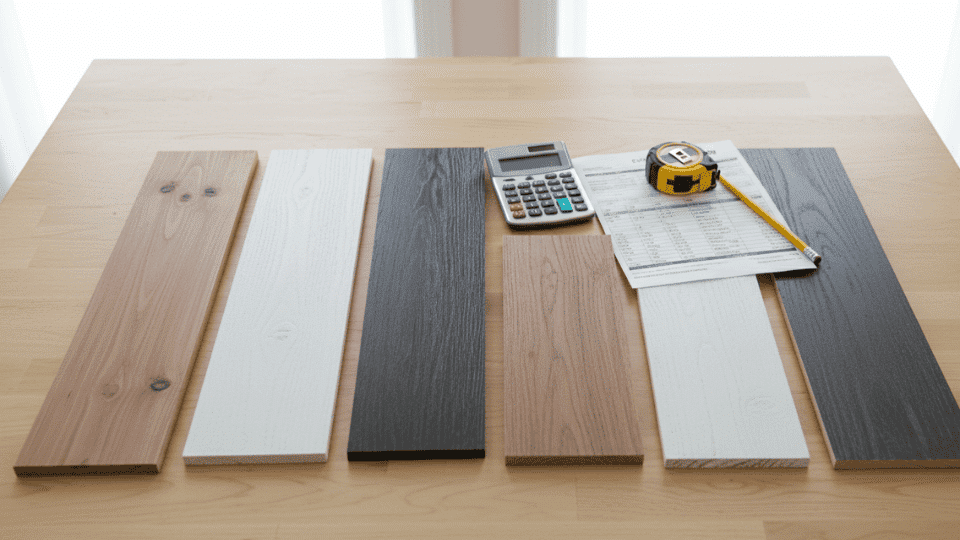
Understanding the price range for different wood siding types helps you plan your budget realistically. Costs vary based on wood species, profile style, labor rates in your region, and whether you buy prefinished or unfinished material.
| Cost Factor | Details |
|---|---|
| Wood Species | Cedar and redwood cost more than pine or fir |
| Profile Complexity | Board and batten or tongue and groove cost more to install |
| Labor and Region | Urban areas and coastal regions have higher labor rates |
| Finish | Prefinished material costs more upfront but saves labor time |
| Material Range | Natural wood: $6 to $12 per square foot installed |
| Engineered Wood | Typically $4 to $9 per square foot installed |
| Comparison | Hardie plank siding often falls between $7 and $13 per square foot |
Keep in mind that upfront savings with cheaper wood siding types may lead to higher maintenance costs over time. Natural wood requires repainting or staining every three to seven years, while engineered options last longer between treatments.
How to Choose the Right Wood Siding?
Start by matching the style to your home’s architecture. Farmhouse designs work well with board-and-batten or shiplap, while colonial homes suit clapboard or Dutch lap siding. Consider your climate, too.
Humid areas need better moisture resistance, so engineered wood or naturally rot-resistant species like cedar make sense.
Cold climates benefit from thicker materials, such as wood shakes, for extra insulation. Budget matters, but think long term.
Cheaper wood siding types save money now but may cost more in maintenance later. If you want low upkeep, compare engineered wood with alternatives like Hardie plank siding.
Finally, check local building codes. Some fire zones restrict wood exteriors or require specific treatments.
Final Thoughts
Wood siding types offer a wide range of styles, from classic clapboard to rustic shakes. Each has its own look, cost, and maintenance needs.
Natural wood brings authenticity and warmth but requires regular care. Engineered wood reduces maintenance while keeping a similar appearance.
Many homeowners also compare wood siding to Hardie plank siding to weigh durability against the real-wood feel.
Your choice depends on your home’s style, local climate, and how much time you want to spend on upkeep.
Take your time comparing options, get quotes from local contractors, and consider long-term value instead of just upfront cost. The right choice will protect your home and look great for years.