A well-placed shrub quietly does the heavy lifting in any garden, anchoring spaces, softening hard edges, and adding life that lasts through every season.
Privacy screens, flowering focal points, structured hedges… shrubs carry it all with effortless grace.
People often use shrubs and bushes interchangeably, and honestly, the difference is subtle but worth a moment.
What follows covers the most loved types of shrubs and types of bushes out there, evergreen, flowering, low-maintenance, and ornamental varieties, so you can find exactly what your garden has been asking for.
How to Choose the Right Type of Shrub?
Picking the right shrub feels overwhelming until you realize it really comes down to a few simple questions.
Run through these before anything else:
- Know your hardiness zone and match plants to what your regional climate can actually support.
- Get clear on purpose first, whether it’s privacy, border definition, or pure decorative appeal.
- Be honest about how much upkeep you’re willing to commit to, since shrubs range from nearly hands-free to genuinely high-care.
- Factor in mature size, because a shrub that outgrows its spot will always cause more problems than it solves.
The right shrub is less about what looks good in a photo and more about what works for your specific space and lifestyle.
Evergreen Shrubs
Evergreen shrubs are the backbone of any well-dressed garden, holding structure and color even when everything else goes bare.
These are the ones that make your outdoor space look intentional, no matter the season.
1. Boxwood
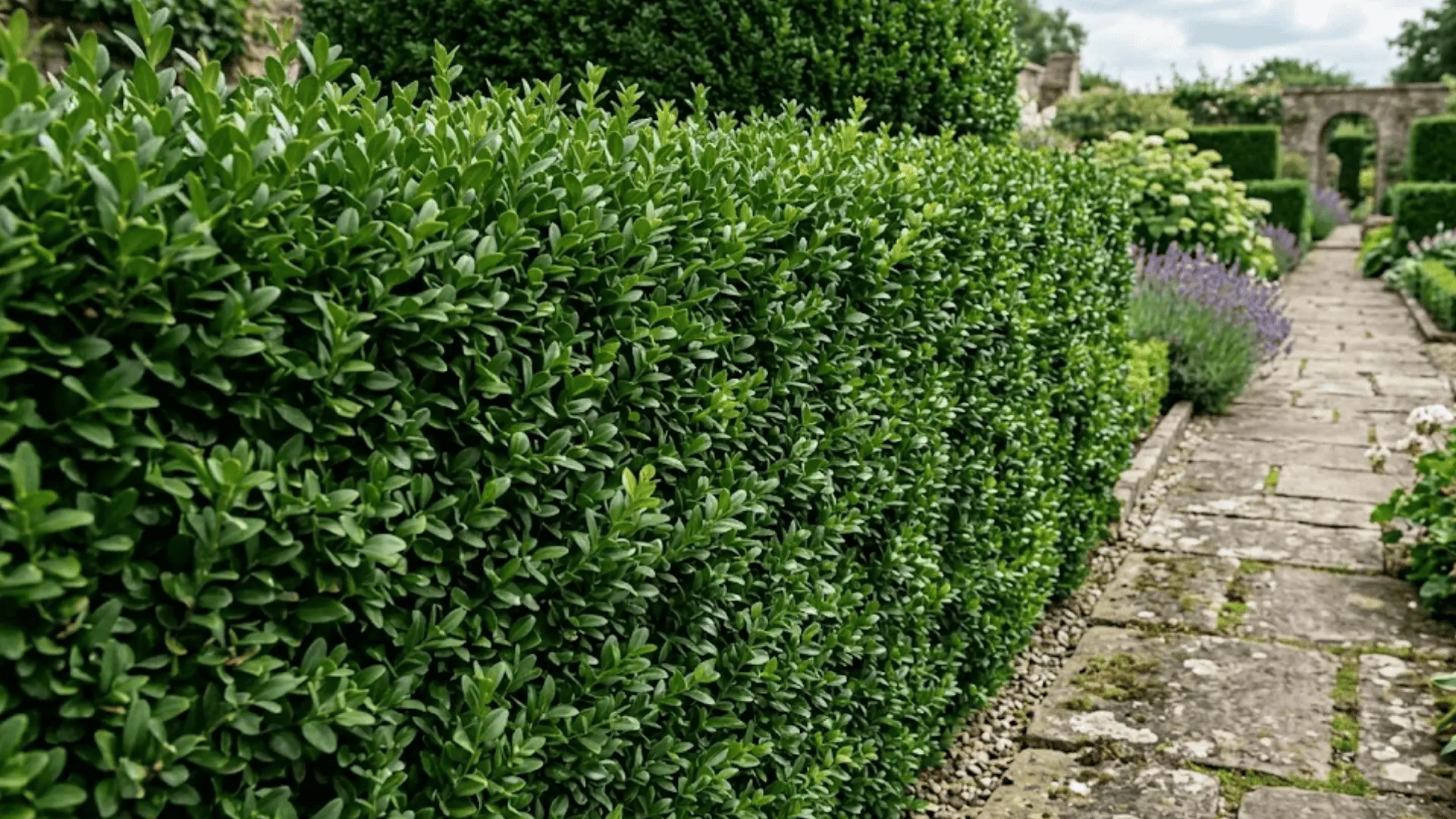
Exposure: Full sun to partial shade
Size: 2 to 8 feet, depending on variety
Zones: 5 to 9
Season of Interest: Year-round
The classic choice for tidy hedges and defined borders, Boxwood is beloved for how easily it takes to shaping.
It grows at a steady, manageable pace and holds its deep green color through most climates, making it one of the most reliable and widely used types of shrubs for formal and structured garden layouts.
2. Holly
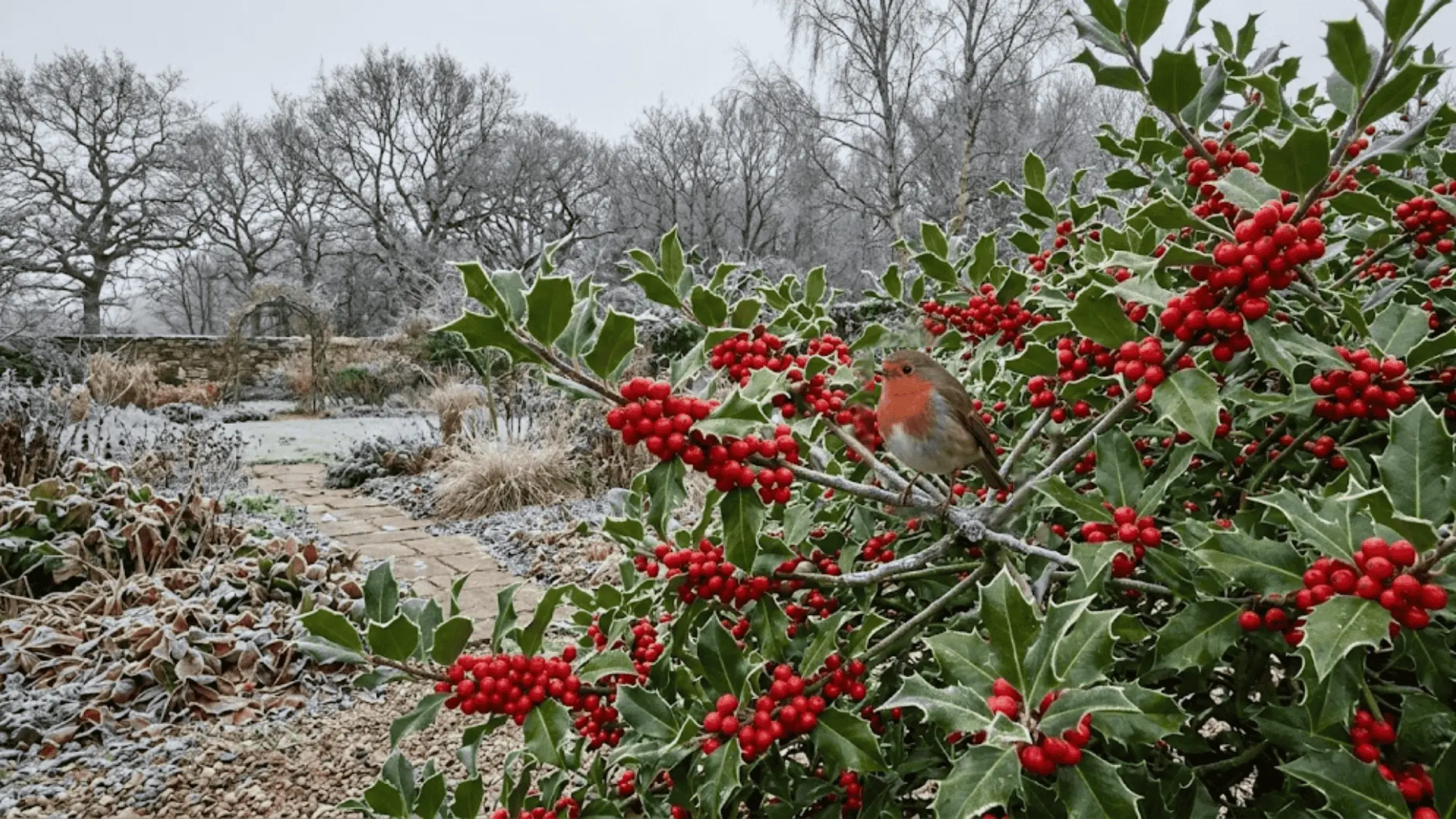
Exposure: Full sun to partial shade
Size: 3 to 50 feet, varies widely by variety
Zones: 5 to 9
Season of Interest: Year-round, especially winter
Holly brings glossy, deep green leaves and bright red berries that peak beautifully in winter. It works hard as a privacy screen and doubles as a wildlife habitat since birds are drawn to the berries.
A few varieties stay compact enough for smaller yards, while others grow tall and dense with very little encouragement.
3. Juniper
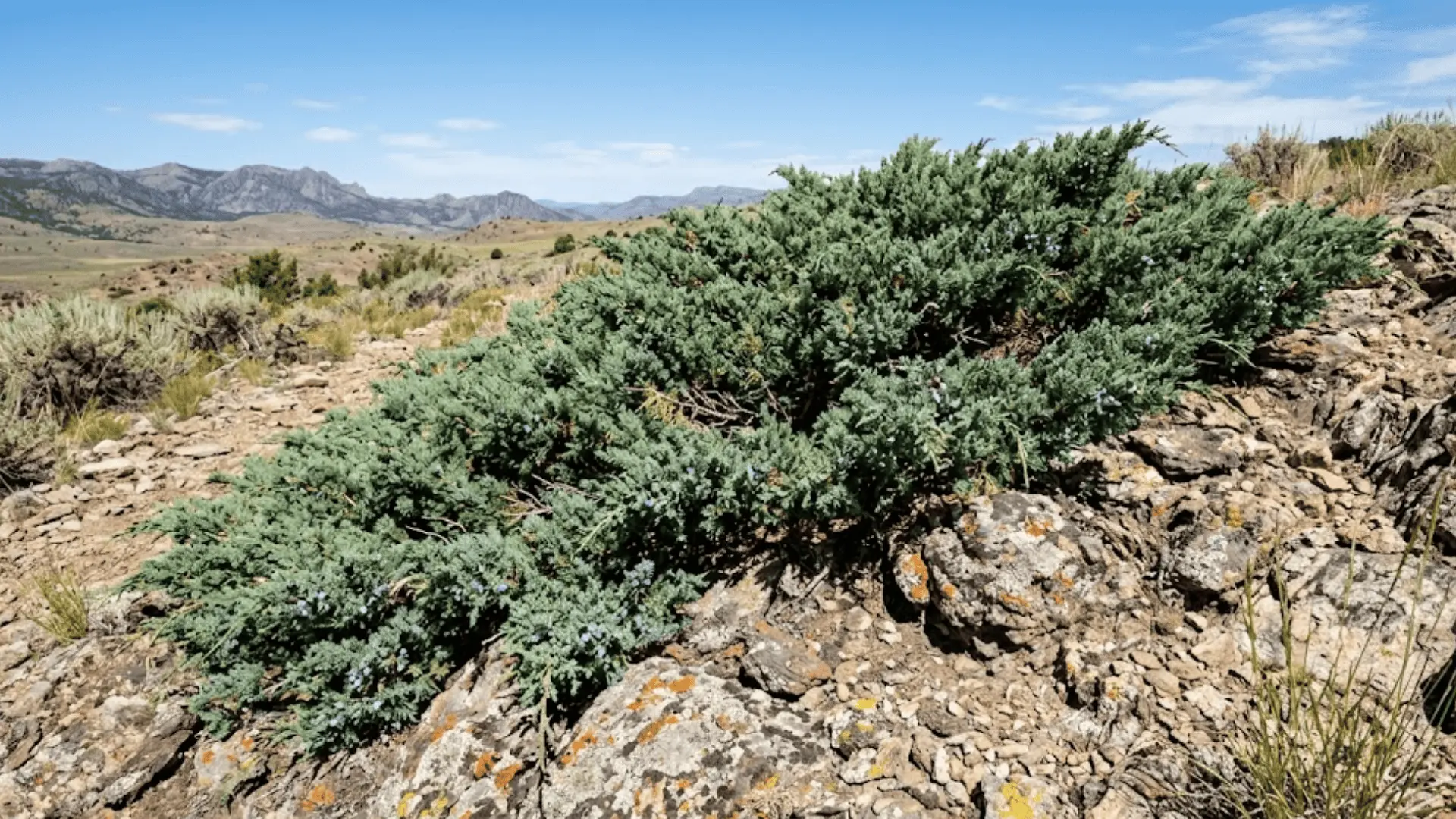
Exposure: Full sun
Size: 6 inches to 20 feet
Zones: 3 to 9
Season of Interest: Year-round
Juniper is one of those shrubs that asks for very little and gives back a lot. It handles drought, poor soil, and harsh winters without complaint.
Low-spreading varieties make excellent ground cover across slopes and open spaces, while upright forms add vertical interest. The blue-green foliage holds its color reliably across seasons.
4. Yew
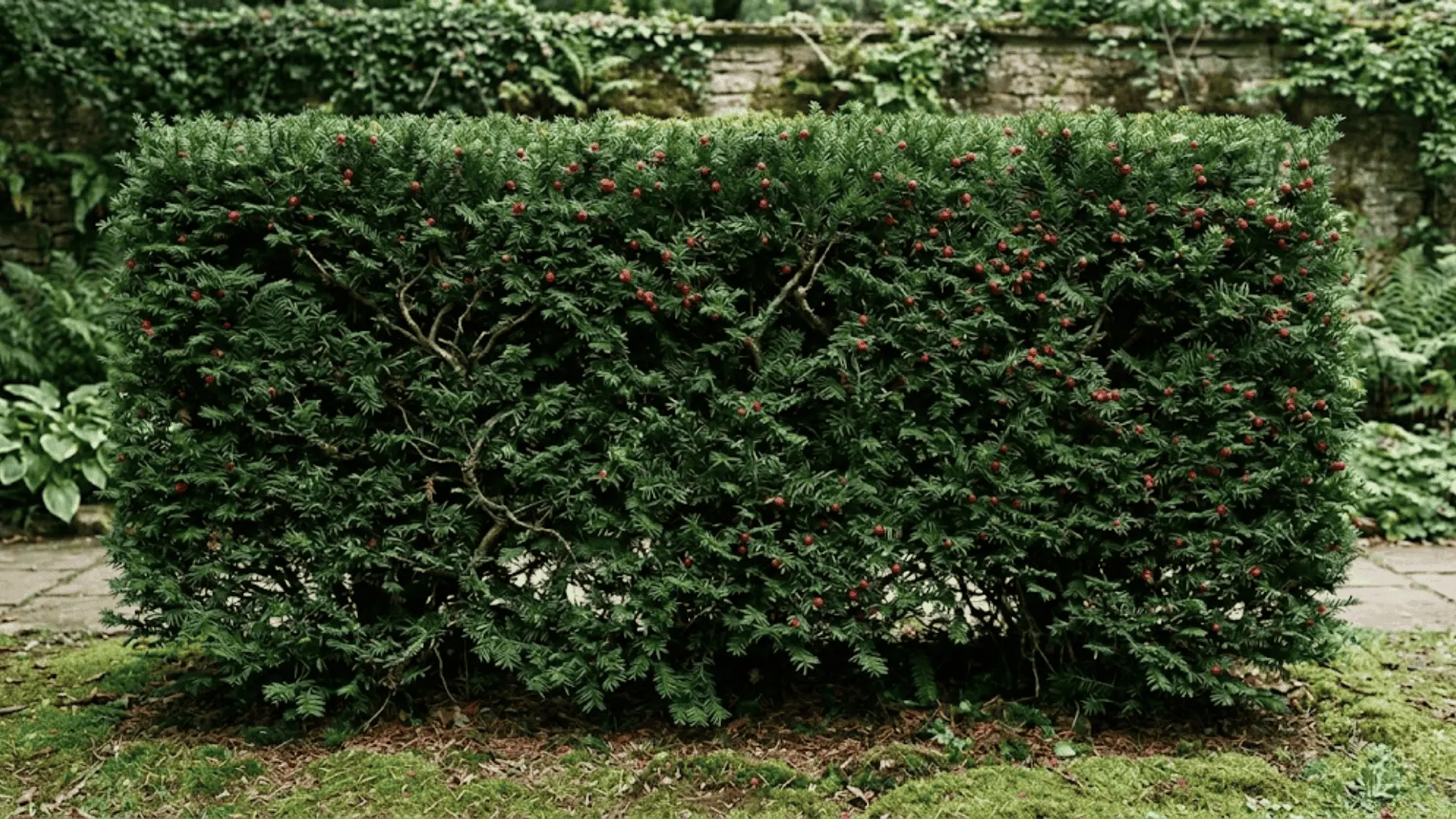
Exposure: Full sun to full shade
Size: 4 to 20 feet
Zones: 4 to 7
Season of Interest: Year-round
Yew is one of the few shrubs that genuinely thrives in deep shade, making it a go-to for spots where other plants struggle.
Its dense, dark green needles create a rich, full hedge that responds beautifully to pruning. Slow-growing but long-lived, Yew is the kind of shrub that rewards patience with decades of structure.
5. Arborvitae
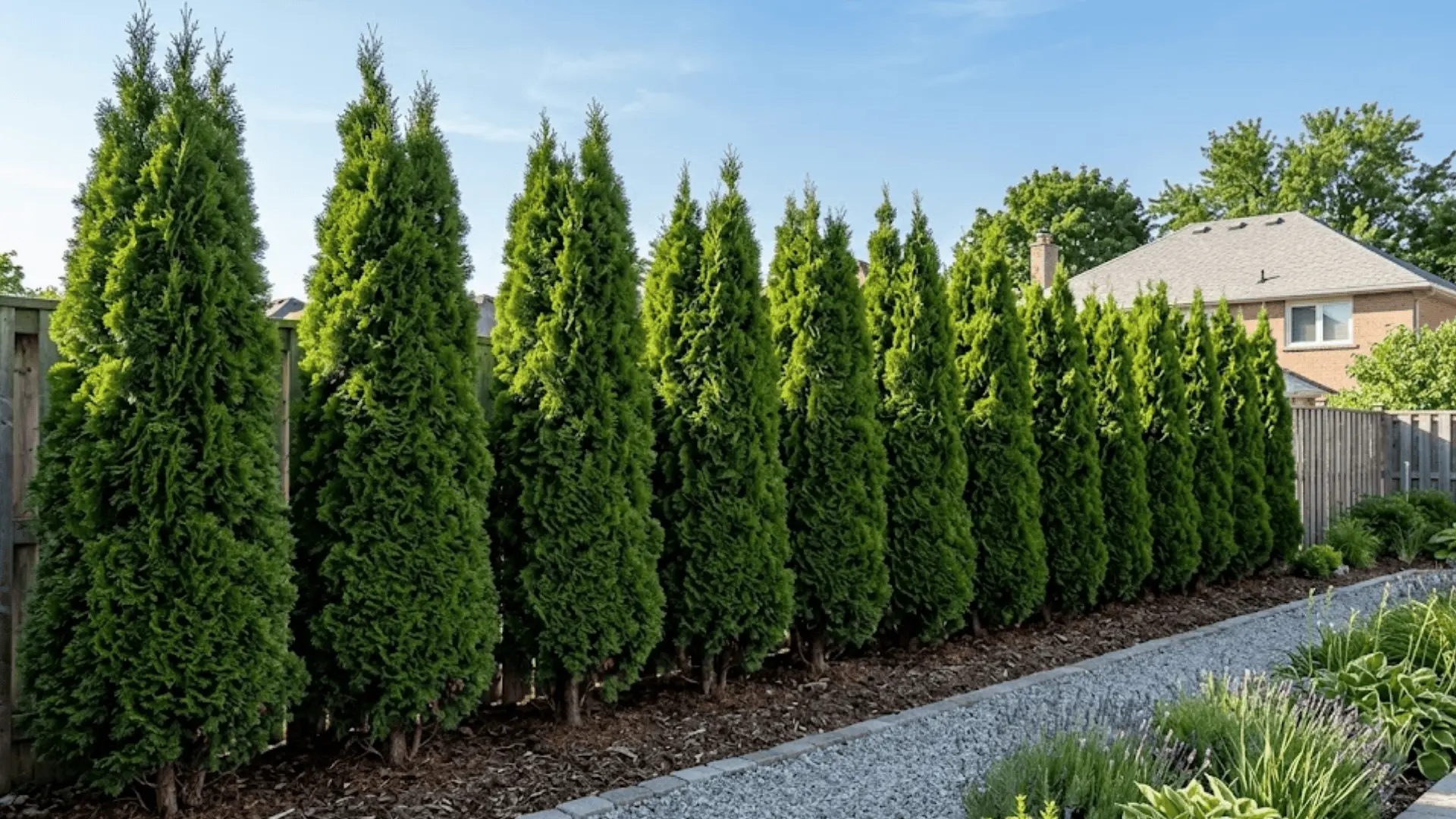
Exposure: Full sun
Size: 3 to 70 feet, depending on variety
Zones: 3 to 8
Season of Interest: Year-round
Arborvitae is the go-to privacy screen for good reason. Fast-growing varieties can put on several feet a year, quickly forming a dense, feathery wall of soft green. It stays narrow enough for tighter spaces and handles cold climates well.
For anyone wanting a living fence without a long wait, Arborvitae delivers reliably.
Flowering Shrubs
Few things in a garden are as rewarding as a shrub that bursts into bloom right on cue.
These flowering varieties bring seasonal color, fragrance, and a softness that purely green plants simply cannot replicate.
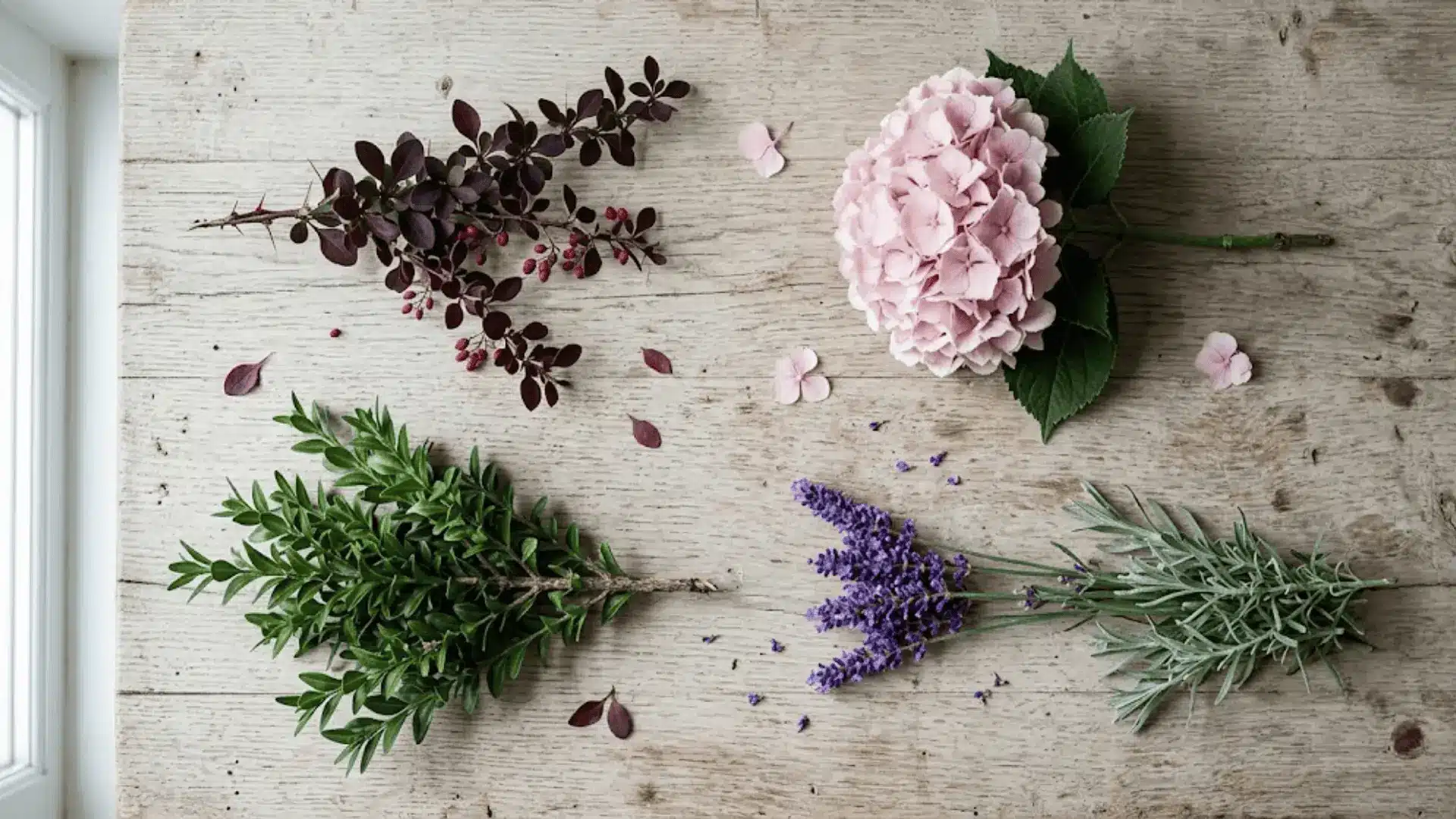
6. Hydrangea
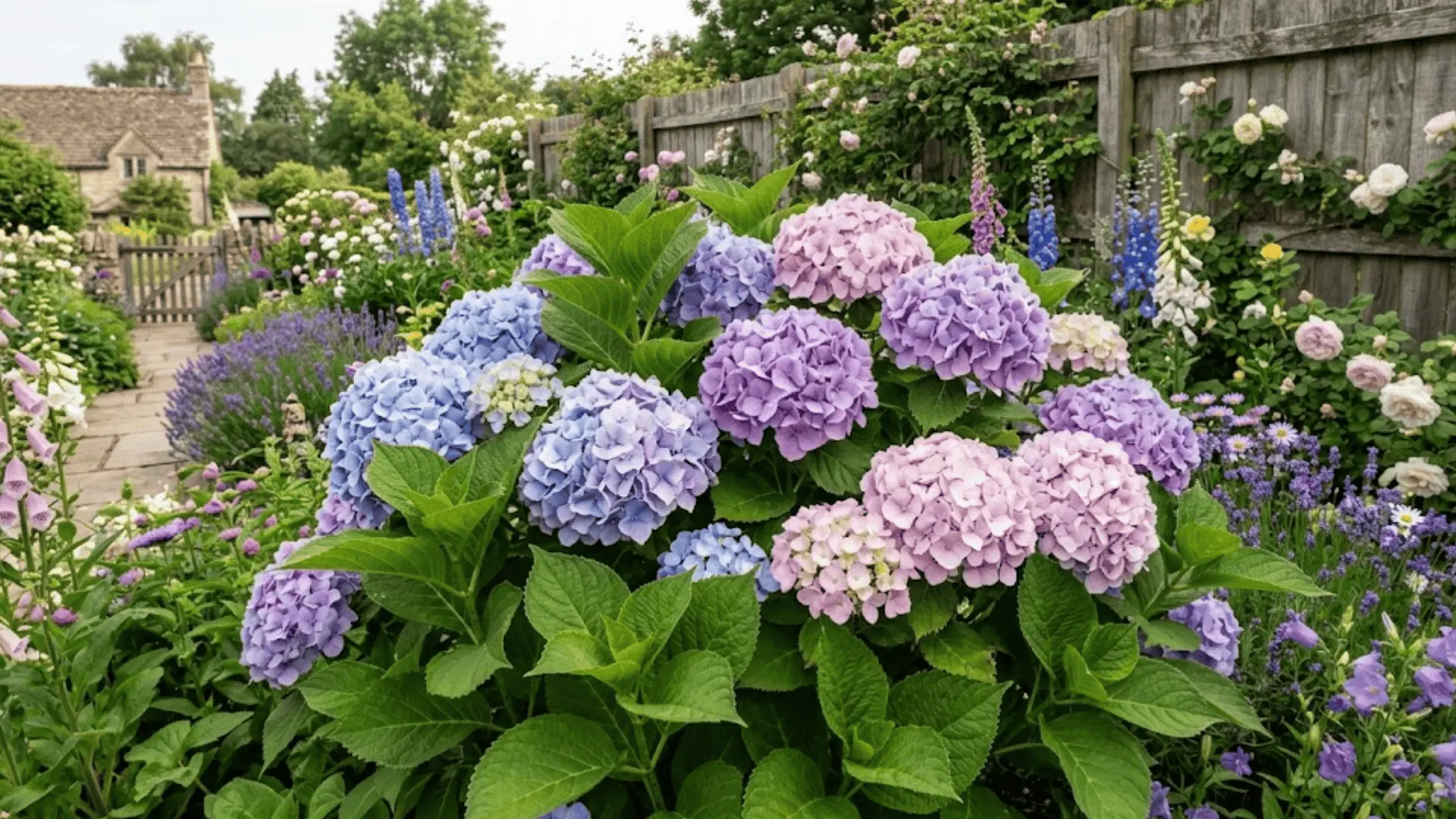
Exposure: Partial shade, morning sun preferred
Size: 3 to 6 feet
Zones: 3 to 9
Season of Interest: Summer to fall
Hydrangea is a garden favorite for the kind of full, dramatic blooms that feel almost too beautiful to be real.
Colors shift from white to blush, lavender, and deep blue depending on soil pH, making every plant feel a little unique. It pairs well with other flowering shrubs and brings a lush, romantic quality to any space.
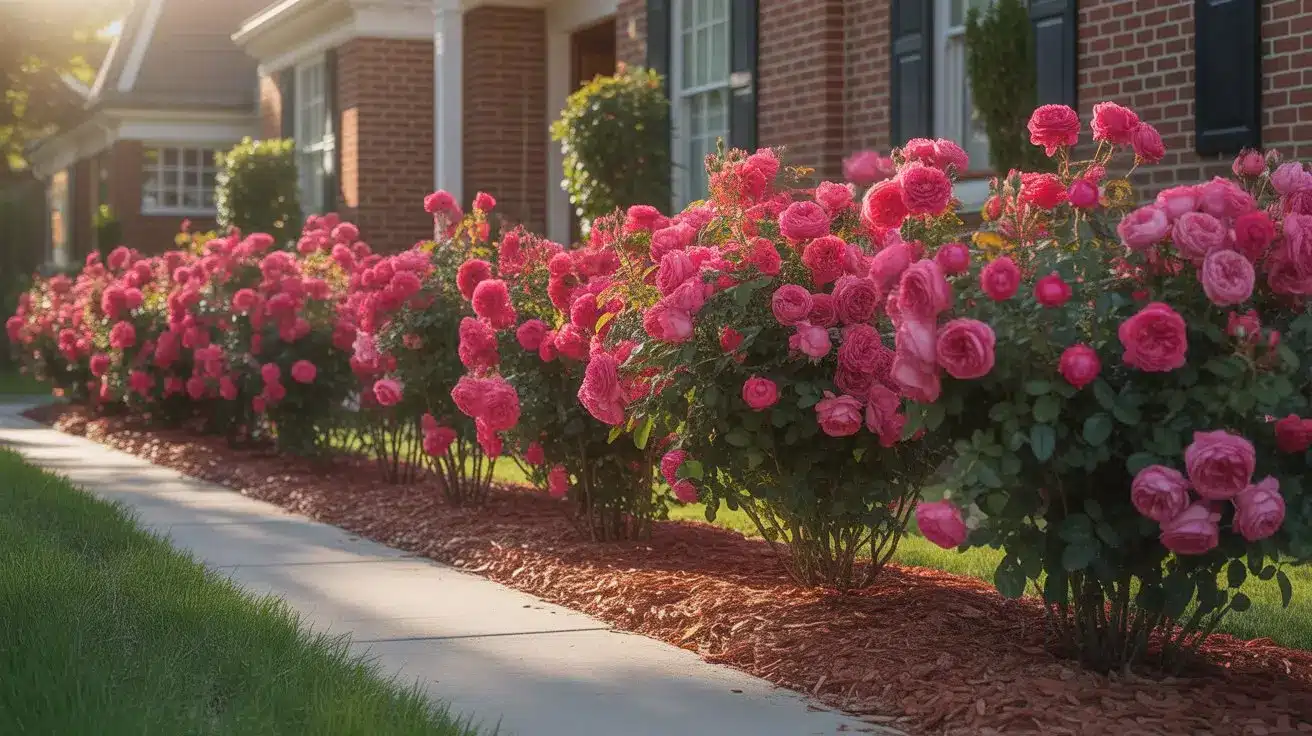
7. Rose Bush
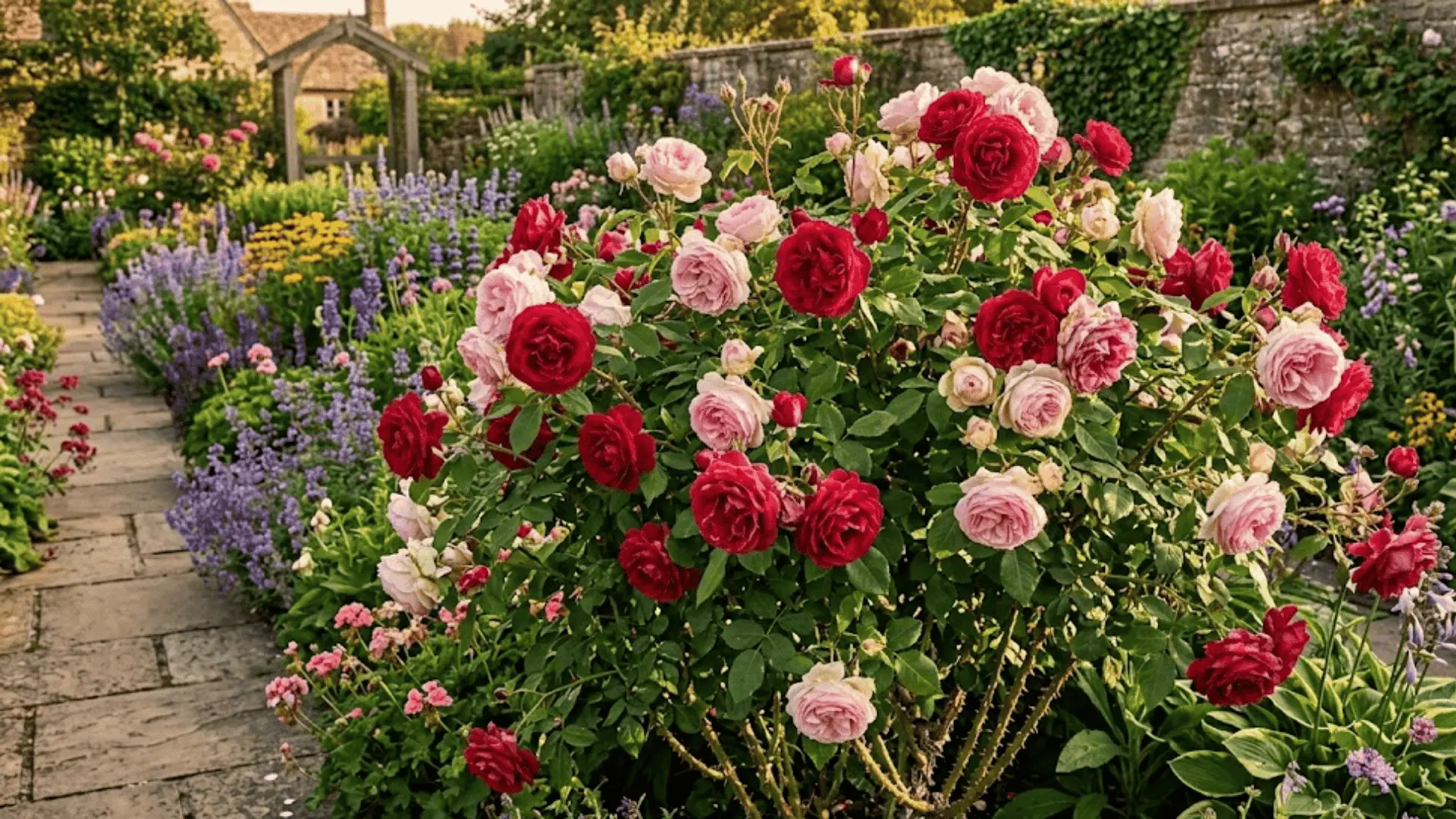
Exposure: Full sun
Size: 2 to 6 feet
Zones: 3 to 11, varies by variety
Season of Interest: Late spring through fall
The rose bush is a classic for a reason, layering fragrance, color, and grace into one plant. It does ask for regular pruning, feeding, and some pest attention, but the payoff is a shrub that blooms generously.
Modern shrub rose varieties have been bred to be hardier and more disease-resistant than older types.
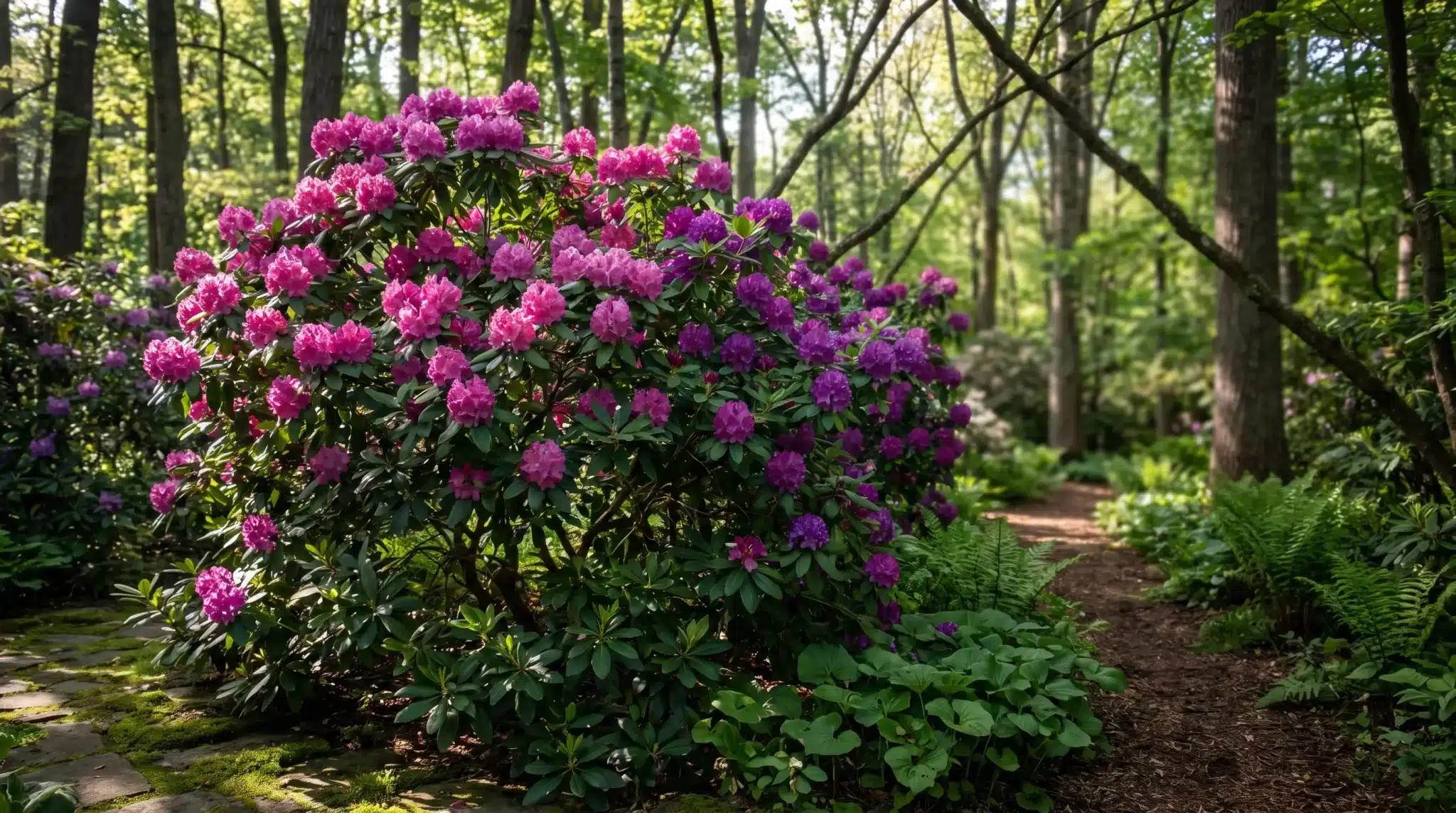
8. Azalea
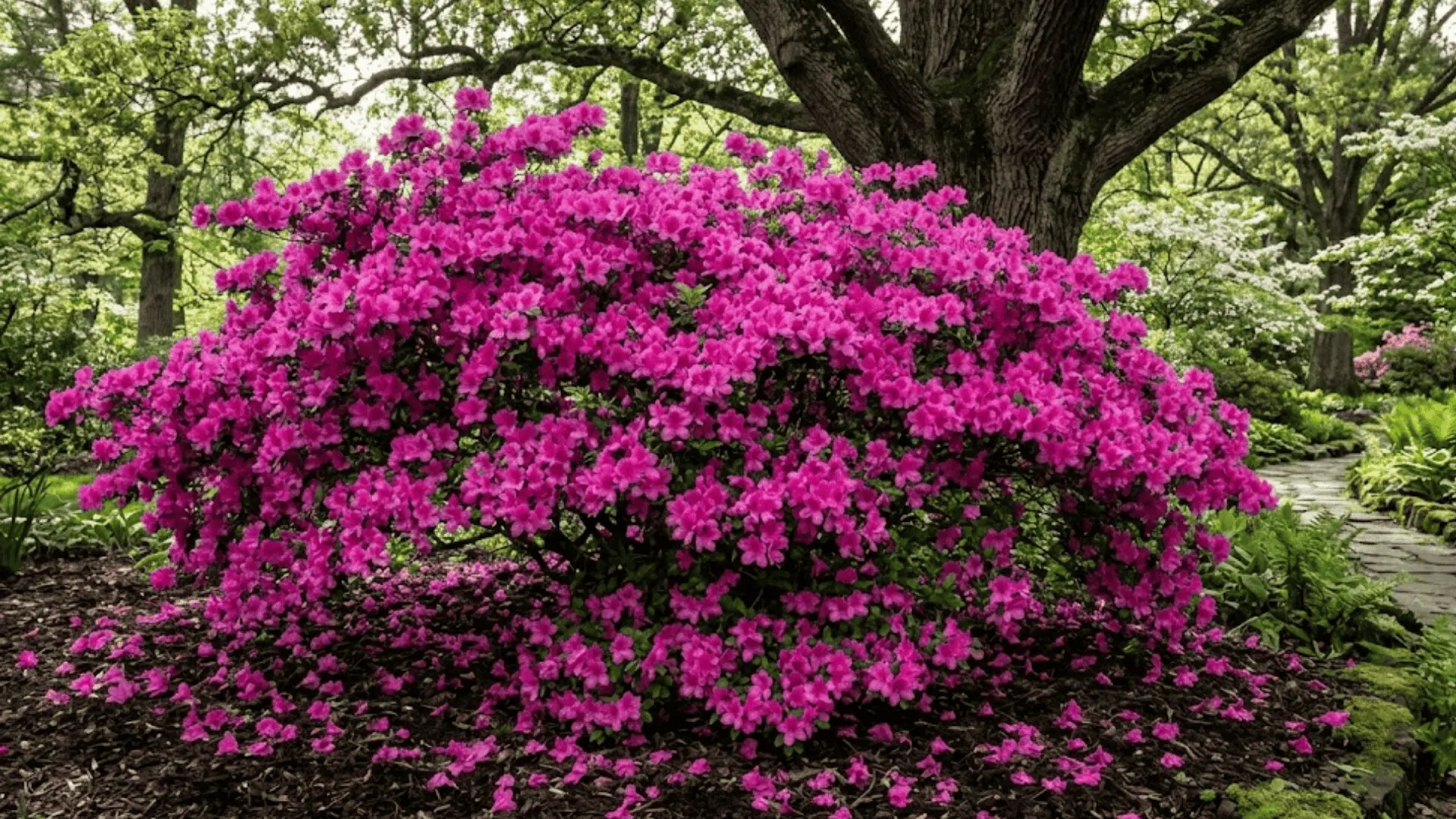
Exposure: Partial shade
Size: 2 to 8 feet
Zones: 4 to 9
Season of Interest: Spring
Azalea puts on one of the most vivid floral displays of the season, with blooms in electric pink, red, white, and coral arriving all at once in spring. It prefers acidic, well-drained soil and a sheltered spot with dappled light.
Once settled in the right conditions, it becomes a low-fuss shrub that returns more beautiful each year.
9. Lilac
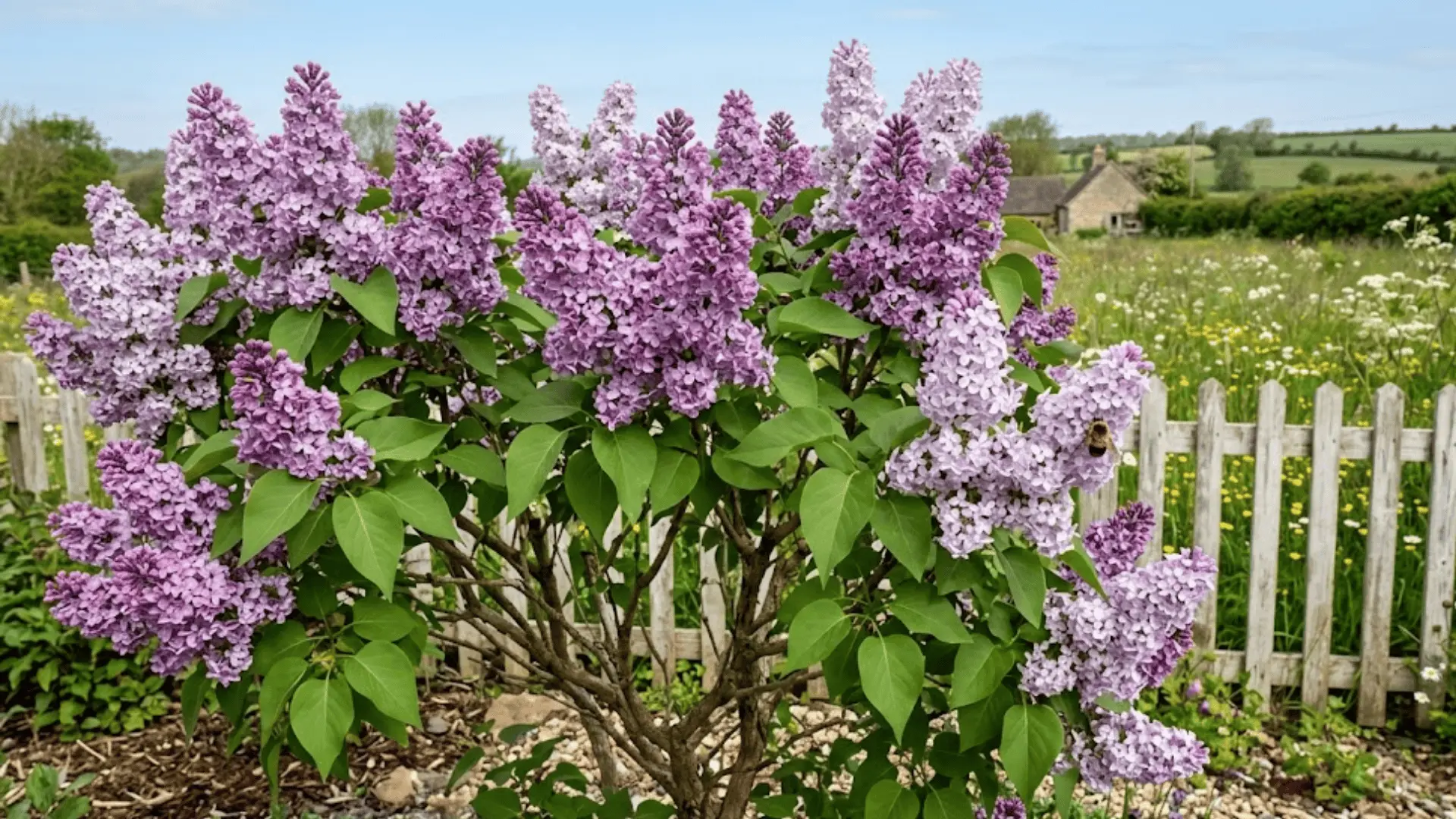
Exposure: Full sun
Size: 5 to 15 feet
Zones: 3 to 7
Season of Interest: Spring
Lilac is almost impossible to walk past without stopping. The fragrance alone makes it worth planting, and the soft purple, white, or pink blooms add a dreamy, cottage-garden charm that photographs beautifully.
It prefers cooler climates and blooms most generously when given full sun and a good winter chill. Minimal pruning after flowering keeps it in great shape.
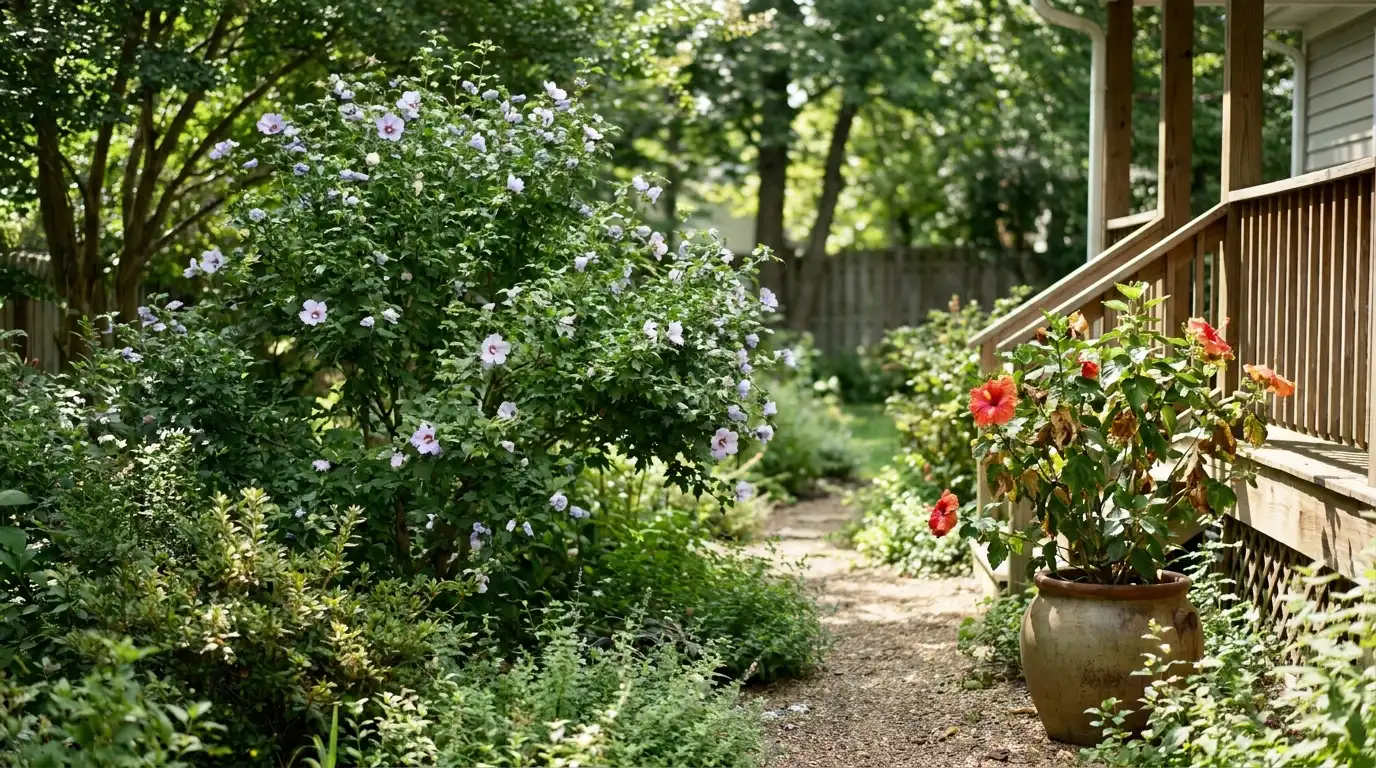
10. Hibiscus
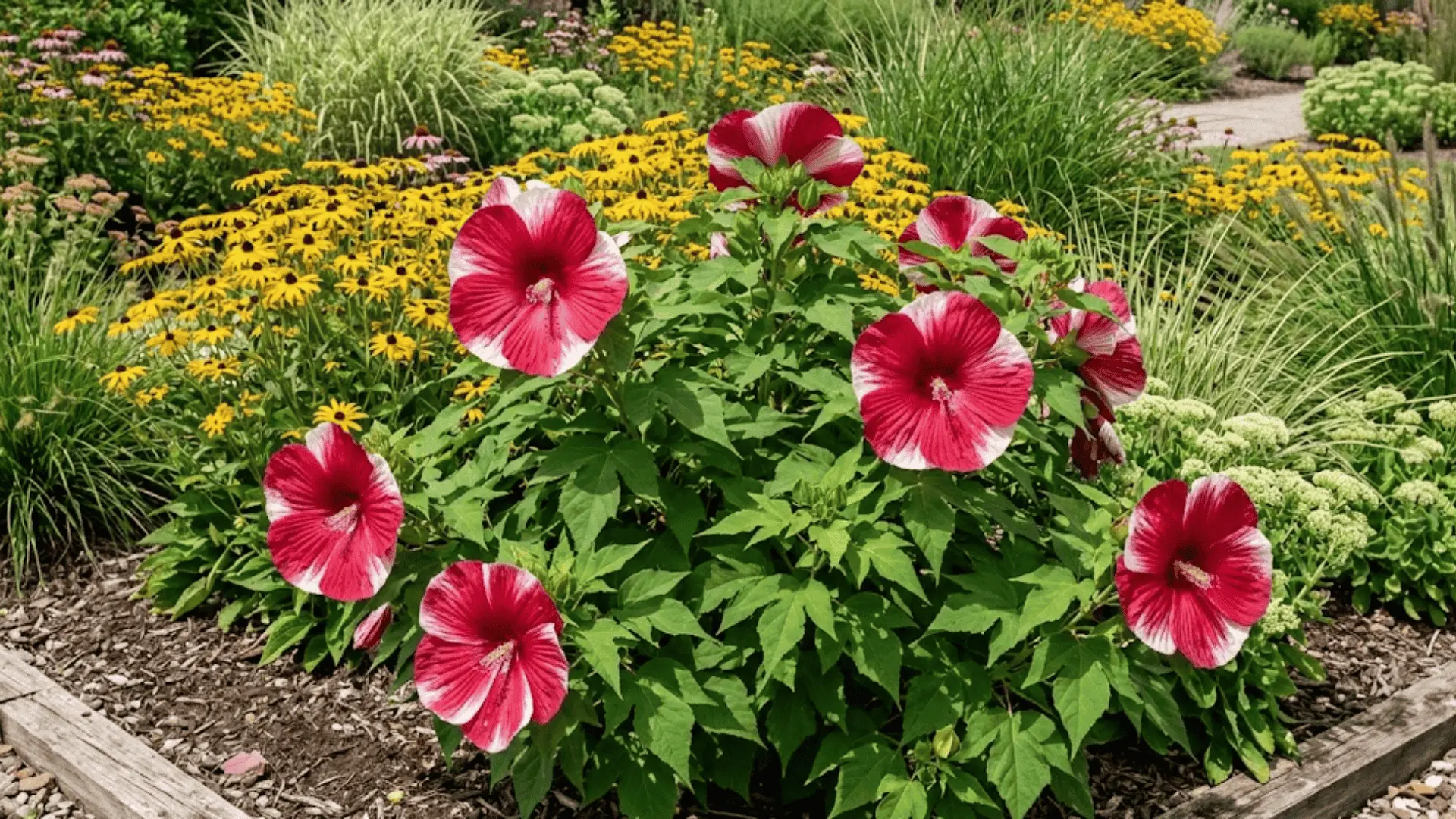
Exposure: Full sun
Size: 3 to 8 feet
Zones: 5 to 11
Season of Interest: Summer to early fall
Hibiscus brings a tropical, high-impact look with dinner-plate-sized blooms in red, pink, white, and deep burgundy. Hardy varieties handle colder climates better than expected, dying back in winter and returning reliably in spring.
It works beautifully as a bold focal point or a loose, informal hedge, and the blooms keep coming steadily throughout the warmest months.
Low-Maintenance Shrubs
Not every garden has room for high-care plants, and honestly, not every gardener wants that kind of commitment.
These shrubs do most of the work themselves, asking for very little while still showing up beautifully season after season.
11. Spirea
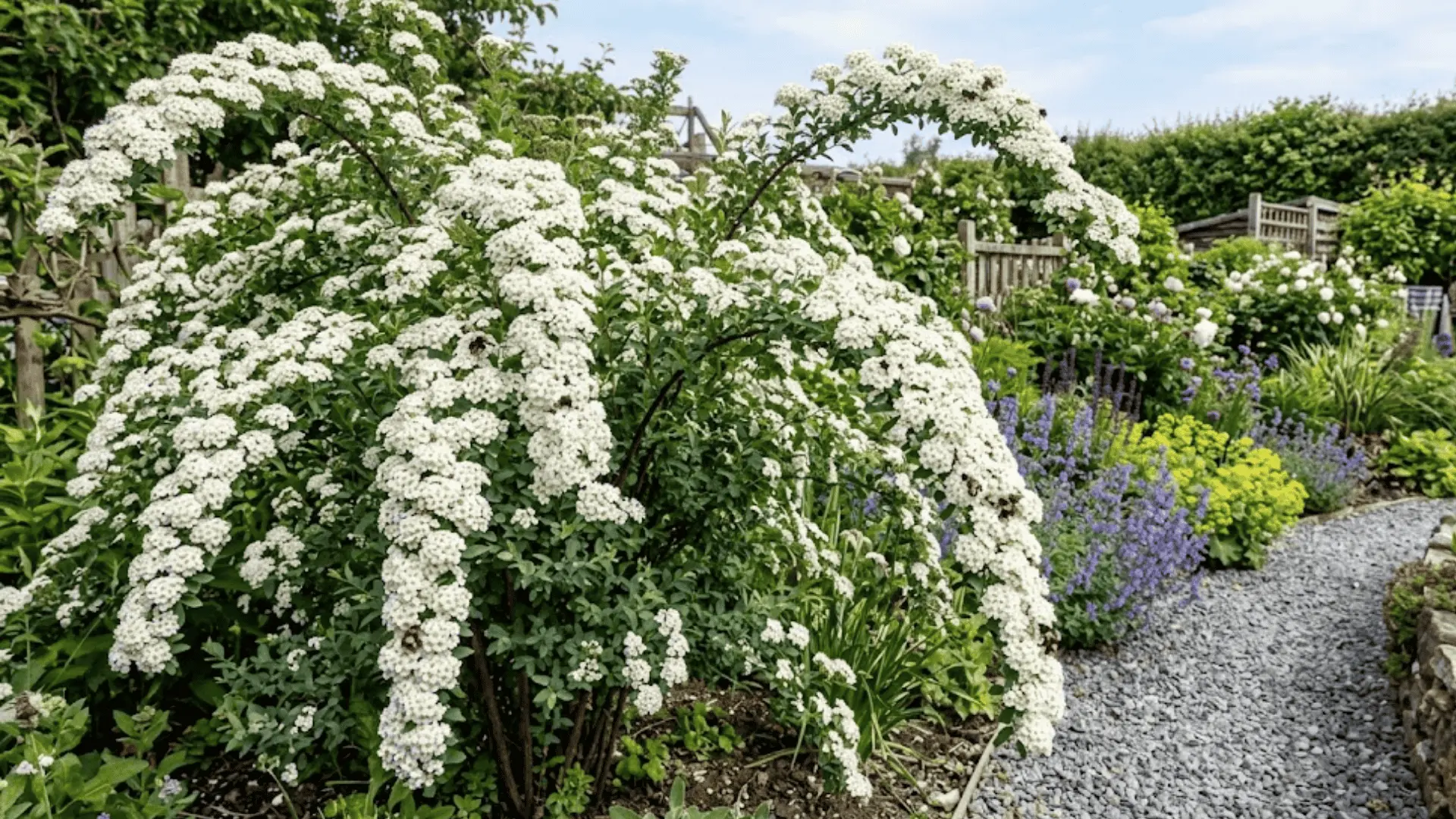
Exposure: Full sun
Size: 2 to 6 feet
Zones: 3 to 9
Season of Interest: Spring through fall
Spirea is one of the most forgiving and adaptable shrubs around. It blooms in soft clusters of white or pink, requires only a light trim to stay tidy, and bounces back from neglect without complaint.
Compact varieties work well in borders and foundation plantings, while larger ones fill space generously. A reliable performer that earns its place in almost any garden.
12. Potentilla
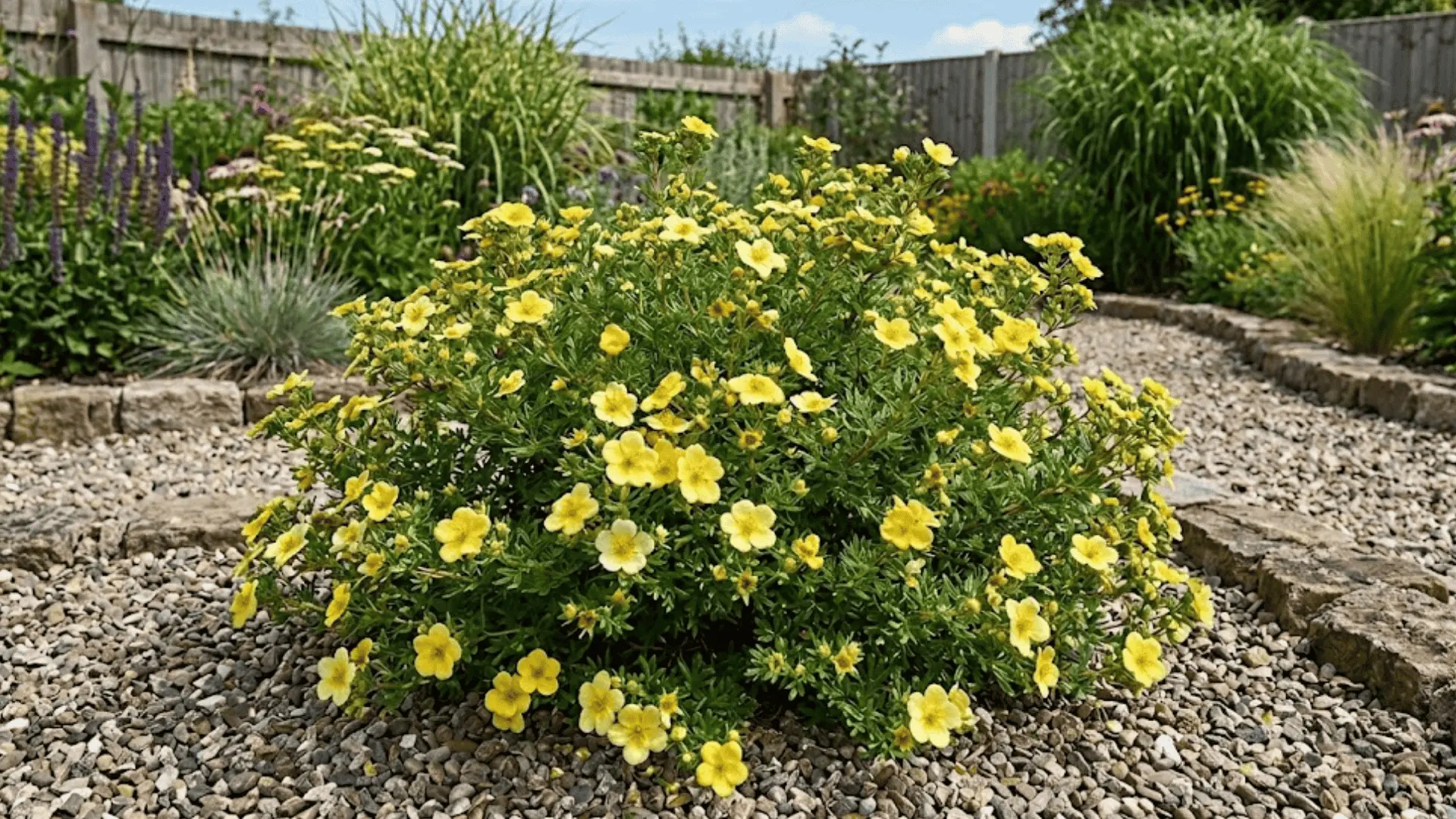
Exposure: Full sun
Size: 1 to 4 feet
Zones: 2 to 7
Season of Interest: Late spring through fall
Potentilla has one of the longest bloom seasons of any shrub, pushing out cheerful yellow, white, or pink flowers from late spring all the way to the first frost.
It handles cold climates exceptionally well and thrives in poor soils where other shrubs would sulk. Compact and tidy by nature, it rarely needs more than a light annual trim to stay looking its best.
13. Barberry
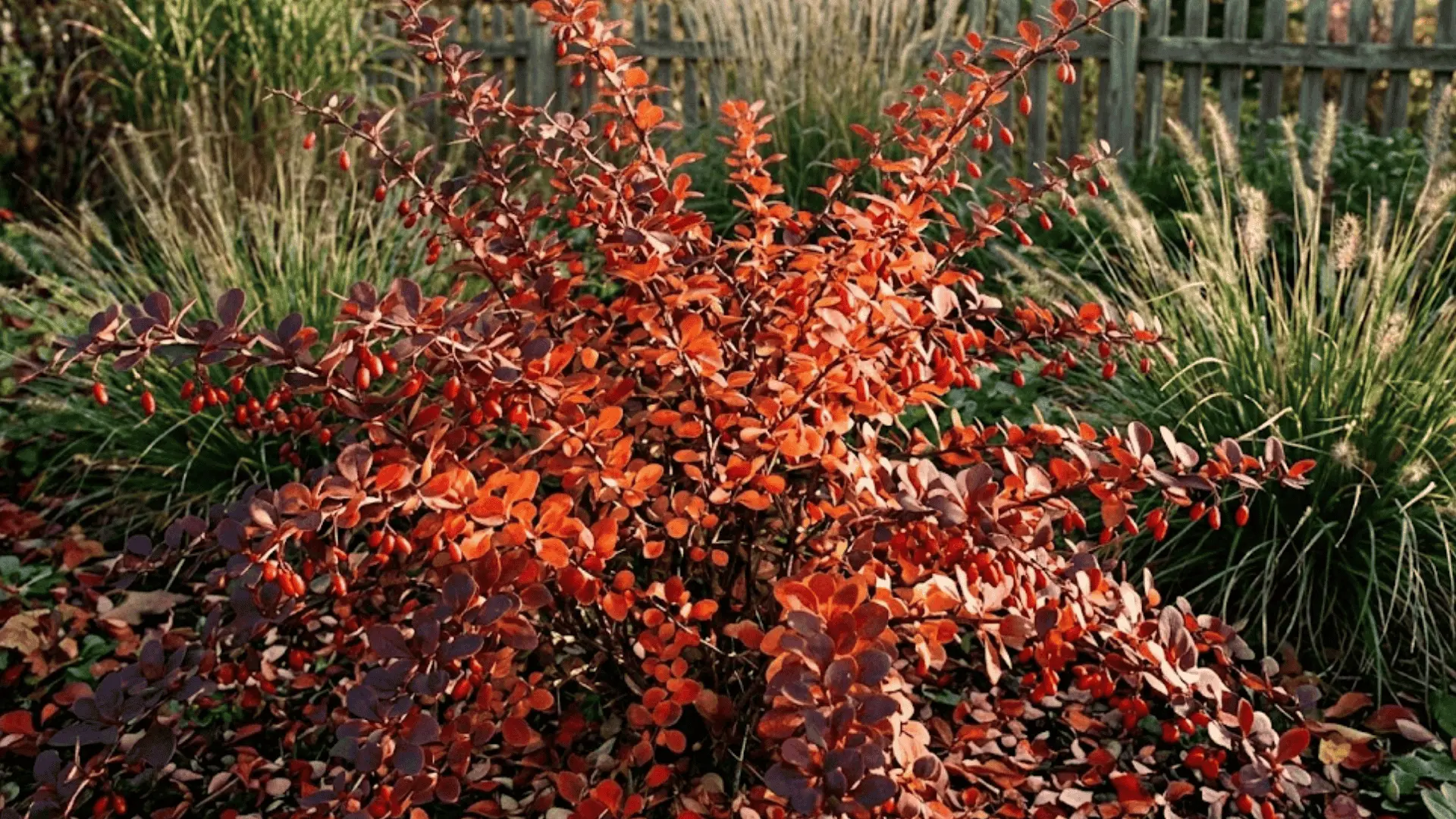
Exposure: Full sun to partial shade
Size: 2 to 6 feet
Zones: 4 to 8
Season of Interest: Spring through fall, peak in autumn
Barberry earns its place through sheer visual impact. The foliage comes in deep burgundy, golden yellow, and rich red, shifting even more dramatically as temperatures drop in autumn.
It tolerates drought, poor soil, and neglect with ease. The thorny stems also make it a surprisingly effective deterrent along borders, combining ornamental appeal with a practical edge.
14. Ninebark
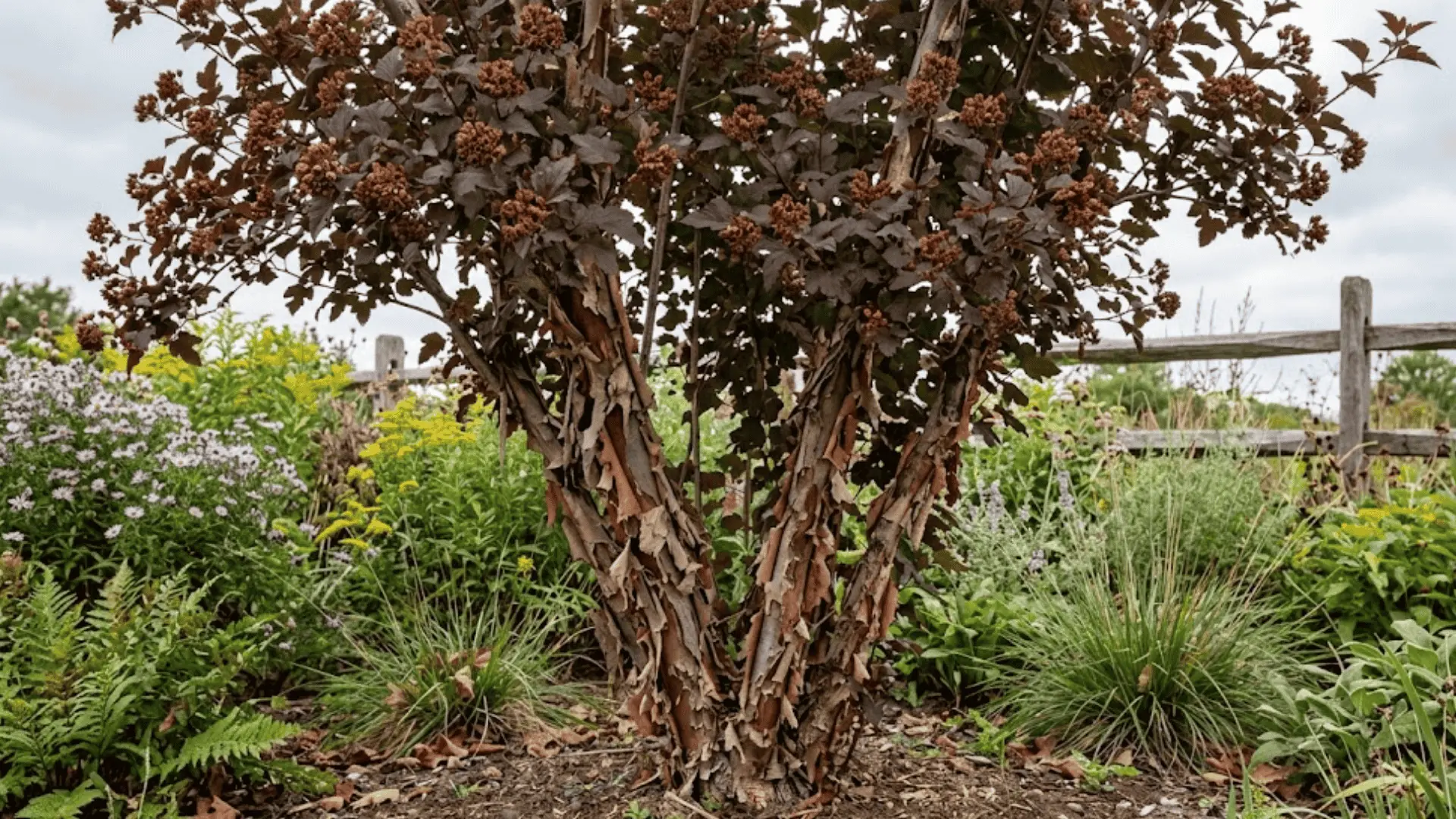
Exposure: Full sun to partial shade
Size: 5 to 10 feet
Zones: 2 to 8
Season of Interest: Spring through fall
Ninebark is a native shrub that pulls its weight in every season. Extremely cold-hardy and adaptable, it asks for almost nothing once established.
Spring brings clusters of small white or pink blooms, summer shows off its deeply lobed foliage in shades of burgundy, gold, or green, and the peeling, layered bark adds winter texture when everything else is bare.
Shrubs for Privacy and Hedges
A well-chosen privacy shrub does more than block a view; it creates a sense of enclosure, calm, and intention in the garden.
These varieties are especially suited to forming living boundaries that look as good as they function.
15. Privet
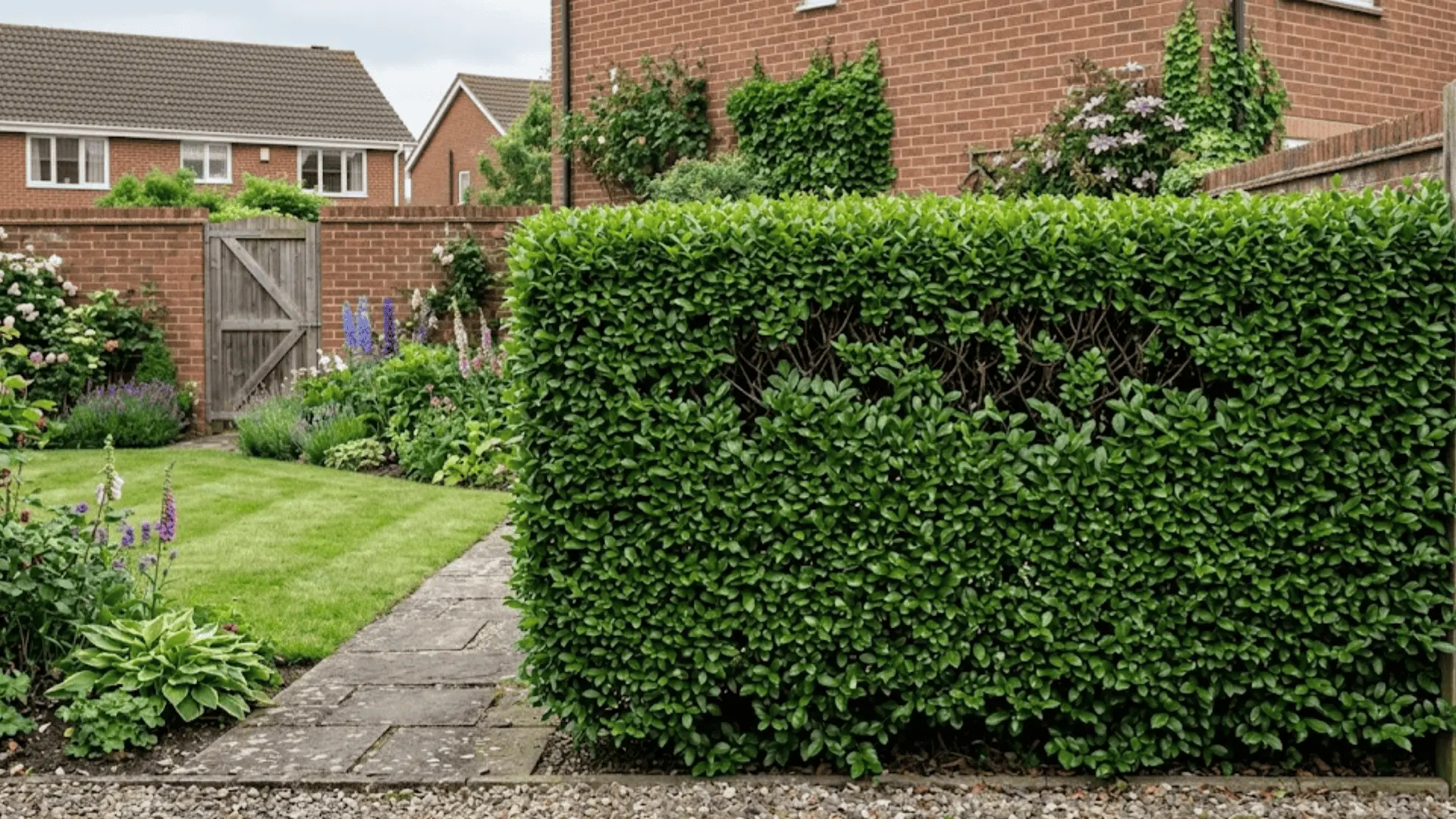
Exposure: Full sun to partial shade
Size: 4 to 15 feet
Zones: 4 to 8
Season of Interest: Year-round, semi-evergreen in milder climates
Privet is one of the most popular hedging shrubs for good reason. It grows quickly, responds eagerly to pruning, and can be shaped into a clean, formal hedge or left slightly loose for a softer look.
Small white flowers appear in early summer with a strong fragrance, and the dense growth provides reliable year-round screening in milder climates.
16. Forsythia
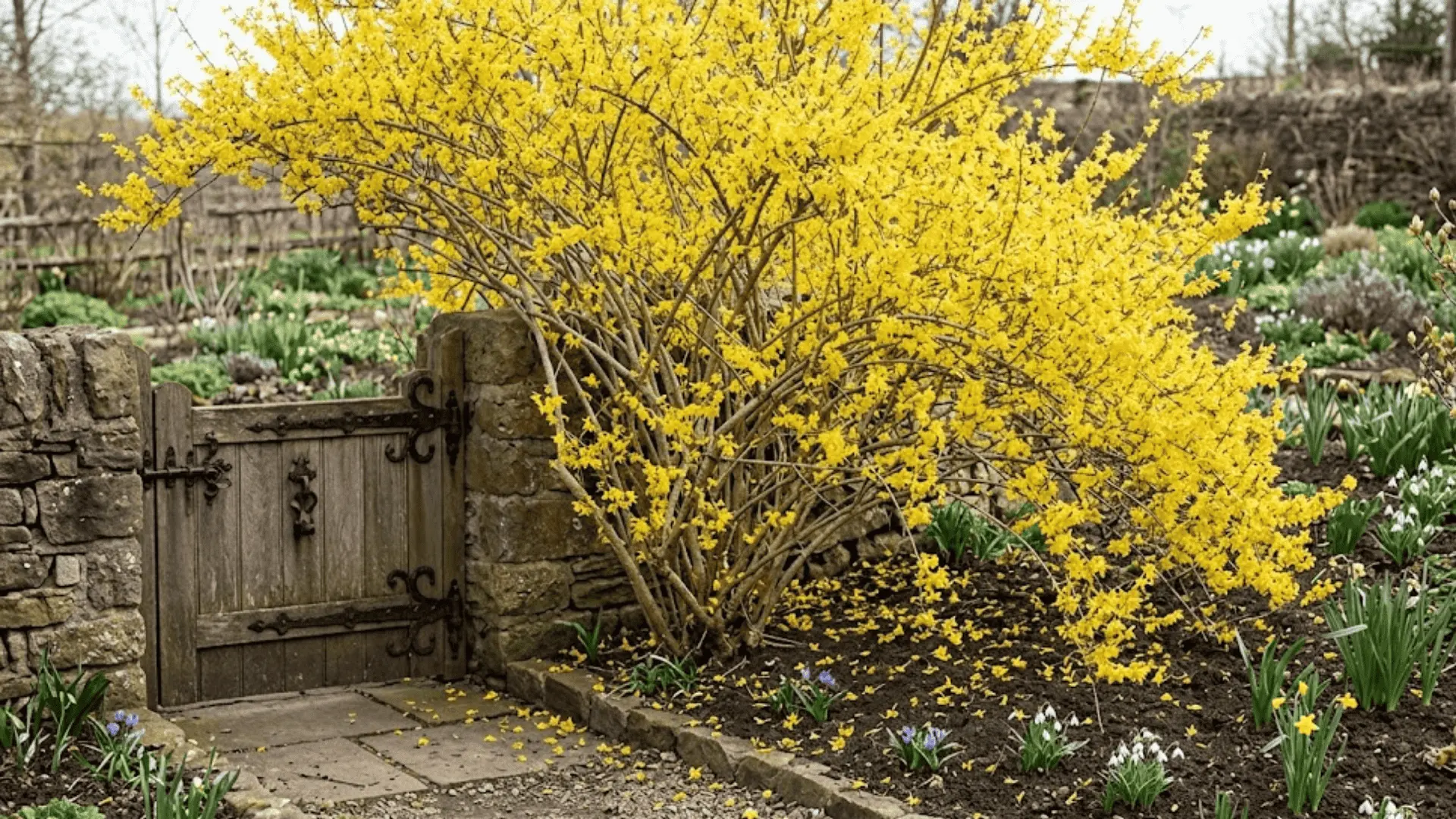
Exposure: Full sun
Size: 5 to 10 feet
Zones: 4 to 9
Season of Interest: Early spring, with attractive foliage through summer
Forsythia is the unofficial announcement that spring has arrived, exploding into bright yellow blooms before a single leaf appears. It grows vigorously and fills space fast, making it a practical choice for informal hedges and property boundaries.
After the blooms fade, the arching green branches stay full and attractive through summer, giving it presence well beyond its peak flowering moment.
17. Viburnum
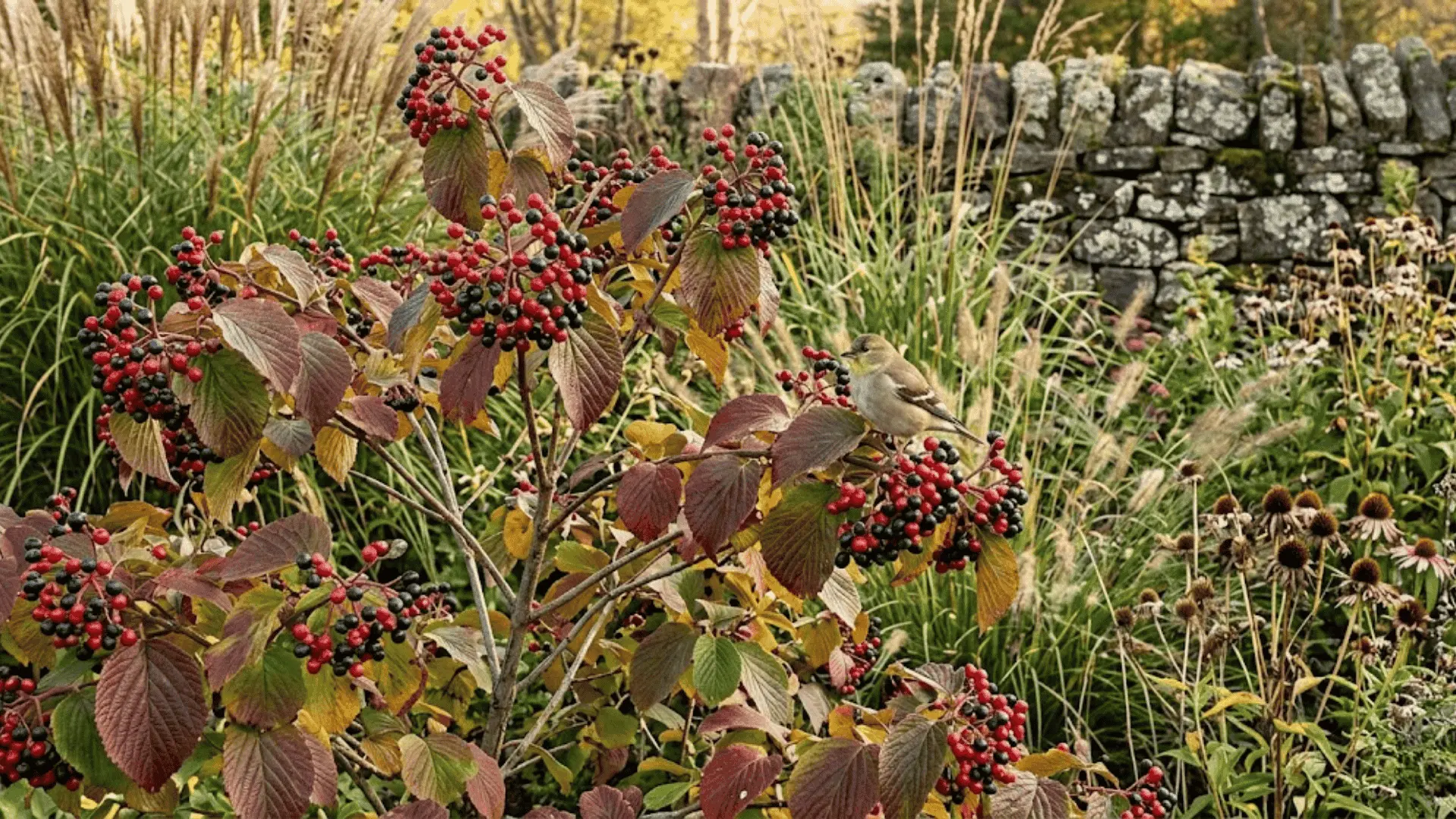
Exposure: Full sun to partial shade
Size: 3 to 15 feet, depending on variety
Zones: 2 to 9
Season of Interest: Spring through fall, and into winter for berries
Viburnum is one of the most versatile shrubs available, offering fragrant spring blooms, dense summer foliage, and clusters of berries that carry color well into autumn and winter.
It grows thickly enough to form a solid privacy screen and supports pollinators during the flowering season. With so many varieties available, there is a Viburnum suited to nearly every climate and garden size.
Ornamental and Unique Shrubs
Some shrubs are chosen purely for the way they make a garden feel, adding drama, texture, and a certain personality that more common varieties cannot quite replicate.
These are the ones people stop and ask about.
18. Japanese Maple
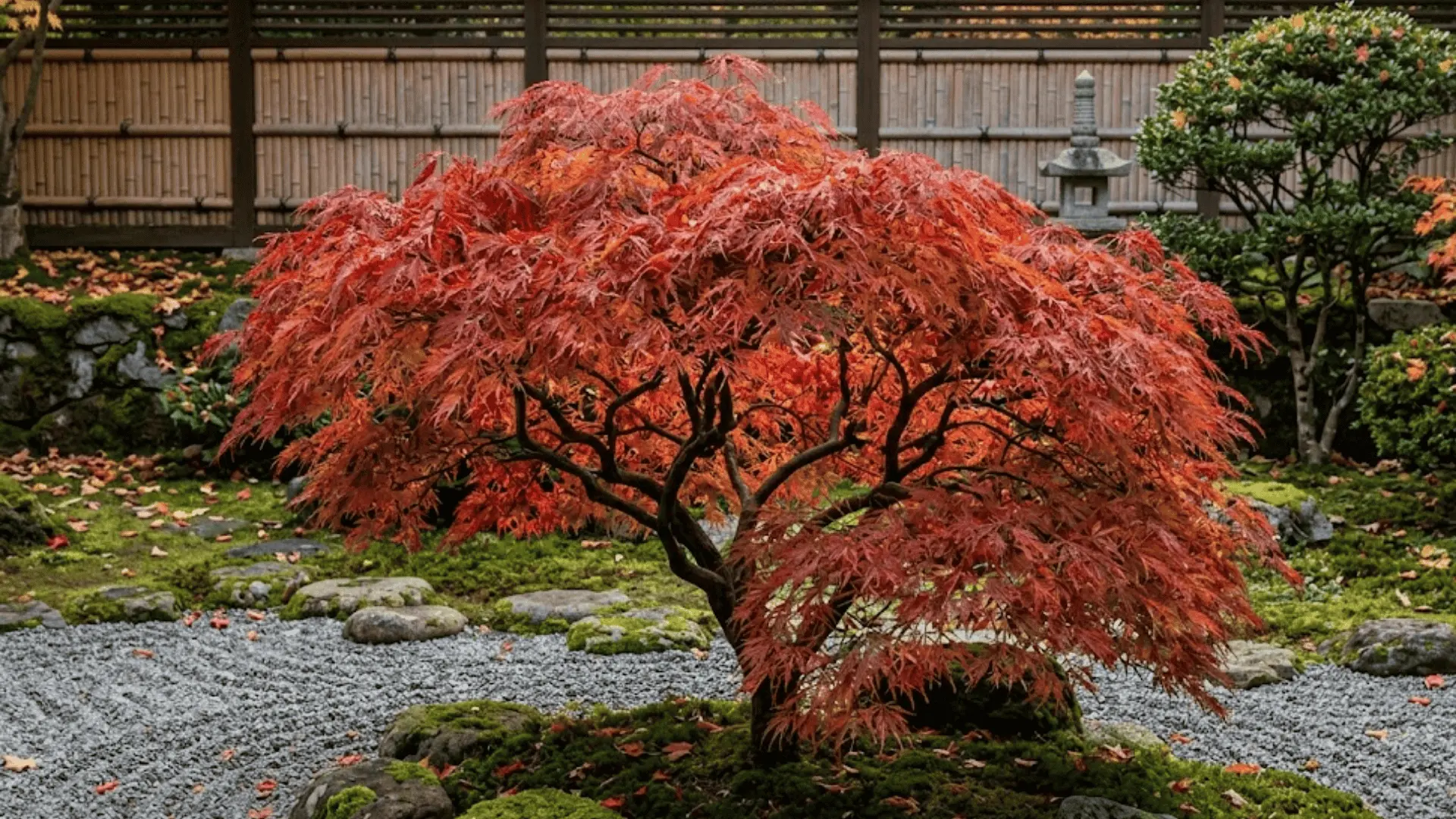
Exposure: Partial shade, sheltered from strong wind
Size: 3 to 8 feet in shrub form
Zones: 5 to 9
Season of Interest: Spring through autumn, peak in fall
Japanese Maple in shrub form brings a sculptural, almost artistic quality to garden spaces. The deeply cut leaves emerge in shades of red, purple, or green in spring and build toward a stunning autumn finale of crimson and orange.
It grows slowly, which actually works in its favor, developing an elegant, layered structure that looks deliberate and refined without much intervention.
19. Smoke Bush
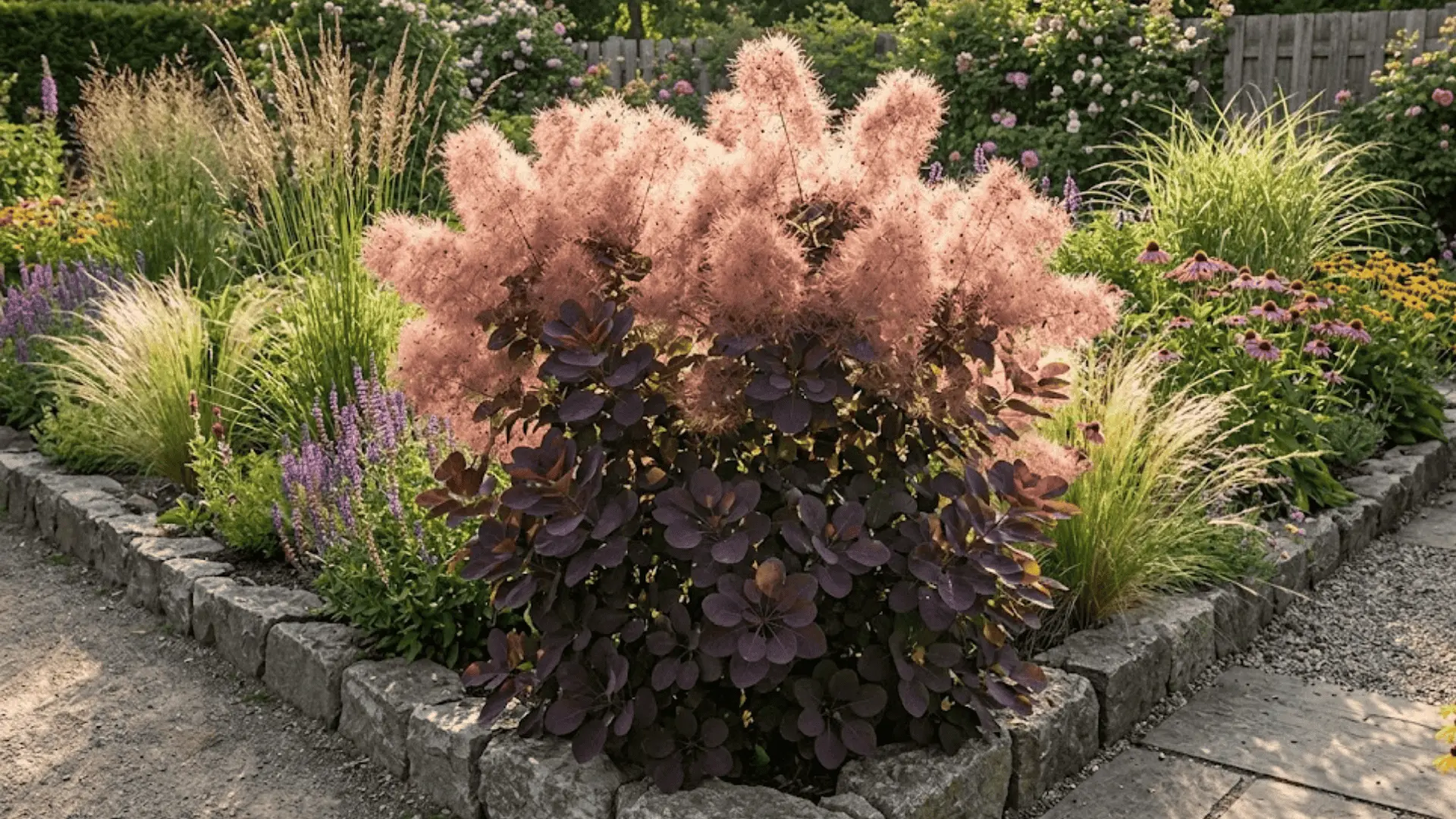
Exposure: Full sun
Size: 10 to 15 feet
Zones: 4 to 9
Season of Interest: Summer through fall
Smoke Bush earns its name from the billowy, smoke-like plumes that appear in summer, creating a hazy, ethereal effect unlike anything else in the garden.
The foliage comes in deep burgundy or soft green, and both colors up magnificently in autumn. It grows vigorously and can be cut back hard each year to keep it compact while encouraging the richest, most dramatic leaf color.
20. Camellia
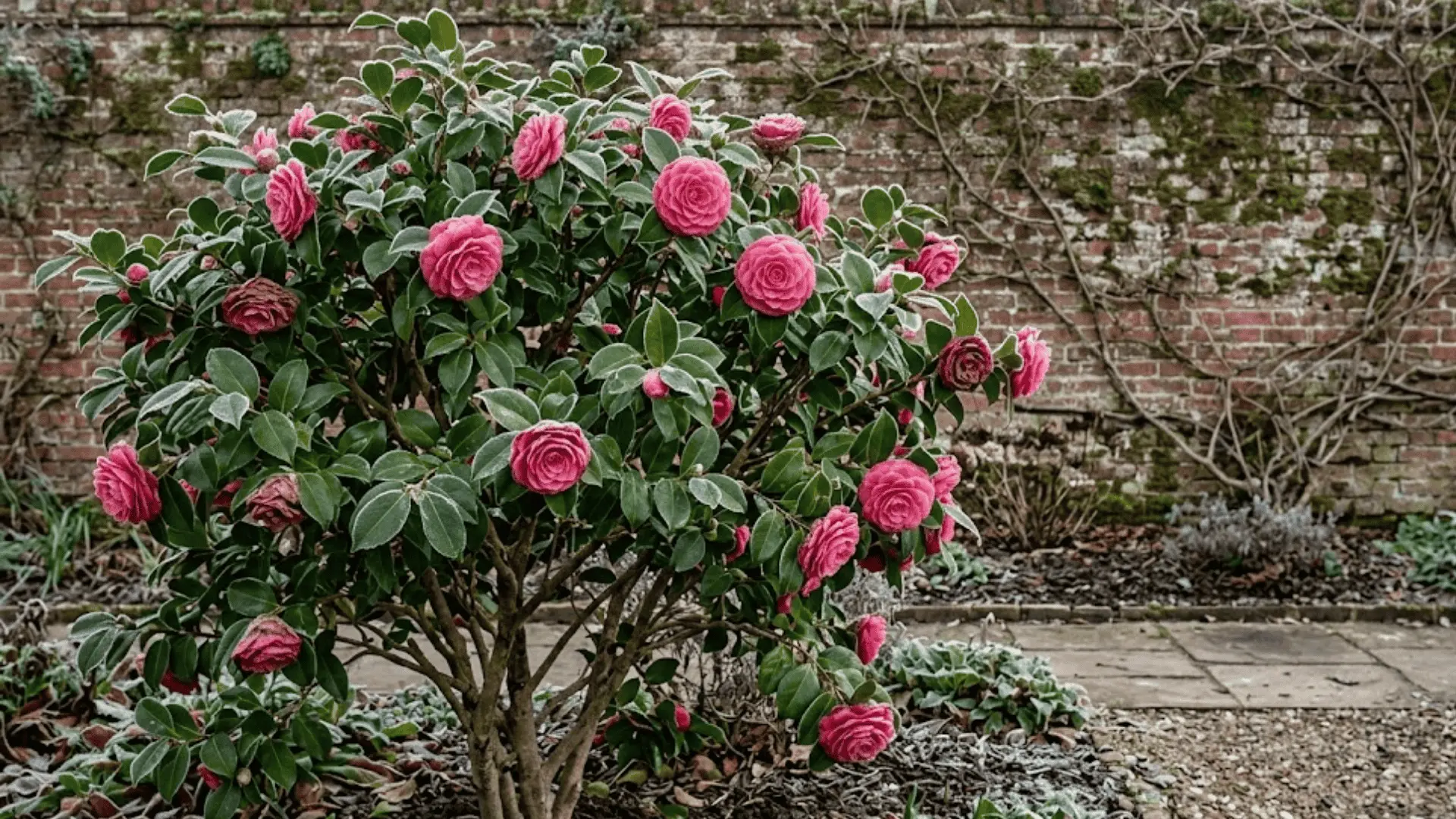
Exposure: Partial shade, protected from harsh morning sun
Size: 6 to 12 feet
Zones: 7 to 9
Season of Interest: Late fall through early spring
Camellia blooms when almost nothing else does, carrying elegant flowers in white, pink, and deep red through the cooler months.
The glossy, dark green leaves stay on year-round in warmer climates, giving it a refined, evergreen presence. It prefers acidic soil and a sheltered spot, and once established, becomes one of the most quietly beautiful shrubs.
Dwarf and Compact Shrubs
Small gardens deserve just as much beauty and intention as larger ones.
These compact varieties are scaled down in size but not in character, fitting neatly into containers, borders, and tight spaces without crowding anything out.
21. Dwarf Boxwood
Exposure: Full sun to partial shade
Size: 1 to 2 feet
Zones: 5 to 9
Season of Interest: Year-round
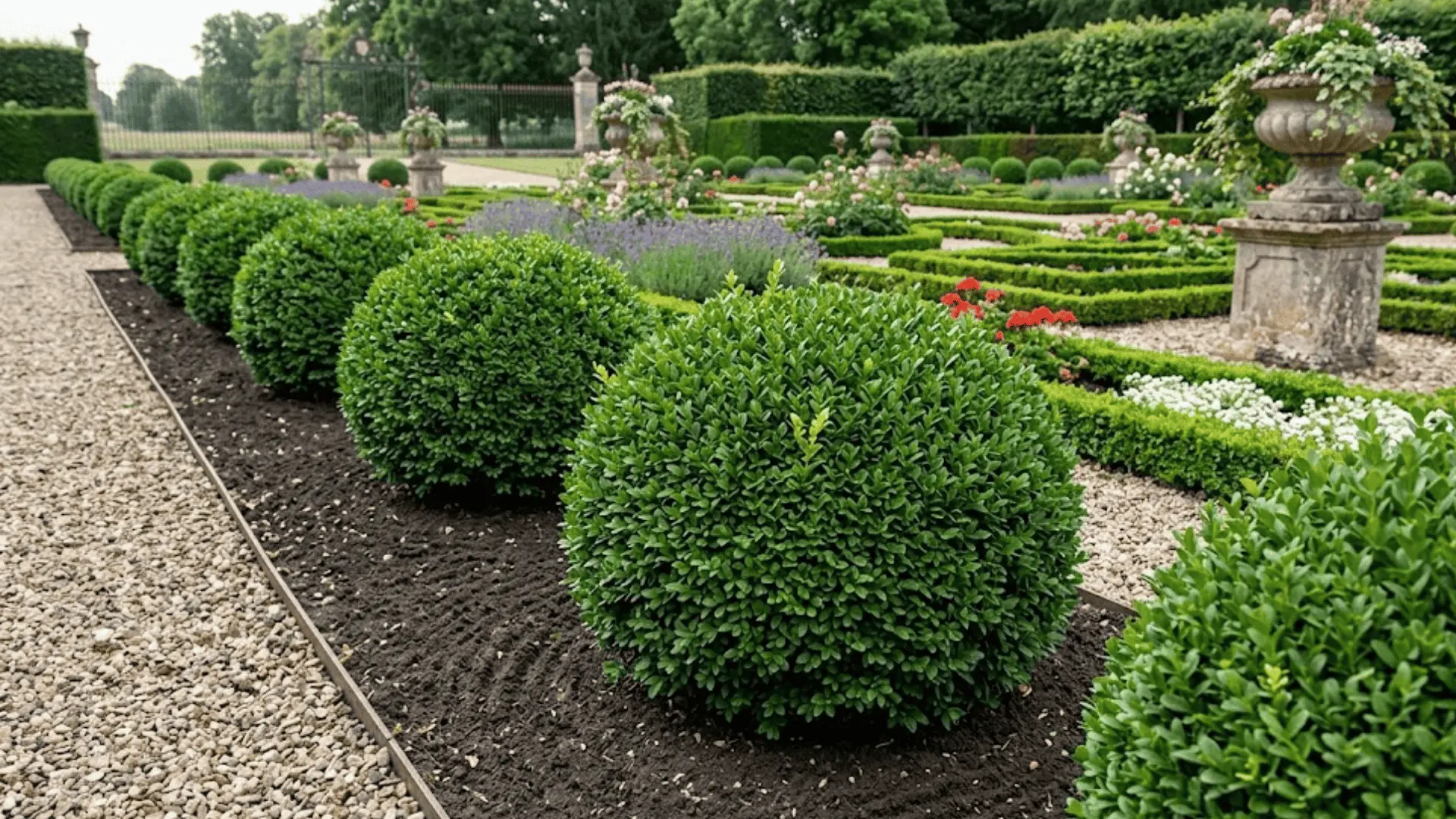
Dwarf Boxwood brings all the structure and elegance of its full-sized counterpart into a much smaller footprint. It clips cleanly into spheres, cubes, or low hedging and holds its shape well between trims.
The deep green foliage stays consistent year-round, making it a dependable anchor for small borders, container arrangements, and formal garden edging where precision and neatness matter most.
22. Lavender
Exposure: Full sun
Size: 1 to 3 feet
Zones: 5 to 10
Season of Interest: Late spring through summer
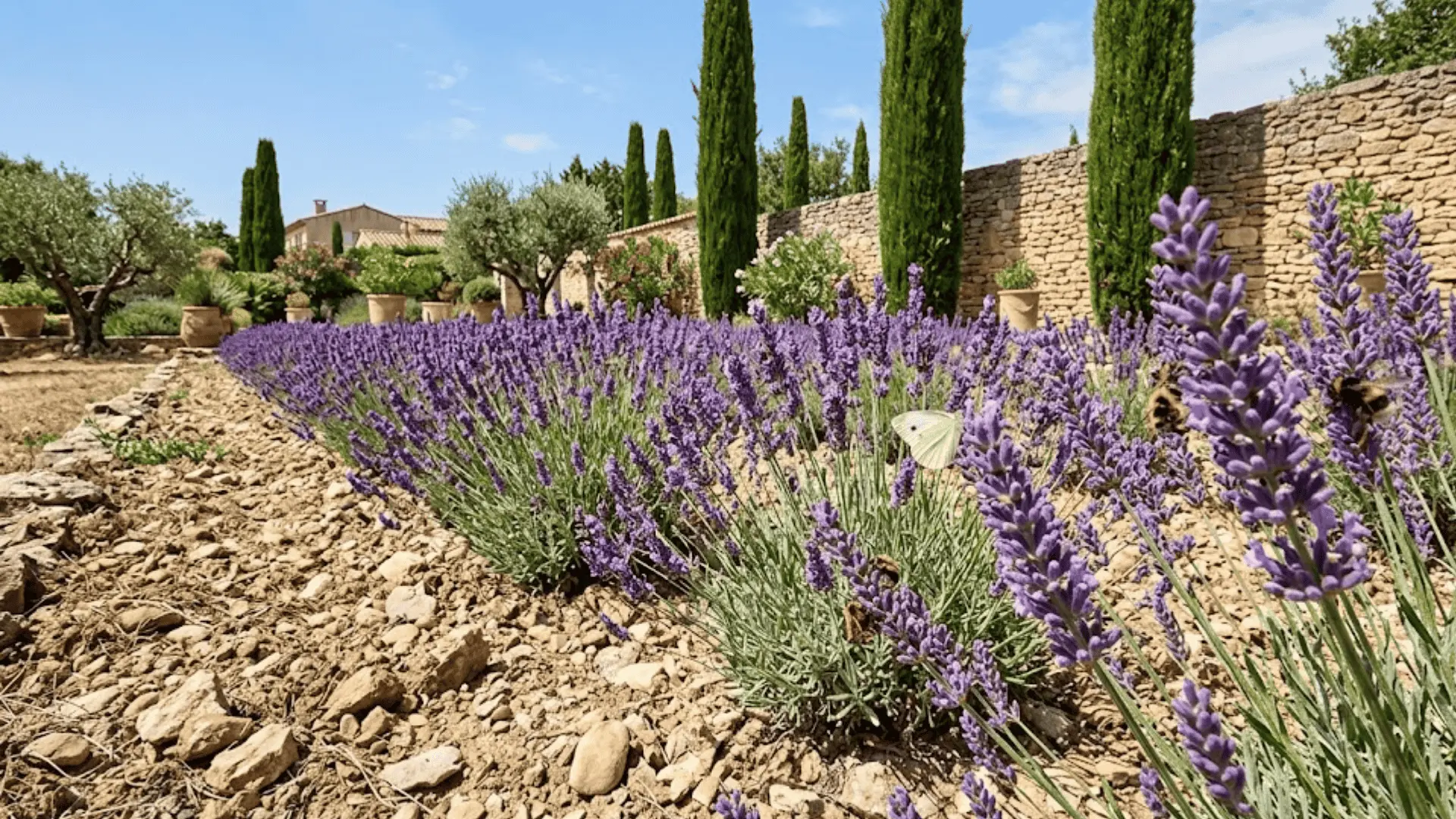
Lavender brings fragrance, color, and a soft, silvery texture that few other compact shrubs can offer. The purple flower spikes appear in late spring and carry well into summer, attracting bees and butterflies throughout.
It thrives in dry, well-drained soil and actually prefers lean conditions over rich ones. Along borders and pathways, it creates a sensory experience that feels as good as it looks.
23. Dwarf Hydrangea
Exposure: Partial shade, morning sun preferred
Size: 2 to 3 feet
Zones: 4 to 9
Season of Interest: Summer through fall
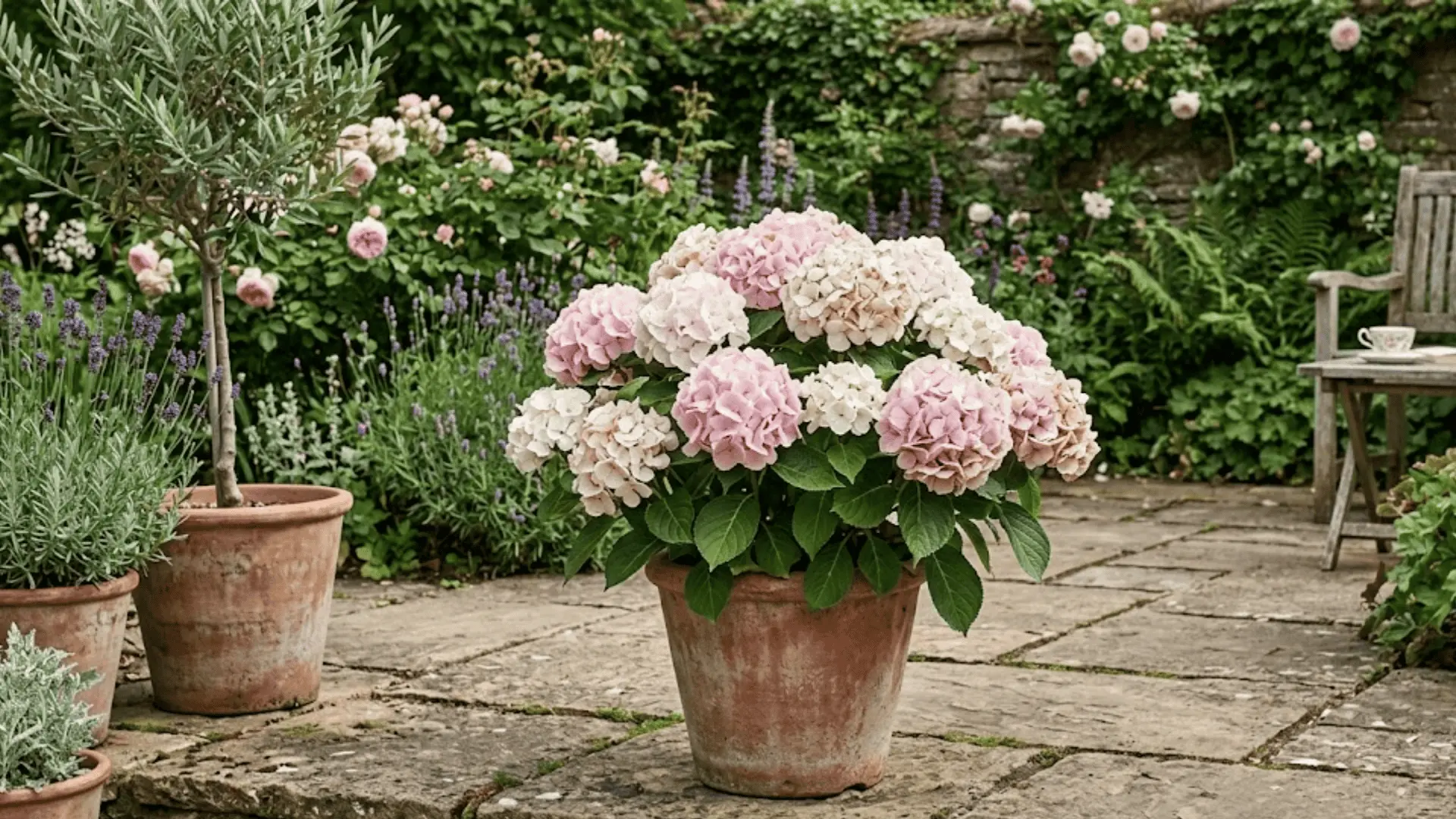
Dwarf Hydrangea delivers the same full, romantic blooms as its larger counterpart, just in a size that fits comfortably on a patio, balcony, or small border.
It performs exceptionally well in containers with good drainage and regular watering. The blooms shift subtly in color as the season progresses, and the dried flower heads that linger into autumn add a quiet, textural beauty.
How to Care for Different Types of Shrubs?
Shrubs are forgiving by nature, but a little knowledge goes a long way in keeping them healthy and looking their best.
Here is what actually makes a difference:
- Watering deeply but infrequently trains roots to grow downward, making shrubs more drought-resilient over time.
- Newly planted shrubs need the most attention, requiring consistent moisture for the first full growing season before they settle in.
- Prune right after flowering for spring bloomers, and save late-winter pruning for shrubs that bloom on new season growth.
- Most shrubs prefer slightly acidic, well-drained soil; amending with compost at planting time reduces the need for heavy fertilizing later.
- A slow-release, balanced fertilizer applied once in early spring is enough for the majority of shrubs and avoids the risk of over-feeding.
Good care does not have to mean constant attention. Once you understand what each shrub is asking for, maintaining them becomes more of a rhythm than a routine.
Wrapping Up
Shrubs give a garden its personality, and now that you have a solid sense of the types of shrubs worth growing, choosing one feels a lot less like guesswork.
Every garden has a perfect match waiting, whether the space calls for structure, seasonal color, or something purely beautiful to look at.
Start small, plant with intention, and let the garden grow into itself over time. It always does.
Which shrub are you thinking of adding to your space? Drop it in the comments and let’s talk about it!