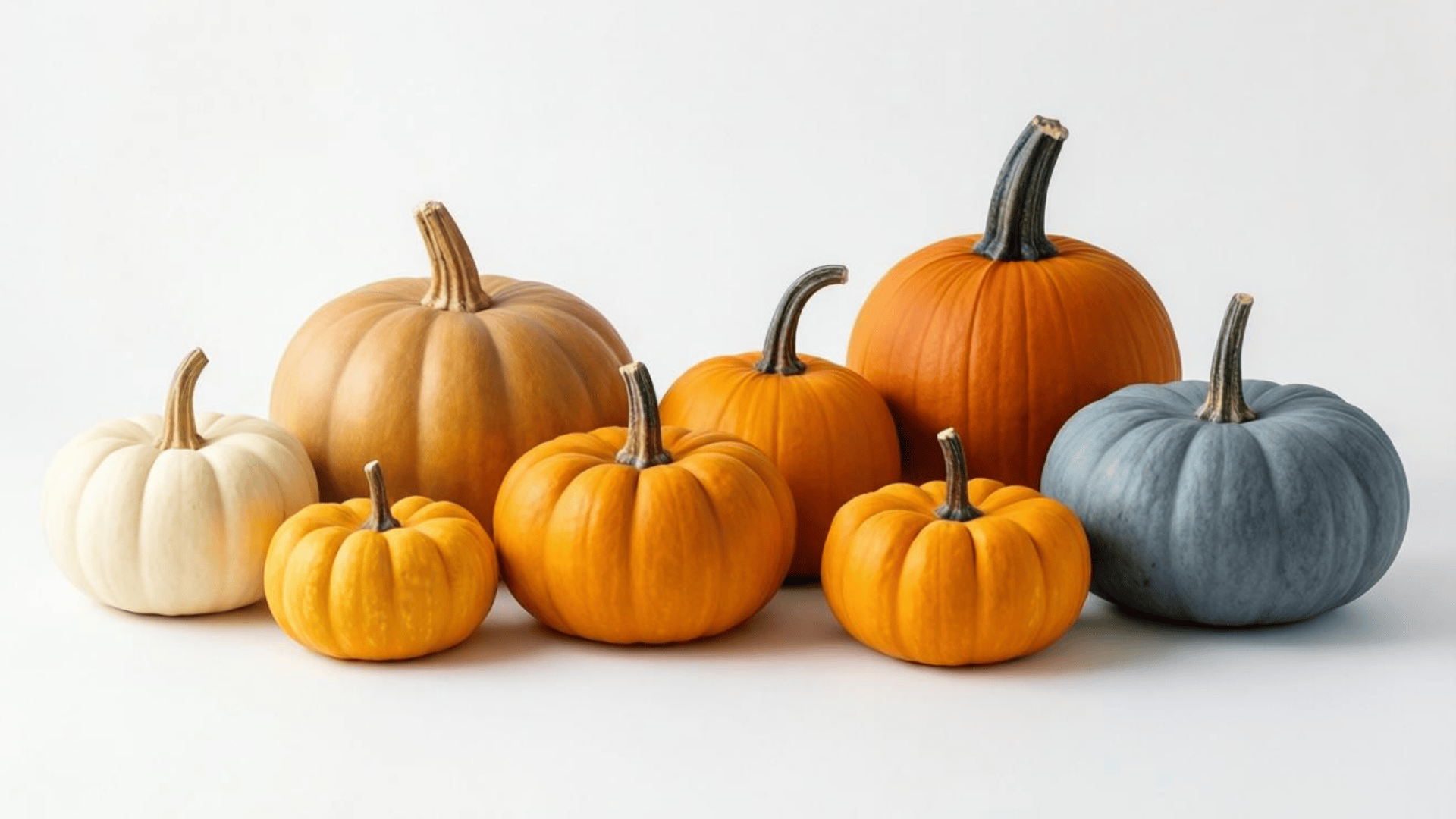
Ever grabbed a pumpkin at the store and wondered if you picked the wrong one?
Happens all the time. Some pumpkins turn mushy when cooked. Others are too tough to carve. The worst part? That label just says “pumpkin” with zero helpful details.
Nobody explains that a Jack O’Lantern tastes terrible in pie, or that your beautiful blue Jarrahdale will outlast regular orange ones by months.
This guide breaks down types of pumpkins with clear details on each.
You’ll learn how to spot cooking varieties from carving ones, why some pumpkins are technically squash, and how to pick the perfect type for your needs.
Why Are There So Many Types of Pumpkins?
The huge variety of pumpkins exists because farmers have been crossbreeding them for centuries.
People needed different pumpkins for different jobs. Some varieties work better for pies and soups. Others have thick walls perfect for carving.
A few can be stored for months without spoiling. Climate also plays a big role. Hot regions grow different types than cold areas.
“Pumpkin” isn’t one specific plant. It’s actually a catch-all term for certain squash varieties. This loose definition means many types of pumpkins fall under the same name.
That’s why you’ll find tiny decorative ones and massive 200-pound giants at the same market.
Pumpkin vs Squash: What’s the Difference
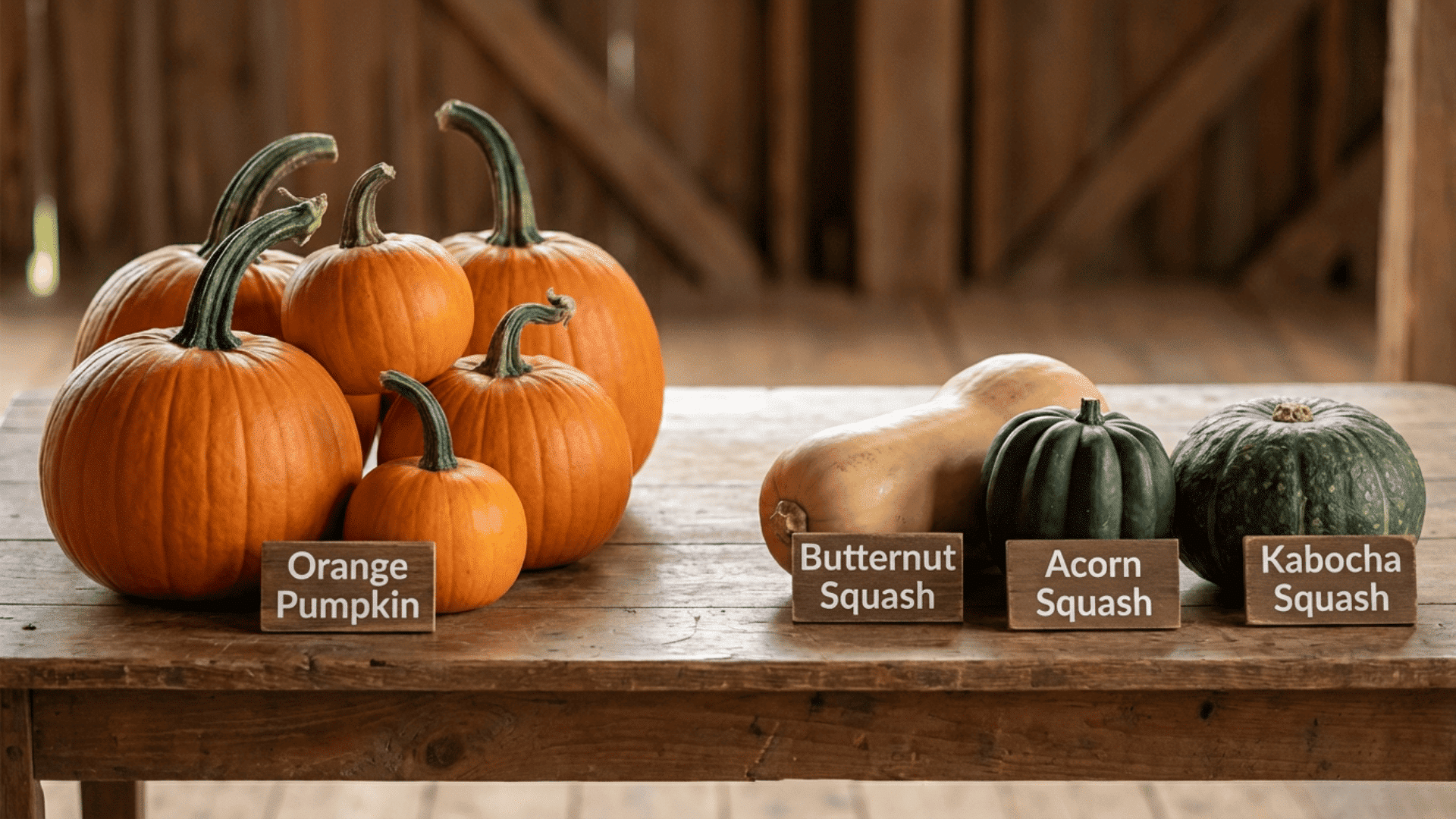
Ever stood in a grocery store wondering if that orange, round thing is a pumpkin or a squash? You’re not alone. The confusion between these two runs deeper than most people think.
| Aspect | Pumpkin | Squash |
|---|---|---|
| Scientific Classification | Cucurbita genus (winter squash) | Cucurbita genus (summer & winter) |
| Botanical Truth | A type of winter squash | Broader category including pumpkins |
| Common Definition | Round, orange, ribbed | Various shapes, colors, and sizes |
| Culinary Use | Pies, carving, roasting | Soups, roasting, baking |
| Naming Basis | Cultural tradition | Scientific classification |
| Shell Thickness | Usually thick and hard | Varies by type |
Types of Pumpkins
Now that you understand the pumpkin family tree, let’s look at specific varieties. Each type has unique traits that make it special for certain uses.
1. Jack O’Lantern Pumpkin
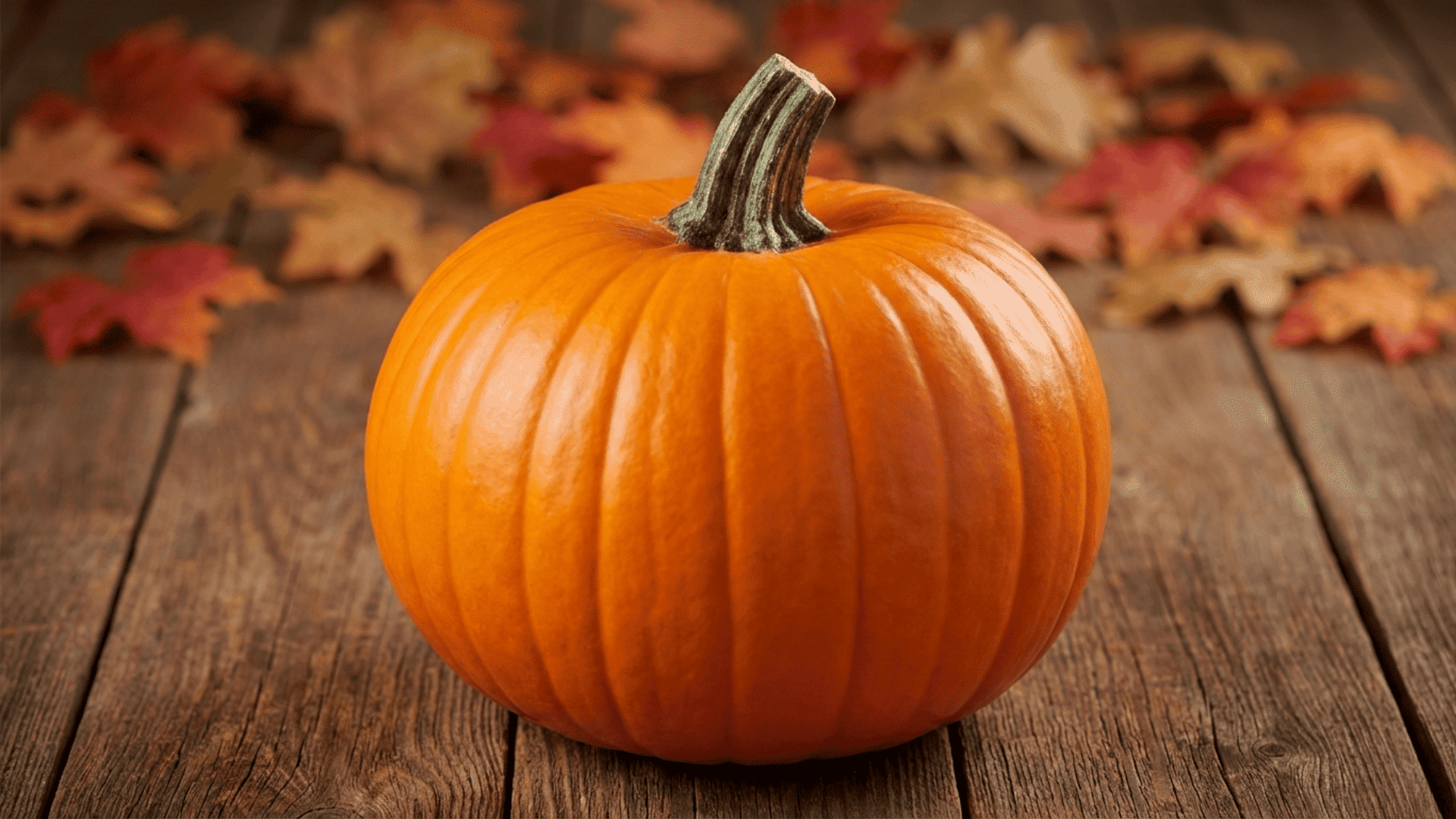
This is the classic Halloween pumpkin most people picture. It grows large with bright orange skin and perfect symmetry. The flesh is stringy and watery, making it better suited to carving than to cooking.
- Typical Size: 10 to 20 pounds, round shape with deep ribbing
- Best Use: Carving faces and Halloween decorations
- Flesh Texture: Stringy, thin walls, high water content
- Growing Notes: Needs 100-120 days to mature, sprawling vines require space
2. Sugar Pie Pumpkin
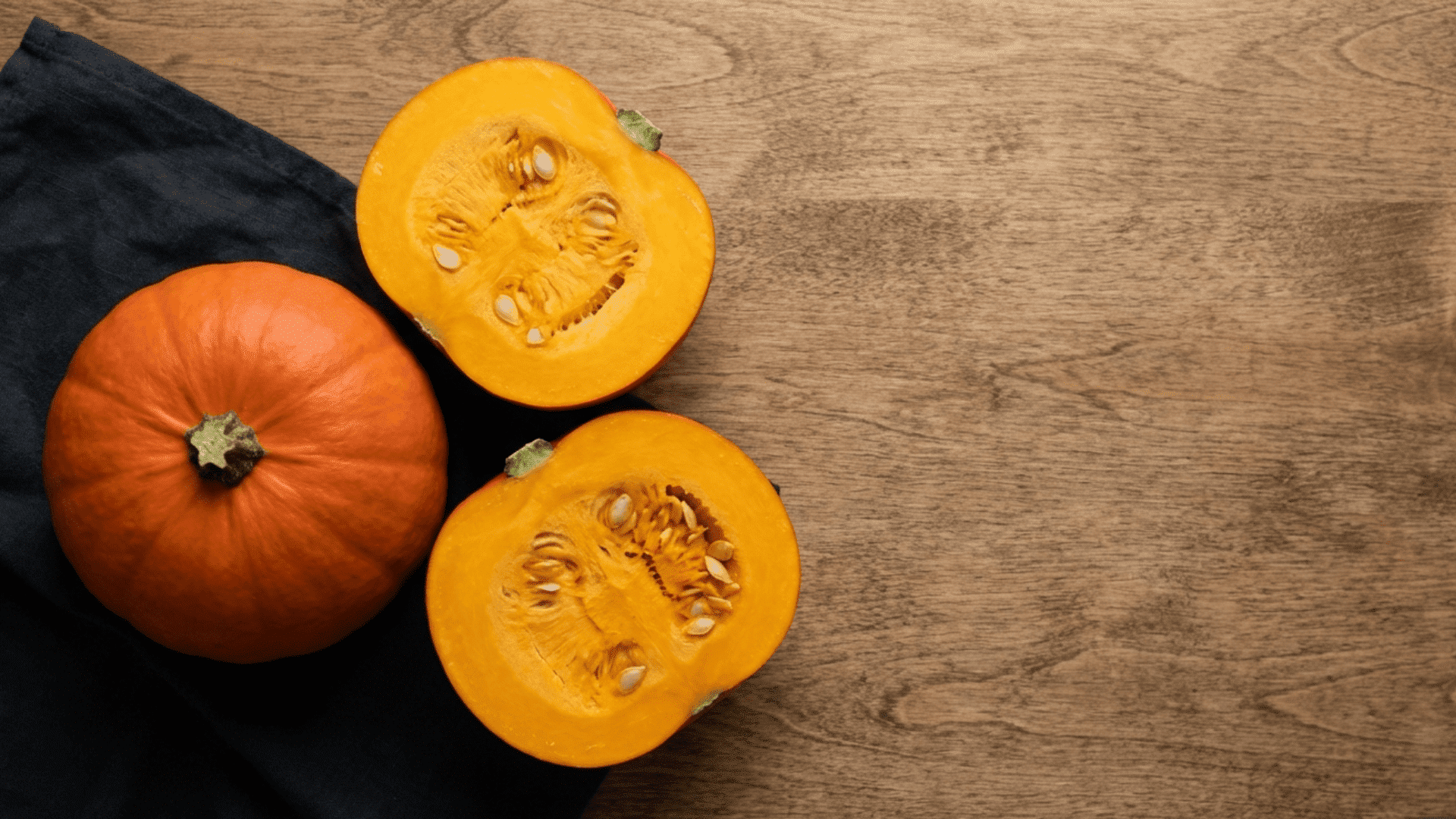
These small pumpkins pack serious flavor. Their flesh is smooth, dense, and naturally sweet. Bakers prefer them for pies because they need less added sugar.
- Flavor Profile: Sweet, rich, less watery than carving types
- Cooking Suitability: Excellent for pies, soups, purees, and baking
- Average Weight: 3 to 8 pounds, very manageable
- Storage Life: Lasts 2-3 months in cool, dry conditions
3. Baby Pam Pumpkin
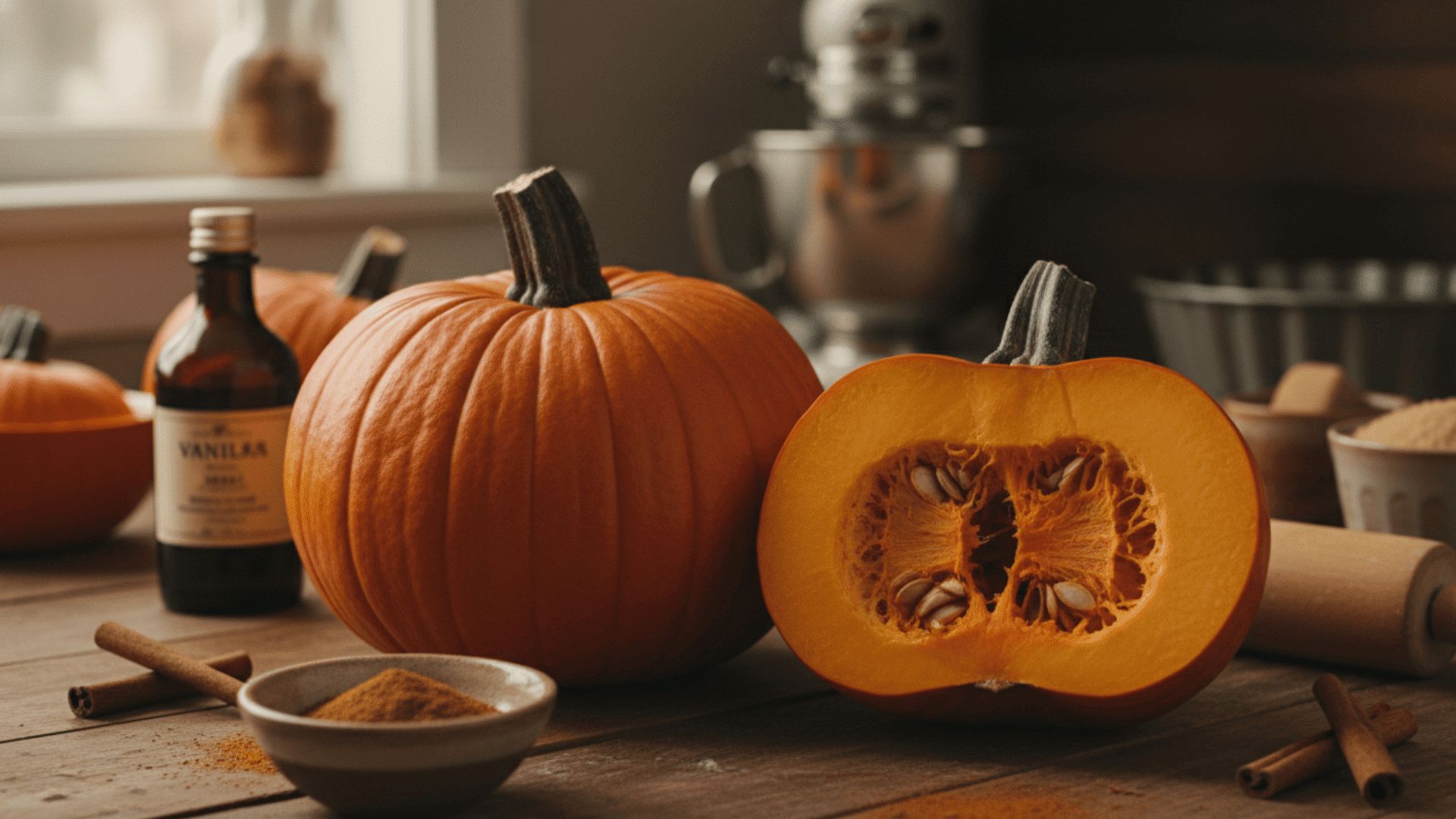
Baby Pam is a smaller cooking variety with thick walls. The flesh roasts beautifully without getting mushy. These compact pumpkins fit easily in kitchen ovens.
- Flesh Density: Thick, firm, low moisture content
- Baking and Roasting Uses: Stuffed pumpkins, roasted wedges, purees
- Vine Type: Semi-bush habit, takes up less garden space
- Harvest Timing: Ready in 95-105 days from planting
4. Cinderella Pumpkin (Musquée de Provence)
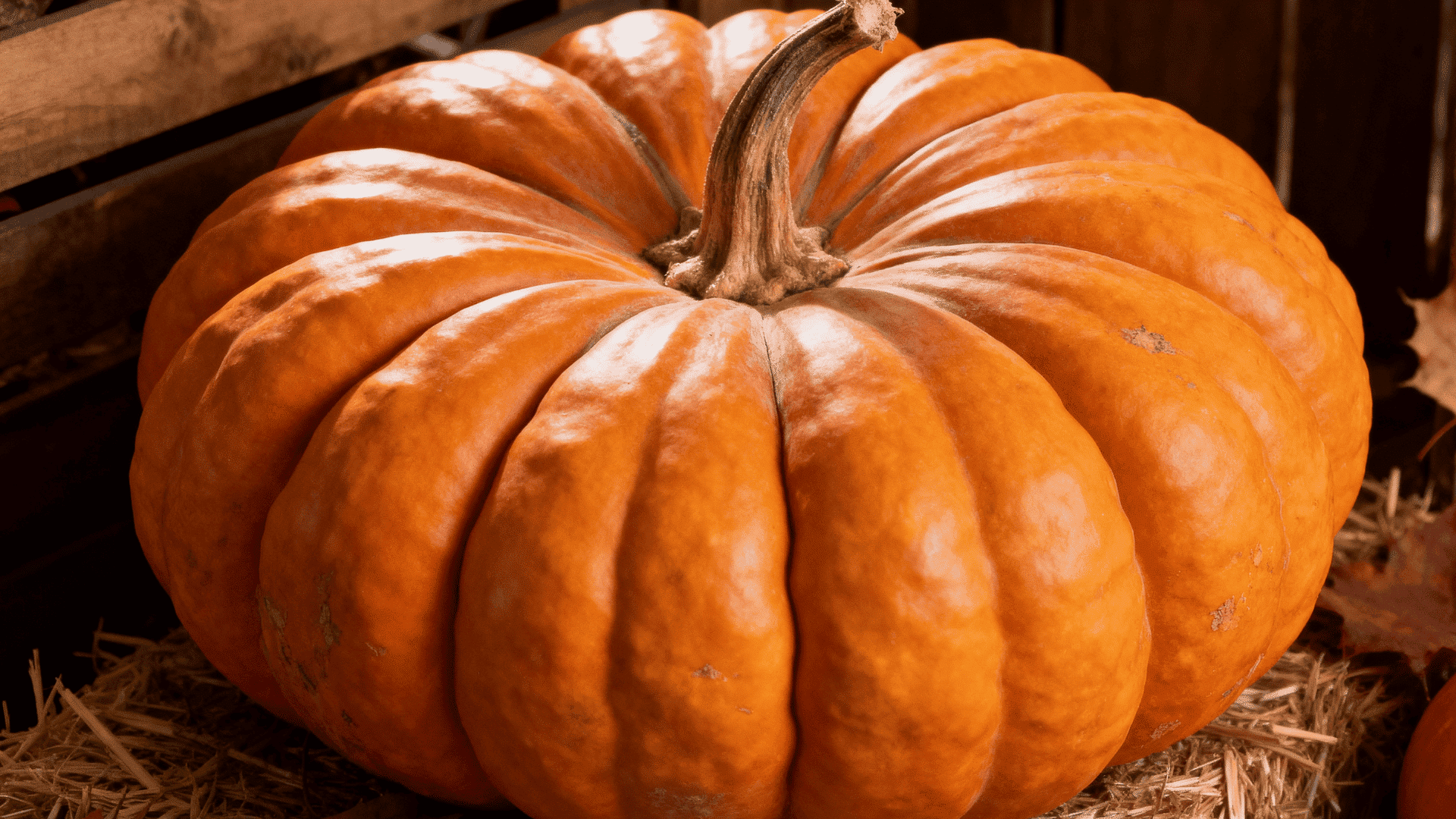
This French heirloom looks like it rolled out of a fairy tale. Its flat, deeply lobed shape and deep orange color stand out. The flavor is complex with nutty undertones.
- Distinct Appearance: Squat, flattened, with dramatic ribbing and tan skin
- Flavor Notes: Sweet with hints of hazelnut and brown sugar
- Culinary Strengths: Soups, gratins, roasting whole as serving bowls
- Storage Capability: Stores exceptionally well for 4-6 months
5. White Casper Pumpkin
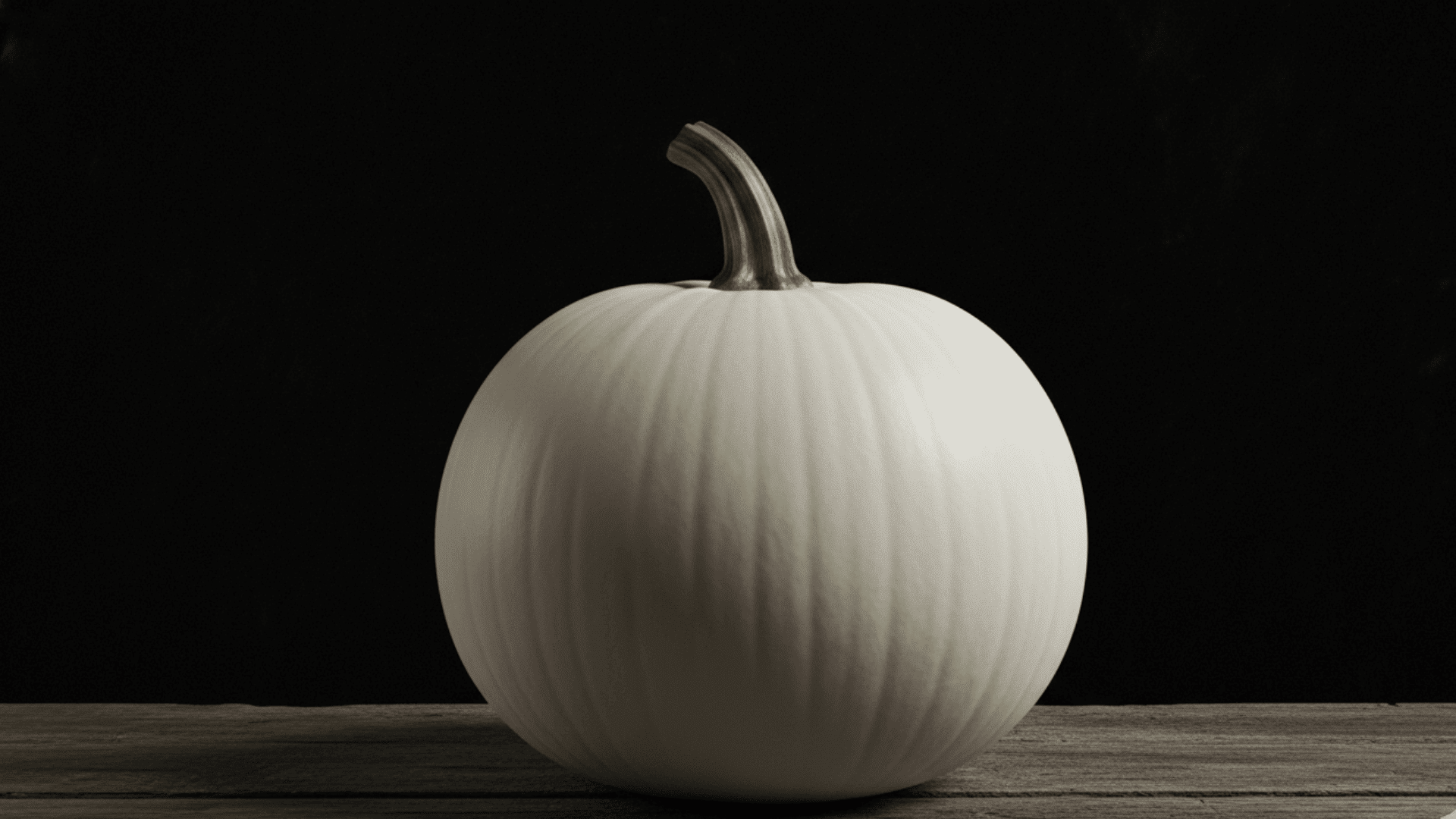
Casper breaks the orange mold with pure white skin. The color stays bright even after harvest. While edible, most people use them for ghostly fall displays.
- Color Traits: Pure white exterior, orange interior flesh
- Decorative vs Edible Value: Primarily decorative, but can be cooked
- Texture Differences: Similar to standard carving pumpkins, slightly less sweet
- Average Size: 10 to 16 pounds, good for medium carving projects
6. Baby Boo Pumpkin
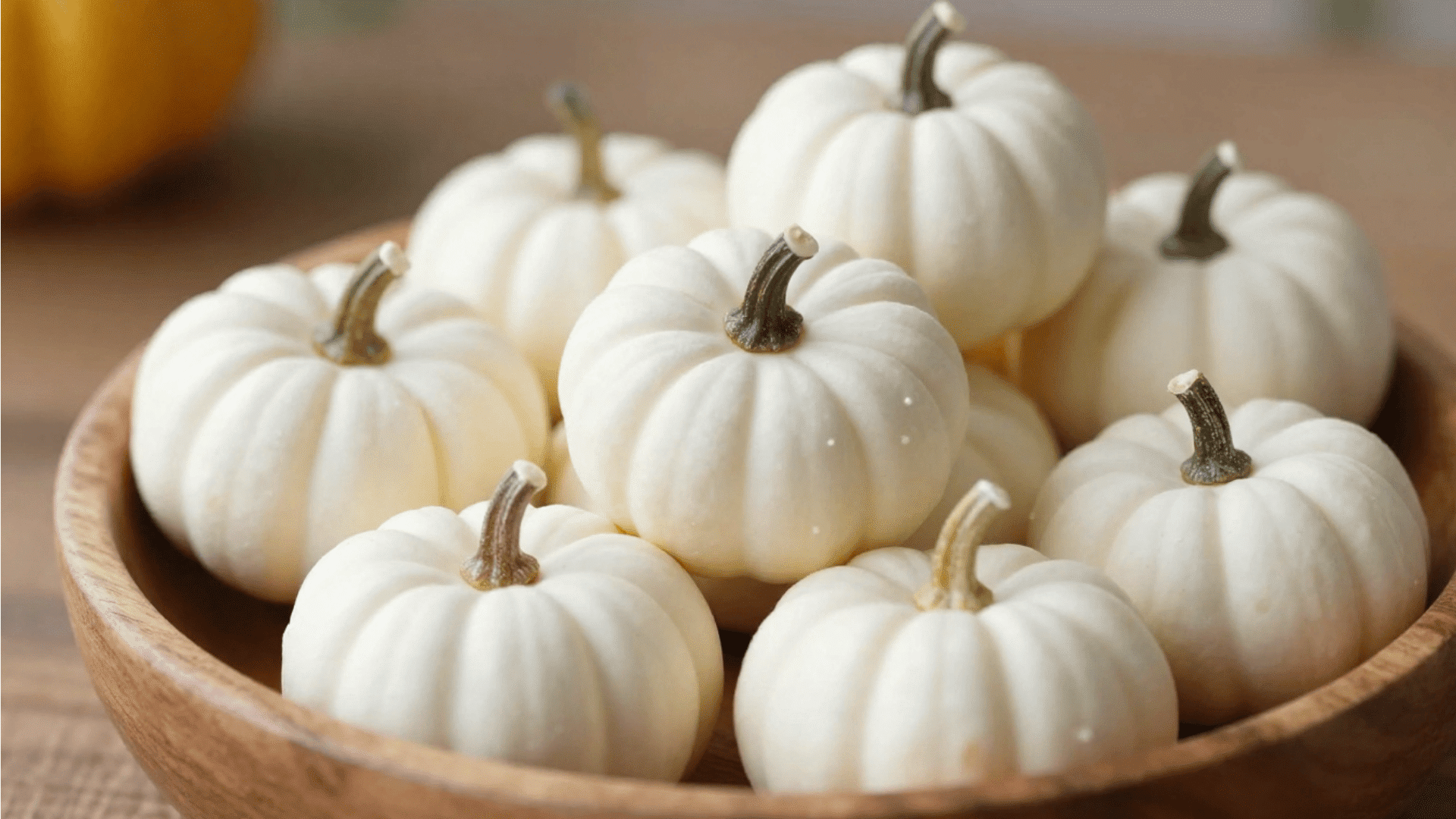
These miniature white pumpkins measure just 2-3 inches across. They’re perfect for table settings and crafts. You can eat them, but there’s barely any flesh to harvest.
- Mini Size Characteristics: Palm-sized, pure white, smooth skin
- Decorative Uses: Place settings, painted crafts, fall centerpieces
- Edibility Notes: Technically edible but impractical due to tiny size
- Growing Time: Quick to mature at 90-95 days
7. Connecticut Field Pumpkin
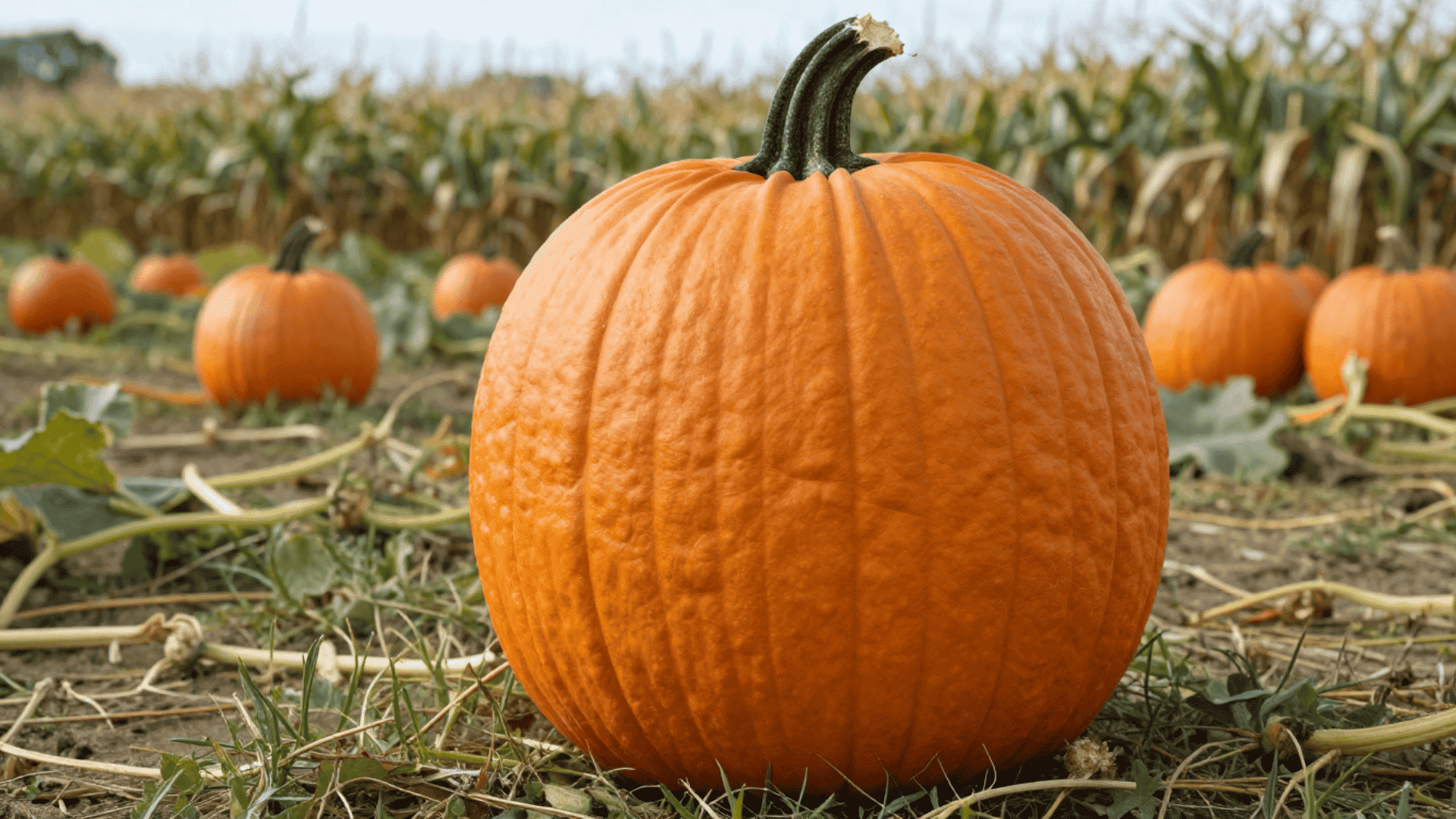
This is America’s original pumpkin variety. Colonists grew these for livestock feed and cooking. Today, they’re popular for both carving and farm displays.
- Traditional Pumpkin Traits: Large, bright orange, classic shape
- Carving and Farm Use: Good for jack-o-lanterns and farm decorations
- Flesh Quality: Edible but somewhat fibrous; better varieties exist for cooking
- Size Range: 15 to 25 pounds on average
8. Howden Pumpkin
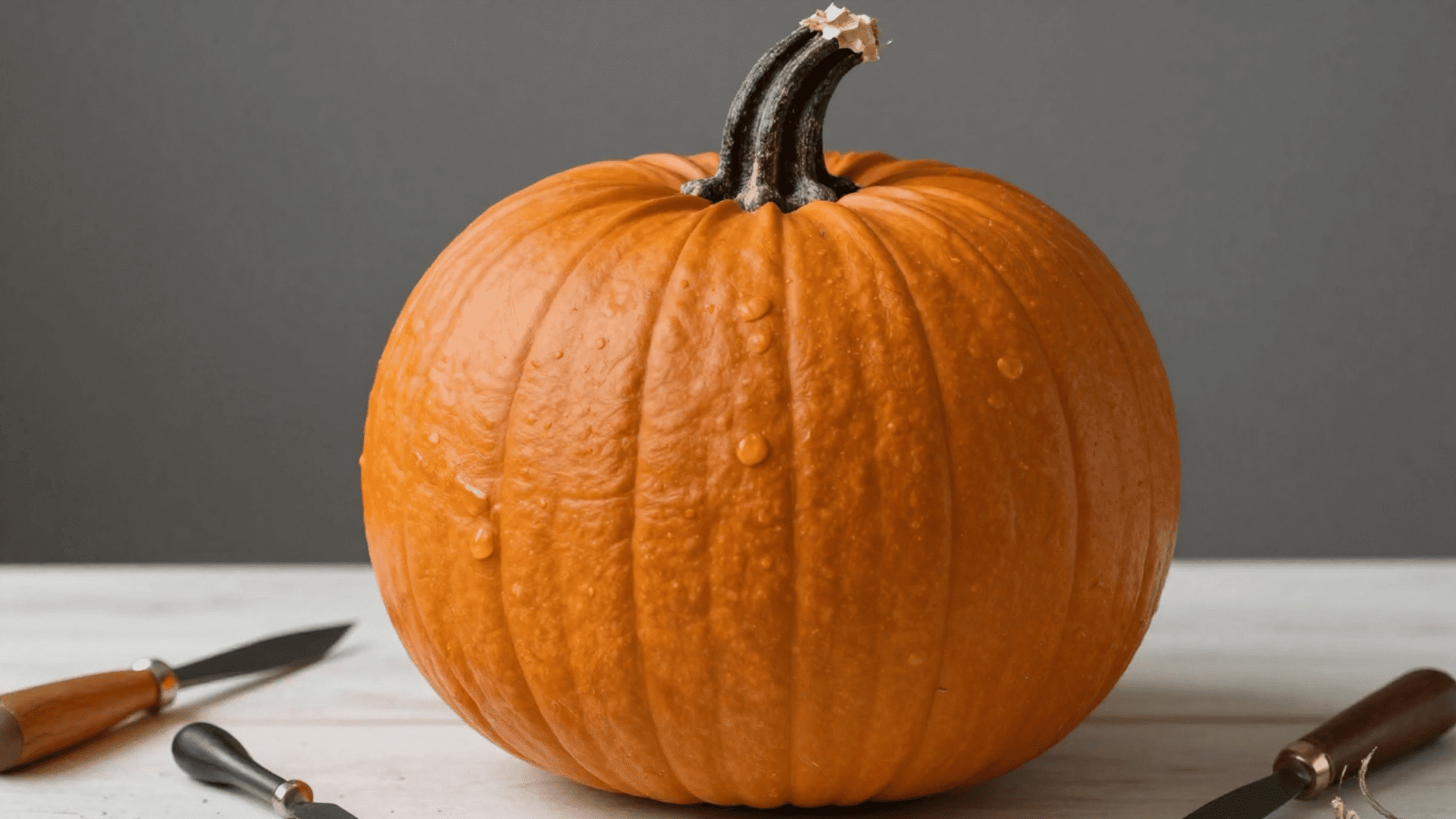
Howden dominates the carving pumpkin market. Its thick handle and sturdy walls make cutting easier. The shape is reliably round and upright.
- Carving Advantages: Strong stem, thick walls, uniform size
- Size Range: 15 to 25 pounds typically
- Rind Strength: Hard outer shell withstands carving tools well
- Availability: Most common type at grocery stores and pumpkin patches
9. Jarrahdale Pumpkin
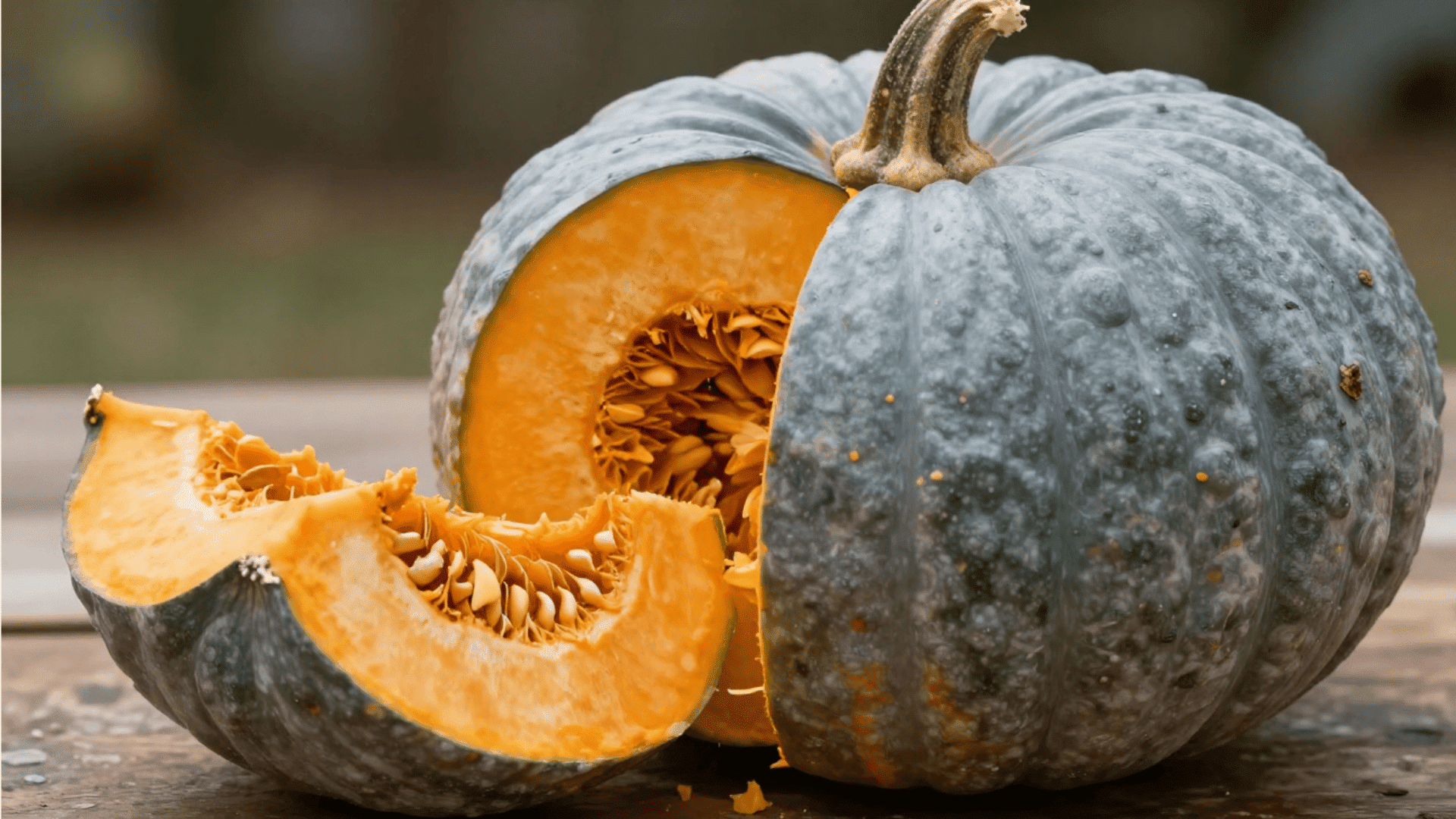
This Australian variety sports blue-gray skin that looks striking. The flesh is golden orange and surprisingly sweet. It stores longer than most types of pumpkins.
- Blue Gray Skin: Distinctive slate blue color, deeply ribbed
- Cooking Performance: Dense, dry flesh perfect for roasting and pureeing
- Storage Length: Keeps well for 3-4 months minimum
- Weight Range: 8 to 15 pounds makes handling easier
10. Queensland Blue Pumpkin
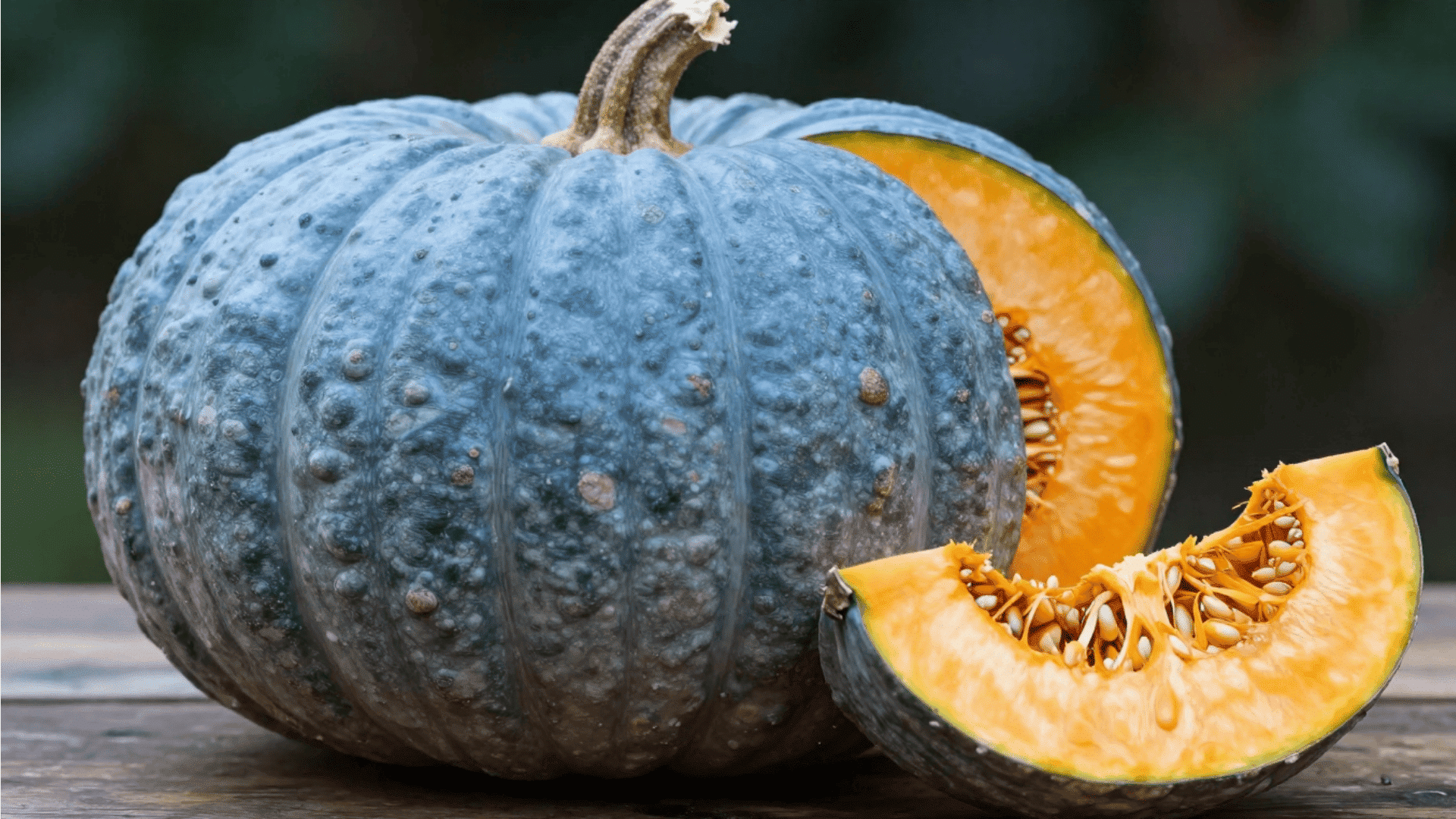
Another Australian favorite with steel-blue skin. The flavor is rich and almost savory. Hot climates suit this variety better than cold regions.
- Flavor Depth: Deep, slightly nutty, less sweet than American types
- Best Cooking Methods: Roasting, mashing, soups, curries
- Climate Tolerance: Thrives in warm, humid conditions
- Size: Can reach 20-40 pounds when fully mature
11. Long Pie Pumpkin
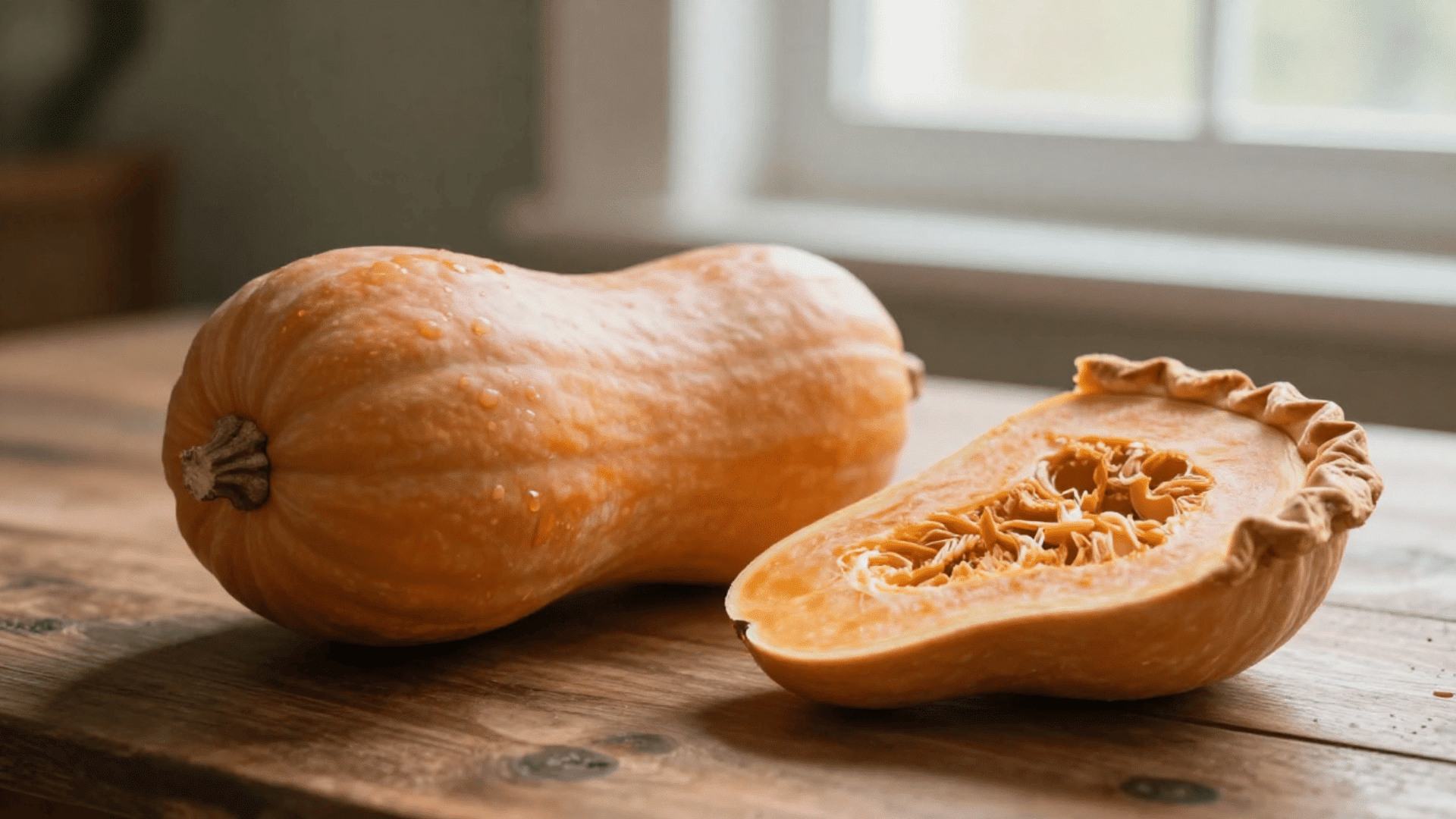
This oddball looks more like a butternut squash than a pumpkin. Colonial Americans grew these before the round varieties became popular. The flesh makes excellent pies despite the unusual shape.
- Shape and Texture: Elongated, bell-shaped, smooth, dense flesh
- Pie and Puree Uses: Makes smooth, creamy pumpkin filling
- Historical Relevance: One of the oldest pumpkin varieties in America
- Typical Weight: 6 to 10 pounds, easier to handle than round types
12. Fairytale Pumpkin
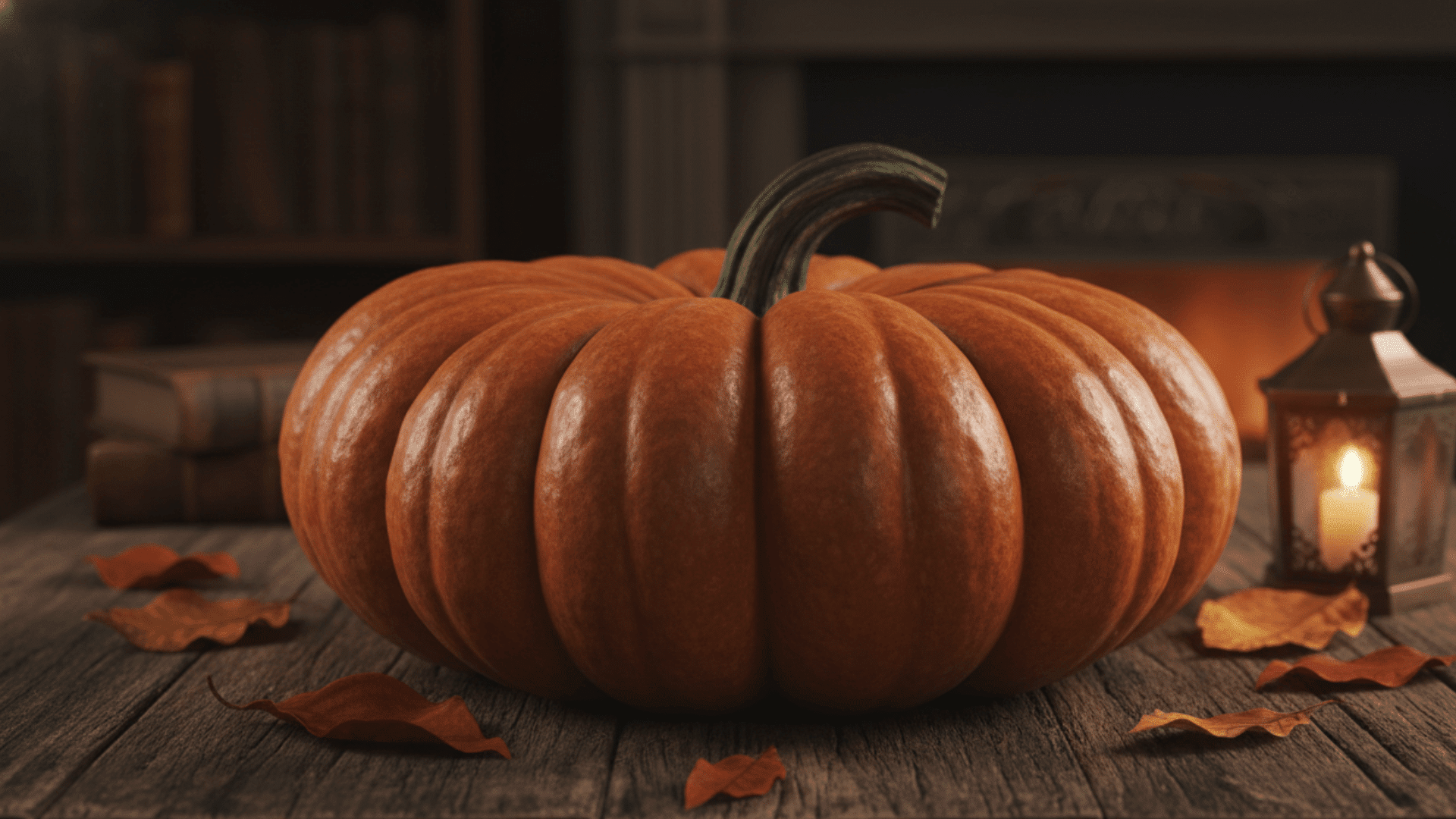
Named for its storybook appearance, this French variety turns heads. The ribbing is pronounced and dramatic. The flesh tastes sweet enough to eat raw in salads.
- Ribbing and Appearance: Deeply lobed, flat shape, mahogany orange
- Sweetness Level: Very sweet, almost fruity when roasted
- Roasting Suitability: Becomes caramelized and tender in the oven
- Size Range: 15 to 20 pounds, good for family meals
13. Dickinson Pumpkin
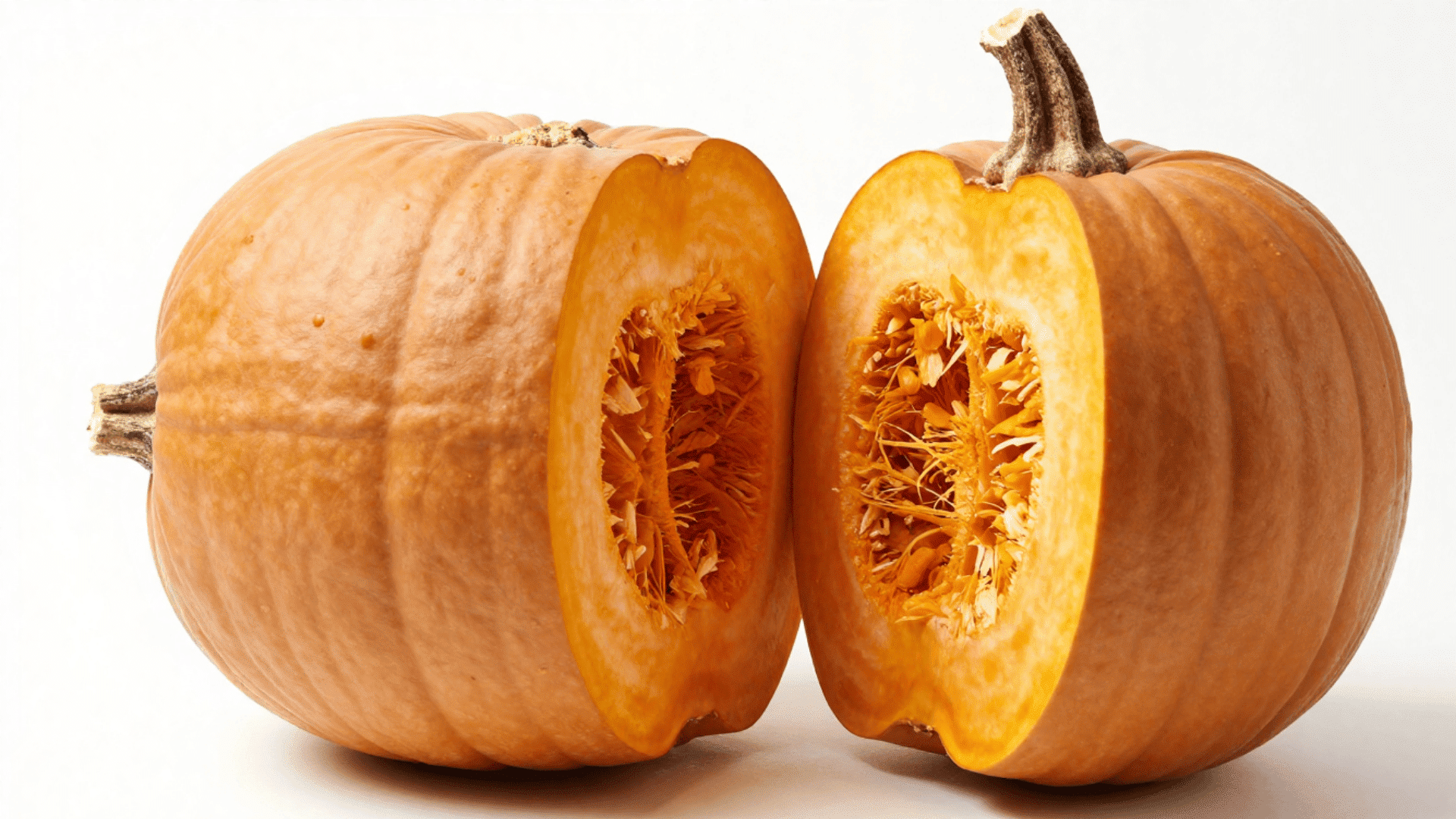
This commercial variety ends up in most canned pumpkin products. Its flesh is consistent, smooth, and reliable. Home gardeners rarely grow it, but processors love it.
- Commercial Pumpkin Puree Use: Industry standard for canned products
- Flesh Characteristics: Uniform color, fine texture, predictable moisture
- Cooking Reliability: Always produces smooth purees without lumps
- Growing Traits: Developed for mechanical harvesting and processing
14. Atlantic Giant Pumpkin
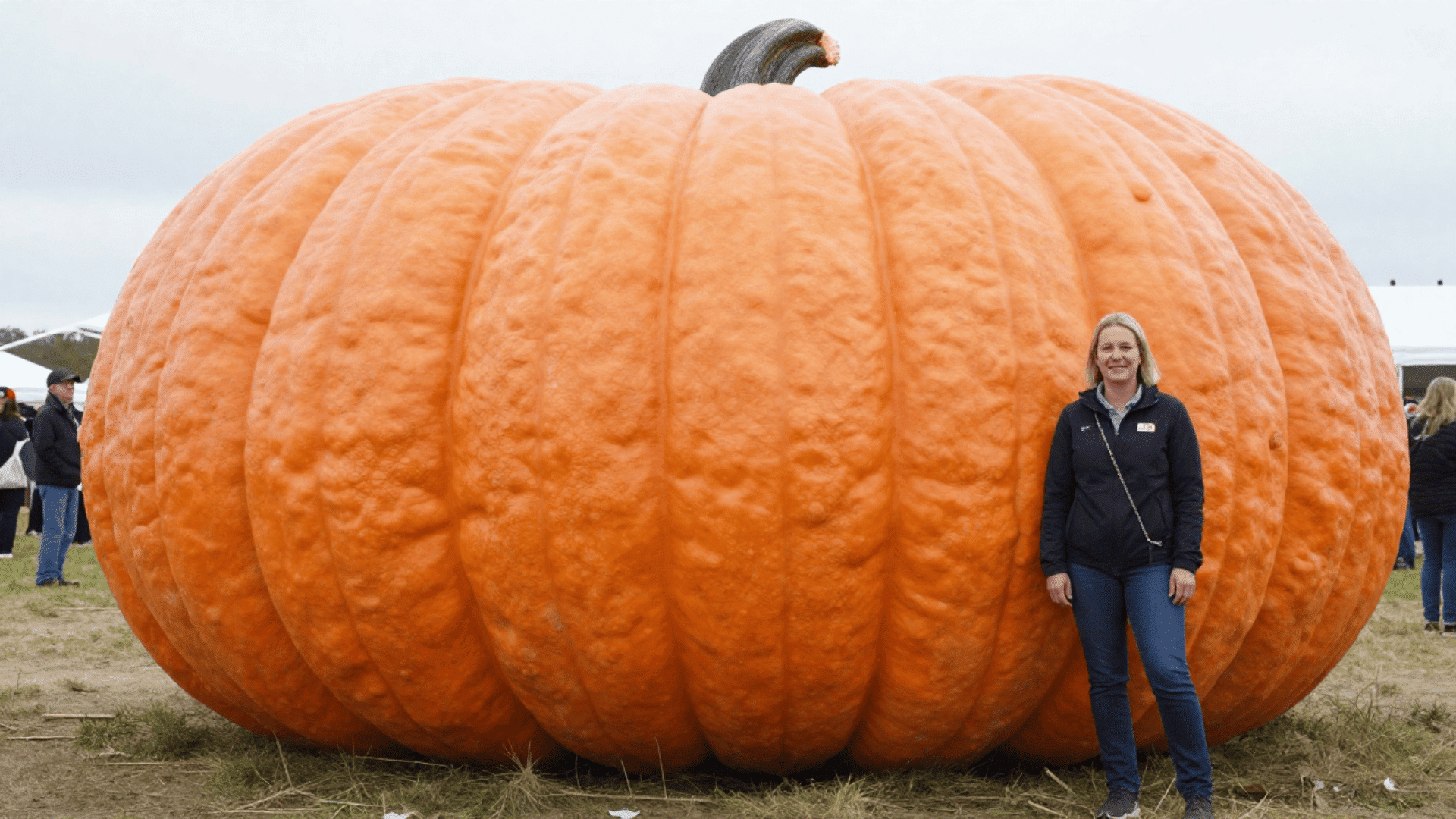
These monsters can top 2,000 pounds. Competitive growers dedicate entire seasons to one plant. The flesh is bland and watery, making it useless for cooking.
- Size Potential: World record over 2,600 pounds, most reach 200-500 pounds
- Growing Challenges: Requires constant feeding, watering, and protection
- Edibility Considerations: Not recommended for eating, grown purely for size
- Time Investment: Takes 120-140 days and intensive daily care
15. Munchkin Pumpkin
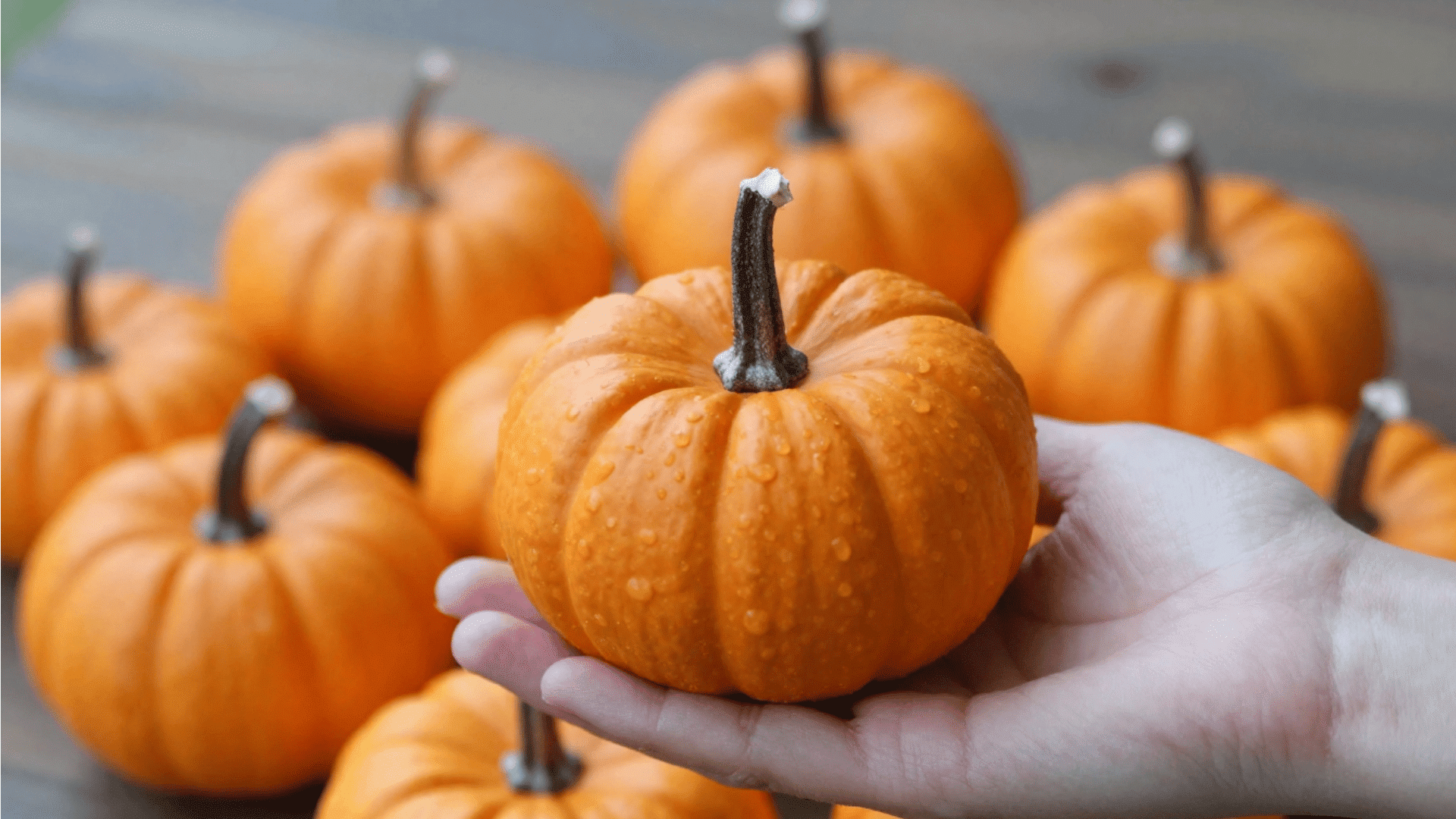
Munchkin pumpkins are tiny orange spheres. They measure about 3-4 inches across. Kids love them for painting and small decorations.
- Compact Size: Fits in your hand, weighs under 1 pound
- Decorative Appeal: Bright orange, perfect for bowls and displays
- Storage Traits: Dries out faster than larger types, lasts 4-6 weeks
- Growing Benefits: Multiple pumpkins per vine, high yield
16. Lumina Pumpkin
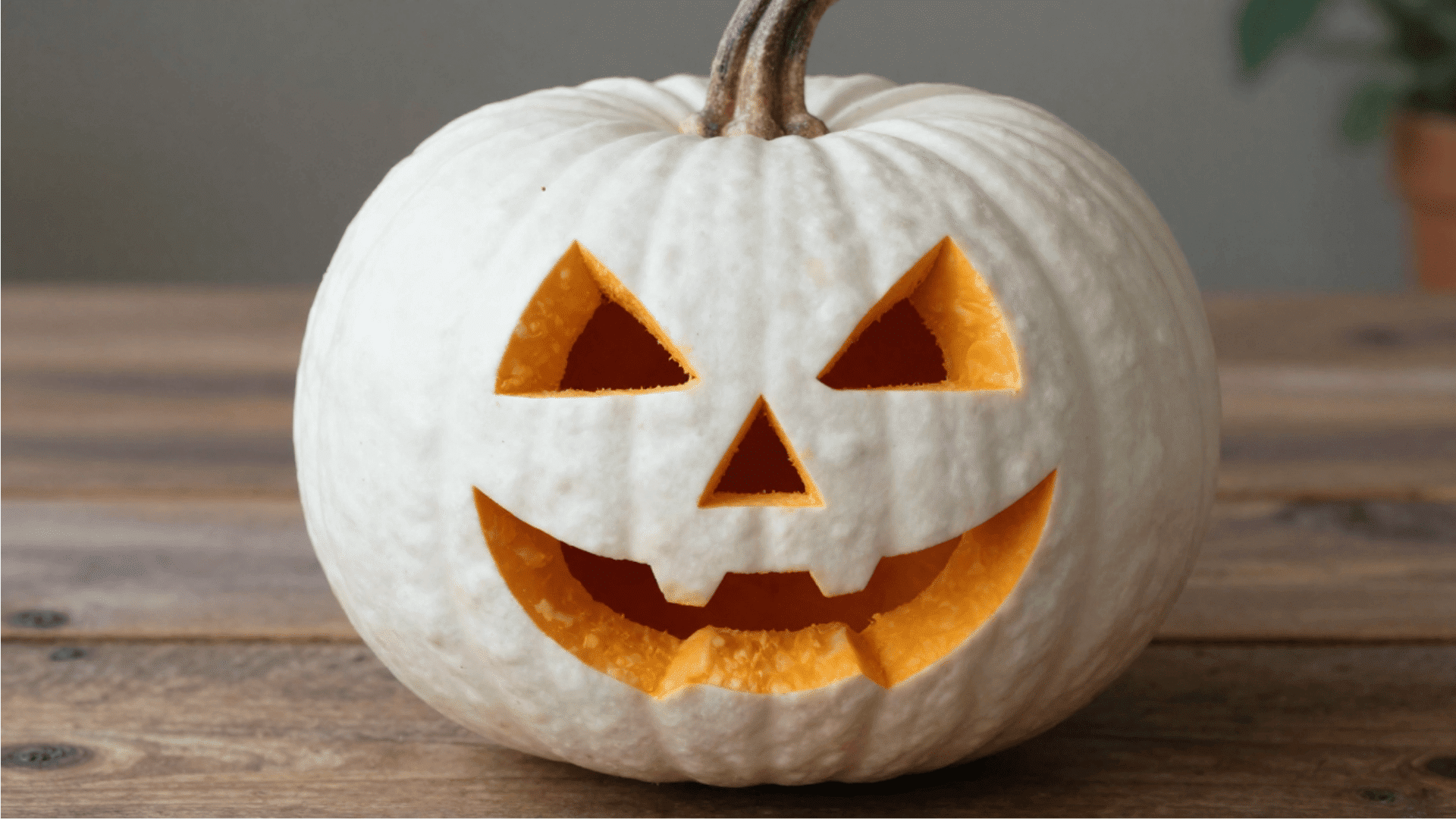
Lumina offers white skin perfect for painting or carving. The walls are thick enough for intricate designs. The flesh inside is orange and mildly sweet.
- White Carving Pumpkin Features: Ghost-white exterior, good size for carving
- Rind Thickness: Medium walls, sturdy enough for detailed work
- Handling Tips: Skin bruises easily, shows marks more than orange pumpkins
- Weight: 10 to 12 pounds, manageable for most carvers
17. Rouge Vif d’Etampes
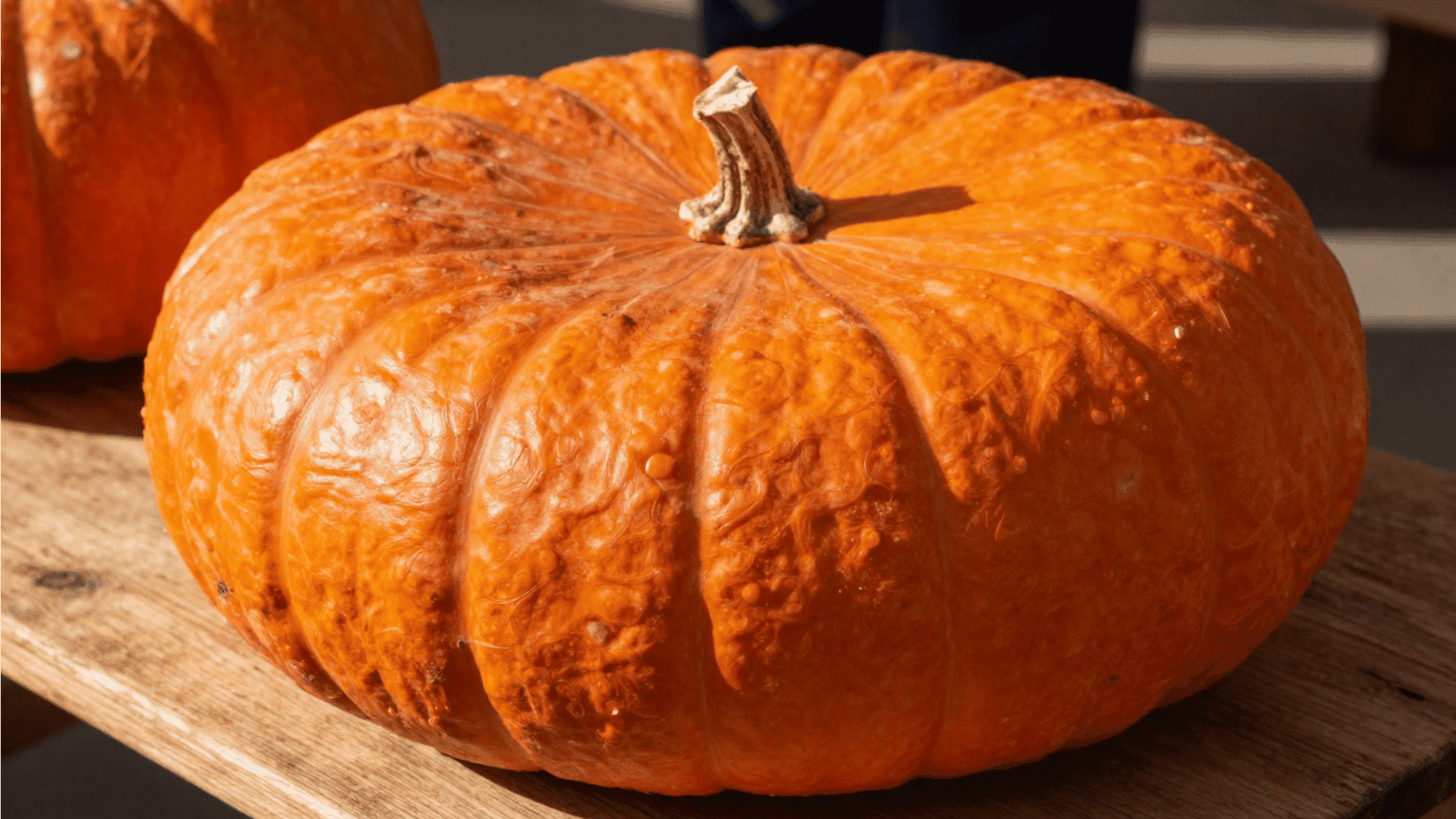
This French market pumpkin looks like a red cheese wheel. The color is deep red-orange, almost burgundy. French cooks prize it for soups and gratins.
- Color and Shape: Flattened, brilliant red-orange, heavily ribbed
- Flavor Notes: Rich, slightly sweet, dense texture
- Culinary Strengths: Soups, stuffing, roasting, and long cooking methods
- Storage Duration: Holds quality for 3-5 months when stored properly
18. Spookie Pumpkin
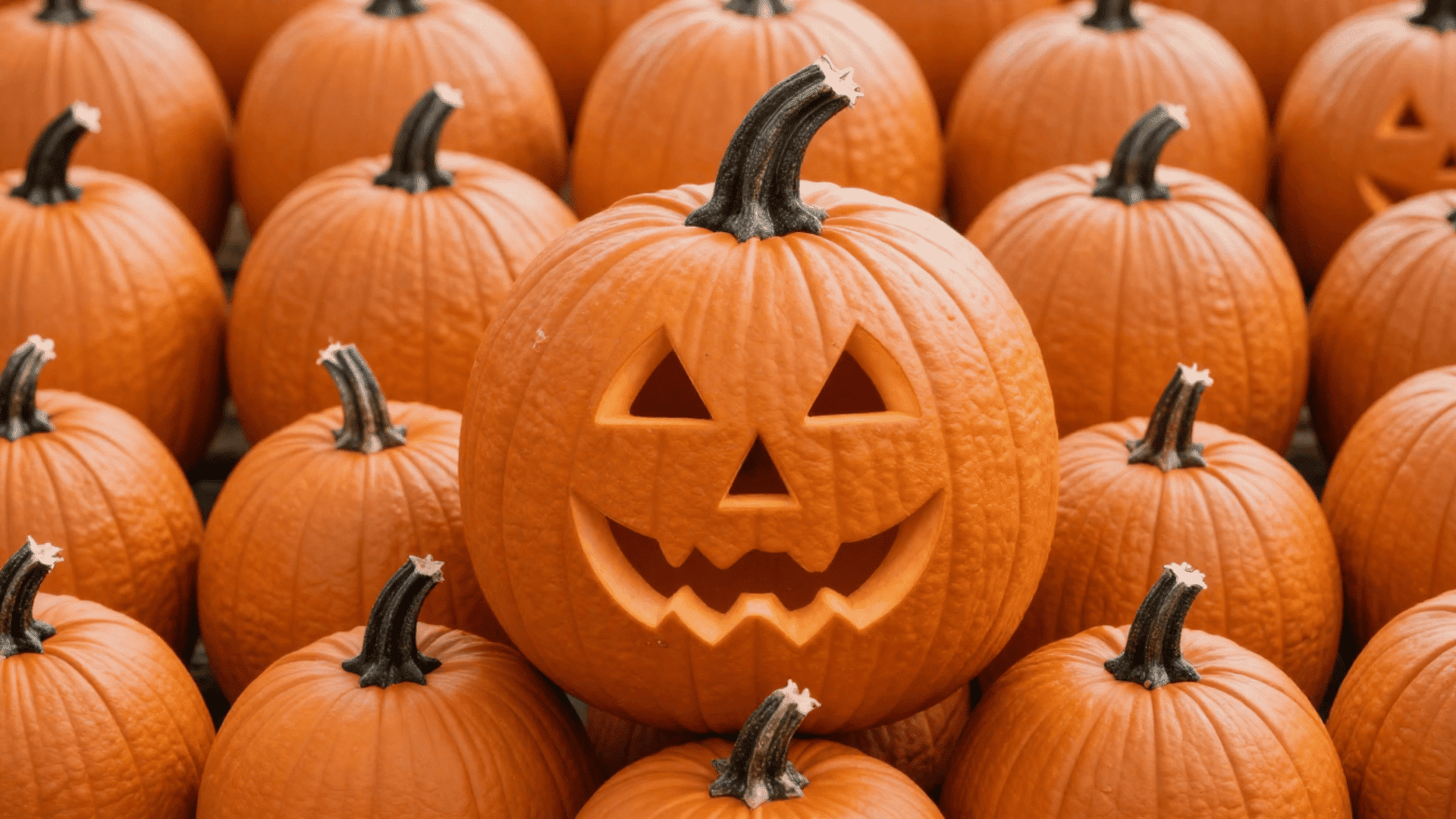
Spookie is bred specifically for consistent carving. Every pumpkin looks nearly identical. The stems are strong, and the walls are medium-thick.
- Uniform Shape: Predictable size and shape, around 12-16 pounds
- Carving Reliability: Even walls make cutting easier
- Shelf Life: Stays fresh for 2-3 weeks after harvest
- Stem Quality: Thick, woody handles that won’t break off
How to Identify the Right Type of Pumpkin?
Picking the right pumpkin can feel overwhelming with so many types of pumpkins available. Here’s how to make the best choice every time.
Identify by Intended Use
- Carving: Look for pumpkins with thin walls and large hollow centers, such as Jack O’Lantern or Howden varieties.
- Baking and Cooking: Choose smaller, denser pumpkins, such as Sugar Pie or Baby Pam, with sweet, smooth flesh.
- Decorative Display: Go for unique colors and shapes, such as White Casper, Jarrahdale, or tiny Munchkin pumpkins.
- Long-Term Storage: Select hard-skinned varieties like Queensland Blue or Musquée de Provence that last 4-6 months.
Your intended use should guide your choice. Cooking pumpkins tastes better, but they carve poorly. The carving types look great, but taste bland. Match the pumpkin to your plans for best results.
Identify by Physical Traits
- Skin Thickness: Press your thumbnail into the skin – thick skin resists denting and stores longer.
- Flesh Density: Pick up similar-sized pumpkins and choose the heavier one for better cooking quality.
- Stem Appearance: Look for dry, woody stems that are firmly attached and at least 2-3 inches long.
- Shape and Ribbing: Flat, ribbed pumpkins are usually cooking types, while round, smooth ones work best for carving.
Physical traits reveal a pumpkin’s quality and purpose. Heavy pumpkins have more usable flesh. Thick stems indicate proper harvest timing. These simple checks help you avoid disappointment later.
Choosing the Pumpkin Based on Growing Conditions
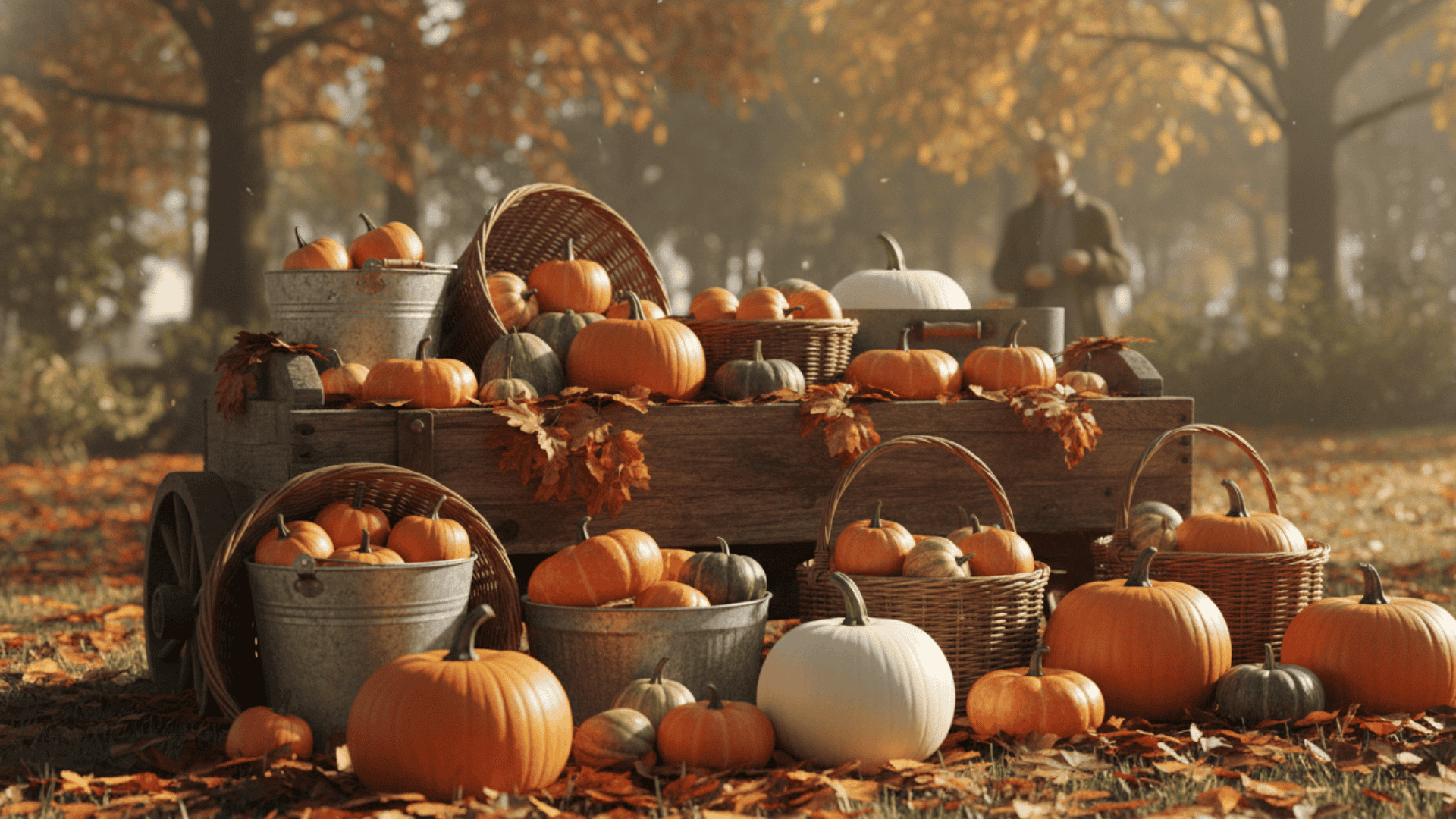
Your garden space and shopping skills both matter when selecting pumpkin varieties. Bush varieties need 4-6 feet while vining types spread 15-20 feet in all directions.
Fast varieties mature in 85-95 days,s while giants need 120-140 days to grow. Queensland Blue loves heat, while Sugar Pie tolerates cold, and most prefer temperatures between 65 and 85°F.
Small yards need compact varieties, and short growing seasons require fast-maturing types.
When shopping, ripe pumpkins have hard skin, uniform color, dry brown stems, and sound hollow when tapped.
Skip pumpkins with soft spots, cuts, mold, missing stems, or that are light for their size. Fresh pumpkins feel heavy with intact stems, firm skin, and a slight waxy coating.
Final Thoughts
Different types of pumpkins serve different purposes, and knowing which is which saves time and money. Sugar Pie varieties belong in your kitchen. Howden pumpkins shine on your porch.
Jarrahdale and Queensland Blue offer unique colors plus serious flavor. The key is matching the pumpkin to your plans before you buy.
Stop guessing at the farmers’ market or grocery store. Use the traits and tips in this guide to make confident choices. Check the stem, test the weight, and consider your end goal.
Ready to pick your perfect pumpkin? Head to your local farm or store and put this knowledge to work. Drop a comment below telling us which type you’re trying first this season.