Ever noticed how guava has quietly claimed its spot in your favorite smoothie bowl or sparkling water? This tropical gem is showing up everywhere lately, and for good reason.
Health-conscious shoppers are reaching for it at farmers markets, food bloggers are styling it in their breakfast spreads, and that candy-sweet aroma in the produce aisle?
Probably guava.
You might be curious about the pretty pink fruit your neighbor keeps raving about, or wondering why your local café suddenly has three guava drinks on the menu.
Each variety brings its own personality, with different colors, flavors, and textures that make them shine in different ways.
How Many Types of Guava Are There?
Guava comes in more varieties than most people realize. While there are over 100 species within the Psidium genus, you’ll typically find just a handful at your local store.
The most common types fall into two main categories: those with white flesh and those with pink or red interiors.
Beyond these grocery store staples, specialty cultivars exist with unique flavors, sizes, and growing requirements.
Availability shifts throughout the year since guava is highly seasonal, and what you see on shelves depends heavily on where it’s grown and how far it travels.
Some rare varieties never make it to mainstream markets at all.
White Flesh Guava Varieties
White guavas tend to be milder and less aromatic, making them versatile for both sweet and savory applications.
1. Tropical White Guava
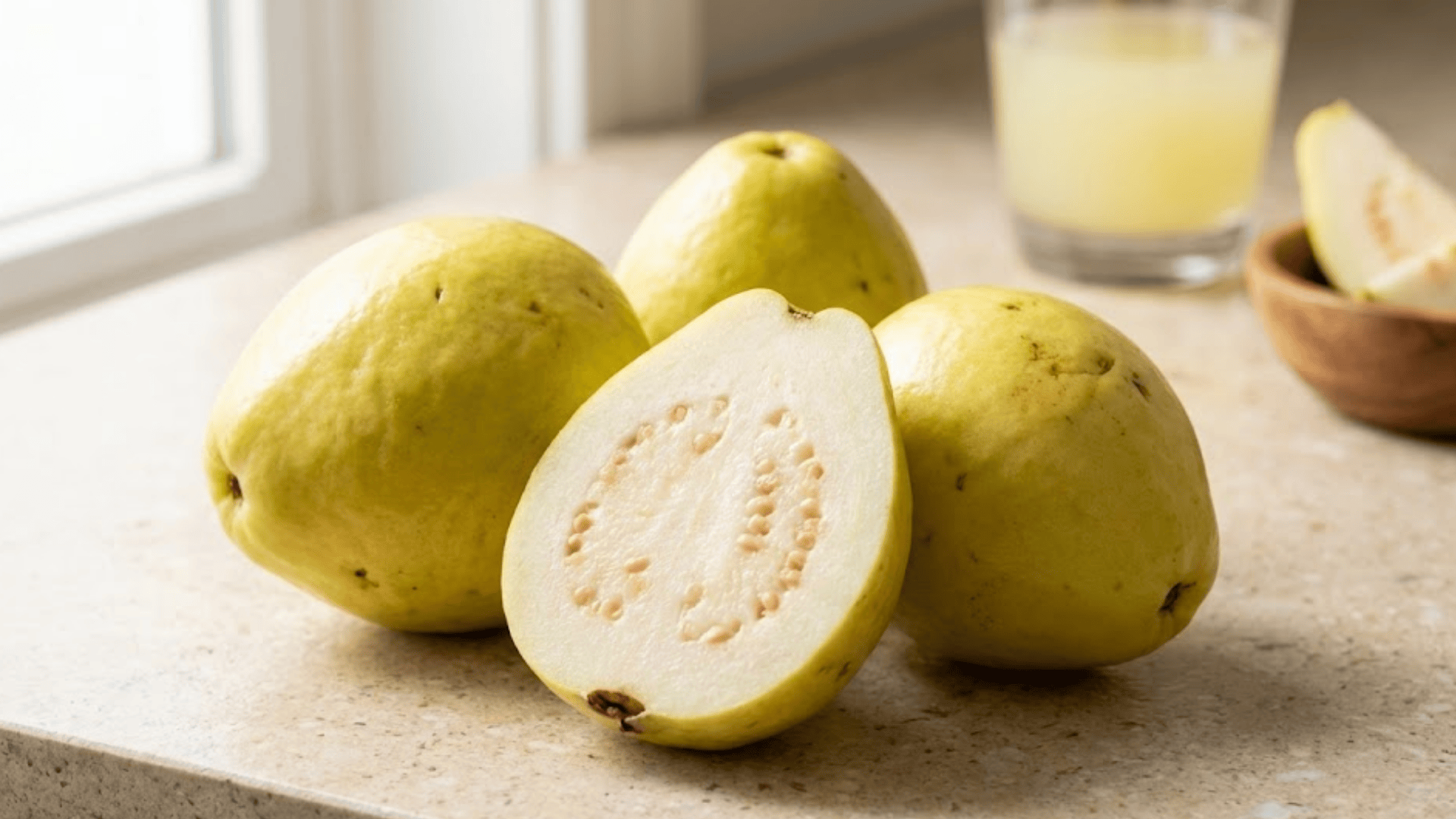
Flavor Profile: Mild sweetness with subtle floral notes and a firm, crisp texture
Used for: Fresh eating, fruit salads, juices, and light desserts
This is the guava you’ll spot most often at mainstream grocery stores. Its gentle flavor doesn’t overwhelm other ingredients, which makes it perfect for blending into smoothies or tossing into tropical fruit bowls.
The flesh stays relatively firm even when ripe, giving you that satisfying bite. It’s approachable for guava newcomers who aren’t sure about strong tropical flavors yet.
2. Mexican White Guava
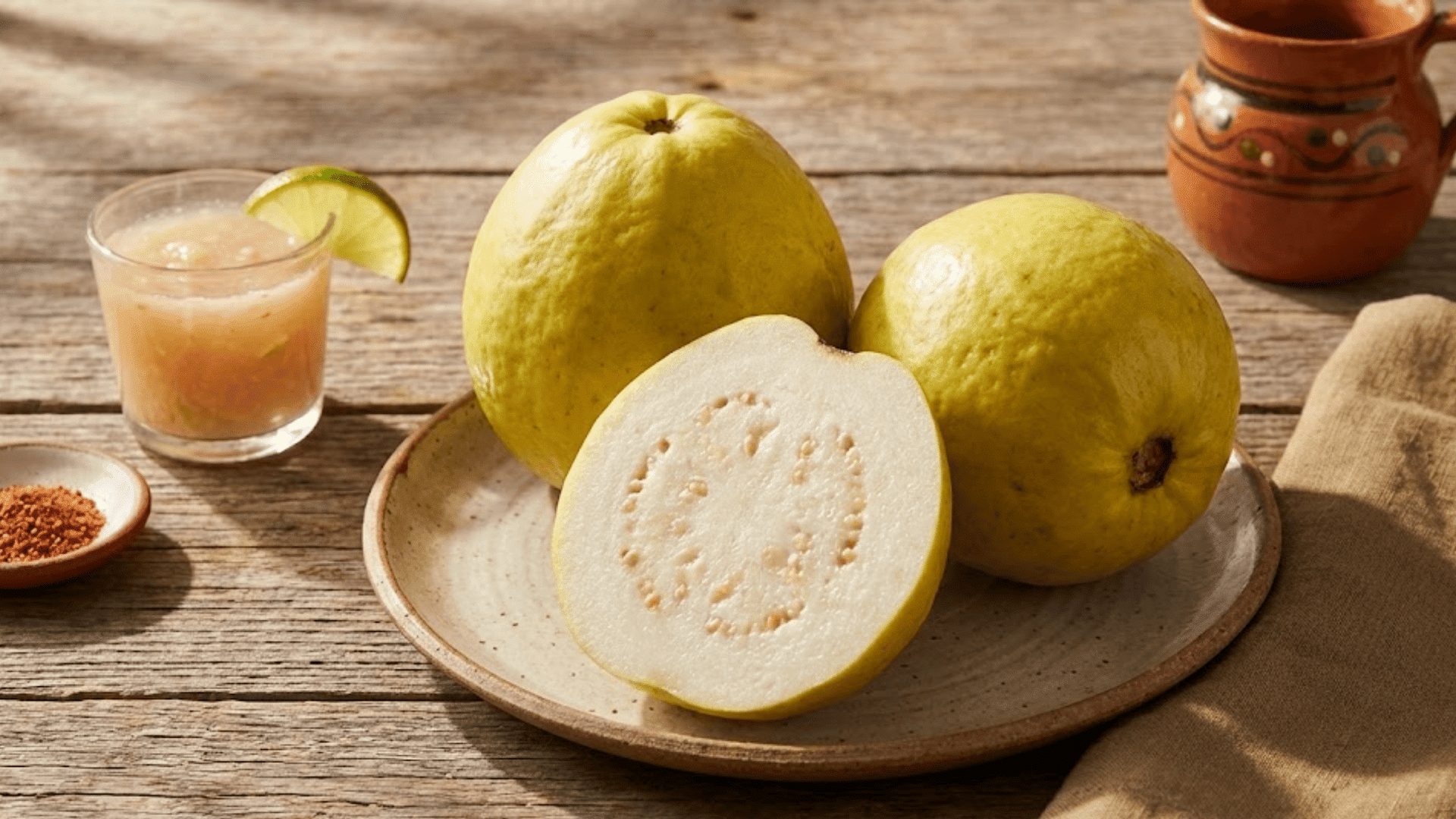
Flavor Profile: Creamy sweetness with a dense, grainy texture and thick protective skin
Used for: Slicing for snacks, agua fresca, and traditional beverages
These tend to be larger than other varieties, with skin thick enough to protect the fruit during transport. The flesh has a slightly drier, almost granular quality that some people love for its unique mouthfeel.
In Mexican cuisine, it’s commonly blended into refreshing drinks or enjoyed simply sliced with a sprinkle of chili powder and lime.
Pink and Red Guava Varieties
Pink and red guavas pack more aromatic punch and tend to taste sweeter, with that signature tropical fragrance people associate with the fruit.
3. Pink Guava
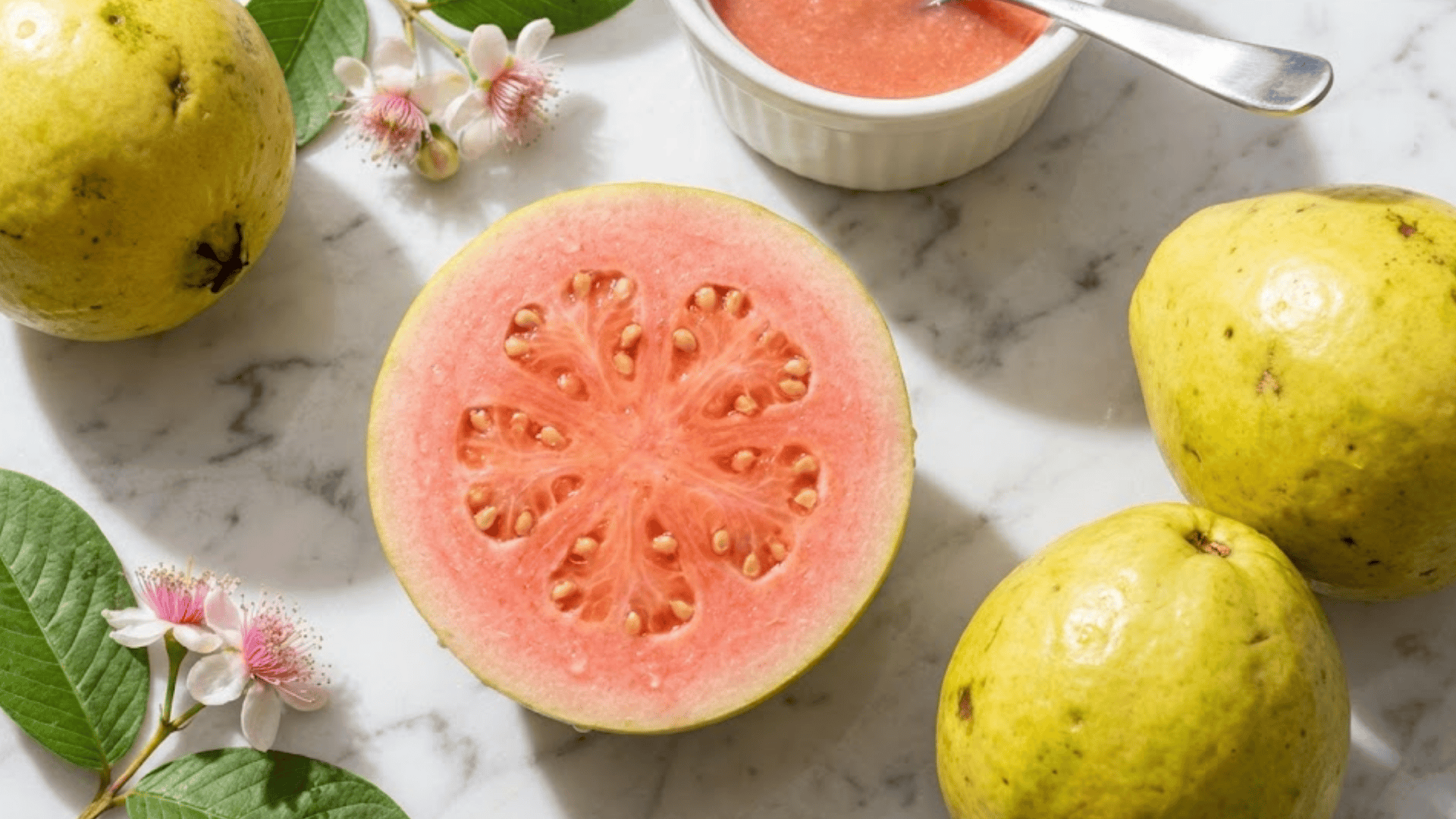
Flavor Profile: Noticeably sweeter with a stronger tropical aroma and softer texture
Used for: Smoothies, desserts, juices, and baked goods
This is what most people picture when they think of guava. The rosy-hued flesh releases an intoxicating perfume that fills your kitchen the moment you slice it open.
It’s naturally sweeter than white varieties, so you’ll need less added sugar in recipes. The softer texture makes it ideal for pureeing into sauces, folding into ice cream, or layering into parfaits.
4. Red Malaysian Guava
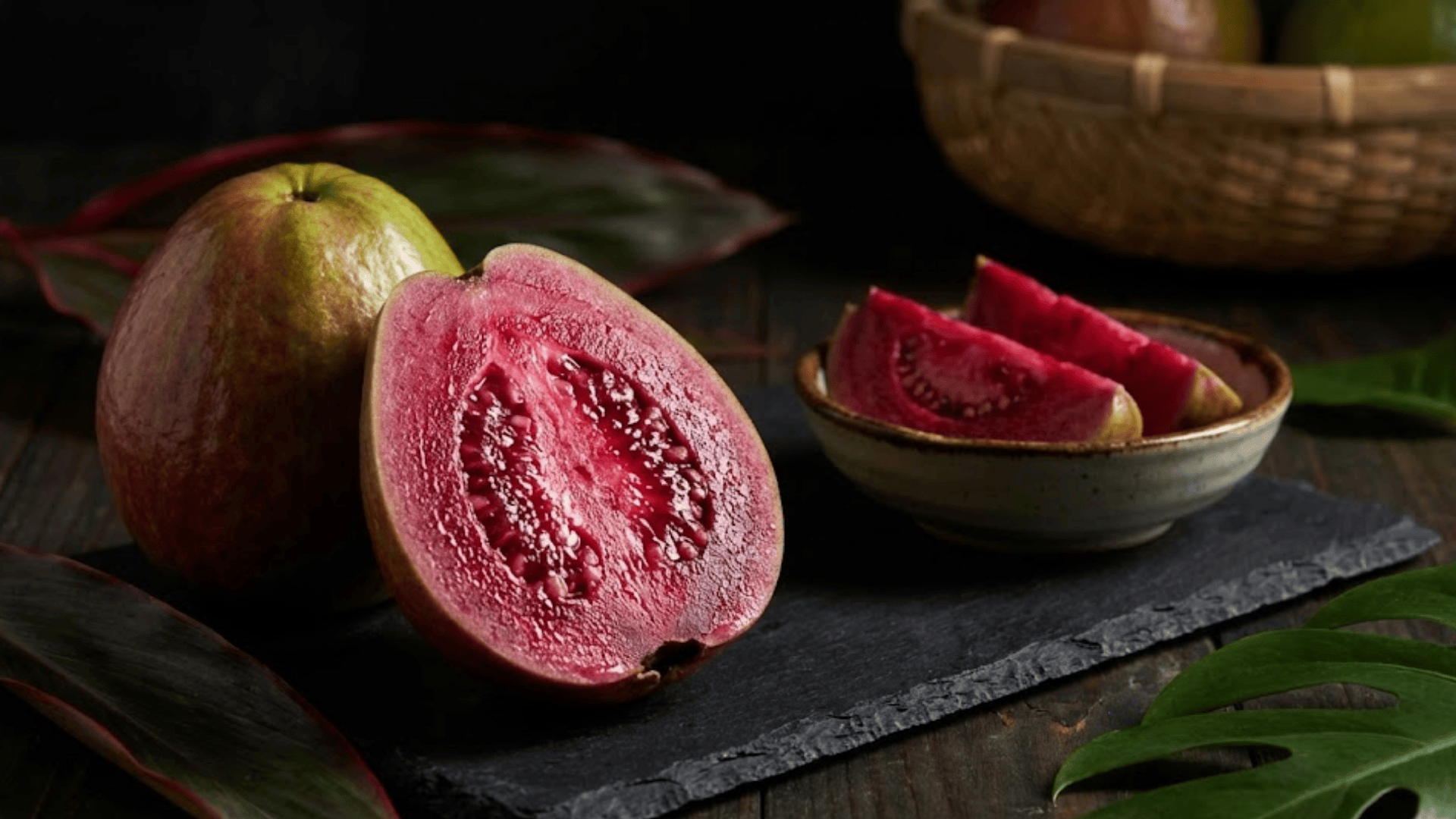
Flavor Profile: Deep, rich sweetness with intense fragrance and jewel-toned flesh
Used for: Premium juices, specialty desserts, and fresh eating
The flesh ranges from deep pink to burgundy, and the flavor is equally bold. This variety is prized in Southeast Asian markets for its exceptional sweetness and aromatic intensity.
It’s less common in Western stores but worth seeking out at specialty grocers or Asian markets. The color alone makes it stunning in fruit platters or as a garnish for tropical-inspired dishes.
Specialty and Lesser-Known Guava Varieties
Beyond the standard options, these unique varieties offer flavors that surprise even seasoned guava fans.
5. Strawberry Guava
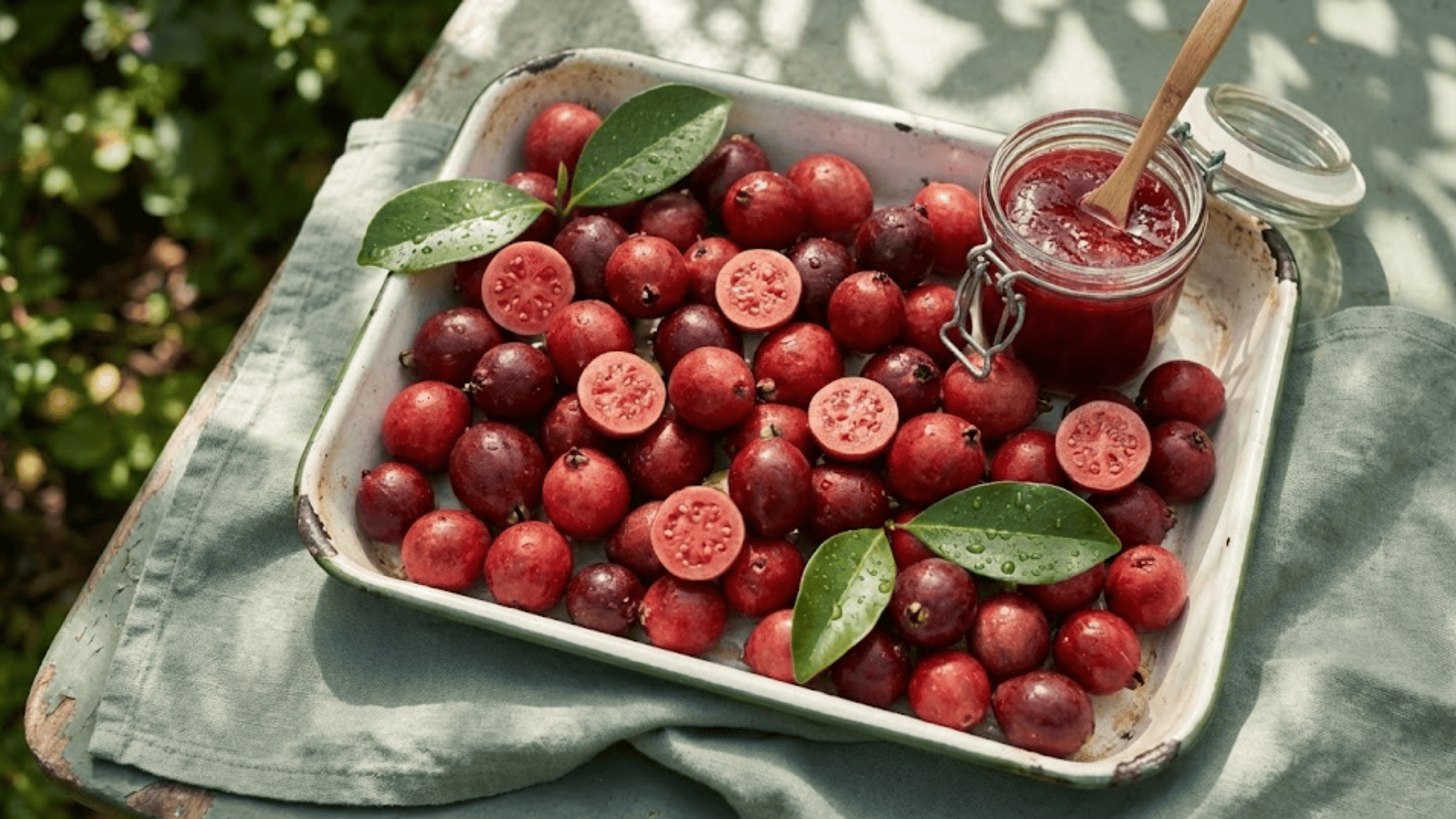
Flavor Profile: Small, intensely flavored fruit with berry-like sweetness and floral notes
Used for: Jams, jellies, syrups, and small-batch preserves
Don’t let the size fool you. These tiny fruits pack concentrated flavor that tastes remarkably like a cross between guava and strawberry. They’re often foraged or grown in home gardens rather than sold commercially.
The seeds are more noticeable than in larger guavas, but that doesn’t stop people from turning them into gorgeous ruby-colored preserves.
6. Lemon Guava
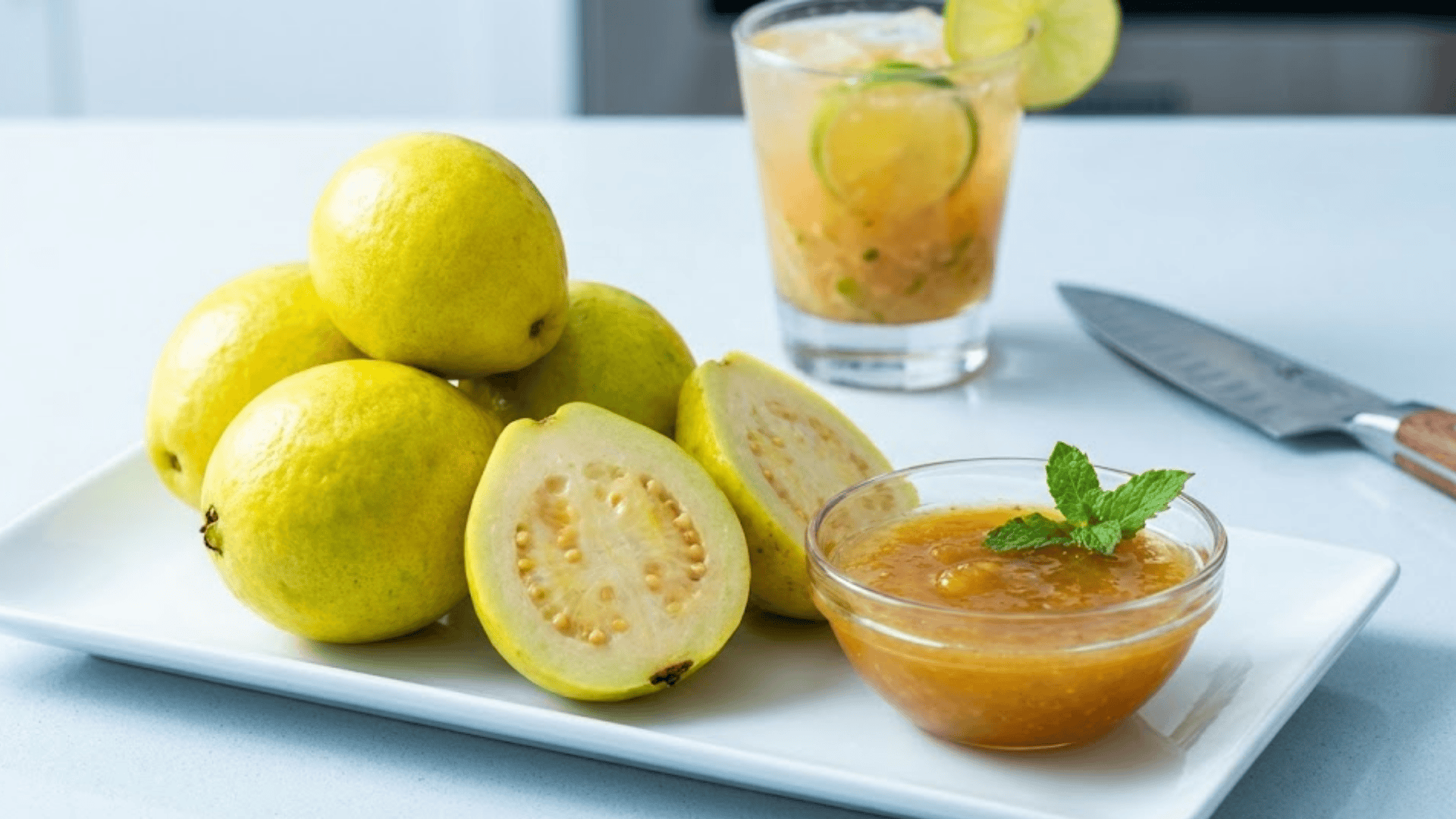
Flavor Profile: Bright, citrus-forward taste with tangy finish and yellow-tinged flesh
Used for: Savory dishes, marinades, chutneys, and creative cocktails
This one throws a curveball. Instead of the typical tropical sweetness, you get a zesty, almost lemony flavor that works beautifully in savory contexts.
Chefs love using it in glazes for fish or chicken, or muddying it into craft cocktails. The acidity balances richer ingredients without overpowering them, making it a favorite in experimental kitchens.
7. Pineapple Guava
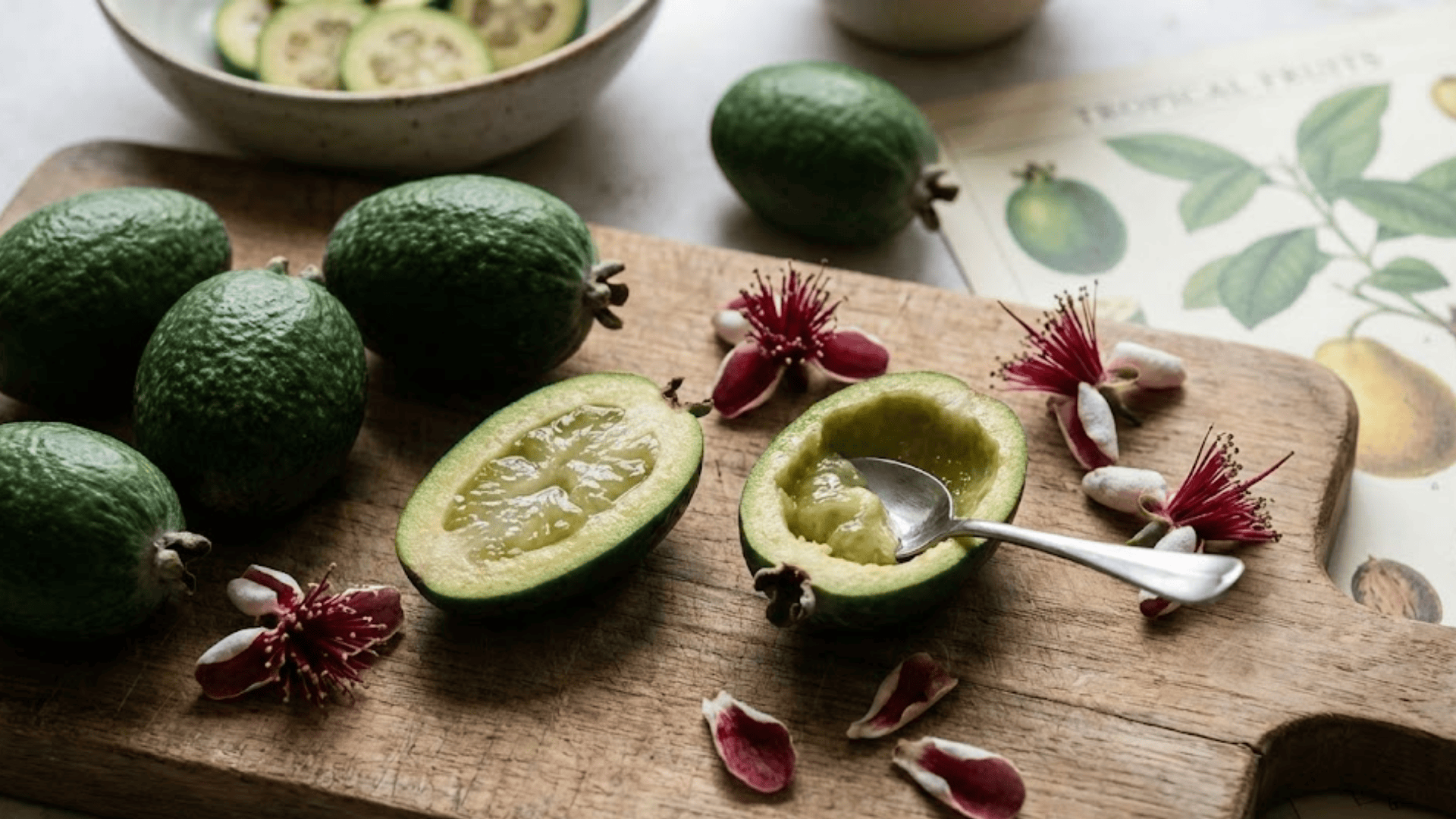
Flavor Profile: Sweet-tart with hints of pineapple, mint, and apple; aromatic green flesh
Used for: Smoothies, fruit salads, baking, and fresh snacking
Technically not a true guava, but it’s earned its place in the family through sheer deliciousness. The flavor is complex and hard to pin down, with tropical sweetness meeting herbaceous freshness.
You eat the entire fruit, scooping out the jellylike center with a spoon. It’s more common in New Zealand and South America, but is gaining traction with adventurous eaters everywhere.
Fresh vs. Processed Guava Varieties
Not all guavas are created equal when it comes to how you use them. Some shine brightest when eaten straight from the hand, while others truly come alive when transformed into pastes, drinks, or desserts.
| Use Case | Best Guava Varieties | Why These Work |
|---|---|---|
| Fresh Eating | Tropical White, Mexican White, Red Malaysian | Firm texture holds up well, balanced sweetness, pleasant bite without being mushy |
| Juices & Smoothies | Pink Guava, Red Malaysian, Tropical White | High juice content, strong aromatic flavor that translates well when blended |
| Guava Paste & Candies | Pink Guava, Mexican White | Dense flesh with natural pectin concentrates beautifully when cooked down |
| Baking & Sauces | Pink Guava, Strawberry Guava, Lemon Guava | Intensifies during cooking, holds flavor through heat, adds moisture to baked goods |
Pink guava dominates the processed product market because its vibrant color stays stable during cooking and its intense aroma survives pasteurization.
That rosy hue you see in bottled juices and packaged pastes almost always comes from pink varieties, which also happen to have the sweetness level consumers expect in tropical products.
Guava Flavor Profiles and Texture Differences
Biting into different guava varieties feels like tasting entirely different fruits. Flavor and texture shift dramatically depending on type, ripeness, and even where it was grown.
- Pink and red guavas are sweet and intensely aromatic, filling your kitchen with that unmistakable tropical perfume, while white varieties stay milder and more subtly floral.
- Lemon guava breaks the mold with bright, tangy notes that taste more citrus than tropical, making it the outlier in the guava family.
- Texture ranges from crisp and apple-like in underripe guavas to soft and custard-smooth when fully ripe, with some varieties staying firmer than others even at peak ripeness.
- Ripening amplifies sweetness and aroma, but can make the texture almost mushy if you wait too long, so catching guava at the right moment matters.
- The graininess you feel comes from stone cells in the flesh, which are more pronounced in certain varieties like Mexican White and give that characteristic sandy mouthfeel.
Knowing these differences helps you pick the right guava for your needs. Craving something crisp for slicing? Grab it slightly underripe.
Want that luscious sweetness for blending? Let it soften on your counter for a day or two.
Nutrition and Health Appeal of Different Guava Types
One reason guava keeps popping up in wellness circles? The nutritional stats are genuinely impressive.
While all guavas bring benefits to the table, subtle differences exist between varieties that might influence which one you reach for.
| Nutrient/Benefit | Pink/Red Guava | White Guava |
|---|---|---|
| Vitamin C | Extremely high (200+ mg per 100g) | High (180+ mg per 100g) |
| Antioxidants | Higher lycopene content, more carotenoids | Lower antioxidant levels overall |
| Fiber | 5-6g per 100g, supports digestion | Similar fiber content, 5-6g per 100g |
| Calories | Slightly higher due to more natural sugars | Marginally lower, less sweet |
| Best For | Immune support, skin health, and anti-inflammatory benefits | Gentle on the stomach, lower sugar option |
Pink guava edges ahead nutritionally, thanks to lycopene, the same antioxidant that gives tomatoes their health benefits. Both varieties deliver more vitamin C per serving than oranges, making either choice a solid win for your immune system and overall wellness.
Recent Trends and Stories Around Guava
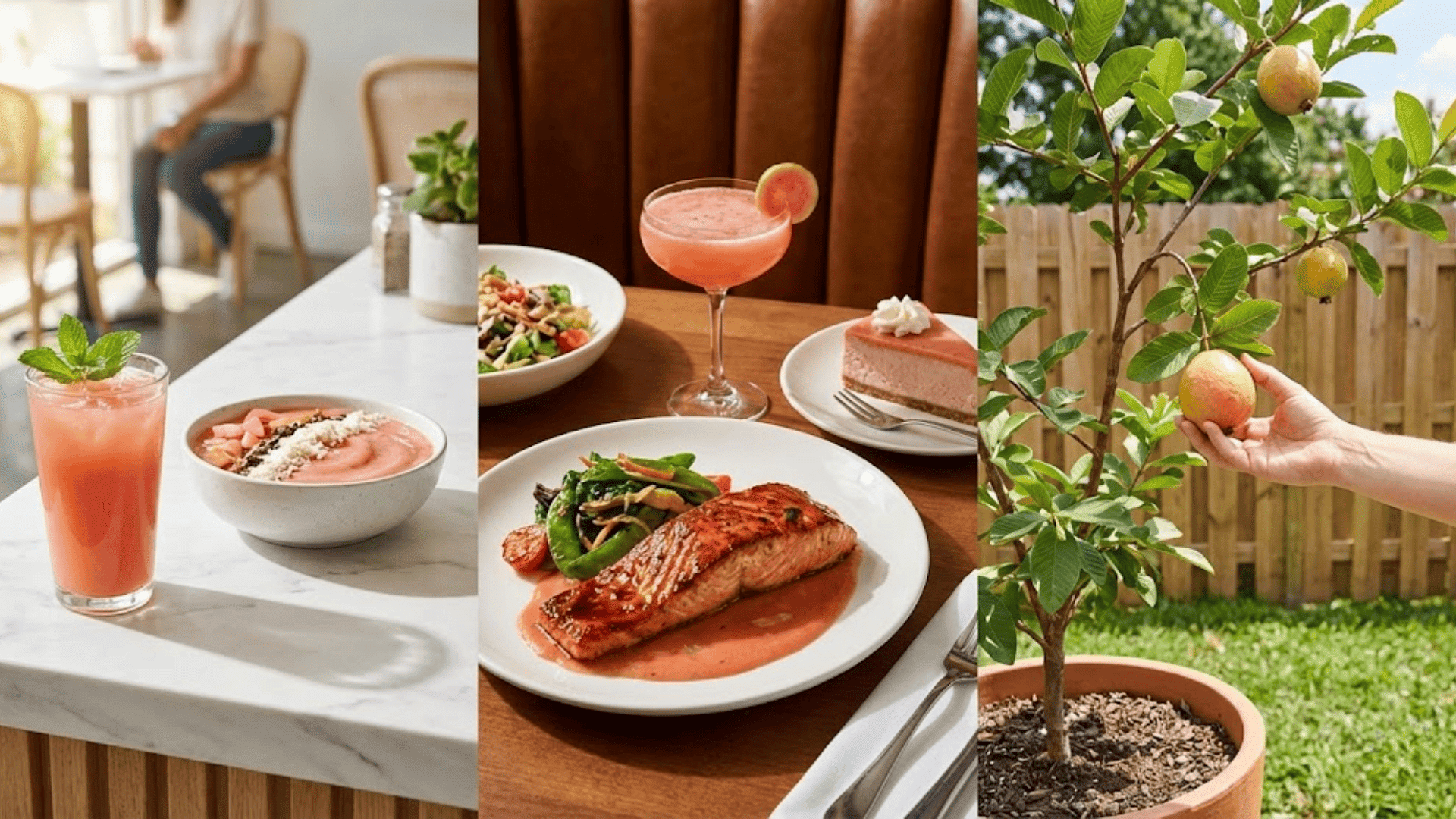
Guava isn’t just sitting pretty in the produce aisle anymore. It’s showing up in unexpected places, driven by shifting food trends and a growing appetite for tropical flavors beyond the ordinary.
1. Guava’s Rise in Beverages and Wellness Foods
Walk into any trendy café, and you’ll likely spot guava on the menu. Cold-pressed juices featuring pink guava are everywhere, often paired with ingredients like ginger or turmeric for added wellness appeal.
The guava beverage market is experiencing significant growth, with major companies expanding their guava portfolios. Smoothie bars are blending it into bowls and drinks, capitalizing on its sweetness and visual appeal.
The fruit checks multiple boxes for health-conscious consumers: high vitamin C, fiber-rich, and naturally low in calories.
2. Guava in Global and Fusion Cuisine
Chefs are getting creative with guava beyond traditional Latin American preparations. You’ll find it glazing grilled meats, folding into cheesecakes, and muddled into craft cocktails at upscale bars.
Guava puree is being used in innovative ways, with restaurants featuring it in fusion desserts and contemporary dishes.
Latin American food culture has always celebrated guava paste and fresh guava, but now that influence is crossing over into mainstream American and European cooking.
3. Growing Interest in Home Gardening and Specialty Fruits
Backyard gardeners are increasingly planting guava trees, especially in warmer areas. The global guava market is projected to grow significantly as people look for low-maintenance options that still yield impressive harvests.
Guava trees fit that bill perfectly, thriving in hot, dry conditions where other fruit trees struggle. Online plant nurseries report growing demand for specialty guava varieties, with strawberry guava and pineapple guava leading the pack.
The appeal goes beyond just the fruit: guava trees are compact, attractive, and start producing within a few years of planting.
How to Choose the Right Guava?
Picking the perfect guava comes down to knowing what you want to do with it and understanding a few simple visual cues that reveal ripeness and quality.
- Pink and red guavas are your best bet for sweetness, offering intense tropical flavor and natural sugar, while white varieties provide a milder taste.
- Choose white guavas for juicing and savory dishes where you want a subtle flavor, and pick pink guavas for smoothies and desserts that need a bold fruit presence.
- Ripe guavas yield slightly to gentle pressure, release a sweet floral aroma, and display yellow-green skin instead of bright green.
- Let unripe guavas sit at room temperature for 2-3 days to soften, then refrigerate them for up to a week once they reach peak ripeness.
- Lemon guava works beautifully in marinades and chutneys thanks to its citrus notes, while strawberry guava’s concentrated flavor makes exceptional jams.
Trust your senses when selecting guava. A fruit that smells fragrant and yields gently to pressure will reward you with the best eating experience, no matter how you plan to enjoy it.
That’s a Wrap
Now that you know the wonderful variety within the types of guava available, you’re ready to pick the perfect one for your needs.
Pink guavas bring that signature tropical sweetness, white varieties offer versatility in the kitchen, and specialty options like strawberry and lemon guava add unexpected twists to familiar recipes.
The next time you spot these jewel-toned fruits at the market or consider planting a tree in your backyard, you’ll know exactly what to look for.
Have a favorite guava variety or a recipe you swear by? Drop a comment below and share your guava love with fellow fruit enthusiasts.