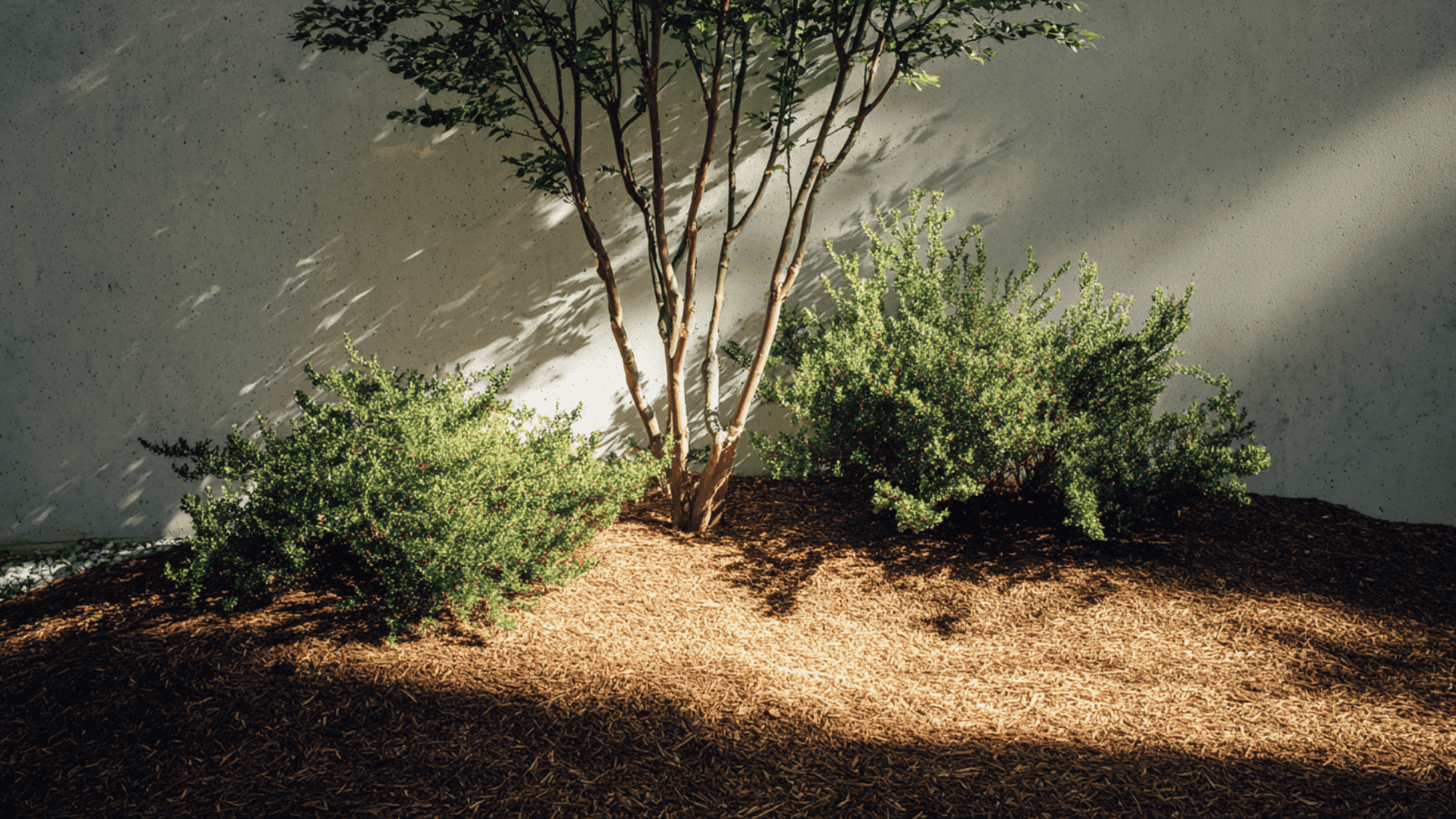
When people hear “shade,” they think nothing can grow there, but that’s not how it works. A lot of yards have pockets of low light, and if you understand them, you can still build something that looks good without fighting nature.
In this guide, I’ll break down how to read the light in your yard, which shrubs actually thrive in those conditions, and how to plant them so they settle in and keep going.
You’ll get simple steps, real problems to watch for, and easy ways to fix them. Let’s start by figuring out what kind of shade you’re dealing with.
Understanding Shade Levels Before Choosing Shrubs
Shade sounds simple, but it’s not. Plants treat light like fuel, so if you don’t know what kind of shade you’ve got, you’re basically planting blind.
The quick way to figure it out is the shadow test. Step outside around noon. If your shadow’s sharp, that’s the sun. If it’s soft, that’s shade. If it barely shows up, that’s deep shade.
Partial Shade (3–4 Hours Sun) – What Grows Best
This is the friendly zone. Morning sun, dappled light, that kind of thing. Shrubs like hydrangeas, azaleas, and gardenias do well here because they get enough light to bloom without getting cooked.
Full Shade (0–2 Hours Sun) – What Grows Best
Deep shade is calmer. Less light, fewer flowers. Go with shrubs that don’t mind the dark, like aucuba, yews, holly, or fatshedera. They give you structure instead of big blooms.
Dry Shade vs. Moist Shade Considerations
Under trees? That’s dry shade. Tree roots steal the water, so pick tougher shrubs like aucuba or certain hollies. Low spots that stay damp count as moist shade, and plants like dogwood or sweetspire are way happier there.
Different Kinds of Shade-Loving Shrubs
Shaded spots don’t have to look empty. These shrubs handle low light and help you build color, structure, and texture in hard-to-fill areas.
Flowering Shade Shrubs
These shrubs bring color into dim areas where most plants won’t bloom. They work well in filtered or morning light and brighten up shaded beds.
1. Hydrangea macrophylla (Bigleaf Hydrangea)
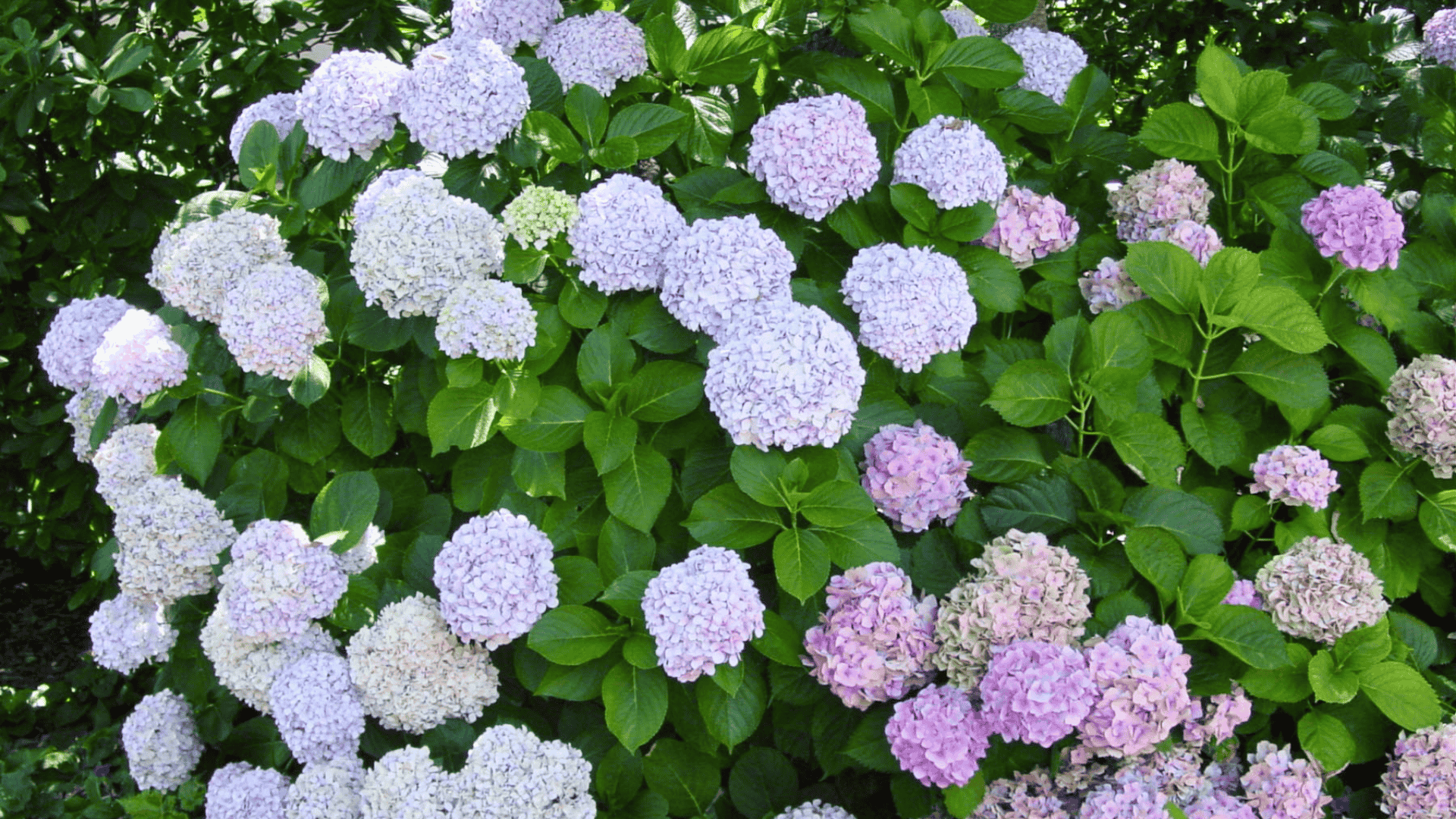
- Light Needs: Partial shade; morning sun works well
- Height & Spread: 3–6 ft tall; 4–6 ft wide
- Why It Works in Shade: Holds bloom color with low light; grows well in filtered shade
- Best Uses: Borders, Accent plant, Cottage-style shade beds
- Soil & Water: Moist, acidic soil; needs steady watering
- Care Level: Medium; prune lightly based on variety
- Zones: 5–9
- Companion Plants: Hostas, Ferns
2. Rhododendron catawbiense (Catawba Rhododendron)
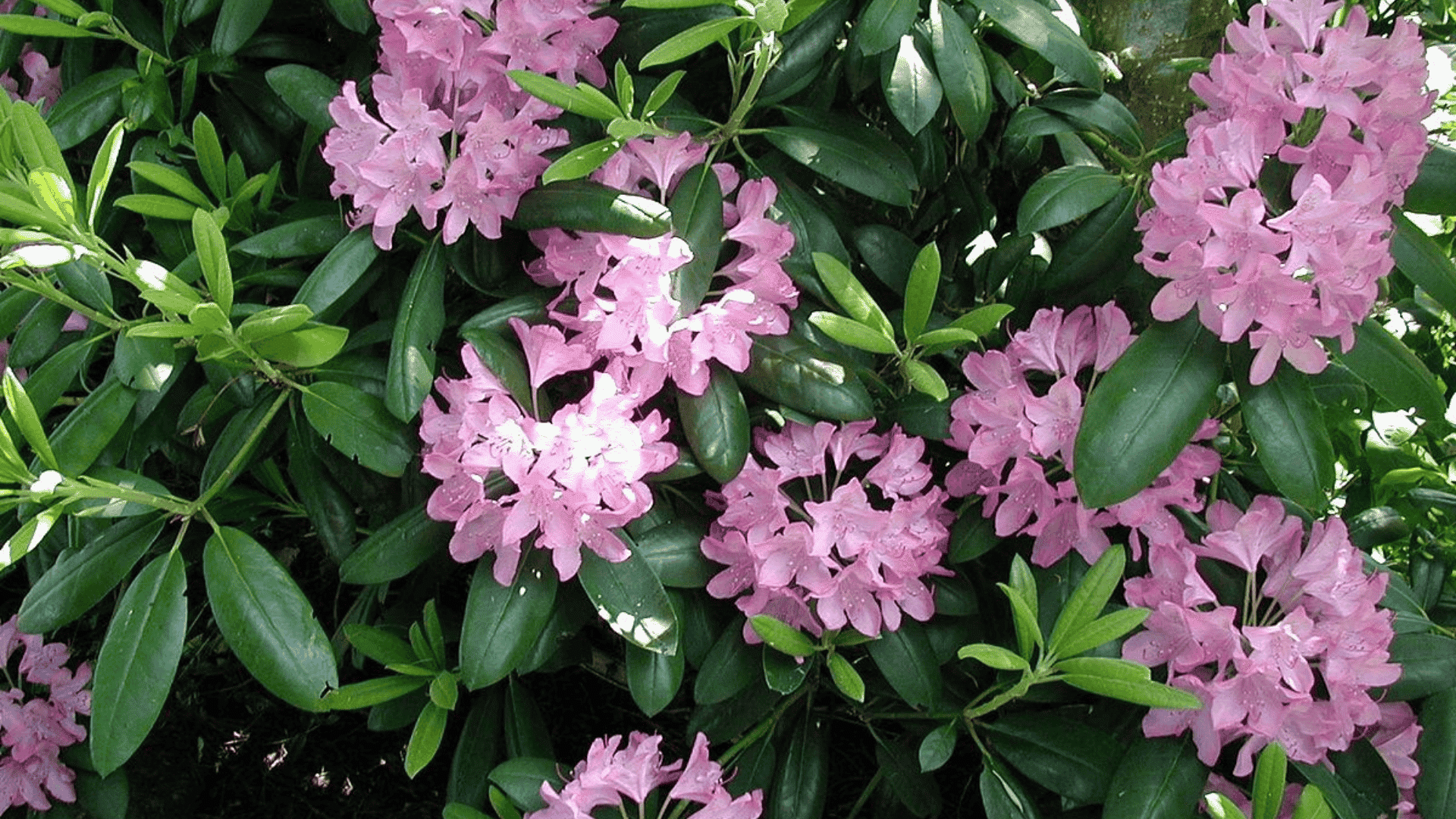
- Light Needs: Partial shade; avoid hot afternoon sun
- Height & Spread: 6–10 ft tall; 4–8 ft wide
- Why It Works in Shade: Prefers cool, filtered light and acidic soil; dense foliage handles low light well
- Best Uses: Foundation planting, Woodland edges, Screening
- Soil & Water: Moist, acidic, well-drained soil
- Care Level: Medium; mulch helps roots stay cool
- Zones: 4–8
- Companion Plants: Azaleas, Mountain laurel
3. Camellia japonica (Japanese Camellia)
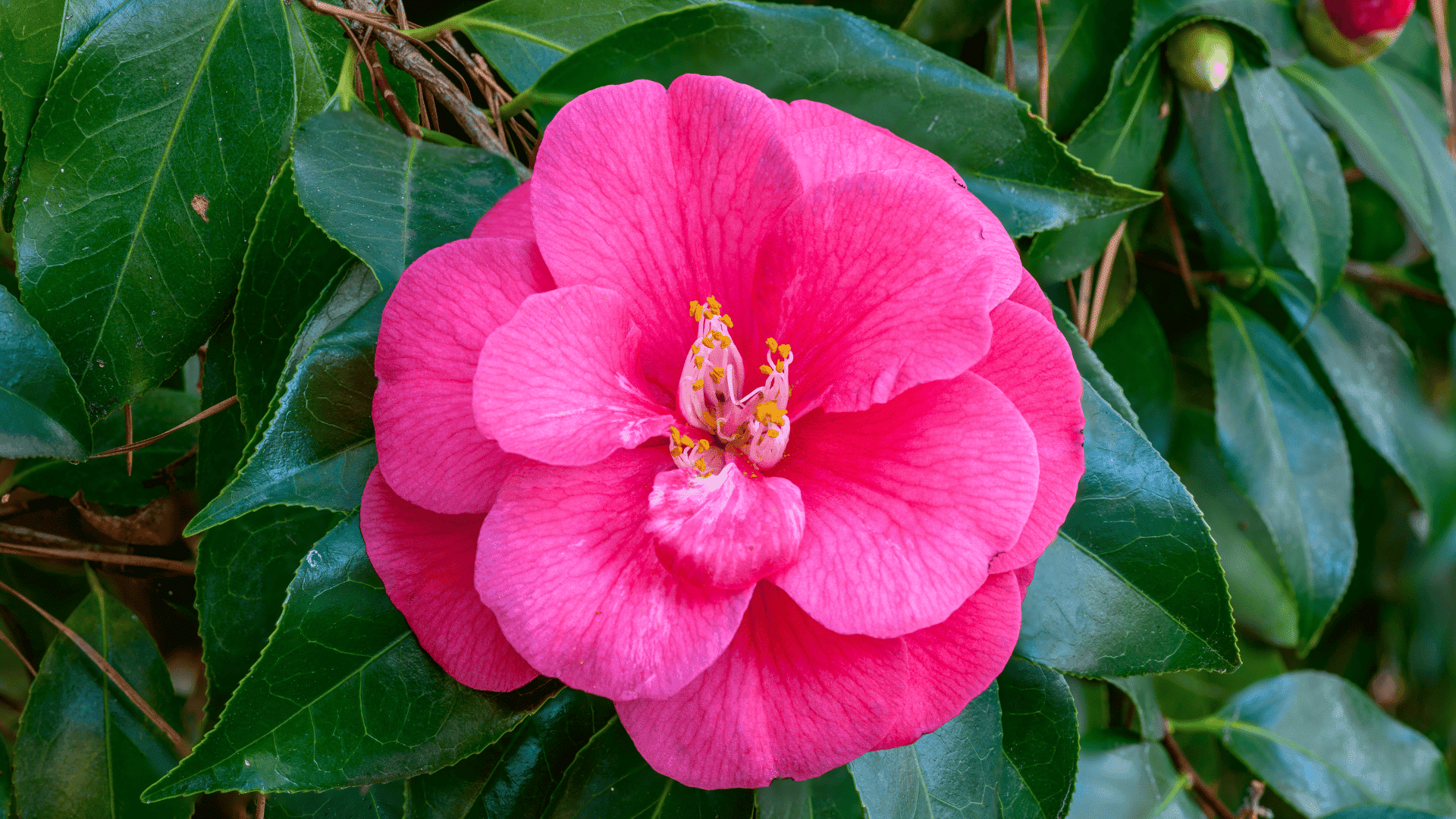
- Light Needs: Partial shade; thrives with morning sun and afternoon shade
- Height & Spread: 6–12 ft tall; 6–10 ft wide
- Why It Works in Shade: Evergreen leaves stay glossy in low light; blooms well in protected shade
- Best Uses: Foundation planting, Courtyard gardens, Shade borders
- Soil & Water: Moist, acidic soil; dislikes soggy conditions
- Care Level: Medium; protect from cold winds
- Zones: 7–9
- Companion Plants: Azaleas, Pieris
4. Kerria japonica (Japanese Kerria)
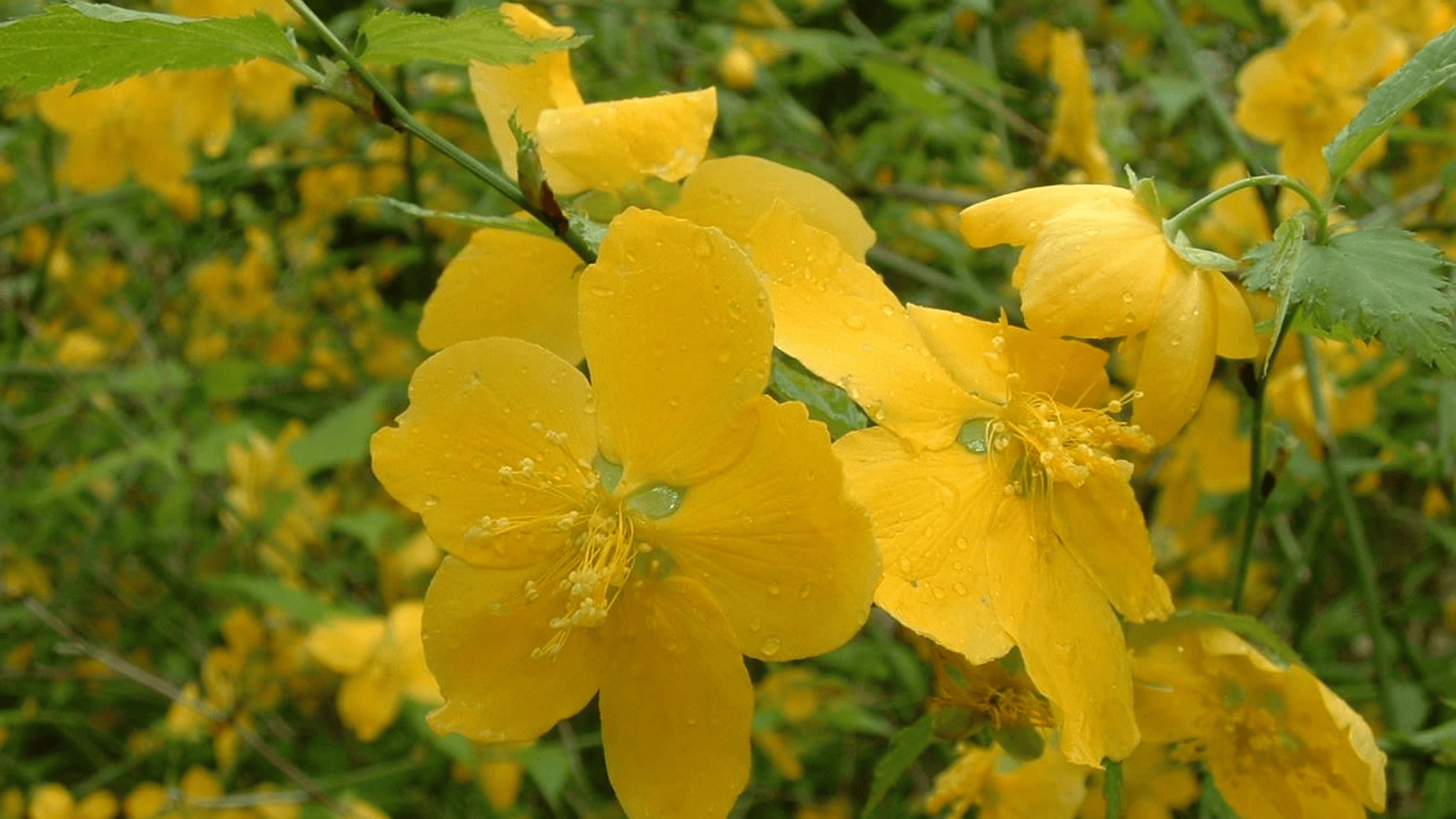
- Light Needs: Partial to full shade; blooms well even in deeper shade
- Height & Spread: 3–5 ft tall; 3–6 ft wide
- Why It Works in Shade: Bright yellow flowers stand out in dim areas; tolerates woodland shade
- Best Uses: Woodland beds, Mass planting, Accent shrub
- Soil & Water: Average soil; prefers consistent moisture
- Care Level: Low; prune after flowering
- Zones: 4–9
- Companion Plants: Ferns, Hostas
Evergreen Shrubs for Shade
Evergreen picks keep their leaves all year, so your shaded spots never look empty. Great for structure, privacy, and consistent color.
5. Aucuba japonica (Japanese Laurel)
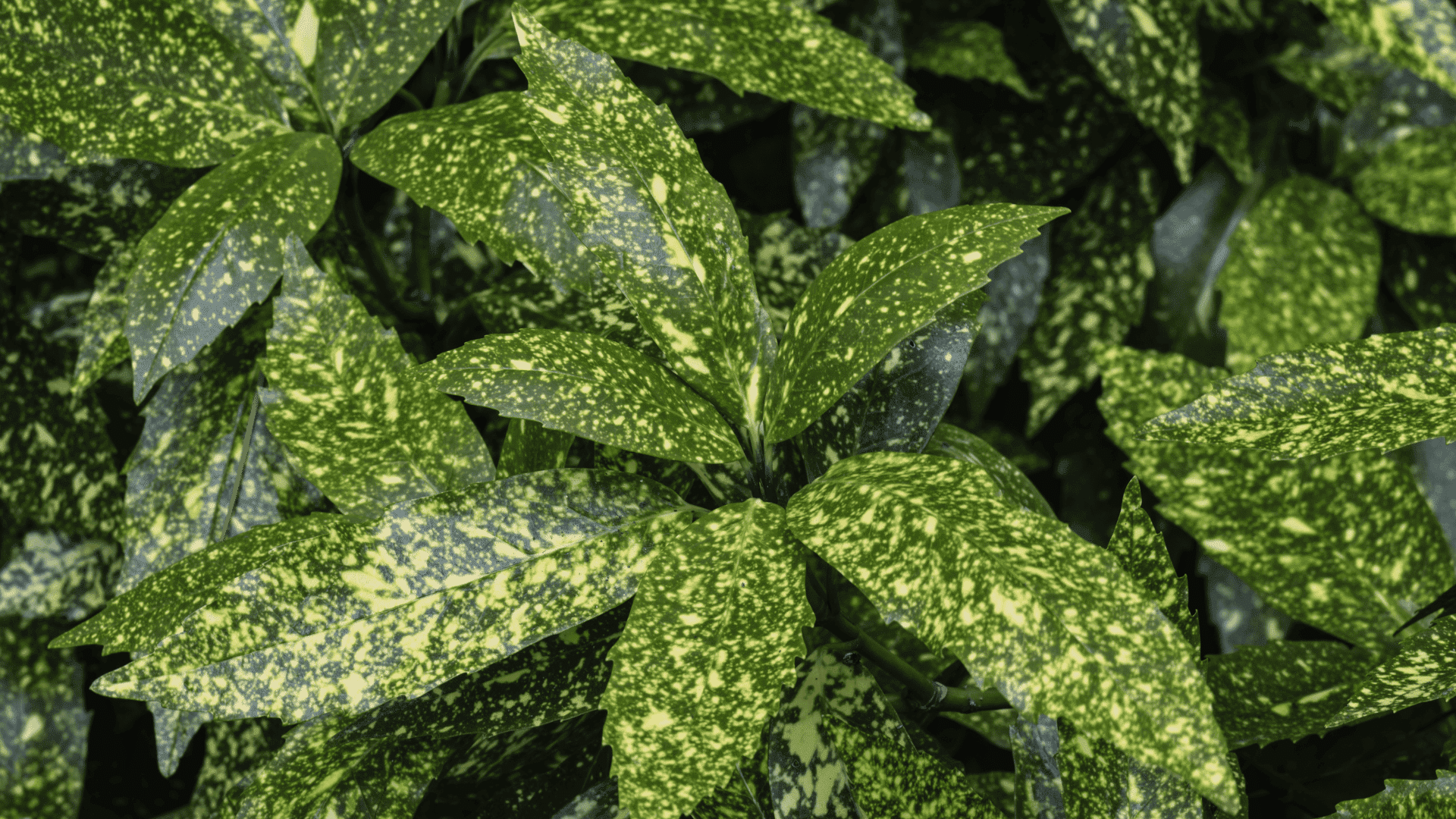
- Light Needs: Full shade to partial shade; one of the best shrubs for deep shade
- Height & Spread: 4–8 ft tall; 4–6 ft wide
- Why It Works in Shade: Thick, glossy leaves handle low light; thrives where many shrubs fail
- Best Uses: Foundation planting, Woodland beds, Shady corners
- Soil & Water: Prefers moist, well-drained soil; tolerates dry shade once established
- Care Level: Low; very forgiving
- Zones: 6–10
- Companion Plants: Hostas, Ferns
6. Buxus microphylla (Littleleaf Boxwood)
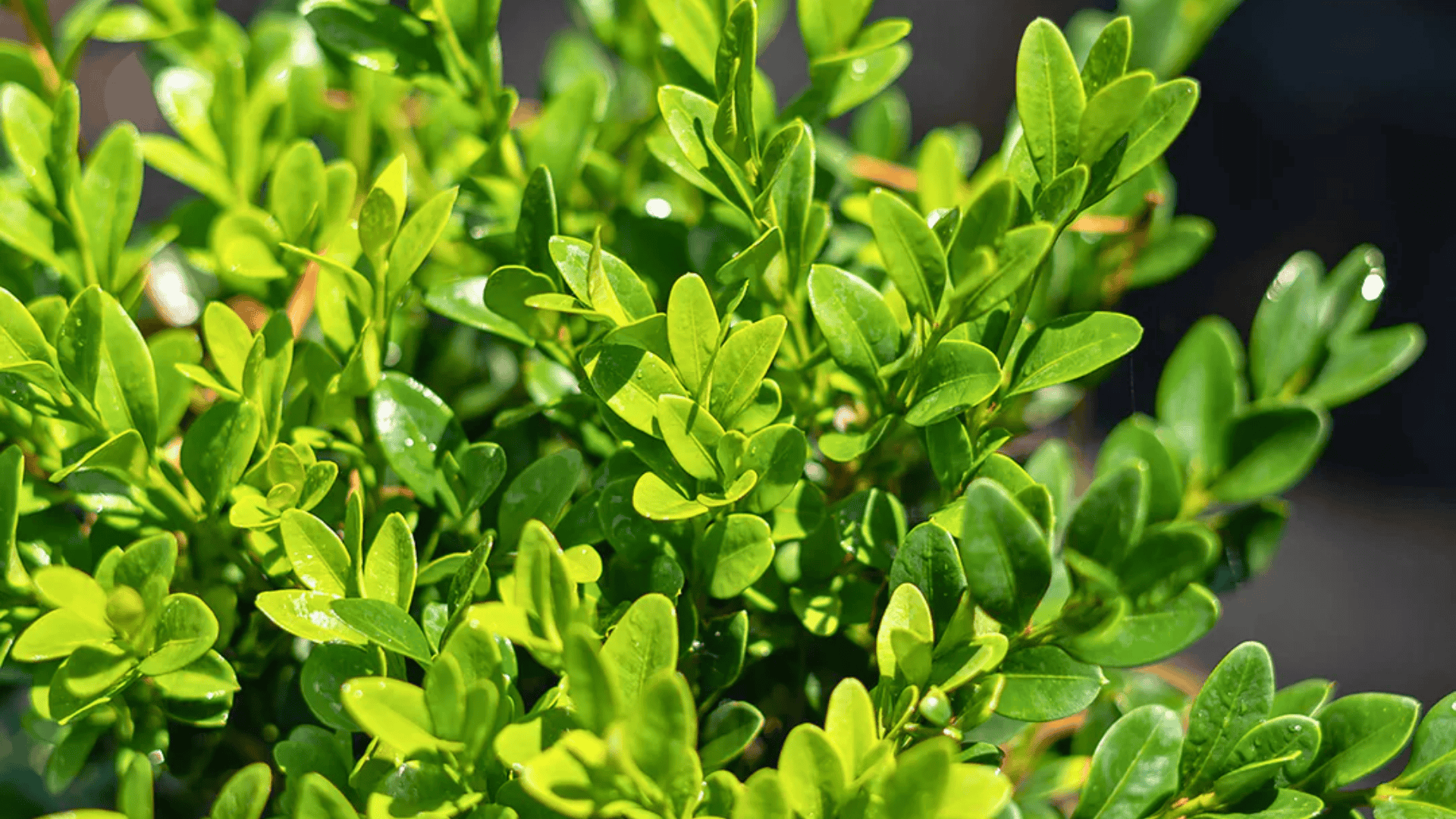
- Light Needs: Partial shade; tolerates filtered light well
- Height & Spread: 2–4 ft tall; 2–4 ft wide
- Why It Works in Shade: Dense evergreen foliage stays full in lower light; great structure plant
- Best Uses: Low hedges, Borders, Formal shade gardens
- Soil & Water: Well-drained soil; moderate moisture
- Care Level: Low; shape lightly as needed
- Zones: 5–9
- Companion Plants: Hydrangeas, Hellebores
7. Sarcococca confusa (Sweet Box)
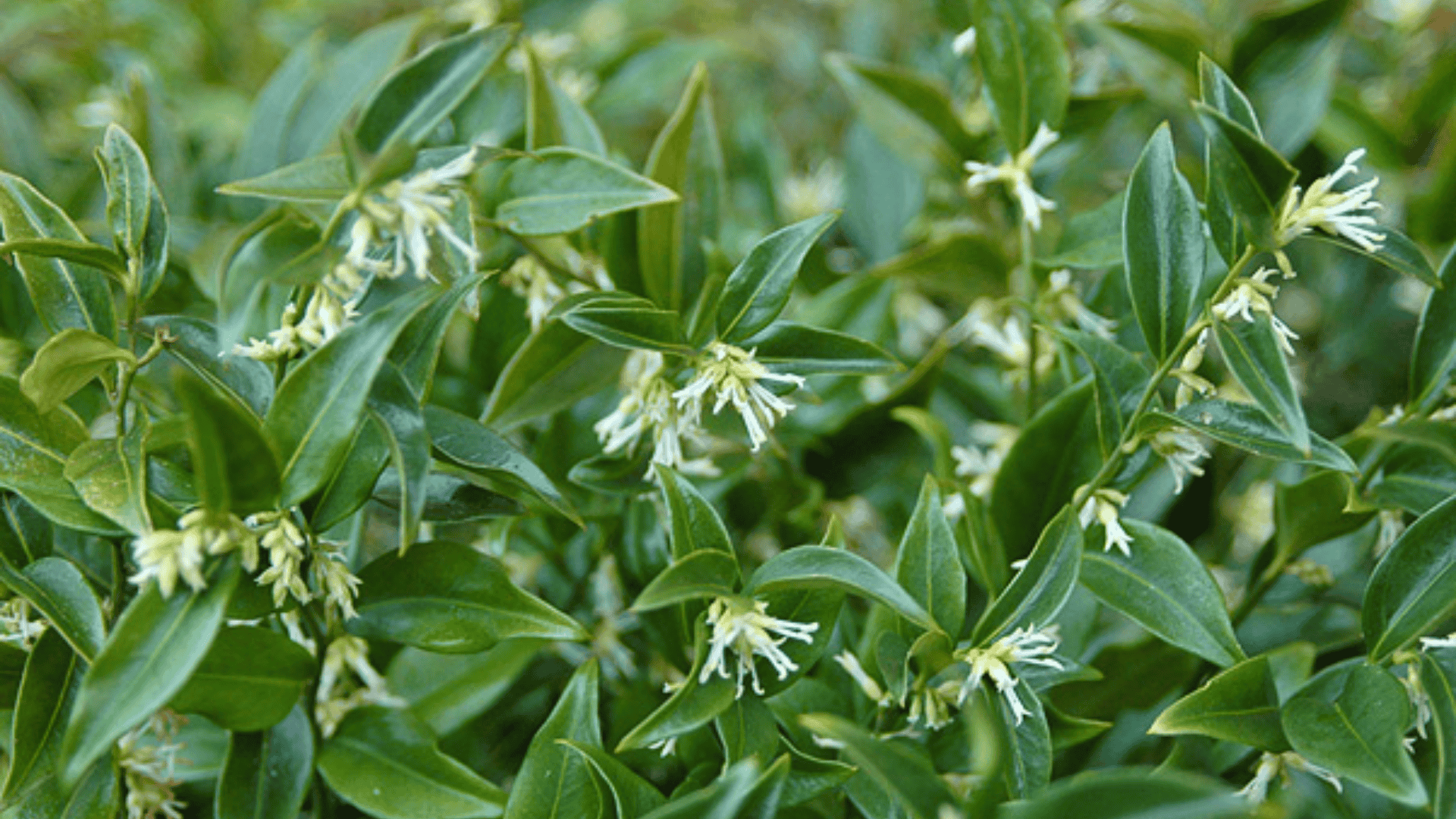
- Light Needs: Partial to full shade; ideal for areas with very little sun
- Height & Spread: 3–5 ft tall; 3–5 ft wide
- Why It Works in Shade: Evergreen leaves stay glossy; produces fragrant winter blooms even in dim spaces
- Best Uses: Entryways, Shaded walkways, Woodland plantings
- Soil & Water: Moist, well-drained soil; tolerates dry shade once mature
- Care Level: Low; minimal pruning
- Zones: 6–9
- Companion Plants: Ferns, Pieris
8. Osmanthus heterophyllus (False Holly)
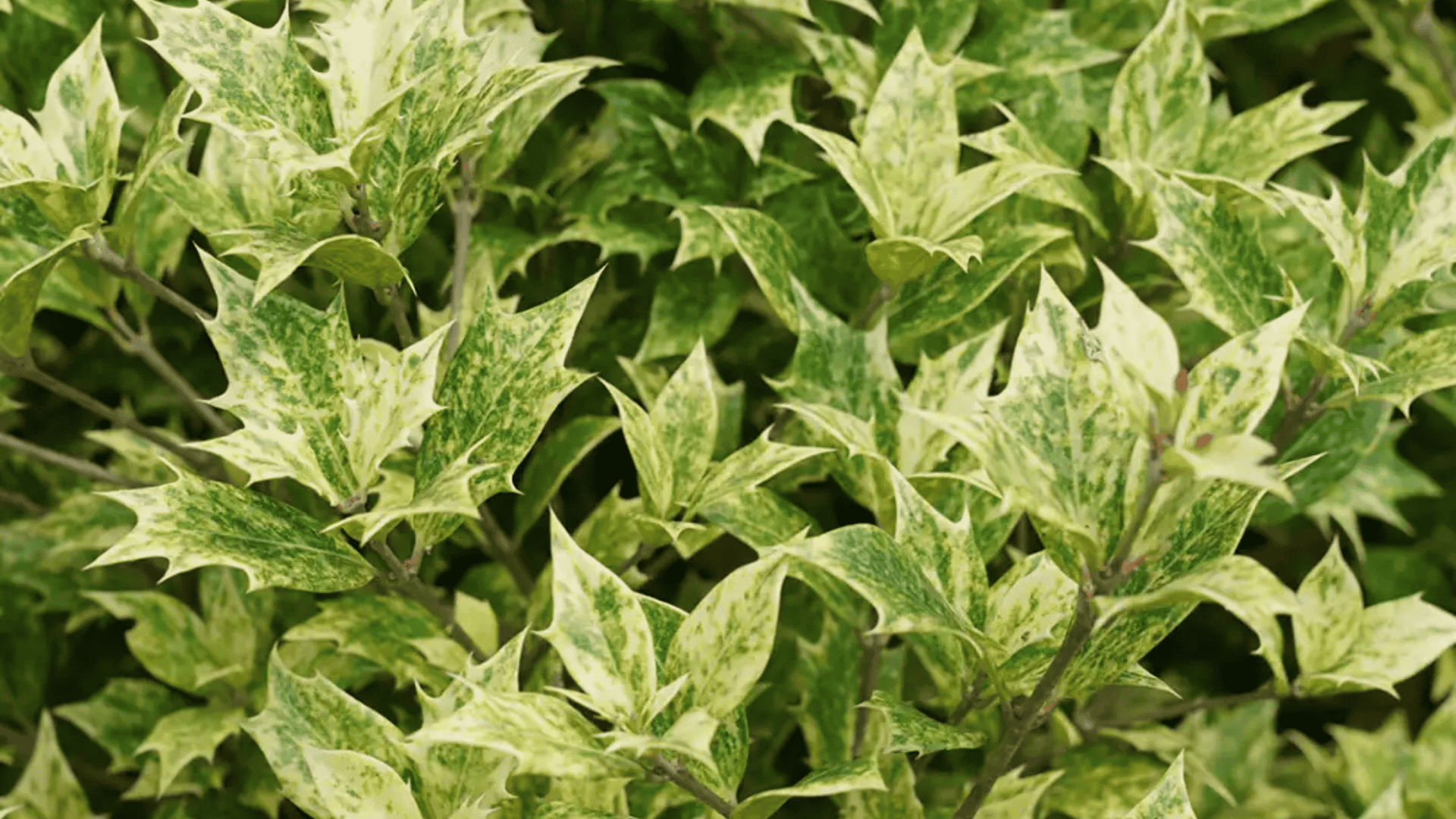
- Light Needs: Partial shade; morning sun and afternoon shade ideal
- Height & Spread: 6–10 ft tall; 4–8 ft wide
- Why It Works in Shade: Dense, spiny foliage keeps structure; produces fragrant fall blooms
- Best Uses: Screening, Foundation planting, Shaded hedges
- Soil & Water: Moderately moist, well-drained soil
- Care Level: Medium; grows slowly but needs little maintenance
- Zones: 6–9
- Companion Plants: Camellias, Rhododendrons
Deep Shade Shrubs
These choices handle very low light, including heavy tree cover. They’re ideal for areas where most plants struggle.
9. Mahonia aquifolium (Oregon Grape Holly)
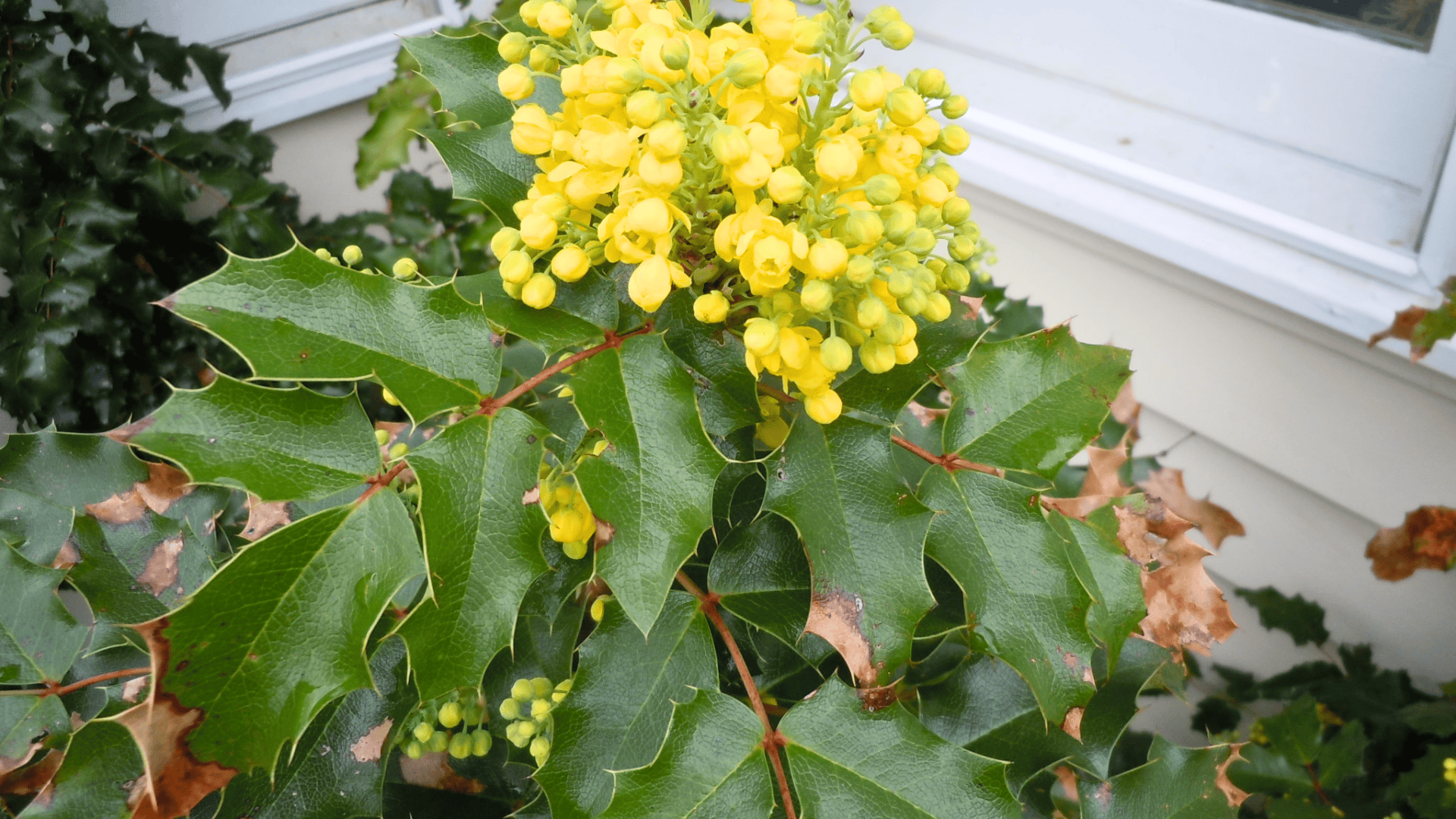
- Light Needs: Full shade to partial shade; thrives under dense tree cover
- Height & Spread: 3–6 ft tall; 3–5 ft wide
- Why It Works in Shade: Evergreen leaves handle low light; yellow spring flowers and blue berries add color in dim areas
- Best Uses: Woodland beds, Naturalized areas, Shady borders
- Soil & Water: Moist, well-drained soil; tolerates dry shade once mature
- Care Level: Low; very hardy
- Zones: 5–9
- Companion Plants: Ferns, Hellebores
10. Skimmia japonica (Skimmia)
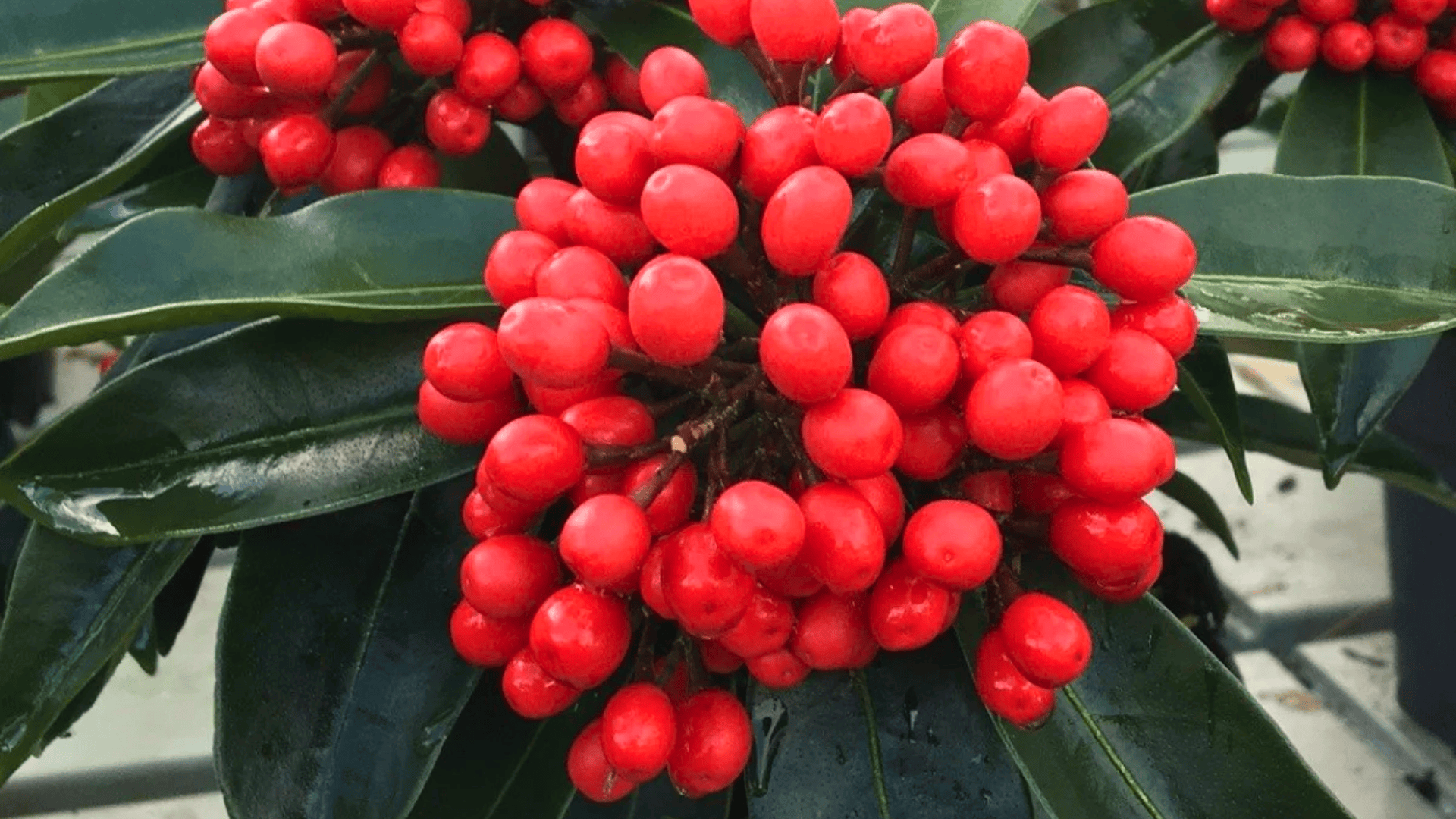
- Light Needs: Full shade to partial shade; flowers and berries form best with some filtered light
- Height & Spread: 3–4 ft tall; 3–5 ft wide
- Why It Works in Shade: Dense evergreen leaves stay bright; produces fragrant blooms and colorful berries in low light
- Best Uses: Entryways, Foundation beds, Shaded patios
- Soil & Water: Moist, acidic soil; dislikes alkaline conditions
- Care Level: Medium; needs consistent soil moisture
- Zones: 6–8
- Companion Plants: Azaleas, Camellias
11. Fatsia japonica (Japanese Aralia)
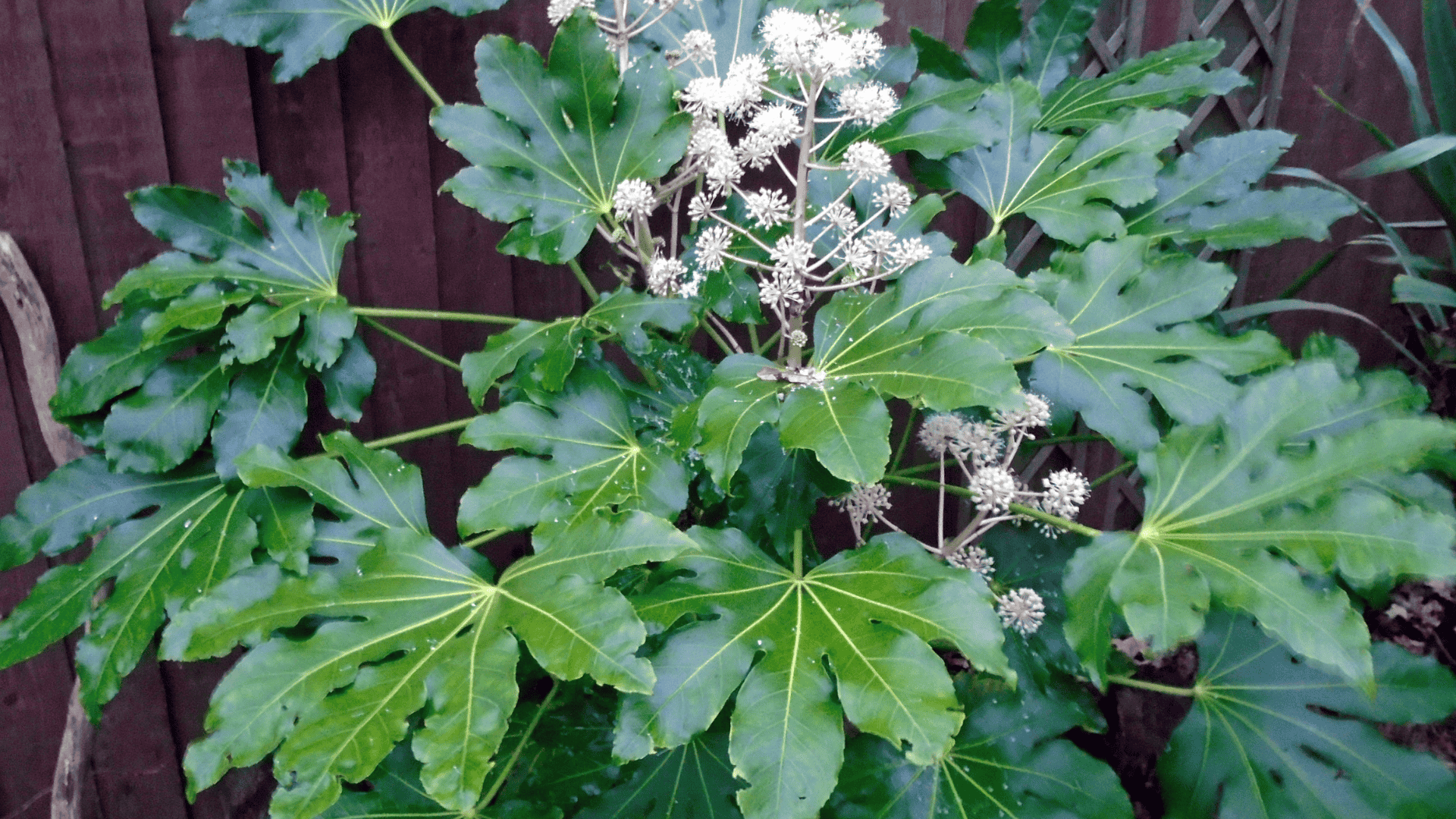
- Light Needs: Full shade to partial shade; performs best in protected shade
- Height & Spread: 5–8 ft tall; 5–8 ft wide
- Why It Works in Shade: Large tropical-looking leaves brighten dim corners; thrives where many shrubs struggle
- Best Uses: Shady patios, Tropical-style beds, Foundation planting
- Soil & Water: Moist, rich soil; keep evenly watered
- Care Level: Medium; protect from harsh winter winds
- Zones: 7–10
- Companion Plants: Ferns, Hostas
12. Ilex crenata (Japanese Holly)
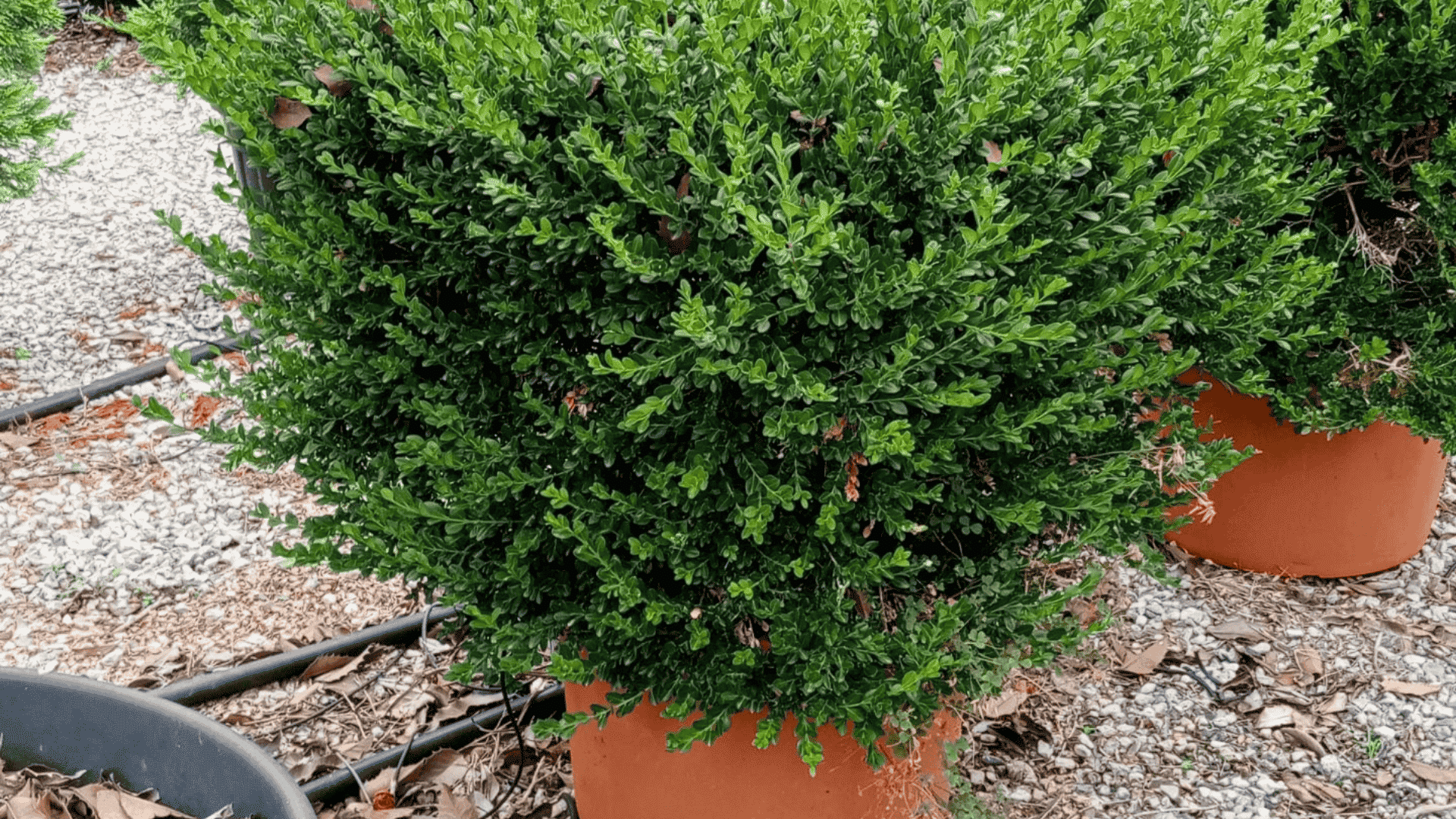
- Light Needs: Full shade to partial shade; tolerates dense shade better than most hollies
- Height & Spread: 4–10 ft tall; 4–8 ft wide
- Why It Works in Shade: Small evergreen leaves stay compact; great structure plant for dim spots
- Best Uses: Hedges, Screening, Foundation planting
- Soil & Water: Moist, well-drained soil; prefers acidic to neutral soil
- Care Level: Low; easy to shape
- Zones: 5–8
- Companion Plants: Boxwood, Camellia
Native Shrubs for Shade
Native shrubs adapt easily to local soil and light conditions. They support wildlife and stay healthy with minimal attention.
13. Viburnum dentatum (Arrowwood Viburnum)
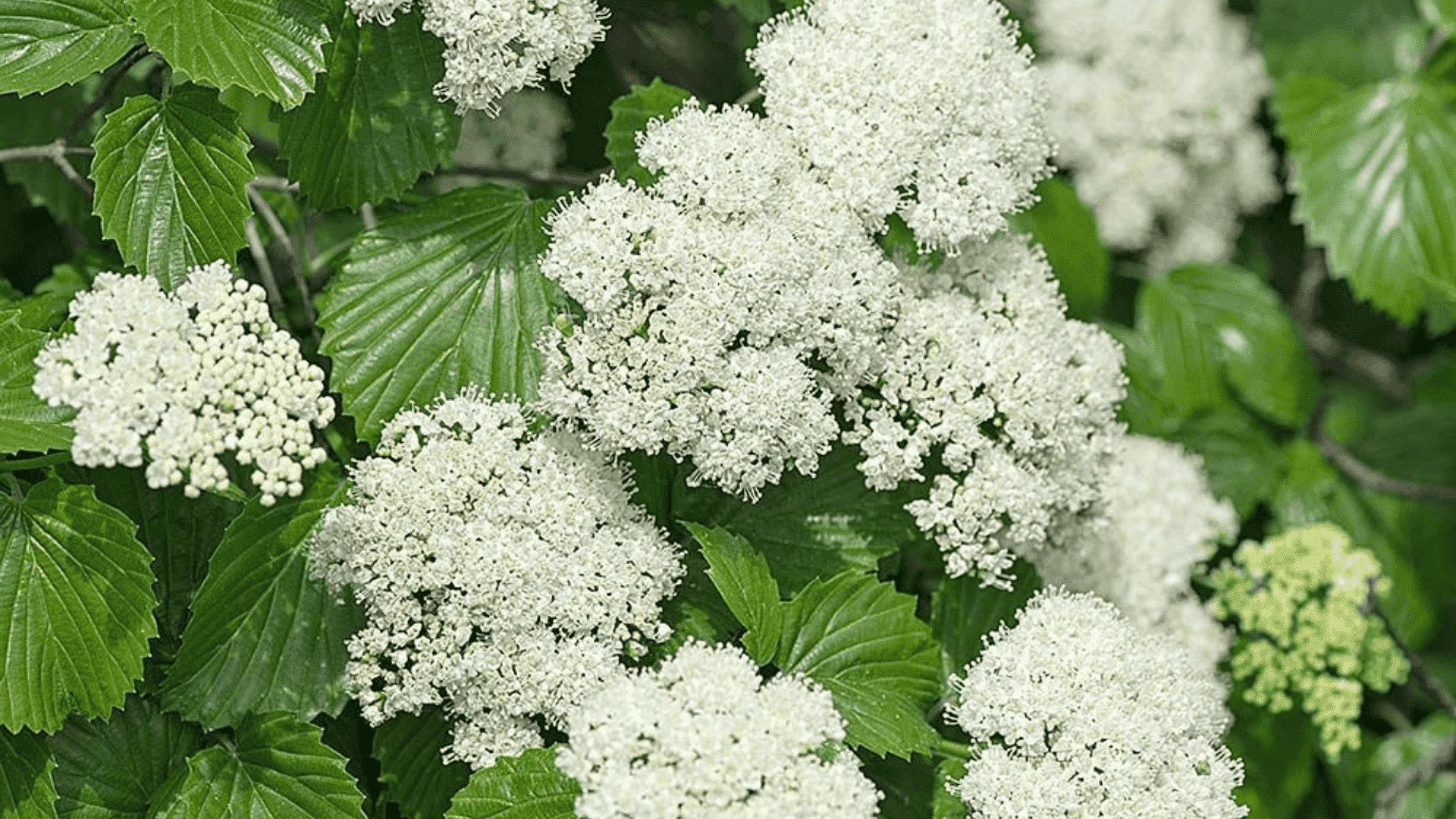
- Light Needs: Partial shade; handles light woodland shade well
- Height & Spread: 6–10 ft tall; 4–8 ft wide
- Why It Works in Shade: Adaptable and tough; produces white spring blooms and fall berries even with limited light
- Best Uses: Screening, Wildlife gardens, Naturalized areas
- Soil & Water: Moist to average soil; tolerates clay
- Care Level: Low; very resilient
- Zones: 3–8
- Companion Plants: Dogwoods, Elderberry
14. Rubus parviflorus (Thimbleberry)
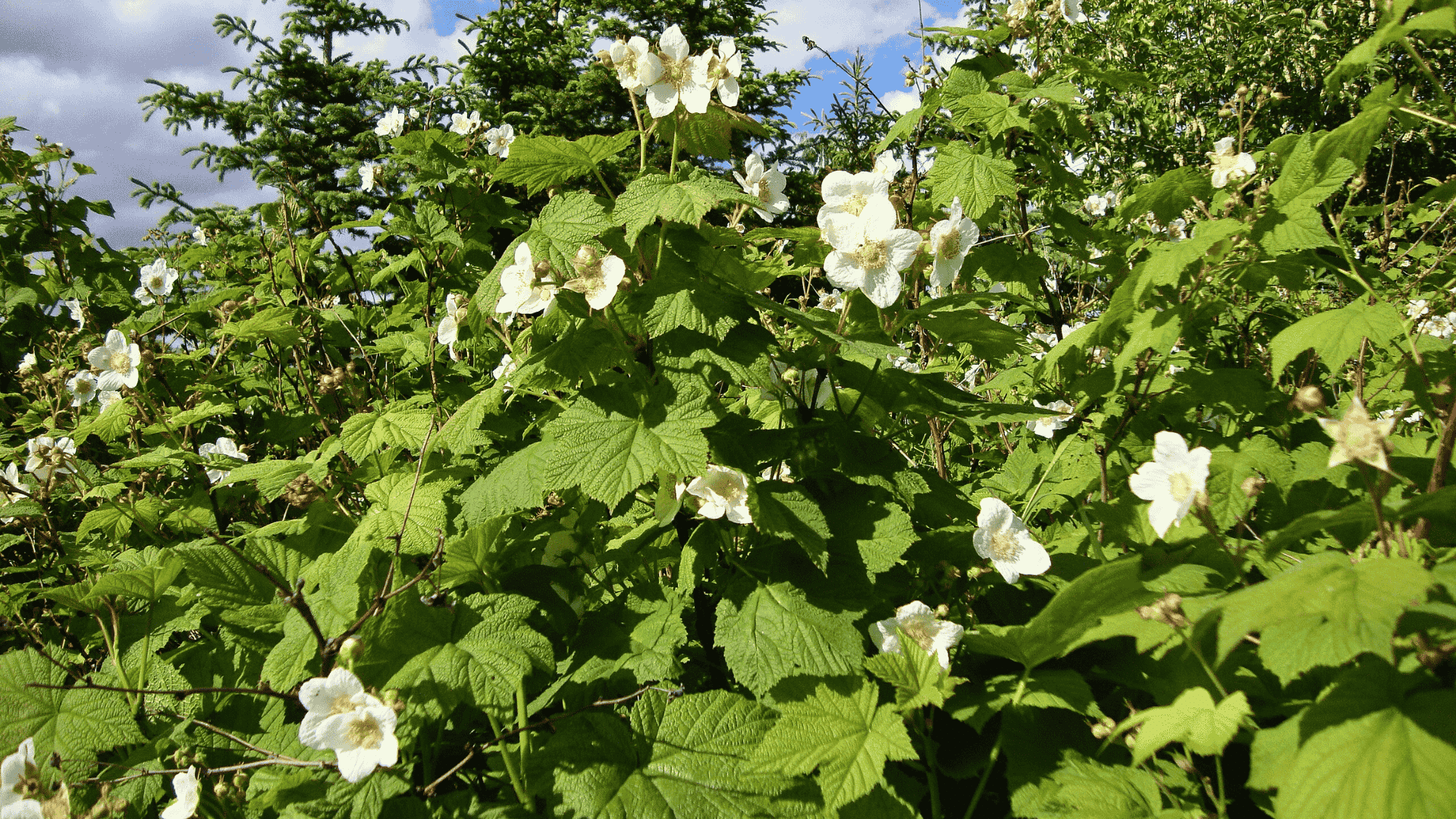
- Light Needs: Partial shade; grows well at woodland edges
- Height & Spread: 4–8 ft tall; 4–8 ft wide
- Why It Works in Shade: Large soft leaves thrive with filtered light; produces white flowers and edible berries
- Best Uses: Naturalized beds, Wildlife plantings, Woodland gardens
- Soil & Water: Moist, rich soil; prefers consistent watering
- Care Level: Medium; spreads by suckers
- Zones: 3–7
- Companion Plants: Ferns, Serviceberry
15. Gaylussacia baccata (Black Huckleberry)
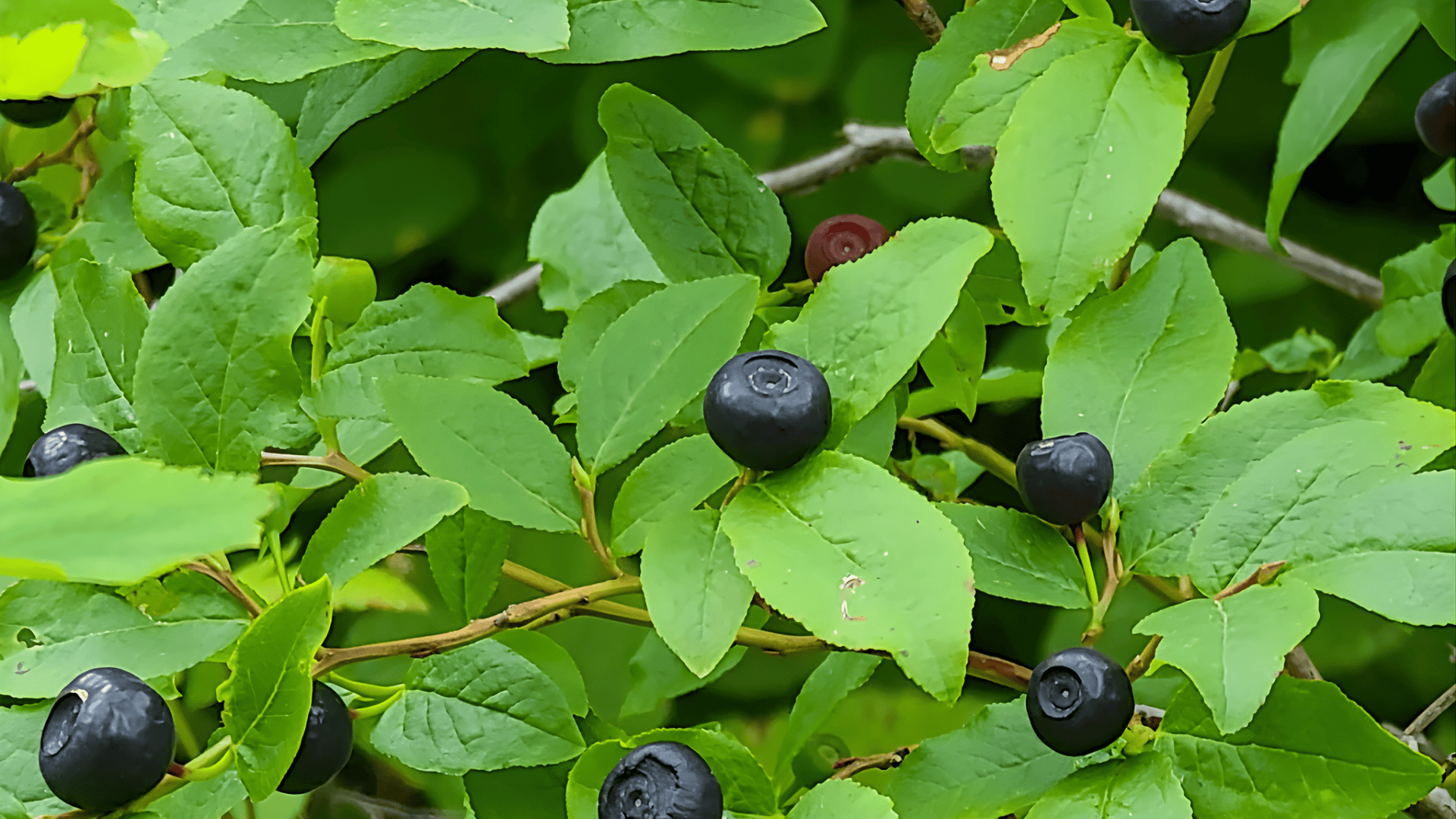
- Light Needs: Partial shade; handles dappled woodland shade
- Height & Spread: 1–3 ft tall; 2–4 ft wide
- Why It Works in Shade: Low-growing native that fruits reliably with filtered light
- Best Uses: Woodland edges, Naturalized areas, Wildlife gardens
- Soil & Water: Acidic, sandy, or rocky soil; drought-tolerant once established
- Care Level: Low; very hardy
- Zones: 3–6
- Companion Plants: Blueberry, Mountain laurel
16. Aronia melanocarpa (Black Chokeberry)
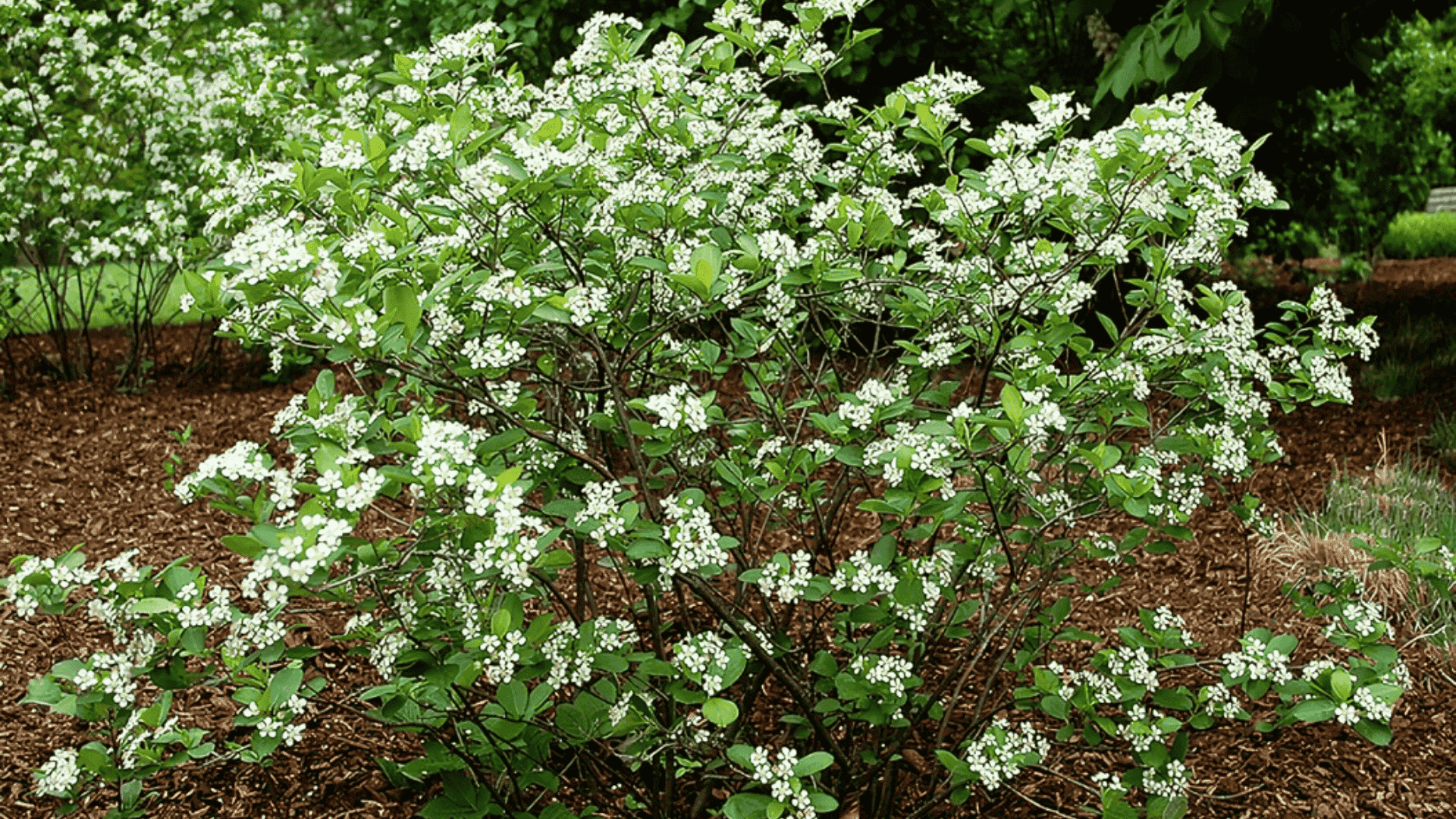
- Light Needs: Partial shade; tolerates morning sun with afternoon shade
- Height & Spread: 3–6 ft tall; 3–6 ft wide
- Why It Works in Shade: Spring flowers, dark berries, and red fall color all appear even in lower light
- Best Uses: Borders, Wildlife gardens, Mass planting
- Soil & Water: Moist to average soil; tolerates wet conditions
- Care Level: Low; tough and adaptable
- Zones: 3–8
- Companion Plants: Viburnums, Dogwoods
Shrubs for Moist or Wet Shade
Perfect for spots that stay damp or have poor drainage. These shrubs don’t mind wet feet and stay reliable in soggy soil.
17. Itea virginica (Virginia Sweetspire)
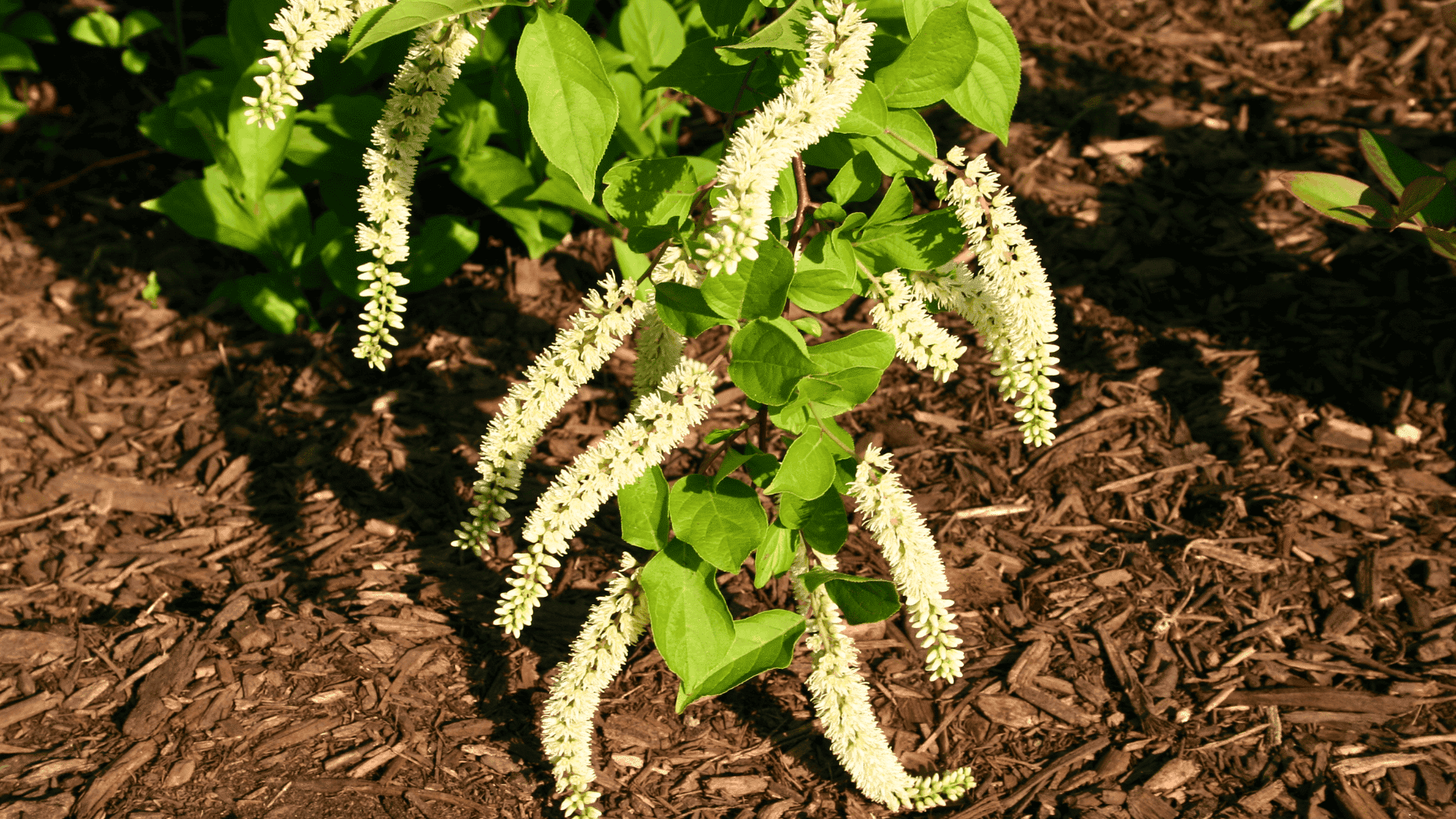
- Light Needs: Partial shade; tolerates full shade but blooms best with some filtered sun
- Height & Spread: 3–5 ft tall; 3–6 ft wide
- Why It Works in Shade: Handles wet soil easily; produces fragrant white flower spikes even in dim areas
- Best Uses: Rain gardens, Borders, Woodland beds
- Soil & Water: Moist to wet soil; thrives in boggy conditions
- Care Level: Low; minimal pruning
- Zones: 5–9
- Companion Plants: Clethra, Ferns
18. Cephalanthus occidentalis (Buttonbush)
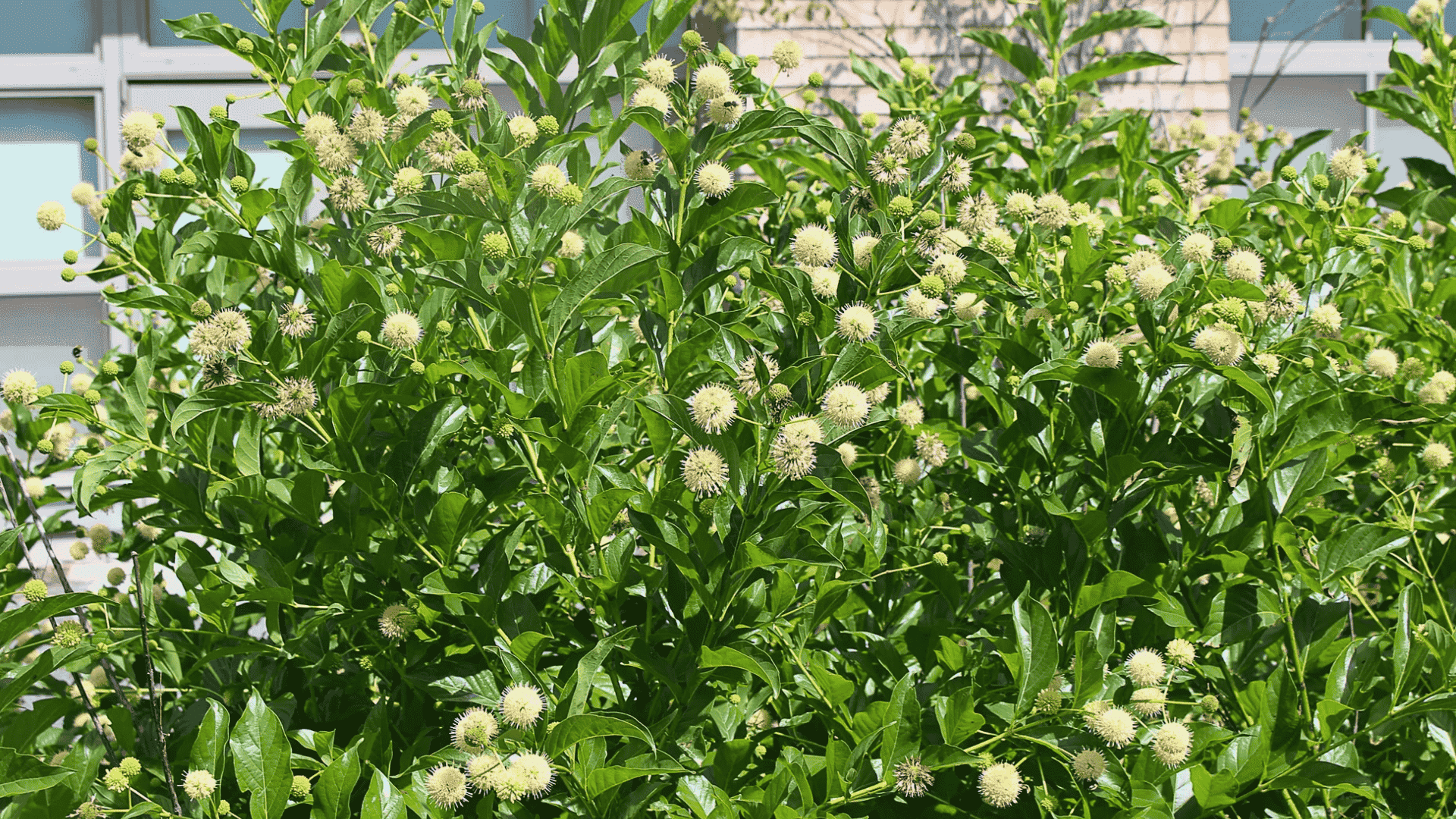
- Light Needs: Partial shade; grows in full sun but does well with light shade
- Height & Spread: 5–12 ft tall; 4–8 ft wide
- Why It Works in Shade: Naturally grows near wetlands; spherical flowers attract pollinators even in low light
- Best Uses: Pond edges, Wetland gardens, Wildlife plantings
- Soil & Water: Wet to consistently moist soil; tolerates standing water
- Care Level: Low; thrives with little attention
- Zones: 4–10
- Companion Plants: Dogwoods, Swamp milkweed
19. Cornus sericea (Red-Twig Dogwood)
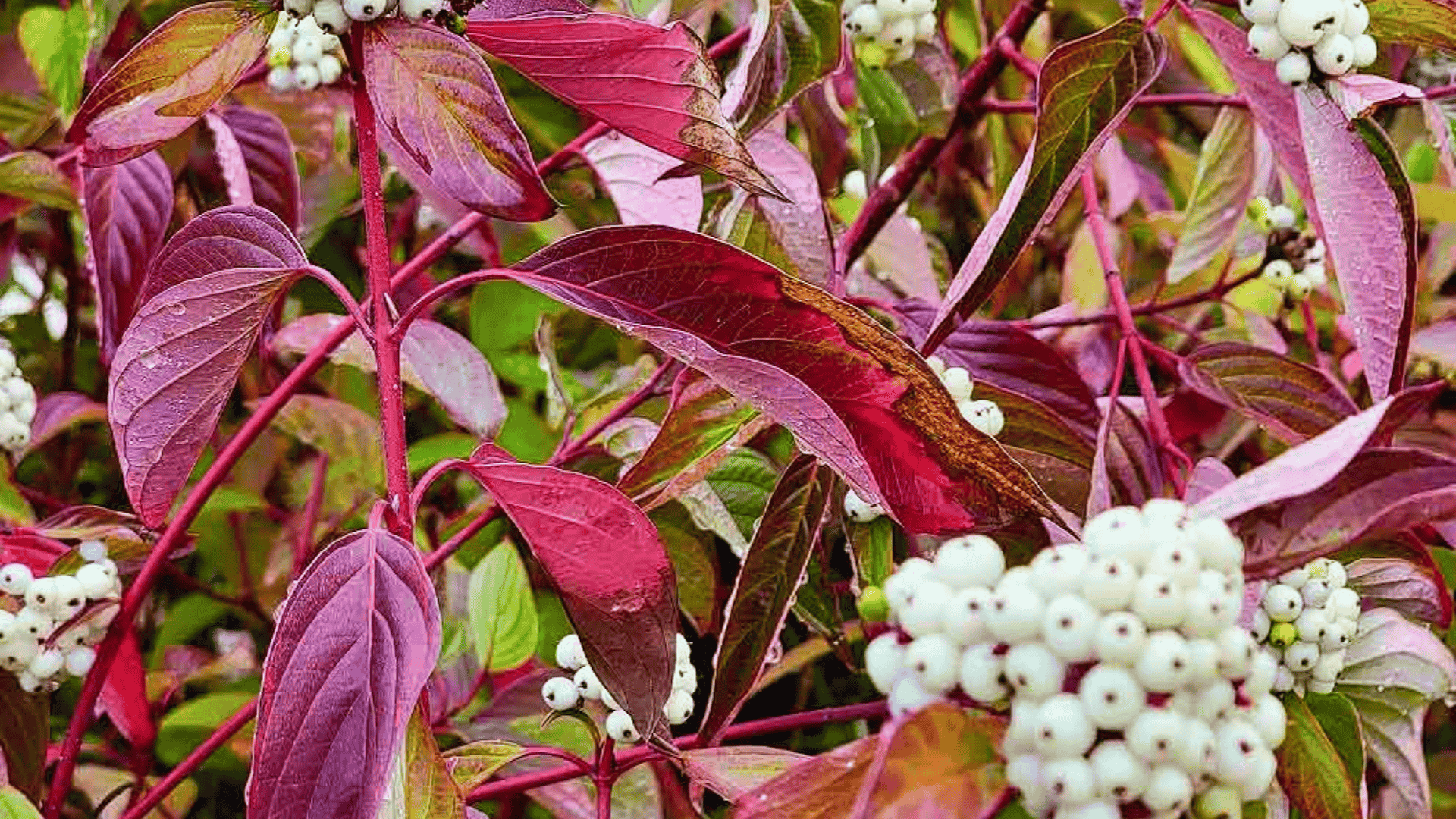
- Light Needs: Partial shade; tolerates full shade
- Height & Spread: 6–9 ft tall; 5–9 ft wide
- Why It Works in Shade: Bright red stems add winter color; handles wet soils and low light easily
- Best Uses: Screening, Winter interest beds, Rain gardens
- Soil & Water: Moist to wet soil; tolerates periodic flooding
- Care Level: Medium; prune older stems to keep color vivid
- Zones: 2–7
- Companion Plants: Viburnum, Willow
20. Clethra alnifolia (Summersweet Clethra)
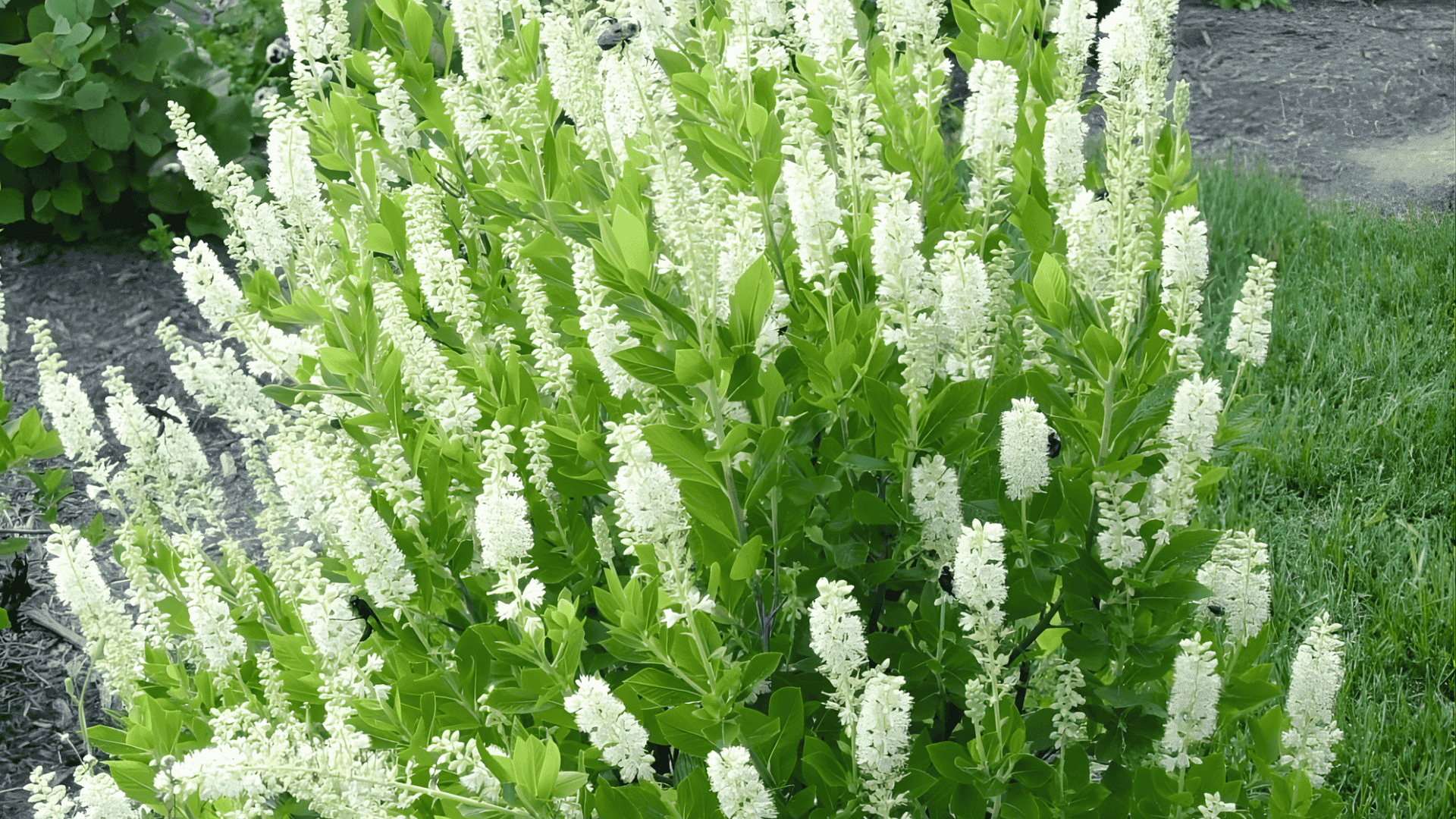
- Light Needs: Partial shade; blooms reliably with limited sun
- Height & Spread: 3–8 ft tall; 3–6 ft wide
- Why It Works in Shade: Fragrant summer flowers form even in shaded gardens; thrives in moist soil
- Best Uses: Shady borders, Foundation planting, Wet areas
- Soil & Water: Moist, acidic soil; dislikes drought
- Care Level: Low; very reliable bloomer
- Zones: 4–9
- Companion Plants: Hydrangeas, Ferns
Shrubs for Dry Shade
Dry shade is one of the toughest growing conditions, but these shrubs tolerate tree roots and limited moisture without declining.
21. Cotoneaster horizontalis (Rock Cotoneaster)
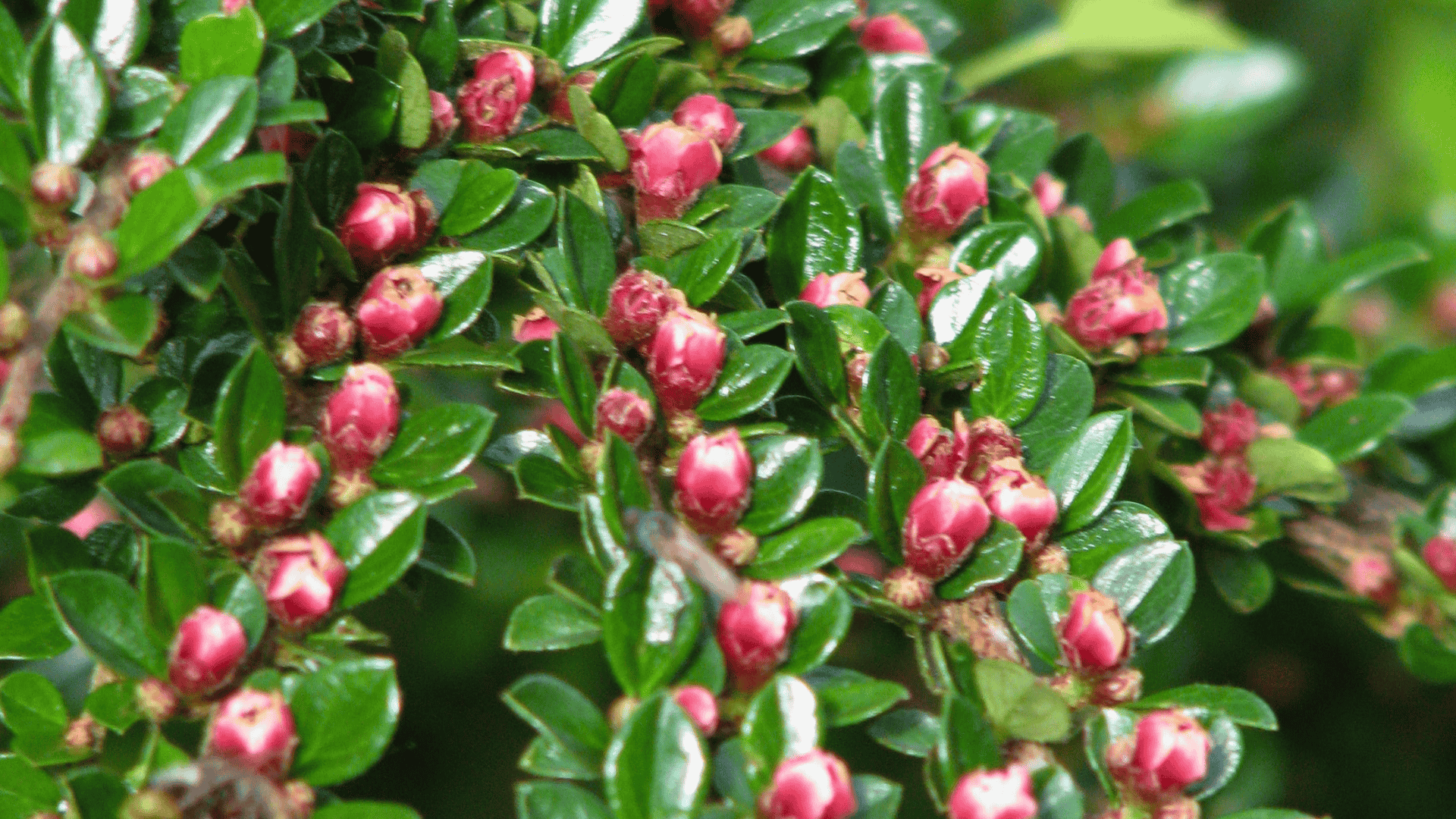
- Light Needs: Partial shade; handles bright shade and dappled light
- Height & Spread: 1–3 ft tall; 4–8 ft wide
- Why It Works in Shade: Drought-tolerant once established; low, spreading habit fills dry, shaded areas under trees
- Best Uses: Groundcover, Slopes, Understory beds
- Soil & Water: Prefers dry, well-drained soil; tolerates rocky ground
- Care Level: Low; very low-maintenance
- Zones: 5–7
- Companion Plants: Juniper, Bergenia
22. Berberis thunbergii (Japanese Barberry)
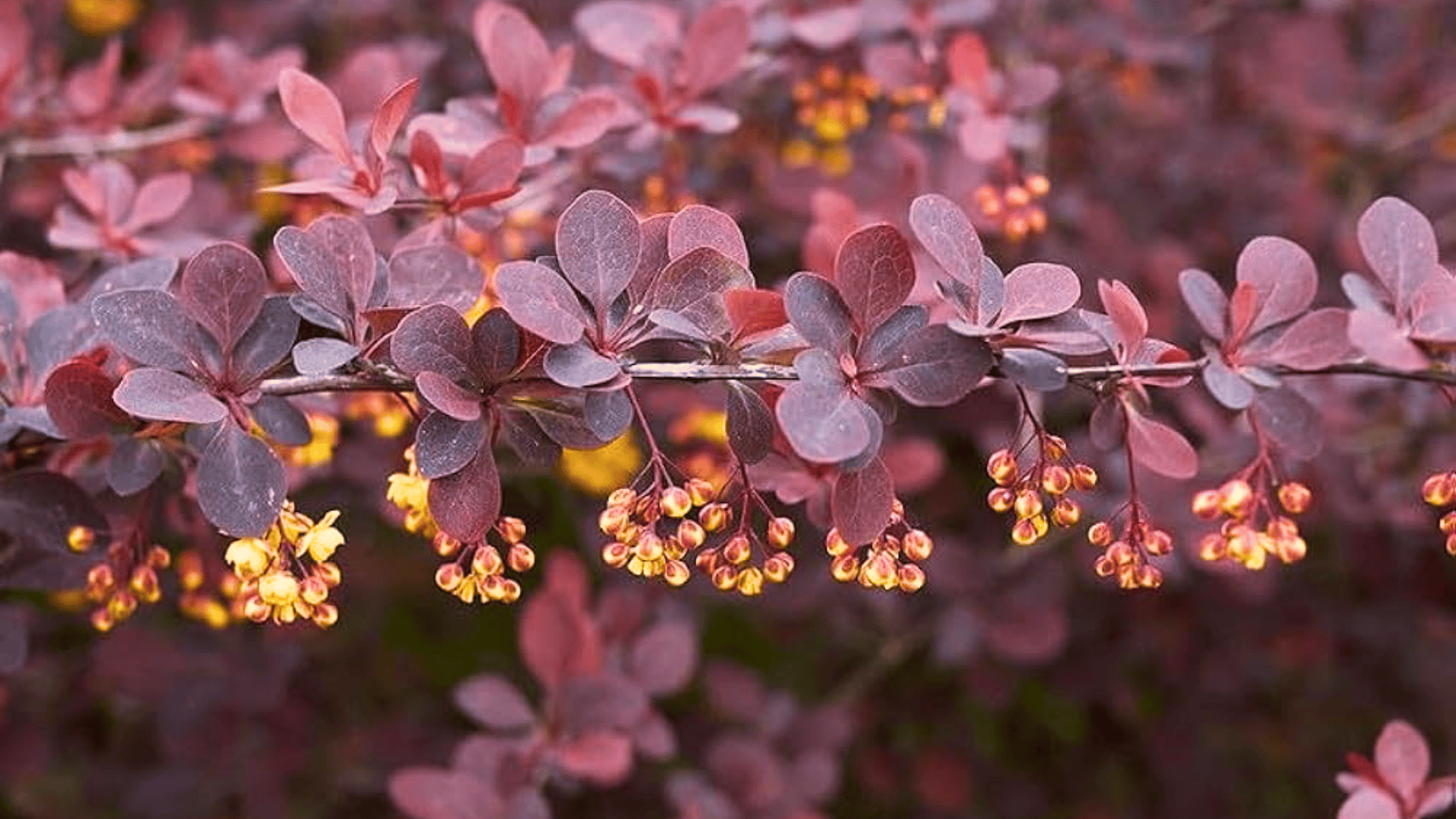
- Light Needs: Partial shade; foliage color stays strong with some filtered sun
- Height & Spread: 3–6 ft tall; 3–6 ft wide
- Why It Works in Shade: Handles dry soil and indirect light; adds color where other shrubs fade out
- Best Uses: Borders, Barriers, Dry foundation areas
- Soil & Water: Dry to average soil; very drought-tolerant
- Care Level: Low; prune to manage shape
- Zones: 4–8
- Companion Plants: Ornamental grasses, Spirea
23. Euonymus fortunei (Wintercreeper)
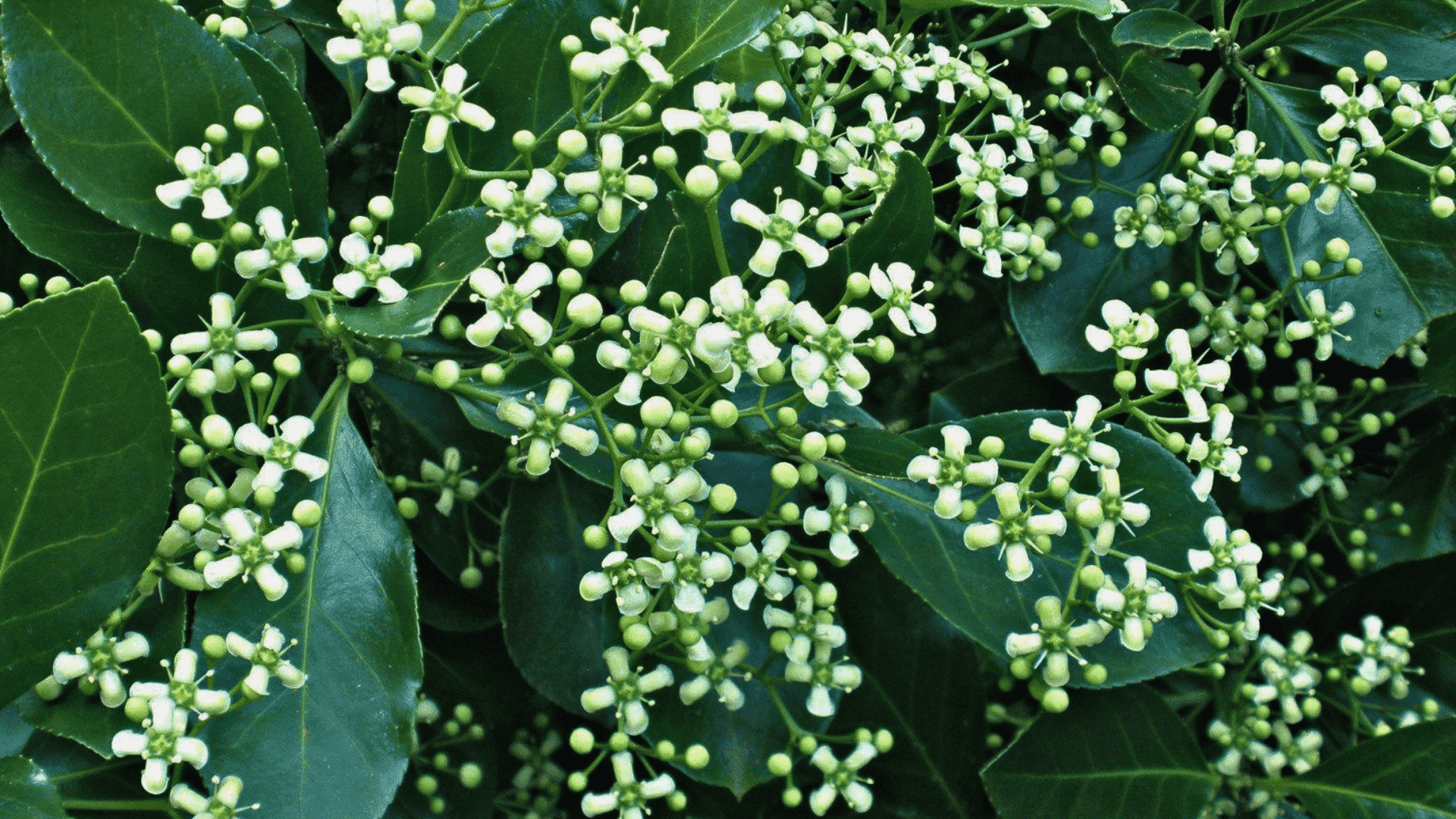
- Light Needs: Partial to full shade; color stays bright in lower light
- Height & Spread: 1–2 ft tall as a shrub; spreads 3–6 ft
- Why It Works in Shade: Evergreen leaves remain vibrant; thrives where most shrubs struggle with dryness
- Best Uses: Groundcover, Mass planting, Understory areas
- Soil & Water: Average to dry soil; tolerates tough spots
- Care Level: Low; trim to control spread
- Zones: 5–9
- Companion Plants: Hostas, Coral bells
24. Pyracantha coccinea (Scarlet Firethorn)
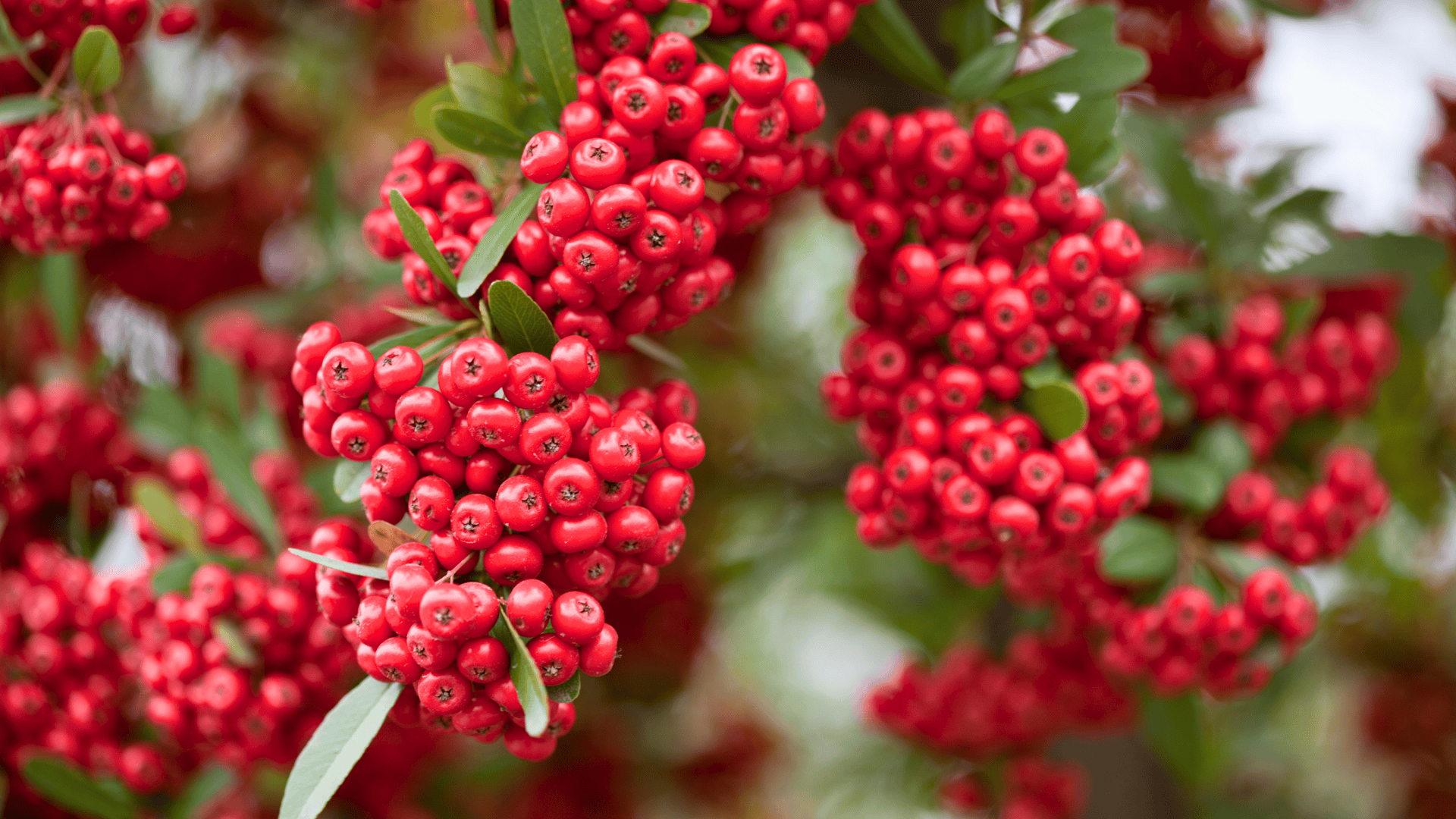
- Light Needs: Partial shade; berry production improves with some light
- Height & Spread: 6–10 ft tall; 6–8 ft wide
- Why It Works in Shade: Tolerates dry shade once established; berries and blossoms brighten dim areas
- Best Uses: Screening, Walls, Fences
- Soil & Water: Average to dry soil; drought-tolerant
- Care Level: Medium; prune to shape and manage thorns
- Zones: 6–9
- Companion Plants: Boxwood, Viburnum
Low-Maintenance Shade Shrubs
If you want plants that stay good-looking without much care, these shrubs fit the job. They stay healthy with minimal pruning or watering.
25. Leucothoe fontanesiana (Drooping Leucothoe)
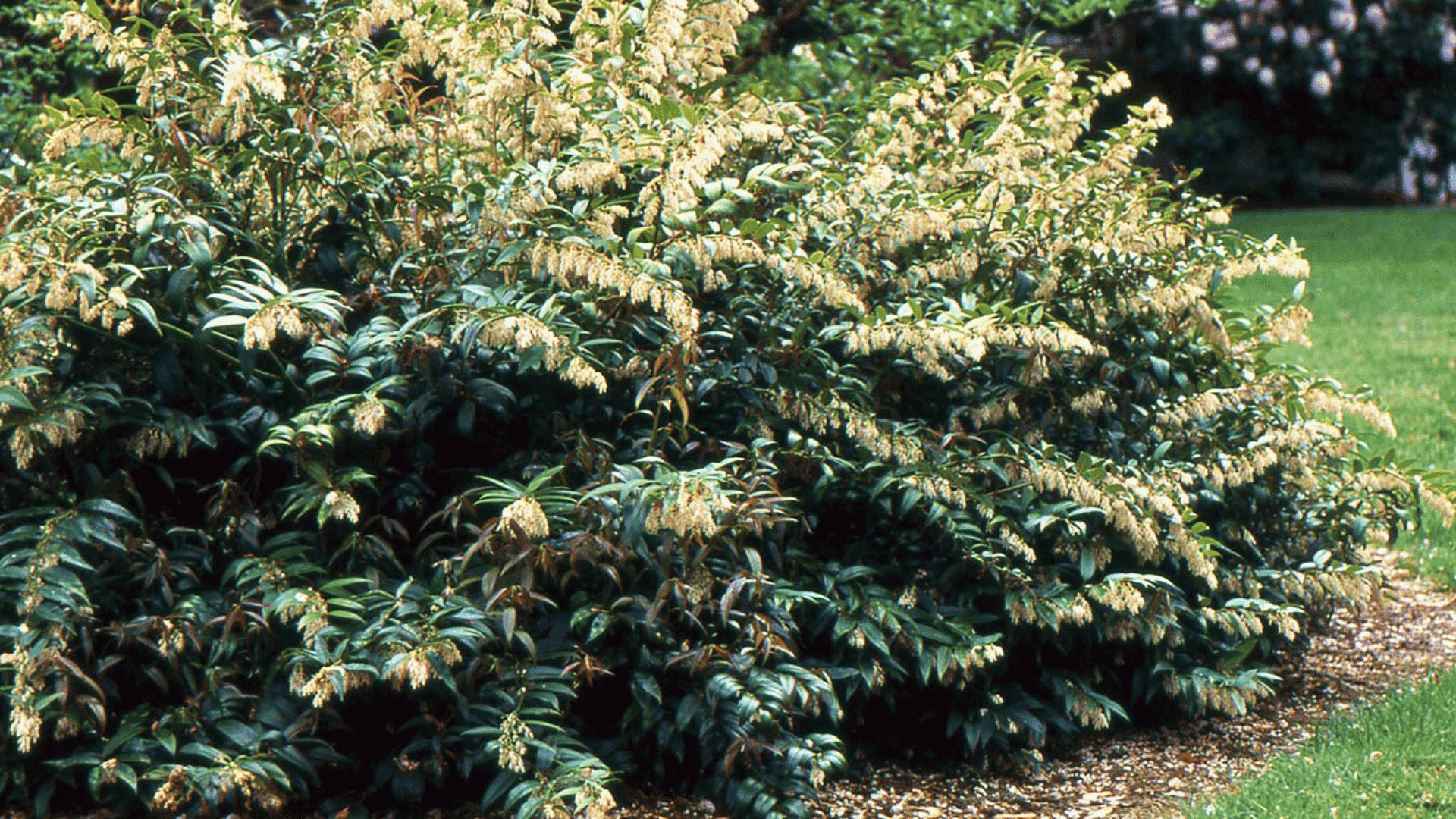
- Light Needs: Partial to full shade; prefers protected shade
- Height & Spread: 3–6 ft tall; 3–6 ft wide
- Why It Works in Shade: Evergreen foliage stays glossy in dim light; handles woodland shade with ease
- Best Uses: Woodland beds, Foundation planting, Shaded borders
- Soil & Water: Moist, acidic soil; dislikes drought
- Care Level: Low; minimal pruning
- Zones: 5–9
- Companion Plants: Rhododendrons, Ferns
26. Hypericum prolificum (Shrubby St. John’s Wort)
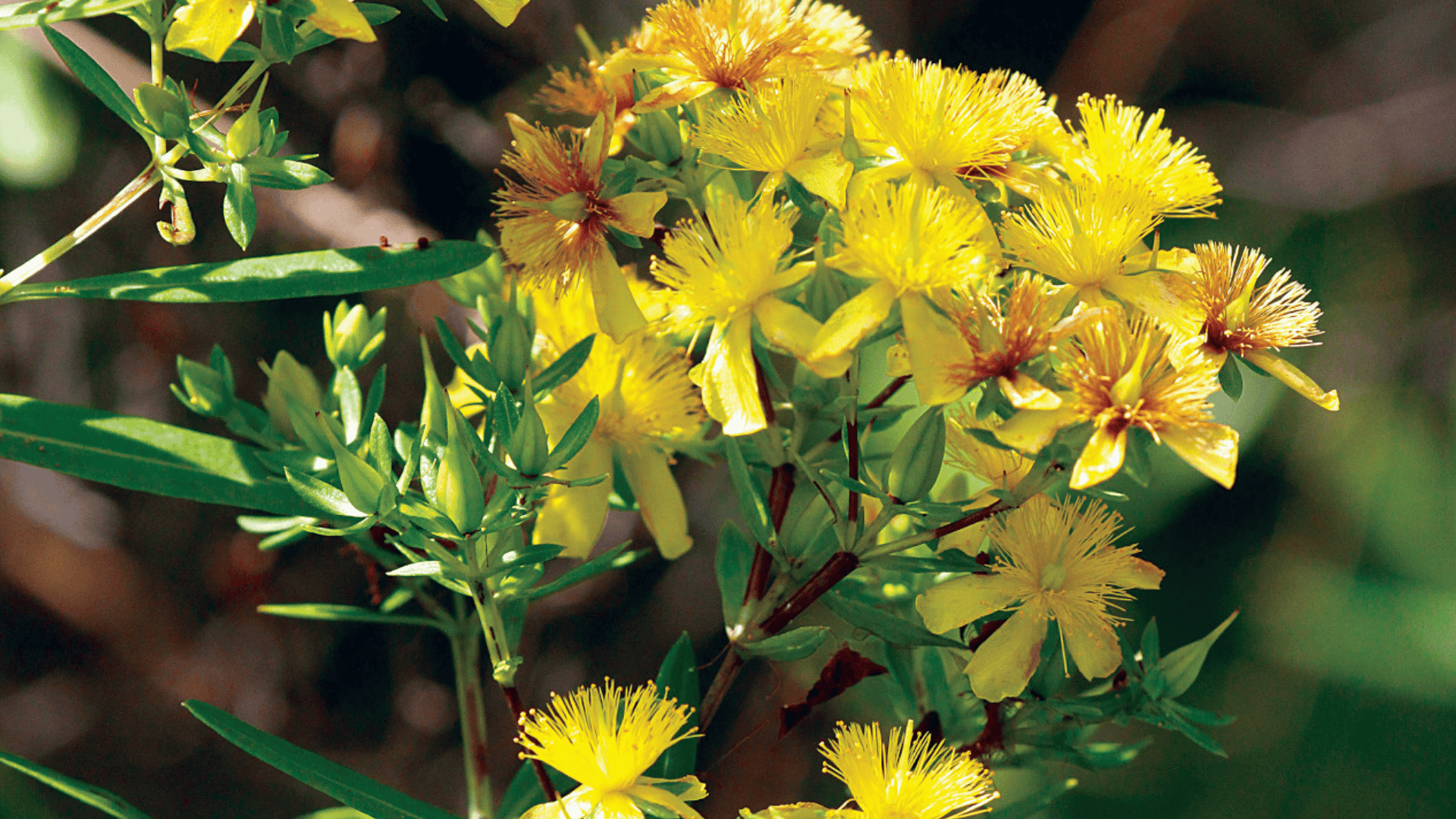
- Light Needs: Partial shade; tolerates bright shade well
- Height & Spread: 2–4 ft tall; 2–4 ft wide
- Why It Works in Shade: Produces bright yellow flowers with limited sun; very tough and adaptable
- Best Uses: Borders, Slopes, Naturalized areas
- Soil & Water: Average to dry soil; drought-tolerant
- Care Level: Low; prune lightly in early spring
- Zones: 3–8
- Companion Plants: Spirea, Barberry
27. Spiraea japonica (Japanese Spirea)
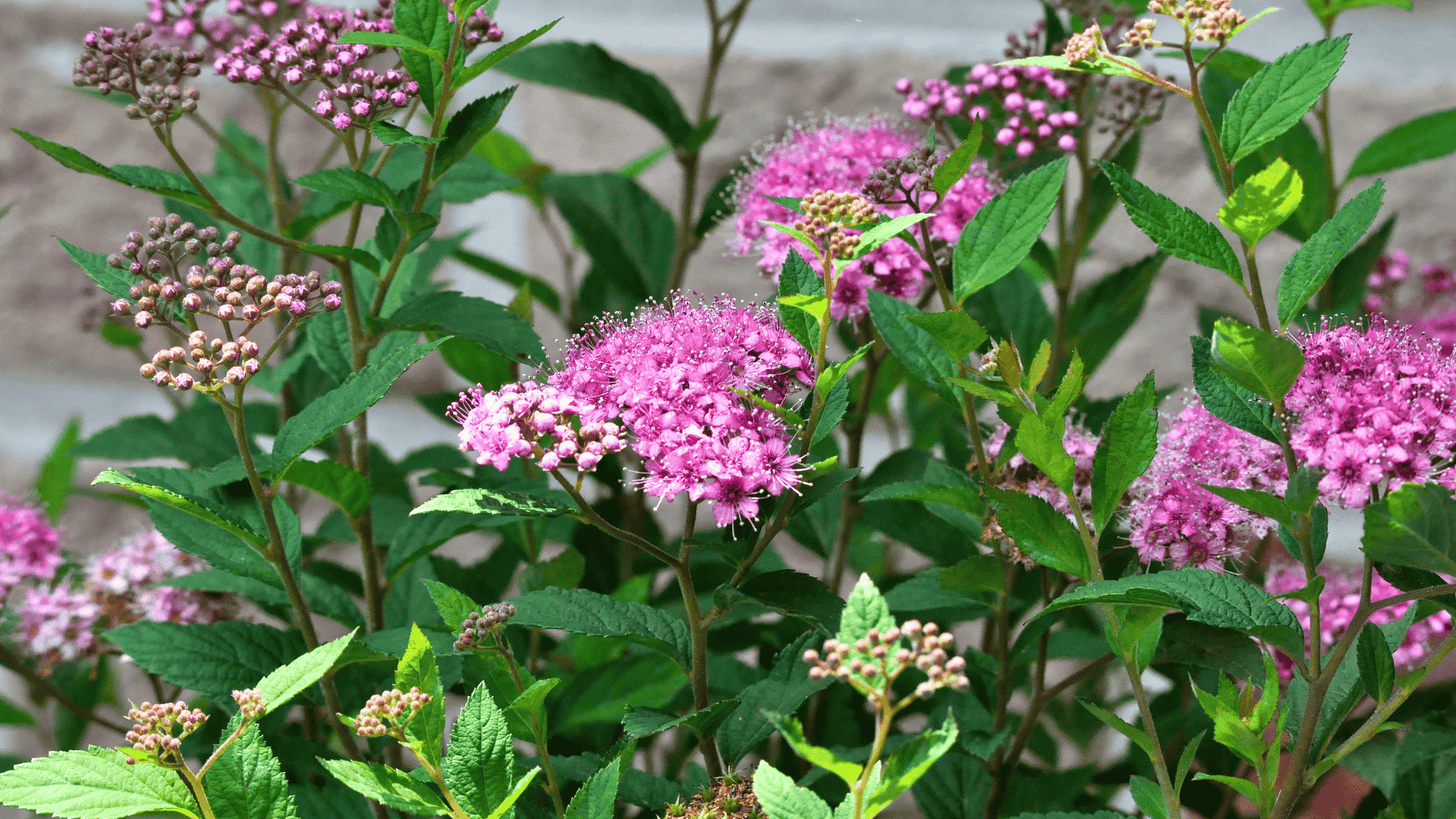
- Light Needs: Partial shade; blooms best with filtered light
- Height & Spread: 2–3 ft tall; 2–4 ft wide
- Why It Works in Shade: Produces clusters of pink flowers even with limited sun; compact and reliable
- Best Uses: Low borders, Mass planting, Foundation beds
- Soil & Water: Average soil; tolerates dry conditions once established
- Care Level: Low; shear lightly after bloom
- Zones: 4–9
- Companion Plants: Barberry, Daylilies
28. Diervilla lonicera (Bush Honeysuckle)
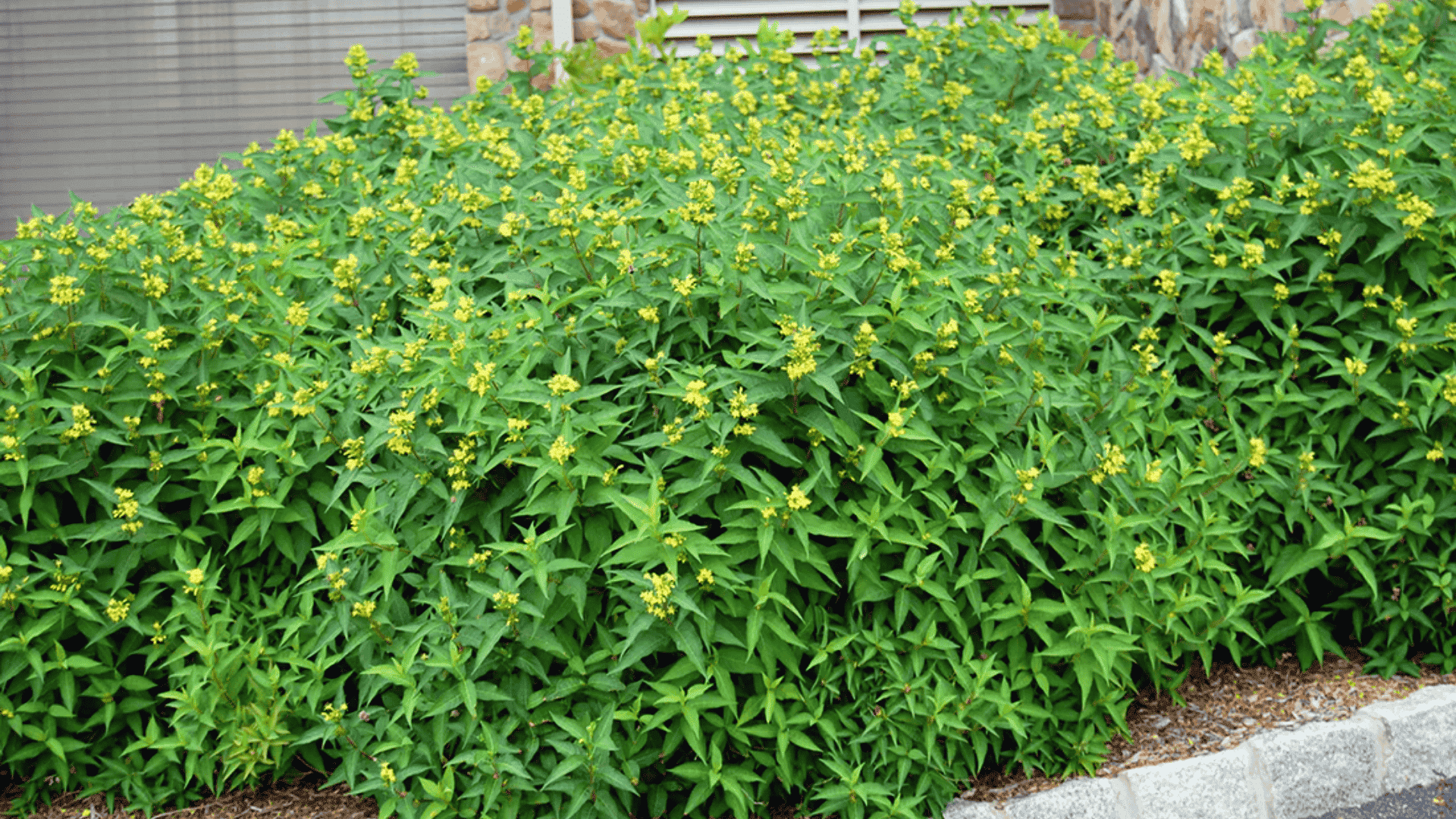
- Light Needs: Full shade to partial shade; thrives in deep shade
- Height & Spread: 2–4 ft tall; 3–5 ft wide
- Why It Works in Shade: Native shrub that handles tough, low-light sites; yellow blooms and red fall color
- Best Uses: Groundcover shrub, Slopes, Wildlife gardens
- Soil & Water: Dry to average soil; very adaptable
- Care Level: Low; no regular pruning needed
- Zones: 3–7
- Companion Plants: Viburnums, Ferns
Fast-Growing Shade Shrubs
These options fill space quickly and work well for new beds, screening, or fast cover in shaded areas.
29. Ligustrum sinense (Chinese Privet)
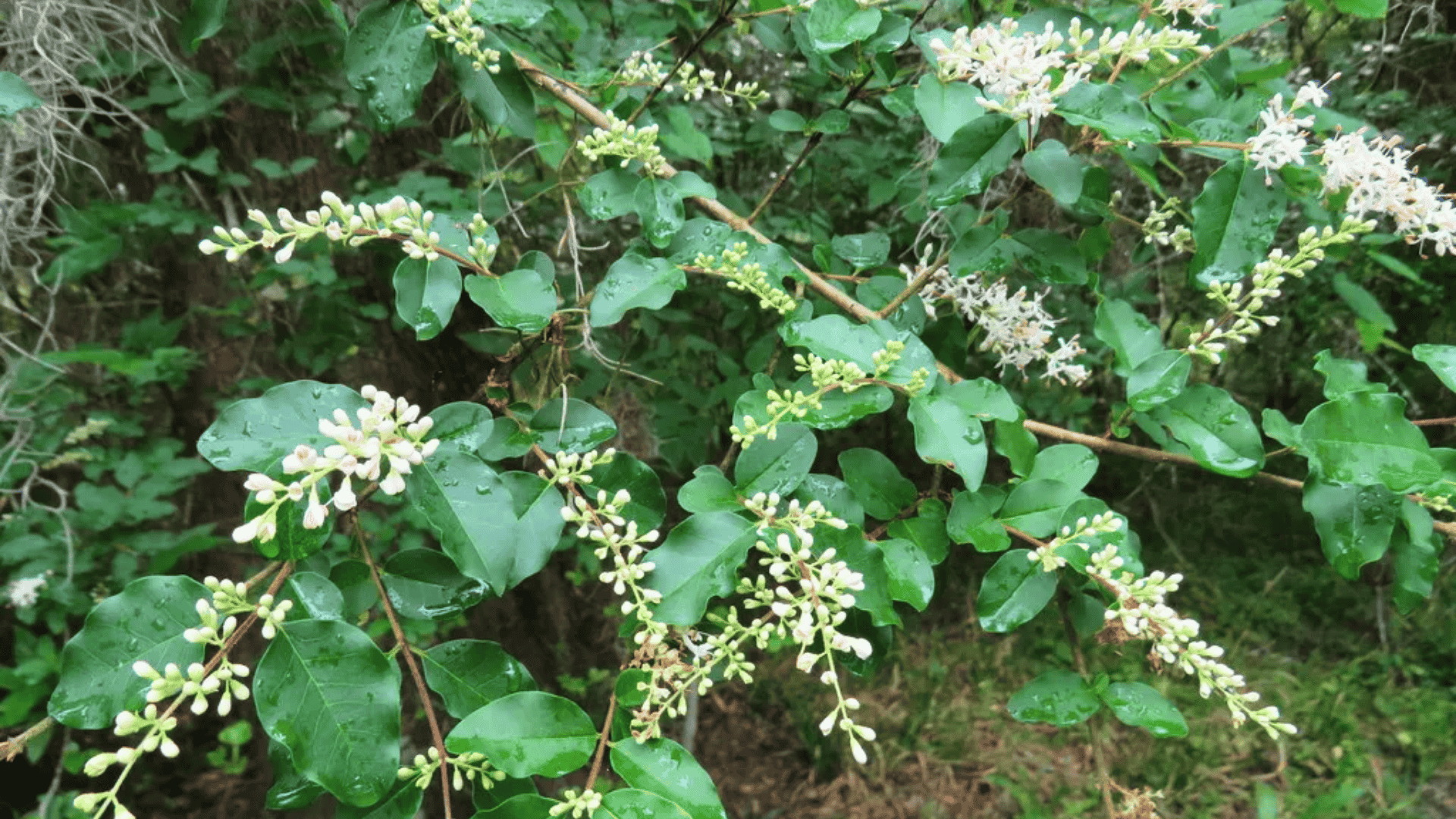
- Light Needs: Partial shade; tolerates a wide range of light conditions
- Height & Spread: 8–12 ft tall; 6–10 ft wide
- Why It Works in Shade: Grows quickly even with limited sun; dense foliage fills space fast
- Best Uses: Screening, Hedges, Large borders
- Soil & Water: Average soil; drought-tolerant once established
- Care Level: Medium; prune to control size
- Zones: 6–10
- Companion Plants: Viburnum, Camellia
30. Sambucus canadensis (American Elderberry)
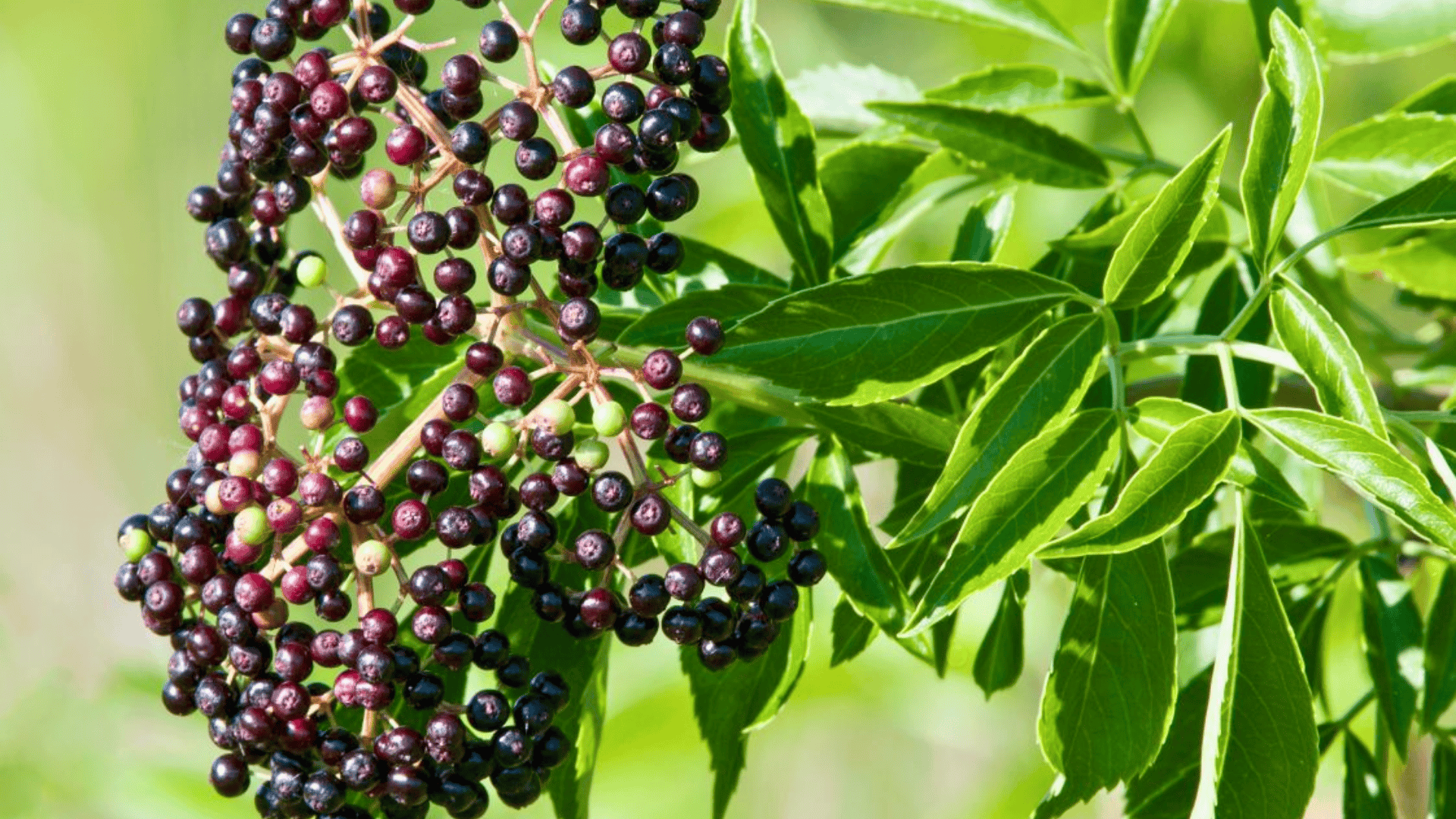
- Light Needs: Partial shade; handles bright shade and morning sun
- Height & Spread: 6–12 ft tall; 6–12 ft wide
- Why It Works in Shade: Fast growth with limited sun; produces flowers and berries reliably in woodland conditions
- Best Uses: Wildlife gardens, Naturalized beds, Screening
- Soil & Water: Moist, rich soil; handles wet areas
- Care Level: Low; prune old stems in late winter
- Zones: 3–9
- Companion Plants: Dogwood, Arrowwood viburnum
31. Aralia spinosa (Devil’s Walking Stick)
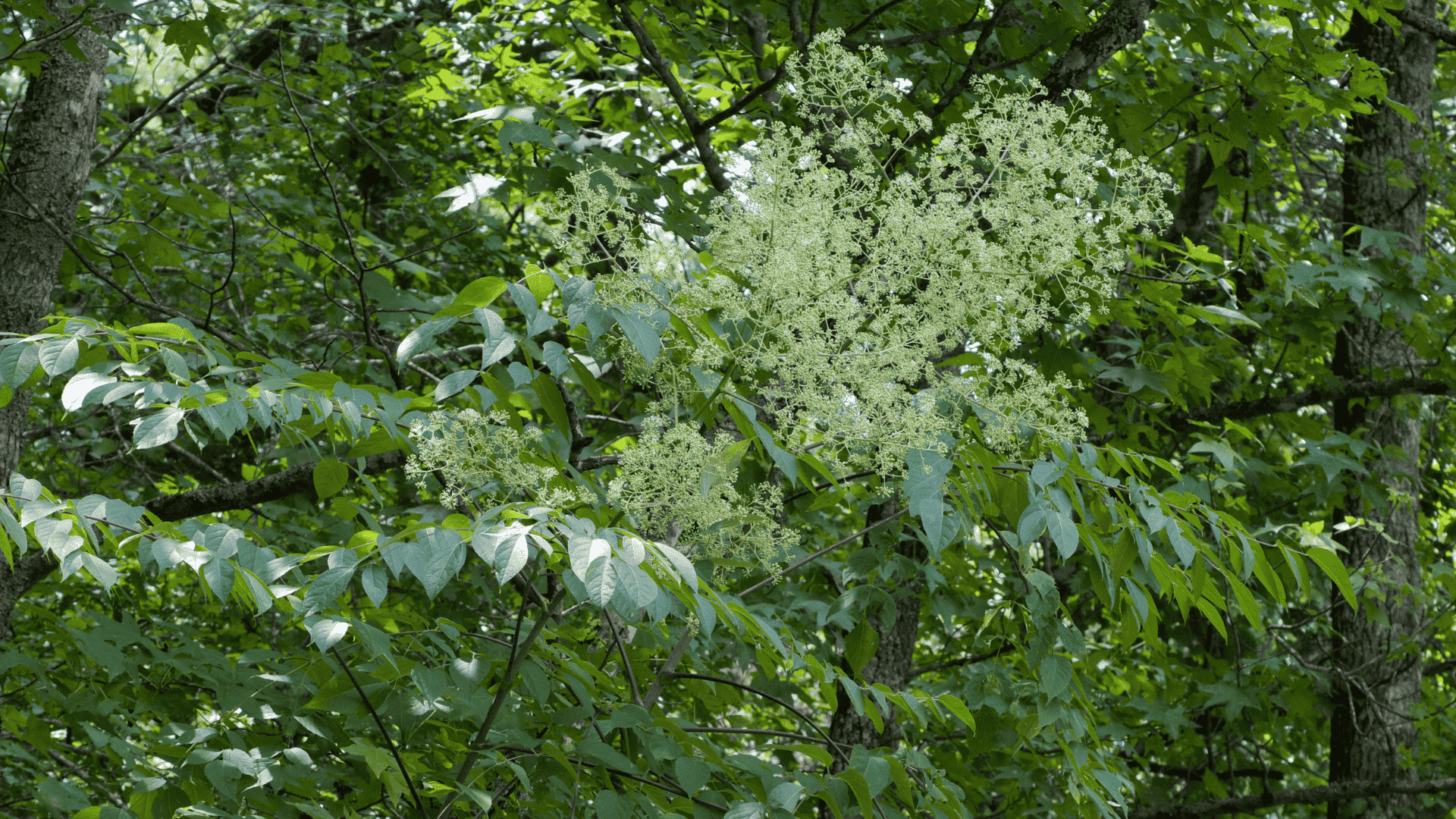
- Light Needs: Partial shade; tolerates deeper shade once established
- Height & Spread: 10–15 ft tall; 6–10 ft wide
- Why It Works in Shade: Rapid growth; large tropical-looking leaves brighten low-light spaces
- Best Uses: Naturalized areas, Woodland edges, Architectural accents
- Soil & Water: Moist, well-drained soil; tolerates clay
- Care Level: Medium; spreads by suckers
- Zones: 4–9
- Companion Plants: Sumac, Elderberry
32. Viburnum opulus (European Cranberrybush)
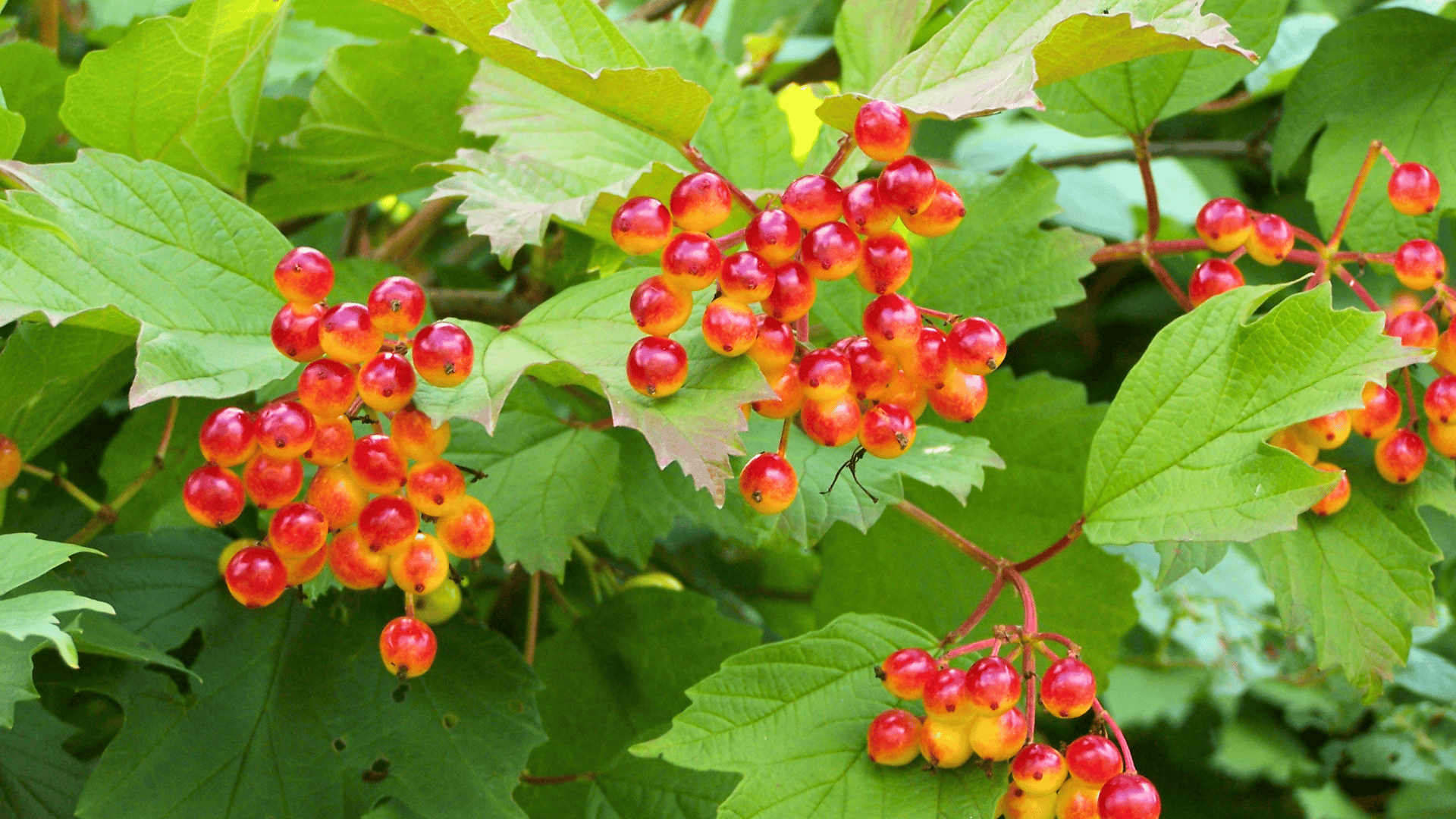
- Light Needs: Partial shade; blooms best with filtered light
- Height & Spread: 8–12 ft tall; 8–12 ft wide
- Why It Works in Shade: Fast-growing with showy blooms and fruit even in lower light
- Best Uses: Screening, Borders, Wildlife gardens
- Soil & Water: Moist, well-drained soil; tolerates periodic wetness
- Care Level: Medium; prune after flowering
- Zones: 3–8
- Companion Plants: Hydrangeas, Ninebark
Small Shrubs for Shade
Ideal for tiny yards, pathways, or foundation planting. These shrubs stay compact and don’t overwhelm small spaces.
33. Heuchera villosa (Coral Bells Shrub Form)
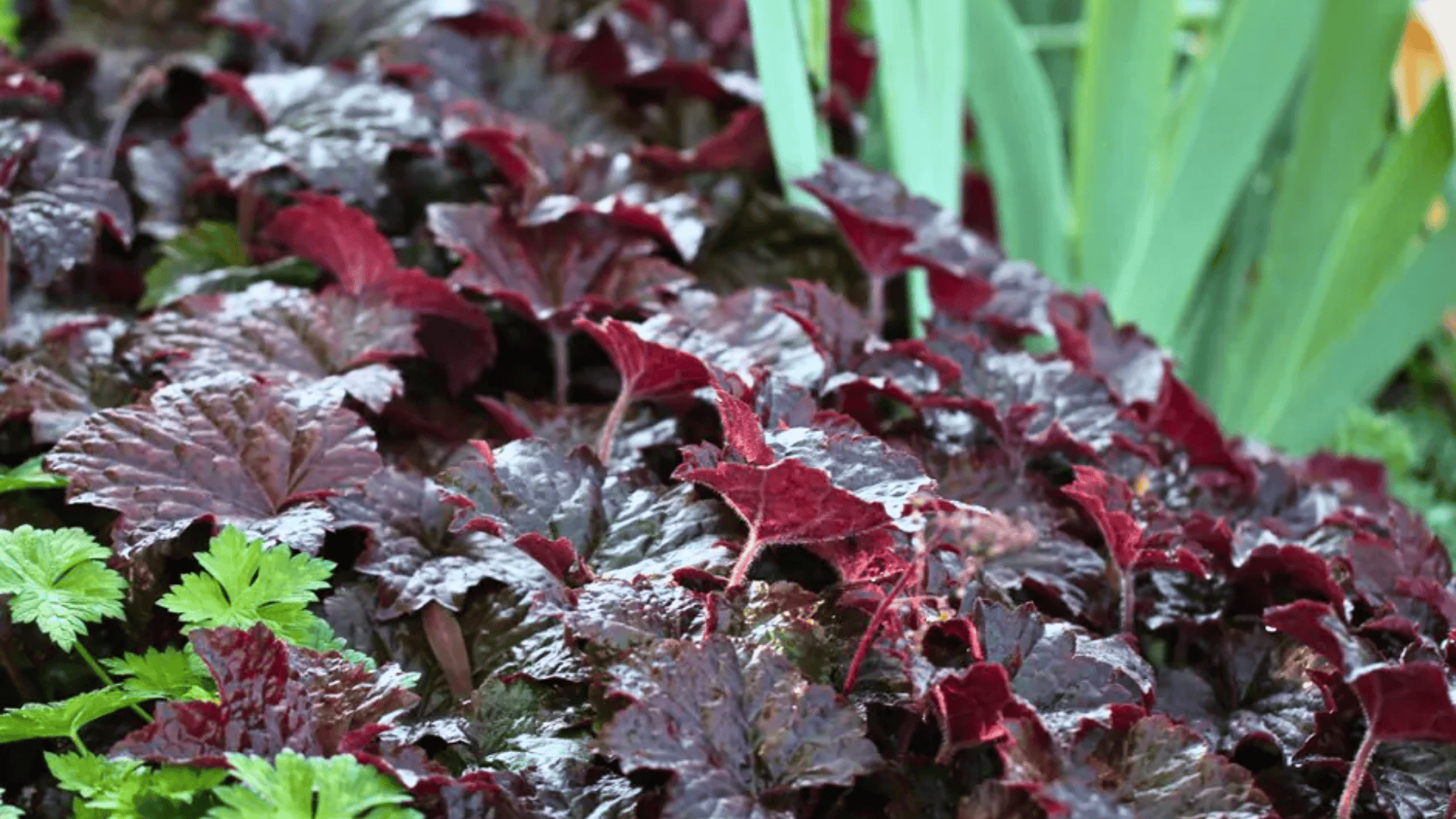
- Light Needs: Partial to full shade; color holds well without strong sun
- Height & Spread: 1–2 ft tall; 1–2 ft wide
- Why It Works in Shade: Colorful foliage brightens dim areas; thrives under trees and along shaded paths
- Best Uses: Borders, Edging, Understory accents
- Soil & Water: Moist, well-drained soil; dislikes soggy spots
- Care Level: Low; trim old leaves in early spring
- Zones: 4–9
- Companion Plants: Ferns, Hostas
34. Daphne odora (Winter Daphne)
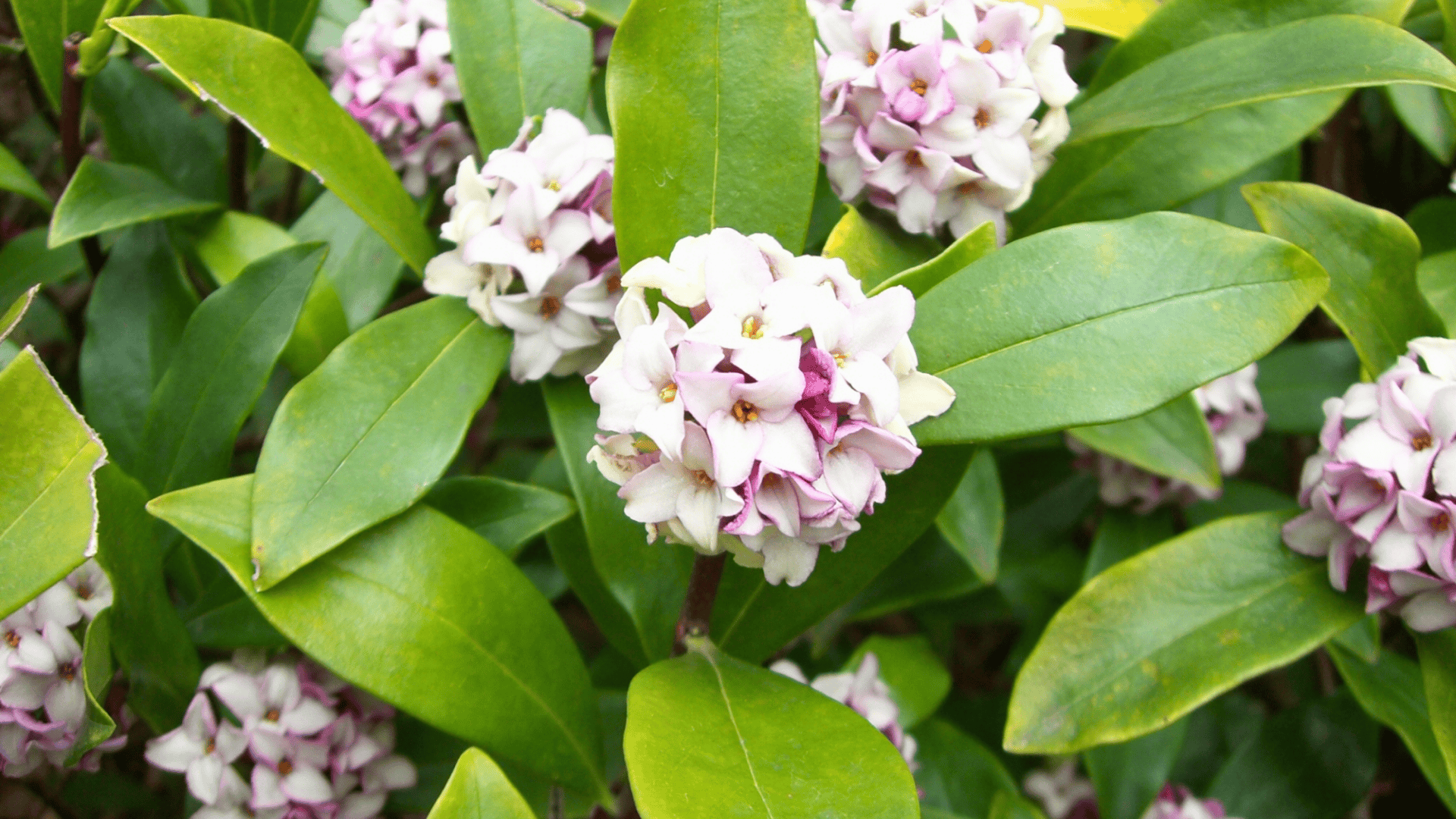
- Light Needs: Partial shade; prefers protection from afternoon sun
- Height & Spread: 3–4 ft tall; 3–4 ft wide
- Why It Works in Shade: Evergreen leaves stay glossy; produces highly fragrant late-winter flowers in low light
- Best Uses: Entryways, Foundation beds, Shaded patios
- Soil & Water: Rich, well-drained soil; avoid overwatering
- Care Level: Medium; sensitive roots need gentle handling
- Zones: 7–9
- Companion Plants: Camellias, Pieris
35. Ribes sanguineum (Flowering Currant)
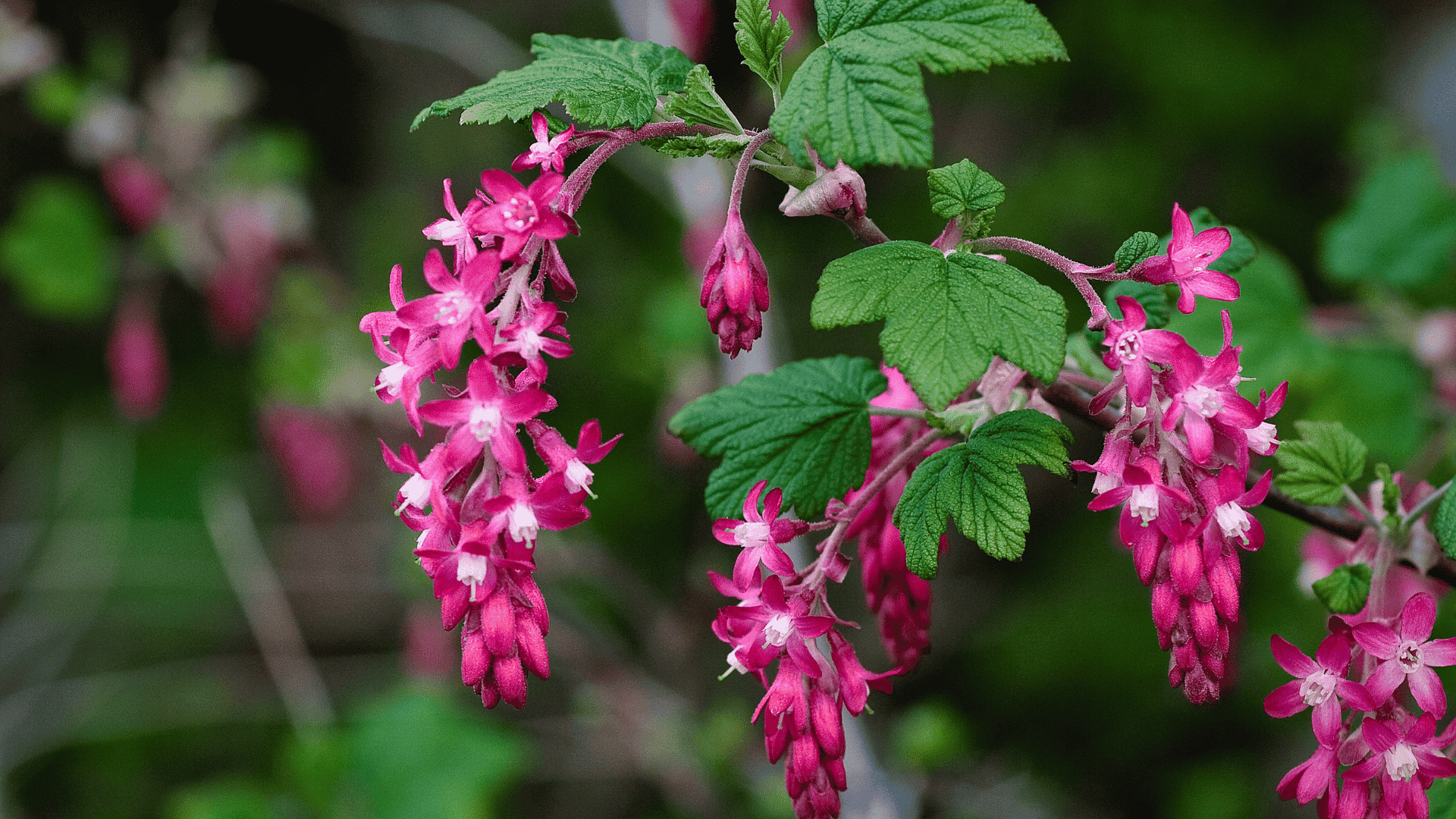
- Light Needs: Partial shade; blooms well with filtered light
- Height & Spread: 4–10 ft tall; 3–6 ft wide
- Why It Works in Shade: Spring flowers form reliably in woodland light; good for naturalistic planting
- Best Uses: Woodland gardens, Borders, Wildlife beds
- Soil & Water: Moist, well-drained soil; prefers cool root zones
- Care Level: Low; prune lightly after bloom
- Zones: 5–8
- Companion Plants: Ferns, Huckleberry
36. Pieris japonica (Japanese Andromeda)
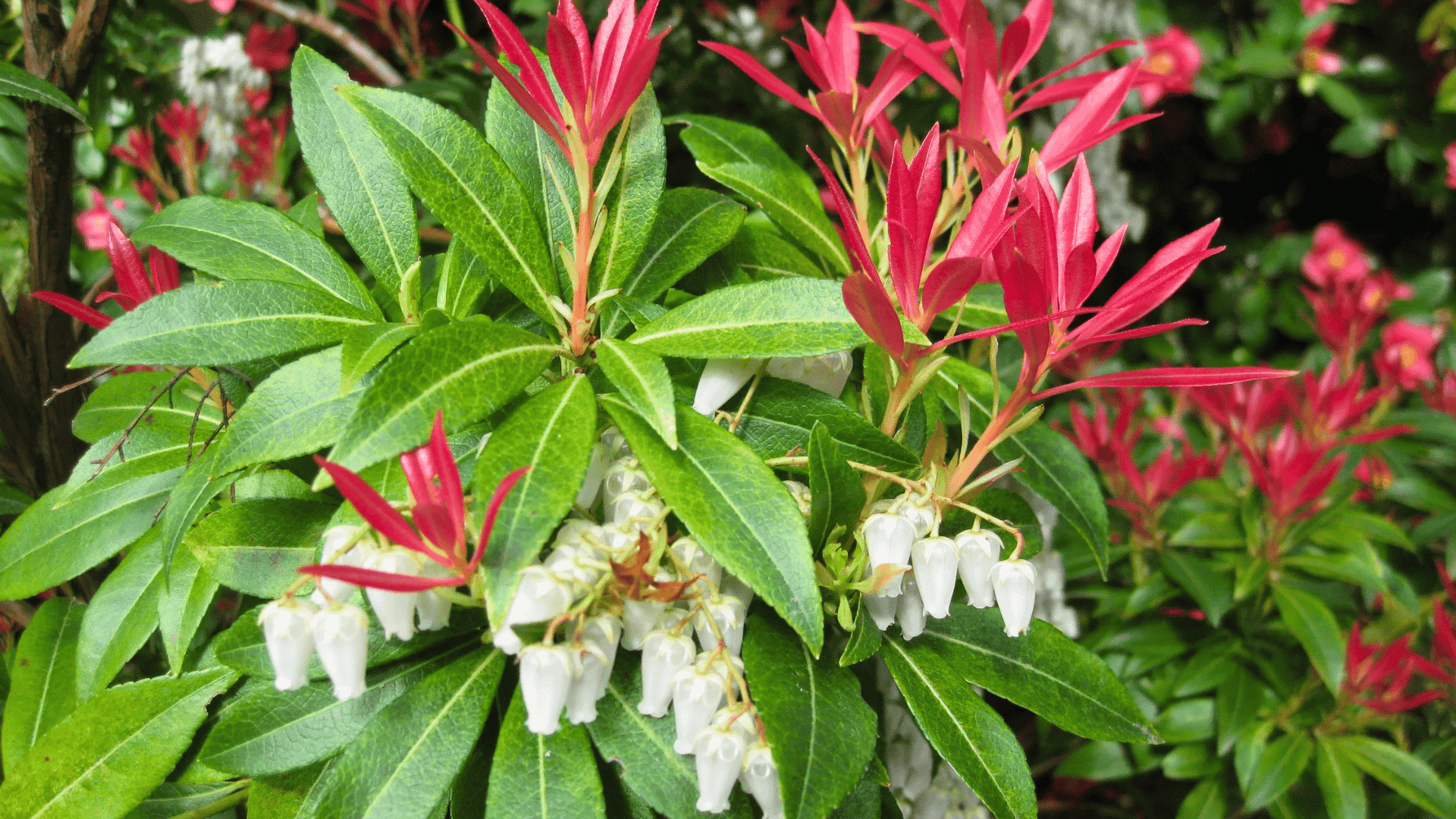
- Light Needs: Partial shade; prefers morning sun and afternoon shade
- Height & Spread: 6–10 ft tall; 4–6 ft wide
- Why It Works in Shade: Year-round structure with cascading blooms; evergreen leaves stay glossy
- Best Uses: Foundation planting, Woodland beds, Shade borders
- Soil & Water: Moist, acidic soil; dislikes heavy clay
- Care Level: Medium; protect from winter winds
- Zones: 5–9
- Companion Plants: Azaleas, Rhododendrons
Fragrant Shade Shrubs
These plants add scent to shaded areas where most fragrant shrubs won’t grow. Great for entryways, patios, and walk-by spots.
37. Gardenia jasminoides (Gardenia)
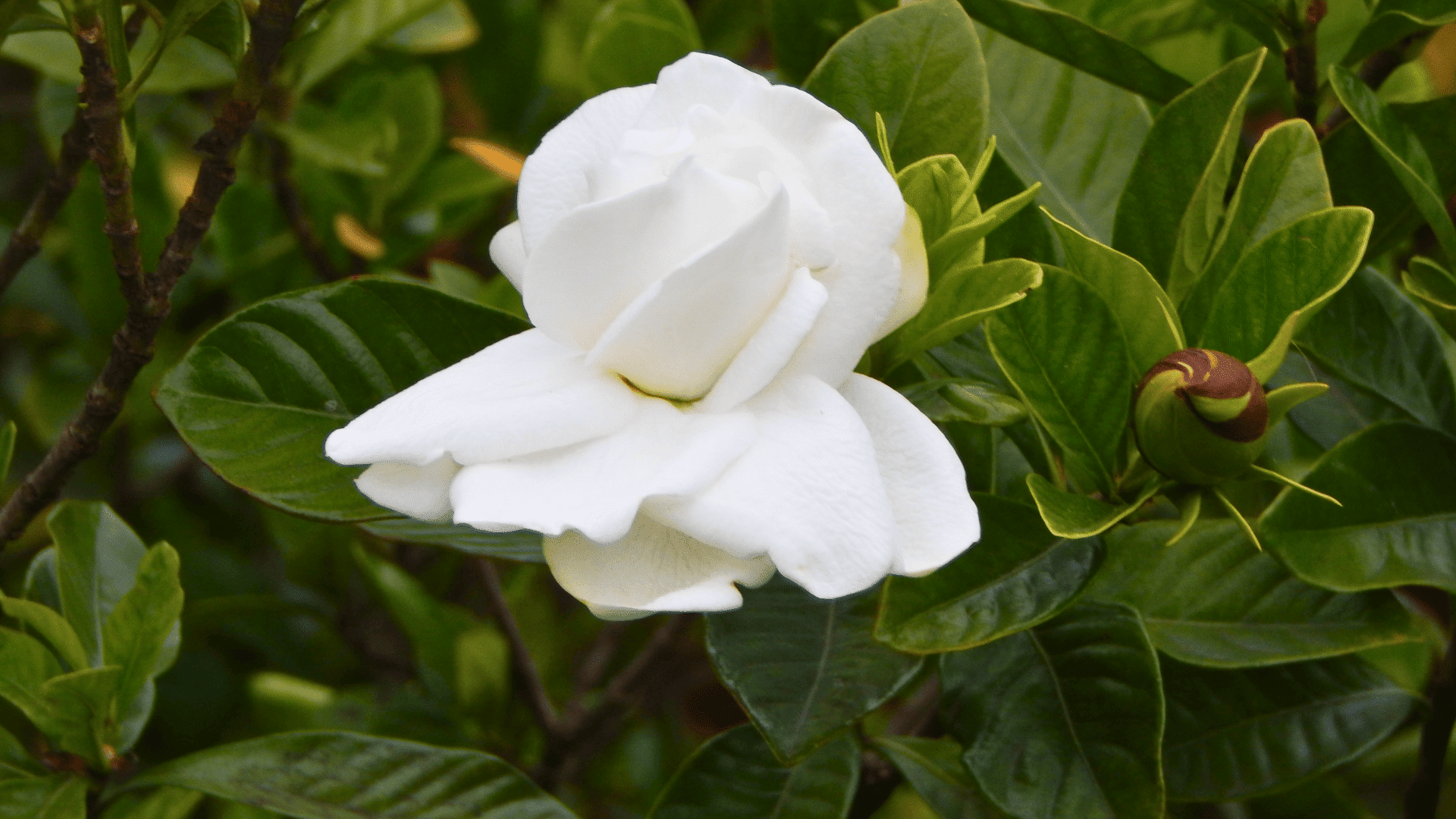
- Light Needs: Partial shade; morning sun with afternoon shade works best
- Height & Spread: 3–6 ft tall; 3–5 ft wide
- Why It Works in Shade: Evergreen leaves stay glossy in lower light; produces fragrant white blooms even in protected shade
- Best Uses: Entryways, Foundation beds, Courtyard gardens
- Soil & Water: Moist, acidic, well-drained soil; dislikes soggy or alkaline soil
- Care Level: Medium; protect from cold drafts and sudden temperature swings
- Zones: 7–10
- Companion Plants: Camellias, Azaleas
38. Hammamelis mollis (Chinese Witch Hazel)
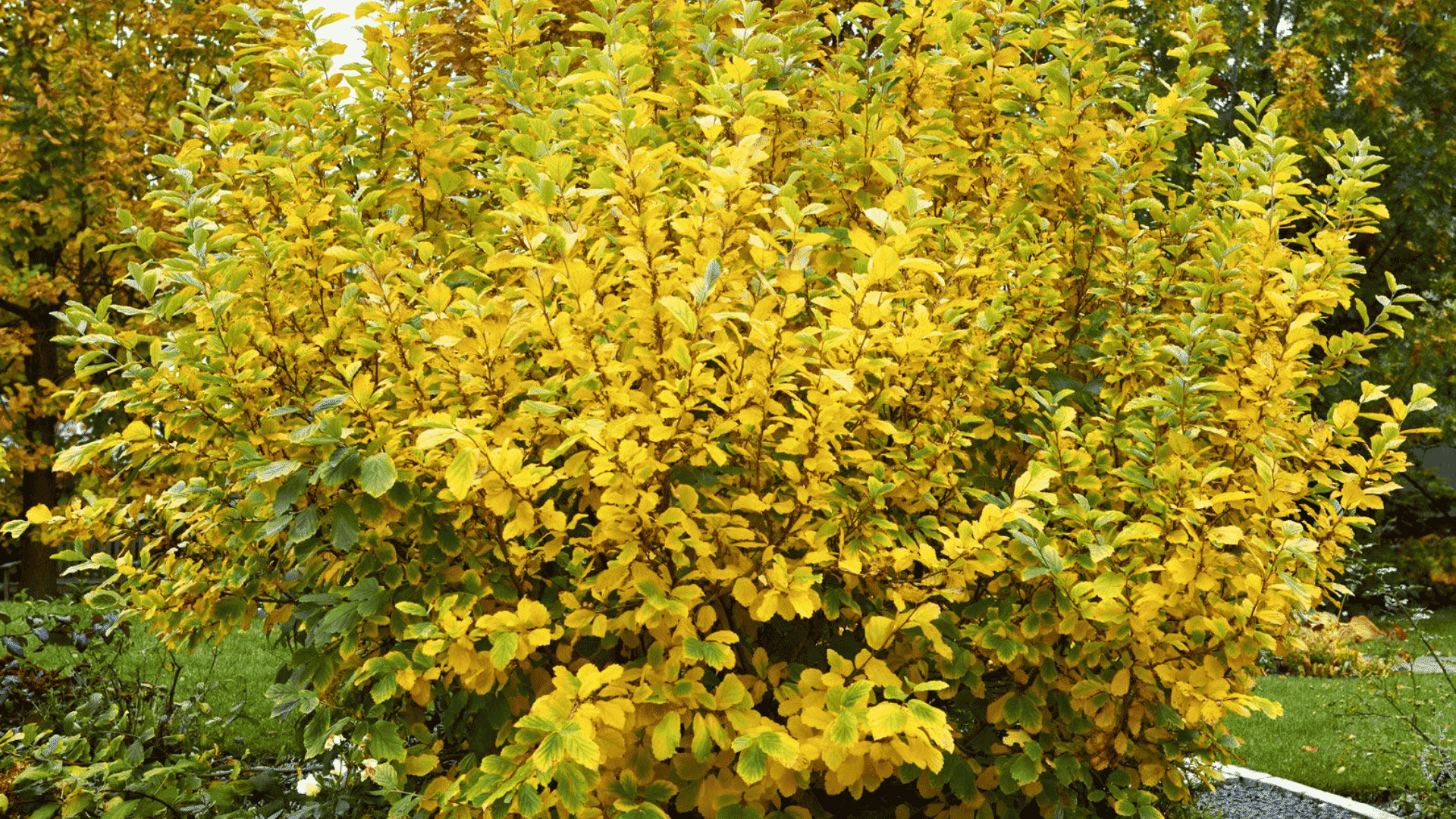
- Light Needs: Partial shade; blooms better with filtered morning sun
- Height & Spread: 8–12 ft tall; 8–12 ft wide
- Why It Works in Shade: Fragrant winter flowers add scent and color during the cold months; tolerates woodland shade
- Best Uses: Winter-interest beds, Woodland borders, Entryway accents
- Soil & Water: Moist, well-drained soil; prefers slightly acidic conditions
- Care Level: Low; prune after flowering
- Zones: 5–8
- Companion Plants: Viburnums, Camellias
39. Philadelphus lewisii (Lewis’ Mock Orange)
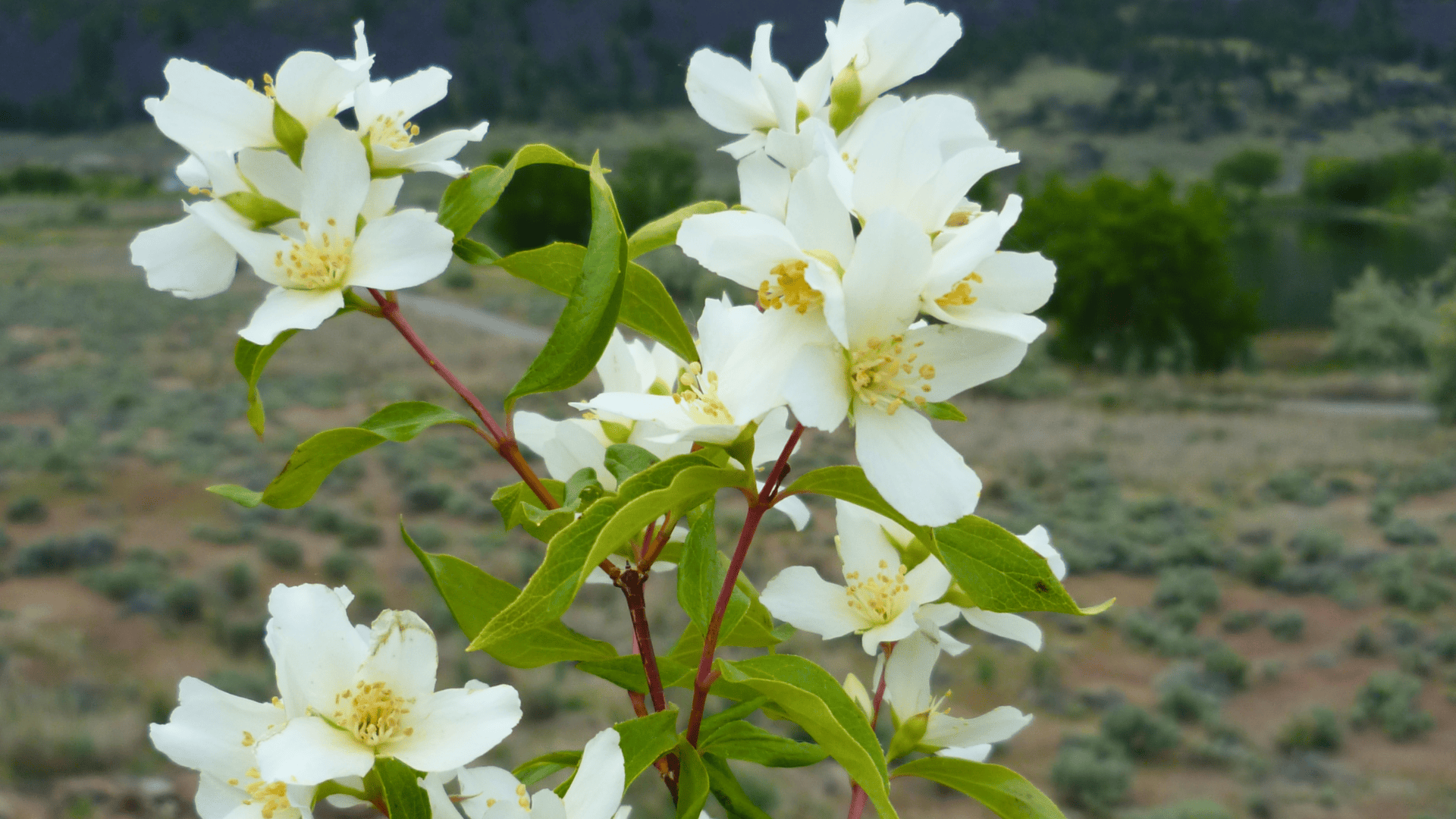
- Light Needs: Partial shade; flowers well with a few hours of indirect sun
- Height & Spread: 4–10 ft tall; 3–6 ft wide
- Why It Works in Shade: Produces strongly scented white blooms even with limited light; native and adaptable
- Best Uses: Borders, Cottage-style beds, Woodland edges
- Soil & Water: Average soil; tolerates some dryness once mature
- Care Level: Low; prune right after flowering
- Zones: 4–8
- Companion Plants: Spirea, Ninebark
40. Calycanthus floridus (Sweetshrub)
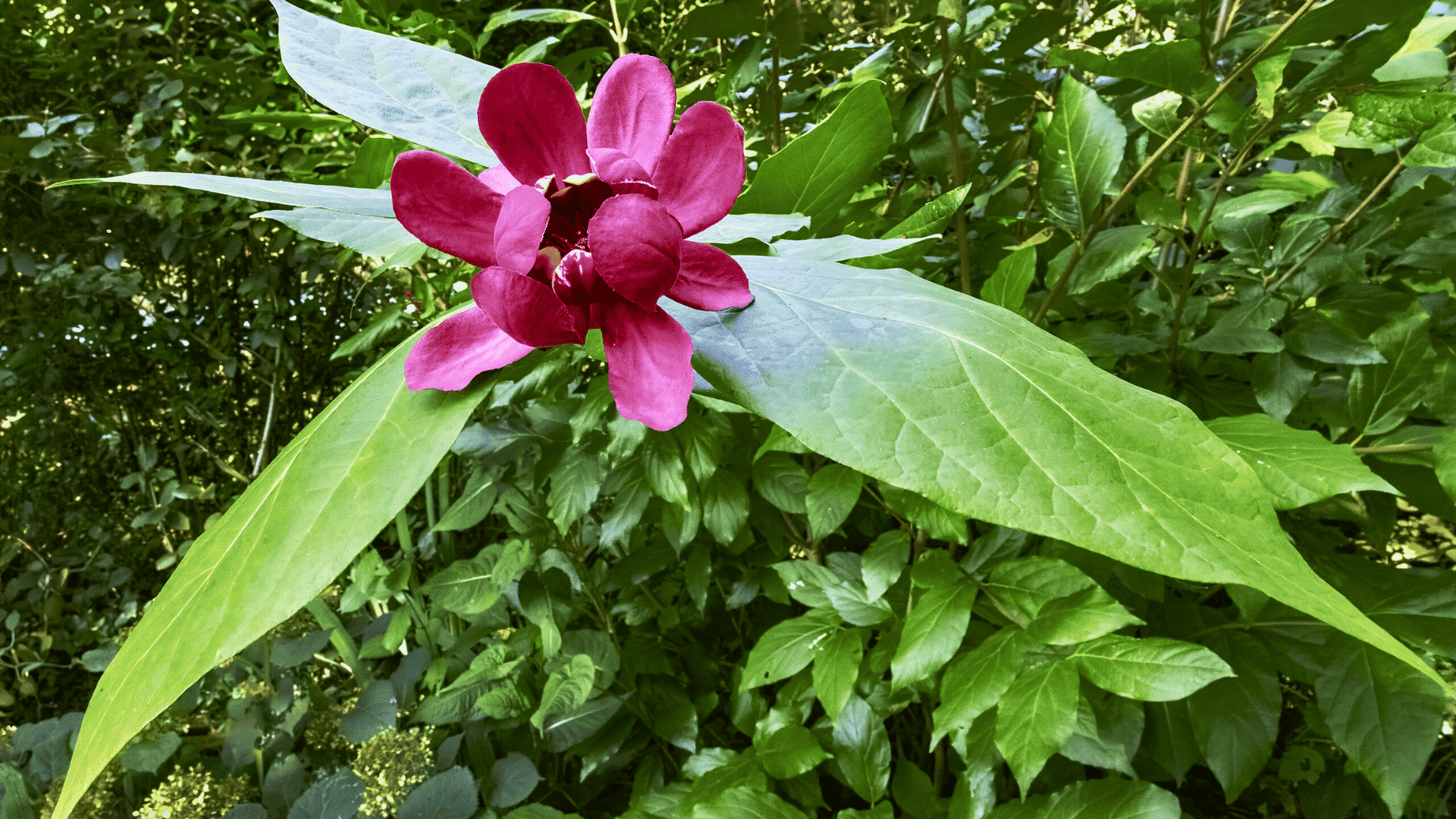
- Light Needs: Partial shade; handles deeper shade with lighter bloom production
- Height & Spread: 6–9 ft tall; 6–12 ft wide
- Why It Works in Shade: Fragrant, spicy-scented burgundy flowers appear reliably in woodland light; thrives in shaded sites
- Best Uses: Shaded borders, Woodland gardens, Naturalized areas
- Soil & Water: Moist, rich soil; tolerates occasional wetness
- Care Level: Low; very adaptable
- Zones: 4–9
- Companion Plants: Ferns, Hydrangeas
How to Plant Shrubs in Shade: Beginner-Friendly Guide
Planting in shade is a little trickier because the soil’s usually tighter, the tree roots are greedy, and the light isn’t doing you any favors. But if you prep the spot right, the shrubs settle in fine.
Step-by-Step Planting Instructions
- Clear the area so you can actually see what you’re working with.
- Check for big tree roots and work around them instead of chopping them up.
- Loosen the top six to eight inches of soil so the new roots have room to move.
- Dig a hole about as deep as the pot and a little wider on all sides.
- Set the shrub in the hole with the top of the root ball level with the ground.
- Backfill gently and press the soil down with your hands so there are no air pockets.
- Give it a good drink of water to help everything settle into place.
Watering Schedule
Shade doesn’t mean “no water.” It just means the soil dries more slowly.
Give the plant a deep drink right after planting, then water every few days for the first couple weeks. After that, once a week is usually enough unless the soil feels dusty.
Mulching & Soil Amending Tips
Add a light layer of mulch around the base to keep moisture steady. Don’t pile it against the trunk. If the soil feels heavy or tired, mix in a little compost before planting.
It gives the roots room to breathe and helps the shrub settle in without fighting the dirt.
Common Problems and How to Fix Them
Shade shrubs can run into a few predictable issues, mostly because they’re working with limited light and soil that doesn’t always drain the way you want.
- Leggy growth: Not enough light, so the plant stretches. Trim lightly and move it to brighter partial shade if possible.
- Fungal diseases: Shade keeps things damp. Improve airflow, avoid overhead watering, and remove any infected leaves.
- Yellowing leaves: Usually a sign of tired soil or poor drainage. Add compost and check that water isn’t sitting at the roots.
- Soil too wet: Happens in low spots. Raise the plant slightly or mix in soil that drains better.
- Soil too dry: Tree roots steal moisture. Water more deeply and add mulch to help hold what you’ve got.
All of these little issues show up fast in the shade, but once you spot them early, they’re easy to get under control.
Wrapping Up
Growing shrubs in low light isn’t about hoping for the best. It’s about knowing what the space can handle and picking plants that fit.
Once you understand shade levels, soil, and how moisture moves, the whole thing gets easier.
The right shrubs for shade will stay healthy, look good all year, and save you from doing extra work later. So take a little time to read your yard, choose the plants that match it, and set them up right from day one.
If you’re ready to build out your shady spots, jump in and start planning now.
Check out other guides on the site if you want more help dialing in your yard. There’s plenty there to keep you moving in the right direction.