Homeowners in regions with demanding weather conditions face constant pressure on their home’s exterior. Long winters, humid summers, heavy rain, high winds, and sudden temperature shifts can take a serious toll. Siding is your first line of defense. When it fails, damage spreads quickly.
Choosing the right siding is not just about style. It’s about durability, moisture control, insulation, and long-term protection. This guide explains how harsh weather affects siding, which materials perform best, and when replacement becomes the smart move.
Why Harsh Weather Is Tough on Siding
Unpredictable and extreme climates create ongoing stress for exterior materials. Winters bring freezing temperatures followed by sudden thaws. Summers can be hot, humid, and storm-heavy. Transitional seasons introduce wind, rain, and rapid temperature swings.
These conditions cause siding to repeatedly expand and contract. Over time, weaker materials crack, warp, or pull away from the home. Moisture slips in. Energy efficiency drops. Repairs become frequent and expensive.
Siding that performs well in mild climates often fails faster in more demanding environments. That’s why material choice matters.
Understanding Climate Challenges
Freeze–Thaw Cycles
Water enters small gaps in the siding. When temperatures drop, that water freezes and expands. Over time, this widens cracks and weakens panels.
Heavy Rain and Humidity
Consistent rainfall and high humidity require siding that resists moisture absorption. Otherwise, materials may rot, swell, or develop mold.
Wind and Storm Damage
Strong winds and severe storms can loosen panels or expose seams. Hail can dent or crack lower-quality materials.
Temperature Swings
Rapid shifts between hot and cold force siding to expand and contract constantly. Materials must maintain structural integrity through these changes.
Key Qualities Siding Needs in Harsh Climates
Not all siding materials are built for extreme conditions. Homes in demanding climates need siding with specific performance traits:
- Strong resistance to moisture and water intrusion
- Stability through extreme cold and summer heat
- Ability to withstand wind and impact
- Added insulation for energy efficiency
- Low maintenance requirements over time
If siding lacks even one of these qualities, it tends to fail early in tough weather conditions.
Siding Replacement: What Homeowners Should Know
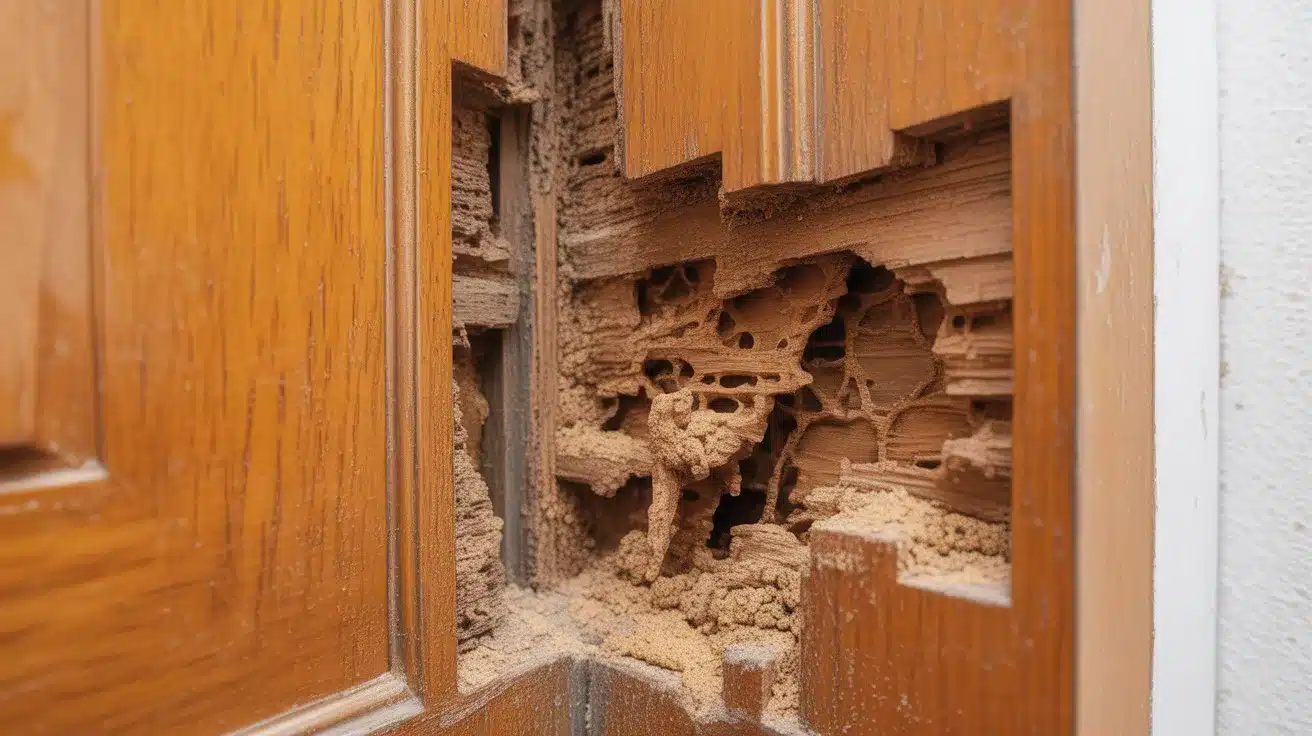
In harsh climates, patch repairs are often short-term solutions. Moisture may already be trapped behind the siding, and once that happens, structural damage can continue unseen. This is often when homeowners begin considering full siding replacement, not because damage is obvious, but because ignoring it allows problems to spread. As they compare estimates and learn what the project truly involves, they begin to understand why siding is so expensive and how the cost reflects much more than the surface materials alone.
Spring and early fall are popular times for siding replacement, although experienced contractors can complete projects year-round when the right materials and techniques are used.
Proper replacement involves more than installing new panels. Moisture barriers, flashing, insulation, and ventilation all play critical roles in protecting the home. Installation methods must also account for thermal expansion and contraction.
When done correctly, new siding improves energy efficiency, reduces maintenance, and increases overall home value.
Best Siding Options for Harsh Weather
Fiber Cement Siding
Fiber cement is one of the most durable siding materials available.
It resists moisture, does not rot, and withstands freeze–thaw cycles. It performs strongly against wind, hail, and temperature extremes. Unlike standard vinyl, it does not become brittle in cold weather.
Fiber cement requires professional installation and a higher upfront investment. However, its lifespan often exceeds 30 years, offering strong long-term value.
Insulated Vinyl Siding
Standard vinyl can struggle in cold climates. Insulated vinyl performs much better.
The added insulation improves energy efficiency and helps panels resist cracking during winter. Insulated vinyl also handles moisture well and requires minimal maintenance.
Quality matters. Thicker panels and proper installation are essential. Low-grade vinyl products are more likely to fail under temperature extremes.
Engineered Wood Siding
Engineered wood offers the look of natural wood with improved performance.
It is designed to resist moisture and pests more effectively than traditional wood siding. When installed correctly, it handles temperature swings better than many homeowners expect.
However, careful installation and routine inspection remain important. Poor moisture management can still lead to long-term issues.
Siding Materials to Avoid in Harsh Climates
Traditional Wood Siding
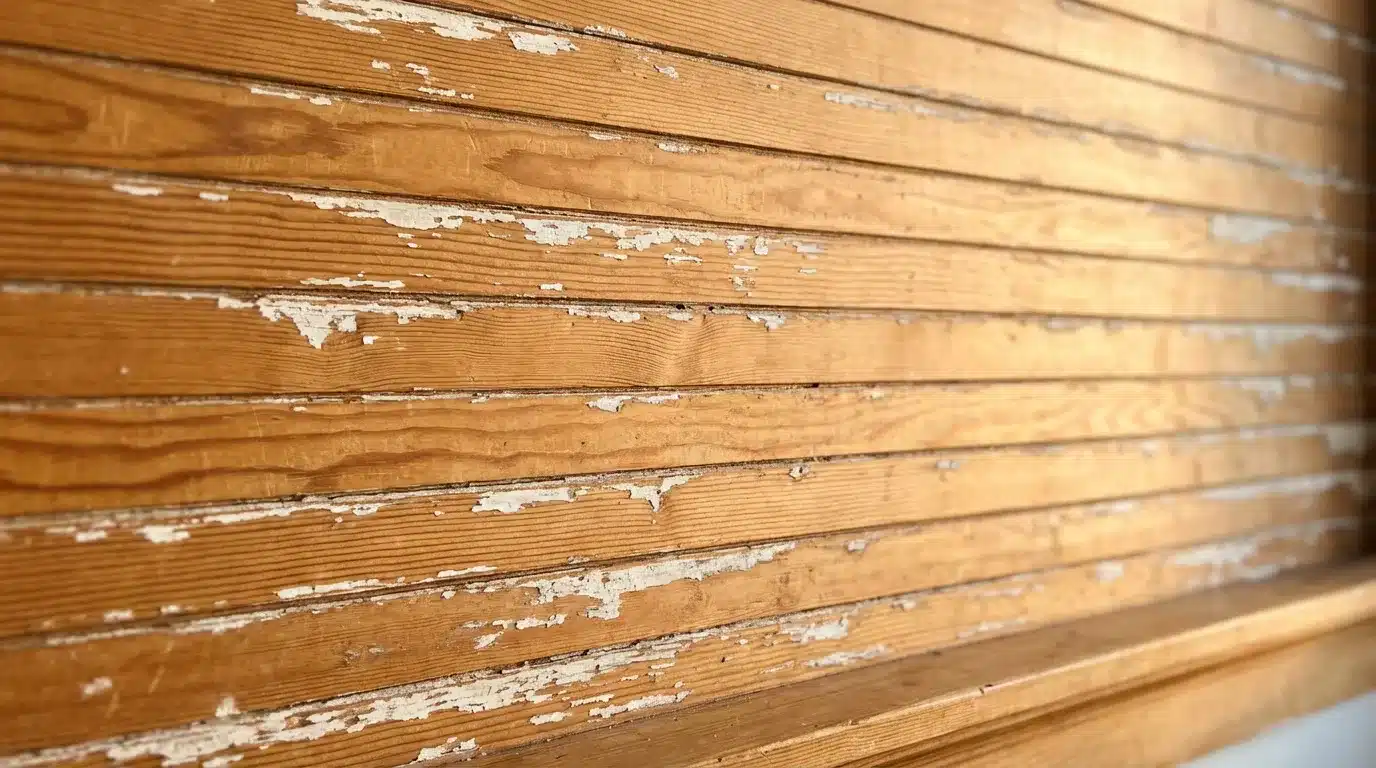
Natural wood absorbs moisture easily. In wet or fluctuating climates, this often leads to rot, swelling, and frequent repainting. Maintenance demands are high.
Low-Quality Vinyl Siding
Thin vinyl panels crack in cold weather and warp in summer heat. Repairs become common, and full replacement often comes sooner than expected.
Avoiding these materials can prevent years of frustration and unnecessary expense.
Signs It’s Time for Siding Replacement
Siding problems rarely fix themselves. Watch for these warning signs:
- Cracks, warping, or loose panels
- Mold, mildew, or dark moisture stains
- Higher heating and cooling bills
- Drafts or interior moisture issues
- Visible storm or hail damage
When these issues appear, replacement often makes more sense than repeated repairs.
Repair vs. Full Siding Replacement
Minor damage in a small area may be repairable if the rest of the siding is in good condition and still under warranty.
Full replacement is usually the better option when damage is widespread, energy loss is noticeable, or moisture issues keep returning. While the replacement costs more upfront, it often saves money over the long term by eliminating ongoing repairs.
Choosing the Right Contractor
Siding installation in harsh climates requires experience.
Look for contractors who understand regional weather conditions and use proper installation techniques. Ask about moisture management systems, insulation upgrades, and warranties on both materials and labor.
A quality installation is just as important as the siding itself.
Final Thoughts: Protect Your Home Before Damage Spreads
Severe weather is relentless. Siding that cannot keep up will eventually fail, sometimes quietly, sometimes all at once.
Choosing durable, weather-resistant siding and replacing it when needed protects your home, your comfort, and your investment. Waiting too long often turns manageable problems into major repairs.
The right siding does more than improve curb appeal. It protects your home through every season nature brings.