Most people rarely think about their roof until water starts dripping into the attic or they spot a few missing shingles scattered across the lawn. That first discovery usually brings a wave of anxiety about the potential cost. You find yourself standing in the driveway, squinting at the roofline and trying to figure out if a quick fix will buy you a few more years or if you are facing a full replacement. Deciding on the best path forward involves checking the structural integrity rather than just the appearance of the shingles.
Assessing the Damage
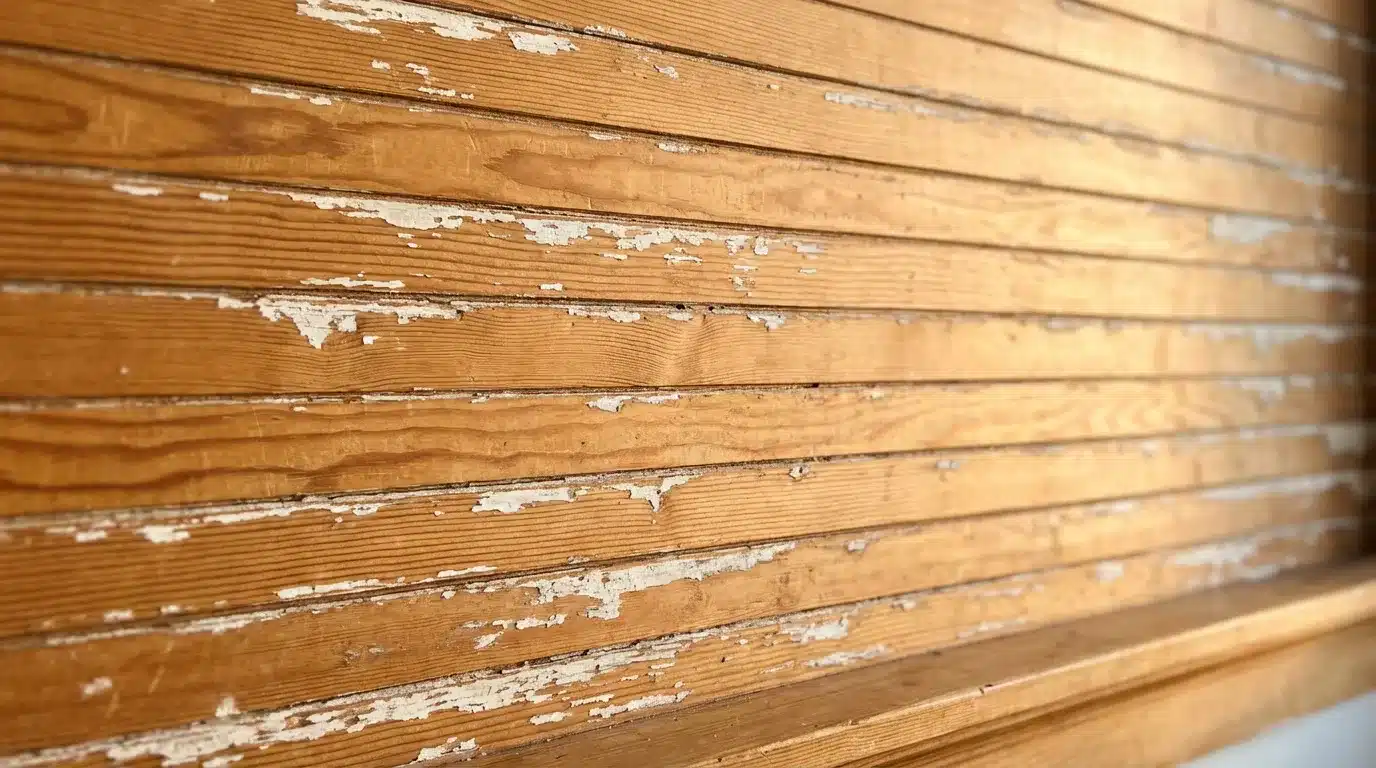
A stray branch poking a hole in an otherwise healthy roof doesn’t usually call for a total overhaul. In these cases, a repair is the logical path. These patch jobs work well when the surrounding roofing material remains flexible and intact enough to handle the work. However, age eventually changes the equation. Asphalt shingles lose their granules over time and become brittle. If your roof is approaching the twenty-year mark, the material may be too fragile to hold a repair without crumbling further.
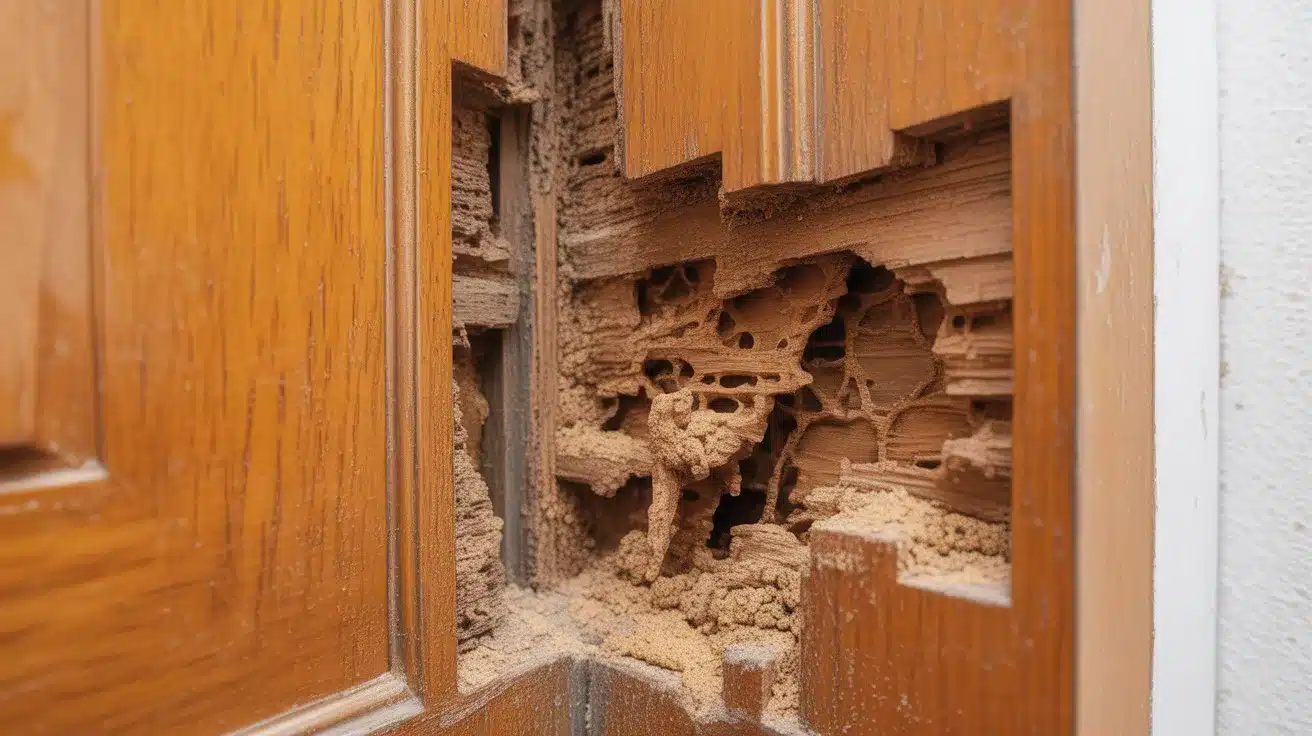
Look for roof signs that suggest deeper trouble. Dark streaks might just be moss and algae, which are often cosmetic, but they can also trap moisture against the shingles. If you see sagging areas, you aren’t just looking at a shingle problem; you are looking at structural issues. When the roof rafters begin to dip, the decking underneath has likely rotted. A repair cannot fix a failing foundation.
The Role of Professional Perspective
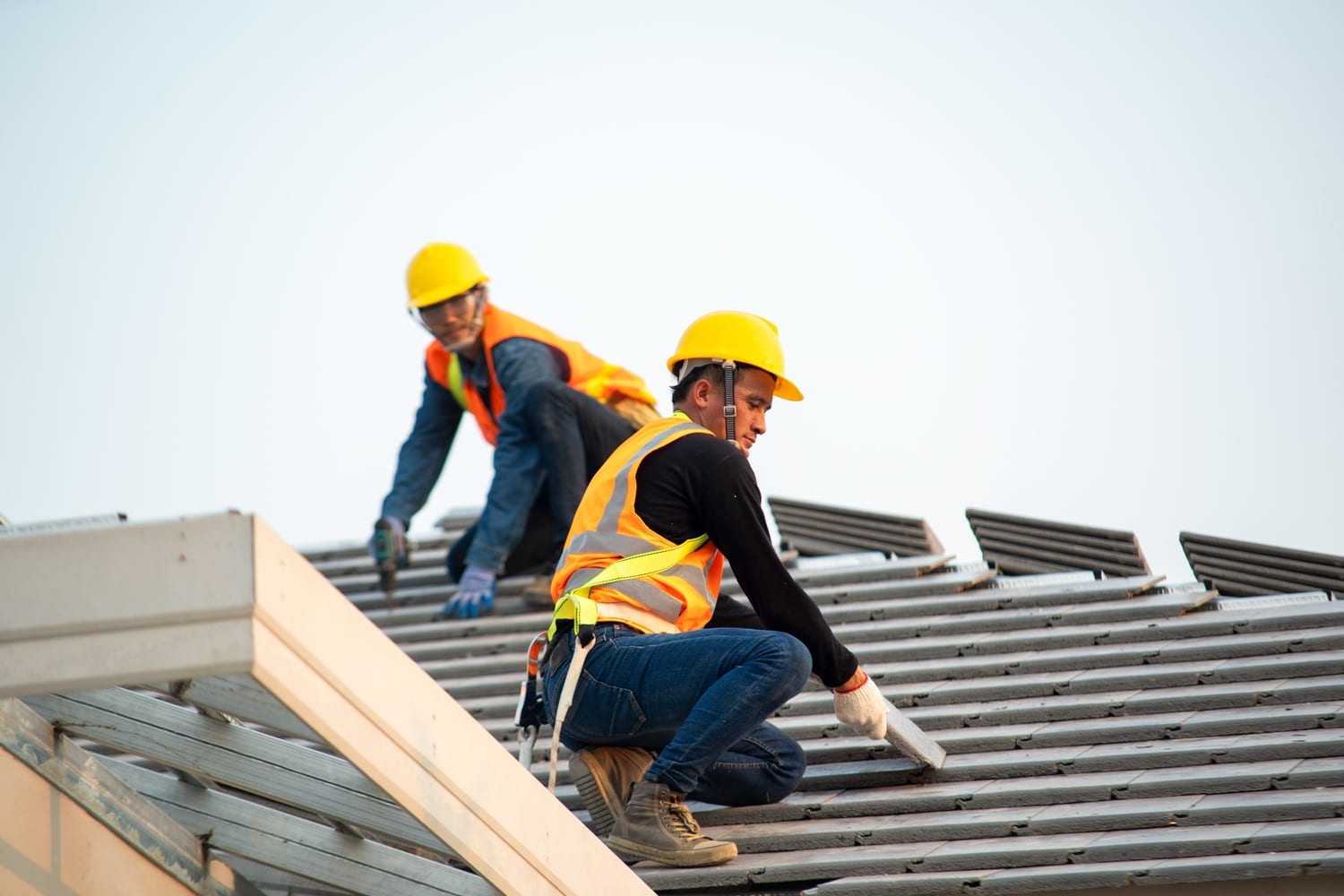
It helps to get a professional eye on the situation before you commit to a path. While many homeowners feel confident on a ladder, a professional sees what you might miss, such as compromised protective coatings or a failing moisture barrier. If you live in an area with high humidity or frequent storms, you might consult a Madison roofing contractor to walk the roof and provide a detailed report.
Local experts understand how the regional climate affects specific materials like clay tiles or architectural shingles. They can identify if the damage is isolated or if the entire system is failing.
During these roof inspections, ask about the ‘waste factor.’ If a contractor has to replace more than 30% of the roof to fix a leak, the labor costs for the repair often rival the cost of a new installation. At that point, the ‘cheaper’ fix loses its financial advantage.
Financial Reality and Longevity
Money usually drives the decision. A repair is a short-term save, while a replacement is a long-term solution. If you plan on moving in two years, a repair keeps the home watertight for the next occupant. If this is your ‘forever home,’ a replacement offers peace of mind for decades.
A new roof also impacts your energy bills. Modern roofing systems integrate better energy efficiency than those built twenty years ago. When you replace the entire surface, you have the opportunity to improve attic insulation and update ventilation systems. Proper airflow prevents heat from trapping in the attic, which protects the shingles from baking from the inside out and reduces the load on your air conditioner.
When Storms Intervene
Sometimes the choice is made for you. Intense storm damage, such as large hail or a fallen tree, often leads to insurance claims. In these scenarios, the insurance adjuster determines if the roof is repairable. If the impact is widespread, they may cover the cost of a full install.
However, don’t wait for a storm to check your roof’s health. Small leaks lead to moisture and mildew growth inside your walls. By the time you see a brown spot on your ceiling, the water has already traveled past the shingles, the underlayment, and the wood decking. Being proactive prevents a USD$500 repair from turning into a USD$15,000 headache.
The Impact on Home Worth
If you are considering selling, the roof is one of the first things a home inspector will flag. A patchy, mismatched roof suggests to buyers that the home hasn’t been well-maintained. A seamless installation of new shingles or metal panels significantly boosts curb appeal. It tells a buyer they won’t have to worry about the overhead for a long time, which directly increases the resale value.
In many cases, homeowners choose to bundle other exterior updates during a replacement. This is the ideal time for gutter replacement, as the old gutters must often be detached anyway. Removing the old layers allows the crew to inspect every square foot of the decking to ensure the home value is protected from the bones up.
Making the Final Choice
Think of your roof as a shield. A shield with a few scratches can be polished, but a shield that is thinning and cracking won’t protect you when the next storm hits. Evaluate the age, the extent of the damage, and your future plans for the house. Be direct with your contractor about your budget, but stay realistic about the limitations of a patch. A dry home is a safe home, and sometimes the only way to stay dry is to start fresh.