Root Rot: The Sneaky, Under the Soil Mistake That’s Killing Your Plants
If you’ve ever stared at a sad, droopy houseplant and thought, “Aw, buddy… you need a drink,” only to watch it get even sadder… congrats, you’ve met root rot.
And yes, it is wildly unfair: the plant looks thirsty while literally sitting in wet soil like a soggy little tragedy. Root rot is the #1 way people accidentally take out container plants (more than bugs, more than “I forgot for a week,” more than any dramatic plant parent confession on Instagram). The extra annoying part? It’s usually preventable.
I’ve done it. You’ve probably done it. We’ve all lovingly drowned something while whispering, “Why are you like this?”
Let’s fix it.
What root rot actually is (spoiler: it’s not a mysterious curse)
Root rot is basically root suffocation.
When potting soil stays wet for too long, the roots can’t get oxygen. No oxygen = roots start dying. Then the fungi and bacteria that love wet, airless conditions move in like they just got invited to the party. Roots turn brown/black and mushy, the plant can’t take up water or nutrients… and it slowly declines while you keep watering because it “looks thirsty.”
It’s the botanical version of trying to fix a sinking boat by bringing more water onboard.
The two real causes: watering too often + bad drainage
Here’s the biggest mindset shift: “Overwatering” usually isn’t too much water in one day. It’s watering again before the soil has had a chance to dry out and breathe.
A good, deep watering that soaks the whole pot? Often totally fine. (In fact, I prefer it.) The problem is doing it again… and again… while the bottom of the pot is still basically a swamp.
And then there’s drainage aka the unsexy thing nobody wants to talk about until their plant is actively collapsing.
If water can’t leave the pot easily, you’re on root rot thin ice. Even “careful” watering won’t save a plant that’s sitting in a soggy layer at the bottom.
Quick reality check you can do in 30 seconds:
- Does your pot have a drainage hole? (Not “a cute indent where a drainage hole could be,” an actual hole.)
- Is there standing water in the saucer? If yes, your plant is basically marinating.
- Is the top dry but the bottom wet? This happens all the time in deeper pots. Stick a wooden skewer/chopstick down in there and see what’s going on below the surface.
Early warning signs (aka your plant whispering “help”)
Root rot doesn’t usually show up as a dramatic overnight collapse. It’s more like a slow, confusing spiral.
Things I take seriously:
- Yellowing lower leaves while the soil is staying moist (classic early sign)
- Stalled growth when nothing else has changed
- A musty/moldy smell coming from the potting mix (soil shouldn’t smell like a damp basement)
- Fungus gnats hovering around the pot (they’re not the main villain, but they are a neon sign that your soil is staying wet too long)
And signs that mean, “Okay, we’re doing a root check today”:
- The plant wilts even though the soil is damp
- The stem feels soft right at the soil line
- You’re seeing mold on the soil surface
Root rot or underwatering? Do this one test.
Because yes both can look like wilting.
Give the plant a thorough drink. Then wait 2-4 hours.
- If it perks up: you probably had an underwatered situation.
- If it stays limp (or looks worse): root rot is very likely, because damaged roots can’t absorb water even when it’s available.
My “don’t drown it” prevention plan (simple, not fussy)
In my experience, root rot prevention comes down to three things and if you nail these, you almost have to work at killing a plant.
1) Drainage that actually drains
No drainage hole = no forgiveness. Period.
My personal rule: if I’m using a decorative cachepot (no hole), the plant stays in a nursery pot with holes, and I pull it out to water. Yes, it’s slightly annoying. But not as annoying as scooping out rotten roots while muttering “never again.”
A quick drainage test:
- Water the plant and watch the bottom. You should see water come out fairly quickly (within seconds, not minutes).
- If nothing comes out, or it trickles forever like it’s thinking about it, you’ve got a problem: compacted soil, blocked hole, or the pot is sitting flat and sealed to the saucer.
One tiny change that helps a lot: elevate the pot slightly (pot feet, little blocks, whatever). That small air gap under the pot helps water escape and evaporate especially indoors where there’s no breeze.
And about saucers: I’m not anti-saucer (I enjoy having furniture). I’m anti-standing water.
Empty the saucer within 30 minutes of watering. Otherwise the soil will literally wick the water back up like, “Oh you thought we were done? Cute.”
2) Potting mix that breathes (fluffy is good, concrete is bad)
You want soil that holds moisture long enough for roots to drink… then lets the extra drain away and leaves air pockets behind.
If your mix is super fine and dense, it packs down when wet and squeezes out the oxygen. Roots hate that.
What I do for most houseplants:
- Standard potting mix + 25-40% perlite or pumice (think: adding little air balloons into the soil)
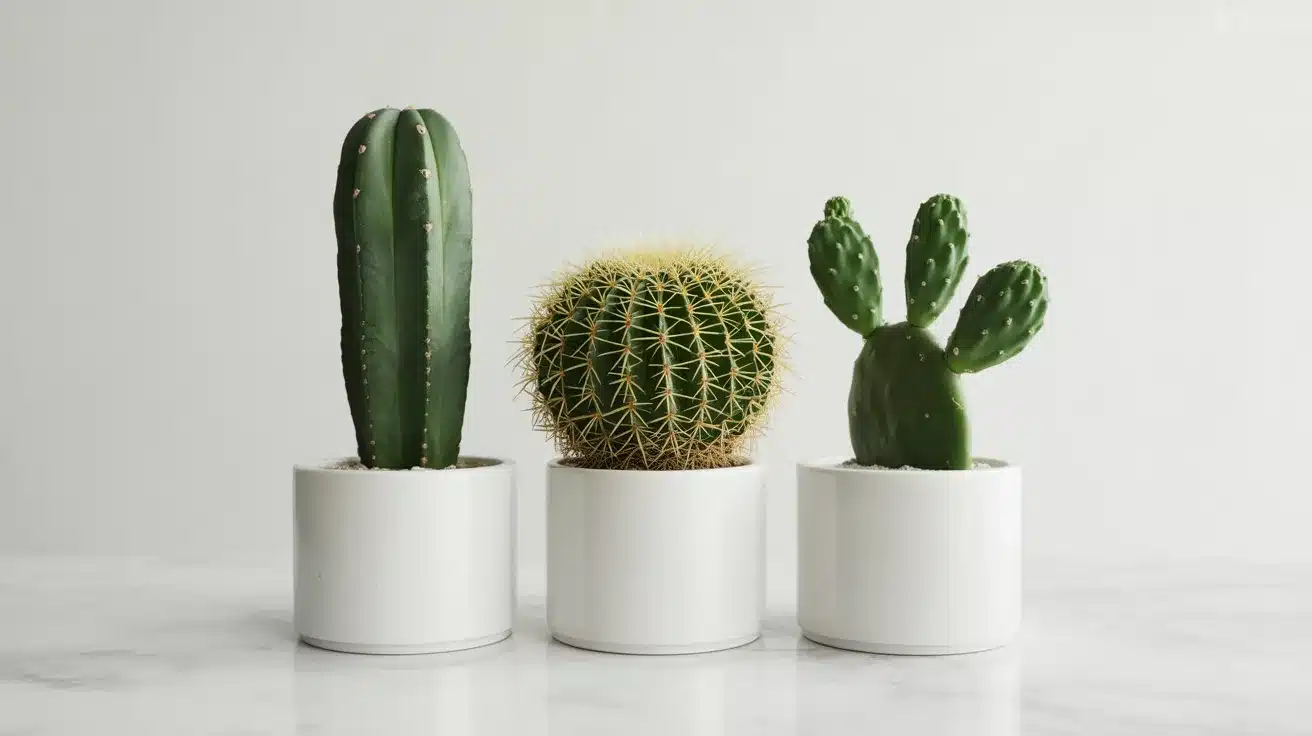
For succulents/cacti:
- At least 50% gritty/inorganic (pumice, perlite, coarse bark), or just buy a decent cactus mix and still add extra grit if it feels too peat heavy.
Two things I avoid:
- Garden soil in pots (it compacts like it’s trying to become a brick)
- Reusing old mix after a rot issue (I know, I know, we hate waste but lingering pathogens are not the kind of “recycling” we’re going for)
3) Watering based on reality, not a cute schedule
If you water every Saturday because it feels responsible, your plants might quietly be plotting against you.
Light, temperature, humidity, pot size, and pot material all change how fast soil dries for indoor palms by light. Winter especially? Plants slow down, light is weaker, and soil stays wet longer. (This is when people drown plants with love.)
What works:
- The finger test: stick your finger 1-2 inches down. If it’s dry at that depth, water. If it’s damp, back away slowly.
- The skewer/chopstick test for deeper pots: stick it down, leave it 10-15 minutes, pull it out. Dark/wet = not time. Mostly dry = go ahead.
Moisture meters: totally fine as a helper! Just don’t treat it like the Plant Supreme Court. Use it alongside your finger/skewer until you learn what “dry enough” looks like in your specific pot.
One more biggie: adjust seasonally. In winter, many plants need water way less often (sometimes 30-50% less). In summer or near a sunny window/heating vent? They’ll dry faster.
Let’s talk pots (because the pot can make you look like a bad plant parent)
Pot choice won’t magically fix everything, but it definitely changes how much wiggle room you get.
- Terracotta (unglazed): my favorite “training wheels” if you tend to overwater. It breathes and helps soil dry faster. Downside: you’ll water more often.
- Plastic or glazed ceramic: holds moisture longer. Great if you forget to water, dangerous if you water when you’re bored.
- Fabric grow bags: dry fast and reduce rot risk, but you’ve got to stay on top of watering.
And please don’t repot palms in containers into a pot that’s three sizes bigger because you feel generous. Oversized pots = extra soil = extra wetness = roots sitting in damp mix forever.
When sizing up, go 1-2 inches wider, max.
My quick “weekly plant check” that prevents 90% of drama
I’m not out here doing a ceremonial inspection with a clipboard. I just do this:
Before I water anything, I check moisture at depth (finger or skewer). That’s it. That one habit catches most root rot before it becomes a full blown funeral.
And if a plant starts acting weird? I don’t baby it with more water. I investigate first. (This took me years to learn, because my instinct is still, somehow, “Maybe it’s thirsty!”)
Okay, but what if you already have root rot?
First: don’t panic. If you catch it early, a lot of plants can bounce back.
My basic rescue plan:
Step 1: Stop watering and pull the plant out
Slide it out of the pot and look at the roots.
- Healthy roots: white/tan, firm, kinda springy
- Rotten roots: brown/black, mushy, may smell sour, and the outer layer might slip off if you tug (gross, but informative)
A rough “is this worth it?” guide:
- More than half the roots are healthy: great odds.
- About 20-50% salvageable: possible, just slower. I’d take a cutting as backup.
- Less than 20% healthy: honestly, I’d propagate and move on. Not every plant wants to be saved, and that’s between it and its maker.
Step 2: Trim the bad roots
Use sterilized scissors and cut back to firm, healthy tissue. Be ruthless. Mush has to go.
Step 3 (optional): Hydrogen peroxide dip
You can soak the trimmed roots in 1 part 3% hydrogen peroxide + 4 parts water for 5-10 minutes. Optional, not magic, but it can help knock things back.
Step 4: Let roots dry briefly
Give it 15-20 minutes to air dry. (This feels weird the first time. It’s fine.)
Step 5: Repot in fresh, well draining mix
Clean pot (with drainage!) + fresh airy soil. Don’t reuse the soggy rot soil.
Step 6: Adjust the top if you hacked off lots of roots
If you removed a big chunk of roots, consider pruning about one third of the foliage so the reduced root system isn’t trying to support a whole canopy like it’s still living its best life.
Step 7: Water once, then wait
Water thoroughly one time to settle the soil, then let it dry out appropriately before watering again (often until the top couple inches are dry, depending on the plant).
Recovery can take weeks. Your plant might look a little offended during that time. Stay consistent.
Final pep talk (because losing plants feels personal for no reason)
If you’ve killed plants with root rot, you’re not “bad at plants.” You’re just learning the one lesson houseplants teach the hardest: more love is not always more water.
Get the drainage right, use a mix that breathes, and stop watering on autopilot. Start there. Fix one pot this week. Check one plant with a skewer instead of guessing. Small changes stack up fast and your plants will absolutely act like you’re a wizard when their roots can finally breathe again.