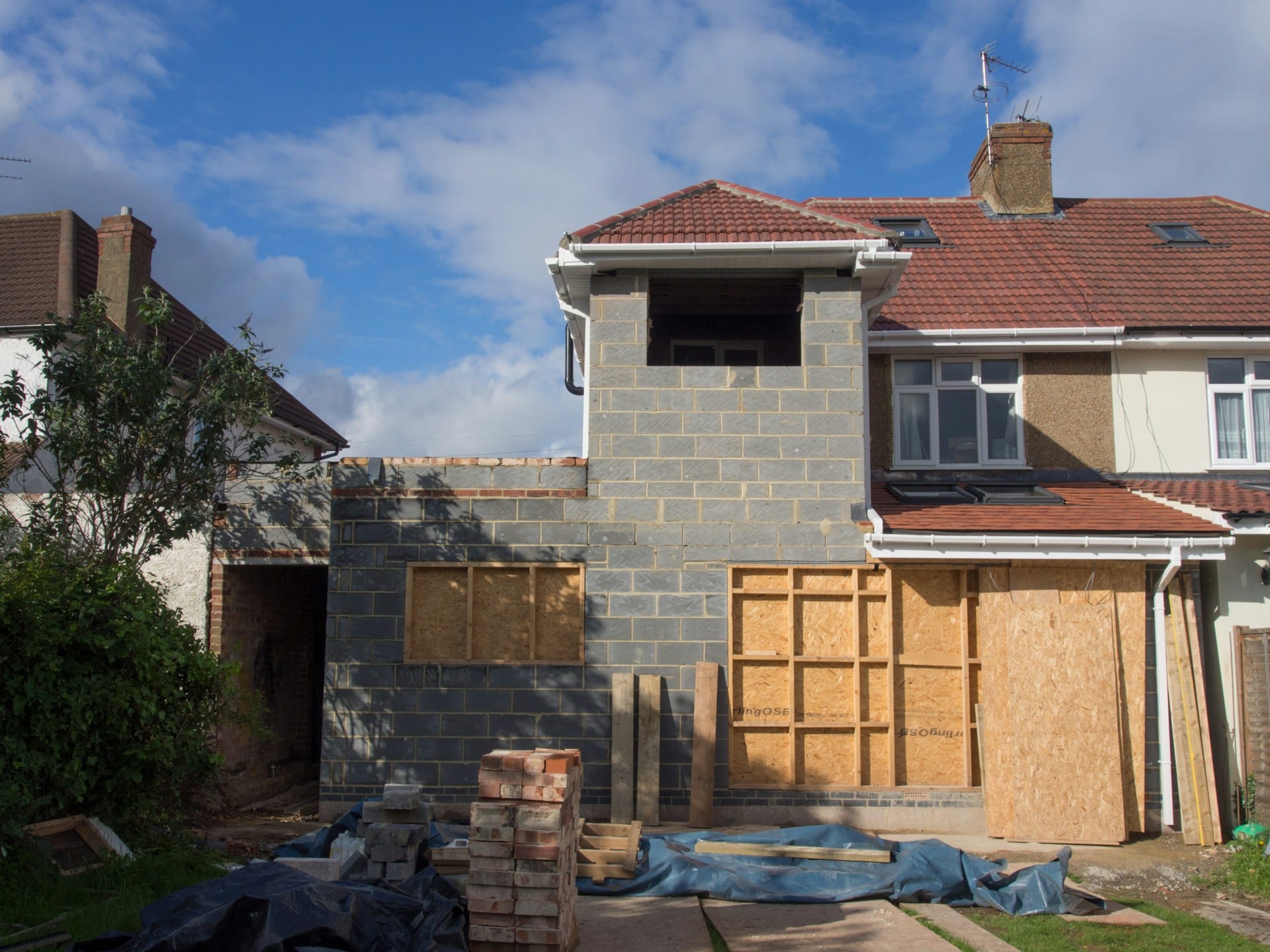
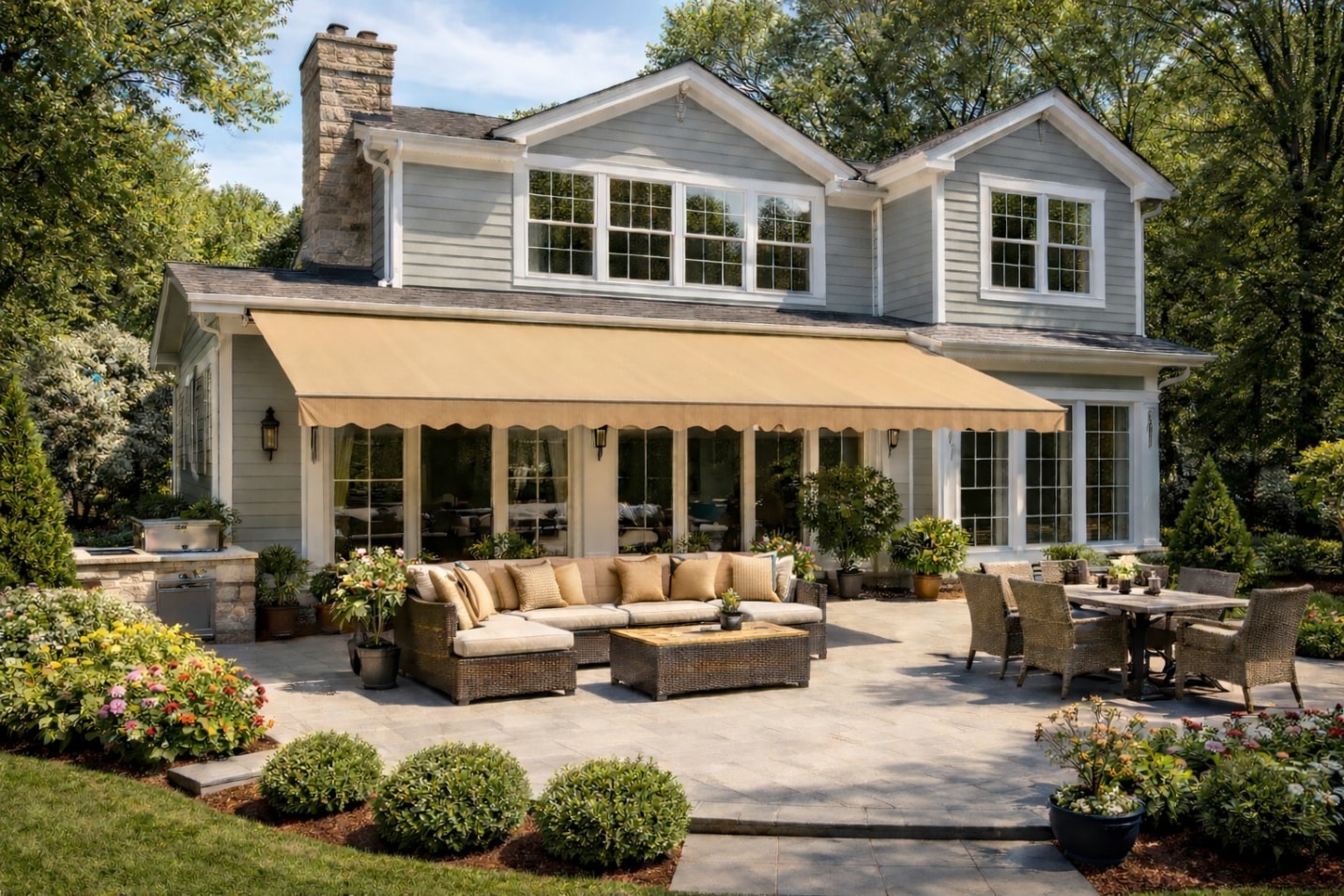
James and Rebecca spent two years saving for their dream sunroom addition. They hired an architect, got permits, and broke ground with excitement. Three weeks into construction, they discovered a critical problem: the addition blocked access to their outdoor garden, their HVAC unit needed relocation, and the roof pitch didn’t match their existing structure. The fixes added $18,000 to their budget and delayed completion by two months. None of this had to happen.
Home additions represent one of the biggest investments homeowners make, yet most people rely on 2D blueprints and imagination to visualize the outcome. This disconnect between planning and reality creates expensive surprises that derail budgets and timelines. Smart homeowners are taking a different approach, one that catches problems before the first nail gets hammered.
The True Cost of Renovation Mistakes
According to the National Association of Home Builders, homeowners spend an average of 10 to 20% more than their original budget on renovation projects, with design changes being one of the primary culprits. When you factor in structural issues discovered during construction, that percentage often climbs higher.
The financial impact goes beyond the obvious construction overruns. Change orders during active construction typically cost 15 to 30% more than addressing the same issues during planning. Rush shipping for corrected materials adds premium fees. Extended timelines mean additional contractor costs and potential temporary housing expenses if the project affects livable space.
Then there’s the emotional toll. Construction stress ranks among the top life stressors, and unexpected problems amplify that pressure. Couples argue over revised budgets, families live in construction zones longer than planned, and the dream addition becomes a source of regret instead of joy.
Common Addition Planning Mistakes That Cost Thousands
Overlooking Existing Systems and Access Points
The most expensive mistakes happen when additions interfere with existing home systems. HVAC units, electrical panels, water mains, and septic systems all have specific clearance requirements. Building over or too close to these systems requires costly relocations that could have been avoided with proper spatial planning.
Access to outdoor spaces presents another common pitfall. That beautiful new bedroom suite might block the only gate to your backyard, forcing you to tear up landscaping to create a new access point. Or your addition might eliminate the pathway to your garden maintenance areas, creating ongoing frustration every time you need to haul equipment or materials.
Misjudging Scale and Proportion
A 12×16 room looks manageable on paper. In reality, determining whether that space feels cramped or comfortable depends on ceiling height, window placement, and how it connects to existing rooms. Homeowners regularly discover their planned addition feels either claustrophobically small or awkwardly oversized once construction begins.
Exterior proportions create similar challenges. An addition that looks fine in 2D drawings can throw off your home’s entire aesthetic when built. It might dwarf the original structure, appear tacked on rather than integrated, or create odd rooflines that trap water and cause drainage issues.
Underestimating Foundation and Structural Requirements
The ground beneath your addition matters more than most homeowners realize. Soil conditions, drainage patterns, and foundation matching requirements all affect both cost and feasibility. Many homeowners plan additions without understanding that their existing foundation type might require expensive engineering solutions to support new construction.
Load-bearing wall locations within your existing home further complicate planning. That open-concept connection you envisioned might require structural reinforcement that doubles the framing costs. Understanding these constraints early prevents heartbreaking design compromises mid-construction.
How 3D Design Transforms Addition Planning
Modern 3d house design technology bridges the gap between blueprint imagination and construction reality. Unlike flat drawings that require mental gymnastics to visualize, 3D models show exactly how your addition will look, function, and integrate with your existing home.
The process starts with accurate measurements of your existing home and property. Digital modeling incorporates architectural features, existing systems, and site constraints. You can then experiment with different addition configurations, seeing in real-time how each option affects your home’s appearance, functionality, and the space around it.
Identifying Problems Before Construction Begins
Three-dimensional visualization reveals issues that 2D plans hide. You can see that your planned mudroom blocks natural light to your kitchen. You notice the new bathroom window looks directly into your neighbor’s bedroom. You discover the addition creates a dead-end hallway that feels claustrophobic.
More importantly, 3D models expose technical conflicts. Roof pitch mismatches become obvious. HVAC placement challenges emerge clearly. Traffic flow problems reveal themselves when you virtually walk through the space. Each discovered issue represents money saved by addressing it during design rather than during construction.
Testing Multiple Design Options Efficiently
Traditional architectural revisions cost hundreds to thousands of dollars and take weeks to redraw. Digital 3D design lets you test unlimited variations in days or even hours. Want to compare a second-story addition versus a ground-level expansion? See both options side by side. Wondering if a hip roof or a gable roof looks better? View them instantly.
This flexibility extends to interior layouts, too. Test different window placements for optimal light. Experiment with door locations for better traffic flow. Try various ceiling heights to maximize space perception. Each iteration costs nothing but time, and each comparison helps you make better decisions.
Critical Elements to Evaluate in Your 3D Addition Plan
- Exterior integration: Does the addition look like a natural extension of your home, or does it appear tacked on? Check roofline transitions, siding alignment, and window placement symmetry.
- Access and circulation: Can you reach all outdoor areas comfortably? Does the addition create convenient pathways or awkward bottlenecks?
- Natural light patterns: How does the addition affect sunlight in existing rooms? Will shadows create problems for your lawn and garden maintenance?
- System clearances: Are HVAC units, electrical panels, and plumbing access points still easily reachable?
- Drainage patterns: Will the addition create water pooling issues? Does it direct runoff appropriately away from the foundation?
- Future flexibility: Does the design accommodate potential future changes or additions?

Working With Contractors and Architects
Professional contractors and architects appreciate detailed 3D plans because they eliminate ambiguity. When bidding on your project, they can accurately estimate material quantities and labor hours. During construction, they reference the 3D model to verify that built elements match the intended design.
This clarity reduces change orders and disputes. Everyone sees exactly what the finished product should look like. Questions about finish details, spatial relationships, and design intent get answered during planning rather than mid-construction when changes cost exponentially more.
Many architects now incorporate 3D modeling into their services, but even if yours doesn’t, arriving at your first consultation with a detailed 3D concept communicates your vision clearly. It demonstrates you’ve thought through the practical aspects of your addition and helps professionals provide more accurate guidance from the start.
Getting Permits and Approvals
Building departments increasingly accept 3D renderings as part of permit applications. These visualizations help reviewers understand your project quickly, potentially speeding approval timelines. When variance requests become necessary, 3D models demonstrate how your addition fits the neighborhood character and complies with setback requirements.
Homeowners association approvals benefit even more from 3D presentations. Board members who struggle to interpret blueprints immediately grasp design concepts when shown realistic renderings. You can show views from multiple angles, demonstrating how the addition appears from the street and neighboring properties.
Start Planning Smarter, Build Confidently
Home additions should enhance your life, not drain your bank account through preventable mistakes. The gap between what you imagine and what gets built narrows dramatically when you plan in three dimensions rather than relying on flat drawings and hope.
Before you commit to architectural fees, contractor bids, or permit applications, invest time in detailed 3D planning. Test different configurations. Identify potential problems. Refine your design until every element works together seamlessly. The hours you spend now prevent the costly surprises that plague most addition projects.
Your dream addition exists in your mind already. 3D design simply makes it visible, testable, and achievable within your budget. That clarity transforms renovation anxiety into construction confidence, ensuring the space you build matches the space you envisioned.