Ever wonder why some royal buildings are called castles while others are palaces? The confusion makes sense. Both look grand and impressive. Both housed royalty. But here’s what separates them: purpose.
Castles were built to fight. Thick walls, narrow windows, strategic hilltop locations. They meant survival. Palaces came later, when rulers felt safe enough to focus on beauty rather than on battles. Big windows, fancy gardens, gold everywhere.
This guide clearly breaks down the palace vs. castle debate. You’ll learn their unique features, historical backgrounds, and why location mattered so much.
We’ll compare famous examples like Windsor Castle and Versailles. By the end, you’ll spot the difference instantly.
What Is a Castle?
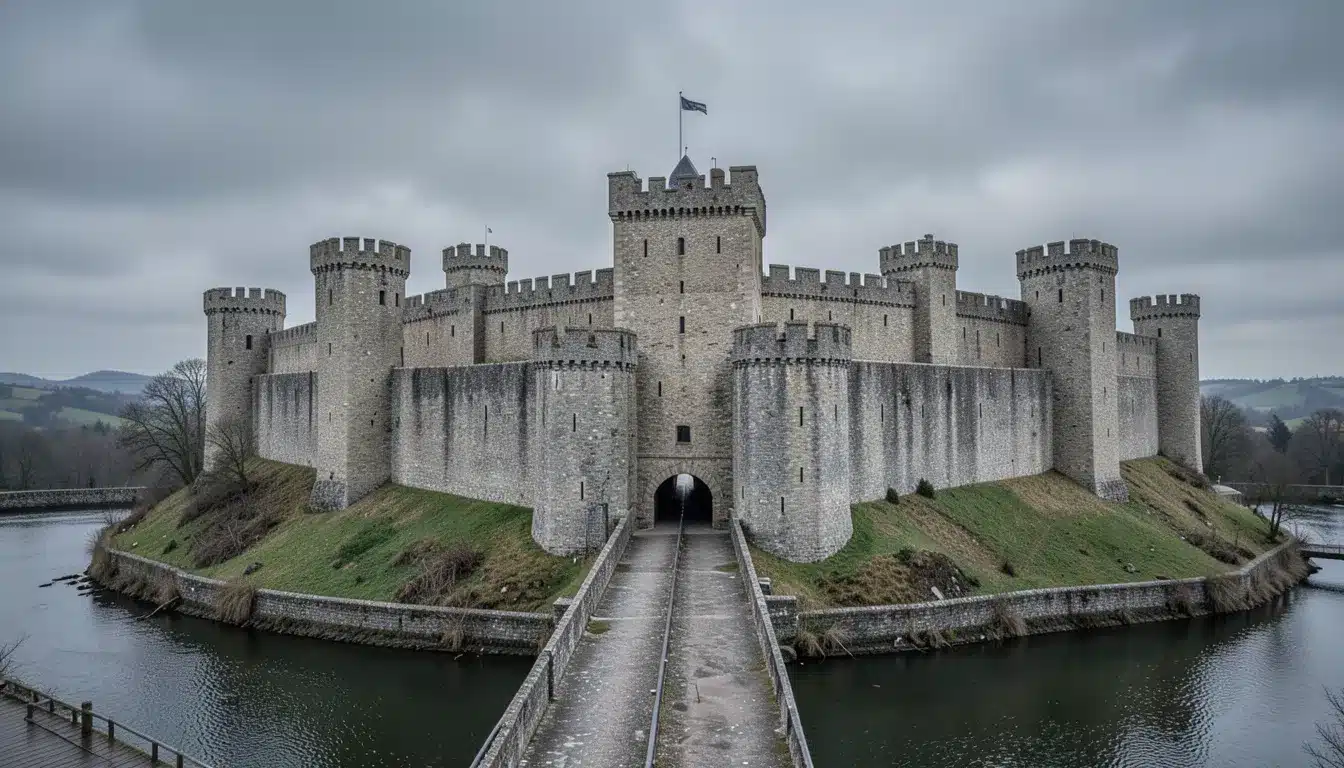
A castle is a large, fortified building that served as both a military defense structure and a noble residence. The word comes from the Latin term “castellum,” which means a fortified place.
Most castles were built between the 9th and 15th centuries across Europe. These structures helped nobles protect their lands from invaders. They also showed power and control over specific territories.
When comparinga palace vs a castle, the main difference starts with purpose. Castles focused on defense first, comfort second.
Key Architectural Features of Castles
- Fortified walls: Thick stone walls built to resist attacks and keep enemies out.
- Towers and keeps: Central tall structures used for defense and housing the noble family.
- Moats and drawbridges: Water barriers and movable bridges that controlled access to the castle.
- Arrow slits: Narrow openings in walls where archers could shoot arrows while staying protected.
- Bastions and battlements: Raised sections along walls where soldiers stood guard and defended against attacks.
Primary Functions of Castles
| Function | Description |
|---|---|
| Defense | Built as military fortresses to protect against invasions and local conflicts |
| Residential | Served as homes for lords, their families, and household staff |
| Administrative | Acted as centers of power where lords governed lands and managed feudal systems |
What Is a Palace?
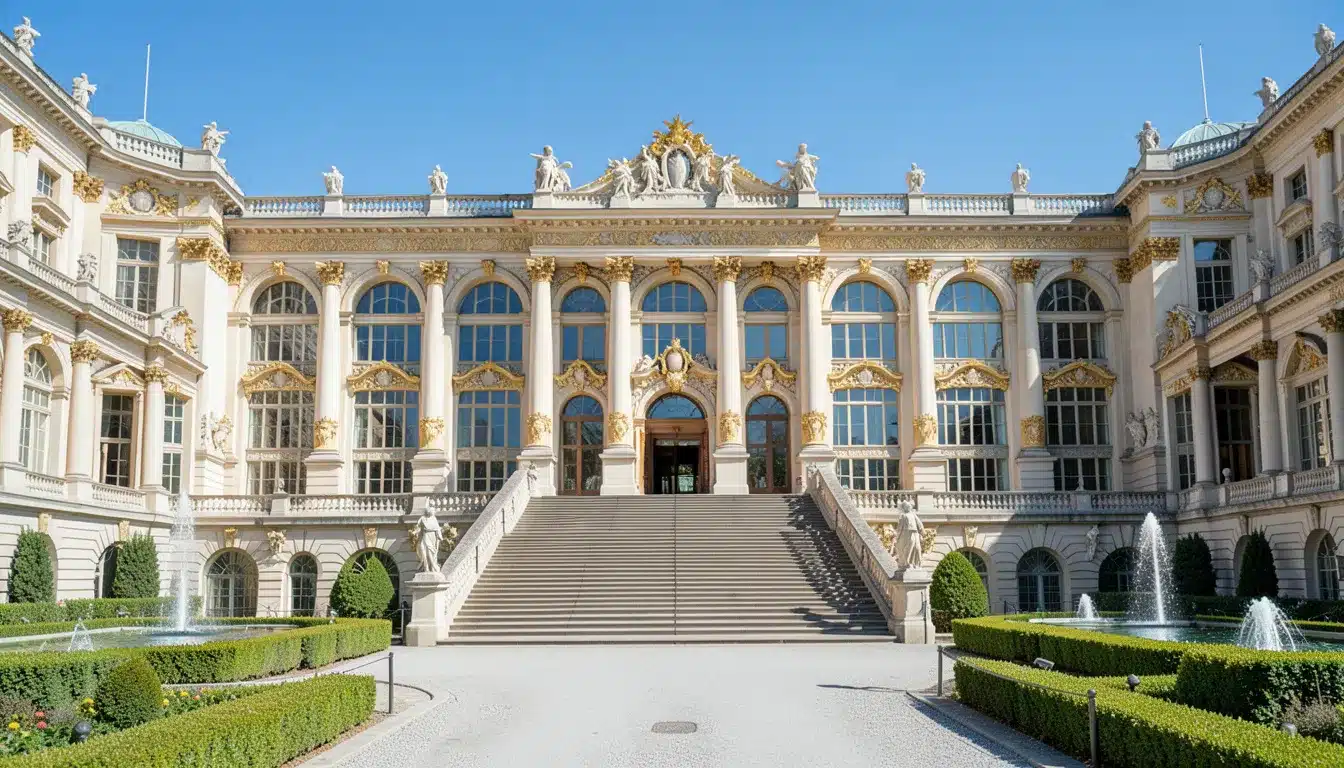
A palace is a grand, luxurious residence built for royalty, high-ranking officials, or important public figures.
The word “palace” comes from the Latin term “palatium,” referring to Palatine Hill in Rome, where emperors lived. Unlike castles, palaces were not designed for defense.
They focused on comfort, beauty, and displaying wealth. Palaces became popular during and after the Renaissance, when security concerns eased.
In the palace vs castle comparison, palaces represent luxury and ceremony rather than military strength. These buildings served as symbols of royal power and cultural achievement.
Key Architectural Features of Palaces
- Opulent interiors: Grand halls with elaborate staircases, chandeliers, and decorative artwork throughout the building.
- Large windows: Designed to bring in natural light and create bright, comfortable living spaces.
- Gardens and courtyards: Beautiful outdoor areas for relaxation, entertainment, and official ceremonies.
- Symbolic design: Architecture that reflects the power, wealth, and cultural heritage of the royal family.
Primary Functions of Palaces
| Function | Description |
|---|---|
| Royal Residence | Served as the primary home for kings, queens, emperors, and their families |
| Government and Ceremonies | Hosted official state events, diplomatic meetings, and grand celebrations |
| Symbol of Power | Showcased the wealth, culture, and influence of the ruler and their kingdom |
Castle vs Palace: Key Differences
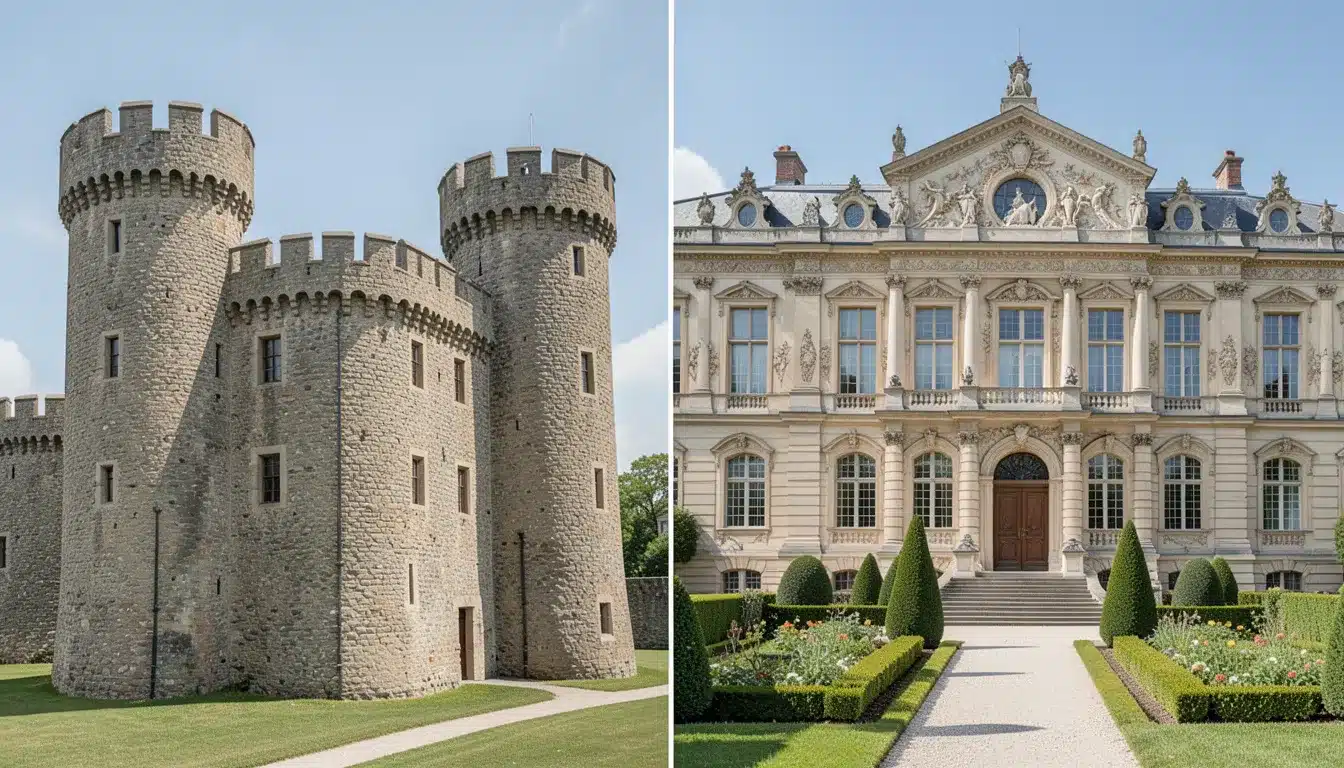
Now that we understand what each structure is, let’s examine the main differences. The palace vs castle comparison reveals how purpose shaped design and location.
1. Purpose
Castles were built for defense and territorial control. They protected nobles and their people from enemy attacks and invasions.
Palaces focused on luxury and displaying royal prestige. They provided comfortable homes where rulers could entertain guests and conduct official business.
2. Architecture
Castles featured defensive designs with thick stone walls, narrow windows, and fortified towers. The materials used were heavy stone blocks chosen for strength.
Palaces featured ornate architecture, spacious rooms, and artistic details. Their design prioritized beauty and comfort over protection.
3. Historical Context
Castles were dominant during the Middle Ages, when warfare was constant, and security was essential. They evolved as military technology changed, adding stronger defenses over centuries.
Palaces became popular during the Renaissance when peace allowed rulers to focus on art and culture. Both structures adapted to changing times and social needs.
4. Location and Strategic Placement
Castles were positioned on hilltops, near borders, or at strategic points for military advantage. Their locations offered natural defenses and clear views of approaching enemies.
Palaces were built in city centers or cultural hubs where accessibility mattered more than defense. They stood near government buildings and important institutions.
5. Symbolism and Social Meaning
Castles symbolized protective power and military strength in their regions. They represented security and feudal authority over the land.
Palaces embodied cultural refinement, artistic achievement, and royal sophistication. They showed how rulers valued education, arts, and diplomatic relationships.
Similarities Between Castles and Palaces
Despite their differences, palaces and castles share several important characteristics. Understanding these similarities helps us see why the palace vs castle distinction can sometimes blur.
| Similarity | Description |
|---|---|
| Grand Scale | Both structures are large, impressive buildings that showcase architectural mastery |
| Cultural Heritage | Serve as important historical landmarks preserving centuries of art, culture, and history |
| Royal Residences | Originally housed royalty, nobility, and powerful ruling families |
| Tourist Destinations | Now attract millions of visitors worldwide as popular heritage sites |
| Evolving Functions | Many castles were converted into palaces over time as defensive needs decreased |
| Status Symbols | Both demonstrated the wealth, power, and social standing of their owners |
Examples: Famous Castles and Palaces Worldwide
Let’s look at some real examples that showcase the palace vs castle differences. These famous structures help illustrate the unique characteristics we’ve discussed.
Notable Castles
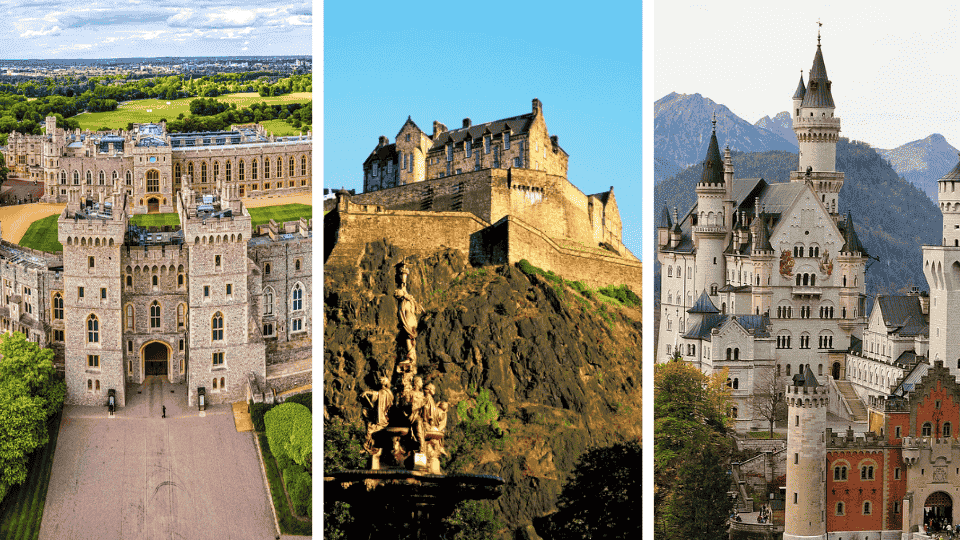
- Windsor Castle (UK): The oldest and largest occupied castle in the world, serving as a royal residence for over 900 years with strong defensive features.
- Edinburgh Castle (Scotland): A historic fortress perched on volcanic rock, offering strategic military advantage and stunning views over the city.
- Neuschwanstein Castle (Germany): A 19th-century hilltop castle built with fairytale architecture, combining medieval defensive design with romantic artistic elements.
Iconic Palaces
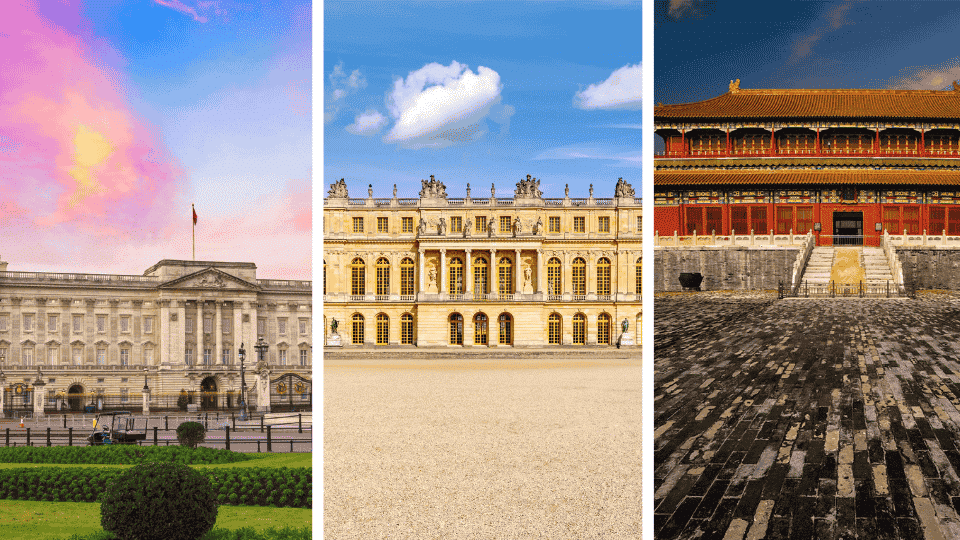
- Buckingham Palace (UK): The official London residence of the British monarch, featuring 775 rooms and serving as the administrative headquarters of the monarchy.
- Palace of Versailles (France): A stunning example of French Baroque architecture with elaborate gardens, built to showcase royal power and artistic excellence.
- The Forbidden City (China): The largest palace complex in the world with 980 buildings, serving as the imperial palace for 24 Chinese emperors.
How Terms Are Used Today?
The palace vs castle terminology has become less precise in modern times. Many buildings called “castles” today lack any real fortifications or defensive features.
They’re simply large historic estates or grand homes. Meanwhile, many actual palaces now function as museums, government buildings, or tourist attractions rather than royal residences.
The French term “chateau” adds another layer of confusion, as it can refer to either a castle, palace, or simply a large country house.
This mixing of terms happens because people often use “castle” and “palace” interchangeably based on a building’s age or grandeur rather than its original purpose.
Understanding the true historical distinctions helps us appreciate these structures more accurately.
Key Takeaways
The palace vs castle comparison comes down to one main difference: purpose. Castles protected people during dangerous medieval times with thick walls and strategic locations.
Palaces celebrated peace, wealth, and culture with beautiful designs and luxurious features. Both structures tell fascinating stories about how people lived, ruled, and survived throughout history.
Now you can easily tell them apart. Next time you visit a historic site or watch a period drama, you’ll notice the defensive features of castles versus the ornate beauty of palaces.
Which type fascinates you more? Have you visited any famous castles or palaces? Share your experiences in the comments below.
Frequently Asked Questions
Is Palace the Same as Castle?
No, a palace is not the same as a castle. Castles were built for defense with fortified walls, while palaces were designed for luxury and comfort without military features.
Did Kings Live in Castles or Palaces?
Kings lived in both castles and palaces, depending on the time period and security needs. Medieval kings used castles for protection, while later monarchs preferred palaces during peaceful times.
What Is the Difference Between a Castle and a Chateau?
A castle is a fortified military structure, while a chateau is a French term for a large country house or estate that may or may not have defensive features.
What Qualifies as a Palace?
A palace is a grand, luxurious residence built for royalty or high-ranking officials, emphasizing comfort, beauty, and ceremonial functions rather than defense.