Organic modern interior design has become a favorite for people who want a home that feels calm, warm, and easy to live in. It mixes clean lines with natural materials in a way that feels fresh without being harsh.
I’ve seen that many people love this style but aren’t sure how to build it room by room or how to balance the warm look with simple shapes.
That’s where this guide helps. You’ll get clear steps, real color ideas, room-by-room direction, and tips for creating both light and moody spaces that feel grounded and welcoming.
Let’s start by understanding how it works in a home.
What Organic Modern Interior Design Really Is
Organic modern design mixes clean modern lines with warm, natural materials. It gives you a home that feels calm, simple, and grounded without looking cold or strict.
You still get the smooth shapes and open layouts that modern design is known for, but you also get the warmth of wood, stone, soft fabrics, and earthy colors.
Key Principles
Here are the ideas at the center of this style:
- Keep the layout simple and open.
- Use warm neutrals as the base.
- Bring in natural textures like wood, stone, linen, and wool.
- Use soft curves to balance straight lines.
- Let in as much natural light as possible.
- Add decor that feels handmade or natural.
- Keep only what you need so the room stays clear and calm.
These ideas help the room feel relaxed without losing structure.
How It Differs From Similar Styles
A lot of styles share parts of this look, so here’s how they compare:
| Style | What It Looks Like | How It Differs From Organic Modern |
|---|---|---|
| Scandinavian | Light colors, clean layouts, simple wood, bright overall feel | Organic modern uses deeper tones, more texture, and a warmer mood |
| Japandi | Low furniture, dark contrast, balanced lines, very controlled layouts | Organic modern feels softer and more relaxed with gentler shapes |
| Boho | Colorful fabrics, layered decor, mixed patterns, lots of accessories | Organic modern stays simple and uses fewer accents for a cleaner look |
| Modern | Smooth surfaces, sharp lines, cool colors, sleek finishes | Organic modern adds natural materials to warm up the space |
Why It’s Trending Today
People want homes that feel peaceful and easy to live in. With work, family, and constant noise, a simple and warm space feels good to come back to.
Organic modern fits that feeling. It’s clean without being harsh. It’s cozy without being busy. And because it uses natural materials, it feels timeless and easy to refresh as your taste changes.
Core Characteristics of Organic Modern Style
Organic modern design has a warm and calm look. It mixes simple shapes with natural materials, and it keeps everything clear and relaxed.
1. Color Palette
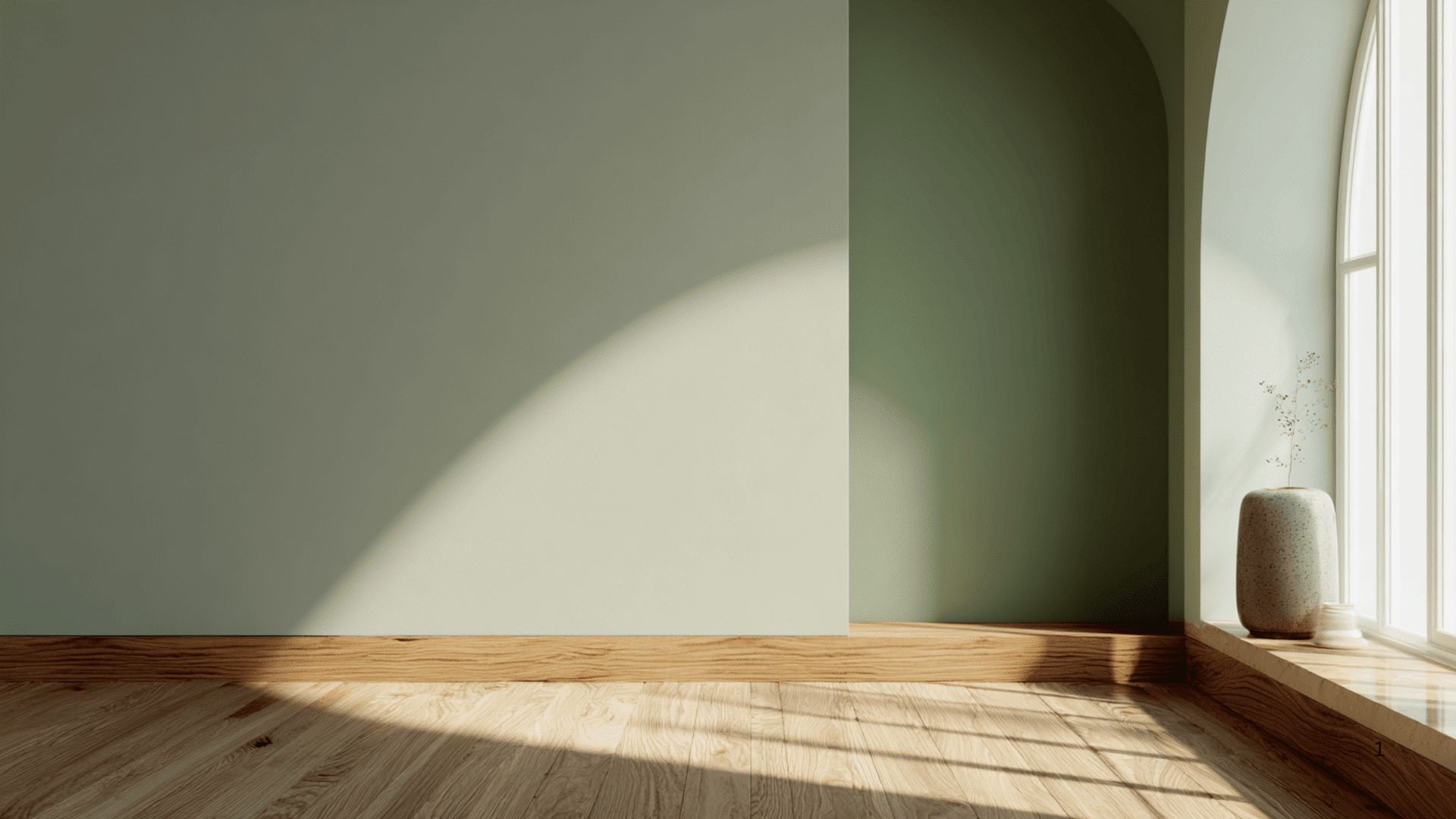
The palette for organic modern rooms usually comes from paint colors that feel soft, warm, and earthy. Here are some trusted shades from major brands, along with the qualities each color brings into a room:
| Brand | Warm Neutral | Hex | Earth Tone | Hex | Muted Accent | Hex |
|---|---|---|---|---|---|---|
| Sherwin-Williams | Alabaster | #EDE9E3 | Accessible Beige | #D1C7B8 | Evergreen Fog | #95978A |
| Behr | Swiss Coffee | #F0EDE4 | Natural Gray | #A7A39E | Terracotta Clay | #A65F47 |
| Benjamin Moore | White Dove | #F0EFE6 | Sierra Hills | #A0785A | Hunter Green | #2C443B |
The palette can be light or moody. Light organic modern uses warm whites, soft beige, and pale taupe, with touches of sage or terracotta. Moody organic modern uses charcoal gray, deep brown, and dark taupe, with black, deep blue, or dark wood for contrast. Both versions keep the same calm, grounded feeling.
2. Materials
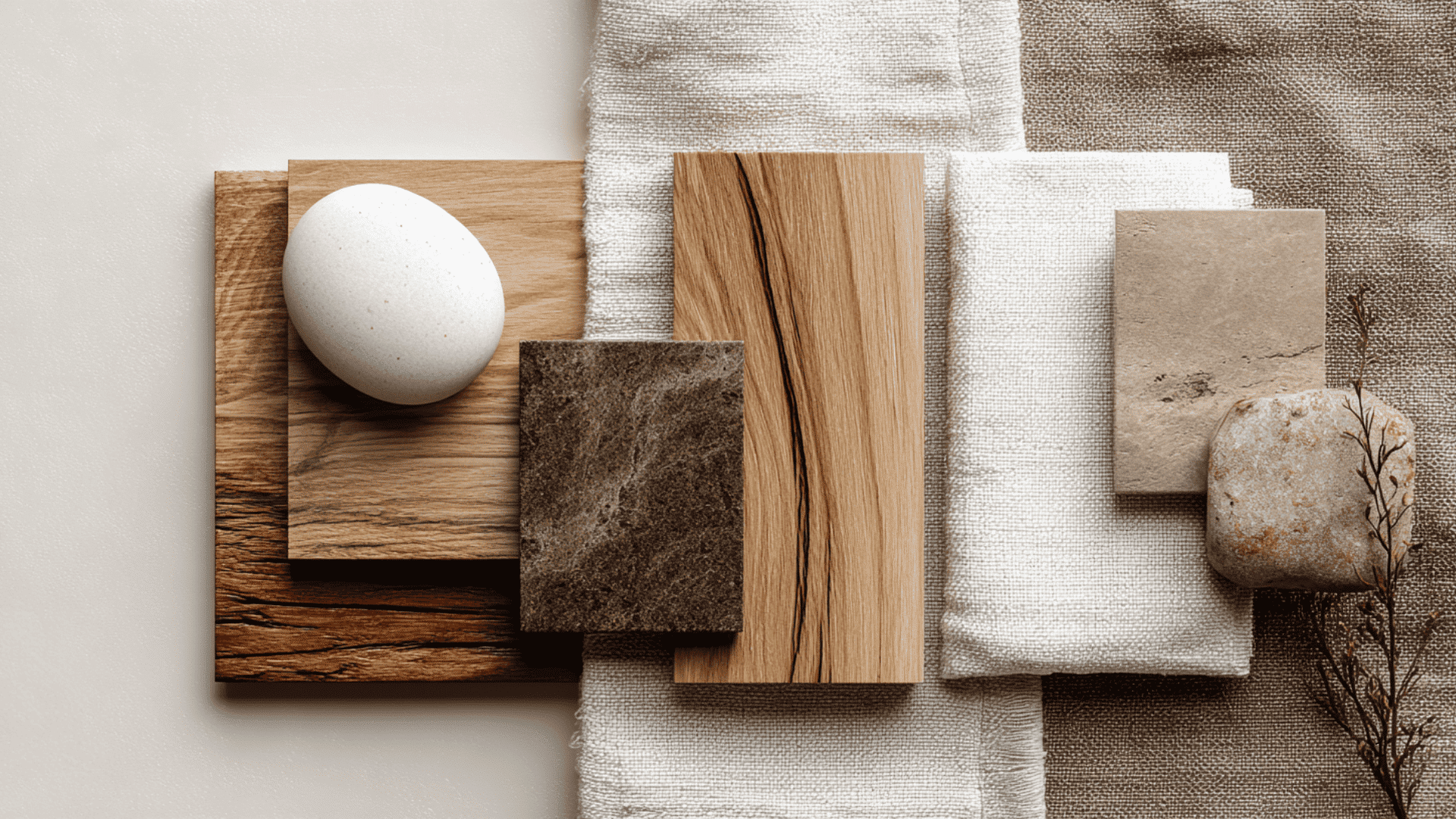
Natural materials are at the center of this style. Wood, stone, linen, wool, jute, and rattan all play a big role.
Wood tones like oak and walnut help the room feel grounded. Stone pieces like limestone or travertine add quiet detail. Soft fabrics such as linen and cotton make the room feel easy to live in.
The mix matters too. Most rooms look best with one main wood tone, one or two stone surfaces, and plenty of soft textures.
It’s better to avoid glossy finishes, busy patterns, or bright colors because they break the warm and simple flow. Plastic pieces that pretend to look natural usually feel out of place in this style.
3. Shapes and Silhouettes
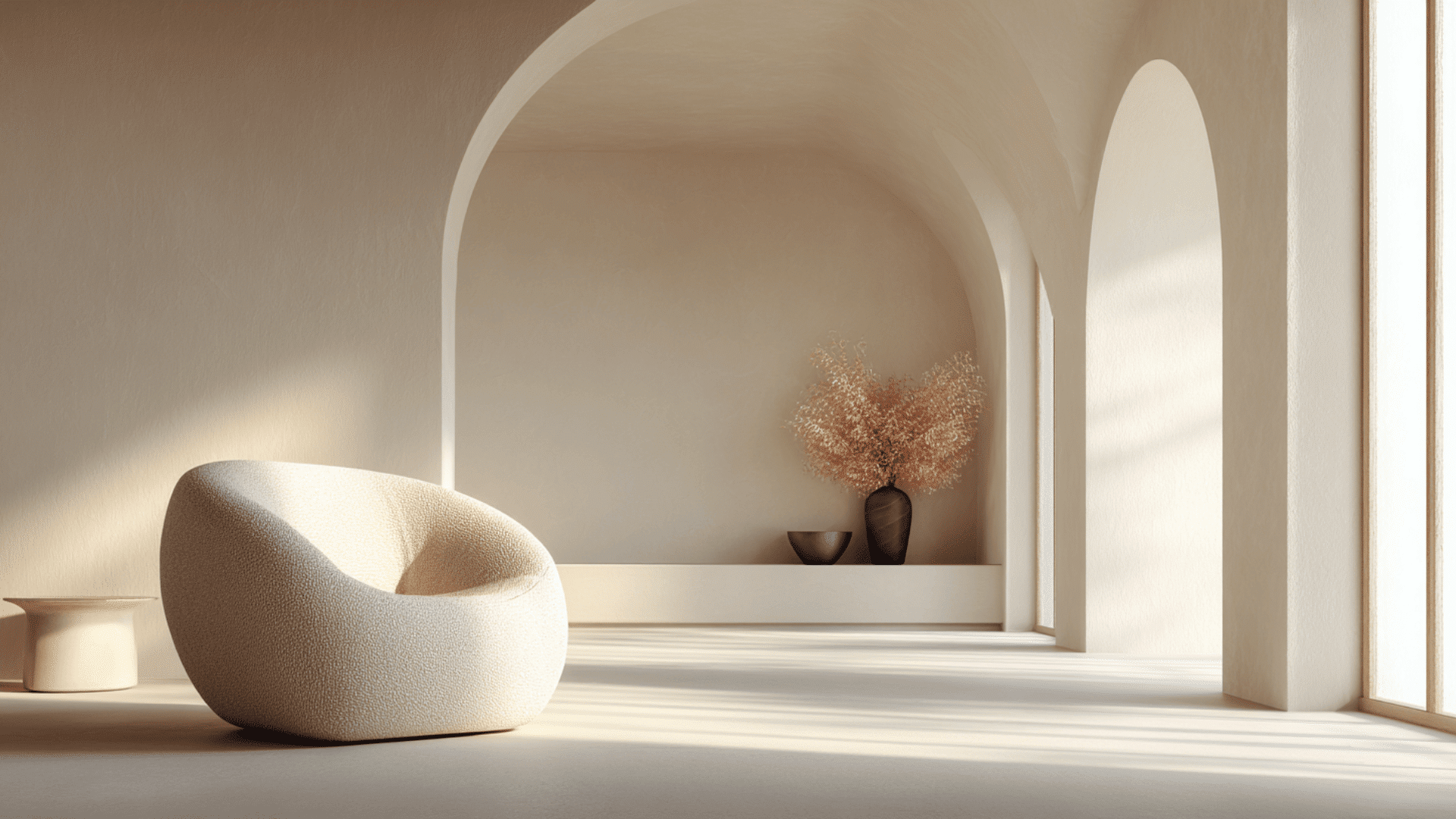
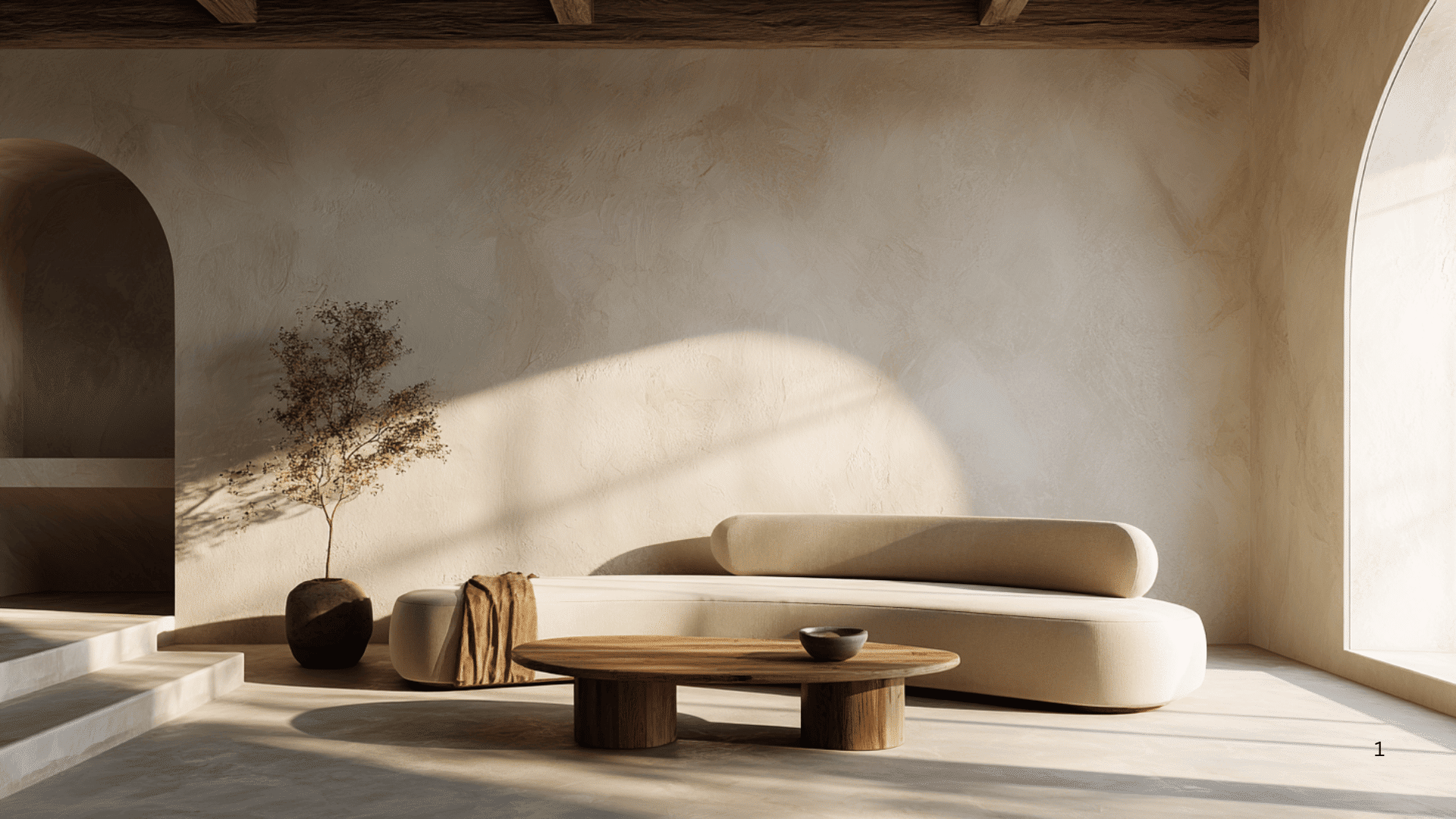
The shapes in organic modern design stay simple but soft. You still see clean lines, but they’re balanced with curves. Curved chairs, round tables, and soft-edge sofas help the room feel relaxed instead of sharp.
A few sculptural pieces also help the room feel more natural and less flat. Most spaces look balanced with two or three curved elements so the room feels soft without looking rounded everywhere.
4. Texture and Layering
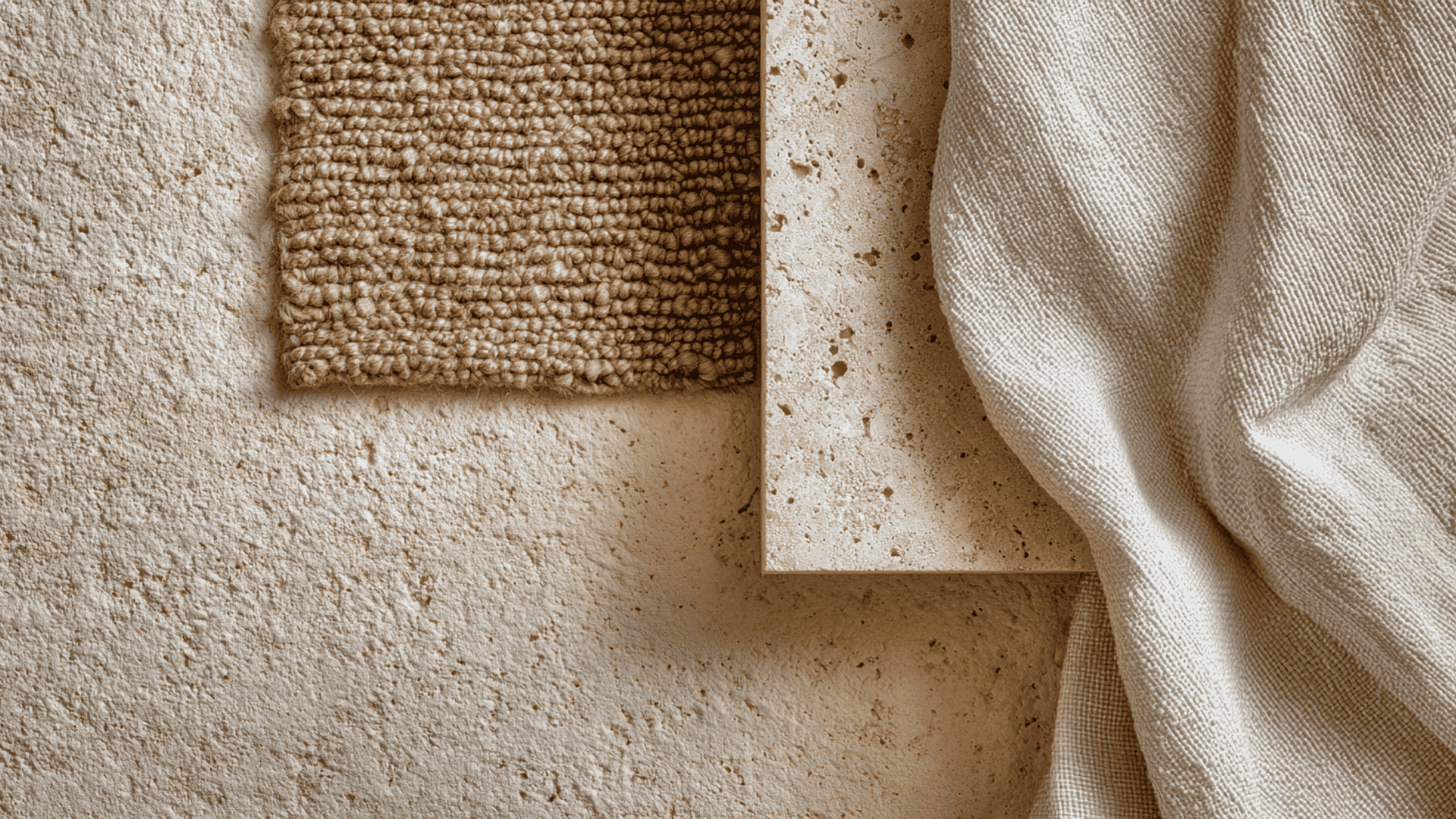
Texture is what gives this style warmth. Smooth stone, soft linen, thick wool, and natural fibers all help the room feel lived-in and grounding.
Wall textures like limewash, plaster, or wood paneling add depth without being loud. Rugs make a big difference too. Wool rugs feel soft under your feet, while jute rugs add a natural and simple touch.
The key is gentle contrast. Pair something smooth with something rough.
Mix hard surfaces with soft fabrics. Use light and dark tones together in small doses. This keeps the room interesting without making it feel busy or crowded.
5. Nature Integration
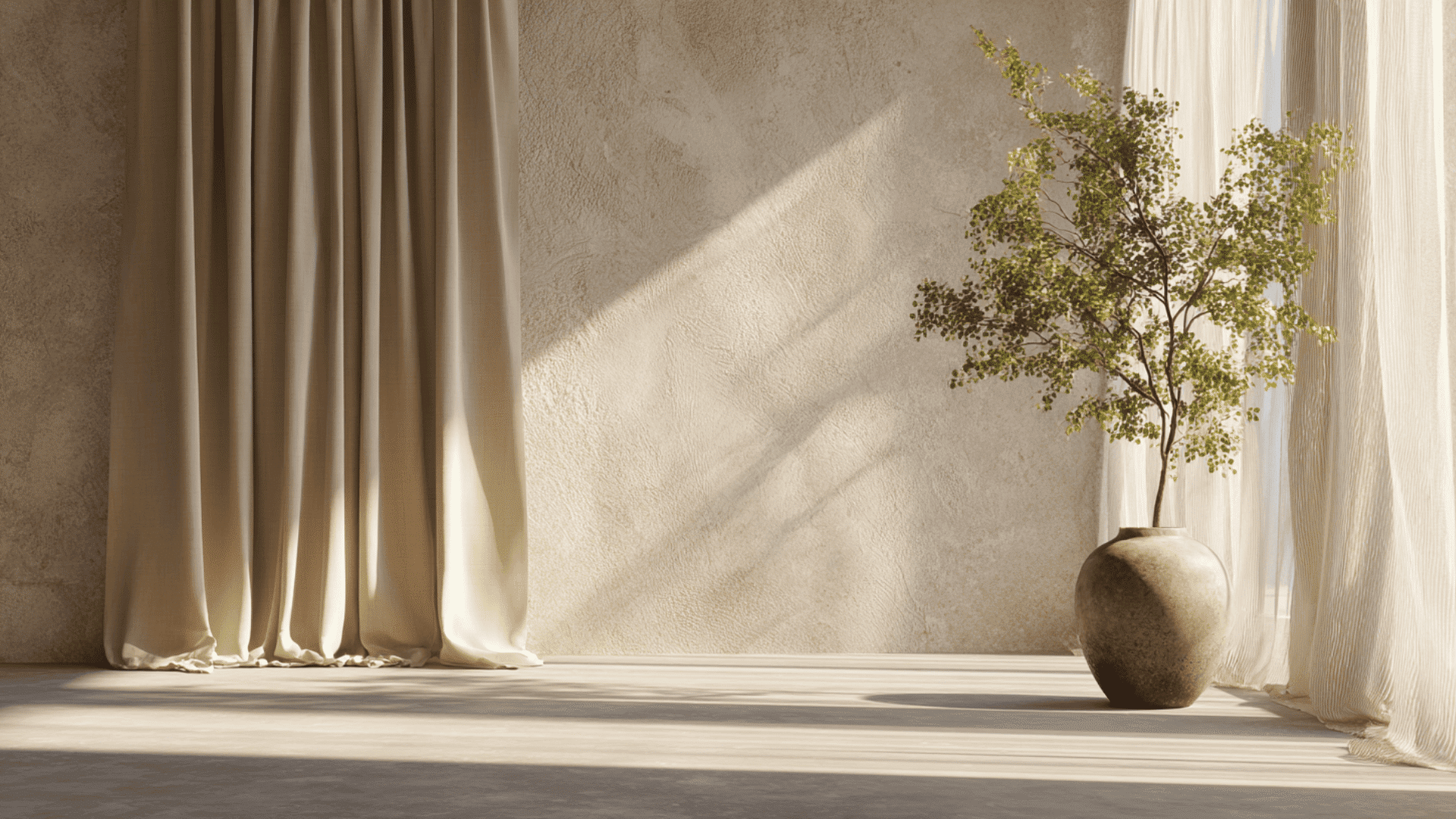
Nature is a big part of this style. Plants play a huge role because they add shape, movement, and calm energy. Simple plants like olive trees, snake plants, or dried stems in ceramic vases work best because they don’t overwhelm the room.
Natural light matters just as much. Sheer curtains help soften the light, and keeping windows clear makes the room feel larger.
Some homes use similar colors inside and outside, or place natural materials near windows to connect both spaces. Even small changes make a big difference.
When the room feels linked to nature, the whole space feels calmer and easier to enjoy.
How to Achieve Organic Modern Style Step-by-Step
Organic modern design looks calm and simple, but getting it right works best when you move in clear steps. These steps help you build the whole room from the base up so everything feels connected and balanced.
Step 1: Choose Your Foundation Colors and Main Woods
Start by picking the colors and wood tones that will guide the whole room. Use warm neutrals or soft earth tones for the walls so the space feels relaxed and grounded.
Then choose one main wood tone for your furniture or floors. Light oak gives a soft and airy look. Walnut feels deeper and richer. Sticking to one main wood tone makes the room feel clean instead of scattered.
Step 2: Bring In Your Key Furniture Pieces
Your bigger furniture pieces set the tone right away. Pick items with clean lines and simple shapes
Sofas with smooth edges, wood coffee tables, and solid sideboards all work well. Keep the number of major pieces low so the room stays open and easy to use.
In my experience, once the big items are right, everything else becomes much easier to build around.
Step 3: Add Textures and Soft Layers
Texture gives organic modern rooms their warmth. Use linen curtains, wool throws, cotton pillows, and soft rugs to bring comfort into the space.
Pair smooth surfaces like stone or wood with softer fabrics so the room feels balanced. You don’t need a lot. A mix of a few strong textures is enough to make the room feel full and inviting.
Step 4: Use Curves to Soften the Room
Curves help break up the straight lines that come from modern design. Rounded chairs, curved lamps, bowl-shaped decor, or a soft-edge sofa can give the room a relaxed flow.
You don’t need many. Two or three curved pieces in the whole room are enough to add softness without taking over the space.
Step 5: Finish With Organic Decor and Simple Styling
Once the room has its shape, add natural elements to bring it to life. Plants, ceramic vases, stone bowls, woven baskets, and warm lighting all make the room feel grounded.
Keep surfaces clear and choose only a few pieces you enjoy. Place items in small groups, vary heights, and add one focal piece so the room looks put together without feeling busy.
Room-by-Room Organic Modern Guides
Each room in your home can follow the organic modern look in its own way. These ideas help you shape every space with the right mix of warmth, clean lines, and natural materials.
1. Living Room
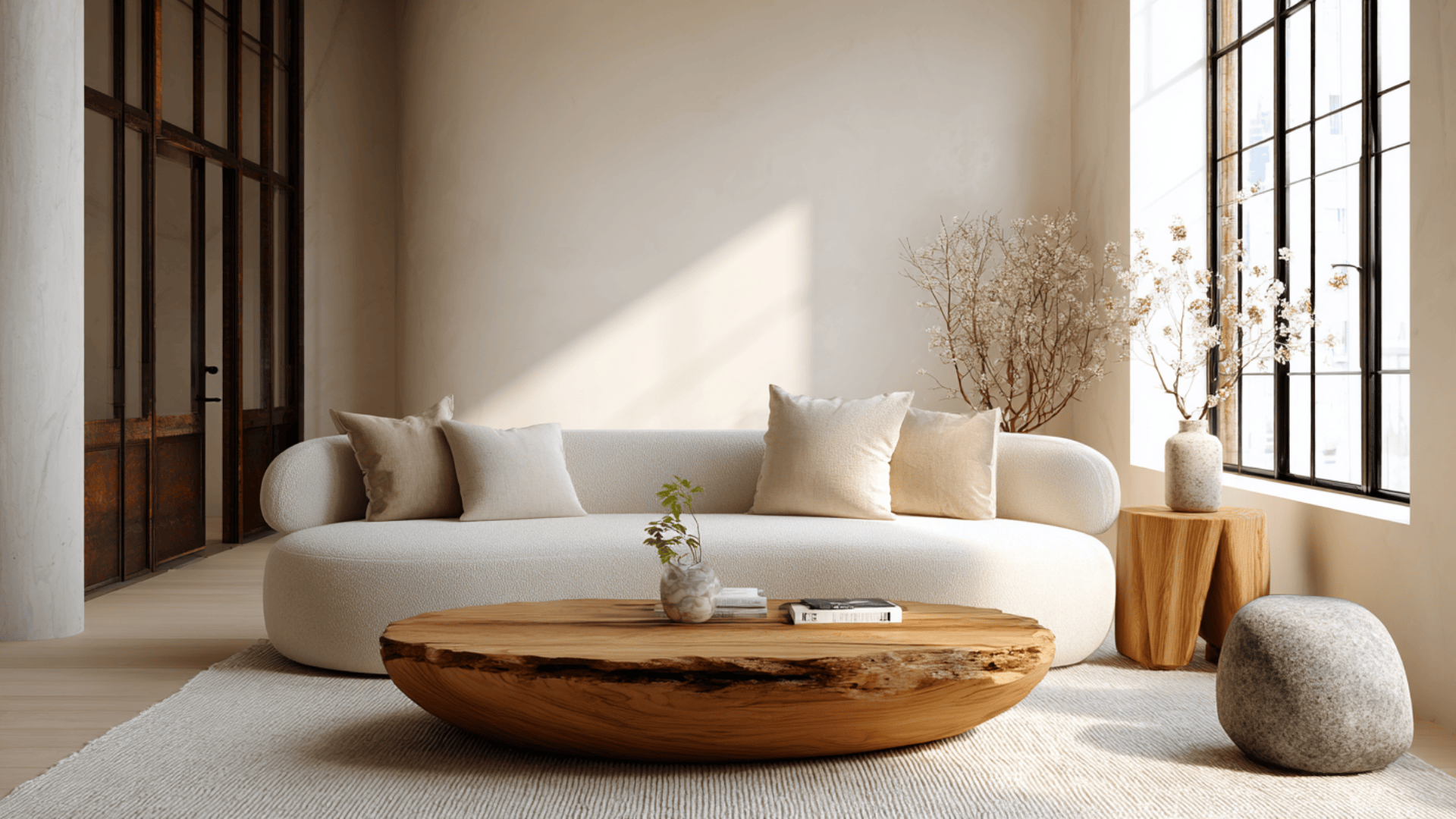
An organic modern living room uses soft-edge sofas, natural wood or stone coffee tables, and an open layout. Keep the space balanced with one main focal point and simple supporting pieces.
Use warm fabrics, gentle curves, and calm tones so the room feels relaxed without losing its clean look.
2. Bedroom
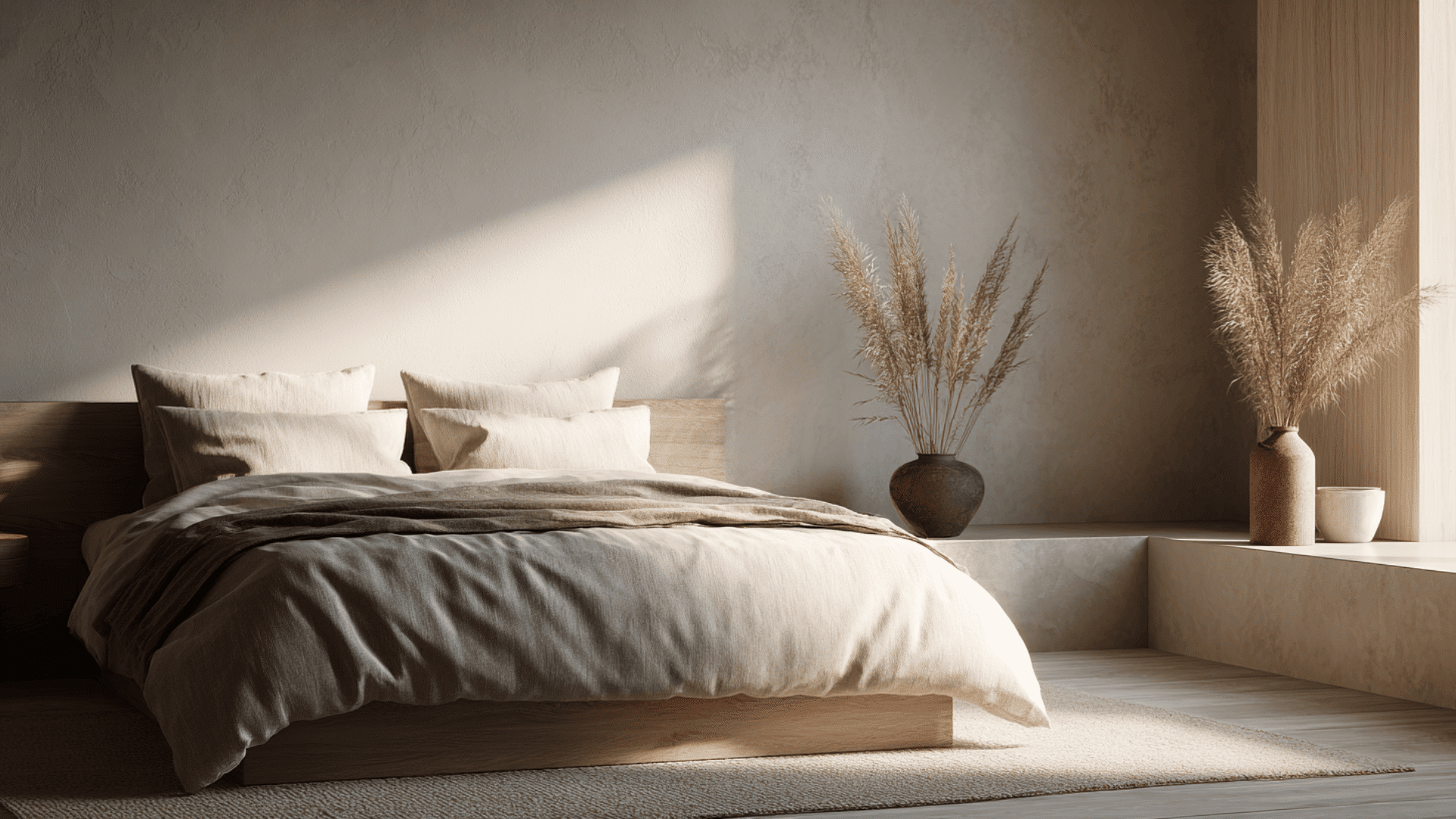
An organic modern bedroom feels calm through layered bedding in linen, cotton, and soft quilts. Simple nightstands in wood or stone keep the space grounded.
Warm lighting from globes, sconces, or bedside lamps adds comfort. The goal is a clean room with natural textures and gentle shapes that feel easy to live in.
3. Kitchen
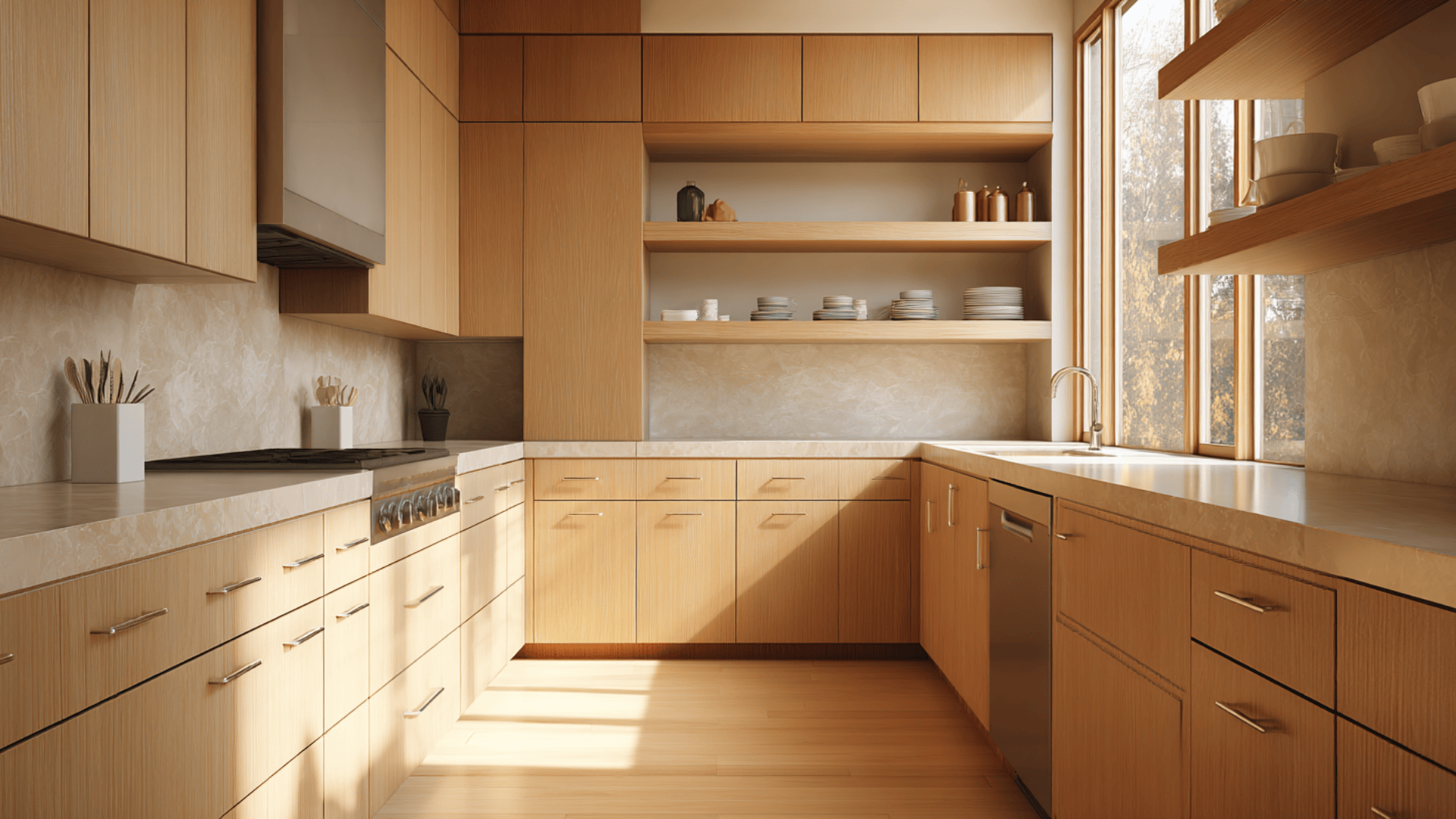
An organic modern kitchen uses warm wood or soft neutral cabinets, smooth stone countertops, and simple backsplashes like zellige or light tile.
Hardware in warm brass or matte black keeps things modern without being sharp. The mix of clean lines and natural materials creates a kitchen that feels warm and functional.
4. Dining Room
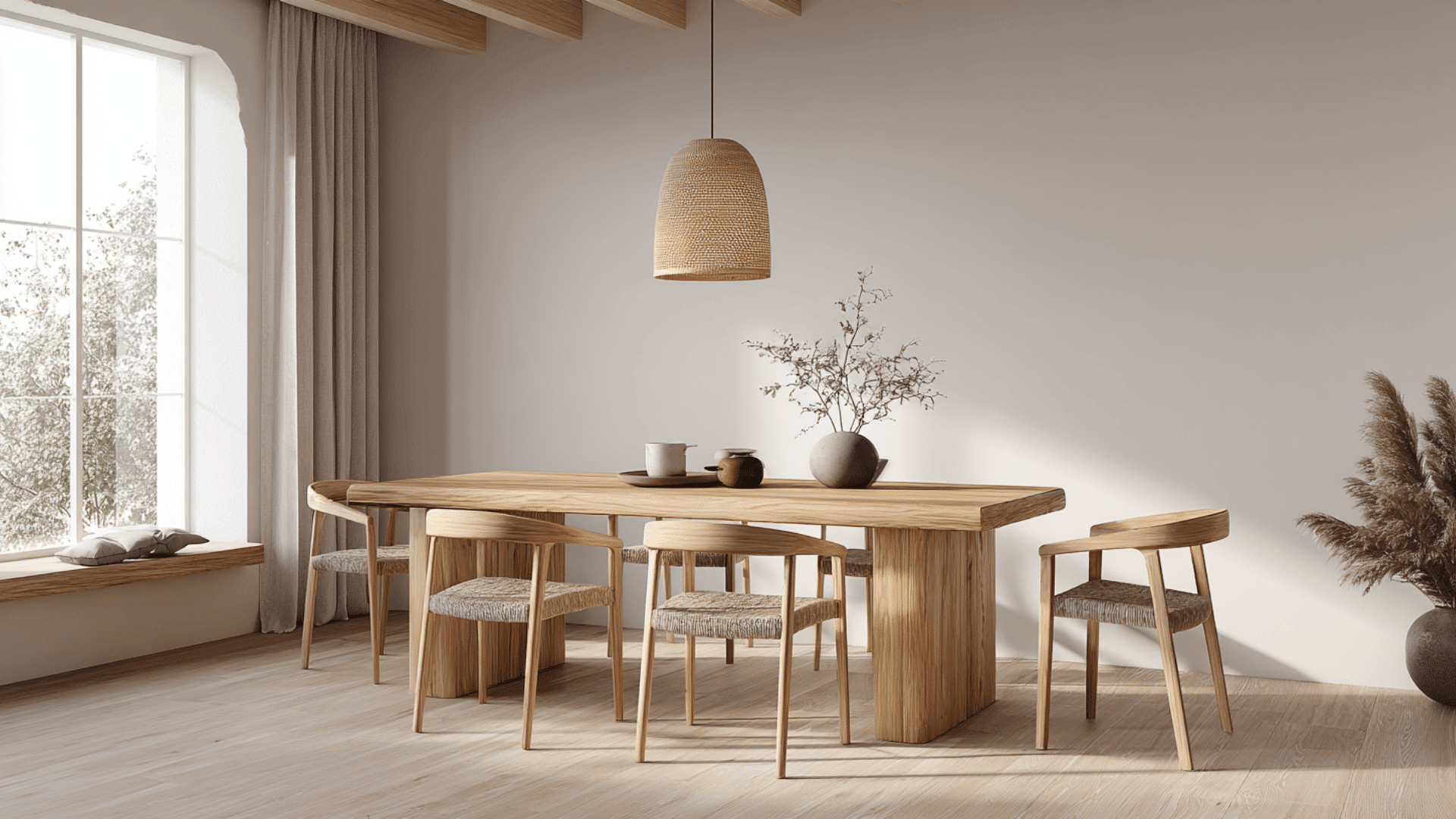
The dining room centers around a solid wood table with smooth edges or a rounded shape. Pair it with simple chairs in wood or soft upholstery.
A single pendant light adds warmth and focus. Keep the table decor light so the room feels clean, balanced, and easy to move through.
5. Bathroom
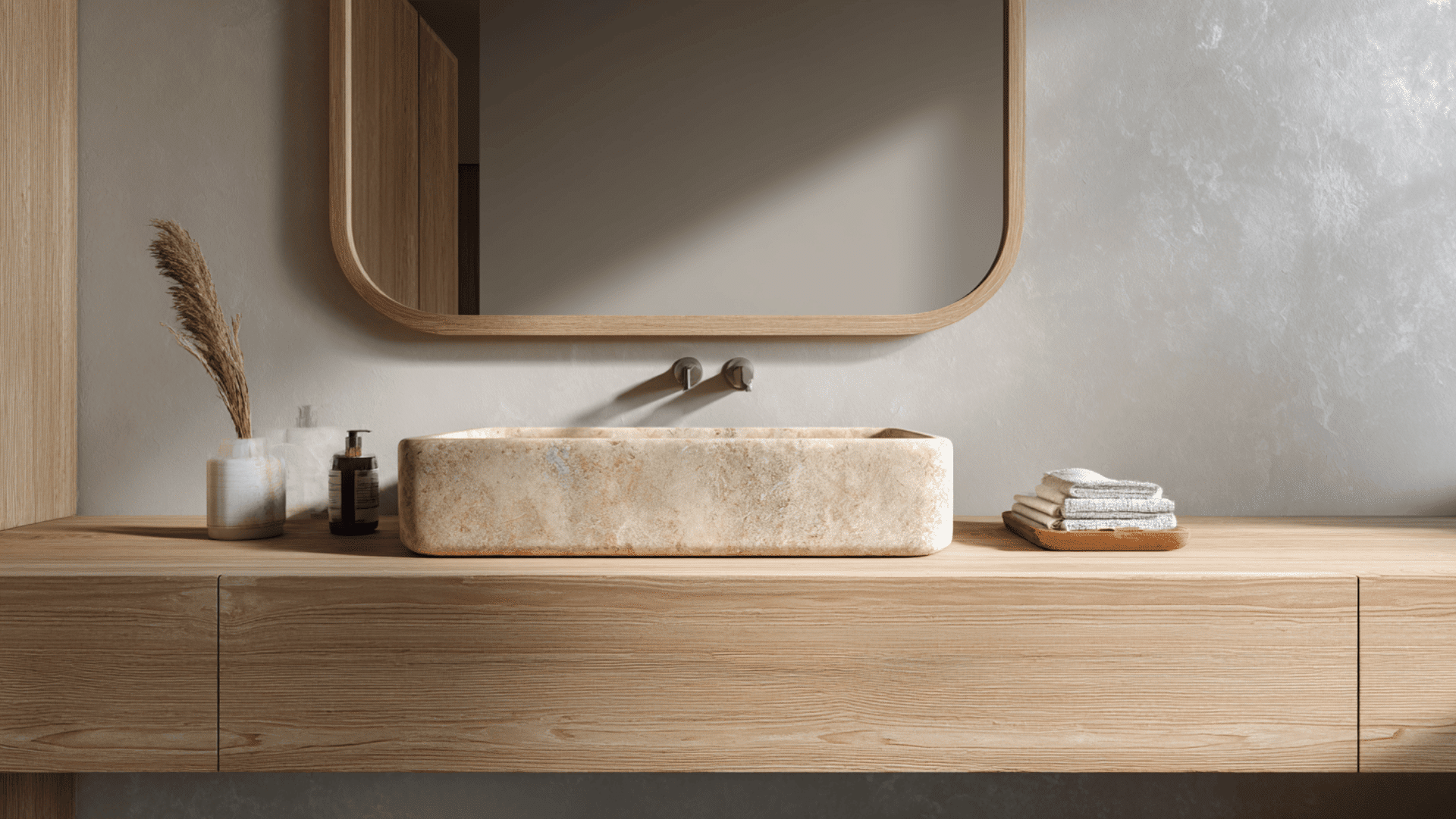
An organic modern bathroom uses wood vanities, warm stone countertops, and simple mirrors with soft shapes. Natural tiles or subtle textures make the space feel calm.
Warm lighting helps the room feel relaxed instead of harsh. A few natural accents, like a small plant or ceramic tray, finish the look.
6. Entryway
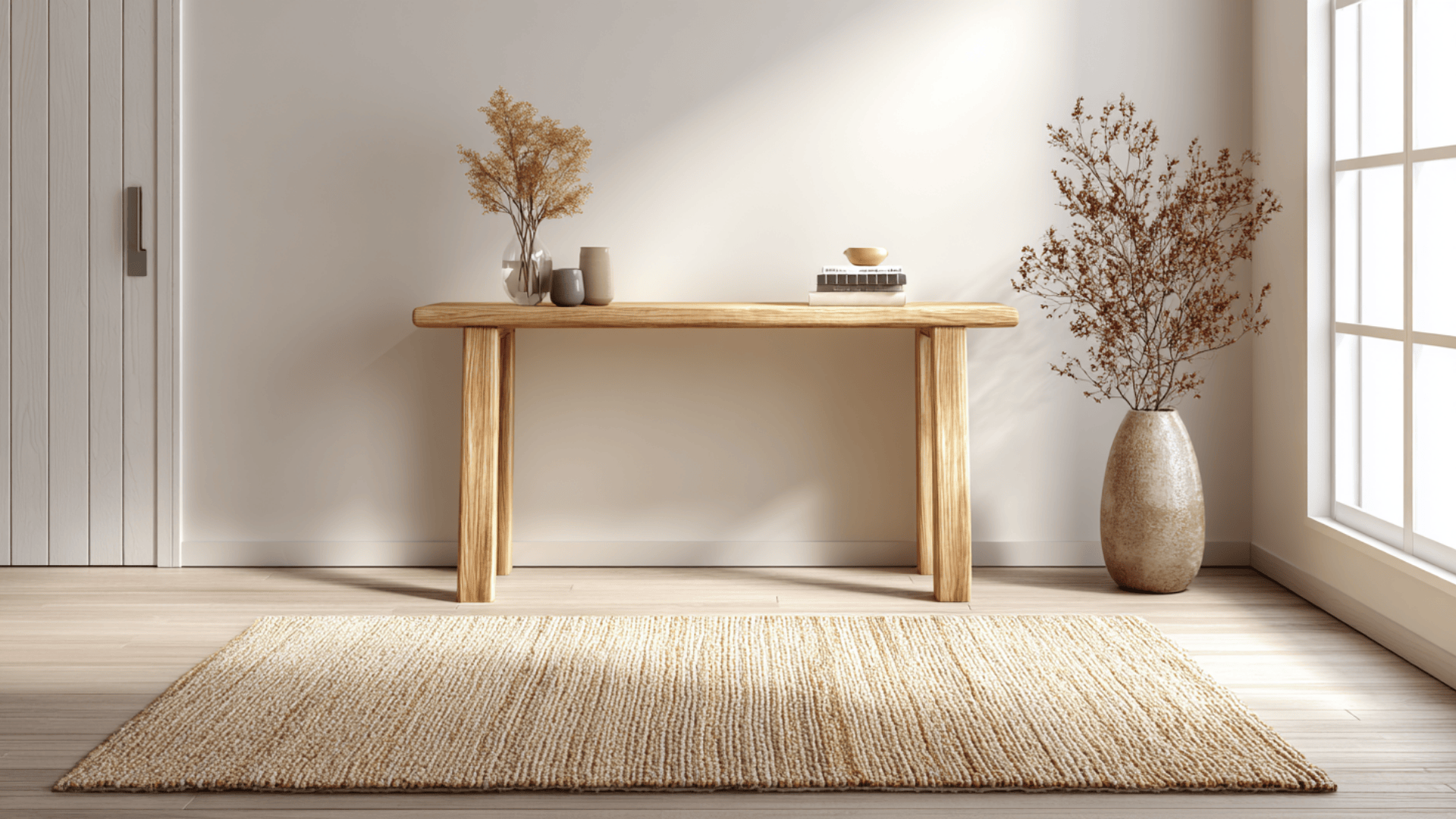
An organic modern entryway stays simple with a clean wood console table, a soft rug in wool or jute, and one or two natural accents like a plant or sculptural bowl.
Keep the space open so it feels clear and welcoming. The goal is a calm first impression that sets the tone for the home.
Moody Organic Modern: How to Do the Darker Version
A moody organic modern room uses deeper tones and richer textures while keeping the warmth that defines the style. These ideas help you add drama without losing comfort.
- Dark woods: Use walnut or deep espresso pieces to ground the room and create a rich base that still feels warm and natural instead of sharp or heavy.
- Charcoal linens: Bring in charcoal bedding, throws, or curtains to add softness and depth, giving the space a calm, moody tone that feels relaxed rather than cold.
- Black accents: Add small touches of matte black through lamps, frames, or hardware to create clean contrast that sharpens the look without overwhelming the natural materials.
- Warm lighting: Use warm bulbs, soft lamps, or diffused sconces to offset the darker palette and keep the room feeling inviting, balanced, and easy on the eyes.
- Stone textures: Include darker stone pieces like honed basalt or deep travertine to add quiet texture and weight while keeping the overall mood grounded and natural.
- Muted greens: Bring in deep green decor or plants to keep the room connected to nature, adding color that blends smoothly with the darker, moodier palette.
This palette gives you warm neutrals, grounded earth tones, and soft accents that fit the organic modern look. You can mix any of these shades and still keep the room calm and balanced.
Common Mistakes to Avoid
A few choices can shift an organic modern room in the wrong direction, so it helps to watch for the things that break the style. These points keep the space warm, simple, and balanced.
Using too much black:
Small black accents add clean contrast, but too much can make the room feel sharp or heavy. Keep black limited so the natural warmth stays in focus.
Over-decorating:
This style needs space to breathe. Too many objects, layers, or small decor pieces make the room feel cluttered. Keep only the items that add shape, texture, or purpose.
Mixing incompatible woods:
Wood tones that clash can make the room feel scattered. Stick to one main tone and add one softer supporting tone if needed, so everything stays connected.
Going too boho or too rustic:
A few organic textures work well, but busy patterns, bold textiles, or distressed finishes push the room away from a clean modern feel. Keep the look simple and quiet.
Using glossy or high-shine surfaces:
Shiny finishes fight the natural mood. Matte, honed, and soft textures feel warmer and more grounded, which fits the style much better.
These reminders help keep the look clean, warm, and consistent. When you avoid these common mistakes, the whole room feels calmer, more natural, and closer to the organic modern style you’re aiming for.
Wrapping Up
Bringing organic modern interior design into your home comes down to warm colors, simple shapes, and natural textures that feel good to live with every day.
When you use the right mix of wood, stone, fabrics, and soft lighting, the whole space feels calmer and more intentional.
Small choices make a big difference, like choosing the right accents, keeping the layout open, and using materials that age well.
Now that you understand the core ideas, the darker version, and the room-by-room approach, you can shape any space with clarity and confidence. Pick one room and try a few ideas today.