Flies drive me crazy. Every time I try to relax or eat, one shows up buzzing near my face.
I don’t like using strong-smelling sprays or weird chemicals, so I needed a natural fly repellent that felt safe and easy. I tried a few things, made some mistakes and finally found what really works, using stuff I already had at home.
Now it’s your turn. If you’re tired of swatting and chasing flies all day, I’ll show you what to use and why it works.
You’ll get simple ideas, homemade mixes, and helpful tricks that are safe for kids and pets. This isn’t about fancy tools; it’s about smart fixes that make your space yours again, not theirs. Keep reading.
Why Flies Are So Hard to Get Rid of Naturally
Flies are tough to deal with once they find something they like. If there’s food, water, or warmth around, they’ll keep coming back.
Even a few crumbs, a sticky spot on the counter, or a bit of fruit left out can bring them in. They can smell things we don’t notice and are quick to show up.
They also like warm, damp places. That’s why they hang around kitchens, sinks, trash cans, and pet bowls. These spots give them what they need to stay and lay eggs, so more flies show up later.
Sprays might kill some, but they don’t fix the reason flies came. That’s why they return. The real fix is a few small habits like cleaning up food, wiping counters, and keeping things dry.
Natural repellents can help, but they work best when you also make your space less fly-friendly.
How Natural Repellents Work and What to Expect
Before using any natural fly repellent, it helps to understand what it can and can’t do. Natural methods usually work by keeping flies away, not by catching or killing them.
This is the main difference from traps or sprays. So if you still see a few flies around, it doesn’t always mean the repellent failed, it may just be pushing them out of one area but not catching them.
Most natural repellents use strong smells that flies hate. Things like vinegar, herbs, citrus, or essential oils can help, but only if they’re placed in the right spots.
Near doors, windows, trash cans, and sinks are usually the best places.
Homemade repellents work best for small fly problems. If flies are everywhere, they may not be enough on their own. It’s also good to keep expectations realistic.
Natural fixes take time, and they work better when paired with good daily habits like cleaning and keeping food sealed.
Natural Fly Repellent Options You Can Make at Home
If you’re looking for a natural fly repellent that’s simple, safe, and low-cost, homemade options are a great place to start.
These methods use everyday ingredients like lemon, vinegar, and herbs: things you probably already have in your kitchen.
While they won’t fix a major fly problem overnight, they can help keep your home more comfortable when used the right way.
Below are some of the best fly repellents you can make at home, how they work, and where to use them:
1. Lemon and Clove Fly Repellent
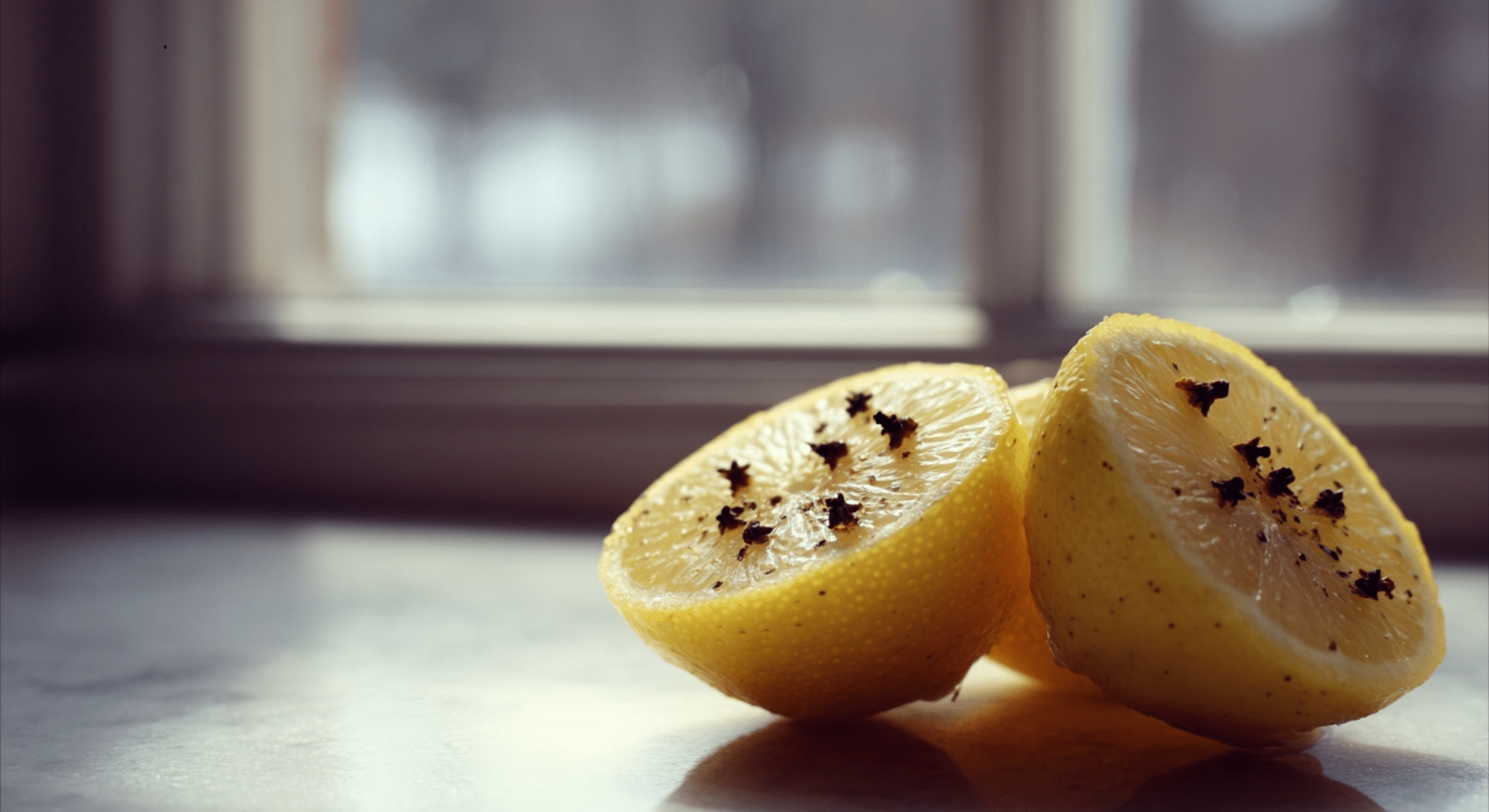
Why this works: Flies hate the strong smell of cloves and citrus. When combined, lemon and cloves give off a scent that drives flies away.
How to make it: Cut a lemon in half and press 6–10 whole cloves into each half, cut side up.
Best placement: Set the clove-stuffed lemons near windows, on kitchen counters, or near the trash.
How often to replace: Replace the lemons every 2–3 days, or once they start to dry out.
2. Essential Oil Fly Repellent Spray
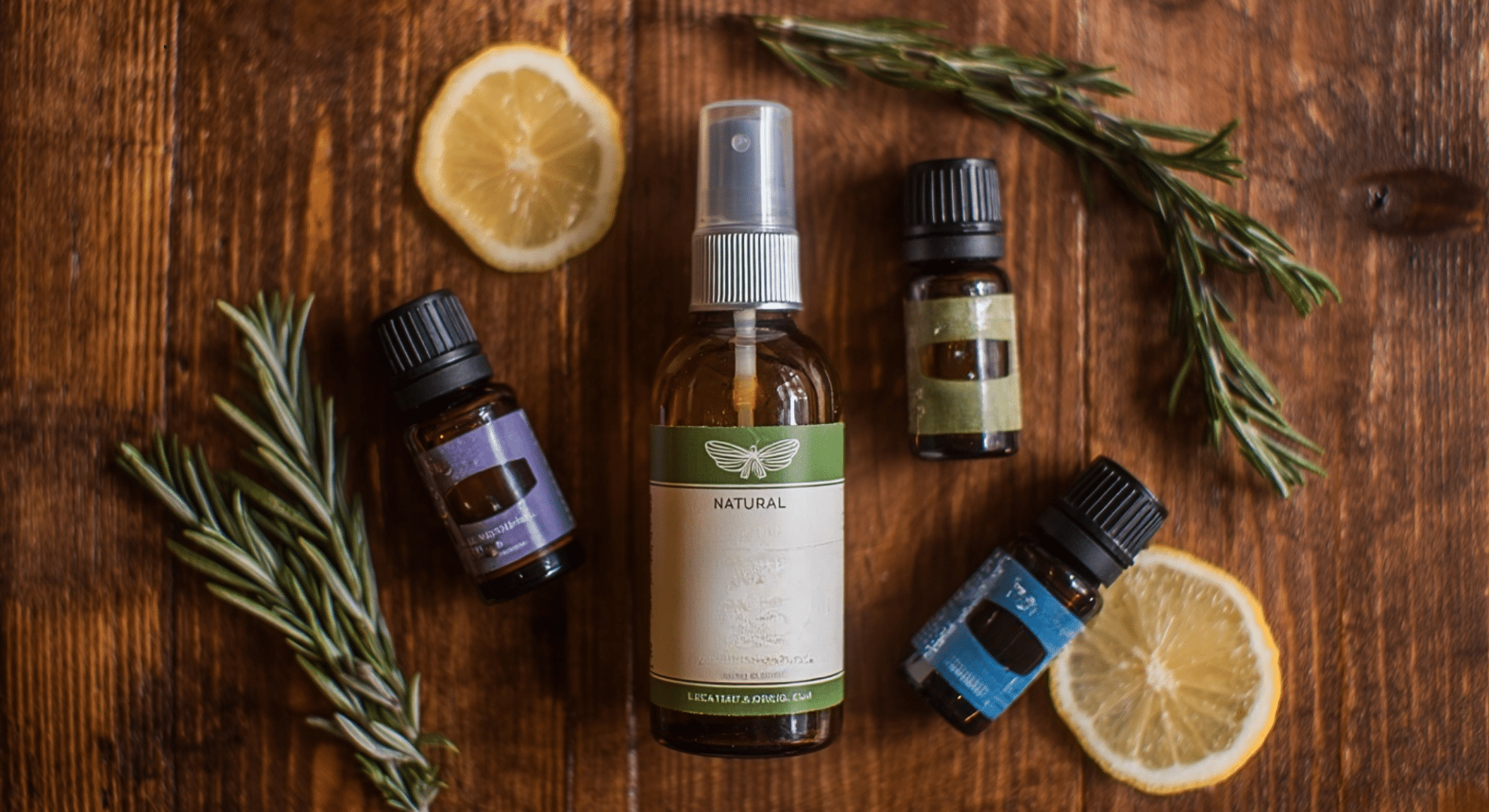
Oils that work best: Peppermint, eucalyptus, lavender, lemongrass, and citronella oils are great for repelling flies.
Simple DIY recipe:
- 1 cup of water
- 1 tablespoon of witch hazel or rubbing alcohol
- 10–15 drops of your chosen essential oil
Mix in a spray bottle and shake before each use.
Indoor vs. outdoor use: This spray works well indoors: on curtains, near windows, or door frames. It can also be used outside on patio furniture, but may need to be reapplied more often.
Dilution guidance: Always dilute essential oils. Never spray pure oil on skin or pets. Stick to 10–15 drops per cup of liquid.
3. Vinegar-Based Fly Repellents
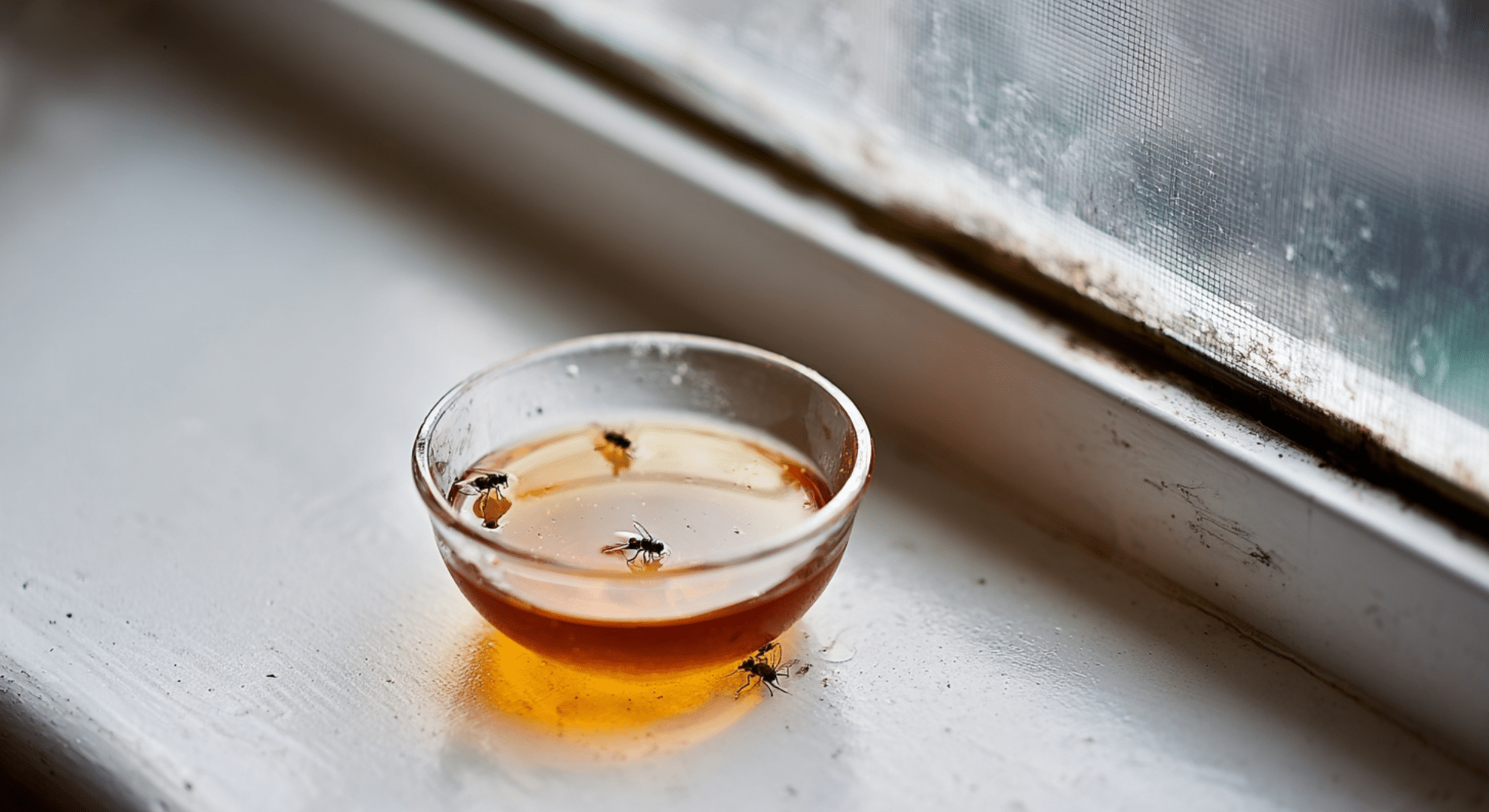
Repellent vs. trap explanation: Vinegar can be used in two ways: to repel or trap flies. Apple cider vinegar has a strong smell that attracts flies to traps. White vinegar can be used as a cleaner that helps keep flies away.
Where vinegar helps: Use apple cider vinegar in traps: small bowls with a few drops of dish soap can catch flies. White vinegar is great for wiping down counters, sinks, and trash can lids.
Common mistakes: Using the wrong kind of vinegar, forgetting the soap in traps, or placing traps too far from fly-prone areas.
4. Plant-Based Fly Repellents
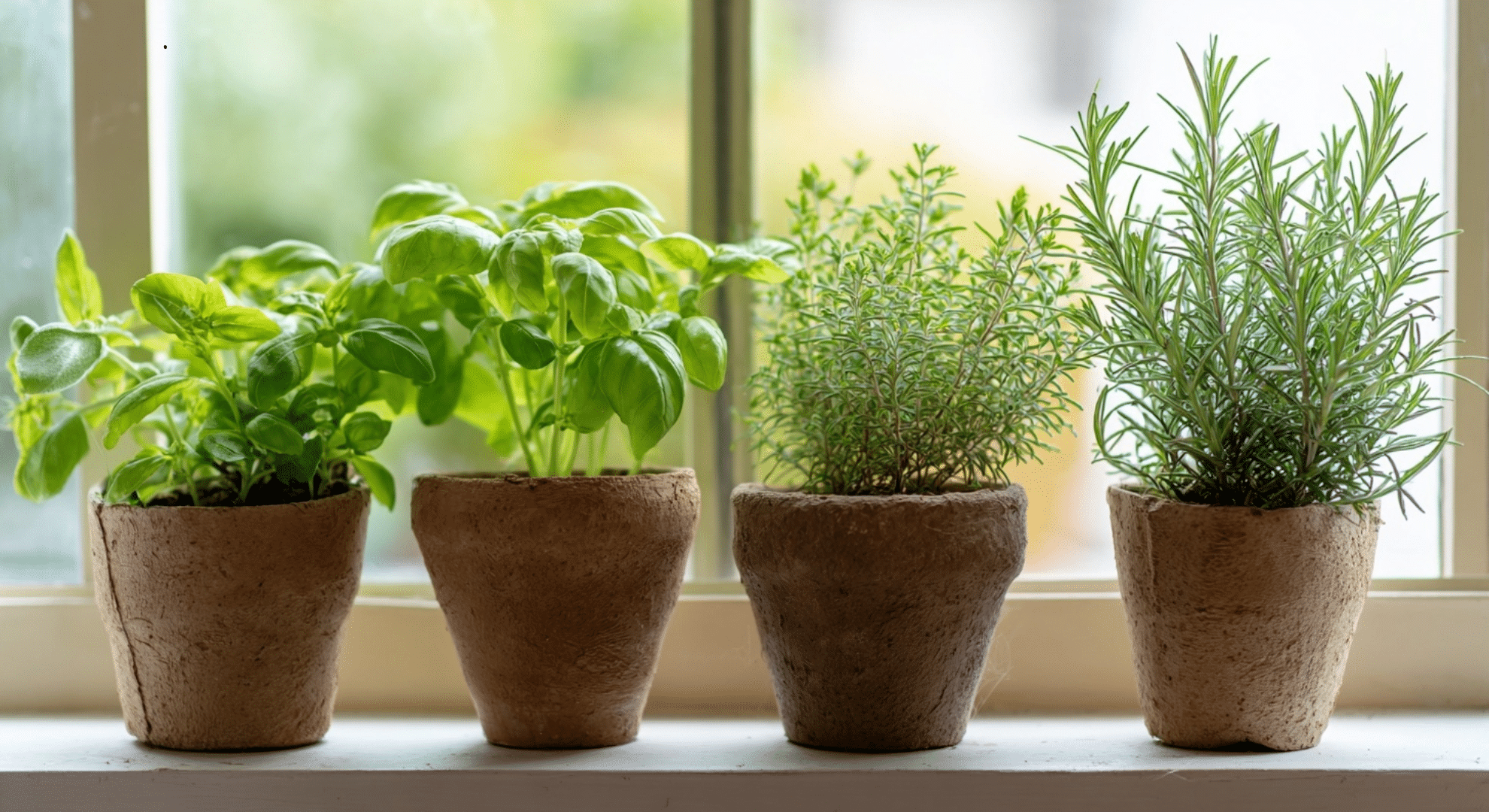
Herbs and plants that help: Basil, mint, rosemary, lavender, and lemongrass are all known to keep flies away.
Indoor vs. outdoor expectations: These plants can help reduce flies, but they work best when placed near windows, doors, or outdoor seating areas. They need to be strong and healthy to give off enough scent.
Limits of plant-only solutions: Plants alone usually aren’t enough to solve a fly problem. Think of them as a bonus tool to use alongside other methods like sprays or traps.
5. Cucumber Slices as a Fly Deterrent
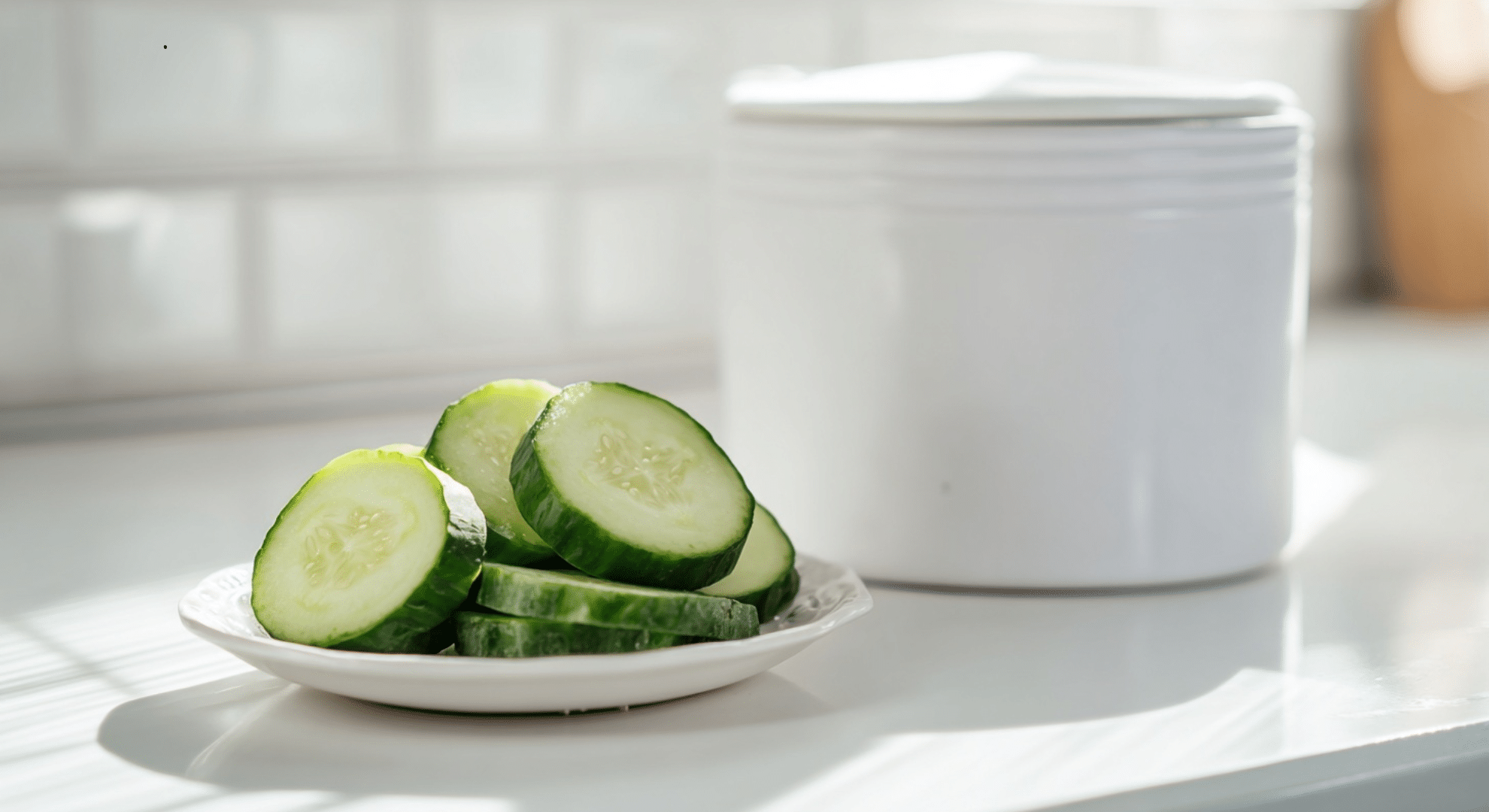
Why this works: Flies dislike the smell of cucumber. It’s especially helpful around trash cans or food areas where flies often gather.
How to use it: Slice a cucumber into thin rounds. Place a few slices on small plates or paper towels in fly-prone spots.
Best placement: Near trash bins, compost containers, kitchen counters, or windowsills.
How often to replace: Change the slices every day or once they start to dry out or smell odd.
6. Cayenne Pepper Spray
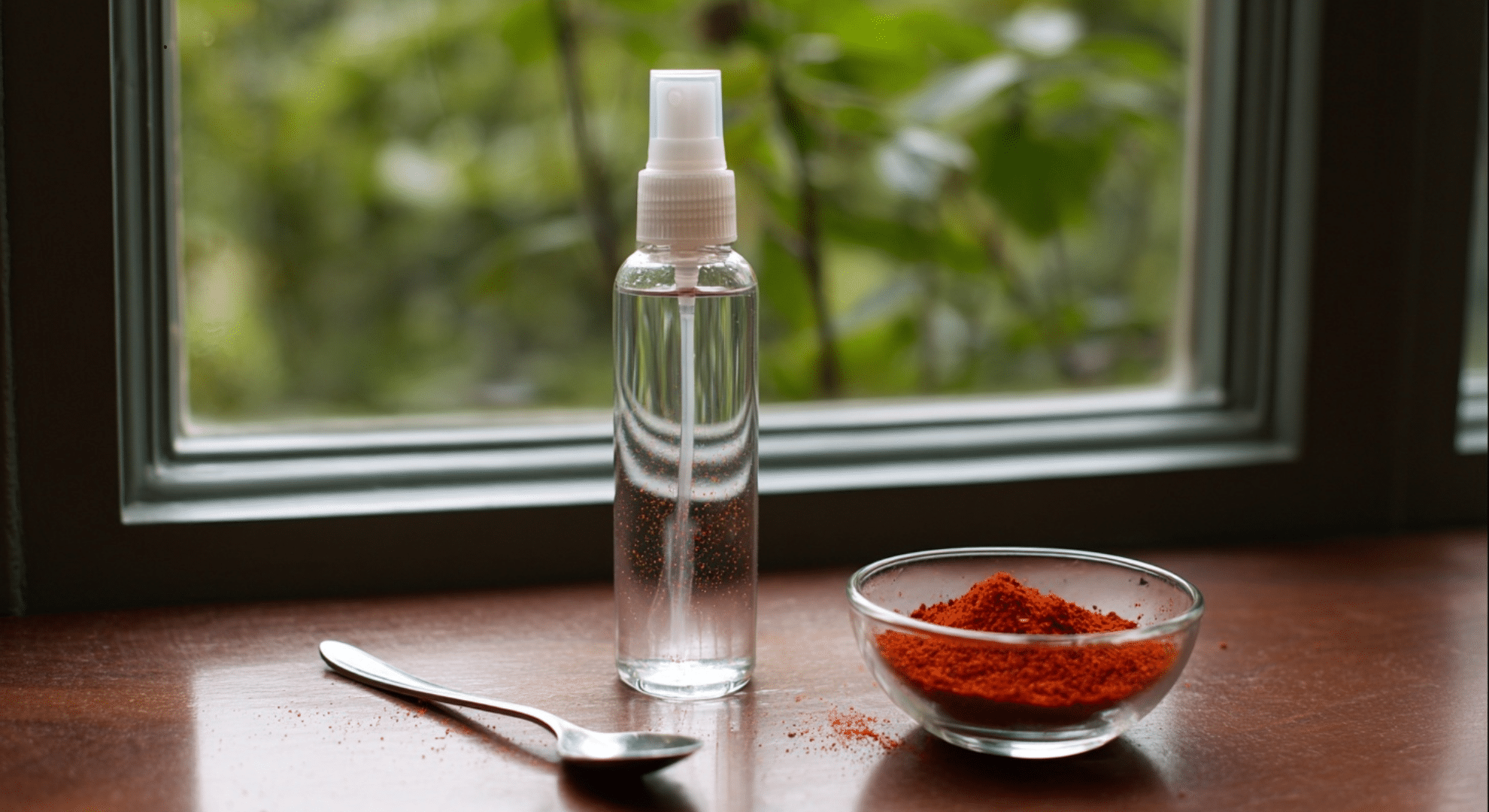
Why this works: The strong scent of cayenne pepper keeps flies from landing. It acts as a natural barrier, especially near doors or patios.
How to make it: Mix 1 tablespoon of cayenne pepper with 1 cup of water. Pour into a spray bottle and shake well.
Where to spray: Spray around window frames, doorways, outdoor furniture, and garbage bins. Avoid spraying on skin or near pets.
Safety note: Don’t touch your eyes after using the spray. Always wash hands after handling the mixture.
7. Garlic Water Spray
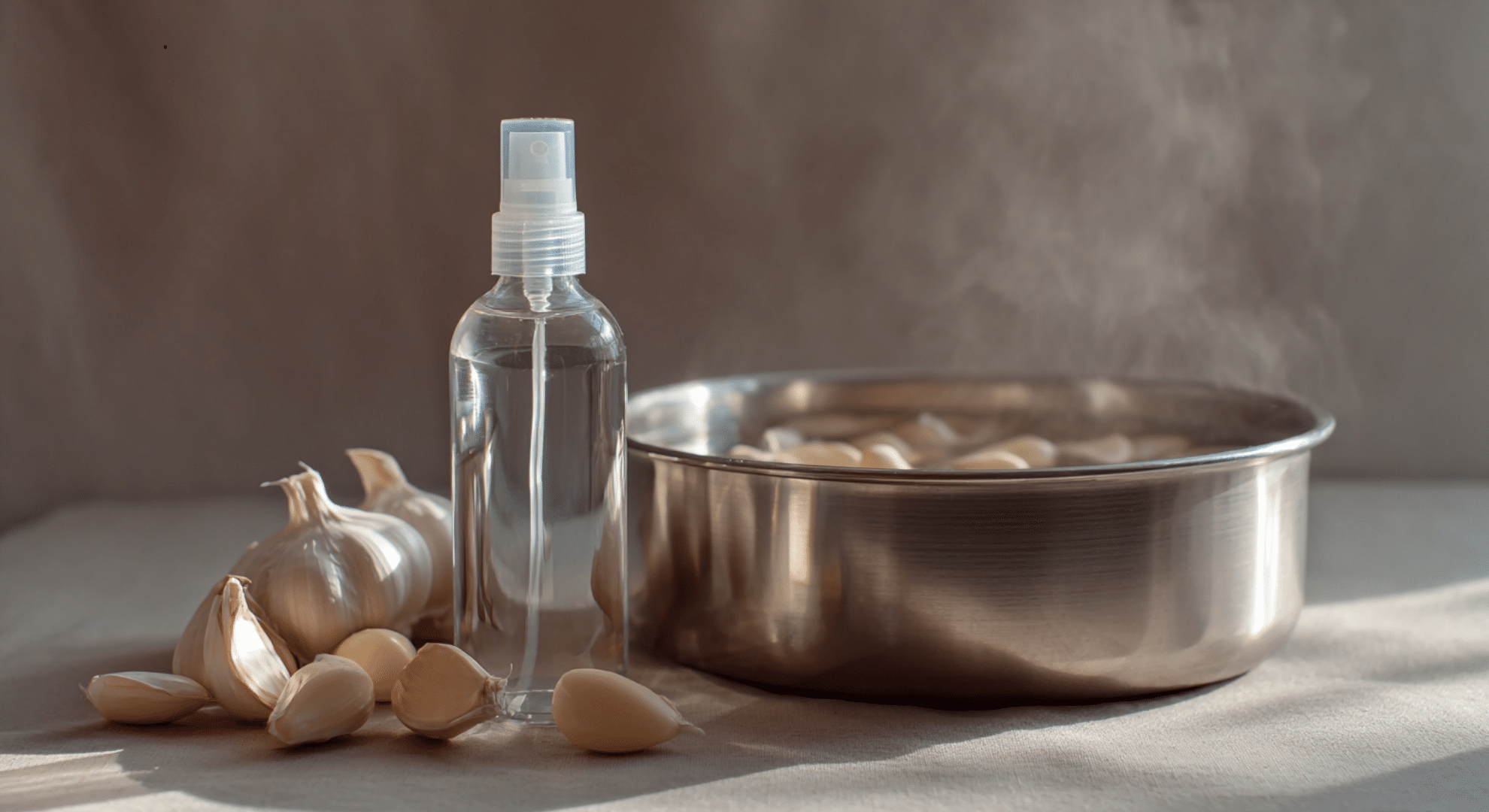
Why this works: Garlic’s strong smell keeps flies away. It works well outdoors or in areas with lots of airflow.
How to make it: Crush 4–5 garlic cloves and boil them in 2 cups of water. Let it cool, strain it, and pour into a spray bottle.
Best use spots: Spray lightly on outdoor furniture, near doors, or around patios. The smell fades as it dries but still works for flies.
How often to reapply: Every 1–2 days, or after rain if used outside. Store any extra mix in the fridge for a few days.
Natural Fly Repellent vs. Fly Traps
Not all fly problems need the same solution. Sometimes, a repellent is enough to keep them away. Other times, traps are the better choice, especially if flies are already inside and won’t leave.
Using both can work well, but you need to place them right. Putting them too close together can backfire and draw flies into the wrong spots.
| Natural Fly Repellent | Fly Traps |
|---|---|
| Keeps flies away using smell | Catches flies already inside |
| Best for prevention | Best for existing fly problems |
| Works near doors, windows | Works near trash or fruit bowls |
| Needs to be refreshed often | Needs to be emptied regularly |
| Safe around people and pets | Some traps may be sticky or messy |
Repellents push flies away, while traps remove the ones that are already around. Use repellents near entry points and traps in hidden corners to avoid pulling flies toward living spaces.
Choosing the Right Natural Fly Repellent for Your Space
Not all fly repellents work the same in every area of your home. In kitchens, use food-safe options like lemon with cloves or wipe surfaces with vinegar.
Avoid spraying oils near food. In living rooms or bedrooms, go for low-scent choices like mint plants or light lavender sprays; strong smells can feel too heavy in these spaces.
Outside, wind makes it harder for scents to last, so use strong plants like citronella or reapply sprays often. For trash areas or compost bins, flies gather fast, so combine vinegar traps with garlic or peppermint sprays to keep them away.
- Kitchens: Use lemons with cloves, skip sprays near food
- Living spaces: Use light-scented herbs or spray curtains
- Outdoors: Use potted plants and reapply sprays often
- Trash zones: Combine vinegar traps with strong-scent sprays
Choosing the right method for each spot makes natural fly control more effective and easier to manage.
How Long Do Natural Fly Repellents Last
Natural fly repellents only work as long as their smell stays strong. Once the scent fades, flies stop avoiding the area.
Heat, sunlight, and moving air can cause the smell to wear off quickly, especially with sprays or fresh items like lemon, herbs, or garlic.
Most homemade sprays need to be used again every one to two days. If you’re using them outside, you might need to spray more often, especially after rain or wind. Solid items like lemon with cloves or cucumber slices last about two to three days before drying out.
Vinegar traps can sit out a little longer, but they should still be checked and cleaned often. To make your repellents last longer, store extra spray in a cool, dark place with the lid tightly closed.
If you’re prepping fresh ingredients ahead of time, keep them in the fridge. Keeping things sealed and cool helps keep the smell strong longer.
Natural Fly Repellents and Pet Safety
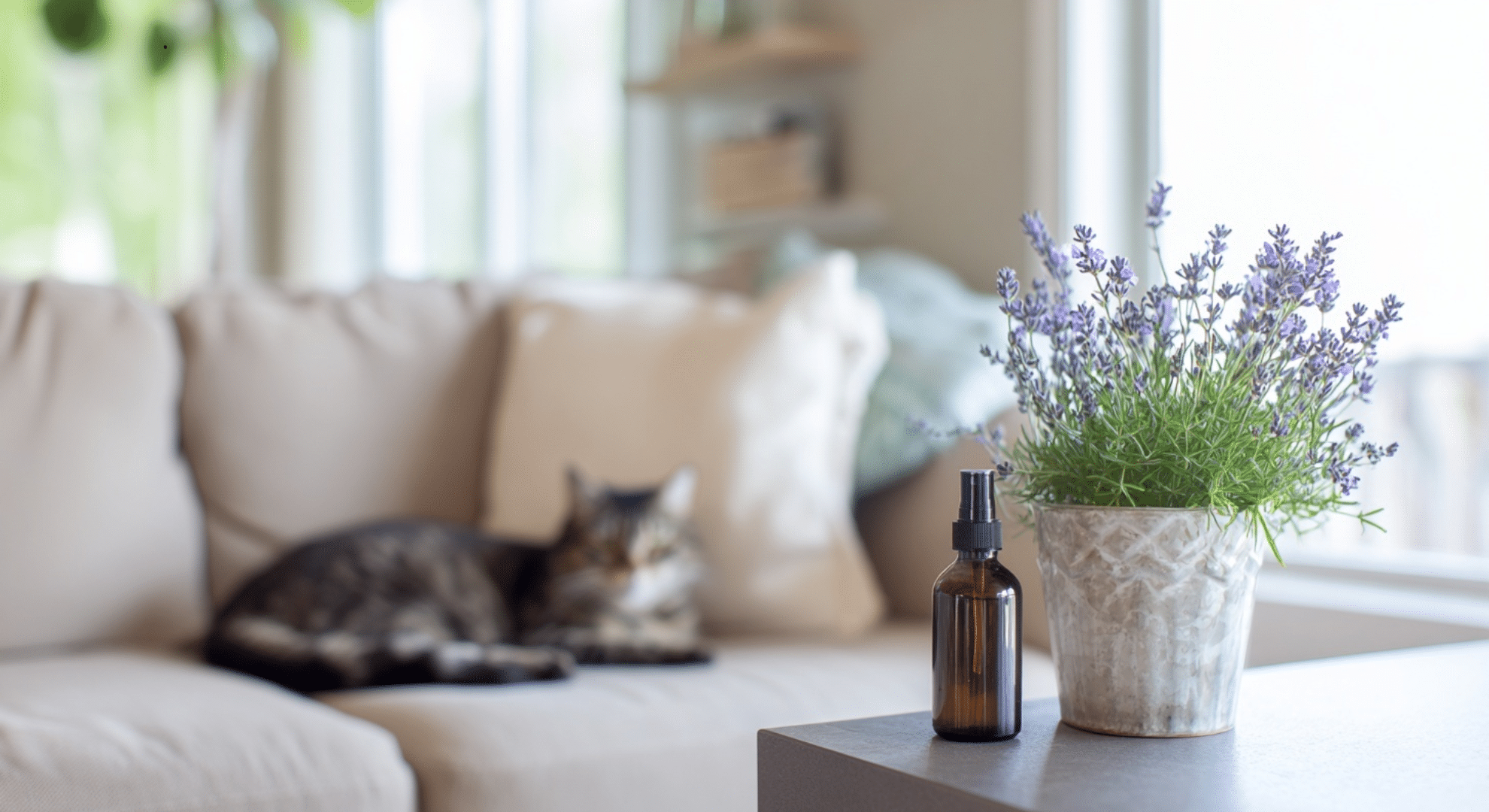
When using natural fly repellents around pets, it’s important to know that some ingredients can bother or even harm them.
Certain essential oils like tea tree, pennyroyal, and clove can be unsafe for cats and dogs, especially if used in large amounts or in poorly ventilated areas.
Stick with pet-friendlier oils like lavender or cedarwood, and always keep sprays light and diluted.
Never apply essential oils directly to pets or their bedding. Place repellent sprays or scented items out of your pet’s reach, like near windows, counters, or high shelves.
Avoid using strong-smelling items near food bowls, litter boxes, or places where your pet sleeps. Watch for signs of discomfort like sneezing or avoiding areas with repellent.
When in doubt, test a small amount in one spot first. With careful use and smart placement, you can keep your home fly-free while keeping your pets safe and comfortable.
Preventing Flies Naturally Before They Start
Stopping flies before they show up is the easiest and cleanest way to keep your home bug-free. Natural repellents work best when flies aren’t already everywhere, and small daily habits make a big difference.
- Wipe kitchen counters and tables after every meal
- Take out the trash before it gets full or starts to smell
- Rinse food containers before tossing them in the bin
- Keep fruit in the fridge or covered on the counter
- Fix window screens and seal small gaps around doors
- Don’t leave standing water in sinks, pet bowls, or plant trays
These small steps help remove the things that attract flies in the first place.
When your space is already clean and sealed, natural fly repellents don’t have to work as hard and they’ll work a lot better too. Prevention gives you the upper hand before flies even get the chance to move in.
Conclusion
Using a natural fly repellent made my home feel cleaner and calmer without harsh smells or sprays. I didn’t have to keep swatting or stressing every time I saw a fly. Just a few simple changes made a big difference.
Now it’s your turn. You’ve got easy options, smart tips, and safe ways to keep flies out. Try one today, even if it’s just placing a lemon with cloves near the sink.
Stay consistent. These natural fixes work best when used often and paired with clean-up habits.
If this helped, there’s more where that came from. I’ve written other blogs with tips that are just as easy to follow. Go check them out and find more ways to keep your space feeling good!